CESSNA 182T SKYLANE Model Guide
CESSNA 182T SKYLANE · Model Guide
Overview
The CESSNA 182T SKYLANE is a four-seat, single-engine piston airplane with a 230 hp Lycoming IO-540-AB1A5 and a three-blade constant-speed propeller. The POH gives a 145 knot cruise at 7,000 ft, 87 gallons of usable fuel and a 200 lb baggage allowance. Registry figures differ from the POH, so verify against the airplane's own documents.
- Max takeoff 3,100 lb, ramp 3,110 lb, landing 2,950 lb. Standard empty weight is 1,924 lb and max useful load is 1,186 lb.
- POH: 145 kt cruise at 7,000 ft, and 930 nm max range at 10,000 ft and 55% power, on 87 gal usable fuel.
- Baggage is limited to 200 lb in total, with only 80 lb combined allowed in areas B and C.
- Takeoff over a 50 ft obstacle needs 1,514 ft and landing over 50 ft needs 1,350 ft in standard conditions.
Summary written by AI from the source document. Check the original before relying on it. See which parts of Sprinkle are written by AI.
Reference only, not for flight. Use the current approved manual for your aircraft. See terms, section 5.
Document
Source
Copy found at sprinkle.com. Sprinkle hosts a reference copy with an added summary, specifications and searchable full text.
Document details
- Type ·
- Model Guide
- Year ·
- 2026
- File size ·
- 50 KB
- Copy found at ·
- sprinkle.com
Specifications & performance
Extracted from this document.
Specifications
- Engine (hp) ·
- 230
- Length (ft) ·
- 29
- Wingspan (ft) ·
- 36
- Engine model ·
- Lycoming IO-540-AB1A5
- Usable fuel (gal) ·
- 87
- Fuel capacity (gal) ·
- 92
- Propeller diameter (in) ·
- 79
Performance
- Range (nm) ·
- 930
- Max speed (kt) ·
- 150
- Cruise speed (kt) ·
- 145
- Rate of climb (fpm) ·
- 924
- Service ceiling (ft) ·
- 18,100
- Landing over 50ft (ft) ·
- 1,350
- Takeoff over 50ft (ft) ·
- 1,514
- Takeoff ground roll (ft) ·
- 795
V-speeds
- VNE_KTS ·
- 175
- VFE_FLAPS_10_KTS ·
- 140
- VFE_FLAPS_20_KTS ·
- 120
- VFE_FLAPS_FULL_KTS ·
- 100
- BEST_GLIDE_SPEED_KTS ·
- 76
- APPROACH_SPEED_FLAPS_DOWN_KTS ·
- 70
Weight & balance
- Max ramp weight (lb) ·
- 3,110
- Max useful load (lb) ·
- 1,186
- Baggage allowance (lb) ·
- 200
- Max landing weight (lb) ·
- 2,950
- Max takeoff weight (lb) ·
- 3,100
- Standard empty weight (lb) ·
- 1,924
How much can the CESSNA 182T SKYLANE carry?
The CESSNA 182T SKYLANE seats four. The POH lists a maximum useful load of 1,186 lb and a baggage allowance of 200 lb. Max takeoff weight is 3,100 lb and max landing weight is 2,950 lb. Actual useful load depends on the individual airplane's empty weight.
How far can the CESSNA 182T SKYLANE fly?
The POH gives the CESSNA 182T SKYLANE 773 nm at 80% power and 7,000 ft, and 930 nm at 55% power and 10,000 ft. Both figures use 87 gallons of usable fuel and include a 45 minute reserve.
What runway does the CESSNA 182T SKYLANE need?
In standard conditions the POH shows a CESSNA 182T SKYLANE takeoff ground roll of 795 ft and 1,514 ft over a 50 ft obstacle. Landing is 590 ft ground roll and 1,350 ft over a 50 ft obstacle.
What is the CESSNA 182T SKYLANE Model Guide?
The CESSNA 182T SKYLANE Model Guide is a model guide for the CESSNA 182T SKYLANE, dated 2026.
What year was the CESSNA 182T SKYLANE Model Guide published?
The CESSNA 182T SKYLANE Model Guide — the CESSNA 182T SKYLANE model guide on file — is dated 2026.
Common. One of the most common aircraft types we track.
Most owners only have the POH. Here's the essential set for the CESSNA 182T SKYLANE.
- Pilot's Operating Handbook / AFM
- Checklist
- Maintenance Manual
- Parts Catalog (IPC)
- Systems & Wiring
- Service Bulletins on file
- Type Certificate (TCDS)
CESSNA 182T SKYLANE for sale now
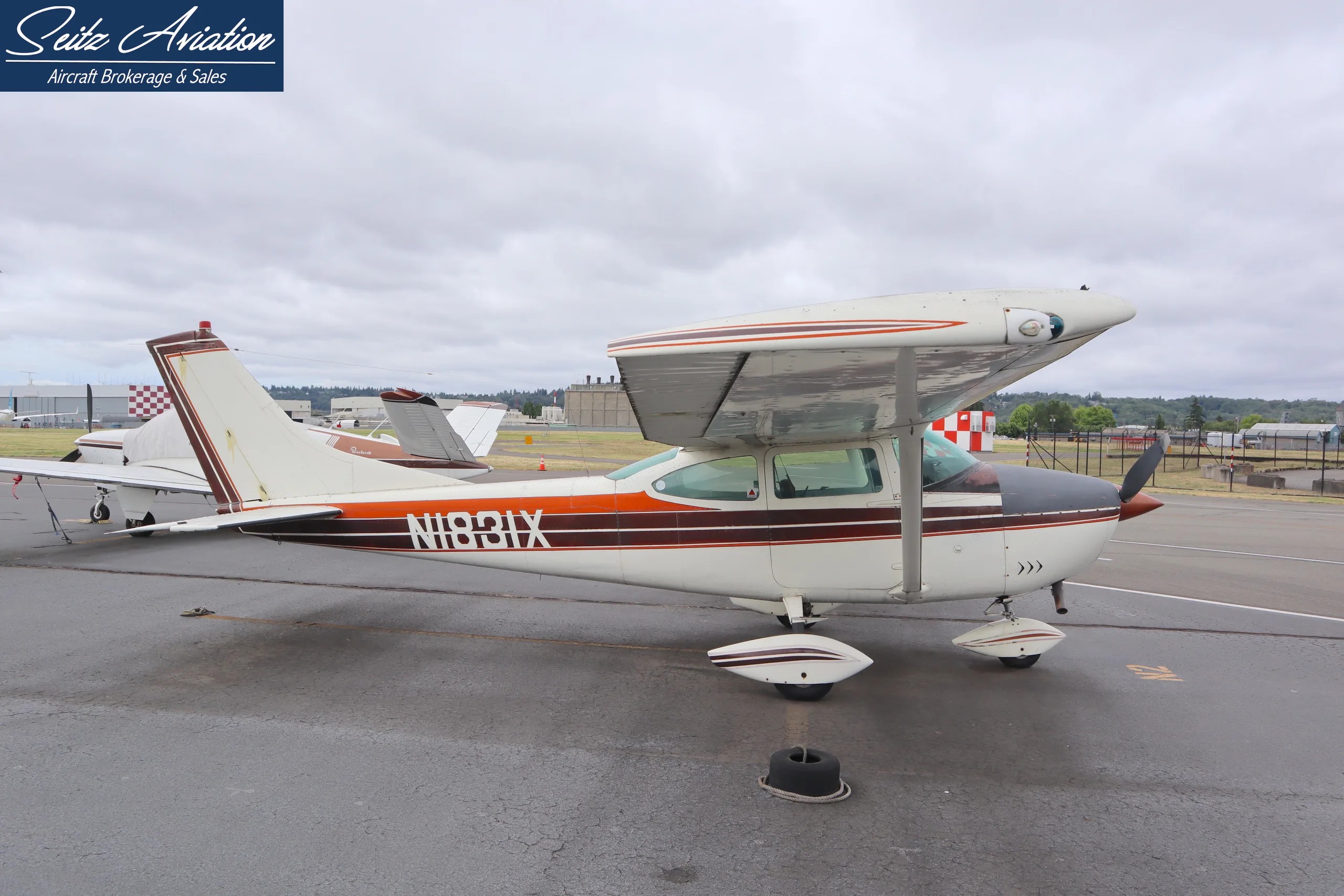
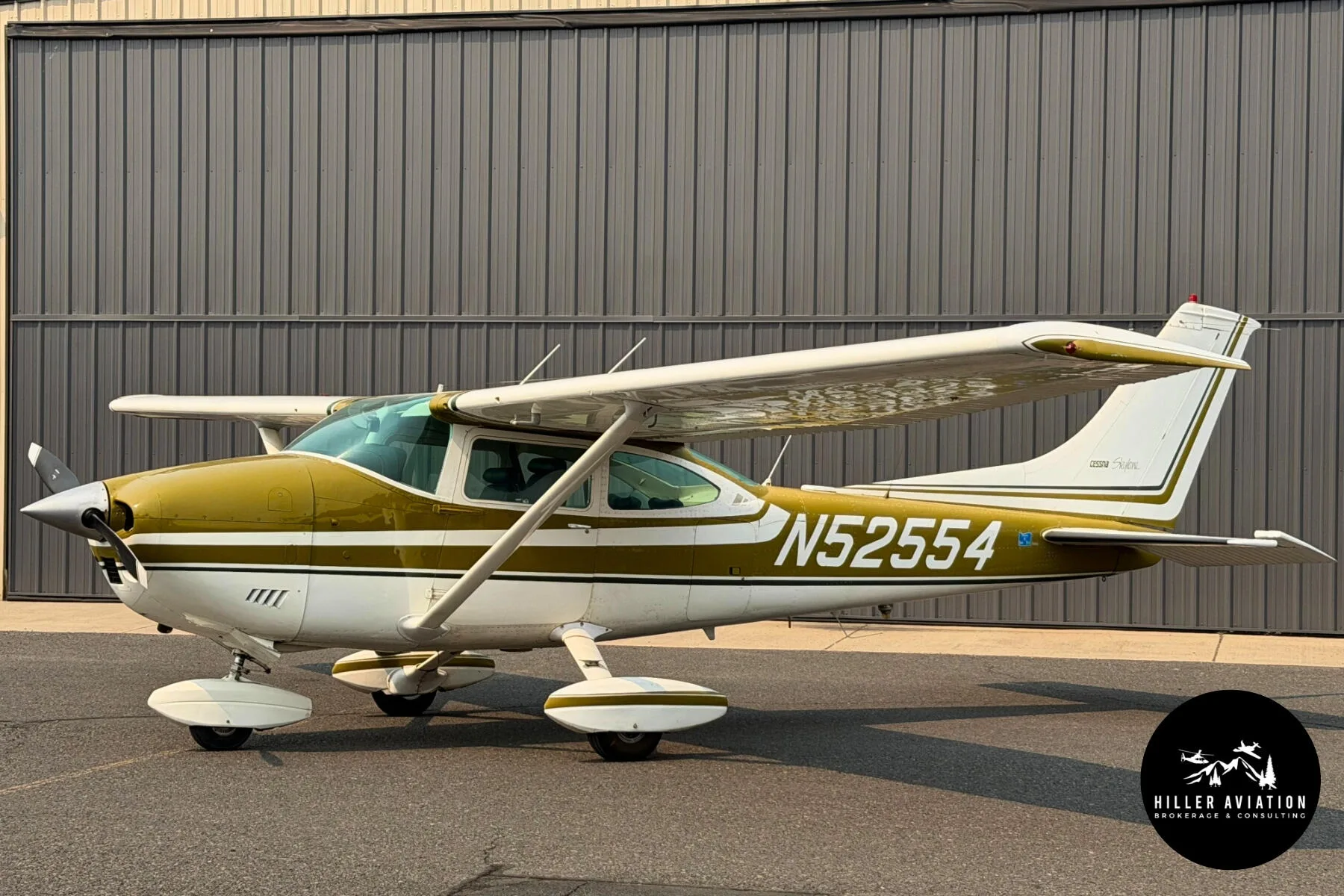
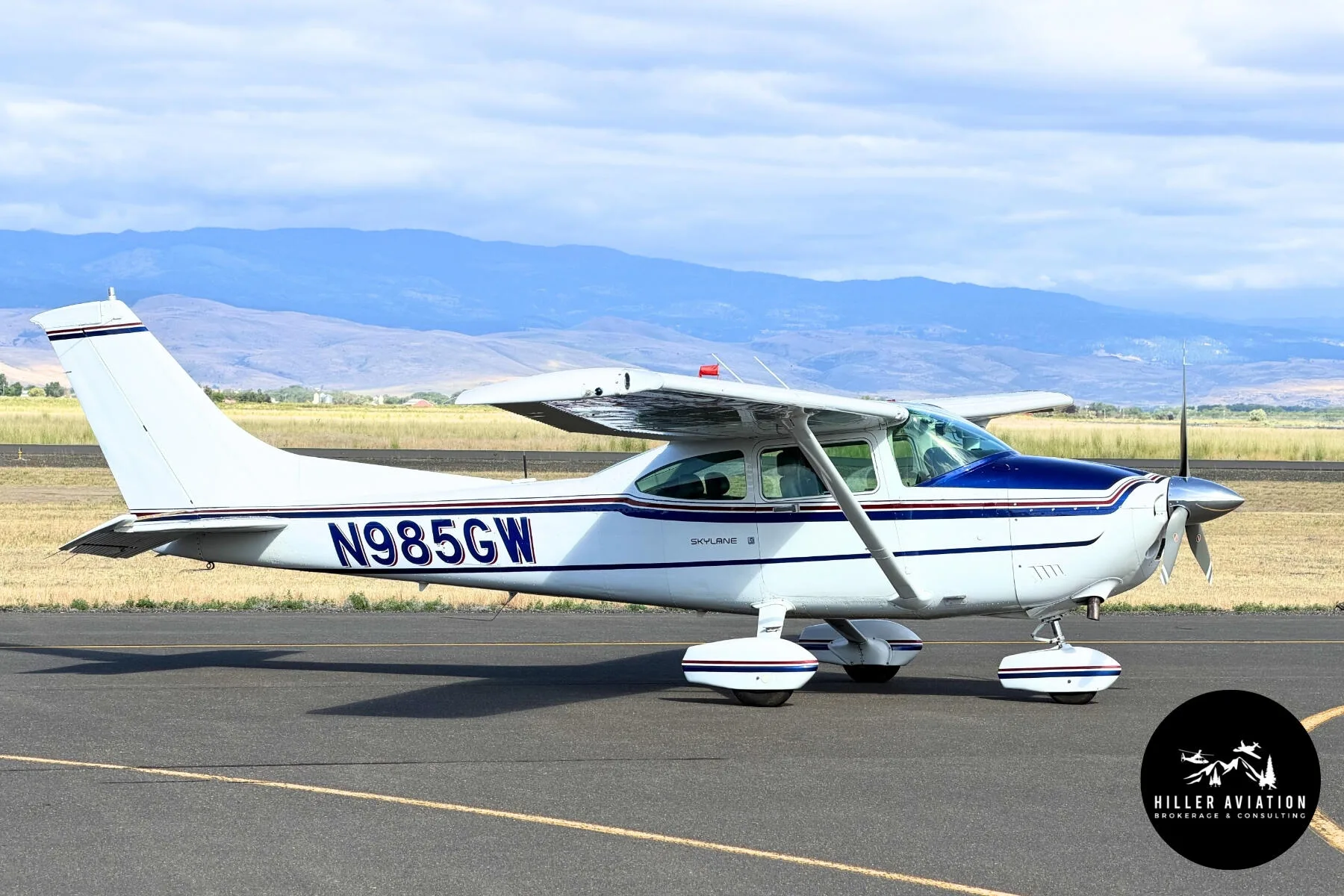
Free — save the 182 to your watchlist and track it in one place.
More CESSNA 182T SKYLANEmanuals & documents
- Cessna T182T Groundschool - Calgary Flying ClubNormal Procedures
- EMERGENCY PROCEDURESEmergency Procedures
- C182T G1000 CESSNA SKYLANE PREFLIGHTChecklist
- CAWG Group 2- CAP C-182T Profiles GuideTraining Manual
- INSTALLING GLASS PANEL SYSTEMS - Dynon AvionicsWiring Diagrams
- CESSNA, T182T, Skylane, Exhaust System. - Acorn WeldingSystems Description
- Cessna 182T SpecificationsSpecifications
- Pilot's Operating Handbook and FAA Approved Airplane Flight ManualPilot's Operating Handbook
- Cessna 182T Skyhawk Pilot's Operating HandbookPilot's Operating Handbook
- Cessna 182T NAV III Bold Face Emergency ProceduresEmergency Procedures
- CAPF 70-5 Training Module 6: Aircraft SystemsTraining Manual
- section 6 - weight and balance/equipment list model 182t nav iiiWeight & Balance
Related documents
- CESSNA 182S SKYLANE Model GuideCESSNA 182S SKYLANE · Model Guide
- CESSNA 182P SKYLANE Model GuideCESSNA 182P SKYLANE · Model Guide
- CESSNA TURBO 182T SKYLANE Model GuideCESSNA TURBO 182T SKYLANE · Model Guide
- CESSNA 182Q SKYLANE Model GuideCESSNA 182Q SKYLANE · Model Guide
- CESSNA 182R SKYLANE Model GuideCESSNA 182R SKYLANE · Model Guide
If you fly the CESSNA 182T SKYLANE, you may also be researching these.


In this document
What to check on inspection
Look for airframe corrosion, dented or cracked skin and missing screws or rivets. Wrinkled skin near the tail hook or a wrinkled firewall point to hard landings. Check the propeller for nicks, cracks and leaks at the blade bases. Be concerned if the engine uses more than 1 quart of oil per hour. At runup, magneto drop should not exceed 175 RPM, with no more than 50 RPM between mags.
Loading and baggage
Baggage area A takes 120 lb, and areas B and C take 80 lb each. The combined limit is 200 lb for A, B and C and 80 lb for B and C together. The rear seat can be removed for cargo. The rear cabin floor is rated 200 pounds per square foot, and each of the ten tiedowns is rated 140 pounds. Use the airplane's own weight and balance records.
Reading the performance numbers
POH speed and range figures assume the standard wheel and brake fairings, which add about 3 knots over an airplane without them. Cruise range allows for engine start, taxi, takeoff, climb and a 45 minute reserve. Figures are calculated for standard conditions, level hard dry runways and no wind. Individual airplanes will differ.
Safety notes
- Engine failure in flight: best glide is 76 KIAS. For a forced landing use 75 KIAS flaps up, or 70 KIAS with flaps 10 degrees to full.
- Hot starts can be difficult and vapor lock can occur on hot days. Use the auxiliary fuel pump if you suspect an engine-driven pump failure or surging.
- Registry data lists 300 hp and 2,550 lb max takeoff. The POH shows 230 hp and 3,100 lb, so use the POH figures.
Full document text
CESSNA 182T SKYLANE Model Guide The CESSNA 182T SKYLANE is a four-seat, single-engine piston airplane with a 230 hp Lycoming IO-540-AB1A5 and a three-blade constant-speed propeller. The POH gives a 145 knot cruise at 7,000 ft, 87 gallons of usable fuel and a 200 lb baggage allowance. Registry figures differ from the POH, so verify against the airplane's own documents. • Max takeoff 3,100 lb, ramp 3,110 lb, landing 2,950 lb. Standard empty weight is 1,924 lb and max useful load is 1,186 lb. • POH: 145 kt cruise at 7,000 ft, and 930 nm max range at 10,000 ft and 55% power, on 87 gal usable fuel. • Baggage is limited to 200 lb in total, with only 80 lb combined allowed in areas B and C. • Takeoff over a 50 ft obstacle needs 1,514 ft and landing over 50 ft needs 1,350 ft in standard conditions. What to check on inspection Look for airframe corrosion, dented or cracked skin and missing screws or rivets. Wrinkled skin near the tail hook or a wrinkled firewall point to hard landings. Check the propeller for nicks, cracks and leaks at the blade bases. Be concerned if the engine uses more than 1 quart of oil per hour. At runup, magneto drop should not exceed 175 RPM, with no more than 50 RPM between mags. Loading and baggage Baggage area A takes 120 lb, and areas B and C take 80 lb each. The combined limit is 200 lb for A, B and C and 80 lb for B and C together. The rear seat can be removed for cargo. The rear cabin floor is rated 200 pounds per square foot, and each of the ten tiedowns is rated 140 pounds. Use the airplane's own weight and balance records. Reading the performance numbers POH speed and range figures assume the standard wheel and brake fairings, which add about 3 knots over an airplane without them. Cruise range allows for engine start, taxi, takeoff, climb and a 45 minute reserve. Figures are calculated for standard conditions, level hard dry runways and no wind. Individual airplanes will differ. Safety notes: • Engine failure in flight: best glide is 76 KIAS. For a forced landing use 75 KIAS flaps up, or 70 KIAS with flaps 10 degrees to full. • Hot starts can be difficult and vapor lock can occur on hot days. Use the auxiliary fuel pump if you suspect an engine-driven pump failure or surging. • Registry data lists 300 hp and 2,550 lb max takeoff. The POH shows 230 hp and 3,100 lb, so use the POH figures.