CESSNA 185 Model Guide
CESSNA 185 · Model Guide
Overview
The CESSNA 185 is a single-engine piston, high-wing, tailwheel utility aircraft with six seats. The library data lists a Continental IO-520-D engine of 300 hp, a McCauley D3A34C403 propeller and a maximum takeoff weight of 3350 lbs. Library figures give a 130 kt cruise and an 820 nm range. It is also common as a floatplane, so check which gear and tank configuration a given airplane has.
- Library data lists 130 kt cruise, 149 kt maximum speed and 820 nm range on 84 gallons of fuel.
- Useful load is listed at 1575 lbs against an empty weight of 1625 lbs and a 3350 lb maximum takeoff weight. Baggage allowance is 300 lbs.
- Fuel capacity varies by airplane: 65 gallons standard and 84 gallons long range. A factory bulletin warns that some 1973-1975 tanks hold less than the published capacity.
- Check the mandatory tailcone and horizontal stabilizer inspection (SEL-55-01) and the tailwheel assembly records.
- Floatplane airplanes need a supplemental flight manual for the installed floats, such as the Aerocet 3400 supplement.
Summary written by AI from the source document. Check the original before relying on it. See which parts of Sprinkle are written by AI.
Reference only, not for flight. Use the current approved manual for your aircraft. See terms, section 5.
Document
Source
Copy found at sprinkle.com. Sprinkle hosts a reference copy with an added summary, specifications and searchable full text.
Document details
- Type ·
- Model Guide
- Year ·
- 2026
- File size ·
- 54 KB
- Copy found at ·
- sprinkle.com
Specifications & performance
Extracted from this document.
Specifications
- Range (nm) ·
- 820
- Engine (hp) ·
- 300
- Height (ft) ·
- 7.5
- Length (ft) ·
- 25.5
- Propeller ·
- McCauley D3A34C403
- Wingspan (ft) ·
- 35.77
- Engine model ·
- Continental IO-520-D
- Max speed (kt) ·
- 149
- Cruise speed (kt) ·
- 130
- Empty weight (lb) ·
- 1,625
- Fuel capacity (gal) ·
- 84
- Rate of climb (fpm) ·
- 850
- Service ceiling (ft) ·
- 18,000
- Max takeoff weight (lb) ·
- 3,350
Performance
- Fuel burn (gph) ·
- 13.2
- Max speed (kt) ·
- 149
- Cruise speed (kt) ·
- 130
- Max crosswind (kt) ·
- 15
- Landing distance (ft) ·
- 959
- Takeoff distance (ft) ·
- 1,115
- Best glide speed (kt) ·
- 75
- Stall speed clean (kt) ·
- 60
- Stall speed landing (kt) ·
- 55
V-speeds
- VX_KTS ·
- 57
- VY_KTS ·
- 88
- VNE_KTS ·
- 175
- VNO_KTS ·
- 145
- VS1_KTS ·
- 60
- VSO_KTS ·
- 50
- VREF_KTS ·
- 65
Weight & balance
- Cg max (in) ·
- 40
- Cg min (in) ·
- 34
- Useful load (lb) ·
- 1,575
- Empty weight (lb) ·
- 1,625
- Baggage allowance (lb) ·
- 300
- Max landing weight (lb) ·
- 3,200
- Max takeoff weight (lb) ·
- 3,350
How many people does the CESSNA 185 seat?
The CESSNA 185 is a six-seat, high-wing, single-engine tailwheel utility aircraft according to the New Zealand type acceptance report.
How far can the CESSNA 185 fly?
Library data for the CESSNA 185 lists an 820 nm range with 84 gallons of fuel. The 1974 owner's manual lists 825 mi at 10,000 ft on 62 gallons and a 1035 mi maximum range, both with no reserve. Standard tanks are 65 gallons, so confirm the tank configuration.
What should I check when buying a CESSNA 185?
For the CESSNA 185, confirm compliance with service letter SEL-55-01 (tailcone and horizontal stabilizer), the fuel tank capacity and condition, the tailwheel assembly and any corrosion, and the AD record. On a floatplane, also confirm the float supplement and gear hydraulics.
What is the CESSNA 185 Model Guide?
The CESSNA 185 Model Guide is a model guide for the CESSNA 185, dated 2026.
What year was the CESSNA 185 Model Guide published?
The CESSNA 185 Model Guide — the CESSNA 185 model guide on file — is dated 2026.
Common. More common than 99% of the aircraft models we track.
Most owners only have the POH. Here's the essential set for the CESSNA 185.
- Pilot's Operating Handbook / AFM
- Checklist
- Maintenance Manual
- Parts Catalog (IPC)
- Systems & Wiring
- Service Bulletins on file
- Type Certificate (TCDS)
CESSNA 185 for sale now
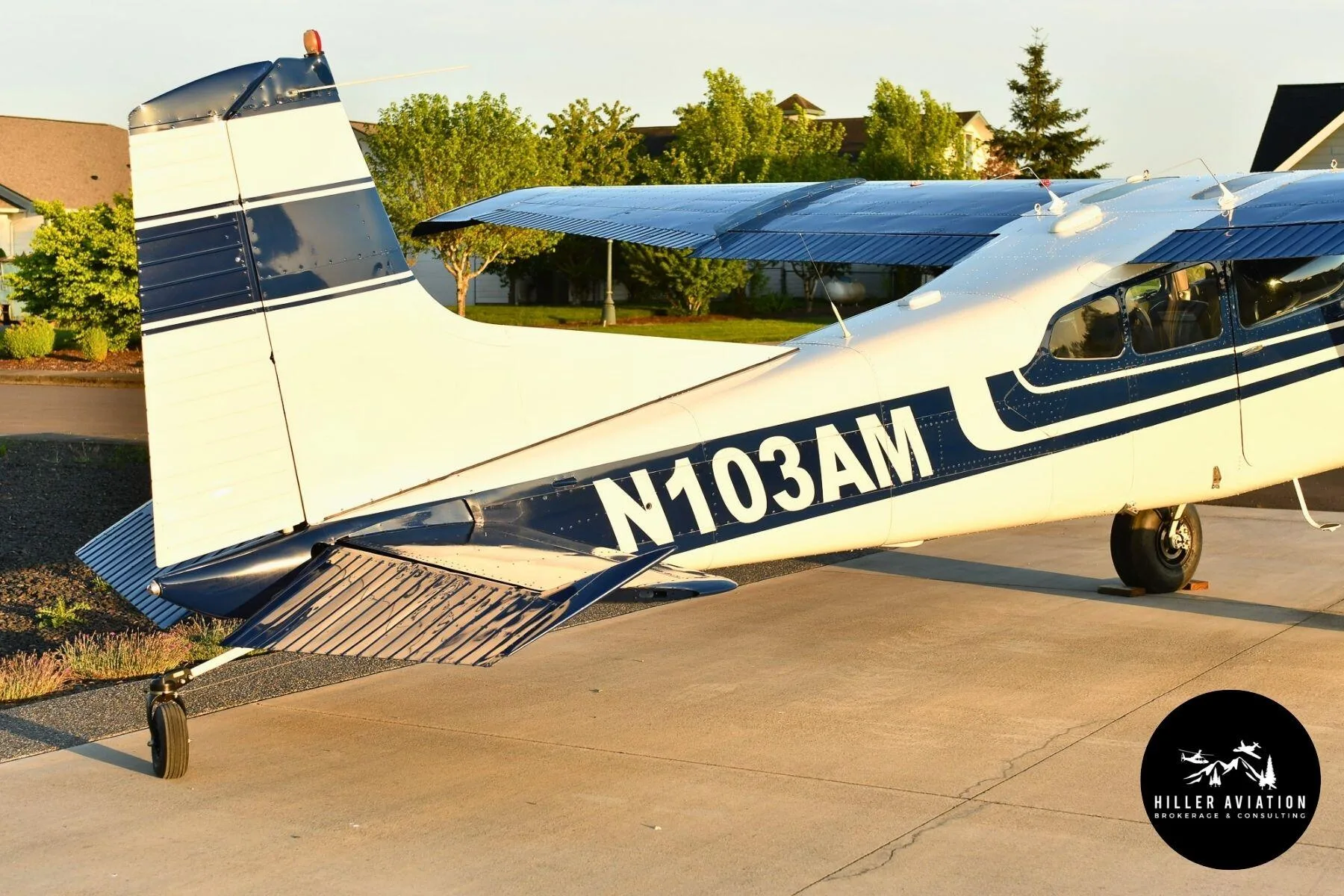
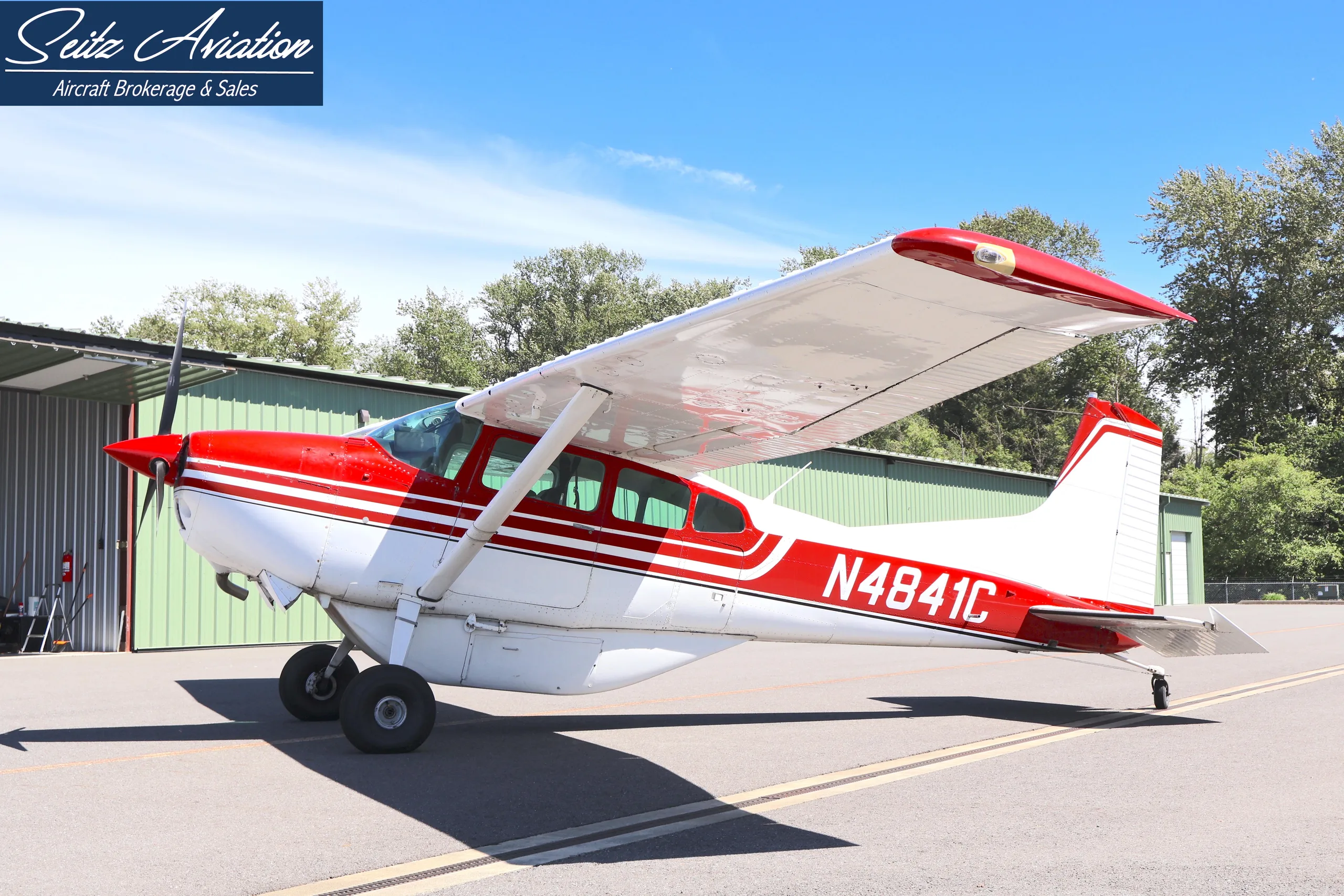
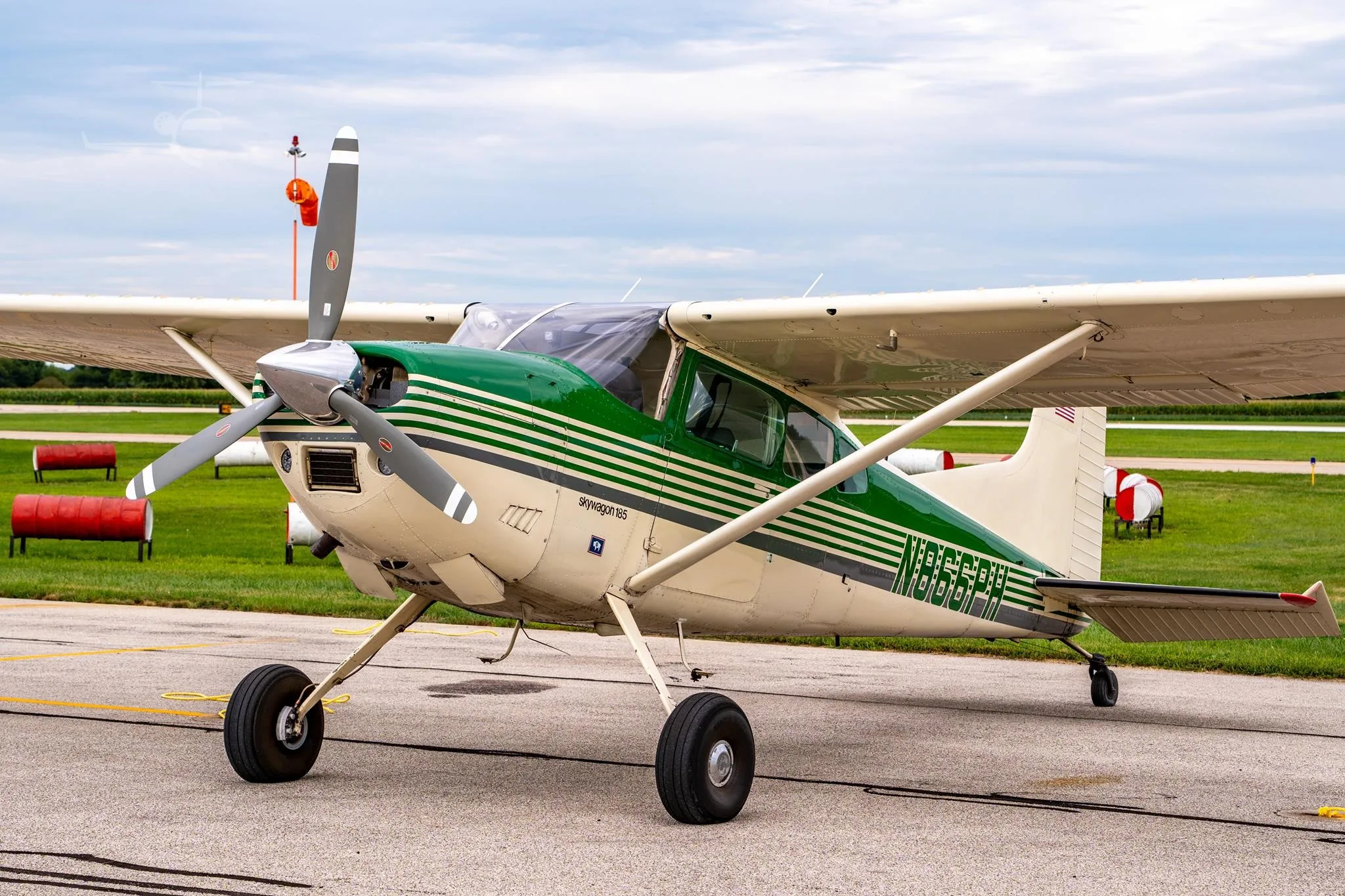
Free — save the 185 to your watchlist and track it in one place.
More CESSNA 185manuals & documents
See all 29 →- Service Bulletin No. SB24-01 | Aircraft SpruceService Bulletins
- SUPERVISORY HANDBOOK ON THE VALIDATION OF IRB RATING SYSTEMSOther Documents
- MICRO SWITCH V15 Series Basic Switch DatasheetSpecifications
- PARTS MANUAL 4000 FLOATS ON CESSNA 185 & 206 SERIESAvionics Manual
- CESSNA 185 Maintenance ManualMaintenance Manual
- Airplane Flight Manual Supplement Revision ListFlight Manual
- INSTALLATION INSTRUCTIONS SUPPLEMENTAL TYPE CERTIFICATE SA04491CHFlight Manual
- mr. thomas anderson - McFarlane AviationService Manual
- Airworthiness Directive Schedule Aeroplanes Cessna 185 SeriesService Bulletins
- Type Acceptance Report TAR 18/21B/24 — Cessna 185 SeriesOther Documents
- RFID SpecificationsSpecifications
- SERVICE LETTER - McFarlane AviationMaintenance Manual
Related documents
- CESSNA A185F FLOATPLANE Model GuideCESSNA A185F FLOATPLANE · Model Guide
- CESSNA 180 Model GuideCESSNA 180 · Model Guide
- Cessna 185 Skywagon Model GuideCessna 185 Skywagon · Model Guide
- CESSNA A185F AMPHIBIAN Model GuideCESSNA A185F AMPHIBIAN · Model Guide
- CESSNA 185 | AirMartCESSNA 185 · Performance Data
If you fly the CESSNA 185, you may also be researching these.


In this document
What it carries and how it performs
The CESSNA 185 has a listed empty weight of 1625 lbs, a useful load of 1575 lbs and a maximum takeoff weight of 3350 lbs. Maximum landing weight is listed at 3200 lbs. The CG range is 34 to 40 inches. Listed takeoff distance over a 50 ft obstacle is 1115 ft and landing distance over 50 ft is 959 ft. The service ceiling is listed at 18000 ft and the rate of climb at 850 fpm. Cruise fuel burn is listed at 13.2 gph. The 1974 owner's manual covers the A185F, which is certificated under FAA Type Certificate 3A24 with 300 rated BHP at 2850 RPM (5-minute takeoff rating) and 285 BHP at 2700 RPM maximum continuous.
Fuel system and range
The 1974 owner's manual lists 65 gallons total on standard tanks and 84 gallons on optional long range tanks. The 1962 Army evaluation also describes 84-gallon long range tanks and 65-gallon standard tanks. A revised fuel quantity notice in the 1974 manual says that, because of changes in tank manufacturing, 1973 (serial 18502263 and on), 1974 and 1975 airplanes hold less than the published capacity. Verify the actual usable fuel and the placards on any airplane you consider. One floatplane worksheet (N900JB) shows 88 gallons total with 4 unusable, giving 84 usable. It uses about 16 gallons per hour for training below 1500 ft. Allow for burn well above the library figure of 13.2 gph when planning.
Maintenance and airworthiness items to check
Textron service letter SEL-55-01 is mandatory. It covers the tailcone and horizontal stabilizer on airplanes with more than 3000 total hours or 10 years in service. It reports cracks in the tailcone reinforcement angle, stabilizer hinge bracket and stabilizer. It must be done at the next 100-hour or 12-month inspection, then repeated every 500 hours or 5 years, whichever comes first. The New Zealand AD schedule for the 185 series lists items including mainplane rear spar cracking inspection (DCA/CESS185/110) and flexible fuel tanks inspection (DCA/CESS185/129). Ask for the full FAA AD compliance record. The tailwheel assembly is inspected at 50 hour intervals, and steel hardware and aluminum structure are susceptible to rust and corrosion. This matters most on airplanes operated near salt water.
Floatplane and modified airplanes
Many 185s carry float or tailwheel modifications. The Aerocet 3400 amphibious float supplement (FAA approved, STC SA01257SE) must be carried in the airplane when those floats are installed, and it supersedes the basic markings where they differ. Wipline 4000 floats have their own service manual covering the A185E and A185F. Check for the correct supplements, the float and gear hydraulic maintenance records, and any tailwheel modification paperwork such as the XPM1 series. Note that the McFarlane XPM1 instructions say the tailwheel lock is optional.
Safety notes
- Treat figures as unverified until checked against the flight manual and placards for the specific airplane. The library and the source documents disagree in places, for example Va is listed as 100 in the library but 118 knots at 3350 lbs on a checklist.
- Compliance with the mandatory tailcone and horizontal stabilizer inspection (SEL-55-01) should be confirmed in the logbooks, because undetected cracks could result in loss of control in flight.
- Aircraft Spruce bulletin SB24-01 says worn ACS keyed ignition switches may let the key be removed in a position other than OFF, leaving a magneto ungrounded. It recommends a test every 100 hours or at annual and replacement at 1000 hours or 10 years.
- Floatplanes: takeoff with a known hull leak or structural damage is prohibited per the Aerocet supplement.
Full document text
CESSNA 185 Model Guide The CESSNA 185 is a single-engine piston, high-wing, tailwheel utility aircraft with six seats. The library data lists a Continental IO-520-D engine of 300 hp, a McCauley D3A34C403 propeller and a maximum takeoff weight of 3350 lbs. Library figures give a 130 kt cruise and an 820 nm range. It is also common as a floatplane, so check which gear and tank configuration a given airplane has. • Library data lists 130 kt cruise, 149 kt maximum speed and 820 nm range on 84 gallons of fuel. • Useful load is listed at 1575 lbs against an empty weight of 1625 lbs and a 3350 lb maximum takeoff weight. Baggage allowance is 300 lbs. • Fuel capacity varies by airplane: 65 gallons standard and 84 gallons long range. A factory bulletin warns that some 1973-1975 tanks hold less than the published capacity. • Check the mandatory tailcone and horizontal stabilizer inspection (SEL-55-01) and the tailwheel assembly records. • Floatplane airplanes need a supplemental flight manual for the installed floats, such as the Aerocet 3400 supplement. What it carries and how it performs The CESSNA 185 has a listed empty weight of 1625 lbs, a useful load of 1575 lbs and a maximum takeoff weight of 3350 lbs. Maximum landing weight is listed at 3200 lbs. The CG range is 34 to 40 inches. Listed takeoff distance over a 50 ft obstacle is 1115 ft and landing distance over 50 ft is 959 ft. The service ceiling is listed at 18000 ft and the rate of climb at 850 fpm. Cruise fuel burn is listed at 13.2 gph. The 1974 owner's manual covers the A185F, which is certificated under FAA Type Certificate 3A24 with 300 rated BHP at 2850 RPM (5-minute takeoff rating) and 285 BHP at 2700 RPM maximum continuous. Fuel system and range The 1974 owner's manual lists 65 gallons total on standard tanks and 84 gallons on optional long range tanks. The 1962 Army evaluation also describes 84-gallon long range tanks and 65-gallon standard tanks. A revised fuel quantity notice in the 1974 manual says that, because of changes in tank manufacturing, 1973 (serial 18502263 and on), 1974 and 1975 airplanes hold less than the published capacity. Verify the actual usable fuel and the placards on any airplane you consider. One floatplane worksheet (N900JB) shows 88 gallons total with 4 unusable, giving 84 usable. It uses about 16 gallons per hour for training below 1500 ft. Allow for burn well above the library figure of 13.2 gph when planning. Maintenance and airworthiness items to check Textron service letter SEL-55-01 is mandatory. It covers the tailcone and horizontal stabilizer on airplanes with more than 3000 total hours or 10 years in service. It reports cracks in the tailcone reinforcement angle, stabilizer hinge bracket and stabilizer. It must be done at the next 100-hour or 12-month inspection, then repeated every 500 hours or 5 years, whichever comes first. The New Zealand AD schedule for the 185 series lists items including mainplane rear spar cracking inspection (DCA/CESS185/110) and flexible fuel tanks inspection (DCA/CESS185/129). Ask for the full FAA AD compliance record. The tailwheel assembly is inspected at 50 hour intervals, and steel hardware and aluminum structure are susceptible to rust and corrosion. This matters most on airplanes operated near salt water. Floatplane and modified airplanes Many 185s carry float or tailwheel modifications. The Aerocet 3400 amphibious float supplement (FAA approved, STC SA01257SE) must be carried in the airplane when those floats are installed, and it supersedes the basic markings where they differ. Wipline 4000 floats have their own service manual covering the A185E and A185F. Check for the correct supplements, the float and gear hydraulic maintenance records, and any tailwheel modification paperwork such as the XPM1 series. Note that the McFarlane XPM1 instructions say the tailwheel lock is optional. Safety notes: • Treat figures as unverified until checked against the flight manual and placards for the specific airplane. The library and the source documents disagree in places, for example Va is listed as 100 in the library but 118 knots at 3350 lbs on a checklist. • Compliance with the mandatory tailcone and horizontal stabilizer inspection (SEL-55-01) should be confirmed in the logbooks, because undetected cracks could result in loss of control in flight. • Aircraft Spruce bulletin SB24-01 says worn ACS keyed ignition switches may let the key be removed in a position other than OFF, leaving a magneto ungrounded. It recommends a test every 100 hours or at annual and replacement at 1000 hours or 10 years. • Floatplanes: takeoff with a known hull leak or structural damage is prohibited per the Aerocet supplement.