CESSNA 180 Model Guide
CESSNA 180 · Model Guide
Overview
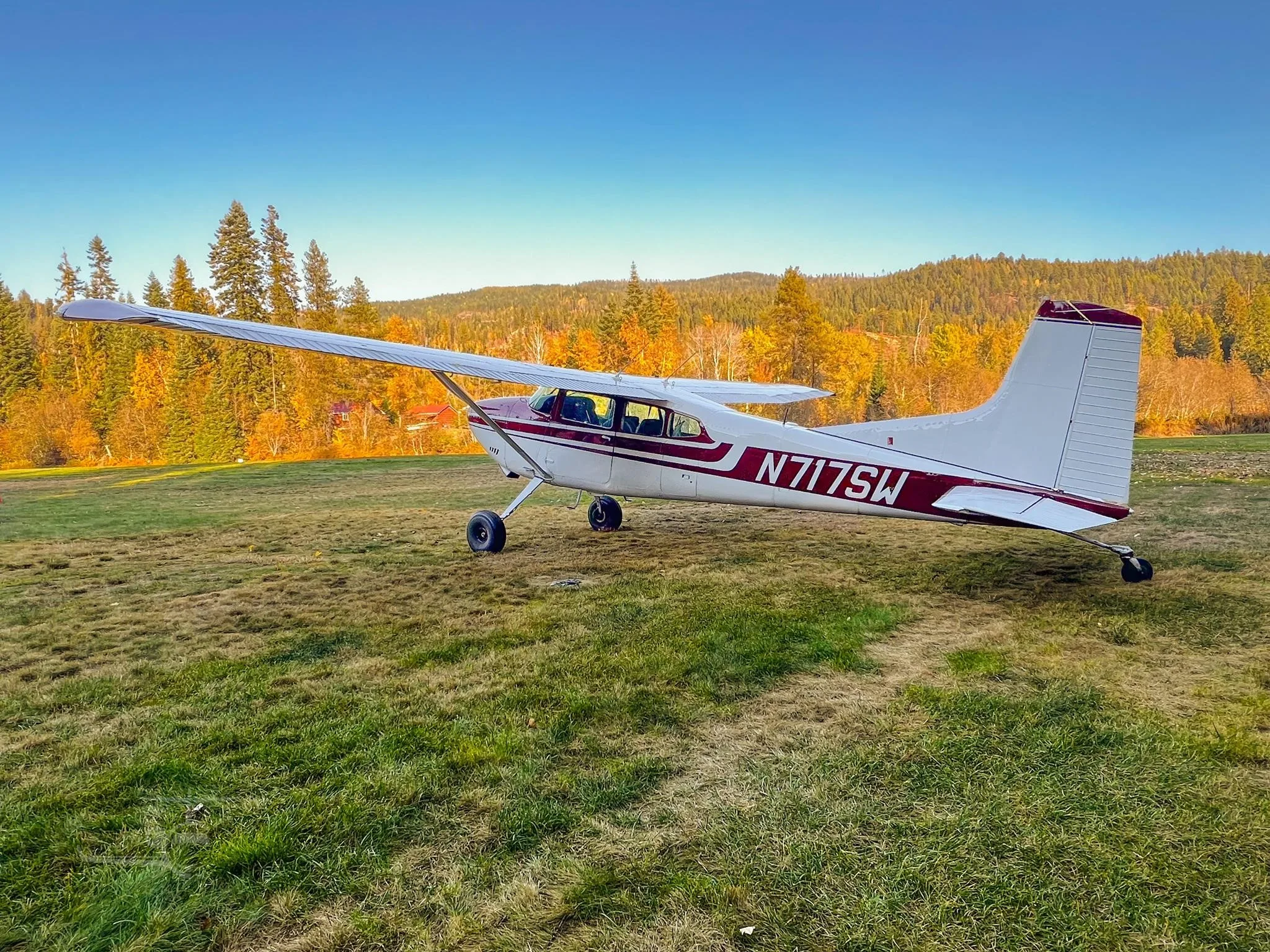
The CESSNA 180 (Skywagon) is a single-engine piston, tailwheel utility airplane. The figures below come mainly from the 1979 Model 180K handbook: a Continental O-470-U of 230 BHP, a constant-speed McCauley propeller, 84 gallons usable fuel and an 2800 lb takeoff weight. The type spans Models 180 through 180K. Early models seat 4 and the 180G through 180K seat 6. Weights, engines and equipment differ a lot between years. The library record for this model lists a 300 hp IO-520 and a 3525 lb maximum takeoff weight. That does not match the 180K handbook or the type data, so check any airplane against its own papers.
- Weights vary by dash number: Model 180 is 2550 lb, Models 180B through 180F are 2650 lb, and Models 180G through 180K are 2800 lb maximum takeoff weight.
- The 180K handbook gives 142 knots cruise at 75% power at 8000 ft, 1100 fpm climb and a 17,700 ft service ceiling.
- The 180K handbook shows a 625 ft takeoff ground roll and 1205 ft over a 50 ft obstacle, with a 480 ft landing roll and 1365 ft over 50 ft, at sea level.
- Airworthiness directive AD 2020-21-22 requires inspecting the tailcone and horizontal stabilizer attachment for corrosion and cracks on all 180 through 180K models.
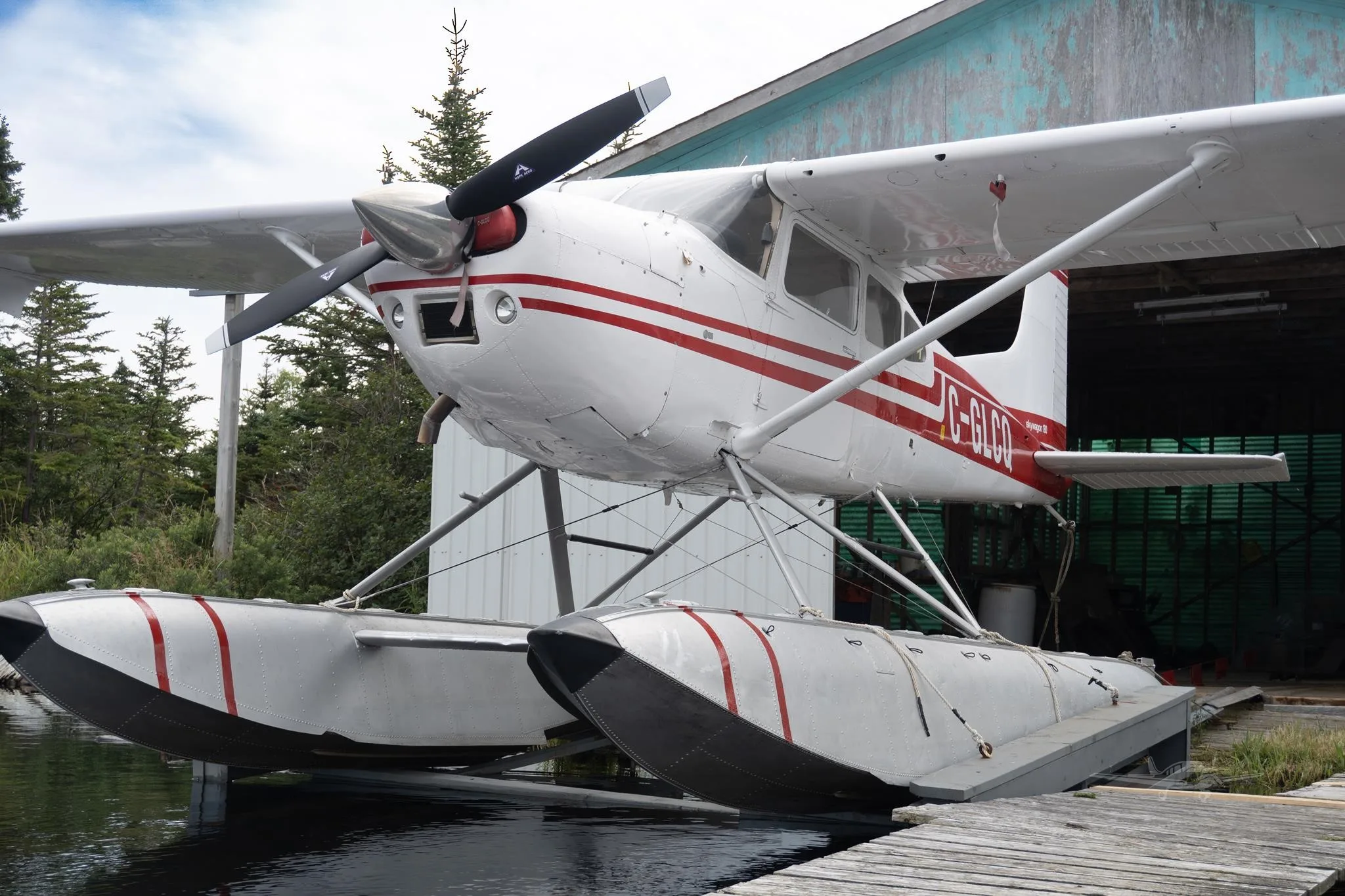
- Float-equipped airplanes must not use the Hartzell PHC-(C,G)3YF-1RF/F7691 propeller. Hartzell requires replacing it with the F8468A-6R.
Summary written by AI from the source document. Check the original before relying on it. See which parts of Sprinkle are written by AI.
Reference only, not for flight. Use the current approved manual for your aircraft. See terms, section 5.
Document
Source
Copy found at sprinkle.com. Sprinkle hosts a reference copy with an added summary, specifications and searchable full text.
Document details
- Type ·
- Model Guide
- Year ·
- 2026
- File size ·
- 53 KB
- Copy found at ·
- sprinkle.com
Specifications & performance
Extracted from this document.
Specifications
- Engine (hp) ·
- 230
- Propeller ·
- McCauley C2A34C204/90DCB-8, constant speed, 2 blades
- Wingspan (ft) ·
- 36
- Engine model ·
- Continental O-470-U
- Oil capacity ·
- 12 qts
- Fuel usable (gal) ·
- 84
- Fuel capacity (gal) ·
- 88
- Propeller diameter (in) ·
- 82
- Power loading lbs per (hp) ·
- 12.2
- Wing loading lbs per sqft ·
- 16.1
Performance
- Range (nm) ·
- 825
- Max range (nm) ·
- 1,010
- Max speed (kt) ·
- 148
- Cruise speed (kt) ·
- 142
- Rate of climb (fpm) ·
- 1,100
- Service ceiling (ft) ·
- 17,700
- Landing over 50ft (ft) ·
- 1,365
- Takeoff over 50ft (ft) ·
- 1,205
- Landing ground roll (ft) ·
- 480
- Takeoff ground roll (ft) ·
- 625
- Stall speed flaps up (kt) ·
- 53
- Stall speed flaps down (kt) ·
- 48
Weight & balance
- Max ramp weight (lb) ·
- 2,810
- Baggage allowance (lb) ·
- 170
- Max landing weight (lb) ·
- 2,800
- Max takeoff weight (lb) ·
- 2,800
- Useful load skywagon (lb) ·
- 1,167
- Useful load skywagon ii (lb) ·
- 1,116
- Standard empty weight skywagon (lb) ·
- 1,643
- Standard empty weight skywagon ii (lb) ·
- 1,694
How many people does the CESSNA 180 seat?
Per the type acceptance report, CESSNA 180 Models 180 through 180F seat a maximum of 4, and Models 180G, 180H, 180J and 180K seat a maximum of 6.
What is the maximum takeoff weight of the CESSNA 180?
It depends on the model. The CESSNA 180 is 2550 lb for the original Model 180, 2650 lb for Models 180B through 180F, and 2800 lb for Models 180G through 180K.
What fuel does the CESSNA 180K use?
The CESSNA 180K handbook approves 100LL (blue) and 100, formerly 100/130 (green). It carries 88 gallons total, 84 gallons usable.
What inspection applies to every CESSNA 180?
AD 2020-21-22 covers all CESSNA 180 models from the 180 through the 180K. It requires inspecting the tailcone and horizontal stabilizer for corrosion and cracks, and repairing or replacing damaged parts.
What is the CESSNA 180 Model Guide?
The CESSNA 180 Model Guide is a model guide for the CESSNA 180, dated 2026.
What year was the CESSNA 180 Model Guide published?
The CESSNA 180 Model Guide — the CESSNA 180 model guide on file — is dated 2026.
Common. More common than 99% of the aircraft models we track.
Full essential library on file for the CESSNA 180.
CESSNA 180 for sale now
Free — save the 180 to your watchlist and track it in one place.
More CESSNA 180manuals & documents
See all 31 →- SEB-34-33-Stall-Warning-Horn-180-185-188.pdfParts Catalog
- Instructions For Continued Airworthiness - Hartzell PropellerMaintenance Manual
- AD 2020-21-22 - McFarlane AviationAirworthiness Directives
- Cessna 172-180Checklist
- Airworthiness Directive Schedule - Cessna 180 Series - CAAAirworthiness Directives
- Type Acceptance Report TAR 99/11 — Cessna 180 SeriesOther Documents
- CESSNA 180 Weight & BalanceWeight & Balance
- Vizion Install Appendix E C180, C182-C182D, C185Wiring Diagrams
- CESSNA 180 Service BulletinsService Bulletins
- CESSNA, 180, 182, Skylane, 185, Skywagon, Exhaust System.Systems Description
- Cessna 180 Early Model Parts CatalogSystems Description
- ALERT SERVICE BULLETIN - Hartzell PropellerService Bulletins
Related documents
If you fly the CESSNA 180, you may also be researching these.


In this document
What it is and what it carries
The type certificate is FAA 5A6, held by Textron Aviation Inc. since July 29, 2015. Models 180 through 180F seat a maximum of 4, and Models 180G through 180K seat a maximum of 6. The 1979 Model 180K has 88 gallons total fuel, of which 84 gallons are usable (44 gallons per tank). Baggage allowance is 170 lbs. Standard empty weight is 1643 lbs for the 180 Skywagon and 1694 lbs for the Skywagon II. Maximum useful load is 1167 lbs and 1116 lbs respectively. Ramp weight is 2810 lbs and takeoff or landing weight is 2800 lbs. Wing loading is 16.1 lbs per sq ft and power loading is 12.2 lbs per hp.
Engine, propeller and fuel
The 180K uses a Teledyne Continental O-470-U: normally aspirated, carbureted, six-cylinder, 470 cu in, 230 BHP at 2400 RPM. The propeller is a McCauley C2A34C204/90DCB-8, constant speed, 2 blades, 82 in maximum diameter. Approved fuel is 100LL (blue) or 100 (green). Oil capacity is 12 qts. Earlier models used other O-470 variants and propellers, so confirm the exact engine and propeller against the type data sheet for the airplane in question.
Performance (1979 Model 180K handbook)
Maximum speed at sea level is 148 knots and cruise at 75% power at 8000 ft is 142 knots. Range at 75% power at 8000 ft with 84 gallons usable is 825 NM (5.9 hrs). Maximum range at 10,000 ft is 1010 NM (9.2 hrs). These ranges include fuel allowance for start, taxi, takeoff, climb and a 45 minute reserve at 45% power. Speeds are one knot higher with optional speed fairings. Stall speed (CAS), power off, is 53 knots flaps up and 48 knots flaps down.
What to check when buying
Confirm the tailcone and horizontal stabilizer attachment inspection under AD 2020-21-22 was done and recorded. The FAA found cracks there on a Model 185 and on 29 more 180 and 185 series airplanes. It attributes them to the attachment design combined with high landing loads. On a float airplane, check the propeller model against Hartzell ASB HC-ASB-61-303. Check the muffler and stacks: one aftermarket supplier notes that a muffler shroud rubbing on the induction may mean the wrong stacks are installed for the serial number. If the exhaust, engine mount or fuel selector valve has been replaced with PMA or STC parts, confirm eligibility for your model. McFarlane lists its fuel selector valve as eligible for Models 180 through 180J. Check that the engine and propeller match the type data for that year.
Safety notes
- AD 2020-21-22 (effective December 7, 2020): tailcone and horizontal stabilizer attachment failure could lead to tail separation and loss of control. Inspect for corrosion, cracks and loose or sheared rivets.
- Hartzell ASB HC-ASB-61-303: do not operate a float-equipped 180 (A-H, J, K) with a PHC-(C,G)3YF-1RF/F7691 propeller. It does not give the thrust needed for climb on floats. Remove it before next flight.
- The handbook copies in this data are information manuals, not current. Use the official handbook and flight manual for the specific airplane for operation.
Full document text
CESSNA 180 Model Guide The CESSNA 180 (Skywagon) is a single-engine piston, tailwheel utility airplane. The figures below come mainly from the 1979 Model 180K handbook: a Continental O-470-U of 230 BHP, a constant-speed McCauley propeller, 84 gallons usable fuel and an 2800 lb takeoff weight. The type spans Models 180 through 180K. Early models seat 4 and the 180G through 180K seat 6. Weights, engines and equipment differ a lot between years. The library record for this model lists a 300 hp IO-520 and a 3525 lb maximum takeoff weight. That does not match the 180K handbook or the type data, so check any airplane against its own papers. • Weights vary by dash number: Model 180 is 2550 lb, Models 180B through 180F are 2650 lb, and Models 180G through 180K are 2800 lb maximum takeoff weight. • The 180K handbook gives 142 knots cruise at 75% power at 8000 ft, 1100 fpm climb and a 17,700 ft service ceiling. • The 180K handbook shows a 625 ft takeoff ground roll and 1205 ft over a 50 ft obstacle, with a 480 ft landing roll and 1365 ft over 50 ft, at sea level. • Airworthiness directive AD 2020-21-22 requires inspecting the tailcone and horizontal stabilizer attachment for corrosion and cracks on all 180 through 180K models. • Float-equipped airplanes must not use the Hartzell PHC-(C,G)3YF-1RF/F7691 propeller. Hartzell requires replacing it with the F8468A-6R. What it is and what it carries The type certificate is FAA 5A6, held by Textron Aviation Inc. since July 29, 2015. Models 180 through 180F seat a maximum of 4, and Models 180G through 180K seat a maximum of 6. The 1979 Model 180K has 88 gallons total fuel, of which 84 gallons are usable (44 gallons per tank). Baggage allowance is 170 lbs. Standard empty weight is 1643 lbs for the 180 Skywagon and 1694 lbs for the Skywagon II. Maximum useful load is 1167 lbs and 1116 lbs respectively. Ramp weight is 2810 lbs and takeoff or landing weight is 2800 lbs. Wing loading is 16.1 lbs per sq ft and power loading is 12.2 lbs per hp. Engine, propeller and fuel The 180K uses a Teledyne Continental O-470-U: normally aspirated, carbureted, six-cylinder, 470 cu in, 230 BHP at 2400 RPM. The propeller is a McCauley C2A34C204/90DCB-8, constant speed, 2 blades, 82 in maximum diameter. Approved fuel is 100LL (blue) or 100 (green). Oil capacity is 12 qts. Earlier models used other O-470 variants and propellers, so confirm the exact engine and propeller against the type data sheet for the airplane in question. Performance (1979 Model 180K handbook) Maximum speed at sea level is 148 knots and cruise at 75% power at 8000 ft is 142 knots. Range at 75% power at 8000 ft with 84 gallons usable is 825 NM (5.9 hrs). Maximum range at 10,000 ft is 1010 NM (9.2 hrs). These ranges include fuel allowance for start, taxi, takeoff, climb and a 45 minute reserve at 45% power. Speeds are one knot higher with optional speed fairings. Stall speed (CAS), power off, is 53 knots flaps up and 48 knots flaps down. What to check when buying Confirm the tailcone and horizontal stabilizer attachment inspection under AD 2020-21-22 was done and recorded. The FAA found cracks there on a Model 185 and on 29 more 180 and 185 series airplanes. It attributes them to the attachment design combined with high landing loads. On a float airplane, check the propeller model against Hartzell ASB HC-ASB-61-303. Check the muffler and stacks: one aftermarket supplier notes that a muffler shroud rubbing on the induction may mean the wrong stacks are installed for the serial number. If the exhaust, engine mount or fuel selector valve has been replaced with PMA or STC parts, confirm eligibility for your model. McFarlane lists its fuel selector valve as eligible for Models 180 through 180J. Check that the engine and propeller match the type data for that year. Safety notes: • AD 2020-21-22 (effective December 7, 2020): tailcone and horizontal stabilizer attachment failure could lead to tail separation and loss of control. Inspect for corrosion, cracks and loose or sheared rivets. • Hartzell ASB HC-ASB-61-303: do not operate a float-equipped 180 (A-H, J, K) with a PHC-(C,G)3YF-1RF/F7691 propeller. It does not give the thrust needed for climb on floats. Remove it before next flight. • The handbook copies in this data are information manuals, not current. Use the official handbook and flight manual for the specific airplane for operation.