Cessna 303 Crusader Model Guide
Cessna 303 Crusader · Model Guide
Overview
The Cessna 303 Crusader is an all-metal, low-wing, retractable-gear twin built from 1981 to 1986. It has two turbocharged 250 hp Continental engines and a cruciform tail. It seats 4 to 6 and has a cabin with an aisle and an airstair door. It looks like a cabin-class twin but is a light twin by weight.
- Max takeoff weight is 5,150 lbs and the zero-fuel limit is 4,850 lbs. Cabin space exceeds useful load, so check weight and balance on every flight.
- Fuel capacity is 155 gal total, 153 usable, 100/130 avgas. Family-level data shows up to 810 nm range and up to 196 kt cruise.
- Known-icing certification arrived during production. Check whether a given aircraft has the icing kit (dual prop boot timers, larger stall vane heater).
- A UK nose gear collapse was traced to cracked actuator locking lugs. Review the nose gear AD and the nose gear checks in the maintenance manual.
Summary written by AI from the source document. Check the original before relying on it. See which parts of Sprinkle are written by AI.
Reference only, not for flight. Use the current approved manual for your aircraft. See terms, section 5.
Document
Source
Copy found at sprinkle.com. Sprinkle hosts a reference copy with an added summary, specifications and searchable full text.
Document details
- Type ·
- Model Guide
- Year ·
- 2026
- File size ·
- 49 KB
- Copy found at ·
- sprinkle.com
Specifications & performance
Extracted from this document.
Specifications
- Engine power (hp) ·
- 250
- Fuel usable (gal) ·
- 153
- Cargo door weight (lb) ·
- 19.5
- Fuel capacity total (gal) ·
- 155
- Cargo door opening (in) ·
- 56
- Airstair door opening (in) ·
- 24
V-speeds
- VA_KTS ·
- 148
- VS_KTS ·
- 66
- VY_KTS ·
- 103
- VNE_KTS ·
- 210
- VNO_KTS ·
- 175
- VSO_KTS ·
- 58
- VMCA_KTS ·
- 65
- VYSE_KTS ·
- 97
Weight & balance
- Max baggage aft (lb) ·
- 200
- Max takeoff weight (lb) ·
- 5,150
- Max baggage forward (lb) ·
- 150
- Max zero fuel weight (lb) ·
- 4,850
How much can the Cessna 303 Crusader carry?
The Cessna 303 Crusader has a 5,150 lb max takeoff weight and a 4,850 lb zero-fuel limit. It seats up to 6. Baggage is limited to 150 lbs forward and 200 lbs aft. Cabin volume exceeds useful load, so plan the load carefully.
What fuel does the Cessna 303 Crusader use?
The Cessna 303 Crusader uses 100/130 avgas. Total capacity is 155 gal, of which 153 gal is usable.
How many Cessna 303 Crusader aircraft were built?
An accident report states that 315 Cessna 303 Crusader aircraft were built. The library lists production from 1981 to 1986.
Is the Cessna 303 Crusader approved for icing?
Known-icing certification was added during Cessna 303 Crusader production. Owners with the earlier accessories could upgrade with a kit. Check the individual aircraft's equipment and the severe-icing flight manual AD.
What is the Cessna 303 Crusader Model Guide?
The Cessna 303 Crusader Model Guide is a model guide for the Cessna 303 Crusader, dated 2026.
What year was the Cessna 303 Crusader Model Guide published?
The Cessna 303 Crusader Model Guide — the Cessna 303 Crusader model guide on file — is dated 2026.
Common. More common than 78% of the aircraft models we track.
Most owners only have the POH. Here's the essential set for the Cessna 303 Crusader.
- Pilot's Operating Handbook / AFM
- Checklist
- Maintenance Manual
- Parts Catalog (IPC)
- Systems & Wiring
- Service Bulletins on file
- Type Certificate (TCDS)
Cessna 303 Crusader for sale now
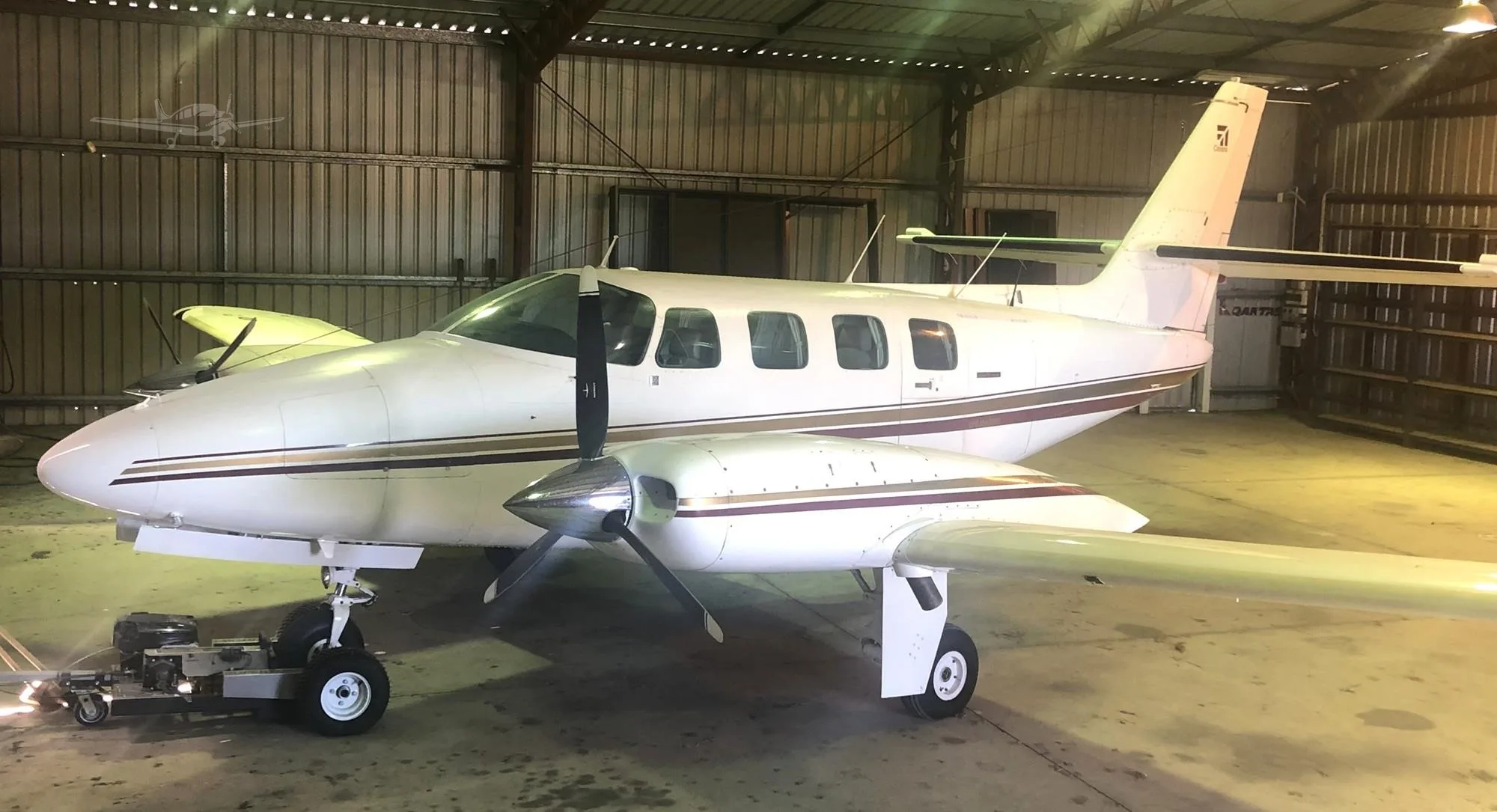
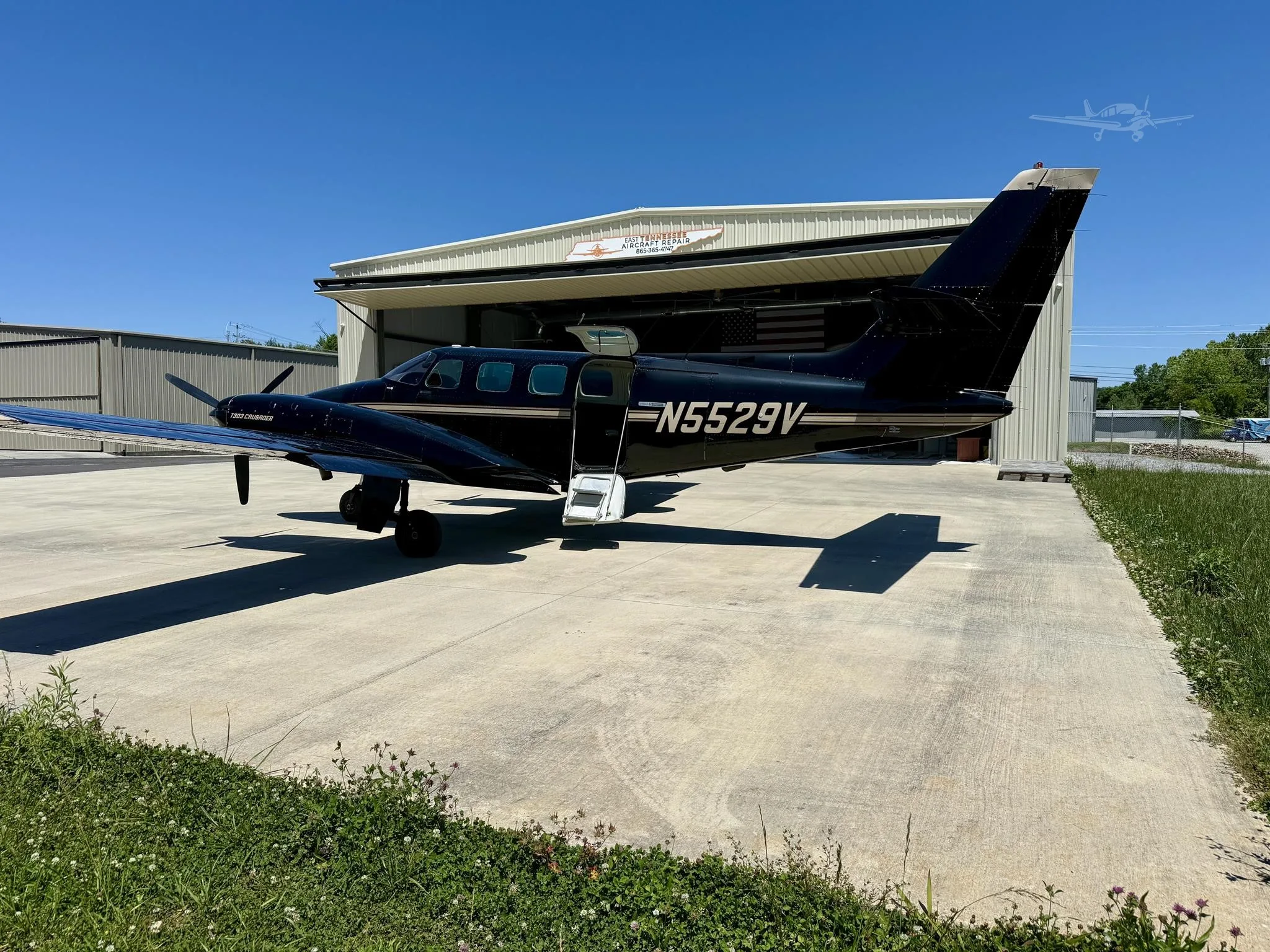

Free — save the T303 to your watchlist and track it in one place.
More Cessna 303 Crusadermanuals & documents
See all 18 →- Type Acceptance Report – Cessna T303Pilot's Operating Handbook
- Defending Air Bases in an Age of InsurgencyTraining Manual
- Airworthiness Directive Schedule Aeroplanes Cessna 303 SeriesService Bulletins
- FAA Approved Model List (AML) STC SA02016SE-DType Certificate
- AAIB Bulletin: 8/2008Service Bulletins
- Approved Model List For STC No. SA02217AKSupplemental Type Certificate
- AAIB Bulletin: 7/2007 D-IAFC EW/C2006/09/05Other Documents
- AAIB Bulletin: 10/2007Other Documents
- AAIB Bulletin No: 11/2004Service Bulletins
- AAIB Bulletin No: 3/99 Ref: EW/C97/9/6Other Documents
- Cessna 303 CrusaderFlight Manual
- NTSB Preliminary ReportOther Documents
Related documents
- Cessna 303 CrusaderCessna 303 Crusader · Flight Manual
- Cessna T303 CrusaderCessna 303 Crusader · Pilot's Operating Handbook
- Cessna T-303 CrusaderCessna 303 Crusader · Systems Description
- AAIB Bulletin No: 11/2004Cessna 303 Crusader · Service Bulletins
- Airplane Flight Manual SupplementCessna 303 Crusader · Flight Manual
If you fly the Cessna 303 Crusader, you may also be researching these.




In this document
Cabin and loads
The cabin is nearly square, just under 4 feet high and wide, with an aisle and four comfortable but slightly narrow cabin seats. The airstair door opening is 24 inches. The optional cargo door is 56 inches, adds 19.5 lbs and lengthens the cabin. Baggage space is in the nose, a locker behind each engine and behind the rear seats. Limits are 150 lbs forward and 200 lbs aft.
Engines and systems
Power is two Continental TSIO-520-AE or LTSIO-520-AE engines, rated 250 hp with a 2,400 rpm maximum. Cessna adds the AiResearch turbochargers. The cruciform tail keeps the stabilizer out of prop wash, and cruise power settings can go as low as 2,100 rpm. Limits include 460 F cylinder head and 240 F oil temperature. Standard avionics were an IFR suite with a 4000 autopilot/flight director.
What to check when buying
Verify compliance with the NZ-listed Airworthiness Directives: nose gear actuator attachment fitting (repeat inspection every 50 hours until modified), fuel inlet float valve, auxiliary fuel pump wiring, alternate static source selector and seat adjustment mechanism. Service experience led to changes in the turbocharger mounting block, main gear shock struts and right crew door hinges. Check that those changes were done.
Summary written by AI from the source document. Check the original before relying on it. See which parts of Sprinkle are written by AI.
Safety notes
- Engine failure on takeoff below 80 kts: close throttles. Above 80 kts: feather the dead engine, bank 5 degrees toward the good engine, fly 97 kts (93 with obstacles).
- Vmca is 65 kts. Below it on one engine, retard throttles and lower the nose to regain speed. Spins are prohibited.
- If the red door-open light comes on, keep airspeed below 110 kts and return for a normal landing.
Summary written by AI from the source document. Check the original before relying on it. See which parts of Sprinkle are written by AI.
Full document text
Cessna 303 Crusader Model Guide The Cessna 303 Crusader is an all-metal, low-wing, retractable-gear twin built from 1981 to 1986. It has two turbocharged 250 hp Continental engines and a cruciform tail. It seats 4 to 6 and has a cabin with an aisle and an airstair door. It looks like a cabin-class twin but is a light twin by weight. • Max takeoff weight is 5,150 lbs and the zero-fuel limit is 4,850 lbs. Cabin space exceeds useful load, so check weight and balance on every flight. • Fuel capacity is 155 gal total, 153 usable, 100/130 avgas. Family-level data shows up to 810 nm range and up to 196 kt cruise. • Known-icing certification arrived during production. Check whether a given aircraft has the icing kit (dual prop boot timers, larger stall vane heater). • A UK nose gear collapse was traced to cracked actuator locking lugs. Review the nose gear AD and the nose gear checks in the maintenance manual. Cabin and loads The cabin is nearly square, just under 4 feet high and wide, with an aisle and four comfortable but slightly narrow cabin seats. The airstair door opening is 24 inches. The optional cargo door is 56 inches, adds 19.5 lbs and lengthens the cabin. Baggage space is in the nose, a locker behind each engine and behind the rear seats. Limits are 150 lbs forward and 200 lbs aft. Engines and systems Power is two Continental TSIO-520-AE or LTSIO-520-AE engines, rated 250 hp with a 2,400 rpm maximum. Cessna adds the AiResearch turbochargers. The cruciform tail keeps the stabilizer out of prop wash, and cruise power settings can go as low as 2,100 rpm. Limits include 460 F cylinder head and 240 F oil temperature. Standard avionics were an IFR suite with a 4000 autopilot/flight director. What to check when buying Verify compliance with the NZ-listed Airworthiness Directives: nose gear actuator attachment fitting (repeat inspection every 50 hours until modified), fuel inlet float valve, auxiliary fuel pump wiring, alternate static source selector and seat adjustment mechanism. Service experience led to changes in the turbocharger mounting block, main gear shock struts and right crew door hinges. Check that those changes were done. Safety notes: • Engine failure on takeoff below 80 kts: close throttles. Above 80 kts: feather the dead engine, bank 5 degrees toward the good engine, fly 97 kts (93 with obstacles). • Vmca is 65 kts. Below it on one engine, retard throttles and lower the nose to regain speed. Spins are prohibited. • If the red door-open light comes on, keep airspeed below 110 kts and return for a normal landing.