
Schedule Of Airworthiness Directives
Airworthiness Directives for the Cessna 340
PDF, 1 page, 11 KB, from Sprinkle’s own files.
What it covers
This document is an Airworthiness Directive (AD) issued by the Civil Aviation Safety Authority of Australia, specifically addressing the Cessna 340 and 340A series aircraft. It outlines critical requirements for the retirement of certain components of the aircraft's wing and airframe based on fatigue life assessments. The directive is aimed at ensuring the safety and airworthiness of these aircraft by mandating compliance with specified operational limits regarding flight hours and number of flights. The document provides essential guidelines for operators and maintenance personnel to adhere to in order to maintain compliance and safety standards.
Key points
- Retire wing main spar lower cap and attachment fittings before 22,300 hours or 20,300 flights.
- Retire the airframe before 44,600 hours or 40,600 flights.
- For unknown flight counts, estimate by dividing total hours by an average flight time of 0.8 hours.
- Fatigue data covers only wing main spars; other parts' durability is unknown.
- Operators may apply for an extension of retirement life with proper substantiation.
Main sections
Applicability
The Airworthiness Directive applies to all Cessna Model 340 and 340A Series aircraft, ensuring that all operators of these models are aware of the requirements outlined in the directive.
Requirements
The directive specifies two main requirements: first, the retirement of the wing main spar lower cap and wing attachment fittings from service; second, the retirement of the remainder of the airframe. These actions are mandated to prevent potential structural failures due to fatigue.
Compliance
Operators must comply with the retirement requirements before exceeding 22,300 hours of time in service or 20,300 flights for the wing components, and 44,600 hours or 40,600 flights for the airframe. For aircraft with unknown flight counts, an estimation method is provided.
Background
The directive is based on results from full-scale fatigue testing and analysis of flight load data, which established the fatigue life for the wing spar and attachment fittings. The airframe is allowed a retirement life equal to double that of the wing spar, pending further substantiation.
Safety notes
- Failure to comply with the retirement requirements may lead to structural failure and endanger safety.
- Operators must ensure accurate tracking of flight hours and counts to comply with the directive.
The document’s text
Show the text read from the PDF
COMMONWEALTH OF AUSTRALIA (Civil Aviation Regulations 1998), PART 39 - 105 CIVIL AVIATION SAFETY AUTHORITY SCHEDULE OF AIRWORTHINESS DIRECTIVES Cessna 340 Series Aeroplanes AD/CESSNA 340/32 Wing and Airframe 10/95 Applicability: All Cessna Model 340 and 340A Series aircraft. Requirement: 1. Retire the wing main spar lower cap and wing upper and lower attachment fittings from service. Note: The centre section spar caps and attachment fittings are not affected by this Requirement. 2. Retire the remainder of the airframe from service. Compliance: 1. Retire components, in accordance with Requirement 1, before exceeding 22 300 hours time in service or 20 300 flights, whichever occurs first. 2. Retire airframe, in accordance with Requirement 2, before exceeding 44 600 hours time in service or 40 600 flights, whichever occurs first. Note 1: For aircraft with an unknown number of flights an estimate shall be made by dividing the number of hours flown by an average flight time of 0.8 hours. Note 2: The available fatigue data covers wing main spars only. The durability of other parts of the airframe has not been evaluated, and is therefore unknown. Based on experience, the Authority is prepared to credit unevaluated structure with a retirement life equal to double the life for the wing spar (Requirement 2). An extension beyond this may be available, but any application must be supported by a fatigue substantiation covering all the remaining primary structure. This should include empennage, wing centre section, wing rear spar, control surfaces, fuselage, etc. The substantiation may take the form of a safe life assessment, or a sufficiently rigorous revised inspection schedule to ensure that any fatigue cracking which could occur in service will be detected before the aircraft is endangered. Background: Results of full scale fatigue testing of the wing, flight load data analysis and fleet usage have been used to establish the fatigue life for the Cessna 340 Series wing spar and attachment fittings. The remainder of the airframe is allowed two spar lives without further substantiation. -- 1 of 1 --
Read from the PDF by machine, so tables and diagrams come out rough. The PDF is the document.
More Cessna 340 documents
All 14 →- Schedule Of Airworthiness Directives
This document is an Airworthiness Directive (AD) issued by the Civil Aviation Safety Authority of Australia, specifically addressing the Cessna 340 series aeroplanes. It outlines mandatory inspection and maintenance requirements for the engine exhaust system of all turbocharged models of the Cessna 340. The directive emphasizes compliance with specific Cessna Service Information Letters (SIL) and provides detailed instructions for inspections and replacements. The document is crucial for ensuring the airworthiness and safety of the aircraft by mandating regular checks and maintenance of the exhaust system.
- Cessna 340 Model Guide
The Cessna 340 is a pressurized, turbocharged twin-engine piston airplane built from 1972 to 1984, seating 4 to 6. The registry lists two variants, the 340 and 340A. Most performance figures here come from a 1976 pilot report on the 340A, plus service, airworthiness and accident documents.
- Navigation - Stall Warning Horn Replacement
This service bulletin, MEB-34-06, addresses the replacement of the stall warning horn in Cessna Model 335, 340, and 340A aircraft. The original stall warning horn is no longer available, necessitating the installation of a new horn along with an additional bracket. The document provides detailed instructions and parts lists for the removal of the old horn and installation of the new one. Compliance with this bulletin is optional and can be performed at the owner's discretion. The bulletin includes various configurations depending on the specific aircraft model and existing installations. It emphasizes the importance of following the outlined procedures to ensure safety and compliance with FAA regulations.
- Airplane Flight Manual Supplement
This document serves as an Airplane Flight Manual Supplement for the Cessna 340 and 340A aircraft models. It includes essential information regarding the installation and operation of MT-Propeller's 4-blade full feathering constant speed propellers. The manual outlines the specifications, advantages, and contents of the STC kit, which is crucial for pilots and maintenance personnel involved with these aircraft. It is particularly relevant for those operating modified versions of the Cessna 340 series, ensuring compliance with FAA and EASA regulations.
- Alumigrip 10P8-11 Technical Data Sheet
This document is a technical data sheet for the Alumigrip 10P8-11 epoxy primer, specifically designed for use in aerospace applications, including on Cessna aircraft. It provides detailed specifications, application instructions, and safety precautions for the product. The primer is formulated to meet various military and aviation standards, ensuring compatibility with Cessna models and other aircraft. The document is intended for professional use by aviation maintenance personnel and painters, offering guidance on mixing, application conditions, and equipment requirements.
- Propeller Owner's Manual and Logbook
This document is the Propeller Owner's Manual for the Hartzell Propeller Inc. model 340. It provides comprehensive information on the maintenance, operation, and inspection of the propeller systems used in Wing-In-Ground-effect craft. The manual is intended for operators and maintenance personnel, detailing essential safety precautions, operational limitations, and maintenance practices to ensure the reliability and safety of the propeller. It includes sections on installation, troubleshooting, and inspection procedures, along with specific guidelines for both composite and aluminum blades. The manual emphasizes the importance of adhering to maintenance schedules and recognizing signs of potential issues to prevent mechanical failures.
- AAIB Bulletin: 1/2012
This document is an accident report concerning the Cessna 340A, specifically detailing an incident that occurred on July 15, 2011. The report outlines the circumstances surrounding the landing gear collapse during landing, which resulted in damage to the aircraft. It provides a comprehensive analysis of the maintenance history, the condition of the aircraft prior to the incident, and the investigation findings. The report is intended for aviation professionals, including maintenance personnel and safety investigators, to understand the factors leading to the accident and to prevent similar occurrences in the future.
- Schedule Of Airworthiness Directives
This document is an airworthiness directive issued by the Civil Aviation Safety Authority of Australia, specifically addressing the Cessna 340 series aeroplanes. It outlines the requirements for inspecting the rudder balance weight attachment rib for potential cracks, particularly for aircraft that do not have the improved part installed. The directive applies to Cessna model 340 and 340A aircraft within specified serial number ranges. The document emphasizes the importance of routine inspections to ensure safety and compliance with aviation regulations.
Cessna 340 for sale now
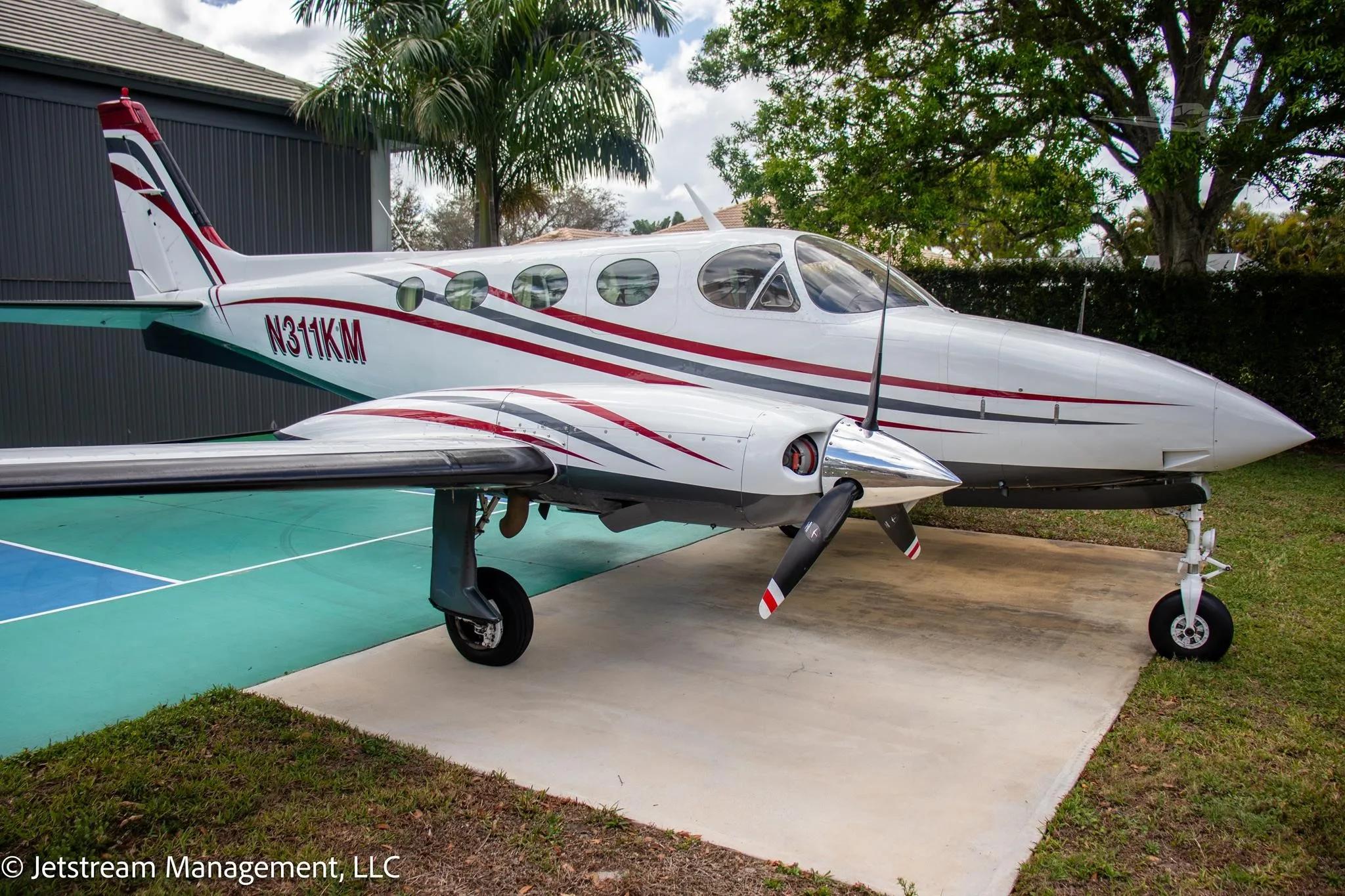
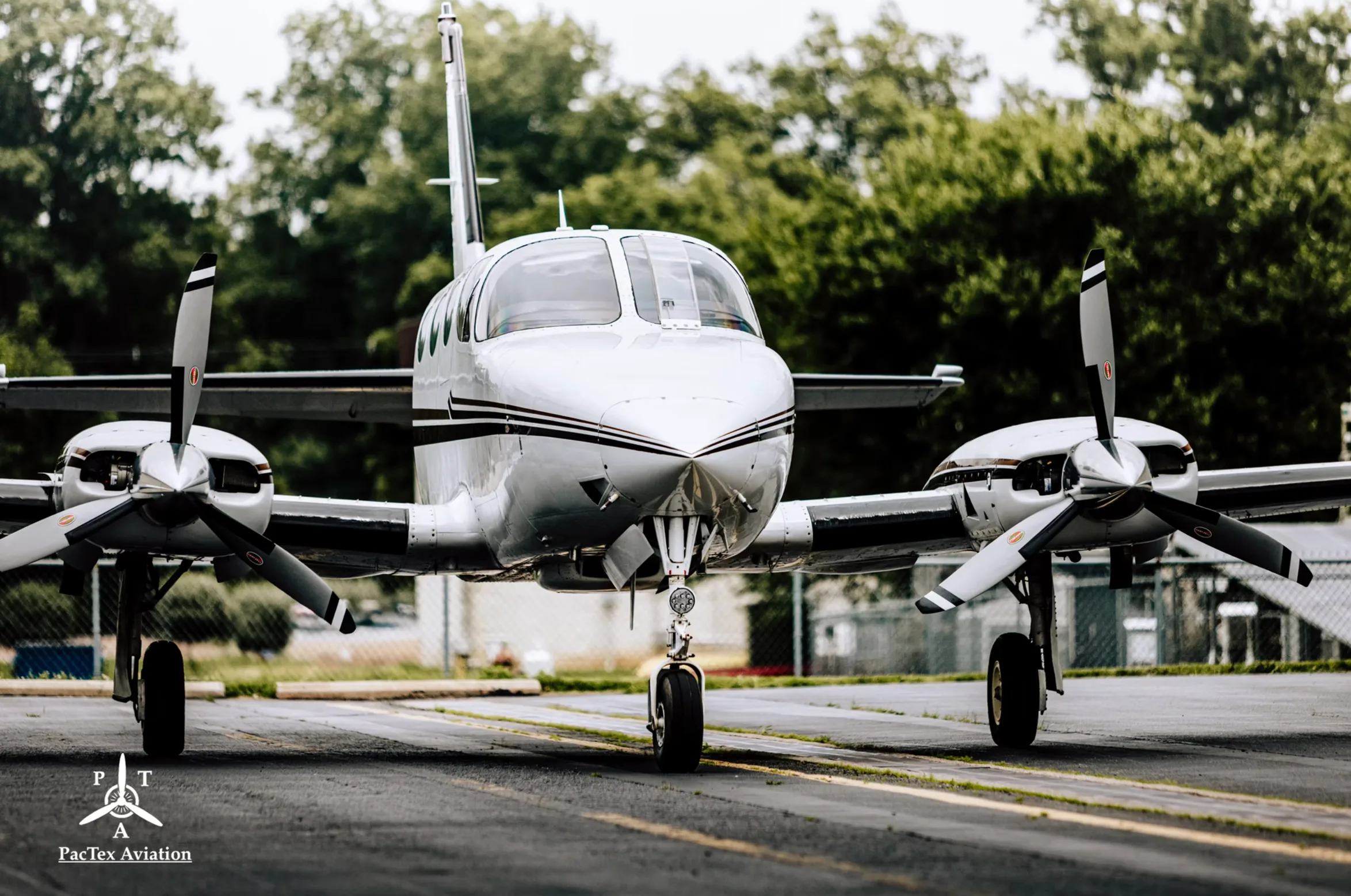
View all 64 for sale →Aircraft that this airworthiness directives covers, listed on the sites Sprinkle reads. Asking prices, not sales. Cessna 340 asking prices by year built.

Also useful for the Cessna 340
From Sprinkle’s library of aircraft documents. PDFs open from Sprinkle’s own files. Read Feb 16, 2026.
Want this document taken down? Request removal