Cessna 425 Corsair Model Guide
Cessna 425 Corsair · Model Guide
Overview
The Cessna 425 Corsair is a six- to eight-place twin turboprop built 1980-1986. It is essentially a 421 Golden Eagle re-engined with two Pratt & Whitney PT6A-112s, each flat-rated to 450 shp. A 1981 Business & Commercial Aviation evaluation called it a good first turboprop for piston-twin pilots, with strong fuel economy at altitude.
- Max cruise is 264 KTAS at 17,700 ft, where the flat-rated PT6A-112s can still make rated takeoff thrust.
- Handling is easy for piston-twin pilots: docile stalls, no gear-down trim change, and good single-engine control.
- Single-engine service ceiling is 18,500 ft at max gross takeoff weight; total fuel capacity is 2,452 lb.
- Check airworthiness directive compliance by serial number: spar caps, stabilizer spar nuts, nose gear rod, windshield.
Summary written by AI from the source document. Check the original before relying on it. See which parts of Sprinkle are written by AI.
Reference only, not for flight. Use the current approved manual for your aircraft. See terms, section 5.
Document
Source
Copy found at sprinkle.com. Sprinkle hosts a reference copy with an added summary, specifications and searchable full text.
Document details
- Type ·
- Model Guide
- Year ·
- 2026
- File size ·
- 48 KB
- Copy found at ·
- sprinkle.com
Specifications & performance
Extracted from this document.
Specifications
- Seats ·
- 6 to 8
- Category ·
- turboprop
- Powerplant ·
- 2x Pratt & Whitney PT6A-112, 450 shp each (flat-rated)
- Production years ·
- 1980-1986
Performance
- Max cruise speed (kt) ·
- 264
- Max cruise altitude (ft) ·
- 17,700
- Max climb rate at max gross (fpm) ·
- 2,027
- Single engine service ceiling (ft) ·
- 18,500
V-speeds
- ROTATION_SPEED_KTS ·
- 90-100
- CRUISE_CLIMB_SPEED_KTS ·
- 135
- BASE_TO_FINAL_SPEED_KTS ·
- 120
- OVER_THE_FENCE_SPEED_KTS ·
- 100
- BEST_RATE_CLIMB_SPEED_KTS ·
- 115
Weight & balance
- Total fuel capacity (lb) ·
- 2,452
What engines does the Cessna 425 Corsair have?
The Cessna 425 Corsair has two Pratt & Whitney PT6A-112 turboprops, each flat-rated to 450 shp. The flat rating keeps full power available up to 17,700 ft.
How fast and how high does the Cessna 425 Corsair cruise?
The Cessna 425 Corsair's maximum cruise speed is 264 KTAS at 17,700 ft. The evaluation says it becomes the fastest and most fuel-efficient of its comparison group at 25,000 ft.
Is the Cessna 425 Corsair easy to fly for a piston-twin pilot?
Yes. The Cessna 425 Corsair was designed for quick transition by piston-twin pilots. The evaluators found stalls docile, ground handling excellent, and no pitch trim change when the gear is lowered.
What should I check before buying a Cessna 425 Corsair?
For a Cessna 425 Corsair, confirm compliance with each AD for its serial number. These cover the wing spar caps, stabilizer spar nuts, nose gear actuator rod, windshield bolt holes, hoses, and avionics breaker switches.
What is the Cessna 425 Corsair Model Guide?
The Cessna 425 Corsair Model Guide is a model guide for the Cessna 425 Corsair, dated 2026.
What year was the Cessna 425 Corsair Model Guide published?
The Cessna 425 Corsair Model Guide — the Cessna 425 Corsair model guide on file — is dated 2026.
Common. More common than 83% of the aircraft models we track.
Most owners only have the POH. Here's the essential set for the Cessna 425 Corsair.
- Pilot's Operating Handbook / AFM
- Checklist
- Maintenance Manual
- Parts Catalog (IPC)
- Systems & Wiring
- Service Bulletins on file
- Type Certificate (TCDS)
Cessna 425 Corsair for sale now
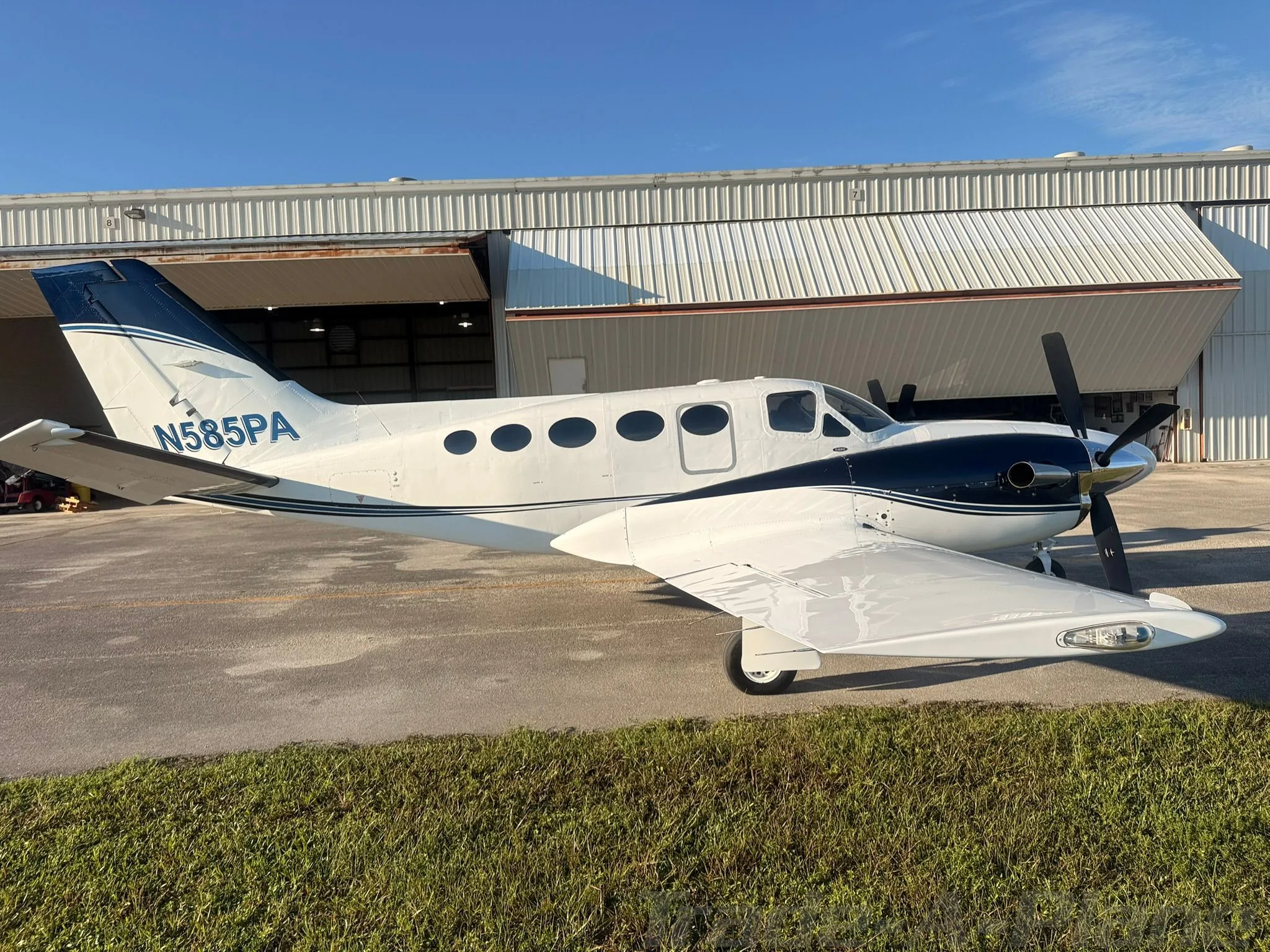
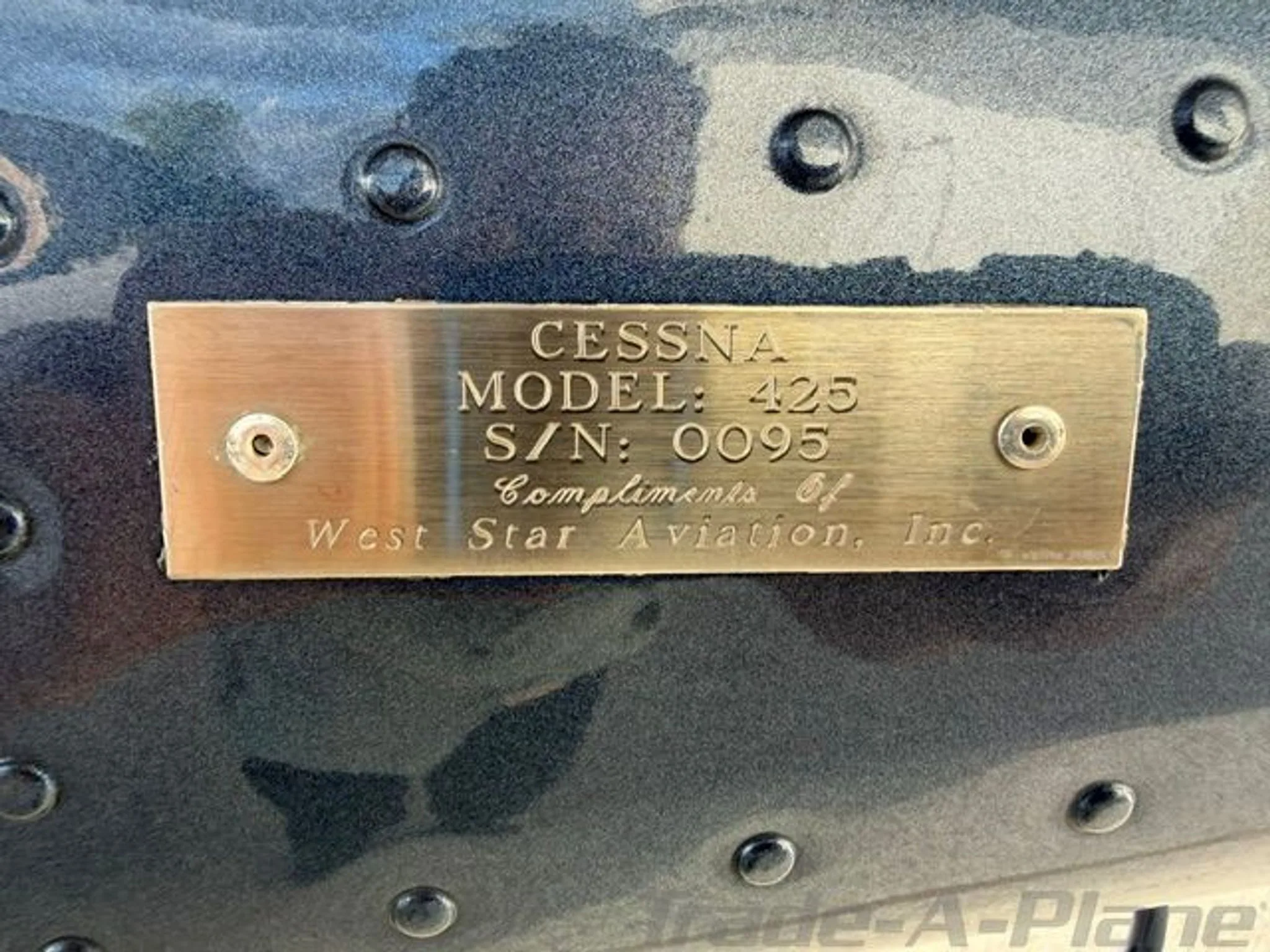
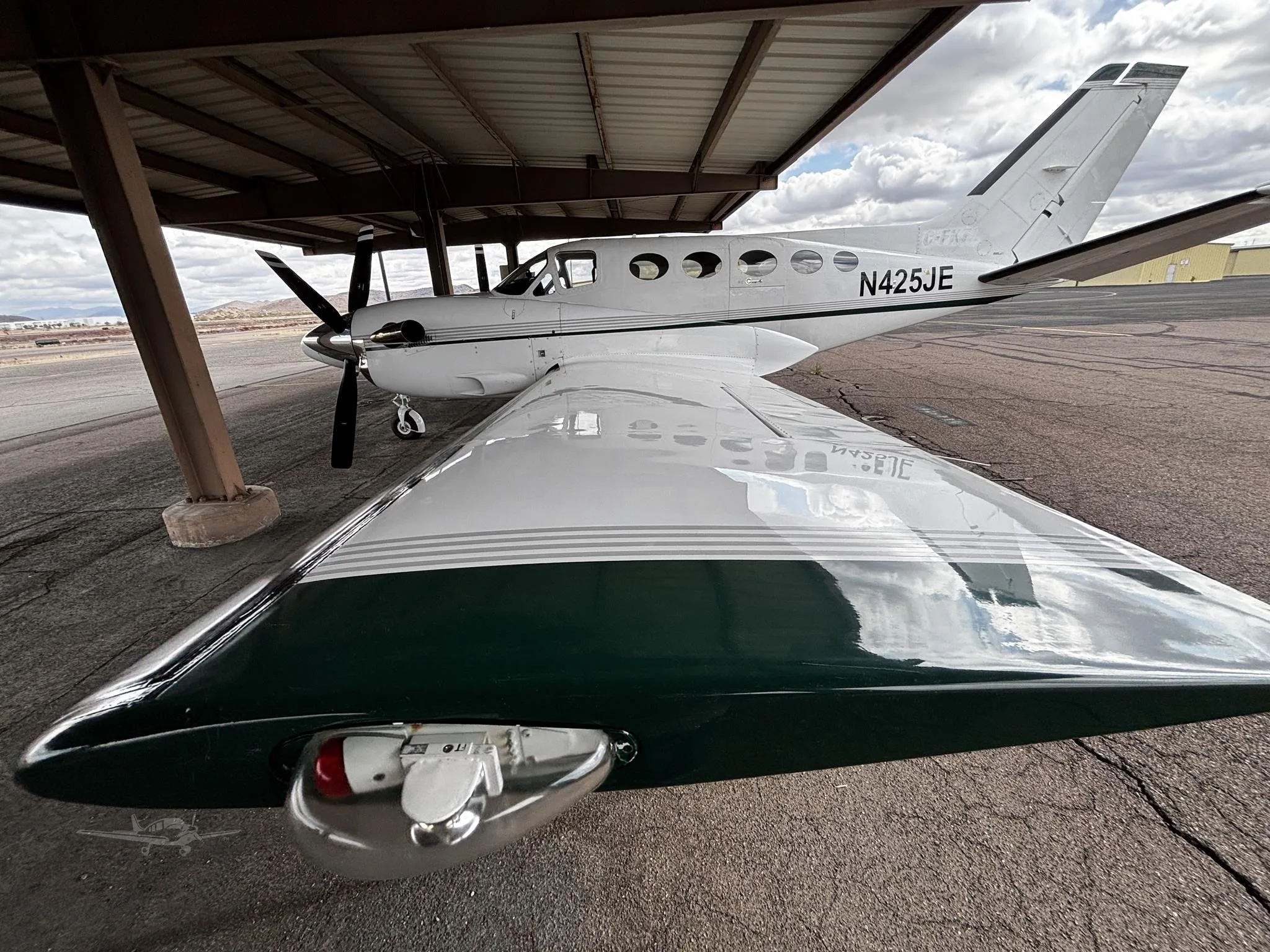
Free — save the 425 to your watchlist and track it in one place.
More Cessna 425 Corsairmanuals & documents
Related documents
- B/CA Analysis: Cessna 425 CorsairCessna 425 Corsair · Pilot's Operating Handbook
- Cessna Corsair Model 425CESSNA 421 TURBINE · Weight & Balance
- AOPA PILOT February 2013Cessna 425 Corsair · Checklist
- CESSNA 421C Model GuideCESSNA 421C · Model Guide
- Cessna 400 Corvalis TT Model GuideCessna 400 Corvalis TT · Model Guide
If you fly the Cessna 425 Corsair, you may also be researching these.


In this document
Performance and handling
The magazine's flight evaluation reports rotation at 90-100 knots and best-rate climb at 115 knots, with 2,027 fpm advertised at max gross weight. The AFM gives sea level to 25,000 ft in 16 minutes. Pattern speeds run 150-130 knots downwind, 120 base-to-final and 100 over the fence. Autofeather is standard.
Airworthiness directives to verify
The April 2006 NZ CAA schedule lists eight ADs: windshield bolt holes (S/Ns 425-0002 to 0177), nose gear actuator rod (to 0190), stabilizer spar nuts and wing front spar upper cap cracks (to 0236), hose P/N S51-10, and avionics bus breaker switches. Without the service kit, spar caps need re-inspection every 300 hours TIS.
Systems and ownership notes
The horizontal tail has 12 degrees of dihedral and dual pitch-trim actuators are standard. Two 250-amp starter-generators each power their own bus, and either can carry a full IFR load. Fuel goes in only through the nacelle tank fillers, so allow drain-down time when topping off. Cabin altitude is 10,000 ft at 25,000 ft.
Summary written by AI from the source document. Check the original before relying on it. See which parts of Sprinkle are written by AI.
Safety notes
- AD: positioning power levers below the flight idle stop in flight is prohibited; it may cause loss of control or engine overspeed.
- AD: in severe icing, request priority handling to exit, and do not use the autopilot if the visual ice cues are present.
- AD: avionics bus breaker switches with date code earlier than 0434 can fail, causing cockpit smoke; replace them.
Summary written by AI from the source document. Check the original before relying on it. See which parts of Sprinkle are written by AI.
Full document text
Cessna 425 Corsair Model Guide The Cessna 425 Corsair is a six- to eight-place twin turboprop built 1980-1986. It is essentially a 421 Golden Eagle re-engined with two Pratt & Whitney PT6A-112s, each flat-rated to 450 shp. A 1981 Business & Commercial Aviation evaluation called it a good first turboprop for piston-twin pilots, with strong fuel economy at altitude. • Max cruise is 264 KTAS at 17,700 ft, where the flat-rated PT6A-112s can still make rated takeoff thrust. • Handling is easy for piston-twin pilots: docile stalls, no gear-down trim change, and good single-engine control. • Single-engine service ceiling is 18,500 ft at max gross takeoff weight; total fuel capacity is 2,452 lb. • Check airworthiness directive compliance by serial number: spar caps, stabilizer spar nuts, nose gear rod, windshield. Performance and handling The magazine's flight evaluation reports rotation at 90-100 knots and best-rate climb at 115 knots, with 2,027 fpm advertised at max gross weight. The AFM gives sea level to 25,000 ft in 16 minutes. Pattern speeds run 150-130 knots downwind, 120 base-to-final and 100 over the fence. Autofeather is standard. Airworthiness directives to verify The April 2006 NZ CAA schedule lists eight ADs: windshield bolt holes (S/Ns 425-0002 to 0177), nose gear actuator rod (to 0190), stabilizer spar nuts and wing front spar upper cap cracks (to 0236), hose P/N S51-10, and avionics bus breaker switches. Without the service kit, spar caps need re-inspection every 300 hours TIS. Systems and ownership notes The horizontal tail has 12 degrees of dihedral and dual pitch-trim actuators are standard. Two 250-amp starter-generators each power their own bus, and either can carry a full IFR load. Fuel goes in only through the nacelle tank fillers, so allow drain-down time when topping off. Cabin altitude is 10,000 ft at 25,000 ft. Safety notes: • AD: positioning power levers below the flight idle stop in flight is prohibited; it may cause loss of control or engine overspeed. • AD: in severe icing, request priority handling to exit, and do not use the autopilot if the visual ice cues are present. • AD: avionics bus breaker switches with date code earlier than 0434 can fail, causing cockpit smoke; replace them.