Cessna 441 Conquest II Model Guide
Cessna 441 Conquest II · Model Guide
Overview
The Cessna 441 Conquest II is a twin-turboprop built from 1977 to 1986. Registry data lists 8 to 11 seats; executive layouts typically seat six or seven. Library figures show a 7255 lb max takeoff weight and 3155 lb useful load. Buyers should focus on the tail-fix history, engine type and inspection status.
- 362 were built. An in-flight tail failure on the sixth airframe led to two groundings and a redesigned horizontal tailplane (AD 79-19-13).
- Most of the fleet has the Dash 10 (Honeywell TPE331-10) conversion: 5,000 hour TBO, about $175,000 per engine overhaul.
- A 2008 review put good examples at $1.2 million to $1.7 million, with variable operating cost of $1,111.31 per hour.
- Library figures: stall 76 kts clean and 60 kts landing; takeoff over 50 ft takes 2332 ft.
Summary written by AI from the source document. Check the original before relying on it. See which parts of Sprinkle are written by AI.
Reference only, not for flight. Use the current approved manual for your aircraft. See terms, section 5.
Document
Source
Copy found at sprinkle.com. Sprinkle hosts a reference copy with an added summary, specifications and searchable full text.
Document details
- Type ·
- Model Guide
- Year ·
- 2026
- File size ·
- 49 KB
- Copy found at ·
- sprinkle.com
Specifications & performance
Extracted from this document.
Specifications
- Useful load (lb) ·
- 3,155
- Empty weight (lb) ·
- 4,150
- Rate of climb (fpm) ·
- 993
- Max landing weight (lb) ·
- 7,200
- Max takeoff weight (lb) ·
- 7,255
Performance
- Rate of climb (fpm) ·
- 993
- Landing distance (ft) ·
- 1,314
- Takeoff distance (ft) ·
- 1,735
- Landing over 50ft (ft) ·
- 3,061
- Takeoff over 50ft (ft) ·
- 2,332
V-speeds
- BEST_GLIDE_SPEED_KTS ·
- 97
- STALL_SPEED_CLEAN_KTS ·
- 76
- STALL_SPEED_LANDING_KTS ·
- 60
Weight & balance
- Useful load (lb) ·
- 3,155
- Basic empty weight (lb) ·
- 4,150
- Max landing weight (lb) ·
- 7,200
- Max takeoff weight (lb) ·
- 7,255
How many Cessna 441 Conquest II aircraft were built?
Sources say 362 Cessna 441 Conquest II aircraft were built through 1986. A 1998 article counted 316 still on the active registry.
Which engine should I look for on a Cessna 441 Conquest II?
The Cessna 441 Conquest II originally had Garrett TPE331-8 engines. A broker in the 2008 review said you should not want one without the Dash 10 conversion.
Is the Cessna 441 Conquest II tail issue resolved?
The Cessna 441 Conquest II was re-certificated in 1979 after a redesigned horizontal tailplane with a second spar and dual trim tab actuators. AD 79-19-13 covers the modification.
Is the SID mandatory on a Cessna 441 Conquest II?
No. An aviation attorney's article says the Cessna 441 Conquest II SID never received final FAA approval and no AD covers it. Compliance is the owner's choice.
What is the Cessna 441 Conquest II Model Guide?
The Cessna 441 Conquest II Model Guide is a model guide for the Cessna 441 Conquest II, dated 2026.
What year was the Cessna 441 Conquest II Model Guide published?
The Cessna 441 Conquest II Model Guide — the Cessna 441 Conquest II model guide on file — is dated 2026.
Common. More common than 85% of the aircraft models we track.
Most owners only have the POH. Here's the essential set for the Cessna 441 Conquest II.
- Pilot's Operating Handbook / AFM
- Checklist
- Maintenance Manual
- Parts Catalog (IPC)
- Systems & Wiring
- Service Bulletins on file
- Type Certificate (TCDS)
Cessna 441 Conquest II for sale now
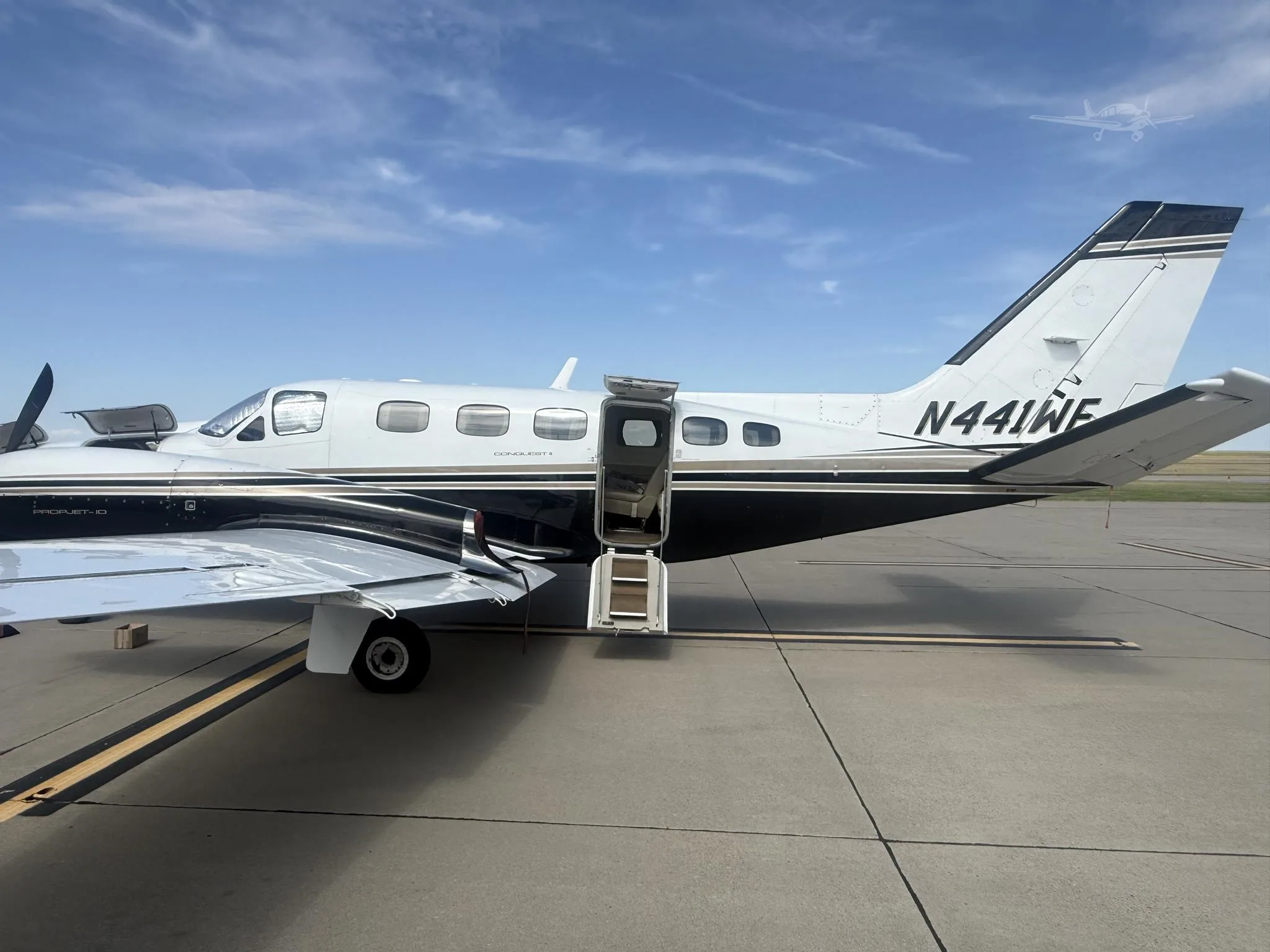
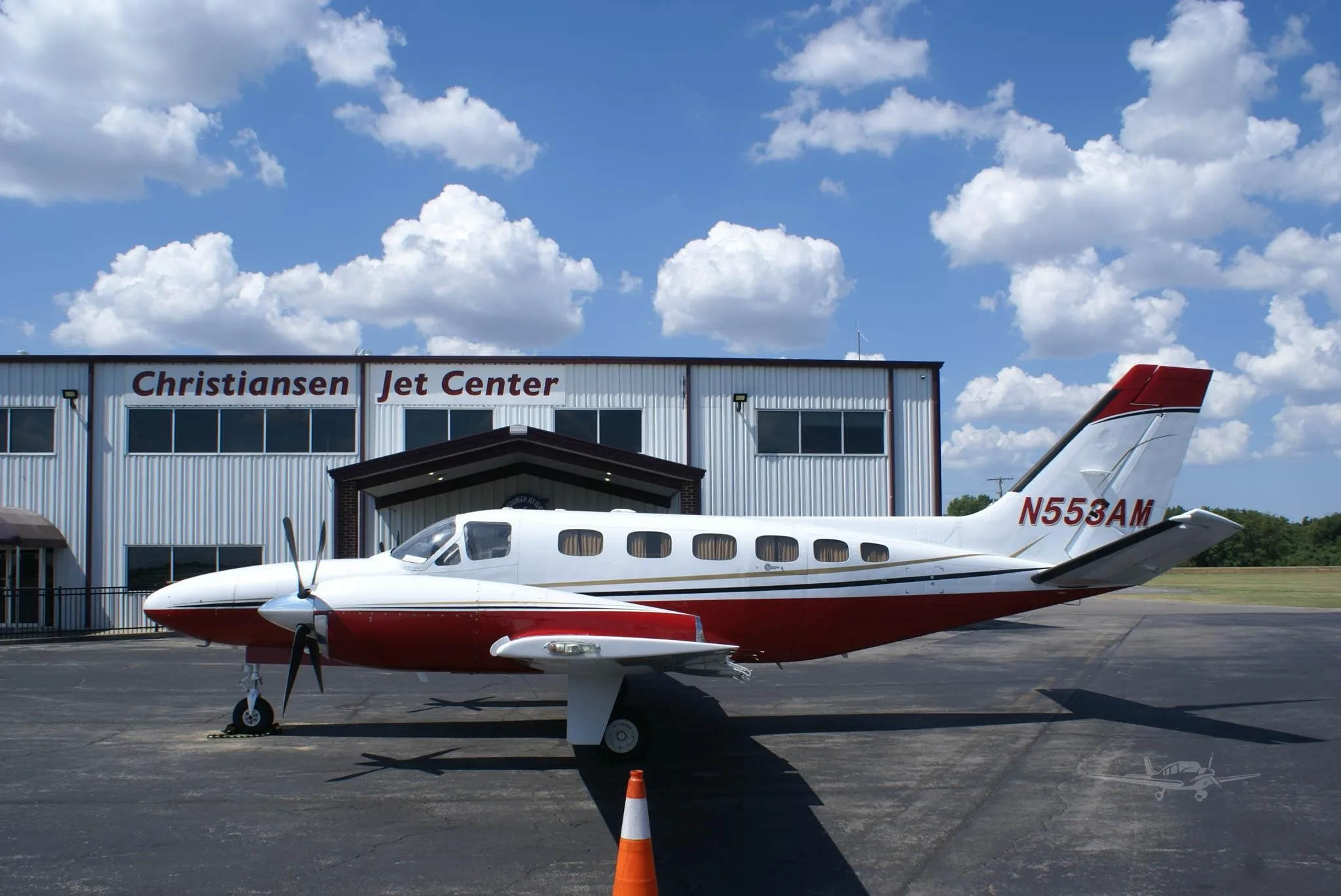
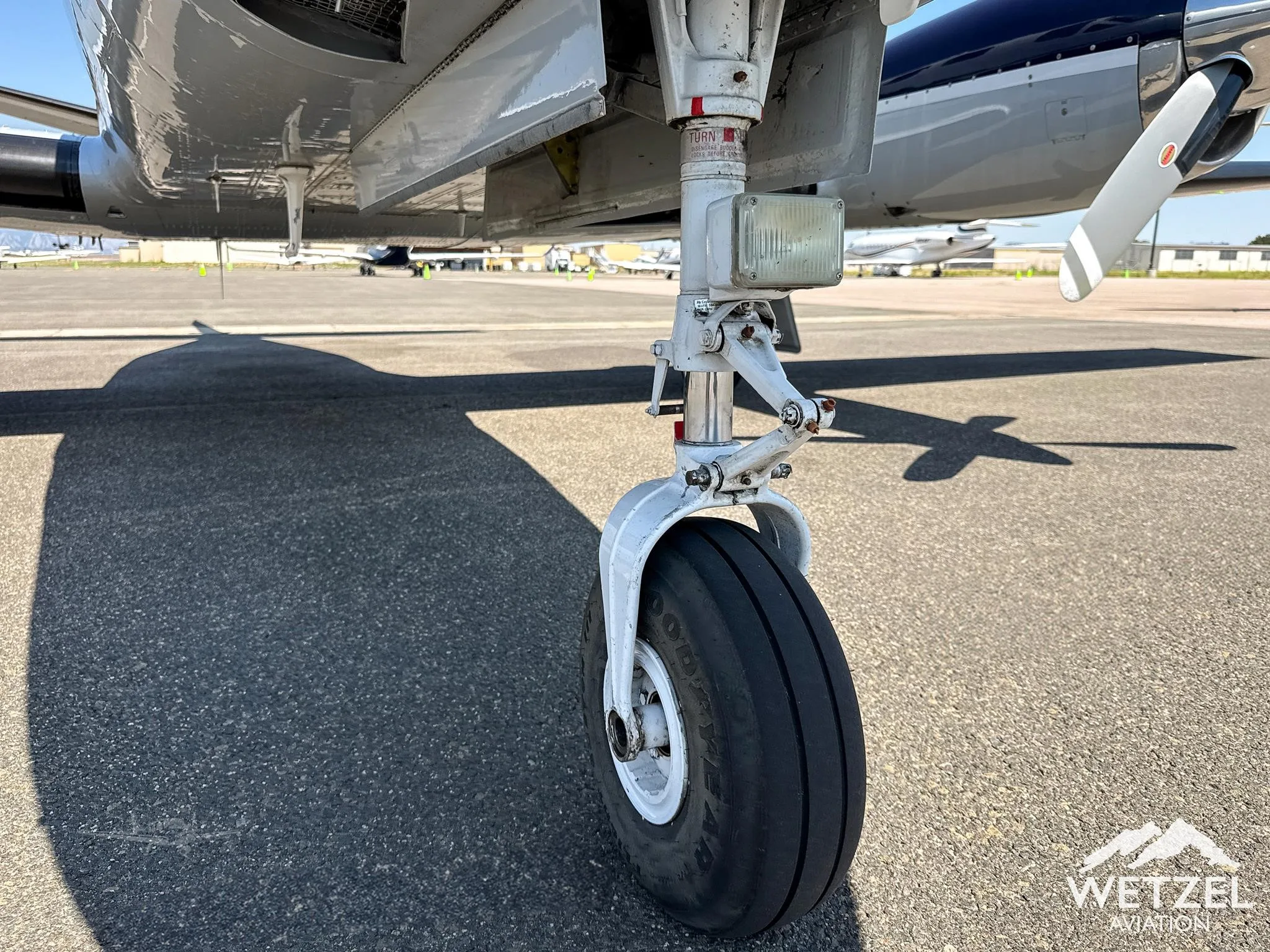
Free — save the 441 to your watchlist and track it in one place.
More Cessna 441 Conquest IImanuals & documents
- Supplemental Type Certificate Number STC SVA 528 Issue 3Supplemental Type Certificate
- Supplemental Inspection Documents (SID’s)Airworthiness Directives
- In-flight engine failure – 23 km N of Ardrossan, SA – 25 July 2007 – VH-OAA – Cessna Aircraft Company ‘Conquest II’ 441Service Bulletins
- CESSNA 441 CONQUEST IIPilot's Operating Handbook
- OPERATION & SERVICE MANUALChecklist
- Airworthiness Directive AD/TPE 331/59 Electronic Engine ControlsService Bulletins
- Cessna 441 Conquest II OperationsPilot's Operating Handbook
- APPLICATION SHEETParts Catalog
- Technical Sheet: Cessna 441, Conquest IISpecifications
Related documents
- CESSNA CONQUEST II Model GuideCESSNA CONQUEST II · Model Guide
- CESSNA 441 CONQUEST IICessna 441 Conquest II · Pilot's Operating Handbook
- Cessna 441 Conquest II OperationsCessna 441 Conquest II · Pilot's Operating Handbook
- AOPA PILOT February 2013Cessna 425 Corsair · Checklist
- Cessna Citation SII Model GuideCessna Citation SII · Model Guide
If you fly the Cessna 441 Conquest II, you may also be researching these.


In this document
Payload and performance
Library figures: empty weight 4150 lb, max takeoff 7255 lb, max landing 7200 lb, useful load 3155 lb, climb 993 fpm. A 2008 review cites a top speed of 295 knots and range of 1,200 to 2,200 nm. A 1998 article gives cruise up to 276 KTAS.
Engines and airframe checks
Early aircraft used TPE331-8 engines, and most have been converted to Dash 10 power. Known service trouble spots: fuel nozzles, combustor carbon buildup, starter/generators, batteries and window delamination. STC SVA 528 extends Cessna's 22,500 hour airframe limit to 40,000 hours, with mandatory inspections.
Cost of ownership
2008 figures: fuel $526.88 per hour, total variable cost $1,111.31 per hour, fixed cost $283,878 per year. At 426 hours a year, total cost without depreciation was $1,778 per hour. Upgrades can push the total investment past $3 million.
Summary written by AI from the source document. Check the original before relying on it. See which parts of Sprinkle are written by AI.
Safety notes
- CASA AD/TPE 331/59: certain TPE331 electronic engine controls caused uncommanded power increases. Confirm the listed EEC part numbers were replaced.
- ATSB AO-2007-030: a TPE331-8 failed in flight at FL210 after a compressor bearing failure. Review oil analysis and chip detector history.
- Cessna's SID has no final FAA approval and no AD. Compliance is an owner's election, so ask what inspection status the aircraft has.
Summary written by AI from the source document. Check the original before relying on it. See which parts of Sprinkle are written by AI.
Full document text
Cessna 441 Conquest II Model Guide The Cessna 441 Conquest II is a twin-turboprop built from 1977 to 1986. Registry data lists 8 to 11 seats; executive layouts typically seat six or seven. Library figures show a 7255 lb max takeoff weight and 3155 lb useful load. Buyers should focus on the tail-fix history, engine type and inspection status. • 362 were built. An in-flight tail failure on the sixth airframe led to two groundings and a redesigned horizontal tailplane (AD 79-19-13). • Most of the fleet has the Dash 10 (Honeywell TPE331-10) conversion: 5,000 hour TBO, about $175,000 per engine overhaul. • A 2008 review put good examples at $1.2 million to $1.7 million, with variable operating cost of $1,111.31 per hour. • Library figures: stall 76 kts clean and 60 kts landing; takeoff over 50 ft takes 2332 ft. Payload and performance Library figures: empty weight 4150 lb, max takeoff 7255 lb, max landing 7200 lb, useful load 3155 lb, climb 993 fpm. A 2008 review cites a top speed of 295 knots and range of 1,200 to 2,200 nm. A 1998 article gives cruise up to 276 KTAS. Engines and airframe checks Early aircraft used TPE331-8 engines, and most have been converted to Dash 10 power. Known service trouble spots: fuel nozzles, combustor carbon buildup, starter/generators, batteries and window delamination. STC SVA 528 extends Cessna's 22,500 hour airframe limit to 40,000 hours, with mandatory inspections. Cost of ownership 2008 figures: fuel $526.88 per hour, total variable cost $1,111.31 per hour, fixed cost $283,878 per year. At 426 hours a year, total cost without depreciation was $1,778 per hour. Upgrades can push the total investment past $3 million. Safety notes: • CASA AD/TPE 331/59: certain TPE331 electronic engine controls caused uncommanded power increases. Confirm the listed EEC part numbers were replaced. • ATSB AO-2007-030: a TPE331-8 failed in flight at FL210 after a compressor bearing failure. Review oil analysis and chip detector history. • Cessna's SID has no final FAA approval and no AD. Compliance is an owner's election, so ask what inspection status the aircraft has.