
Airworthiness Directive AD/TPE 331/59 Electronic Engine Controls
Service Bulletins for the Cessna 441 Conquest II
PDF, 2 pages, 16 KB, from Sprinkle’s own files.
What it covers
This document is an Airworthiness Directive (AD) issued by the Civil Aviation Safety Authority of Australia, specifically addressing the TPE 331 Series turboprop engines used in the Cessna 441 Conquest II. The directive outlines necessary actions to correct unsafe conditions related to electronic engine controls (EECs) that have been linked to incidents of uncommanded power increases during flight. It mandates revisions to the Aircraft Flight Manual (AFM) to include interim emergency procedures and specifies compliance timelines for operators. The document is crucial for ensuring the safety and airworthiness of the Cessna 441 Conquest II, particularly for those operating with the affected engine models.
Key points
- The directive applies to TPE331-8, -10N, and -12B engines installed on the Cessna 441 Conquest II.
- Operators must amend the AFM with specified Temporary Revisions within 30 days of the directive's effective date.
- All existing EECs with specified part numbers must be replaced by 31 August 2003.
- The directive addresses safety concerns related to uncommanded engine power increases during flight.
- Failure to comply with the directive could lead to loss of control of the aircraft.
Main sections
Applicability
The directive applies to TPE331-8, -10N, and -12B turboprop engines equipped with specific electronic engine controls (EECs) identified by their part numbers. These engines are installed on the Cessna 441 Conquest II, among other aircraft.
Requirement 1
Operators must amend the AFM Emergency Procedures and Normal Procedures sections to include specified Temporary Revisions (TRs) for aircraft serial numbers 441-0001 through 441-0172 and 441-0173 and higher. The revisions provide interim emergency procedures for flight crews.
Requirement 2
All existing EECs with specified part numbers must be replaced with serviceable units. This requirement is critical to prevent incidents related to uncommanded engine power increases.
Compliance
Operators are required to comply with Requirement 1 within 30 days of the directive's effective date and with Requirement 2 before 31 August 2003.
Background
The directive was issued following reports of uncommanded power increases during approaches, which posed a risk of losing control of the aircraft due to asymmetric thrust. The revisions to the AFM are intended to mitigate these risks until the EECs are replaced.
Safety notes
- Uncommanded engine power increases can lead to loss of control of the aircraft.
- Operators must ensure compliance with the directive to maintain safety.
The document’s text
Show the text read from the PDF
COMMONWEALTH OF AUSTRALIA (Civil Aviation Regulations 1998), PART 39 - 106 CIVIL AVIATION SAFETY AUTHORITY SCHEDULE OF AIRWORTHINESS DIRECTIVES AlliedSignal (Garrett/AiResearch) Turbine Engines - TPE 331 Series AIRWORTHINESS DIRECTIVE For the reasons set out in the background section, the CASA delegate whose signature appears below issues the following Airworthiness Directive (AD) under subregulation 39.1 (1) of CAR 1998. The AD requires that the action set out in the requirement section (being action that the delegate considers necessary to correct the unsafe condition) be taken in relation to the aircraft or aeronautical product mentioned in the applicability section: (a) in the circumstances mentioned in the requirement section; and (b) in accordance with the instructions set out in the requirement section; and (c) at the time mentioned in the compliance section. AD/TPE 331/59 Electronic Engine Controls 13/2001 DM Applicability: TPE331-8, -10N, and -12B turboprop engines with electronic engine controls (EEC's) part numbers (P/N's) 2101322-1, -4, -11, -12, -13, -14, -15 or -16 installed. Note 1: These engines are installed on but not limited to Cessna Aircraft Company Model 441 Conquest aeroplanes. Requirement: 1. If not previously accomplished, amend the applicable Aircraft Flight Manual (AFM) Emergency Procedures and Normal Procedures Section to provide interim emergency procedures to flight crews, by inserting the Temporary Revisions (TR) specified in the following table: Aeroplane Serial Number (S/N) AFM Affected Temporary Revision 441-0001 through 441-0172 D1561-14-13PH through Revision 14 dated 9 January 1998 D1561-14TR2 through D1561-14TR8 dated 20 November 2000 D1561-14TR9 dated 11 April 2001 441-0173 and higher D1586-11-13PH through Revision 11 dated 9 January 1998 D1586-11TR2 through D1586-11TR5 dated 20 November 2000 D1586-11TR7 and D1586- 11TR8 dated 20 November 2000 D1586-11TR9 dated 7 March 2001 D1586-11TR10 dated 11 April 2001. Owners or operators of aeroplanes that have been modified by supplemental type certificate (STC), where the AFM conflicts with the TR's specified in Requirement 1, must contact the Manager, Engineering Support Branch (ESB), Civil Aviation Safety Authority, to have their AFM's reviewed and approved. -- 1 of 2 -- COMMONWEALTH OF AUSTRALIA (Civil Aviation Regulations 1998), PART 39 - 106 CIVIL AVIATION SAFETY AUTHORITY SCHEDULE OF AIRWORTHINESS DIRECTIVES The ESB Manager may be contacted at the following address: PO Box CP57 Condell Park NSW 2200 Facsimile (02) 9780 3060 2. Replace all existing EECs P/N's 2101322-1, -4, -11, -12, -13, -14, -15 and -16 with serviceable EECs. (For the purposes of this Directive, a serviceable EEC is an EEC with a P/N that is not specified in this Directive.) Information regarding the replacement of existing EEC's is available in Honeywell Alert Service Bulletins TPE331-A76-0035 dated 23 July 2001, TPE331-A76-0036 dated 23 July 2001, and TPE331-A76-0037 dated 23 July 2001. When all EECs have been replaced in the aeroplane with serviceable EECs, the AFM TRs specified in Requirement 1 may be removed from the AFM. Note 2: FAA AD 2001-21-02 Amdt 39-12472 refers. Compliance: For Requirement 1 - Within 30 days after the effective date of this Directive. For Requirement 2 - Before 31 August 2003. This Airworthiness Directive becomes effective on 19 November 2001. Background: The United States Federal Aviation Administration received a report of an engine experiencing an uncommanded full power increase during an approach while both engine power levers were at the flight idle gate. There have been numerous incidents where these engines have experienced uncommanded engine flow increases during flight and ground operations. This Directive requires revision of the Emergency and Normal Procedures section of the applicable AFM until the existing EEC's are replaced. These actions are intended to minimize exposure to flight and ground operations that could lead to the loss of control of the airplane due to asymmetric thrust and an uncommanded torque increase. Eugene Paul Holzapfel Delegate of the Civil Aviation Safety Authority 6 November 2001 The above AD is notified in the Commonwealth of Australia Gazette on 14 November 2001. -- 2 of 2 --
Read from the PDF by machine, so tables and diagrams come out rough. The PDF is the document.
More Cessna 441 Conquest II documents
All 10 →- In-flight engine failure – 23 km N of Ardrossan, SA – 25 July 2007 – VH-OAA – Cessna Aircraft Company ‘Conquest II’ 441
This document is a safety investigation report by the Australian Transport Safety Bureau (ATSB) regarding an in-flight engine failure of a Cessna 441 Conquest II aircraft on July 25, 2007. The aircraft, registered VH-OAA, experienced a sudden right engine failure while cruising at flight level 210. The report details the flight history, aircraft specifications, engine examination, and analysis of the failure, highlighting the catastrophic failure of the compressor bearing as the primary cause. It also discusses maintenance history, safety actions, and recommendations for future safety improvements. The report aims to enhance safety by identifying contributing factors and encouraging proactive safety measures within the aviation community.
Service Bulletins · 2009PDF · 29 pages · 994 KB of In-flight engine failure – 23 km N of Ardrossan, SA – 25 July 2007 – VH-OAA – Cessna Aircraft Company ‘Conquest II’ 441, opens in a new tabRequest removal of In-flight engine failure – 23 km N of Ardrossan, SA – 25 July 2007 – VH-OAA – Cessna Aircraft Company ‘Conquest II’ 441 - Cessna 441 Conquest II Model Guide
The Cessna 441 Conquest II is a twin-turboprop built from 1977 to 1986. Registry data lists 8 to 11 seats; executive layouts typically seat six or seven. Library figures show a 7255 lb max takeoff weight and 3155 lb useful load. Buyers should focus on the tail-fix history, engine type and inspection status.
- Supplemental Type Certificate Number STC SVA 528 Issue 3
This document is a Supplemental Type Certificate (STC) issued by the Australian Civil Aviation Safety Authority for the Cessna model 441 aircraft. It certifies a change in the type design that allows for a life extension program, enabling operations beyond the original limitation of 22,500 flight hours. The STC is issued to Irenic Pty Ltd and outlines the conditions and limitations for the modification, which includes a mandatory inspection program. The document specifies that the STC is applicable to certain serial numbers of the Cessna 441 and details the requirements for maintaining airworthiness under the new operational limits.
- Supplemental Inspection Documents (SID’s)
This document discusses the Supplemental Inspection Documents (SID) related to the Cessna 441 Conquest II. It outlines the importance of SID programs in maintaining aircraft airworthiness and structural integrity. The document highlights that the SID issued for the Cessna 441 and Conquest turboprops has not received final FAA approval and that no Airworthiness Directive (AD) has been issued for these items. The FAA's legal memorandum from December 2008 clarifies that operators are not obligated to comply with new maintenance or inspection instructions from manufacturers unless mandated by the FAA. The document emphasizes that compliance with the SID is voluntary and that Cessna cannot enforce compliance or ground aircraft for non-compliance. It serves as a critical resource for owners and operators of the Cessna 441 Conquest II, providing legal context and guidance regarding SID compliance.
- Cessna 441 Conquest II
This document is a used jet review of the Cessna 441 Conquest II, detailing its operating costs, performance specifications, and maintenance considerations. It provides insights into the aircraft's history, including its development, production, and the challenges faced during its early years. The review is aimed at potential buyers and current operators, offering a comprehensive overview of the aircraft's capabilities, costs, and market value. It highlights the aircraft's efficiency, speed, and range, as well as the importance of adhering to rigorous maintenance standards due to its age. The document also discusses upgrades and modifications that enhance the aircraft's performance and reliability.
Pilot's Operating Handbook · 2008PDF · 5 pages · 480 KB of Cessna 441 Conquest II, opens in a new tabRequest removal of Cessna 441 Conquest II - Operation & Service Manual
This document is an Operation & Service Manual for the Tronair Multi-Head Towbar Model 01-0511-0000, which is compatible with various aircraft including the Cessna 441 Conquest II. It provides essential information regarding the specifications, safety information, operation procedures, and training requirements for using the towbar. The manual emphasizes the importance of following safety precautions to prevent personal injury and equipment damage. It includes a preliminary checklist for ensuring the towbar's readiness for use, as well as detailed instructions on how to operate the towbar safely and effectively. This manual is intended for operators and maintenance personnel involved in the towing of aircraft.
- Cessna 441 Conquest II Operations
This document serves as the Pilot's Operating Handbook for the Cessna 441 Conquest II, detailing its operational capabilities, performance specifications, and maintenance considerations. It is designed for pilots and operators of the Conquest II, providing essential information for safe and efficient flight operations. The handbook covers the aircraft's design, performance metrics, cockpit layout, and various operational modifications available to enhance performance and reliability. It also discusses historical context, production details, and the evolution of the aircraft's systems over its production run.
Pilot's Operating Handbook · 1998PDF · 6 pages · 302 KB of Cessna 441 Conquest II Operations, opens in a new tabRequest removal of Cessna 441 Conquest II Operations - Application Sheet
This document is a parts catalog specifically for vibration isolation systems manufactured by Barry Controls™ Aerospace, which are approved for installation on various Cessna aircraft models. It details the vibration isolators designed to minimize vibration from the engine to the airframe, enhancing pilot comfort and protecting the aircraft structure. The catalog includes specific part numbers for the Cessna 441 Conquest III, among other models, and provides information on the number of parts required per engine and per aircraft. It serves as a reference for maintenance and repair facilities looking to source approved vibration isolation components for these aircraft.
Cessna 441 for sale now
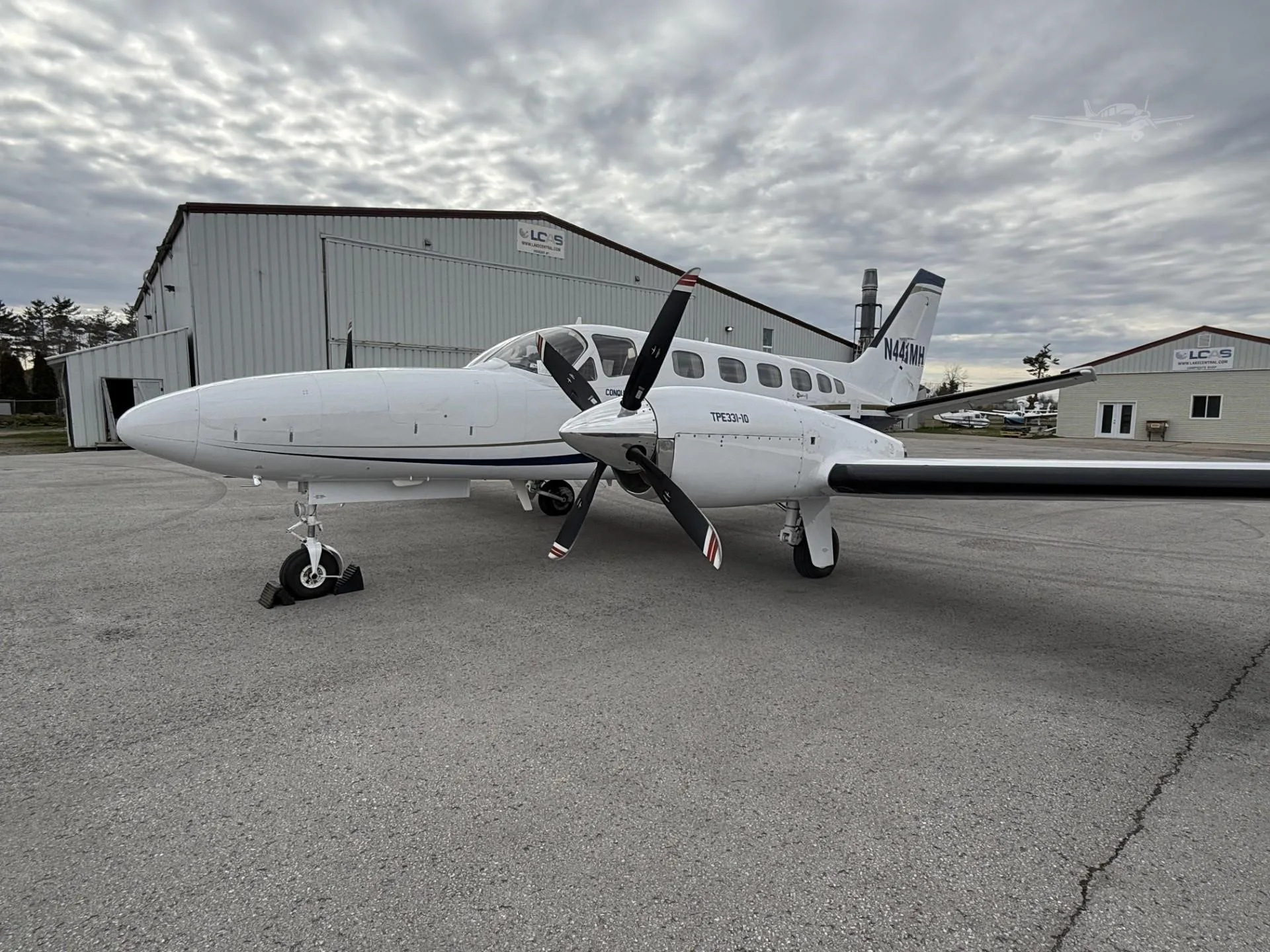
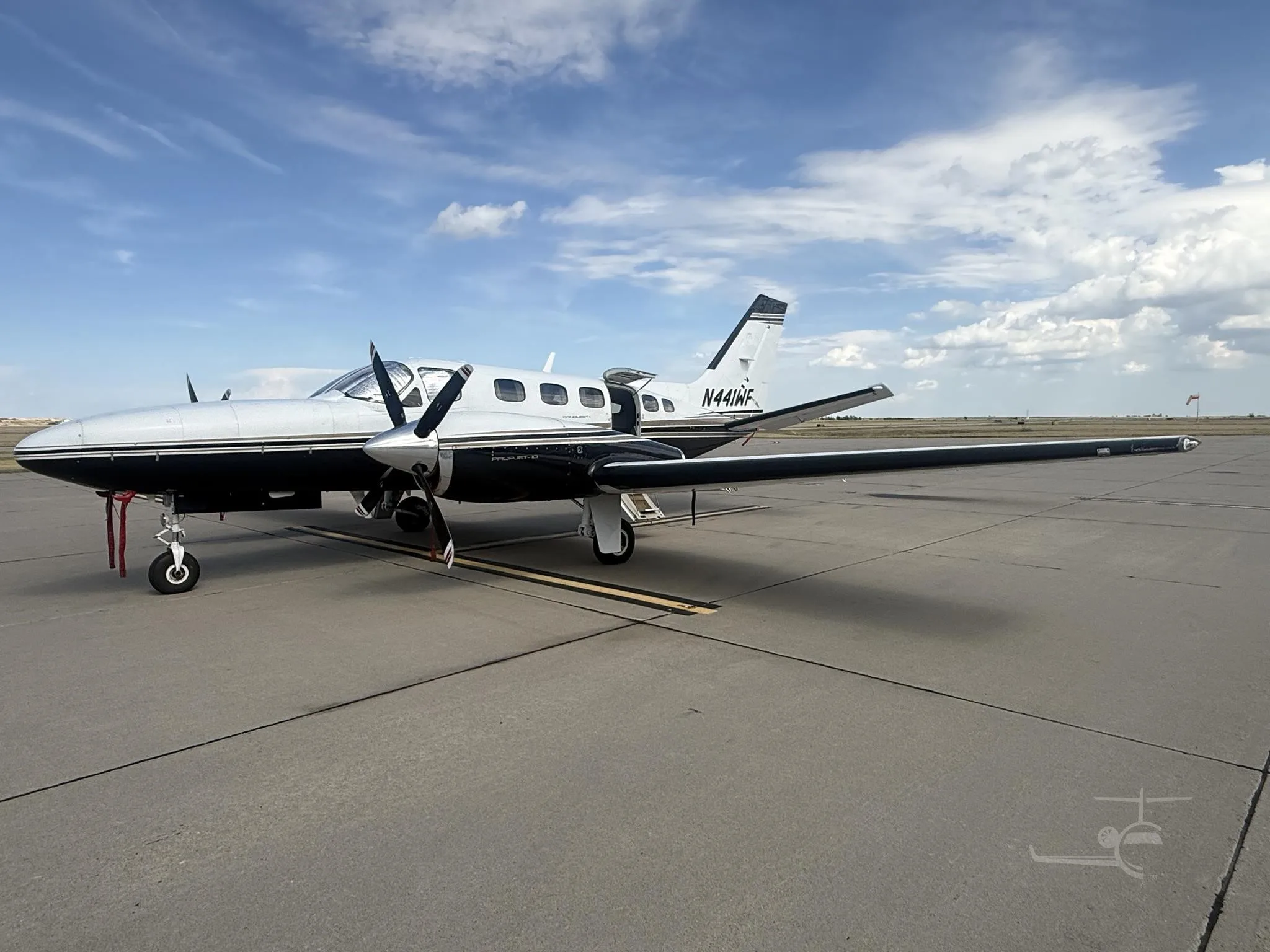
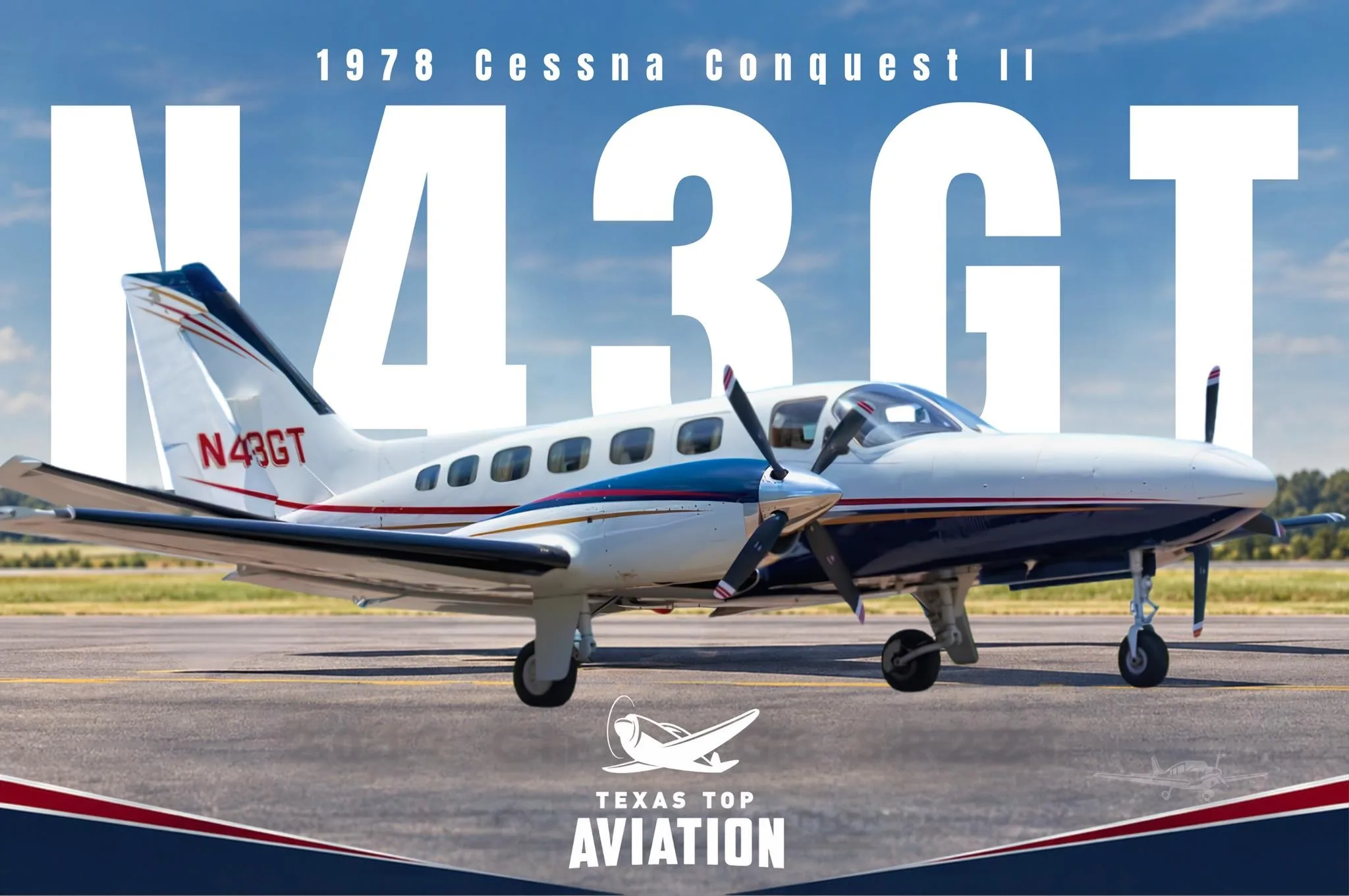
View all 6 for sale →Aircraft that this service bulletins covers, listed on the sites Sprinkle reads. Asking prices, not sales. Cessna 441 asking prices by year built.
Also useful for the Cessna 441 Conquest II
From Sprinkle’s library of aircraft documents. PDFs open from Sprinkle’s own files. Read Feb 16, 2026.
Want this document taken down? Request removal