CESSNA 510 Citation Mustang Model Guide
CESSNA 510 Citation Mustang · Model Guide
Overview
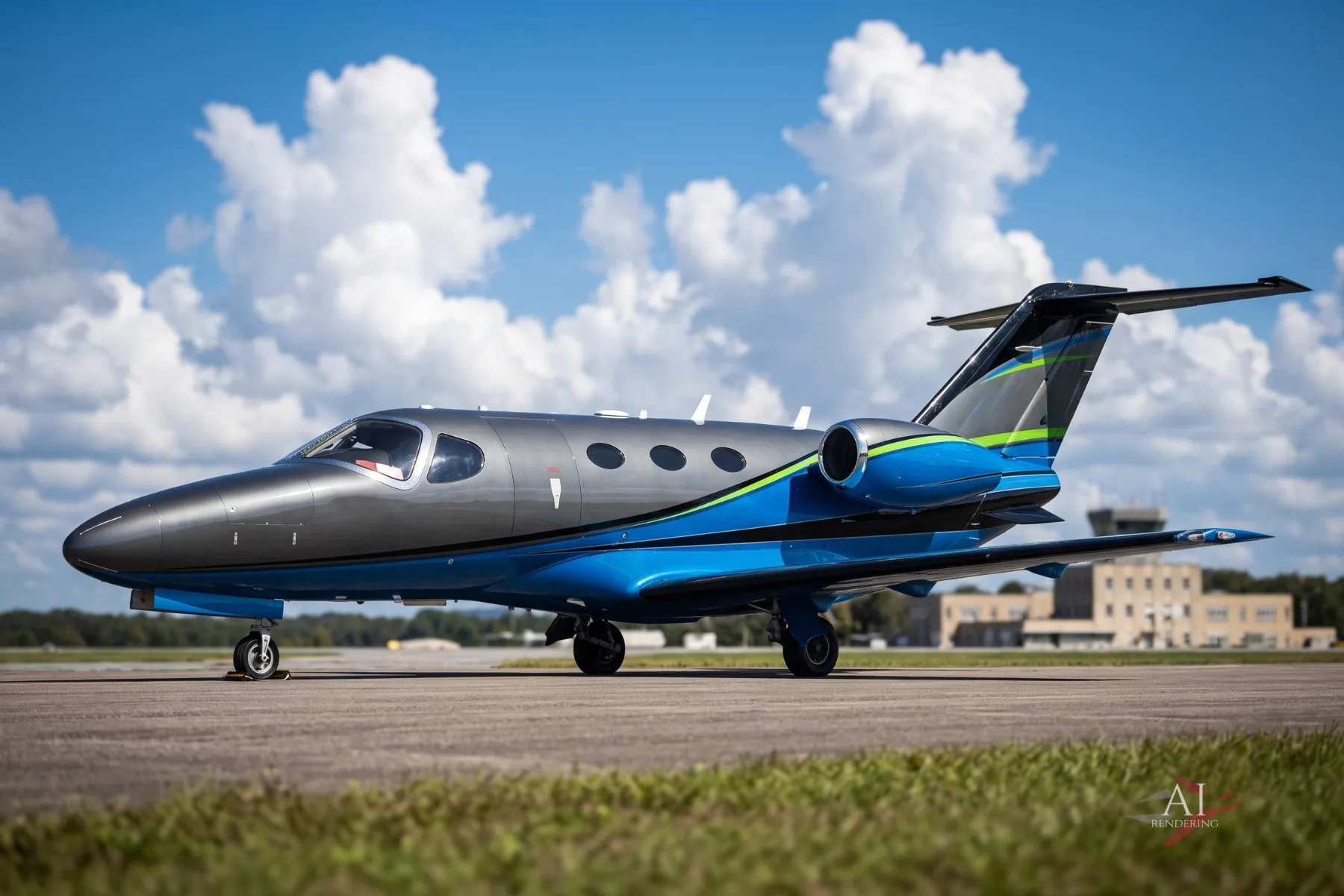
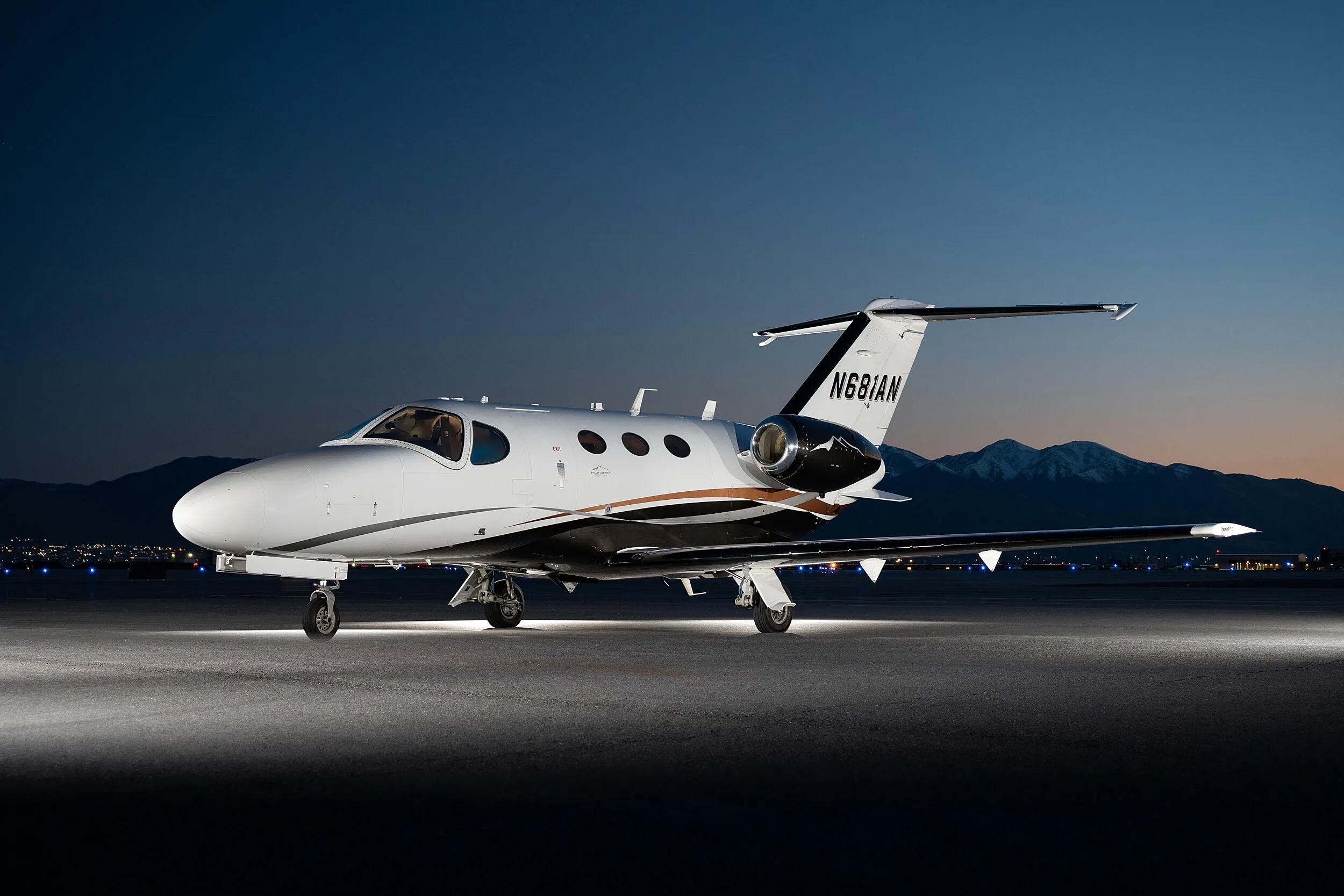
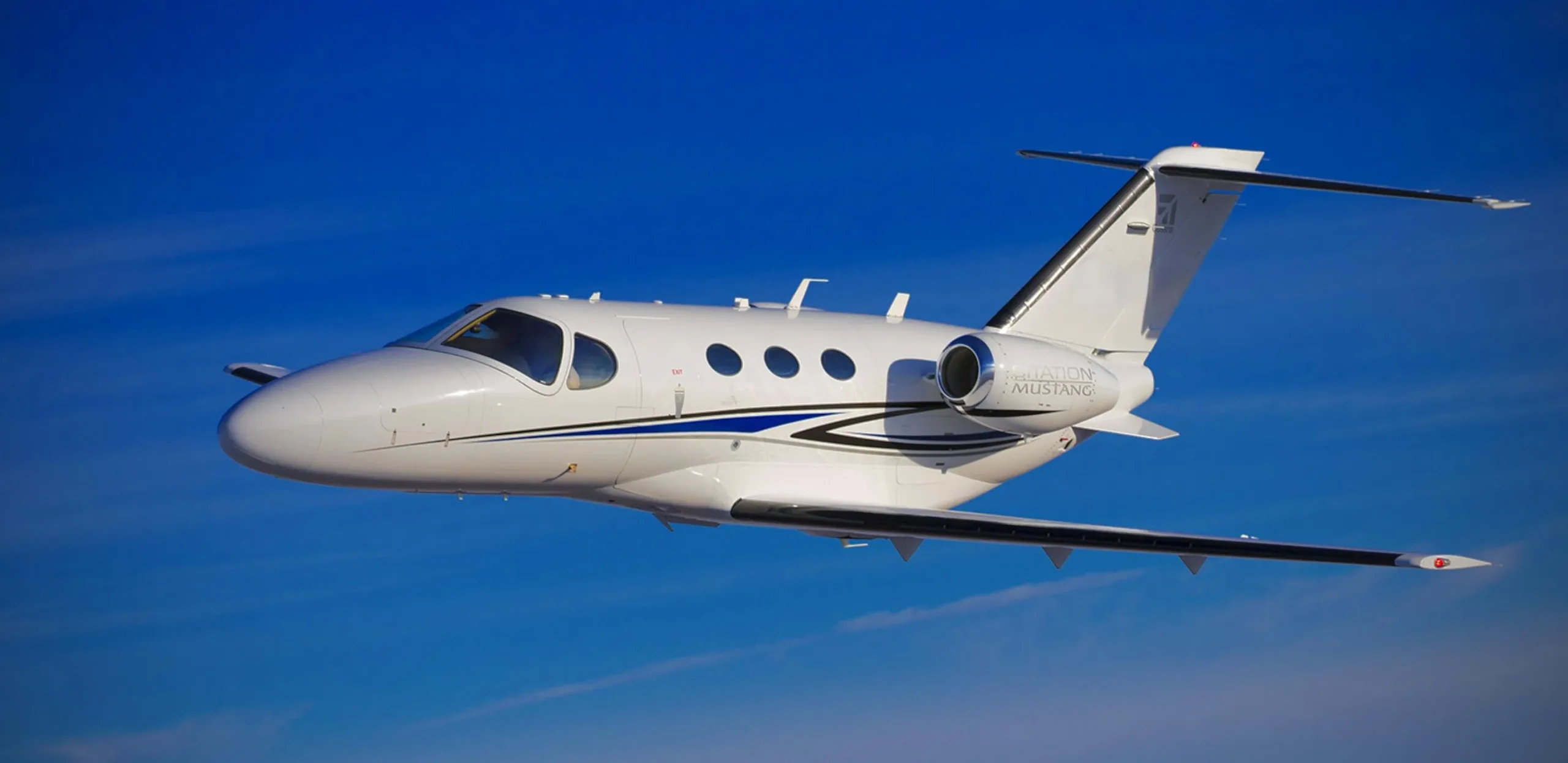
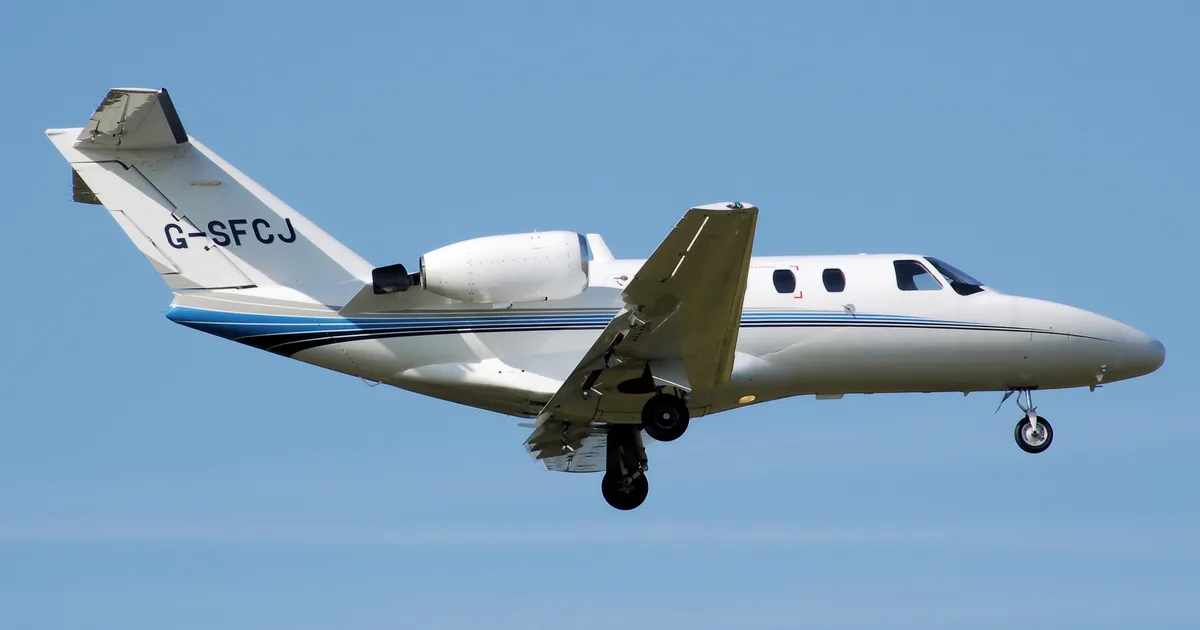
The CESSNA 510 Citation Mustang is a twin-engine business jet. It has two Pratt & Whitney PW615F turbofan engines and is FAA approved in the normal category under 14 CFR 23. The source documents give weights, speeds, training and maintenance items. They give no registry range, seat count or production-year data, so confirm those against the specific airframe.
- Typical weights: 8,645 lb takeoff, 8,000 lb landing, 6,750 lb zero fuel, 5,350 lb typical empty (training guide figures).
- Single-pilot type rating (CE510S): 20 ground hours, 9 flight hours, then a practical test within 10 days of finishing the course.
- Brake hydraulic pressure can bleed off within 30 minutes of power being disconnected. One Mustang rolled into a fuel bowser when its chocks were removed.
- Match the flight manual revision and temporary changes to the serial number. Many changes apply only to certain serial ranges.
Summary written by AI from the source document. Check the original before relying on it. See which parts of Sprinkle are written by AI.
Reference only, not for flight. Use the current approved manual for your aircraft. See terms, section 5.
Document
Source
Copy found at sprinkle.com. Sprinkle hosts a reference copy with an added summary, specifications and searchable full text.
Document details
- Type ·
- Model Guide
- Year ·
- 2026
- File size ·
- 51 KB
- Copy found at ·
- sprinkle.com
Specifications & performance
Extracted from this document.
Specifications
- Engine count ·
- 2
Performance
- Mmo mach ·
- 0.63
- Vmo applies up to (ft) ·
- 27,120
- Emergency restart starter assist max (ft) ·
- 20,000
V-speeds
- VMO_KTS ·
- 250
- FLAPS_15_MAX_KTS ·
- 185
- FLAPS_30_MAX_KTS ·
- 150
- TURBULENT_AIR_KTS ·
- 160
Weight & balance
- Nose baggage (lb) ·
- 320
- Tail baggage (lb) ·
- 300
- Max ramp weight (lb) ·
- 8,730
- Max landing weight (lb) ·
- 8,000
- Max takeoff weight (lb) ·
- 8,645
- Max zero fuel weight (lb) ·
- 6,750
- Typical empty weight (lb) ·
- 5,350
- Optimum zero fuel weight (lb) ·
- 6,300
Can the CESSNA 510 Citation Mustang be flown single-pilot?
Yes. A pilot who passes the practical test as a single pilot gets the CE510S type rating. Otherwise the certificate may carry a "CE510 SIC Required" limitation. The CESSNA 510 Citation Mustang course requires a multi-engine, instrument-rated pilot with a third class or higher medical.
What engines does the CESSNA 510 Citation Mustang use?
Two PW615F turbofan engines, which are Pratt & Whitney (PWC) powerplants. Textron Aviation lists a dedicated Team Powerplant support group for the CESSNA 510 Citation Mustang engines.
What are the weight limits of the CESSNA 510 Citation Mustang?
The training guide lists 8,730 lb ramp, 8,645 lb takeoff, 8,000 lb landing and 6,750 lb zero fuel. Baggage is 320 lb in the nose and 300 lb in the tail. Verify against the flight manual for your serial number.
Do the documents give range or seat count for the CESSNA 510 Citation Mustang?
No. The supplied documents contain no registry data on range, cruise speed or seating for the CESSNA 510 Citation Mustang. Get those from the aircraft's flight manual and equipment list.
What is the CESSNA 510 Citation Mustang Model Guide?
The CESSNA 510 Citation Mustang Model Guide is a model guide for the CESSNA 510 Citation Mustang, dated 2026.
What year was the CESSNA 510 Citation Mustang Model Guide published?
The CESSNA 510 Citation Mustang Model Guide — the CESSNA 510 Citation Mustang model guide on file — is dated 2026.
Common. More common than 93% of the aircraft models we track.
Most owners only have the POH. Here's the essential set for the CESSNA 510 Citation Mustang.
CESSNA 510 Citation Mustang for sale now
Free — save the 510 to your watchlist and track it in one place.
More CESSNA 510 Citation Mustangmanuals & documents
See all 30 →- Airplane Flight Manual for Cessna 510 Citation MustangOther Documents
- Aviation Investigation Final ReportOther Documents
- OE-FFB STATUS REPORT CESSNAMaintenance Manual
- Cessna Citation Mustang CE-510 Note Taking GuideWiring Diagrams
- Serious incident to the CESSNA 510 Citation Mustang registered F-GMTJ on 22 January 2019 at Paris – Le Bourget (Seine Saint Denis)Other Documents
- CESCOM 10 - Aircraft Status ReportAirworthiness Directives
- AAIB Bulletin 11/2020Service Bulletins
- Cessna Citation Pilot Training ManualPilot's Operating Handbook
- Cessna Citation CE-510 Mustang Focused In-Aircraft Training CoursePilot's Operating Handbook
- Aircraft Control Devices and SystemsSystems Description
- TYPE-CERTIFICATE DATA SHEET NO. EASA.IM.A.502 for Cessna 510 (Mustang)Type Certificate
- AAIB Bulletin: 12/2017Other Documents
Related documents
- Cessna Citation Mustang Model GuideCessna Citation Mustang · Model Guide
- SpecificationsCESSNA 510 Citation Mustang · Specifications
- Cessna Citation Mustang Avionics ManualCessna Citation Mustang · Avionics Manual
- TYPE-CERTIFICATE DATA SHEET NO. EASA.IM.A.502 for Cessna 510 (Mustang)CESSNA 510 Citation Mustang · Type Certificate
- Cessna Citation Pilot Training ManualCESSNA 510 Citation Mustang · Pilot's Operating Handbook
If you fly the CESSNA 510 Citation Mustang, you may also be researching these.
In this document
Documents and serial effectivity
The FAA approved Airplane Flight Manual 510FM-07 (Revision 7, 21 November 2008) covers airplanes 510-0001 and on. Its temporary changes carry serial-specific effectivity, for example 510-0001 thru -0065 not incorporating SB510-34-02. Cessna's Specification and Description, Revision G, March 2014, covers units 510-0455 and on.
Pre-buy and maintenance checks
Airframe maintenance manual Revision 14 added unscheduled checks for a cabin or tailcone fluid spill, exposure to high winds while parked, and running the air conditioner when it is not in use. It also added tracking tasks for microbiological contamination (chapter 5-19-00). An FAA bulletin (SAIB CE-10-49 R1) covers heated drain mast P/N 105881 overheating on the ground. Ask whether power to the heater is disconnected when the aircraft is parked.
Flying and training notes
One instructor advises using the full checklist for the first 100 hours and never running checklists below 1500 ft AGL. The preflight includes checking the oil filter differential pressure indicators, hydraulic accumulator precharge, and gear blowdown and emergency brake bottle charges. Memory items: abort below V1, continue above V1.
Summary written by AI from the source document. Check the original before relying on it. See which parts of Sprinkle are written by AI.
Safety notes
- Do not rely on parking-brake pressure after electrical power is off. Hydraulic pressure may dissipate within 30 minutes, so keep chocks in place and confirm brakes before removing them.
- Training materials are not the approved source. Where they conflict with manufacturer or regulator publications, the manufacturer's or regulator's publications take precedence.
- FAA recommends disconnecting power to heated drain mast P/N 105881 when the aircraft is on the ground and not released for flight. This is not an Airworthiness Directive.
Summary written by AI from the source document. Check the original before relying on it. See which parts of Sprinkle are written by AI.
Full document text
CESSNA 510 Citation Mustang Model Guide The CESSNA 510 Citation Mustang is a twin-engine business jet. It has two Pratt & Whitney PW615F turbofan engines and is FAA approved in the normal category under 14 CFR 23. The source documents give weights, speeds, training and maintenance items. They give no registry range, seat count or production-year data, so confirm those against the specific airframe. • Typical weights: 8,645 lb takeoff, 8,000 lb landing, 6,750 lb zero fuel, 5,350 lb typical empty (training guide figures). • Single-pilot type rating (CE510S): 20 ground hours, 9 flight hours, then a practical test within 10 days of finishing the course. • Brake hydraulic pressure can bleed off within 30 minutes of power being disconnected. One Mustang rolled into a fuel bowser when its chocks were removed. • Match the flight manual revision and temporary changes to the serial number. Many changes apply only to certain serial ranges. Documents and serial effectivity The FAA approved Airplane Flight Manual 510FM-07 (Revision 7, 21 November 2008) covers airplanes 510-0001 and on. Its temporary changes carry serial-specific effectivity, for example 510-0001 thru -0065 not incorporating SB510-34-02. Cessna's Specification and Description, Revision G, March 2014, covers units 510-0455 and on. Pre-buy and maintenance checks Airframe maintenance manual Revision 14 added unscheduled checks for a cabin or tailcone fluid spill, exposure to high winds while parked, and running the air conditioner when it is not in use. It also added tracking tasks for microbiological contamination (chapter 5-19-00). An FAA bulletin (SAIB CE-10-49 R1) covers heated drain mast P/N 105881 overheating on the ground. Ask whether power to the heater is disconnected when the aircraft is parked. Flying and training notes One instructor advises using the full checklist for the first 100 hours and never running checklists below 1500 ft AGL. The preflight includes checking the oil filter differential pressure indicators, hydraulic accumulator precharge, and gear blowdown and emergency brake bottle charges. Memory items: abort below V1, continue above V1. Safety notes: • Do not rely on parking-brake pressure after electrical power is off. Hydraulic pressure may dissipate within 30 minutes, so keep chocks in place and confirm brakes before removing them. • Training materials are not the approved source. Where they conflict with manufacturer or regulator publications, the manufacturer's or regulator's publications take precedence. • FAA recommends disconnecting power to heated drain mast P/N 105881 when the aircraft is on the ground and not released for flight. This is not an Airworthiness Directive.