
Cessna Citation CE-525A – CJ2 Note Taking Guide
Pilot's Operating Handbook for the Cessna Citation CJ2+
PDF, 14 pages, 7.6 MB, from Sprinkle’s own files.
What it covers
This document is a Note Taking Guide for the Cessna Citation CE-525A CJ2, designed to assist pilots in memorizing critical operational procedures and limitations. It covers essential memory items, takeoff briefing protocols, and emergency procedures, as well as detailed specifications regarding fuel, electrical systems, hydraulics, environmental controls, and ice protection. The guide emphasizes the importance of practice and memorization for safe operation, particularly in emergency scenarios. It serves as a supplementary resource for pilots preparing for evaluations and familiarization with the aircraft's systems and operational limits.
Key points
- Ramp weight: 12,500 lbs
- Takeoff weight: 12,375 lbs
- Maximum altitude: FL 450
- Fuel capacity: 3960 lbs
- ITT Take-Off limit: 820°C
Figures in this document
As the document states them. Check them against the PDF before you rely on one.
Specifications
- Engine model
- FJ44-2C
- Max speed (kt)
- 275
- Empty weight (lb)
- 7,700
- Service ceiling (ft)
- 45,000
- Max takeoff weight (lb)
- 12,375
Performance
- Max crosswind (kt)
- 10
- Stall speed clean (kt)
- 180
- Stall speed landing (kt)
- 161
V-speeds
- VA
- 165
- VFE
- 200
Weight and balance
- Useful load (lb)
- 5,300
- Max ramp weight (lb)
- 12,500
- Baggage allowance (lb)
- 1,100
- Basic empty weight (lb)
- 7,700
- Max landing weight (lb)
- 11,500
- Max takeoff weight (lb)
- 12,375
Main sections
Memory Items
This section outlines critical memory items for emergency situations, including procedures for engine failure or fire during takeoff. Key points include aborting takeoff if below V1 and continuing if above V1. It also covers emergency descent protocols and responses to electrical fires or smoke.
Takeoff Briefing
The takeoff briefing section provides a structured approach for pilots to memorize essential takeoff parameters such as V1, V2, and required runway lengths. It emphasizes communication during takeoff and outlines the sequence of calls and actions to be taken.
Weights and Speeds
This section lists important weight limits for the CJ2, including ramp weight (12,500 lbs), takeoff weight (12,375 lbs), landing weight (11,500 lbs), and zero fuel weight (9,300 lbs). It also details critical airspeeds, such as VMO and MMO, as well as flap and gear operation speeds.
Limitations
The limitations section specifies operational constraints, including maximum altitude (FL 450), maximum temperature (ISA +39°C), and generator load limits at various flight levels. It also outlines autopilot minimum altitudes for takeoff and cruise.
Powerplant Specifications
This section provides technical specifications for the CJ2's powerplant, the FJ44-2C, including thrust ratings, ITT limits for various phases of operation, and TBO (4000 hours). It also includes fuel quantity and pressure limits.
Safety notes
- Abort takeoff if speed is below V1 during engine failure.
- Emergency descent procedures must be memorized.
The document’s text
Show the text read from the PDF
Cessna Citation CE-525A – CJ2 Note Taking Guide +1.307.388.0026 ` Document Version 1.1 10 June 2017 © Aeromania, LLC 2017 ™ -- 1 of 14 -- 2 Aeromania LLC CE 525A CJ-2 Note Taking Guide Ver. 1.0 1.1 Original New cover 1/15/2016 6/10/2017 Table of Contents Memory Items ………………………………………………………………………………3 Takeoff Briefing ………………………………………………………………………………5 Stall / Missed Approach ………………………………………………………………5 Fuel ……………………………………………………………………..………6 Electrical …………………………………………………………………………..…7 Hydraulics ……………………………………………………………………………..8 Environmental ……………………………………………………………………………..9 Ice Protection ……………………………………………………………………………10 PRACTICE ……………………………………………………………………………11 Limitations ……………………………………………………………………………12 You are not ready for the evaluation until you can fill in the blank PRACTICE pages from memory without any errors. The systems schematics are to be used for taking notes in class. -- 2 of 14 -- 3 Memory Items Engine Failure or Fire or Master Warning During Takeoff Speed below V1 – takeoff should be aborted. Engine Failure or Fire During Takeoff Speed above V1 – takeoff should be continued. Engine Failure During Coupled Approach Engine FIRE (L or R Engine FIRE WARNING switch/light illuminated) Emergency Restart – Two Engines -- 3 of 14 -- 4 Electrical Fire or Smoke, Environmental Smoke or Odor, Smoke Removal CABIN ALT (CABIN ALTITUDE) Emergency Descent BATT O’TEMP (Battery Over temperature) Autopilot Malfunction Electric Elevator Trim Runaway -- 4 of 14 -- 5 EMERGENCY EVACUATION Takeoff Briefing Memorize this briefing: V1 is ___, V2 is ___, VENR is___, we need ___ feet of dry/wet RWY If you see a need to abort prior to V1, say “ABORT” and we’ll stop straight ahead. After V1, say “CONTINUE” and tell me what you see. We’ll (remain VFR and land, continue the SID and hold, etc) Calls will be “Power’s set, airspeed alive, cross-checked at 60, V1-Rotate, Positive Rate – I’ll command GEAR UP, V2+10, I’ll command FLAPS UP, YAW DAMPER ON, and we’ll delay the after takeoff checks until we’re talking to departure. Stall / Missed Approach Say the following words out loud and do each step in order for a single engine missed approach, a normal missed approach, or to recover from any stall. Memorize the following: MAX POWER, Flaps – APPROACH Positive Rate – GEAR UP Climb at V2 V2 plus 10 – FLAPS UP -- 5 of 14 -- 6 Fuel -- 6 of 14 -- 7 Electrical -- 7 of 14 -- 8 Hydraulics -- 8 of 14 -- 9 Environmental -- 9 of 14 -- 10 Ice Protection -- 10 of 14 -- 11 Practice Memory Items Engine Failure or Fire or Master Warning During Takeoff Speed below V1 – takeoff should be aborted. Engine Failure or Fire During Takeoff Speed above V1 – takeoff should be continued. Engine Failure During Coupled Approach Engine FIRE (L or R Engine FIRE WARNING switch/light illuminated) Emergency Restart – Two Engines -- 11 of 14 -- 12 Electrical Fire or Smoke, Environmental Smoke or Odor, Smoke Removal CABIN ALT (CABIN ALTITUDE) Emergency Descent BATT O’TEMP (Battery Over temperature) Autopilot Malfunction Electric Elevator Trim Runaway -- 12 of 14 -- 13 EMERGENCY EVACUATION Practice Takeoff Briefing ________________________________________________________ ________________________________________________________ ________________________________________________________ __________________________________ ________________________________________________________ ________________________________________________________ ________________________________________________________ _____________________ Practice Stall / Missed Approach _____________________, _____________________ _____________________ _____________________ _____________________ -- 13 of 14 -- CE-525A CJ-2 Weights – in pounds Ramp 12,500 Takeoff 12,375 Landing 11,500 Zero Fuel 9,300 Baggage, Nose 400 Baggage, Aft Cabin 100 Baggage, Tail 600 BEW, Typical 7,700 Speeds – in knots VMO to 8,000 260 VMO 8 to FL293 275 MMO 0.72 Va 8500 lbs @ SL 165 12375 lbs @ FL310 214 Turbulent Air 180 Flaps 15 (TO & APR) 200 Flaps 35 (Land) 161 Flaps failed to Ground 140 Gear (ALL) 200 VMCG 89 VMCA (Flaps 0) 81 VMCA (Flaps 15) 89 Autopilot 275/0.72 Takeoff, Landing, Ground Max Altitude 14,000 Water or Slush 0.75” Max Temp (SL) +54 C Min Temp -33 C Max Tailwind 10 kts Starter 3 Starts in 30 min Battery 3 starts/hr Max Generator Load Ground 250 amps Tire groundspeed 165 Tire pressure Nose 120+/-5 Mains 114+/-5 P/S heat on ground 2 min Limitations Enroute Max Altitude FL 450 Max Temp ISA +39 C Max Generator Load Up to FL410 300 amps Above FL410 250 amps Min A/P takeoff 240’ AGL Min A/P cruise 1000’ AGL Min A/P on ILS GS 70’ AGL Min A/P non-precision 240’ Powerplant FJ44-2C N1 105.2 % N2 98.8 % N2 Icing 75 % ITT (Start) 1000 C ITT Take-Off (5 min) 820 C ITT Continuous 805 C ITT Idle 580 C Thrust-ISA, TO, 5 min 2400# Bypass Ratio 3.3 to 1 TBO 4000 hrs Fuel Quantity 3960# LO FUEL LEVEL 220# LO FUEL PRESS 5 psi Imbalance 200/600# Environmental Max Design Cabin Alt. 8000’ CAB ALT 10,000’ or 14,500’ Altitude Limiters 14,500’ (+/-500) Masks Auto-Drop 14,500’ (+/-500) Max Cabin Differential 9.0 -- 14 of 14 --
Read from the PDF by machine, so tables and diagrams come out rough. The PDF is the document.
More Cessna Citation CJ2+ documents
All 15 →- Citation CJ2+
The document is a Pilot's Operating Handbook (POH) for the Cessna Citation CJ2+, a light business jet designed for single-pilot operation. It provides comprehensive information on the aircraft's performance, specifications, and operational procedures. The CJ2+ is an upgraded version of the CJ series, featuring improved speed, range, and cabin comfort. This handbook serves as a vital resource for pilots and aviation enthusiasts, detailing everything from engine specifications to cabin features, ensuring safe and efficient operation of the aircraft.
Pilot's Operating HandbookPDF · 17 pages · 7.0 MB of Citation CJ2+, opens in a new tabRequest removal of Citation CJ2+ - Cessna Citation CJ2+ Model Guide
The Cessna Citation CJ2+ is a twin-engine light jet built 2006 to 2010 with 6 to 9 seats. The brochure calls it single-pilot capable. It has Williams FJ44 turbofans and Collins Pro Line 21 avionics. The brochure quotes a full-fuel NBAA IFR range of 1,613 nm.
- CITATION JET PILOTS ASSOCIATION STANDARD OPERATING PRACTICES for CITATION SINGLE PILOT OPERATIONS Model CE-525 Series ProLine 21 Configuration
This document serves as the Standard Operating Practices (SOP) for single pilot operations of Citation aircraft, specifically tailored for the Citation CE-525 series, including the CJ2+. It is designed to enhance safety and operational efficiency for pilots operating these aircraft. The SOPs are compiled from various industry sources and aim to establish a consistent approach to flight operations. They cover general practices applicable to all Citation models, as well as model-specific techniques for the CJ2+ and other variants. The document emphasizes the importance of adhering to Federal Aviation Regulations (FARs) and the necessity of using official documentation for flight operations. It includes guidelines on pilot physiological considerations, flight planning, takeoff and landing procedures, and emergency protocols, among other critical operational aspects.
V Speeds Reference · 2022PDF · 41 pages · 1.5 MB of CITATION JET PILOTS ASSOCIATION STANDARD OPERATING PRACTICES for CITATION SINGLE PILOT OPERATIONS Model CE-525 Series ProLine 21 Configuration, opens in a new tabRequest removal of CITATION JET PILOTS ASSOCIATION STANDARD OPERATING PRACTICES for CITATION SINGLE PILOT OPERATIONS Model CE-525 Series ProLine 21 Configuration - Air Conditioning - Air Conditioning Compressor Motor Fan Replacement
This service letter, SL525A-21-03, provides instructions and parts for replacing the air conditioning compressor motor fan on Cessna Citation models 525A (CJ2) and 525A (CJ2+). It details the compliance requirements, which are optional and at the discretion of the aircraft owner. The document outlines the necessary steps for the installation of an improved fan blade, including safety precautions and maintenance practices. It emphasizes the importance of following the instructions precisely and using only approved parts to ensure compliance and safety. The letter also includes information on material availability and labor hours required for the modification.
- Cessna Citation CE-525A – CJ2 Note Taking Guide
This document serves as a note-taking guide for the Cessna Citation CE-525A CJ2, providing essential information for pilots and crew members. It includes memory items, operational procedures, and limitations relevant to the aircraft. The guide is structured to assist in training and evaluation, ensuring that users can memorize critical information without errors. It covers various systems such as fuel, electrical, hydraulics, and environmental controls, along with emergency procedures and performance data. This guide is particularly useful for pilots preparing for evaluations or seeking to enhance their operational knowledge of the CJ2.
- 500/525 Series Breakout Session
This document is a service bulletin for the Cessna 500 and 525 series aircraft, including the Citation CJ2 and CJ2+. It provides important updates, technical support information, and maintenance recommendations for operators and maintenance personnel. The bulletin covers various topics such as troubleshooting procedures, maintenance practices, and safety advisories relevant to the aircraft models mentioned. It aims to enhance operational safety and efficiency by informing users of best practices and necessary actions to maintain the aircraft in optimal condition.
- AAIB Bulletin: 4/2016
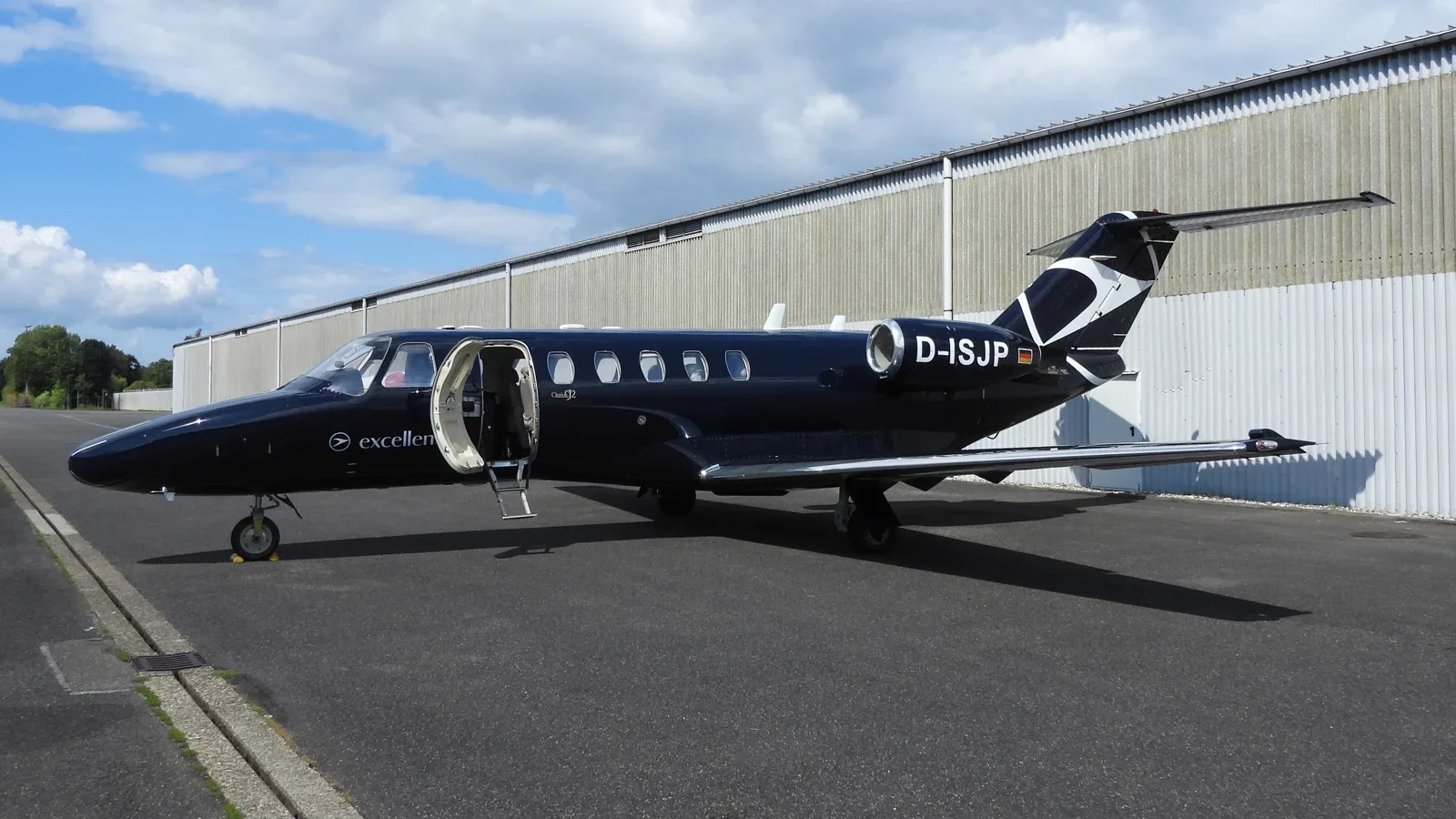
This document is an AAIB Bulletin detailing an incident involving the Cessna Citation CJ2, registration D-ISJP. The bulletin outlines the circumstances of the incident, including the flight crew's approach to Blackpool Airport and the misidentification of Warton Aerodrome. It provides a comprehensive analysis of the events leading to the incident, including communication exchanges between the flight crew and air traffic control (ATC). The bulletin serves as a report for aviation safety and aims to highlight the importance of clear communication and situational awareness in aviation operations.
- Safety Recommendation 2014-041
This document contains safety recommendations related to the Cessna Citation CJ2+ aircraft, specifically focusing on the angle-of-attack (AOA) vane units produced by Safe Flight Instrument Corporation. The FAA has conducted a thorough review of the performance and reliability of the AOA system installed in the CJ2+ and other Cessna models. The findings indicate that there is no systemic issue with the AOA vanes, and the performance of the system is deemed acceptable. The document outlines the FAA's recommendations for further assessments and reviews of the AOA systems across various Cessna models, including the CJ2+.
Cessna 525A for sale now
View all 36 for sale →Aircraft that this pilot's operating handbook covers, listed on the sites Sprinkle reads. Asking prices, not sales. Cessna 525A asking prices by year built.
Also useful for the Cessna Citation CJ2+
From Sprinkle’s library of aircraft documents. PDFs open from Sprinkle’s own files. Read Aug 7, 2026.
Want this document taken down? Request removal