Cessna Citation II Model Guide
Cessna Citation II · Model Guide
Overview
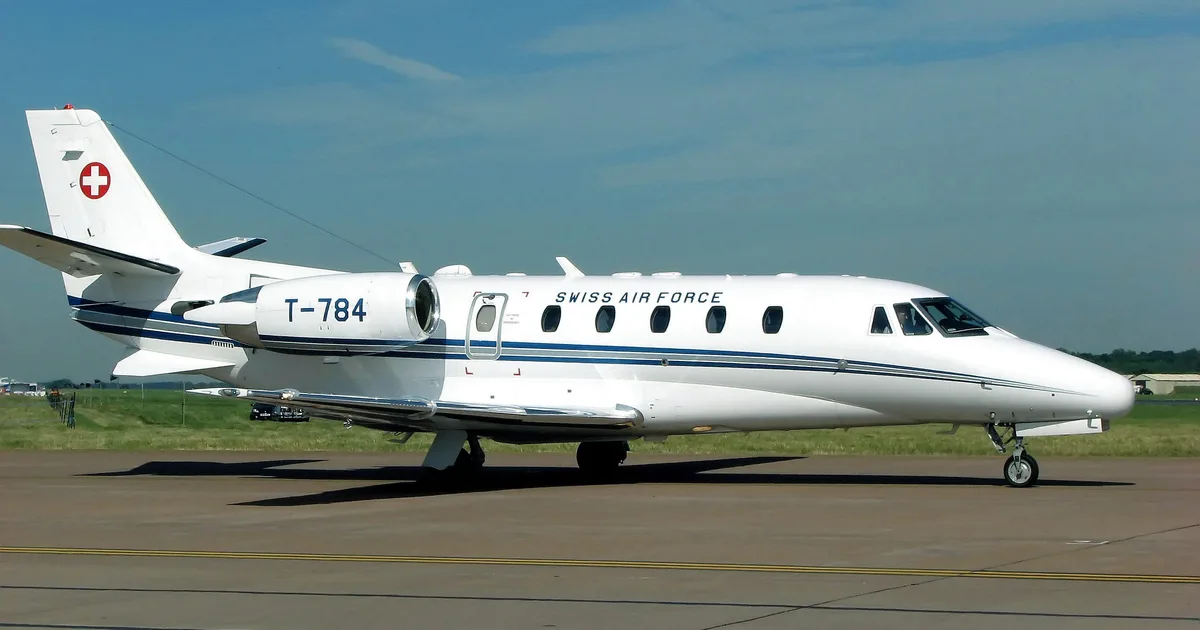
The Cessna Citation II is a turbofan business jet built from 1978 to 1994, seating 6 to 10. Registry data for the wider 550 family shows up to 2300 nm range, 403 kt cruise, a 45000 ft ceiling and up to 12 passengers. Those are family maximums, not figures for any one aircraft.
- Built 1978-1994 as a jet with 6 to 10 seats; the 525, 525A and 525B variants appear in maintenance training.
- Family-level maximums: 2300 nm range, 403 kt cruise, 45000 ft ceiling. Confirm figures for the specific aircraft.
- Check that the icing airworthiness directive is incorporated in the Aircraft Flight Manual.
- Older Honeywell Primus II radio fits need an adapter such as the Shadin AMC to add an ADS-B compatible transponder.
Summary written by AI from the source document. Check the original before relying on it. See which parts of Sprinkle are written by AI.
Reference only, not for flight. Use the current approved manual for your aircraft. See terms, section 5.
Document
Source
Copy found at sprinkle.com. Sprinkle hosts a reference copy with an added summary, specifications and searchable full text.
Document details
- Type ·
- Model Guide
- Year ·
- 2026
- File size ·
- 46 KB
- Copy found at ·
- sprinkle.com
How many people does the Cessna Citation II seat?
The Cessna Citation II is listed with 6 to 10 seats. The wider 550 family registry data shows up to 12 passengers, which is a family maximum and not this model's seating.
When was the Cessna Citation II built?
The Cessna Citation II was built from 1978 to 1994 as a turbofan business jet. The maintenance training covers the 525, 525A and 525B variants.
What should I check on a Cessna Citation II for ice protection?
On a Cessna Citation II with pneumatic deicer boots, confirm the severe-icing wording from the CASA directive is in the Aircraft Flight Manual. Check that the wing icing inspection lights work.
What is the Cessna Citation II Model Guide?
The Cessna Citation II Model Guide is a model guide for the Cessna Citation II, dated 2026.
What year was the Cessna Citation II Model Guide published?
The Cessna Citation II Model Guide — the Cessna Citation II model guide on file — is dated 2026.
Common. More common than 95% of the aircraft models we track.
Most owners only have the POH. Here's the essential set for the Cessna Citation II.
- Pilot's Operating Handbook / AFM
- Checklist
- Maintenance Manual
- Parts Catalog (IPC)
- Systems & Wiring
- Service Bulletins on file
- Type Certificate (TCDS)
Cessna Citation II for sale now
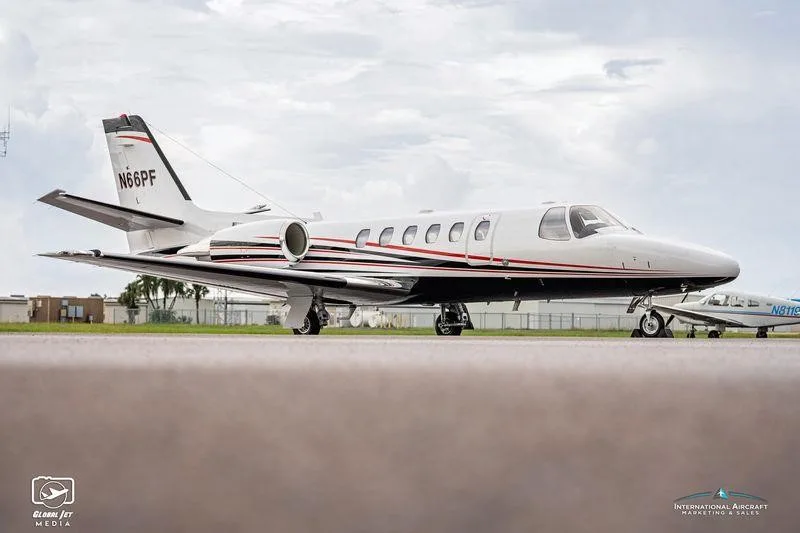

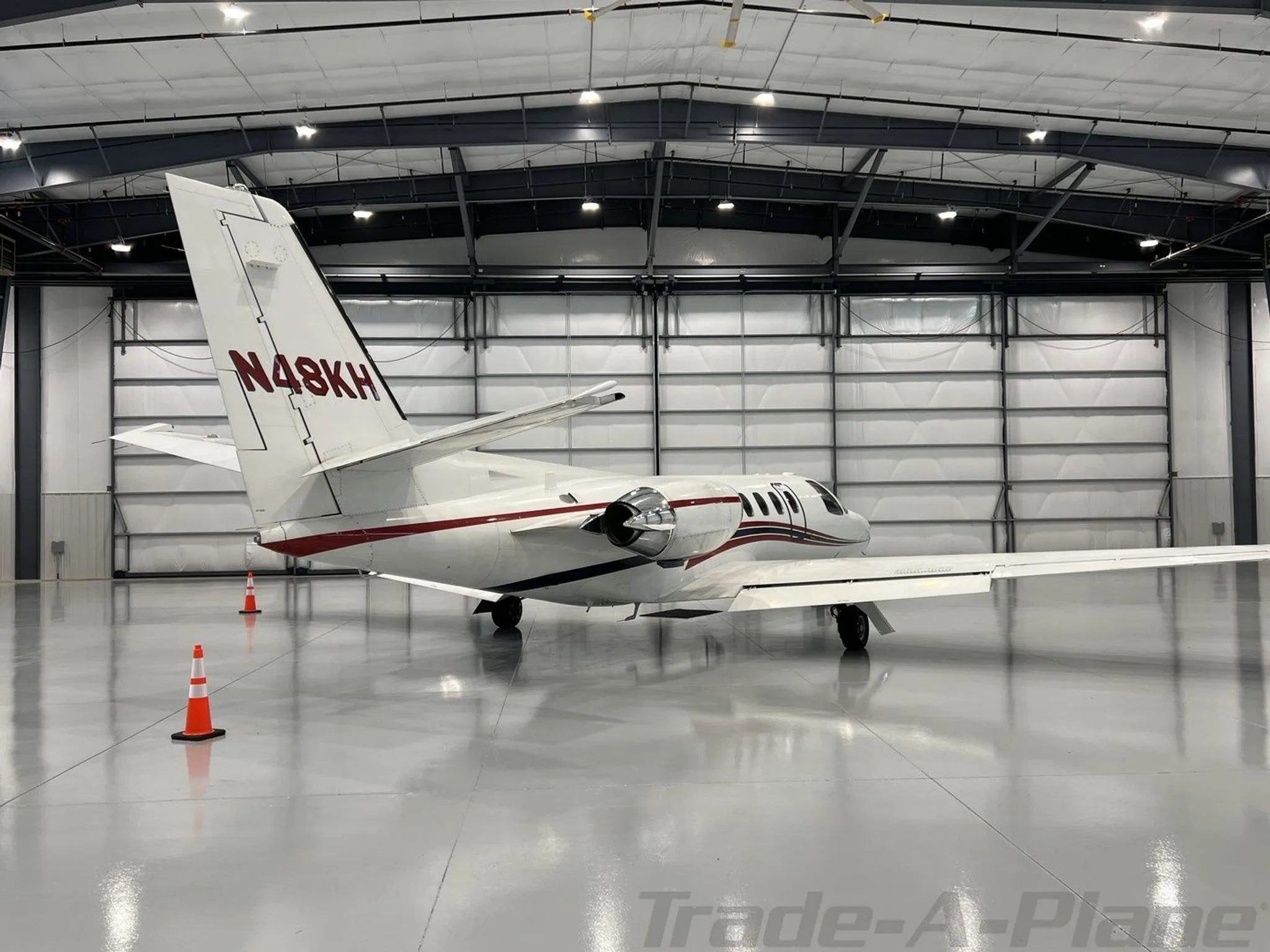
Free — save the 550 to your watchlist and track it in one place.
More Cessna Citation IImanuals & documents
Related documents
- CESSNA 550 Citation II Model GuideCESSNA 550 Citation II · Model Guide
- CESSNA CITATION JET Model GuideCESSNA CITATION JET · Model Guide
- Cessna Citation V Model GuideCessna Citation V · Model Guide
- Cessna Citation SII Model GuideCessna Citation SII · Model Guide
- Cessna Citation III Model GuideCessna Citation III · Model Guide
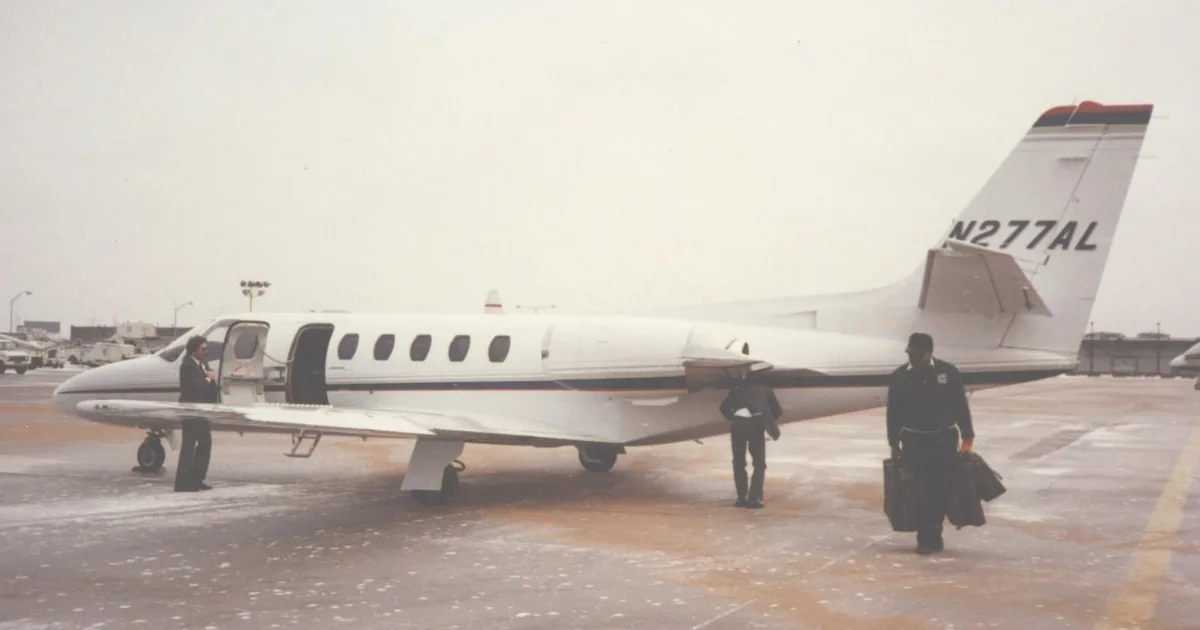
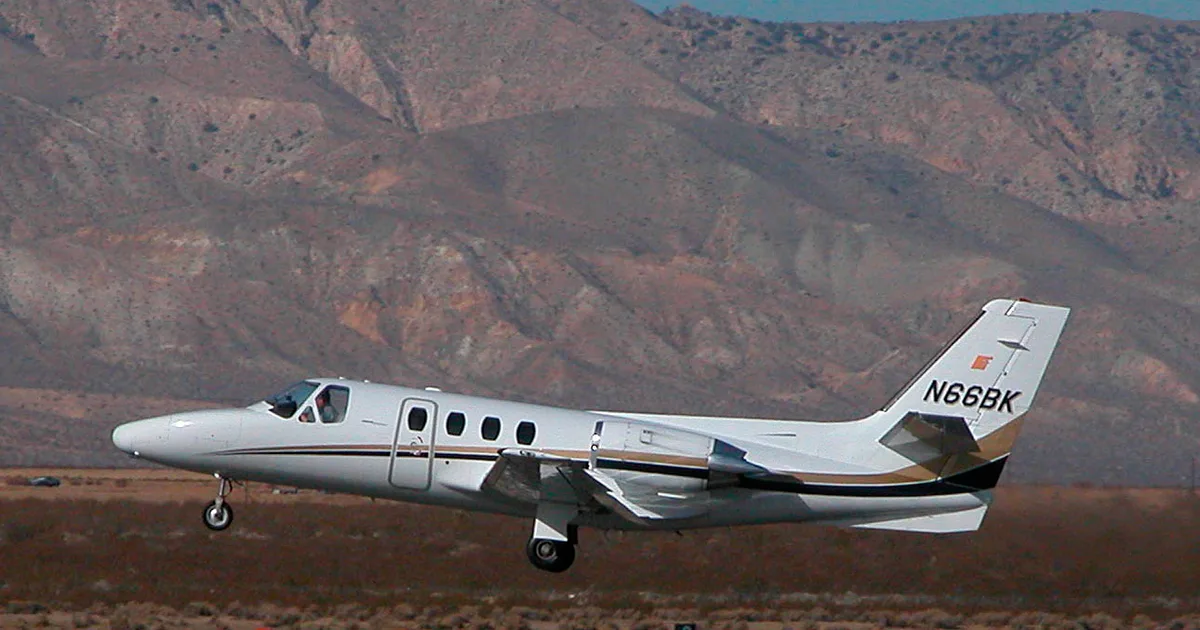
If you fly the Cessna Citation II, you may also be researching these.

In this document
Icing directive
The CASA directive for the 550 (Citation II) series, effective 13 July 2000, applies to aircraft with pneumatic deicer boots. It adds severe-icing warnings to the Aircraft Flight Manual. It bars autopilot use when severe icing cues are present. At night, all wing icing inspection lights must work before flight into known or forecast icing.
Avionics and ADS-B
The Shadin ARINC-Manchester Converter is for aircraft with a Honeywell Primus II Remote Radio System. It controls an ADS-B compatible transponder in place of the XS-850 module in the RCZ-850. One unit is fitted per side. It weighs 0.9 pounds. The installation needs separate approval. Ask for the approval paperwork on any aircraft with this fit.
Maintenance support
CAE offers maintenance training for the Citation II (525/525A/525B). It has a 60-hour, 10-day initial course and 30-hour, 5-day familiarization, line and REALcase update courses. They cover systems such as fuel, hydraulics, landing gear, ice and rain, and power plant. Ask whether the maintenance shop has this type training.
Safety notes
- Severe icing can exceed the ice protection system and may not shed. If cues appear, request priority handling from ATC to change route or altitude.
- Do not engage the autopilot in severe icing cues. If it was engaged, hold the control wheel firmly and disengage it.
- Do not extend flaps when holding in icing conditions. If flaps are already extended, do not retract them until the airframe is clear of ice.
Full document text
Cessna Citation II Model Guide The Cessna Citation II is a turbofan business jet built from 1978 to 1994, seating 6 to 10. Registry data for the wider 550 family shows up to 2300 nm range, 403 kt cruise, a 45000 ft ceiling and up to 12 passengers. Those are family maximums, not figures for any one aircraft. • Built 1978-1994 as a jet with 6 to 10 seats; the 525, 525A and 525B variants appear in maintenance training. • Family-level maximums: 2300 nm range, 403 kt cruise, 45000 ft ceiling. Confirm figures for the specific aircraft. • Check that the icing airworthiness directive is incorporated in the Aircraft Flight Manual. • Older Honeywell Primus II radio fits need an adapter such as the Shadin AMC to add an ADS-B compatible transponder. Icing directive The CASA directive for the 550 (Citation II) series, effective 13 July 2000, applies to aircraft with pneumatic deicer boots. It adds severe-icing warnings to the Aircraft Flight Manual. It bars autopilot use when severe icing cues are present. At night, all wing icing inspection lights must work before flight into known or forecast icing. Avionics and ADS-B The Shadin ARINC-Manchester Converter is for aircraft with a Honeywell Primus II Remote Radio System. It controls an ADS-B compatible transponder in place of the XS-850 module in the RCZ-850. One unit is fitted per side. It weighs 0.9 pounds. The installation needs separate approval. Ask for the approval paperwork on any aircraft with this fit. Maintenance support CAE offers maintenance training for the Citation II (525/525A/525B). It has a 60-hour, 10-day initial course and 30-hour, 5-day familiarization, line and REALcase update courses. They cover systems such as fuel, hydraulics, landing gear, ice and rain, and power plant. Ask whether the maintenance shop has this type training. Safety notes: • Severe icing can exceed the ice protection system and may not shed. If cues appear, request priority handling from ATC to change route or altitude. • Do not engage the autopilot in severe icing cues. If it was engaged, hold the control wheel firmly and disengage it. • Do not extend flaps when holding in icing conditions. If flaps are already extended, do not retract them until the airframe is clear of ice.