
Savvy-Cessna-210-prebuy-checklist.pdf
Checklist for the Cessna Turbo 210L
PDF, 7 pages, 173 KB, from Sprinkle’s own files.
What it covers
This document is a prebuy examination checklist specifically for the Cessna 210 aircraft. It is divided into two phases, with Phase 1 focusing on operational checks and engine inspections, while Phase 2 covers landing gear, cabin, and airframe checks. The checklist is designed for mechanics and pilots conducting thorough inspections before purchasing a Cessna 210. It emphasizes the importance of documenting findings and obtaining authorization before proceeding to the second phase of the examination. The estimated labor hours for completing both phases range from 10 to 15 hours, depending on the equipment installed.
Key points
- Estimated labor hours for both phases: 10-15 hours.
- Perform operational and functional checks as the first step in Phase 1.
- Inspect cylinder compressions and check for oil leaks in engine components.
- Check landing gear for tire condition and hydraulic leaks in Phase 2.
- Ensure all flight controls operate smoothly and check for corrosion.
Main sections
Phase 1: Operational and Functional Check
Phase 1 begins with an operational and functional check of the aircraft. This includes a run-up of the airplane to assess its operational status. The checklist then moves on to engine and propeller inspections, where specific tasks such as checking cylinder compressions, examining cylinder heads for cracks, and inspecting for oil leaks are detailed. Maintenance records are also reviewed to ensure compliance with airworthiness limitations and any applicable airworthiness directives (ADs).
Phase 2: Landing Gear, Wheels, Brakes
Phase 2 focuses on the landing gear, wheels, and brakes. Inspectors are instructed to check the condition of tires, the nose gear actuator, and the main gear down-locks. The checklist includes detailed inspections for hydraulic leaks, brake caliper conditions, and the overall security of the landing gear components. Each item is critical for ensuring the safe operation of the aircraft during landing and takeoff.
Cabin Inspections
The cabin inspection section covers various checks including the condition of windows, interior lights, and fuel quantity indicators. Inspectors are also required to check the emergency locator transmitter (ELT) for battery leaks and perform functional checks. The condition of seat belts and the operation of the inflatable door seal are also assessed to ensure passenger safety.
Airframe / Wings / Flight Controls
This section details inspections of the airframe, wings, and flight controls. Inspectors are tasked with checking for cosmetic flaws, corrosion, and the status of horizontal attachment upgrades. The checklist emphasizes the importance of ensuring that all flight controls operate smoothly and that the aircraft's documentation is complete and up to date.
Safety notes
- Report any high-cost issues found during Phase 1 before proceeding to Phase 2.
- Provide high-resolution photographs of any significant findings, such as cracks or leaks.
The document’s text
Show the text read from the PDF
30 N. Gould Street, Suite 7491 Sheridan, WY 82801 Toll Free +1 (888) 465-8038 Cessna 210 Prebuy Examination—Scope and Detail NOTE: This is a two-phase checklist. Please perform “Phase 1” items first and report results before proceeding with “Phase 2” items. If there are any high-cost issues noted during Phase 1, we may need to terminate the prebuy examination early. NOTE: Estimated labor hours to complete both phases of this checklist: 10 – 15 hours depending on equipment installed. PHASE 1 1.1 Operational and Functional Check 1.1.1 Perform “Airplane Operational and Functional Check run-up”. 1.2 Engine and Propeller 1.2.1 Check cylinder compressions hot. Report compression readings, master orifice reading, and location of audible air leakage (rings, exhaust valve). 1.2.2 Check cylinder heads for cracks, with concentration on the area between the fuel injector nozzle boss and the top spark plug boss. If a suspected crack is found, verify with dye penetrant and please provide a high- resolution photograph of the results. 1.2.3 Check pushrod housing seals, cylinder bases, and rocker covers for oil leaks. 1 -- 1 of 7 -- 05/03/18 Rev. 2 1.2.4 Borescope examination of all cylinders. For each cylinder, report appearance of exhaust valve (particularly asymmetric appearance indicating hot spots), appearance of barrel (loss of crosshatch, vertical scoring, aluminum smearing at 3 or 9 o’clock position suggesting piston pin plug scuffing, excessive oil in combustion chamber). 1.2.5 Spark plug examination. Report any abnormal color or appearance, particularly top spark plugs. 1.2.6 Remove oil filter, cut open and inspect for metal. If significant metal is found, please provide one or more high-resolution photographs of filter media, check with a magnet to determine whether metal is ferrous or non-ferrous, and save filter media in a zip-lock plastic bag in the event we need to send it out to a lab for microscopic examination. 1.2.7 Check crankcase for cracks and oil leaks. Check front crankshaft seal for oil leaks. If any cracks or leaks are found, please provide high-resolution photographs. 1.2.8 Check all fuel and oil lines, wire bundles and ignition harness leads for chafing and security. Check engine transducers (CHT, EGT, etc.) for lead chafing at strain-relief springs. Check all Molex connectors to ensure that they have blue weather seals. 1.2.9 Check engine baffles for cracks, particularly the side baffles. Check inter- cylinder baffles for proper position. Check flexible baffle seals for condition and proper orientation. 1.2.10 Check engine mount for corrosion, heat signatures, and damage to paint or powder coating. 1.2.11 Exhaust system examination for exhaust leaks, cracks, bulges. 1.2.12 Check propeller hub for cracks and leaks. Check prop blades for nicks, corrosion, areas of excessive filing. Check propeller spinner and spinner backplate for cracks. If electric heat, check operation. 2 -- 2 of 7 -- 05/03/18 Rev. 2 1.2.13 Check cowling for damage and repairs, 1.3 Maintenance Records 1.3.1 Check for complete airframe, engine and propeller logbooks. 1.3.2 Provide AD compliance list. Report any applicable ADs for which compliance is not well-documented. 1.3.3 Provide SB compliance list. Report any applicable SBs for which compliance is not well-documented, and identify whether mandatory, recommended or optional. 1.3.4 Check for compliance with all Airworthiness Limitations in Section 4 of AMM. If applicable, check for compliance with Airworthiness Limitations in any installed STC’s. 1.3.5 Report any Airworthiness Limitations for which compliance is not well- documented. 1.3.6 Check for compliance with overhaul/replacement schedule in Section 5 of AMM, report any items for which compliance with recommended overhaul/replacement times is not well-documented. (ex. Mag 500 hour) 1.3.7 Verify date of most recent 91.411/91.413 biennial certifications (static system, altimeter/encoder, and transponder). IMPORTANT: Please report your Phase 1 findings to Savvy and obtain authorization to proceed with Phase 2. 3 -- 3 of 7 -- 05/03/18 Rev. 2 PHASE 2 2.1 Landing Gear, Wheels, Brakes 2.1.1 Check tires for condition. 2.1.2 Check condition of nose gear actuator hoses and type. 2.1.3 Check nose strut extension and no tire marks in wheel well. 2.1.4 Check nose gear actuator knuckle pins. 2.1.5 Check for nose gear down-lock steel spring guide type. 2.1.6 Check nose gear door roller bearing for condition and existence of Nylon. 2.1.7 Check nose gear steering limit pin for damage 2.1.8 Check nose gear upper trunion for cracks per SEB (visually only) 2.1.9 Check condition of any push/pull rod boots. 2.1.10 Check main gear leg well bumper pads for condition. 2.1.11 Check main gear down-locks for rigging. (hand check only) 2.1.12 Check main gear saddle and security of gear saddles and spacers. 2.1.13 Check for hydraulic leaks at main gear pivot leg retaining bolt. 2.1.14 Check for hydraulic leak at main gear swivel fitting. 2.1.15 Check condition of brake calipers for leaks and damage to brake line near brake disc. 4 -- 4 of 7 -- 05/03/18 Rev. 2 2.2 Cabin 2.2.1 Check date of brake master hoses if accessible and brake master cylinder mount structure as well as master cylinders for leaks. 2.2.2 Check windows for security, water leak evidence, cracks or scratches etc. 2.2.3 Check all interior lights (including instrument lighting) for proper operation. 2.2.4 Check fuel quantity indicators for proper operation. (Functional checks only; please do not defuel the aircraft for this check.) 2.2.5 Check headliner for evidence of leaks at door or windows. 2.2.6 ELT, remove batteries, look for leaks and corrosion. Perform functional check. 2.2.7 Fire extinguishers, check for proper weight or pressure. 2.2.8 Check condition of seat rails and latch per AD 2011-10-09. Condition of seat belts. 2.2.9 Check oxygen bottle or generators for dates. 2.2.10 Operation of inflatable door seal if installed. 2.2.11 Check condition of pressurization controller filter if applicable. 2.2.12 Check baggage door hinge for bond or rivets. Has mod been done per SB. 2.2.13 Check cowl flap operation and rigging. 2.2.14 Check rudder pedals and rudder center when nose gear centers at extension. 2.2.15 Check for cracks at 208 and 230 bulkheads. 2.2.16 Wing spar carry thru at headliner for corrosion. 5 -- 5 of 7 -- 05/03/18 Rev. 2 2.2.17 Wing spar carry thru at wing attach where air vent hoses pass over, for corrosion. (NA on pressurized) 2.2.18 Check lead panels on cabin side walls and belly for corrosion. 2.3 Airframe / Wings / Flight controls 2.3.1 Check entire exterior of airframe for significant cosmetic flaws (e.g. cracks, missing or discolored paint), hail damage on top surfaces. 2.3.2 General corrosion check. 2.3.3 Placards installed and legible. 2.3.4 Check status of horizontal attachment upgrades. 2.3.5 Check underside of wings for evidence of fuel leaks, inboard wing bay for leaks as well as tanks. 2.3.6 Note fuel cap type. 2.3.7 Check wing flap leading edge for wing root faring screw damage. 2.3.8 Elevators- determine if foam filled trailing edges. (corrosion check) 2.3.9 Flight controls make all stops. 2.3.10 Check pitot heat for proper operation. 2.3.11 Check smooth operation of elevator trim and rudder trim thru full range. 2.3.12 Check elevator hinge brackets for cracks and type per AD. 2.3.13 Check condition of rivets at inboard lower spar cap under side of wing. 2.3.14 Perform wing spar inspection per AD 2012-10-04. 6 -- 6 of 7 -- 05/03/18 Rev. 2 2.3.15 Verify that aircraft cabin contains airworthiness certificate, registration certificate, POH, current W&B, applicable avionics operating manuals, and mic. —END— 7 -- 7 of 7 --
Read from the PDF by machine, so tables and diagrams come out rough. The PDF is the document.
More Cessna Turbo 210L documents
All 21 →- Checklist _Cessna T210L - Touring Machine Company
This document is a checklist specifically designed for the Cessna T-210 aircraft. It provides a comprehensive guide for pilots to follow during various phases of flight, including pre-flight inspections, engine start procedures, taxiing, takeoff, climb, cruise, landing, and shutdown. Each section outlines critical steps and checks that ensure the aircraft is operated safely and efficiently. The checklist is structured to facilitate quick reference and is essential for both new and experienced pilots operating the Cessna T-210.
- CESSNA TURBO 210L Model Guide
The CESSNA TURBO 210L is a single-engine piston Cessna 210 Centurion variant. Listed figures are a 3800 lb maximum takeoff weight, 90 gal of fuel and a maximum speed of 225 kts. The type acceptance report allows up to 6 seats for this model group. Library data lists a Continental IO-520-L at 325 hp, so confirm the engine actually fitted to any aircraft you inspect.
- Alert Service Bulletin No. 210 Turbocharger Turbine Housing Inspection
This Alert Service Bulletin (ASB) No. 210 addresses the inspection of turbocharger turbine housings for specific Cessna Turbo 210 models. It is particularly relevant for turbocharger assemblies manufactured by Hartzell Engine Tech LLC, specifically part number 406610-9005, and turbine housing part number 406722-0021, shipped between June 1, 2023, and September 14, 2023. The bulletin outlines the compliance requirements, inspection procedures, and corrective actions necessary to ensure continued airworthiness. Owners and operators are advised to verify whether their aircraft is affected by consulting the provided tables and serial numbers. The document emphasizes the importance of using the most recent revision of the ASB to avoid unsafe conditions.
- Cessna Turbo 210L Service Bulletin
The Service Bulletin SEB92-27, issued on September 4, 1992, addresses the installation of reduced diameter vented fuel caps and the removal of turbo placards for Cessna aircraft, specifically targeting models including the T210 and 210. This modification aims to prevent misfueling with turbine/jet fuel and to enhance the fuel venting system. The bulletin outlines compliance requirements, installation procedures, and necessary parts for the modification. It emphasizes the importance of proper preflight inspections to ensure the fuel vent system is functioning correctly and that the aircraft is serviced with the appropriate aviation fuel. Failure to comply with these guidelines could lead to engine power loss or stoppage in flight.
- Owner/operator Information Manual
This document is the Owner/Operator Information Manual for the Cessna Turbo 210L, specifically focusing on the maintenance and operational aspects of the aircraft. It includes detailed instructions for continued airworthiness, maintenance procedures, and parts information relevant to the Cessna Turbo 210L. The manual is intended for use by owners and operators to ensure compliance with FAA regulations and to maintain the aircraft in a safe and airworthy condition. It provides essential data for inspections, maintenance schedules, and parts catalogs necessary for the upkeep of the aircraft.
- Service Bulletin: SB-001 Rev B
This Service Bulletin (SB-001 Rev B) from Stratus Tool Technologies addresses mandatory inspections and procedures for oil filter adapters installed on various aircraft models, including the Cessna 210. The bulletin emphasizes the importance of replacing fiber gaskets with copper gaskets to prevent oil leaks, which can lead to engine oil loss and potential engine failure. Compliance with the instructions is required within the next 10 flight hours, annual inspection, or 100-hour inspection, whichever comes first. The document provides detailed steps for inspecting and maintaining the oil filter adapter, ensuring proper installation and preventing leaks.
- Weight and Balance - Cessna 210N / Sn 210-63828
This document provides the weight and balance information for the Cessna 210N, specifically for serial number 210-63828. It includes details on the aircraft's maximum weight, center of gravity (CG) range, and various weight adjustments based on equipment changes. The document is intended for pilots and maintenance personnel who need to ensure the aircraft is within safe operating limits for weight and balance. It outlines the empty weight, useful load, and adjustments made to the aircraft's configuration, providing critical data for flight planning and safety.
- Wings - Model 210 CARRY-THRU Spar ONE-TIME Eddy Current Inspection
This service letter, SEL-57-06, addresses the mandatory inspection of the carry-thru spar for Cessna 210 series aircraft, specifically focusing on models 210G through 210L and their turbo variants. The document outlines the potential risks associated with corrosion and cracks in the carry-thru spar, which can lead to structural failure and loss of control. It provides detailed instructions for conducting both visual and eddy current inspections, emphasizing the importance of compliance within specified flight hour limits. The document is intended for aircraft owners and maintenance personnel to ensure safety and airworthiness of the aircraft.
Cessna 210 for sale now
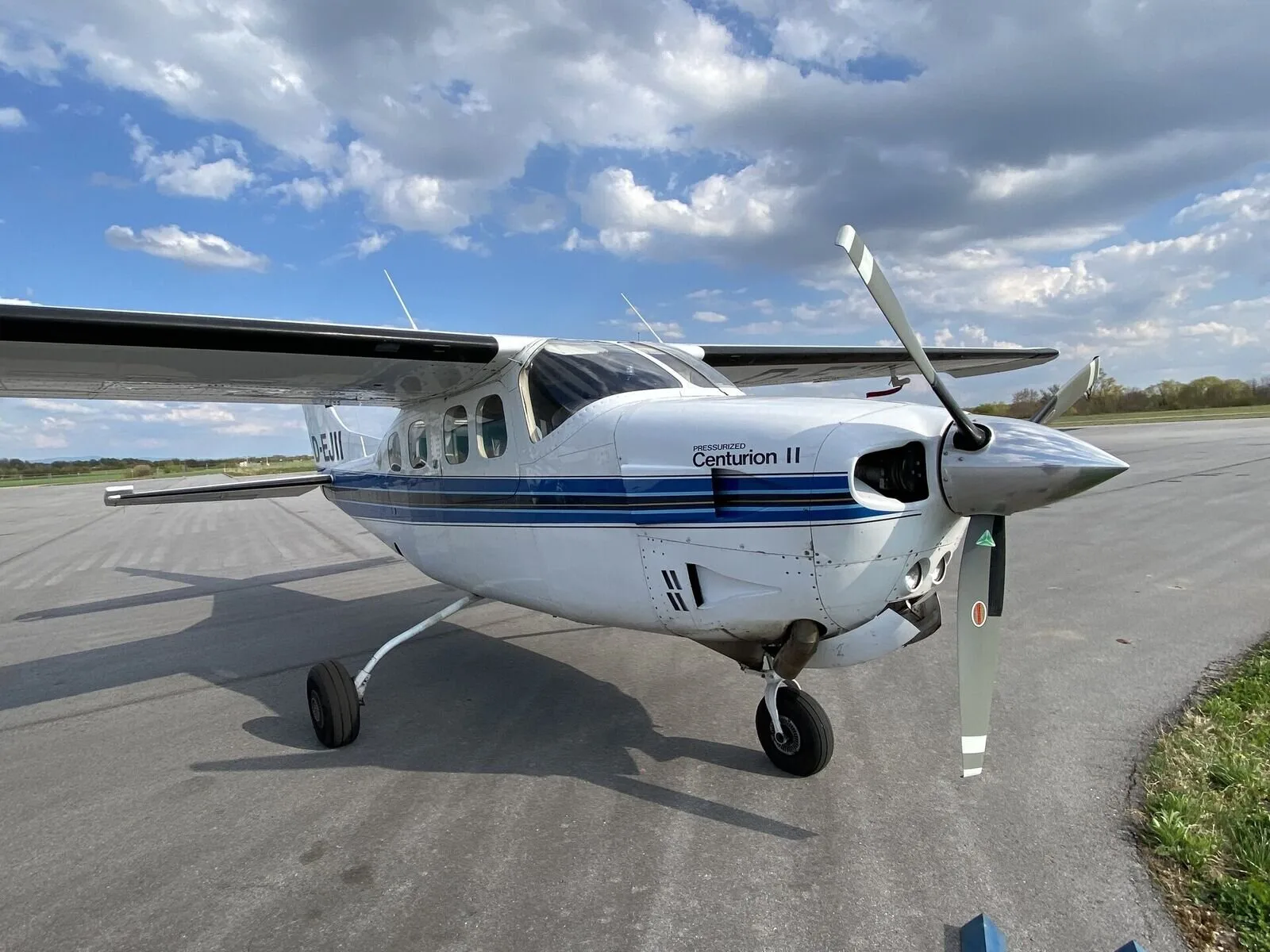
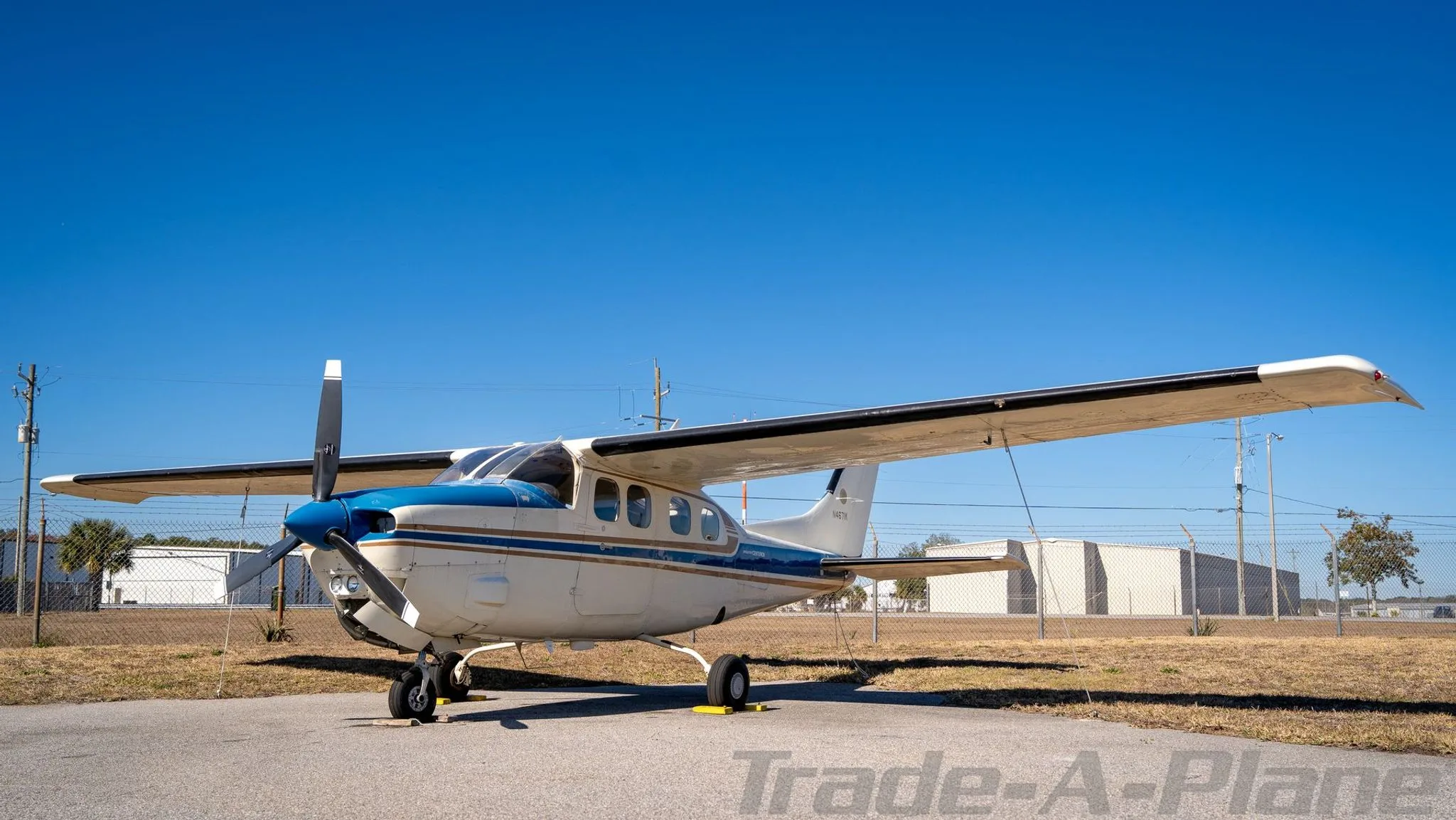
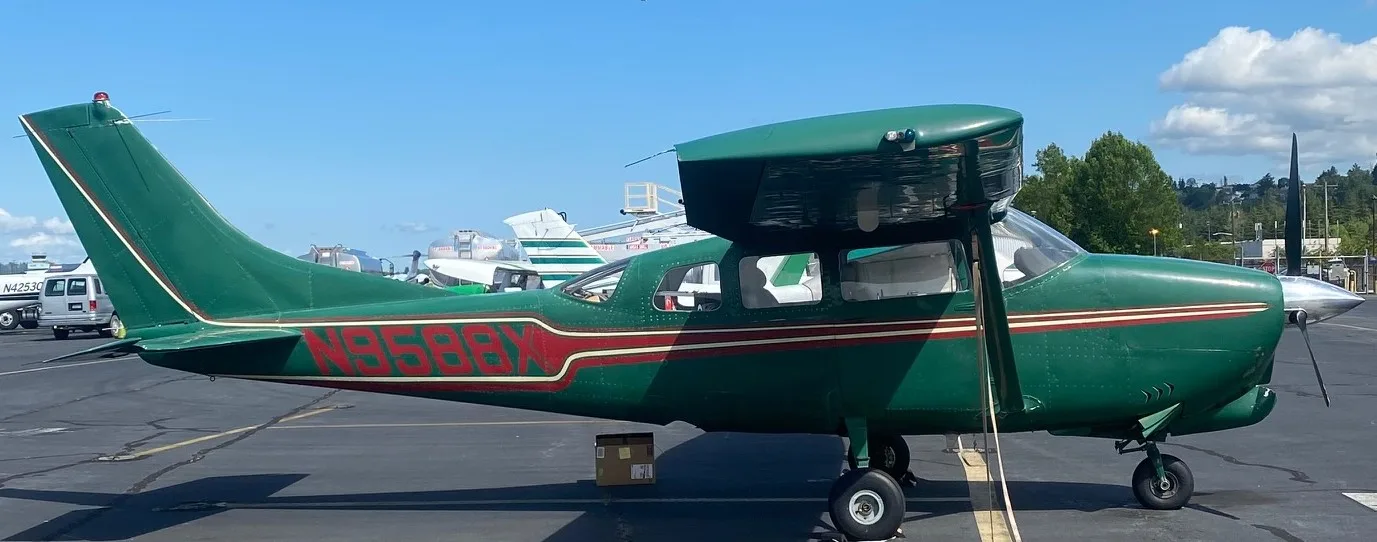
View all 94 for sale →Aircraft that this checklist covers, listed on the sites Sprinkle reads. Asking prices, not sales. Cessna 210 asking prices by year built.
Also useful for the Cessna Turbo 210L
From Sprinkle’s library of aircraft documents. PDFs open from Sprinkle’s own files. Read Jun 26, 2026.
Want this document taken down? Request removal