Weight & Balance
CESSNA 172Q CUTLASS · Weight And Balance
Overview
This document provides the Weight & Balance information for the Cessna 172Q Cutlass. It is designed for pilots and aviation enthusiasts who need to understand the loading limits and weight distribution for safe flight operations. The manual outlines the maximum weight limits, center of gravity (CG) ranges, and procedures for calculating weight and balance before flight. It is essential for ensuring that the aircraft is loaded within safe operating parameters to maintain performance and safety during flight.
- Maximum takeoff weight: 2,450 lbs (1,111 kg)
- Maximum landing weight: 2,450 lbs
- CG limits: 34.0 to 40.0 inches from the datum
- Accurate weight and moment calculations are essential for safety
- Use the provided weight and balance form for pre-flight calculations.
Document
Source
Originally published by www.doylestownairport.com. Sprinkle hosts a reference copy with an added summary, specifications and searchable full text.
Document details
- Type
- Weight And Balance
- Pages
- 281
- File size
- 15 MB
- Publisher
- www.doylestownairport.com
Specifications & performance
Extracted from this document.
Specifications
- Range (nm)
- 480
- Engine (hp)
- 195
- Propeller
- Constant Speed
- Engine model
- 10-360-K
- Max speed (kt)
- 133
- Cruise speed (kt)
- 130
- Empty weight (lb)
- 1,549
- Fuel capacity (gal)
- 52
- Rate of climb (fpm)
- 870
- Service ceiling (ft)
- 17,000
- Max takeoff weight (lb)
- 2,550
Performance
- Landing over 50ft
- 1,360
- Takeoff over 50ft
- 800
- Landing distance (ft)
- 620
- Takeoff distance (ft)
- 1,270
- Stall speed clean (kt)
- 53
- Stall speed landing (kt)
- 46
V-speeds
- VS1
- 53
- VSO
- 46
Weight & balance
- Useful load (lb)
- 1,001
- Baggage allowance (lb)
- 200
- Basic empty weight (lb)
- 1,549
- Max landing weight (lb)
- 2,550
- Max takeoff weight (lb)
- 2,550
Common. Rarer than 4% of the aircraft models we track.
Most owners only have the POH. Here's the essential set for the CESSNA 172Q CUTLASS.
- Pilot's Operating Handbook / AFM
- Checklist
- Maintenance Manual
- Parts Catalog (IPC)
- Systems & Wiring
- Service Bulletins
- Type Certificate (TCDS)
CESSNA 172Q CUTLASS for sale now
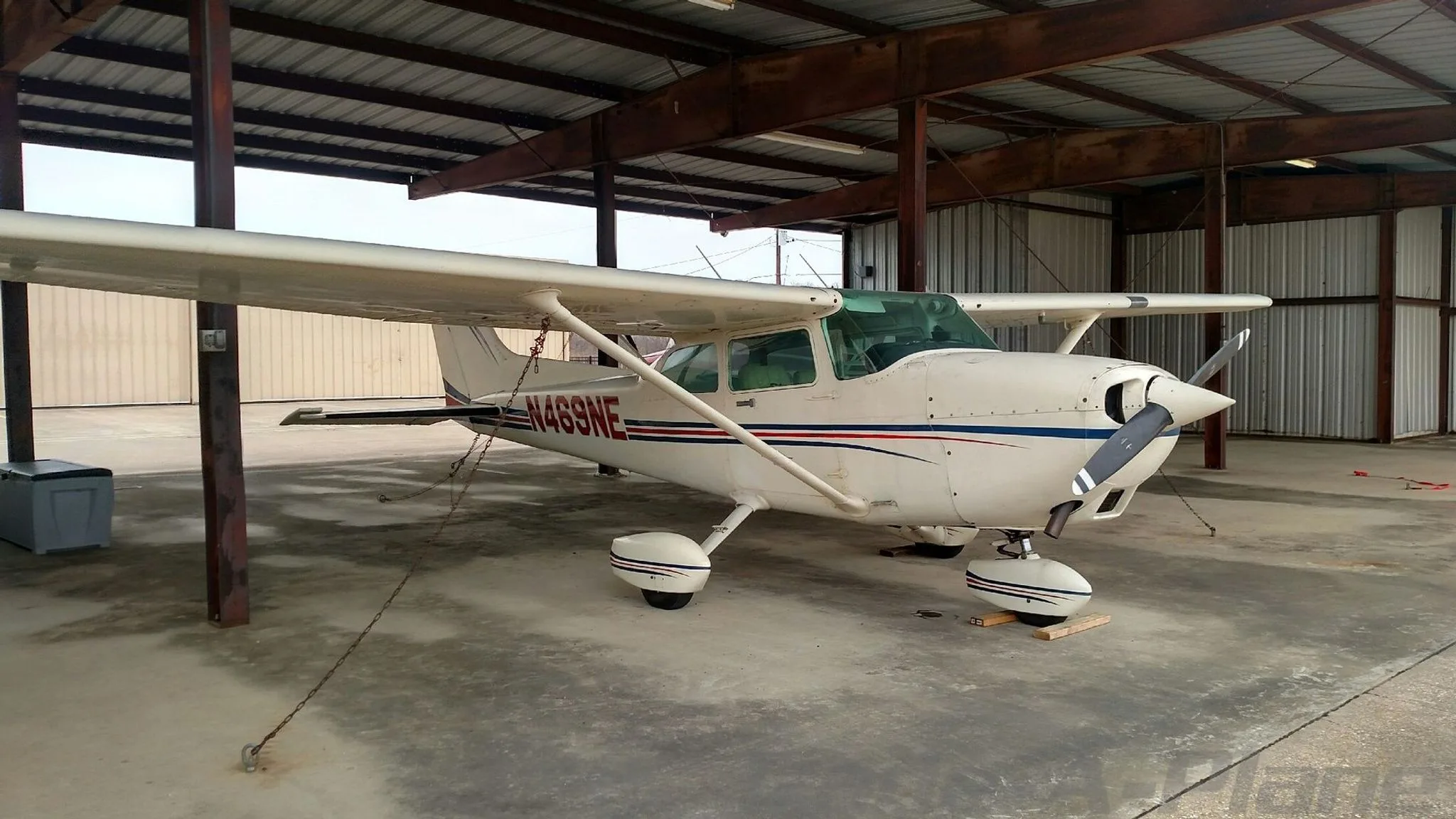
Free — save the 172Q Cutlass to your watchlist and track it in one place.
More CESSNA 172Q CUTLASSmanuals & documents
See all 19 →- Emergency Procedures for the CESSNA 172Q CUTLASSEmergency Procedures
- Cessna 172Q Cutlass Training ManualTraining Manual
- Professional Knowledge Book 2023 - 2024Training Manual
- C-172Q ChecklistChecklist
- FLIGHT INFORMATION PUBLICATION GENERAL PLANNINGPerformance
- Performance Data for CESSNA 172Q CUTLASSPerformance Data
- Cessna 172 RG Cutlass Systems DescriptionSystems Description
- Airworthiness Directives; Engine Components, Inc. (ECi) Reciprocating Engine Cylinder AssembliesAirworthiness Directives
- LYCOIIIIIIIIGService Bulletins
- 1999 Oldsmobile Cutlass Owner’s ManualMaintenance Manual
- Cessna 172Q Cutlass Maintenance ManualMaintenance Manual
- MODEL 172RG SERIES (1980 THRU 1985) - AeroElectricV Speeds Reference
If you fly the CESSNA 172Q CUTLASS, you may also be researching these.


In this document
Weight Limits
The maximum takeoff weight for the Cessna 172Q Cutlass is 2,450 lbs (1,111 kg). The maximum landing weight is also 2,450 lbs. Pilots must ensure that the total weight of the aircraft, including passengers, cargo, and fuel, does not exceed these limits.
Center of Gravity (CG) Limits
The CG limits for the Cessna 172Q Cutlass are between 34.0 inches and 40.0 inches from the datum. It is crucial to calculate the CG accurately to ensure that the aircraft is balanced for safe flight.
Weight and Balance Calculation Procedures
To calculate the weight and balance, pilots must record the weight of each item being loaded, including passengers and baggage, and their respective arm (distance from the datum). The total moment is calculated by multiplying the weight by the arm for each item, and the total weight and moment are summed to determine the CG.
Loading Recommendations
The manual provides recommendations for loading the aircraft to maintain proper balance. It suggests distributing weight evenly and keeping heavier items closer to the aircraft's center of gravity.
Sample Weight and Balance Form
A sample weight and balance form is included in the document, which pilots can use to record weights and calculate the CG before flight.
Safety notes
- Ensure the aircraft is within weight limits before flight.
- Verify CG is within specified limits to avoid performance issues.
Full document text
PILOT'S OPERATING HANDBOOK Cessna. 1977 Hawk XP CESSNA MODEL R172K == PERFORMANCE- SPECIFICATIONS CESSNA MODEL R172K PERFORMANCE - SPECIFICATIONS SPEED: Maximum at Sea Level Cruise, 80% Power at 6000 Ft CRUISE: Recommended Lean Mixture with fuel allowance for engine start, taxi, takeoff, climb and 45 minutes 133 KNOTS 130 KNOTS reserve at 45% power. 80% Power at 6000 Ft. Range 49 Gallons Usable Fuel Time 480 NM 3.7 HRS Maximum Range at 10,000 Ft ... Range 575 NM 49 Gallons Usable Fuel Time 6.1 HRS RATE OF CLIMB AT SEA LEVEL. 870 FPM SERVICE CEILING TAKEOFF PERFORMANCE: Ground Roll Total Distance Over 50-Ft Obstacle LANDING PERFORMANCE: Ground Roll. Total Distance Over 50-Ft Obstacle STALL SPEED (CAS): Flaps Up, Power Off Flaps Down, Power Off MAXIMUM WEIGHT STANDARD EMPTY WEIGHT: Hawk XP Hawk XP II MAXIMUM USEFUL LOAD: Hawk XP. Hawk XP II BAGGAGE ALLOWANCE POWER LOADING: Pounds/HP WING LOADING: Pounds/Sq Ft 17,000 FT 800 FT 1360 FT 620 FT 1270 FT 53 KNOTS 46 KNOTS 2550 LBS 1549 LBS 1573 LBS 1001 LBS 977 LBS FUEL CAPACITY: Total.. OIL CAPACITY ENGINE: Teledyne Continental, Fuel Injection 195 BHP at 2600 RPM PROPELLER: Constant Speed, Diameter. 200 LBS 14.7 13.1 52 GAL. 8 QTS 10-360-K 76 IN. D1083-13 PILOT'S OPERATING HANDBOOK Cessna HAWK XP 1977 MODEL R172K Serial No.. R1722520 Registration No. GYUB THIS HANDBOOK INCLUDES THE MATERIAL REQUIRED TO BE FURNISHED TO THE PILOT BY CAR PART 3 CESSNA AIRCRAFT COMPANY WICHITA, KANSAS, USA CESSNA MODEL R172K TABLE OF CONTENTS TABLE OF CONTENTS GENERAL LIMITATIONS EMERGENCY PROCEDURES SECTION ⋅ 1 2 3 NORMAL PROCEDURES. . . PERFORMANCE WEIGHT & BALANCE/ EQUIPMENT LIST. AIRPLANE & SYSTEMS DESCRIPTIONS. . . AIRPLANE HANDLING, SERVICE & MAINTENANCE. SUPPLEMENTS (Optional Systems Description & Operating Procedures).. 7 . 8 9 This handbook will be kept current by Service Letters published by Cessna Aircraft Company. These are distributed to Cessna Dealers and to those who subscribe through the Owner Follow-Up System. If you are not receiving subscription service, you will want to keep in touch with your Cessna Dealer for information concerning the change status of the handbook. Subsequent changes will be made in the form of stickers. These should be examined and attached to the appropriate page in the handbook immediately after receipt; the handbook should not be used for opera- tional purposes until it has been updated to a current status. iii/(iv blank) CESSNA MODEL R172K SECTION 1 GENERAL TABLE OF CONTENTS Three View Introduction Descriptive Data Engine Propeller Fuel Oil Maximum Certificated Weights Standard Airplane Weights Cabin and Entry Dimensions Baggage Space and Entry Dimensions Specific Loadings .. Symbols, Abbreviations and Terminology General Airspeed Terminology and Symbols Meteorological Terminology Engine Power Terminology Airplane Performance and Flight Planning Terminology Weight and Balance Terminology SECTION 1 GENERAL Page 1-2 1-3 1-3 1-3 1-3 1-3 1-4 1-4 1-5 1-5 1-5 1-5 . . 1-6 • 1-6 4 1-6 . 1-7 . 1-7 1-8 1-1 SECTION 1 GENERAL CESSNA MODEL R172K 1-2 8-9½"MAX. NOTES: 1. Wing span shown with strobe lights installed 2. Maximum height shown with nose gear depressed, all tires and nose strut properly inflated, and flashing beacon installed. 3. Wheel base length is 65", 4. Propeller ground clearance is 10 3/4" 5. Wing area is 174 square feet. 6. Minimum turning radius (pivot point to outboard wing tip) in 27" 5 1/2". PIVOT POINT 100 * PIVOT POINT 2 6-4 MAX. Figure 1-1. Three View CESSNA MODEL R172K INTRODUCTION SECTION 1 GENERAL This handbook contains 9 sections, and includes the material re- quired to be furnished to the pilot by CAR Part 3. It also contains supplemental data supplied by Cessna Aircraft Company. Section 1 provides basic data and information of general interest. It also contains definitions or explanations of symbols, abbreviations. and terminology commonly used. DESCRIPTIVE DATA ENGINE Number of Engines: 1. Engine Manufacturer: Teledyne Continental. Engine Model Number: 10-360-K. Engine Type: Normally-aspirated, direct-drive, air-cooled, horizontally- opposed, fuel-injected, six-cylinder engine with 360 cu. in. dis- placement. Horsepower Rating and Engine Speed: 195 rated BHP at 2600 RPM. PROPELLER Propeller Manufacturer: McCauley Accessory Division. Propeller Model Number: 2A34C203/90DCA-14. Number of Blades: 2. Propeller Diameter, Maximum: 76 inches. Minimum: 74.5 inches. Propeller Type: Constant speed and hydraulically actuated, with a low pitch setting of 12.0° and a high pitch setting of 25.1° (30 inch sta- tion). FUEL Approved Fuel Grades (and Colors): 100LL Grade Aviation Fuel (Blue). 100 (Formerly 100/130) Grade Aviation Fuel (Green). Total Capacity: 52 gallons. Total Capacity Each Tank: 26 gallons. Total Usable: 49 gallons. 1-3 SECTION 1 GENERAL CESSNA MODEL R172K NOTE To ensure maximum fuel capacity when refueling. place the fuel selector valve in either LEFT or RIGHT position to prevent cross-feeding. OIL Oil Grade (Specification): MIL-L-6082 Aviation Grade Straight Mineral Oil: Use to replenish supply during first 25 hours and at the first 25-hour oil change. Continue to use until a total of 50 hours has accumulated or oil consumption has stabilized. NOTE The airplane was delivered from the factory with a corro- sion preventive aircraft engine oil. This oil should be drained after the first 25 hours of operation. Continental Motors Specification MHS-24A, Ashless Dispersant Oil: This oil must be used after first 50 hours or oil consump tion has stabilized. Recommended Viscosity For Temperature Range: SAE 50 above 4°C (40°F). SAE 10W30 or SAE 30 below 4°C (40°F). NOTE Multi-viscosity oil with a range of SAE 10W30 is recom- mended for improved starting in cold weather. Oil Capacity: Sump: 8 Quarts. Total: 9 Quarts (if oil filter installed). MAXIMUM CERTIFICATED WEIGHTS Takeoff, Normal Category: 2550 lbs. Utility Category: 2200 lbs. Landing, Normal Category: 2550 lbs. Utility Category: 2200 lbs. 1-4 CESSNA
Show full textShow less
MODEL R172K Weight in Baggage Compartment, Normal Category: SECTION 1 GENERAL Baggage Area 1 (or passenger on child's seat)-Station 82 to 108: 200 lbs. See note below. Baggage Area 2 Station 108 to 142: 50 lbs. See note below. NOTE The maximum combined weight capacity for baggage areas 1 and 2 is 200 lbs. Weight in Baggage Compartment, Utility Category: In this category, the baggage compartment and rear seat must not be occupied. STANDARD AIRPLANE WEIGHTS Standard Empty Weight, Hawk XP: 1549 lbs. Hawk XP II: 1573 lbs. Maximum Useful Load: Normal Category Utility Category Hawk XP: Hawk XP II: 1001 lbs. 977 lbs. 651 lbs. 627 lbs. CABIN AND ENTRY DIMENSIONS Detailed dimensions of the cabin interior and entry door openings are illustrated in Section 6. BAGGAGE SPACE AND ENTRY DIMENSIONS Dimensions of the baggage area and baggage door opening are illustrated in detail in Section 6. SPECIFIC LOADINGS Wing Loading: 14.7 lbs./sq. ft. Power Loading: 13.1 lbs./hp. 1-5 SECTION 1 GENERAL CESSNA MODEL R172K SYMBOLS, ABBREVIATIONS AND TERMINOLOGY GENERAL AIRSPEED TERMINOLOGY AND SYMBOLS KCAS KIAS KTAS VA VFE VNO VNE VS √So VX VY Knots Calibrated Airspeed is indicated airspeed corrected for position and instrument error and expressed in knots. Knots calibrated airspeed is equal to KTAS in standard atmosphere at sea level. Knots Indicated Airspeed is the speed shown on the air- speed indicator and expressed in knots. Knots True Airspeed is the airspeed expressed in knots relative to undisturbed air which is KCAS corrected for altitude and temperature. Maneuvering Speed is the maximum speed at which you may use abrupt control travel. Maximum Flap Extended Speed is the highest speed per- missible with wing flaps in a prescribed extended position. Maximum Structural Cruising Speed is the speed that should not be exceeded except in smooth air, then only with caution. Never Exceed Speed is the speed limit that may not be exceeded at any time. Stalling Speed or the minimum steady flight speed at which the airplane is controllable. Stalling Speed or the minimum steady flight speed at which the airplane is controllable in the landing configu- ration at the most forward center of gravity. Best Angle-of-Climb Speed is the speed which results in the greatest gain of altitude in a given horizontal distance. Best Rate-of-Climb Speed is the speed which results in the greatest gain in altitude in a given time. METEOROLOGICAL TERMINOLOGY OAT Outside Air Temperature is the free air static tempera- ture. It is expressed in either degrees Celsius (formerly Centigrade) or degrees Fahrenheit. 1-6 CESSNA MODEL R172K SECTION 1 GENERAL Standard Tempera ture Pressure Altitude Standard Temperature is 15°C at sea level pressure alti- tude and decreases by 2°C for each 1000 feet of altitude. Pressure Altitude is the altitude read from an altimeter when the altimeter's barometric scale has been set to 29.92 inches of mercury (1013 mb). ENGINE POWER TERMINOLOGY BHP RPM MP Brake Horsepower is the power developed by the engine. Revolutions Per Minute is engine speed. Manifold Pressure is a pressure measured in the engine's induction system and is expressed in inches of mercury (Hg). AIRPLANE PERFORMANCE AND FLIGHT PLANNING TERMI- NOLOGY Demon- strated Crosswind Velocity Usable Fuel Unusable Fuel GPH NMPG g Demonstrated Crosswind Velocity is the velocity of the crosswind component for which adequate control of the airplane during takeoff and landing was actually demon- strated during certification tests. The value shown is not considered to be limiting. Usable Fuel is the fuel available for flight planning. Unusable Fuel is the quantity of fuel that can not be safely. used in flight. Gallons Per Hour is the amount of fuel (in gallons) con- sumed per hour. Nautical Miles Per Gallon is the distance (in nautical miles) which can be expected per gallon of fuel consumed at a specific engine power setting and/or flight configura- tion. gis acceleration due to gravity. 1-7 SECTION 1 GENERAL CESSNA MODEL R172K WEIGHT AND BALANCE TERMINOLOGY Reference Datum Station Arm Moment Center of Gravity (C.G.) C.G. Arm C.G. Limits Standard Empty Weight Basic Empty Weight Useful Load Gross (Loaded) Weight Reference Datum is an imaginary vertical plane from which all horizontal distances are measured for balance. purposes. Station is a location along the airplane fuselage given in terms of the distance from the reference datum. Arm is the horizontal distance from the reference datum to the center of gravity (C.G.) of an item. Moment is the product of the weight of an item multiplied by its arm. (Moment divided by the constant 1000 is used in this handbook to simplify balance calculations by re- ducing the number of digits.) Center of Gravity is the point at which an airplane. or equipment, would balance if suspended. Its distance from the reference datum is found by dividing the total moment by the total weight of the airplane. Center of Gravity Arm is the arm obtained by adding the airplane's individual moments and dividing the sum by the total weight. Center of Gravity Limits are the extreme center of gravity locations within which the airplane must be operated at a given weight. Standard Empty Weight is the weight of a standard air- plane, including unusable fuel, full operating fluids and full engine oil. Basic Empty Weight is the standard empty weight plus the weight of optional equipment. Useful Load is the difference between takeoff weight and the basic empty weight. Gross (Loaded) Weight is the loaded weight of the air- plane. 1-8 CESSNA MODEL R172K SECTION 1 GENERAL Maximum Takeoff Weight Maximum Landing Weight Tare Maximum Takeoff Weight is the maximum weight ap- proved for the start of the takeoff run. Maximum Landing Weight is the maximum weight ap- proved for the landing touchdown. Tare is the weight of chocks, blocks, stands, etc. used when weighing an airplane, and is included in the scale read- ings. Tare is deducted from the scale reading to obtain the actual (net) airplane weight. 1-9/(1-10 blank) CESSNA MODEL R172K SECTION 2 LIMITATIONS SECTION 2 LIMITATIONS TABLE OF CONTENTS Introduction Airspeed Limitations Airspeed Indicator Markings Power Plant Limitations Power Plant Instrument Markings Weight Limits... Normal Category Utility Category Center of Gravity Limits Normal Category Utility Category Maneuver Limits Normal Category Utility Category Flight Load Factor Limits Normal Category Utility Category Kinds of Operation Limits Fuel Limitations. Placards Page 2-3 4 2-4 2-5 2-5 2-6 T . 2-6 2-6 . . 2-7 4 2-7 . 2-7 . " 2-7 2-7 2-7 . 2-7 2-8 • 2-8 2-8 . 4 4 2-9 + . . . 2-9 . . .2-10 2-1/(2-2 blank) CESSNA MODEL R172K INTRODUCTION SECTION 2 LIMITATIONS Section 2 includes operating limitations, instrument markings, and basic placards necessary for the safe operation of the airplane, its en- gine, standard systems and standard equipment. The limitations in- cluded in this section have been approved by the Federal Aviation Ad- ministration. When applicable, limitations associated with optional systems or equipment are included in Section 9. NOTE The airspeeds listed in the Airspeed Limitations chart (figure 2-1) and the Airspeed Indicator Markings chart (figure 2-2) are based on Airspeed Calibration data shown in Section 5 with the normal static source. If the alternate static source is being used, ample margins should be observed to allow for the airspeed calibration variations between the normal and alternate static sour- ces as shown in Section 5. Your Cessna is certificated under FAA Type Certificate No. 3A17 as Cessna Model No. R172K. 2-3
146 CESSNA 172Q CUTLASS parts for sale
See all →

Parts listed for sale by vetted eBay sellers — confirmed on eBay at checkout.