Supports Program Policies & Procedures Manual (Version 10.0.1)
CESSNA 172S SKYHAWK SP · Training Manual
Overview
This document is a comprehensive manual for the New Jersey Division of Developmental Disabilities, detailing policies and procedures for support programs. It serves as a guide for providers and coordinators involved in the delivery of services to individuals with developmental disabilities. The manual outlines eligibility requirements, service plans, care management, and various operational guidelines to ensure compliance with state regulations. It is intended for use by support coordinators, service providers, and other stakeholders in the developmental disabilities community.
- The manual outlines eligibility requirements for accessing services for individuals with developmental disabilities.
- Individualized Service Plans (ISPs) must be developed collaboratively with input from all team members.
- Support coordinators play a critical role in care management and service delivery.
- Monitoring and quality assurance processes are essential for maintaining service standards.
- Updates to policies and procedures are made regularly to reflect changes in regulations and best practices.
Document
Source
Originally published by nj.gov. Sprinkle hosts a reference copy with an added summary, specifications and searchable full text.
Document details
- Type
- Training Manual
- Year
- 2025
- Pages
- 243
- File size
- 7.5 MB
- Publisher
- nj.gov
Common. One of the most common aircraft types we track.
Most owners only have the POH. Here's the essential set for the CESSNA 172S SKYHAWK SP.
- Pilot's Operating Handbook / AFM
- Checklist
- Maintenance Manual
- Parts Catalog (IPC)
- Systems & Wiring
- Service Bulletins
- Type Certificate (TCDS)
CESSNA 172S SKYHAWK SP for sale now

Free — save the 172S Skyhawk SP to your watchlist and track it in one place.
More CESSNA 172S SKYHAWK SPmanuals & documents
See all 20 →- SP 3500/4000 Series SpecificationsSpecifications
- Type CertificationType Certificate
- Cessna C-172S (Nav III) Normal ChecklistChecklist
- JOINT FLEET MAINTENANCE MANUAL (JFMM)Maintenance Manual
- Weight & Balance for CESSNA 172S SKYHAWK SPWeight And Balance
- EMERGENCY CHECK LISTEmergency Procedures
- Cessna 172S/SP/G1000 ChecklistChecklist
- Aircraft TAC TAC Register Rev 7 2018Type Certificate
- Cessna 172-SP Private & Commercial CoursesPilot's Operating Handbook
- CESSNA 172S including G1000 Avionics NORMAL & EMERGENCY PROCEDURES CHECKLISTEmergency Procedures
- CESSNA 172SP Part ISystems Description
- CESSNA MODEL 172S NAV III GFC 700 AFCSTraining Manual
If you fly the CESSNA 172S SKYHAWK SP, you may also be researching these.


In this document
Introduction
The introduction provides an overview of the Supports Program Policy Manual, outlining its purpose and the mission of the Division of Developmental Disabilities. It emphasizes the importance of supporting individuals with developmental disabilities in achieving their goals.
Eligibility Requirements
This section details the criteria for individuals to qualify for services under the Division of Developmental Disabilities. It includes information on the intake/application process and the eligibility determination process, ensuring that all potential clients understand how to access support.
Service Plan Development
This section discusses the development of Individualized Service Plans (ISPs), including the roles of various team members in the planning process. It emphasizes the importance of tailoring services to meet the unique needs of each individual.
Care Management
Care management is outlined in this section, detailing the responsibilities of support coordinators and the process for selecting and assigning support coordination agencies. It highlights the importance of effective communication and collaboration among team members.
Monitoring and Quality Assurance
This section covers the monitoring processes in place to ensure service quality and compliance with established standards. It includes guidelines for incident reporting and risk management, emphasizing the need for ongoing evaluation and improvement.
Full document text
NJ Division of Developmental Disabilities Supports Program Policies & Procedures Manual (Version 10.0.1) September 2025 State of New Jersey Department of Human Services Division of Developmental Disabilities Supports Program Policies & Procedures Manual NJ Division of Developmental Disabilities 2 Supports Program Policies & Procedures Manual (Version 10.0.1) September 2025 Supports Program Policies & Procedures Manual, Version 10.0.1 – September 2025 Section Description of Changes Overall Manual • General grammatical, typo corrections, updates to form names, email addresses, and links where applicable, etc. Section 1 • Clarified manual applicability to Medicaid/Division approved providers, including Support Coordination Agencies. Section 3 • For NJCAT re-assessments, clarified that a person needs to be assigned an SCA and have an ISP and PCPT. • Added Section 3.4.1 Acuity Factor Requirements; Added and Edited 3.4.2 Behavioral Acuity Requirements; and Added and Edited 3.4.3 Medical Acuity Requirements. • Revised individual budgets to reflect rate increases since last revision. Section 6 • Updated SC Responsibilities to reflect that: The Participant Rights and Responsibilities form is now integrated into the ISP; That the Division needs to be alerted if a person served is homeless, pending eviction, or otherwise experiencing health and safety challenges; That for persons assigned acuity, Provider Search can be used to ensure agencies they are referred to serve people with acuity; That if a person is moving to a setting without a family caregiver present the Independent Living Tool needs to be completed. Section 7 • Added guidance on electronic signatures. Section 8 • Updated data related to Reasonable and Customary wages. • Clarified that Self-Directed Employees cannot be paid for hours which they are asleep. • Updated information related to Self-Directed Employee training. Section 10 • Updated to reflect Acumen as the incoming Fiscal Intermediary for DDD’s Vendor Fiscal/Employer Agent model. Section 11 • Updated information on required sections of Policy and Procedure manual. Section 13 • Updated information in Annual ISP section. Section 14 • Updated Audit Thresholds Section 15 • Updated elements related to updated training requirements. • Updated sections related to Incident Reporting. Section 16 • Updated information in Appeals and Reinstatement section. Section 17 • Made minor updates to Behavioral Supports service definition. • Updated Day Habilitation service definition to reflect that, if serving persons with acuity, the agency must have the proper credentials and that the values to receive a three- and five-year certification have been increased. • Updated information on Activity Fees in Goods and Services service definition. • Updated Individual Supports service definition to reflect that, if serving persons with acuity, the agency must have the proper credentials. • Updated Natural Supports service definition to reflect current training requirements. • Updated Pre-Vocational Services service definition to better explain the two-year limitation on the service. • Updated Respite service definition to reflect that, if serving persons with acuity, the agency must have the proper credentials. • Updated Support Coordination service definition to reflect that the Participant Rights and Responsibilities form is now integrated into the ISP; That the Division needs to be alerted if a person served is homeless, pending eviction, or otherwise experiencing health and safety challenges; That if a person is moving to a setting without a family caregiver present the Independent Living Tool needs to be completed. • Made various updates to the Supports Brokerage service definition. Section 18 • Updated definitions. Appendix • Updated Appendix A. • Updated Quick Reference Guide to Mandated Staff Training in Appendix E and split into three sections. One for DSPs and other staff; One for Self-Directed Employees; and One for Support Coordination. • Updated rates to reflect increases since last revision in Appendix H. • Updated language in Appendix K. • Updated PMPM values in Appendix P. NJ Division of Developmental Disabilities 3 Supports Program Policies & Procedures Manual (Version 10.0.1) September 2025 Table of Contents INTRODUCTION ........................................................................................................................................................ 13 1.1 Supports Program Policy Manual ................................................................................................................... 13 1.2 Overview of the Division of Developmental Disabilities ................................................................................ 13 1.2.1 Mission and Goals ................................................................................................................................... 13 1.2.2 Key Themes ............................................................................................................................................. 13 1.2.3 Division of Developmental Disabilities Responsibilities .......................................................................... 14 2 VISIONING A LIFE COURSE – TRANSITIONING TO ADULTHOOD ........................................................................... 15 3 DIVISION OF DEVELOPMENTAL DISABILITIES ELIGIBILITY ..................................................................................... 16 3.1 Requirements for Division Eligibility .............................................................................................................. 16 3.1.5 Limited Circumstances Where a Person Ages 18 through 21 May Receive Division Services.................... 16 3.2 Intake/Application Process............................................................................................................................. 17
Show full textShow less
3.2.1 Application .............................................................................................................................................. 17 3.2.2 Additional Documents ............................................................................................................................. 18 3.3 Eligibility Determination Process ................................................................................................................... 18 3.4 Tiering & Acuity Factor ................................................................................................................................... 19 3.4.1 Acuity Factor Requirements .................................................................................................................... 19 3.4.2 Behavior Acuity Requirements ................................................................................................................ 20 3.4.3 Medical Acuity Requirements ................................................................................................................. 20 3.5 Individual Budgets .......................................................................................................................................... 21 3.5.1 Requesting the Supported Employment Component of the Individual Budget ..................................... 21 3.5.2 Bump-Up ................................................................................................................................................. 22 3.6 Requesting NJ CAT Reassessment .................................................................................................................. 22 3.7 Redetermination of Eligibility ......................................................................................................................... 23 3.8 Eligibility Appeal Rights .................................................................................................................................. 23 3.9 Discharge from the Division ........................................................................................................................... 23 3.10 Moving from the Supports Program to the Community Care Program ...................................................... 23 4 OVERVIEW OF THE SUPPORTS PROGRAM ............................................................................................................ 24 4.1 Supports Program + Private Duty Nursing (PDN) ........................................................................................... 24 5 SUPPORTS PROGRAM ELIGIBILITY AND INDIVIDUAL ENROLLMENT ..................................................................... 25 5.1 Eligibility for the Supports Program ............................................................................................................... 25 5.1.1 Allowable Types of Medicaid for the Supports Program ........................................................................ 25 5.2 Individual Enrollment into the Supports Program ......................................................................................... 25 5.2.1 Enrollment into the Supports Program + Private Duty Nursing (PDN) ................................................... 26 NJ Division of Developmental Disabilities 4 Supports Program Policies & Procedures Manual (Version 10.0.1) September 2025 5.3 Individual Responsibilities .............................................................................................................................. 27 5.4 Individual Disenrollment from the Supports Program ................................................................................... 27 5.4.1 Individual Disenrollment Process ............................................................................................................ 28 6 CARE MANAGEMENT ............................................................................................................................................ 30 6.1 Selection and Assignment of a Support Coordination Agency ...................................................................... 30 6.1.1 Choosing a Support Coordination Agency .............................................................................................. 30 6.1.2 Process for Assigning a Support Coordination Agency ........................................................................... 30 6.1.3 Changing Support Coordination Agencies .............................................................................................. 31 6.2 Role of the Support Coordinator .................................................................................................................... 31 6.3 Responsibilities of the Support Coordinator .................................................................................................. 31 6.4 Support Coordinator Deliverables.................................................................................................................. 34 6.5 Community Transitions & Support Coordination........................................................................................... 34 6.5.1 Transitions to Institutions from Community Settings ............................................................................. 34 6.5.2 Transitions from Institutional to Community Settings ............................................................................ 35 6.5.2 Transitions from Community Settings to Hospitalization ....................................................................... 35 7 SERVICE PLAN ........................................................................................................................................................ 37 7.1 Operating Principles ....................................................................................................................................... 37 7.1.1 Individual as Decision Maker....................................................................................................................... 38 7.2 Planning Team Membership .......................................................................................................................... 39 7.3 Responsibilities of Each Team Member ......................................................................................................... 40 7.3.1 Responsibilities of the Plan Coordinator (Support Coordinator) ............................................................ 40 7.3.2 Responsibilities of the Individual (and guardian, where applicable) as a Planning Team Member ....... 40 7.3.3 Responsibilities of the Service Provider as a Planning Team Member (when included) ........................ 41 7.3.4 Responsibilities of Other Planning Team Members ................................................................................ 41 7.4 Development of the Individualized Service Plan............................................................................................ 41 7.4.1 Assessments/Evaluations ........................................................................................................................ 42 7.4.2 Planning Meetings ................................................................................................................................... 45 7.5 Components of the Individualized Service Plan (ISP)..................................................................................... 46 7.5.1 Participant Information ........................................................................................................................... 46 7.5.2 Outcomes and Services ........................................................................................................................... 47 7.5.3 Employment First .................................................................................................................................... 48 7.5.4 Voting Plan .............................................................................................................................................. 48 7.5.5 Health & Nutrition Needs ........................................................................................................................ 48 7.5.6 Safety & Supports Needs......................................................................................................................... 48 NJ Division of Developmental Disabilities 5 Supports Program Policies & Procedures Manual (Version 10.0.1) September 2025 7.5.7 Emergency Contacts ................................................................................................................................ 48 7.5.8 Medication .............................................................................................................................................. 48 7.5.9 Authorizations & Signatures.................................................................................................................... 48 7.6 Resolving Differences of Opinion among Planning Team Members ............................................................. 50 7.7 Service Plan Approval ..................................................................................................................................... 50 7.8 Service Approvals by the Division .................................................................................................................. 50 7.9 Changes to the Service Plan ........................................................................................................................... 51 8 ACCESSING SERVICES............................................................................................................................................. 52 8.1 Identification of Needed Services .................................................................................................................. 52 8.2 Use of Community Resources and Non-Division-Funded Services ................................................................ 52 8.2.1 Community Resources............................................................................................................................. 52 8.2.2 Coordination with Other State Programs and Agencies ......................................................................... 52 8.3 Accessing Division-Funded Services ............................................................................................................... 53 8.3.1 Utilizing a Service Provider ...................................................................................................................... 53 8.3.2 Hiring a Self-Directed Employee (SDE) “Self-Hires” ................................................................................ 55 8.3.2.0.1 Establishing a Self-Directed Employee (SDE) Hourly Wagefor Services Where the Direct Support Professional Service Applies ............................................................................................................................. 55 8.3.2.0.2 Establishing a Self-Directed Employee (SDE) Hourly Wage for Services Where the Direct Support Professional Service Does Not Apply ............................................................................................................... 58 8.3.3 Accessing/Continuing Needed Services upon 21st Birthday ................................................................... 65 8.4 Prior Authorization of Services....................................................................................................................... 65 8.4.1 Rounding of Service Units ....................................................................................................................... 65 8.4.2 Unit Accumulation ................................................................................................................................... 66 8.4.3 Back-Up SDEs ........................................................................................................................................... 66 8.5 Delivery of Services ........................................................................................................................................ 66 8.6 Duplicative Services ........................................................................................................................................ 67 8.7 Retirement...................................................................................................................................................... 67 8.7.1 Retirement from Employment ................................................................................................................ 67 8.7.2 Retirement from Employment/Day Services .......................................................................................... 67 9 PROVIDER ENROLLMENT ....................................................................................................................................... 68 9.1 Prior to Submitting an Application to Become a Medicaid/DDD Approved Provider ................................... 68 9.2 Submitting an Application to Become a Medicaid/DDD Approved Provider ................................................ 68 9.2.1 Application Process ................................................................................................................................. 68 9.2.2 Adding Services ....................................................................................................................................... 69 NJ Division of Developmental Disabilities 6 Supports Program Policies & Procedures Manual (Version 10.0.1) September 2025 9.2.3 Adding Service Locations......................................................................................................................... 69 9.2.5 Adding Service Locations......................................................................................................................... 69 9.3 Business Entity/Individual Practitioner .......................................................................................................... 69 10 FISCAL INTERMEDIARY (FI) .................................................................................................................................. 70 10.1 Vendor Fiscal/Employer Agent Model ......................................................................................................... 70 10.2 Agency with Choice Model ........................................................................................................................... 70 10.3 Fiscal Intermediary as Fiscal Conduit ........................................................................................................... 70 11 ADDITIONAL PROVIDER REQUIREMENTS ............................................................................................................ 71 11.1 Policies & Procedures Manual...................................................................................................................... 71 11.2 Organizational Governance Policy ............................................................................................................... 72 11.3 Documentation of Qualifications ................................................................................................................. 73 11.4 Staff Orientation, Training, and Professional Development ........................................................................ 73 11.4.1 Accessing Training through the College of Direct Support (CDS) ......................................................... 73 11.4.2 CPR and First Aid Training Entities ........................................................................................................ 73 11.5 Health Insurance Portability and Accountability Act (HIPAA) ...................................................................... 74 11.6 Return of Client Records .............................................................................................................................. 74 11.7 Home and Community Based Services (HCBS) Settings Compliance ........................................................... 74 11.8 Emergency Preparedness and Response Plan (EPRP) .................................................................................. 75 11.9 Infection Control and Prevention ................................................................................................................. 76 12 SERVICE PROVISION ............................................................................................................................................ 77 12.1 Service Provider Responsibilities.................................................................................................................. 77 12.2 Documenting Progress toward ISP Outcomes ............................................................................................. 77 12.3 Claim Submission.......................................................................................................................................... 77 12.4 Subcontracting Services ............................................................................................................................... 77 12.5 Discontinuing Services.................................................................................................................................. 78 12.5.2 Provider Ready Directory ...................................................................................................................... 78 13 MONITORING (Participant) ................................................................................................................................. 80 13.1 Mandatory Monitoring ................................................................................................................................. 80 13.2 Plan Review Elements .................................................................................................................................. 81 13.3 Service Provider’s Quality Assurance Responsibilities ................................................................................. 81 14 PROVIDER FISCAL SUSTAINABILITY ..................................................................................................................... 82 14.1 Financial Reporting Requirements ............................................................................................................... 82 14.2 Notifications ................................................................................................................................................. 82 14.3 Fiscal Sustainability Criteria.......................................................................................................................... 83 NJ Division of Developmental Disabilities 7 Supports Program Policies & Procedures Manual (Version 10.0.1) September 2025 15 QUALITY ASSURANCE, TECHNICAL ASSISTANCE, & AUDITING ........................................................................... 85 15.1 Service Provider Quality Management ........................................................................................................ 85 15.1.1 Employee Development & Training ...................................................................................................... 85 15.1.2 Mandated Background & Exclusion Checks .......................................................................................... 85 15.2 Incident Reporting & Risk Management ...................................................................................................... 85 15.2.1 Reporting Incidents ............................................................................................................................... 85 15.2.2 Investigations and Follow Up ................................................................................................................ 86 15.2.3 Assistance with Incident Reporting ....................................................................................................... 87 15.3 Performance & Outcome Measures ............................................................................................................ 88 15.3.1 Quality Focus Groups ............................................................................................................................ 88 15.3.2 National Core Indicators ....................................................................................................................... 88 15.3.3 Customer Satisfaction Measures .......................................................................................................... 89 15.4 Quality Management Plan............................................................................................................................ 89 15.4.1 Data Collection & Reporting.................................................................................................................. 89 15.5 Division Oversight & Quality Monitoring ..................................................................................................... 89 15.5.1 Auditing ................................................................................................................................................. 90 15.5.2 Fraud Detection ..................................................................................................................................... 90 15.5.3 Human Rights Committee (HRC) ............................................................................................................... 90 15.6 Technical Assistance ..................................................................................................................................... 90 16 PROVIDER DISENROLLMENT ............................................................................................................................... 92 16.1 Voluntary Provider Disenrollment – Provider Initiated ............................................................................... 92 16.1.1 Provider & Support Coordinator Transition Responsibilities ................................................................ 92 16.2 Involuntary Provider Disenrollment – System Initiated............................................................................... 93 16.2.1 Technical Assistance & Remediation .................................................................................................... 93 16.3 Disenrollment Communication .................................................................................................................... 95 17 SUPPORTS PROGRAM SERVICES.......................................................................................................................... 97 17.1 Assistive Technology .................................................................................................................................... 98 17.1.1 Description ............................................................................................................................................ 98 17.1.2 Service Limits ......................................................................................................................................... 98 17.1.3 Provider Qualifications .......................................................................................................................... 98 17.1.4 Examples of Assistive Technology Activities ......................................................................................... 98 17.1.5 Assistive Technology Policies/Standards .............................................................................................. 99 17.2 Behavioral Supports ................................................................................................................................... 100 17.2.1 Description .......................................................................................................................................... 100 NJ Division of Developmental Disabilities 8 Supports Program Policies & Procedures Manual (Version 10.0.1) September 2025 17.2.2 Service Limits ....................................................................................................................................... 100 17.2.3 Provider Qualifications ........................................................................................................................ 100 17.2.4 Examples of Behavioral Supports Activities ........................................................................................ 101 17.2.4.3 Need for Human Rights Committee (HRC) Review .......................................................................... 101 17.2.5 Behavioral Supports Policies/Standards ............................................................................................. 101 17.3 Career Planning .......................................................................................................................................... 103 17.3.1 Description .......................................................................................................................................... 103 17.3.2 Service Limits ....................................................................................................................................... 103 17.3.3 Provider Qualifications ........................................................................................................................ 103 17.3.4 Examples of Career Planning Activities ............................................................................................... 103 17.3.5 Career Planning Policies/Standards .................................................................................................... 103 17.4 Cognitive Rehabilitation ............................................................................................................................. 106 17.4.1 Description .......................................................................................................................................... 106 17.4.2 Service Limits ....................................................................................................................................... 106 17.4.3 Provider Qualifications ........................................................................................................................ 106 17.4.4 Examples of Cognitive Rehabilitation Activities .................................................................................. 107 17.4.5 Cognitive Rehabilitation policies/standards ....................................................................................... 107 17.5 Community Based Supports ....................................................................................................................... 108 17.5.1 Description .......................................................................................................................................... 108 17.5.2 Service Limits ....................................................................................................................................... 108 17.5.3 Provider Qualifications ........................................................................................................................ 108 17.5.4 Examples of Community Based Supports Activities ............................................................................ 108 17.5.5 Community Based Supports Policies/Standards ................................................................................. 109 17.6 Community Inclusion Services ................................................................................................................... 111 17.6.1 Description .......................................................................................................................................... 111 17.6.2 Service Limits ....................................................................................................................................... 111 17.6.3 Provider Qualifications ........................................................................................................................ 111 17.6.4 Examples of Community Inclusion Services Activities ........................................................................ 111 17.6.5 Community Inclusion Services Policies/Standards.............................................................................. 111 17.7 Day Habilitation .......................................................................................................................................... 114 17.7.1. Description ......................................................................................................................................... 114 17.7.2 Service Limits ....................................................................................................................................... 114 17.7.3 Provider Qualifications ........................................................................................................................ 114 17.7.4 Day Habilitation Activities Guidelines ................................................................................................. 115 NJ Division of Developmental Disabilities 9 Supports Program Policies & Procedures Manual (Version 10.0.1) September 2025 17.7.5 Day Habilitation Policies/Standards .................................................................................................... 116 17.8 Environmental Modifications ..................................................................................................................... 127 17.8.1 Description .......................................................................................................................................... 127 17.8.2 Service Limits ....................................................................................................................................... 127 17.8.3 Provider Qualifications ........................................................................................................................ 127 17.8.4 Examples of Environmental Modifications ......................................................................................... 127 17.8.5 Environmental Modifications Policies/Standards ............................................................................... 127 17.9 Goods & Services ........................................................................................................................................ 129 17.9.1 Description .......................................................................................................................................... 129 17.9.2 Service Limits ....................................................................................................................................... 129 17.9.3 Provider Qualifications ........................................................................................................................ 129 17.9.5 Goods & Services Policies/Standards .................................................................................................. 129 17.10 Interpreter Services .................................................................................................................................. 133 17.10.1 Description ........................................................................................................................................ 133 17.10.2 Service Limits ..................................................................................................................................... 133 17.10.3 Provider Qualifications ...................................................................................................................... 133 17.10.4 Interpreter Services Policies/Standards ............................................................................................ 133 17.11 Natural Supports Training ........................................................................................................................ 135 17.11.1 Description ........................................................................................................................................ 135 17.11.2 Service Limits ..................................................................................................................................... 135 17.11.3 Provider Qualifications ...................................................................................................................... 135 17.11.4 Examples of Natural Supports Training ............................................................................................. 135 17.11.5 Natural Supports Training Policies/Standards .................................................................................. 136 17.12 Occupational Therapy .............................................................................................................................. 138 17.12.1 Description ........................................................................................................................................ 138 17.12.2 Service Limits ..................................................................................................................................... 138 17.12.3 Provider Qualifications ...................................................................................................................... 138 17.12.4 Examples of Occupational Therapy Activities ................................................................................... 138 17.12.5 Occupational Therapy Policies/Standards ........................................................................................ 138 17.13 Personal Emergency Response System (PERS) ........................................................................................ 140 17.13.1 Description ........................................................................................................................................ 140 17.13.2 Service Limits ..................................................................................................................................... 140 17.13.3 Provider Qualifications ...................................................................................................................... 140 17.13.4 Examples of PERS Activities ............................................................................................................... 140 NJ Division of Developmental Disabilities 10 Supports Program Policies & Procedures Manual (Version 10.0.1) September 2025 17.13.5 PERS Policies/Standards .................................................................................................................... 140 17.14 Physical Therapy ....................................................................................................................................... 141 17.14.1 Description ........................................................................................................................................ 141 17.14.2 Service Limits ..................................................................................................................................... 141 17.14.3 Provider Qualifications ...................................................................................................................... 141 17.14.4 Examples of Physical Therapy Activities ........................................................................................... 141 17.14.5 Physical Therapy Policies/Standards ................................................................................................. 141 17.15 Prevocational Training.............................................................................................................................. 143 17.15.1 Description ........................................................................................................................................ 143 17.15.2 Service Limits ..................................................................................................................................... 143 17.15.3 Provider Qualifications ...................................................................................................................... 143 17.15.4 Examples of Prevocational Training .................................................................................................. 143 17.15.5 Prevocational Training Policies/Standards........................................................................................ 144 17.16 Respite ...................................................................................................................................................... 152 17.16.1 Description ........................................................................................................................................ 152 17.16.2 Service Limits ..................................................................................................................................... 152 17.16.3 Provider Qualifications ...................................................................................................................... 153 17.16.4 Respite Options ................................................................................................................................. 153 17.16.5 Respite Policies/Standards ................................................................................................................ 154 17.17 Speech, Language, and Hearing Therapy ................................................................................................. 156 17.17.1 Description ........................................................................................................................................ 156 17.17.2 Service Limits ..................................................................................................................................... 156 17.17.3 Provider Qualifications ...................................................................................................................... 156 17.17.4 Examples of Speech, Language, and Hearing Therapy Activities ...................................................... 156 17.17.5 Speech, Language, and Hearing Therapy Policies/Standards ........................................................... 156 17.18 Support Coordination ............................................................................................................................... 158 17.18.1 Description ........................................................................................................................................ 158 17.18.2 Service Limits ..................................................................................................................................... 158 17.18.3 Unit Distinction for Support Coordination ........................................................................................ 158 17.18.4 Provider Qualifications ...................................................................................................................... 158 17.18.5 Support Coordination Policies/Standards ......................................................................................... 159 17.18.6 Resources/Technical Assistance........................................................................................................ 165 17.18.7 Communication/Feedback ................................................................................................................ 166 17.19 Supported Employment – Individual & Small Group Employment Support ........................................... 167 NJ Division of Developmental Disabilities 11 Supports Program Policies & Procedures Manual (Version 10.0.1) September 2025 17.19.1 Descriptions ....................................................................................................................................... 167 17.19.2 Service Limits ..................................................................................................................................... 167 17.19.3 Provider Qualifications ...................................................................................................................... 168 17.19.4 Examples of Supported Employment Activities ................................................................................ 168 17.19.5 Supported Employment Policies/Standards ..................................................................................... 168 17.20 Supports Brokerage .................................................................................................................................. 173 17.20.1 Description ........................................................................................................................................ 173 17.20.2 Service Limits ..................................................................................................................................... 173 17.20.3 Provider Qualifications ...................................................................................................................... 173 17.20.4 Examples of Supports Brokerage Activities....................................................................................... 174 17.20.5 Supports Brokerage Policies/Standards ............................................................................................ 174 17.20.5.0.1 Examples of Supports Brokerage Responsibilities ...................................................................... 174 17.21 Transportation .......................................................................................................................................... 176 17.21.1 Description ........................................................................................................................................ 176 17.21.2 Service Limits ..................................................................................................................................... 176 17.21.3 Provider Qualifications ...................................................................................................................... 176 17.21.4 Transportation Options ..................................................................................................................... 176 17.21.5 Transportation Policies/Standards .................................................................................................... 177 17.22 Vehicle Modifications ............................................................................................................................... 179 17.22.1 Description ........................................................................................................................................ 179 17.22.2 Service Limits ..................................................................................................................................... 179 17.22.3 Provider Qualifications ...................................................................................................................... 179 17.22.4 Examples of Vehicle Modifications ................................................................................................... 179 17.22.5 Vehicle Modifications Policies/Standards ......................................................................................... 179 18 HOUSING SUPPORTS FOR INDIVIDUALS IN THE SUPPORTS PROGRAM............................................................ 181 18.1 Definitions .................................................................................................................................................. 181 18.1.1 Community Based Supports ................................................................................................................ 182 18.1.2 Housing Voucher through the Supportive Housing Connection (SHC) ............................................... 182 APPENDIX A – GLOSSARY OF TERMS ...................................................................................................................... 186 APPENDIX B – HELPFUL LINKS TO THE DIVISION .................................................................................................... 190 APPENDIX C – DIVISION HELP DESKS...................................................................................................................... 191 APPENDIX D – DOCUMENTS................................................................................................................................... 192 APPENDIX D - QUICK REFERENCE GUIDE TO SERVICE DELIVERY DOCUMENTATION ............................................ 193 APPENDIX E – QUICK REFERENCE GUIDE TO MANDATED STAFF TRAINING .......................................................... 194 NJ Division of Developmental Disabilities 12 Supports Program Policies & Procedures Manual (Version 10.0.1) September 2025 APPENDIX E – QUICK REFERENCE GUIDE TO MANDATED STAFF TRAINING OF SELF-DIRECTED EMPLOYEES ...... 203 APPENDIX E – QUICK REFERENCE GUIDE TO MANDATED STAFF TRAINING OF SUPPORT COORDINATION ......... 205 APPENDIX F – QUICK REFERENCE GUIDE TO SERVICE APPROVALS ....................................................................... 207 APPENDIX G - PROVIDING SERVICES WITHIN A SOCIAL ENTERPRISE SETTING ...................................................... 210 APPENDIX H - SUPPORTS PROGRAM SERVICES QUICK REFERENCE GUIDE ........................................................... 212 APPENDIX I – NEWSLETTER 33 No. 02 – JANUARY 2023 (REVISED APRIL 2023) ................................................... 215 APPENDIX J – DVRS/CBVI/DDD MEMORANDUM OF UNDERSTANDING ............................................................... 217 APPENDIX K – QUICK REFERENCE GUIDE TO OVERLAPPING CLAIMS FOR SUPPORTS PROGRAM SERVICES ........ 227 APPENDIX L – NEWSLETTER VOLUME 28 NO. O1 .................................................................................................. 230 APPENDIX M – EXTENSION TO COME INTO COMPLIANCE WITH BEHAVIORAL SUPPORTS QUALIFICATIONS ...... 232 APPENDIX N – INTERAGENCY AGREEMENT BETWEEN WAGE & HOUR IN THE U.S. DEPARTMENT OF LABOR, DVRS, CBVI, AND DDD ....................................................................................................................................................... 233 APPENDIX O – PER-MEMBER, PER-MONTH FEE FOR AGENCY WITH CHOICE FI MODEL....................................... 237 APPENDIX P – NEWSLETTER VOLUME 30 NO.19 – AUGUST 2020 ......................................................................... 238 APPENDIX Q – NEWSLETTER VOLUME 31 NO.23 – October 2021 ........................................................................ 240 APPENDIX R – Quick Guide to Required Content Areas for Provider Policy and Procedure Manuals............ 242 NJ Division of Developmental Disabilities 13 Supports Program Policies & Procedures Manual (Version 10.0.1) September 2025 INTRODUCTION 1.1 Supports Program Policy Manual The purpose of the New Jersey Division of Developmental Disabilities (Herein after Division or DDD) Supports Program Policy Manual is to provide additional clarity on practices governing the Supports Program within the approved Comprehensive Medicaid Waiver (CMW). This manual contains the current policies and practices governing all aspects of the Supports Program including but not limited to eligibility, care management, service delivery and standards, and quality assurance. These policies apply to all individuals enrolled in the Supports Program, and this manual has been developed to provide uniform direction and guidance to individuals, families, Division personnel, and Medicaid/Division approved providers, including Service Providers and Support Coordination Agencies. The Division adheres to all State and federal laws, regulations, and rules that relate to the operation of the Division and the programs it administers. The Division is required to develop policies and procedures for program operations that conform to State and federal requirements. The Division will review/revise the Supports Program policies as needed. Questions or requests for manual revisions should be directed to the Division’s Supports Program Help Desk at DDD.FeeForService@dhs.nj.gov. In addition to following the policies and procedures described in this manual, compliance with all applicable Division Circulars is required. This manual applies to policies and procedures utilized by individuals who elect self-direction/self-directed services and/or provider-managed services in the Fee-for-Service system. 1.2 Overview of the Division of Developmental Disabilities 1.2.1 Mission and Goals The Division of Developmental Disabilities assures the opportunity for individuals with developmental disabilities to receive quality services and supports, participate meaningfully in their communities and exercise their right to make choices. This mission and Division goals are founded within these Core Principles: • Ensure Health and Safety while Respecting the Rights of Individuals • Promote and Expand Community-Based Supports and Services to Avoid Institutional, Segregated and Out- of-State Services • Promote Individual Choice, Natural Relationships and Equity in the Provision of Supports and Services • Ensure Access to Needed Services From Other State and Local Agencies • Support Provider Agencies in Achieving Core Principles • Ensure that Services are High in Quality and Culturally Competent • Ensure Financial Accountability and Compliance with all Laws and Ethical Codes • Ensure Clear, Consistent Communication and Responsiveness to Stakeholders • Promote Collaboration and Partnerships with Individuals, Families, Providers and All Other Stakeholders 1.2.2 Key Themes In addition to the Core Principles described in Section 1.2.1, all services and supports provided through Division funding are based on the following key themes which have emerged through the ongoing realization of the Division’s New Vision for Support Across the Life Course. NJ Division of Developmental Disabilities 14 Supports Program Policies & Procedures Manual (Version 10.0.1) September 2025 Individual Choice The Division is committed to providing increased opportunities for individuals with developmental disabilities to make individualized, informed choices and self-direct their services. Choice is not unlimited, however, and individuals enrolled in Division-funded programs will be expected to meet all requirements and comply with all standards and policies outlined in this manual and through the Participant Enrollment Agreement found in Appendix D. The Division respects individuals’ rights to make choices that may differ from those desired by the people around them, including family, friends, and professional staff. Individuals with developmental disabilities have the right to assume risk in their own lives. Shift from Segregated Settings/Supports to Integrated Supports Individuals with developmental disabilities in New Jersey should have the opportunity – like everyone else – to fully participate in their local communities. The Division provides a variety of home and community-based supports and services to individuals with developmental disabilities to assist them in realizing full community participation and continues to reform the system to enhance community-based services and minimize the need for segregated or institutional services. Employment Focus Historically, individuals with intellectual and developmental disabilities have been either unemployed or underemployed. In an effort to address this issue, New Jersey has adopted an employment focused approach to encourage discussions around employment for the individuals it serves. As a result, Division personnel, Support Coordinators, planning team members, etc. need to begin with the presumption that everyone receiving Division- funded supports and services must have the opportunity for competitive integrated employment (CIE) in the general workforce. The Workforce Innovation and Opportunity Act (WIOA) defines CIE as work that is performed on a full or part-time basis for which an individual with a disability is: • Compensated at or above minimum wage and comparable to the customary rate paid to employees without disabilities performing similar duties and with similar training and experience; • Receiving the same level of benefits provided to other employees without disabilities in similar positions; • At a location where the employee interacts with other individuals without disabilities; and • Presented opportunities for advancement similar to other employees without disabilities in similar positions. Outcomes related to an individual’s path to employment must be indicated in the Individualized Service Plan and a facilitated discussion to determine which path is appropriate for each individual will be assisted through use of the Pathway Assessment within the employment sections captured in iRecord. If someone has indicated that employment is not currently being pursued, an explanation as to why employment is not an option at this time along with information regarding what needs to change in order for employment to be pursued must be provided. Additional policies, practices, and standards continue to be revised or developed as a result of this directive. 1.2.3 Division of Developmental Disabilities Responsibilities • Determine individual eligibility • Meet and comply with waiver assurances • Ensure assessment is available and completed • Identify individual budget “up to” amounts • Assign the chosen Support Coordination Agency or auto assign, as applicable • Approve service providers in collaboration with Medicaid • Monitor service providers to ensure standards, policies, etc. are being met • Provide approval/denial for identified services that cannot be approved by the SC Supervisor • Provide ongoing quality assurance of the service plan and provision of services • Initiate service provider termination with Medicaid, as applicable • Discharge individuals from the Division or dis-enroll individuals from the Supports Program, as applicable NJ Division of Developmental Disabilities 15 Supports Program Policies & Procedures Manual (Version 10.0.1) September 2025 2 VISIONING A LIFE COURSE – TRANSITIONING TO ADULTHOOD As a student moves from the school system into the adult service system, it is important to plan for their future by ascertaining their vision for life as an adult and assisting them in identifying services and supports that may be needed to reach that vision. The Division has made a commitment to support this planning on an ongoing basis by supplementing the efforts of the New Jersey Department of Education and local school districts in assisting students with the transition into adulthood. To that end, the Division’s Planning for Adult Life project assists students with intellectual and developmental disabilities between the ages of 16-21 and their families in charting a life course for adulthood. As such, informational sessions, webinars, and resource guides/materials on various topics - including but not limited to: employment, postsecondary education, housing, legal/financial planning, self-direction and advocacy, and accessing the adult service system - can be found on the Planning for Adult Life web page. The Division also disseminates information targeted to “aging out” youth each year and begins the process of support coordination assignment as early as April of the year in which a young person is aging out of the school system to allow a seamless transition into adult services once they graduate. Finally, the Division works closely with the Department of Children & Families (DCF) to transition students aging out of DCF’s Children’s System of Care (CSOC) to ensure that there is no disruption in services. NJ Division of Developmental Disabilities 16 Supports Program Policies & Procedures Manual (Version 10.0.1) September 2025 3 DIVISION OF DEVELOPMENTAL DISABILITIES ELIGIBILITY This section outlines the criteria for eligibility for the Division and the process used to apply for services and determine eligibility. 3.1 Requirements for Division Eligibility The eligibility criteria to receive services from the Division are described in Division Circular #3 (N.J.A.C. 10:46) which establishes guidelines and criteria for determination of eligibility for services to individuals with developmental disabilities. Below represents key elements: • An individual must be determined eligible for services before the Division can provide services. • An individual must meet the functional criteria of having a developmental disability. o In general, individuals must document that they have a chronic physical and/or mental impairment that: ▪ manifests in the developmental years, before age 22; ▪ is lifelong; and ▪ substantially limits them in at least three of these life activities: self-care; learning; mobility; communication; self-direction; economic self-sufficiency; the ability to live independently • In order to receive Division services, individuals are responsible to apply, become eligible for, and maintain Medicaid eligibility. • An individual must establish that New Jersey is their primary residence at the time of application. • At 18 years of age individuals may apply for eligibility. At 21 years of age, eligible individuals may receive Division services. • The determination of an applicant’s eligibility for Division services shall be completed as expeditiously as possible. 3.1.5 Limited Circumstances Where a Person Ages 18 through 21 May Receive Division Services Under the Individuals with Disabilities Education Act (IDEA), students with disabilities, ages 3 through 21 are entitled to a free, appropriate public education (FAPE). Students are entitled to receive the special education and related services identified through their Individualized Education Program (IEP), as determined by the IEP team. The IEP contains goals aligned with academic achievement, and behavioral and functional performance, as well as post-secondary goals related to training, education, employment and, if appropriate, independent living. The local educational agency (LEA) is responsible for ensuring all services are provided at no cost to the student or parents. The level of services and protections provided under the IDEA to students with disabilities are not equivalent to those offered through the New Jersey Division of Developmental Disabilities’ (Division) adult service system as Division services are not an entitlement. For this reason, individuals with disabilities who have established eligibility for Division services receive them when they turn 21 and are no longer eligible to receive services in the public education system under the IDEA. The Division recognizes that each year there may be a small number of eligible young adults with developmental disabilities ages 18 through 21 who have met both graduation requirements and the goals in their Individualized Education Program (IEP) and are not eligible to remain in high school until age 21. An individual, if eligible for Division services, may be eligible to enroll in the Division as early as the age of 18 if they have graduated and are seeking Division services to: • Support immediate enrollment at an institute of higher education or trade school not funded by the Division of Developmental Disabilities; and/or • Support established competitive integrated employment. NJ Division of Developmental Disabilities 17 Supports Program Policies & Procedures Manual (Version 10.0.1) September 2025 In both of the above circumstances, the services being sought from the Division would not otherwise have been the responsibility of their LEA to provide. Please note that this flexibility does not allow individuals to enroll in Division services before the age of 21 for other reasons such as enrolling in a Division-funded adult day habilitation program. If you feel the above circumstance applies to you we strongly suggest you contact a Division Representative for Options Counseling at least six months prior to your anticipated graduation. This is to ensure that you would be eligible to access Division Services before electing to graduate prior to the age of 21. Please email DDD.TransitionHelpdesk@dhs.nj.gov for more information. There are also organizations in New Jersey such as the SPAN Parent Advocacy Network and The Arc of New Jersey Family Institute that can assist families with children who receive special education and related services if you have questions about the IEP process. 3.2 Intake/Application Process To receive services funded by the Division, an individual must apply to become eligible. This process can begin once the individual reaches 18 years of age; however, Division-funded services and supports will not be available until the individual reaches 21 years of age. Eligibility criteria are outlined in Section 3.1 and 3.1.5 of this manual. There are two versions of the application to determine eligibility: You must use the Full Application for Determination of Eligibility if either: a. You did not apply before for developmental disability services from either the NJ Division of Developmental Disabilities or the NJ Children’s System of Care (PerformCare), OR b. You received a service through the NJ Children’s System of Care (PerformCare) but never completed PerformCare’s Application for Determination of Eligibility for Children Under Age 18. You may use the Short Application for Determination of Eligibility if either: a. You applied before for developmental disability services through the NJ Division of Developmental Disabilities (DDD) and were notified by DDD that you were eligible, OR b. You applied before for developmental disability services through the NJ Children’s System of Care (PerformCare) and were notified by PerformCare that you were eligible. The application process begins by contacting the Division Community Services Office representing the region in which the individual resides or downloading the application from the Division’s Apply for Services web page. Upon request, the intake worker can provide assistance in completing the application. 3.2.1 Application Depending on which application is completed (Full or Short) all or some of the following application forms might be completed and signed as part of a complete application package: • Application for Eligibility – The person completing the application must sign this form; • ICD/10 Form – Completed by a medical professional; • Health Information Portability and Accountability Act (HIPAA) documents; o Notice of Privacy Practices and Acknowledgement Form – Please read the Department of Human Services Notice of Privacy Practices and sign the Acknowledgement Form; o Authorization for Disclosure of Health Information to Family and Involved Persons – Gives the Division permission to talk with people the Applicant chooses about their health information. This form must be completed and signed; o Authorization for the Release of Health Information – Gives the Division permission to send copies of the Applicant’s health records to people or organizations chosen by the Applicant. This form must be completed and signed; • Consent Form – for use with any documentation related to the developmental disability and/or functional limitations. NJ Division of Developmental Disabilities 18 Supports Program Policies & Procedures Manual (Version 10.0.1) September 2025 3.2.2 Additional Documents In addition to the application, the individual must include as many of the available documents below that relate to their disability. The more documentation that is provided, the easier it will be to process the application. 3.2.2.1 Documentation of Developmental Disability • Medical Documentation of Disability • Physician’s Statement • Most Recent Psychological Evaluation (+ IQ Scores) • All Available Psychological Reports • Most Recent Child Study Team or School Reports 3.2.2.2 Legal Documentation of Age, US Citizenship, NJ Residency • Photocopy of Birth Certificate • Photocopy of Social Security Card or Proof of US Citizenship or Green Card • Photocopy of one of the following: o Voter Registration form o Pay Stub o W2 form o Real Estate Tax Bill o Permanent Change of Station Orders to New Jersey (if the individual’s legal guardian is in the U.S. Military Service) 3.2.2.3 Other Documents • Photocopy of Guardianship Order (if applicable) • Photocopy of Medicaid Card • Division of Vocational Rehabilitation Services (DVRS) Records/Evaluations • SSI annual award letter • Letter certifying Medicaid eligibility If there are questions about whether or not the individual may meet the criteria for Division eligibility, contact the Division Community Services Office, and a Division Intake Staff member there will discuss your situation and guide you through the process for applying for eligibility. 3.3 Eligibility Determination Process More detailed information regarding the eligibility determination process can be found in Division Circular #3 (N.J.A.C. 10:46). Specifically, information regarding timeframes associated with the process can be found in N.J.A.C. 10:46 – 4.1 and 4.2. When the application is complete, the intake worker will create a case file for the individual. The application, including all necessary documentation (listed in Section 3.2), will be reviewed to determine that the individual has met the initial requirement. When the application as been determined to be complete, the intake worker will refer the individual and/or family/responsible person, or guardian, if applicable, to complete the New Jersey Comprehensive Assessment Tool (NJ CAT) to begin the process of determining whether or not the individual meets the functional criteria – functional limitations in at least three or more areas of the major activities of daily living – to be eligible for the Division. The NJ CAT is comprised of the Functional Criteria Assessment (FCA) and the Developmental Disabilities Resource Tool (DDRT). The FCA portion of the NJ CAT will be used to assess the seven areas of major activities of daily living (self-care; learning; mobility; communication; self-direction; economic self-sufficiency; the ability to live independently), and will be used to make a preliminary determination whether the individual has functional limitations in at least three of these areas. NJ Division of Developmental Disabilities 19 Supports Program Policies & Procedures Manual (Version 10.0.1) September 2025 To complete the NJCAT, a trained DDD facilitator will conduct a face-to-face meeting with the individual and their guardian. The individual/guardian may also wish to have other family members, service providers and/or caregivers participate as well. The facilitator will access the NJCAT online and, as prompted by the screen, will verbally ask each NJCAT question. The facilitator will enter each answer online only after the answer has been agreed upon by all meeting participants. When all questions have been answered, the facilitator will submit the completed NJCAT electronically to the Rutgers University Developmental Disabilities Planning Institute (DDPI), where scores are tabulated and the tier is established. Once the NJ CAT has been completed, the DDD intake team will make a final decision concerning eligibility. • If the applicant is found to have met the functional criteria, along with the other identified eligibility criteria listed in Section 3.2, the intake worker will verify Medicaid eligibility. • If there is any question of functional eligibility, a face-to-face interview will be conducted and the intake worker may refer the case to a psychologist, if necessary. Following the interview or psychologist review, the matter will be reviewed by the Statewide Intake Coordinator and the Intake Review Team (IRT). If the IRT finds that the individual is functionally eligible, the intake worker will verify Medicaid coverage. If the IRT finds that the individual is not functionally eligible, the intake worker will advise the individual by letter. • If the individual is found ineligible, the intake worker will advise the individual by letter. If the applicant has Medicaid at the time of their application to the Division and has been found to have met the functional criteria, a full eligibility letter will be sent to the individual. If the applicant does not have Medicaid eligibility, a letter will be sent to the individual that will indicate that they do meet functional criteria but must be Medicaid eligible in order to receive Division-funded services. Once the intake worker receives proof of Medicaid coverage, a full eligibility letter will be sent to the individual. If found eligible, Division-funded services and supports will be made available once the individual reaches the age of 21. 3.4 Tiering & Acuity Factor Results of the NJ CAT are calculated and summarized into a score based on the following main areas: self-care, behavior, and medical. This resulting score establishes the “tier” in which each individual has been assigned based on their support needs. These tiers will be used to determine the individual’s budget amount as well as to determine the reimbursement rate a provider will receive for that individual for particular services. There are five base tiers: A, B, C, D, & E (as well as an exception tier – Tier F – to be utilized in very rare cases). In addition, an acuity differentiated factor will be added to the tier for individuals with high clinical support needs based on medical and/or behavioral concerns. The acuity-based tiers are Aa, Ba, Ca, Da, Ea (and again, an exception Fa). 3.4.1 Acuity Factor Requirements When an individual has been assigned an acuity differentiated factor, the Support Coordinator must complete the Support Coordinator section of the Addressing Enhanced Needs Form (Appendix D) to indicate, to the best of their knowledge, the areas that need to be supported by the acuity differentiated* service provider(s) when the individual is receiving their services. This information will be based on the Support Coordinator’s review of the NJ CAT and will be submitted to the acuity differentiated service provider as part of the process to determine individual and provider compatibility and to assist the provider in understanding the individual’s behavioral/medical needs. Once the Support Coordinator has completed their section of the form, it will be submitted to the service provider NJ Division of Developmental Disabilities 20 Supports Program Policies & Procedures Manual (Version 10.0.1) September 2025 rendering the acuity differentiated service (i.e., individual supports, community based supports, day habilitation, and/or overnight respite) to complete the Service Provider section of the Addressing Enhanced Needs Form (Appendix D) to communicate how they plan to provide the clinical level of support (through staffing, equipment, etc.) to ensure the individual’s safety. This form is first completed prior to service delivery but can be revised as the provider learns more about the individual. The individual/guardian shall have the opportunity to be involved in the process. Copies of the completed form will be uploaded to iRecord by the Support Coordinator and kept in the individual file maintained by the service provider. This form shall be updated at least annually and revised more frequently during the plan year as necessary. *An acuity differentiated service provider(s) has met qualification requirements to provide medical and/or behavioral supports. To determine if a provider has met acuity differentiated qualification requirements you can use DDD Provider Search, search for and select the name of the provider, and review the Services section of the Agency Information Report. 3.4.2 Behavior Acuity Requirements When an individual is assigned an acuity differentiated factor, resides in a congregate residential setting, and may or may not receive day habilitation, it is required that the staff in those settings will provide needed behavioral services. This includes assessment/plan development and monitoring of a behavioral support plan. Therefore, when acuity is factored into the rate for a service (i.e. Community Based Supports, Day Habilitation, Individual Supports, and Overnight Respite), the needed behavioral support services, including those described as “Behavioral Supports” under Section 17.2 must be provided and cannot be claimed for separately/concurrently during the time in which Community Based Supports, Day Habilitation, Individual Supports, or Overnight Respite is being provided. Needed behavioral supports are to be available to be additionally claimed for in accordance with Section 17.2 during these services for individuals who are not assigned the acuity factor. Regardless of whether or not someone is assigned the acuity factor, the qualifications of staff and/or service providers responsible for the services (assessment/plan development and monitoring) described under 17.2 shall meet the qualifications listed in Section 17.2.3. When an individual is assigned the acuity differentiated factor and resides in their own home it is required that agency staff hired by the individual (should that be preferred over utilizing self-directed employees) will provide the Behavioral Supports Monitoring needed during service delivery. However, if multiple agencies, or a combination of agency and self-directed employees are part of the Individualized Service Plan (ISP), then Behavioral Supports Assessment/Plan development as described in section 17.2 of this manual, if needed, may be accessed separately to ensure a consistent behavior support plan across providers and settings. As such, before staff (self-directed employees or otherwise) are deployed to work with the individual they shall have received reasonable training in the needs of the individual and, as applicable, the behavioral support plan and how to complete any needed data collection associated with that plan. It is the responsibility of the individual/family/support coordinator to provide the current ISP, BSP, etc. to the agency and communicate their expectations for the service. 3.4.3 Medical Acuity Requirements The DDD/Medicaid Approved Provider providing support will ensure staff are properly credentialed and trained when serving individuals with medical acuity. The acuity differentiated qualified service provider must complete, and have on file with the Division, the Attestation for Providers Rendering Supports to Persons with Medical Acuity. When an individual is assigned an acuity differentiated factor, resides in a congregate residential setting, and may or may not receive day habilitation, it is required that the staff in those settings will be qualified and provide the needed medical support services. Additionally, DDD/Medicaid Approved Providers rendering services in licensed residential settings are additionally required to follow standards as described in Department of Human Services Information Bulletin Performing Medical Procedures in the Community. When an individual is assigned the acuity differentiated factor and resides in their own home it is required that agency staff hired by the individual (should that be preferred over utilizing self-directed employees) will be qualified and provide the medical support needed during service delivery. Additionally, a comprehensive NJ Division of Developmental Disabilities 21 Supports Program Policies & Procedures Manual (Version 10.0.1) September 2025 assessment performed by a registered professional nurse must be completed to identify nursing care needs and services that will be provided, as designated by the nursing plan of care. An initial comprehensive nursing assessment by the registered nurse must be completed prior to service delivery and updated at least annually. The individualized nursing plan of care must remain on file and available for review by the Division. 3.5 Individual Budgets Individual budgets, based on tiering, for participants enrolled in the Supports Program include the following components: Employment/Day Supports, Individual/Family Supports, Direct Support Professional (DSP) Service (funding allocated to individual budgets for the purpose of providing a legislatively mandated DSP wage increase. Only applies to services as indicated in Section 17 and is used when all other budget categories are depleted), and Supported Employment (as needed). Some services included in an individual’s Service Plan can be funded through multiple budget components, while others can only be funded by one of the components. Individuals enrolled in the Supports Program will have access to the following budget amounts (with the addition of the Supported Employment component as needed) associated with the tier in which they are assessed: Tier Employment/ Day Individual/Family Supports Supported Employment Total Individual Budget A $20,794 $7,509 Available as needed $28,303 Aa $28,916 $7,509 Available as needed $36,425 B $26,439 $15,018 Available as needed $41,457 Ba $36,807 $15,018 Available as needed $51,825 C $32,717 $15,018 Available as needed $47,735 Ca $45,562 $15,018 Available as needed $60,580 D $48,557 $22,527 Available as needed $71,084 Da $67,508 $22,527 Available as needed $90,035 E $64,397 $22,527 Available as needed $86,924 Ea $89,626 $22,527 Available as needed $112,153 Information about which services can be purchased through which budget component is included for each service described in Section 17. Support Coordination services and Financial Management services are administrative costs that do not come out of the individual budget. The individual budget covers the service plan year. For example, if an individual’s ISP is approved in May, the individual budget will provide funding for services until the next annual ISP is completed and approved in May of the following year. If the individual experiences changes in their level of care, behavior, or medical needs during the course of the plan year, a NJ CAT reassessment should be requested as described in Section 3.6. 3.5.1 Requesting the Supported Employment Component of the Individual Budget The Supported Employment component of the individual budget can be accessed in situations when the individual budget does not sustain the level of Supported Employment – Individual Employment Support needed in order for the individual to find or keep a competitive job in the general workforce. The individual must make every effort to utilize his/her individual budget to cover his/her Supported Employment needs prior to requesting this additional funding. To request the Supported Employment component, the Support Coordinator must submit a completed Supported Employment Funding Request form (Appendix D) to DDD.EmploymentHelpdesk@dhs.nj.gov. This form will be reviewed by the Division to ensure that other available services would not be able to provide the level of support necessary for the individual to remain employed. The Division may request or conduct an observational evaluation on the job site to assist in the determination process and/or provide technical guidance as needed. The Division will inform the individual and Support Coordinator of the determination. Other Division funded services remain available while this determination is being made. NJ Division of Developmental Disabilities 22 Supports Program Policies & Procedures Manual (Version 10.0.1) September 2025 3.5.2 Bump-Up If the individual experiences changes in life circumstances that result in a need for additional temporary services (an injury that requires additional supports to provide assistance during the day or hospitalization of the individual’s caregiver, for example) that exceed his/her individual budget, a short-term increase in the budget, known as a “bump up,” may be available to improve the situation. This bump-up is capped at $5,000 per individual, will be effective for up to one year, and can only be provided once every three years. A bump-up request can only be submitted for individuals currently enrolled in the Supports Program (SP). The process for submitting a request for a bump-up is as follows: 1. An individual, family member or Support Coordinator must submit an email requesting a bump-up to the following address DDD.SPBumpUpRequest@dhs.nj.gov, which must contain the individual’s initials and DDD ID# in the subject line. The Statewide Intake Coordinator will review the information requested and provided and make a determination 2. The body of the email must contain the following information: • Summary of the current situation • The temporary service(s) being requested • Length of time a service(s) will be needed (start & end dates) • A breakdown of unit type, frequency, rate, total units, total cost • Acknowledgement that the individual and/or family member requesting a bump-up is aware that if approved the additional funding will be effective for up to one year, and can only be provided once every three years. 3. A determination will be rendered within 3 business days of the initial request, unless additional information or meeting is requested by the Statewide Intake Director. 3.6 Requesting NJ CAT Reassessment Individuals/guardians may request a reassessment at any time. Please note that, based on the responses provided, a reassessment may result in a reduction in tier level, no change in tier level, or an increase in tier level. To request a reassessment, an individual should have an assigned Support Coordinator as well as a completed NJ Individualized Service Plan (ISP) and Person-Centered Planning Tool (PCPT). The process for submitting a request to be reassessed is as follows: 1. The individual/guardian requests a copy of the most recently completed NJ CAT from their Support Coordinator; 2. The individual/guardian reviews the NJ CAT and notes any changes directly on the assessment; 3. The individual/guardian completes the “Request for Reassessment Form” found on the Division’s Assessment for Services web page; 4. The individual/guardian submits the completed “Request for Reassessment Form,” NJ CAT changes, and any supporting documents to the assessment request email address at: DDD.DDPIAssessmentRequests@dhs.nj.gov or mail the documents to the following address: Department of Human Services Division of Developmental Disabilities P.O. Box 726 Trenton, NJ 08625-0726 Attention: NJ CAT Reassessment Unit 5. The Division designee assigned to the mailbox will reach out to the designated “informant” within three (3) business days from the initial contact to acknowledge receipt of request and provide the name of the Division staff person assigned to facilitate the reassessment; NJ Division of Developmental Disabilities 23 Supports Program Policies & Procedures Manual (Version 10.0.1) September 2025 6. The Division staff person assigned to facilitate will reach out within five (5) business days to discuss scheduling a meeting date. 3.7 Redetermination of Eligibility The Division may reevaluate an individual’s eligibility at any time. Individuals must maintain Medicaid eligibility to remain eligible for Division services. 3.8 Eligibility Appeal Rights Individuals who have been determined ineligible for Division services may appeal the decision in accordance with the provisions of Division Circular #3 (N.J.A.C. 10:46-5.1) and Division Circular #37, “Appeals Procedure” (N.J.A.C. 10:48 et seq.). An initial appeal shall be made in writing to: Assistant Commissioner Division of Developmental Disabilities, P.O. Box 726, Trenton, NJ 08625-0726 3.9 Discharge from the Division An individual may be discharged from the Division due to any of the following: • They no longer meet the functional criteria necessary to be eligible for the Division; • They choose to no longer receive services from the Division; • They do not maintain Medicaid eligibility; • They no longer reside in the State of New Jersey; or • They do not comply with this manual, Division policies or waiver program requirements. An individual who has been discharged from Division services must go back through the intake process to be reinstated. 3.10 Moving from the Supports Program to the Community Care Program Enrollment in the Supports Program is available to any individual who has been determined eligible for Division services. Enrollment in the Community Care Program (CCP) is only available to an individual determined eligible for Division services who also meets the required level of care for the program (See section 5.1.2 in the Community Care Program Policies & Procedures Manual) and who either (a) has been reached on the Community Care Program Waiting List (See section 5.1.3 of the Community Care Program Policies & Procedures Manual) or (b) has been determined by the Division to be in an emergent circumstance as defined by Division Circular 12 (N.J.A.C. 10:46B). The Support Coordinator can initiate the process for requesting Division review of an emergent circumstance, and subsequent level of care review, by contacting their agency’s assigned Division QAS. NJ Division of Developmental Disabilities 24 Supports Program Policies & Procedures Manual (Version 10.0.1) September 2025 4 OVERVIEW OF THE SUPPORTS PROGRAM The Supports Program is the Division initiative included in the Comprehensive Medicaid Waiver (CMW) that was approved by the Centers for Medicare & Medicaid Services (CMS) on October 1, 2012. The CMW provides statewide reform for Medicaid services, shifts the focus of services and supports to community-based, and allows New Jersey to draw down increased federal funds. The Supports Program provides needed supports and services for adult individuals, 21 and older, living with their families or in other unlicensed settings. It has been designed to help New Jersey better serve adults with developmental disabilities and significantly reduce the number of individuals waiting for supports and services. The Supports Program will provide all enrolled participants with employment/day services and individual/family support services based on their assessed level of need. Individuals and their families will have the flexibility to choose the options and opportunities for support services that will best meet their needs with the assistance of Support Coordinators who will assist them in developing an Individualized Service Plan and link them to appropriate services. With the exception of individuals enrolled in another Home & Community Based Setting (HCBS) or Managed Long Term Services & Supports (MLTSS) program (including the CCP), all adult individuals who are eligible for both Division services and Medicaid will be able to access the Supports Program. 4.1 Supports Program + Private Duty Nursing (PDN) In circumstances where an individual has been assessed by the Managed Care Organization (MCO) to need Private Duty Nursing (PDN) but is better served through services available through the Supports Program rather than those services available through Managed Long Term Services and Supports (MLTSS), they can be enrolled in the Supports Program and receive PDN through Medicaid. This individual would not be enrolled in MLTSS as federal rules prohibit enrollment on more than one waiver program at a time. To be eligible for Supports Program + PDN, an individual must meet the criteria described in Section 5.1 and qualify to receive PDN services. In order to qualify to receive PDN services, the individual’s MCO will conduct the NJ Choice Assessment to determine whether or not the individual meets level of care for PDN. If the individual does meet level of care, then the MCO will conduct another assessment to determine the amount of PDN the individual can receive through their MCO. The enrollment process for the Supports Program + PDN is described in Section 5.2.1. Once the individual is deemed eligible for the Supports Program + PDN, the MCO and Division will work together to coordinate services. NJ Division of Developmental Disabilities 25 Supports Program Policies & Procedures Manual (Version 10.0.1) September 2025 5 SUPPORTS PROGRAM ELIGIBILITY AND INDIVIDUAL ENROLLMENT 5.1 Eligibility for the Supports Program In addition to meeting the requirements for Division eligibility (as described in Section 3.1), an individual eligible for the Supports Program must meet the following criteria: • At least 21 years old • Deemed eligible for Division services as described in Section 3.3 • Has and maintains Medicaid eligibility • Lives in an unlicensed setting – own home or family home • Is not currently enrolled in another HCBS or MLTSS program (including the CCP) or, if enrolled in another program, agrees to dis-enroll in order to enroll in the Supports Program 5.1.1 Allowable Types of Medicaid for the Supports Program • Supplemental Security Income Medicaid • Workability Medicaid • NJ FamilyCare • Supports Program Medicaid Only 5.1.1.1 Accessing Supports Program Medicaid Only If an individual is not receiving Medicaid through SSI, WorkAbility, or NJ Care or has a type of Medicaid not approved for waiver enrollment (typically someone who is not eligible for Medicaid as a “Disabled Adult Child – DAC”), the individual will need to apply for Supports Program Medicaid Only. The process for accessing Supports Program Medicaid Only is as follows: • The Supports Program Notice of Expected Admission (NOEA) gets completed by the Support Coordinator and submitted to the Supports Program Unit • The Supports Program Unit reviews the NOEA to ensure it is completed accurately and contains all necessary information and then forwards the information to the Division’s Waiver Unit • The Division’s Waiver unit sends a Medicaid application packet to the family • The family completes the Medicaid application packet and sends it back to the Division’s Waiver unit • The Division’s Waiver unit submits the completed application and supporting documents to the Institutional Support Services (ISS) staff at Medicaid • ISS processes the Medicaid packet, determines if the individual meets the financial requirements for the Supports Program Medicaid, and determines if the individual is Medicaid eligible • Once ISS determines the individual is Medicaid eligible, they notify the Division’s Waiver unit who then forwards that information to the Supports Program Unit • The Supports Program Unit then initiates the process to enroll the individual into the Supports Program Additional information about Medicaid eligibility and the Division can be found on the Division’s Medicaid Eligibility web page. 5.2 Individual Enrollment into the Supports Program The following steps will be taken to enroll an individual into the Supports Program: • The individual will go through the intake and eligibility determination process (outlined in Sections 3.2 and 3.3) and be assigned a budget amount based on the assessed level of need found through completion of the NJ Comprehensive Assessment Tool (NJ CAT) – if the most recent completion of the NJ CAT was done more than 2 years prior to enrollment into the Supports Program, a reassessment may be conducted; • When the individual has completed the Intake/Application process and is determined eligible to receive DDD services, their assigned Intake Worker will provide them with a Support Coordination Agency NJ Division of Developmental Disabilities 26 Supports Program Policies & Procedures Manual (Version 10.0.1) September 2025 Selection Form to complete. Once completed, the form is returned to the Intake Worker for assignment to a Support Coordination Agency; • Upon receipt of the Support Coordination Agency Selection Form, the Division will confirm that the individual meets the eligibility criteria for the Supports Program; • The individual will be assigned a Support Coordination Agency through the process described in Section 6.1.2; • The Support Coordinator will ensure that the individual has access to or a copy of the Supports Program Policies & Procedures Manual and will explain the Participant Enrollment Agreement and obtain a signed copy from the individual/guardian; • Once the Support Coordinator obtains the signed Participant Enrollment Agreement, the individual will be enrolled into the Supports Program and the Support Coordinator will follow procedures described in this manual to assist the individual in accessing services. 5.2.1 Enrollment into the Supports Program + Private Duty Nursing (PDN) As described in Section 4.1, individuals who have been assessed to be eligible for PDN but are better served by the Supports Program than Managed Long Term Services and Supports (MLTSS) can enroll in the Supports Program and still receive PDN through Medicaid funding. The process to access the Supports Program + PDN is
5,042 CESSNA 172S SKYHAWK SP parts for sale
See all →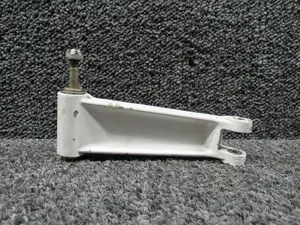




Parts listed for sale by vetted eBay sellers — confirmed on eBay at checkout.