Cessna 414A RAM VII EMERGENCY CHECKLIST
CESSNA 414 · Flight Manual
Overview
The Cessna 414A RAM VII Emergency Checklist provides critical emergency procedures for pilots operating the Cessna 414A aircraft. This document outlines immediate actions to take in various emergency situations, such as engine failure during takeoff, engine failure after takeoff, and cabin pressurization issues. It serves as a quick reference for pilots to ensure safety and proper handling of the aircraft in emergencies. The checklist emphasizes the importance of memorizing immediate actions and refers to the Cessna Airplane Flight Manual (AFM) for detailed procedures.
- Close throttles immediately during engine failure on takeoff below 92 KIAS.
- Climb at best rate-of-climb speed of 110 KIAS with one engine inoperative.
- Maintain a bank of 3° toward the operative engine during engine failure procedures.
- For engine inoperative landing, approach at 108 KIAS and ensure landing gear is down within gliding distance.
- In case of cabin overpressure, pull pressurization air controls and descend to 10,000 feet if necessary.
Document
Source
Originally published by tomgorski.com. Sprinkle hosts a reference copy with an added summary, specifications and searchable full text.
Document details
- Type
- Flight Manual
- Pages
- 2
- File size
- 43 KB
- Publisher
- tomgorski.com
Specifications & performance
Extracted from this document.
Specifications
- Propeller
- FULL FORWARD
Common. One of the most common aircraft types we track.
Full essential library on file for the CESSNA 414.
CESSNA 414 for sale now
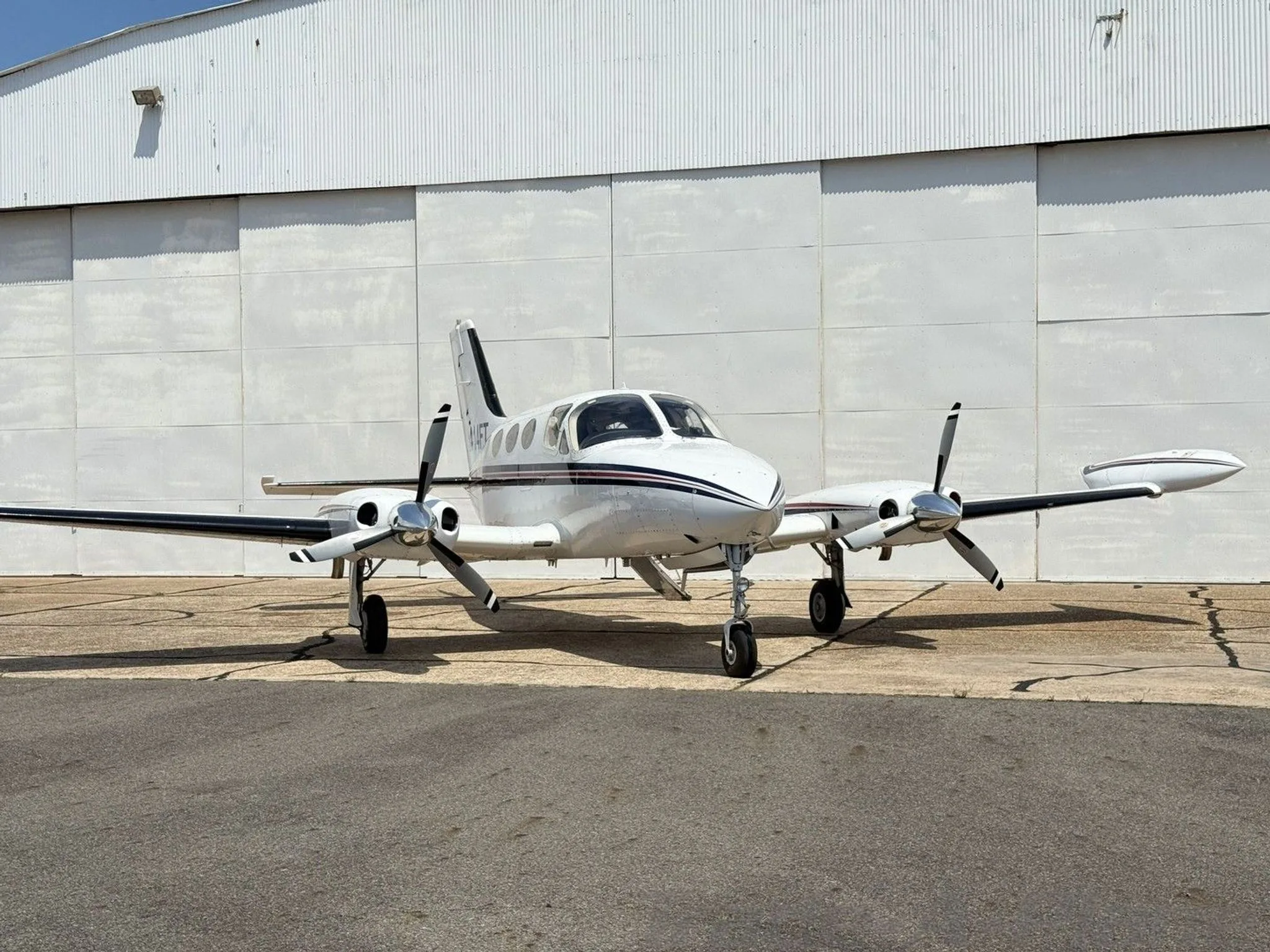
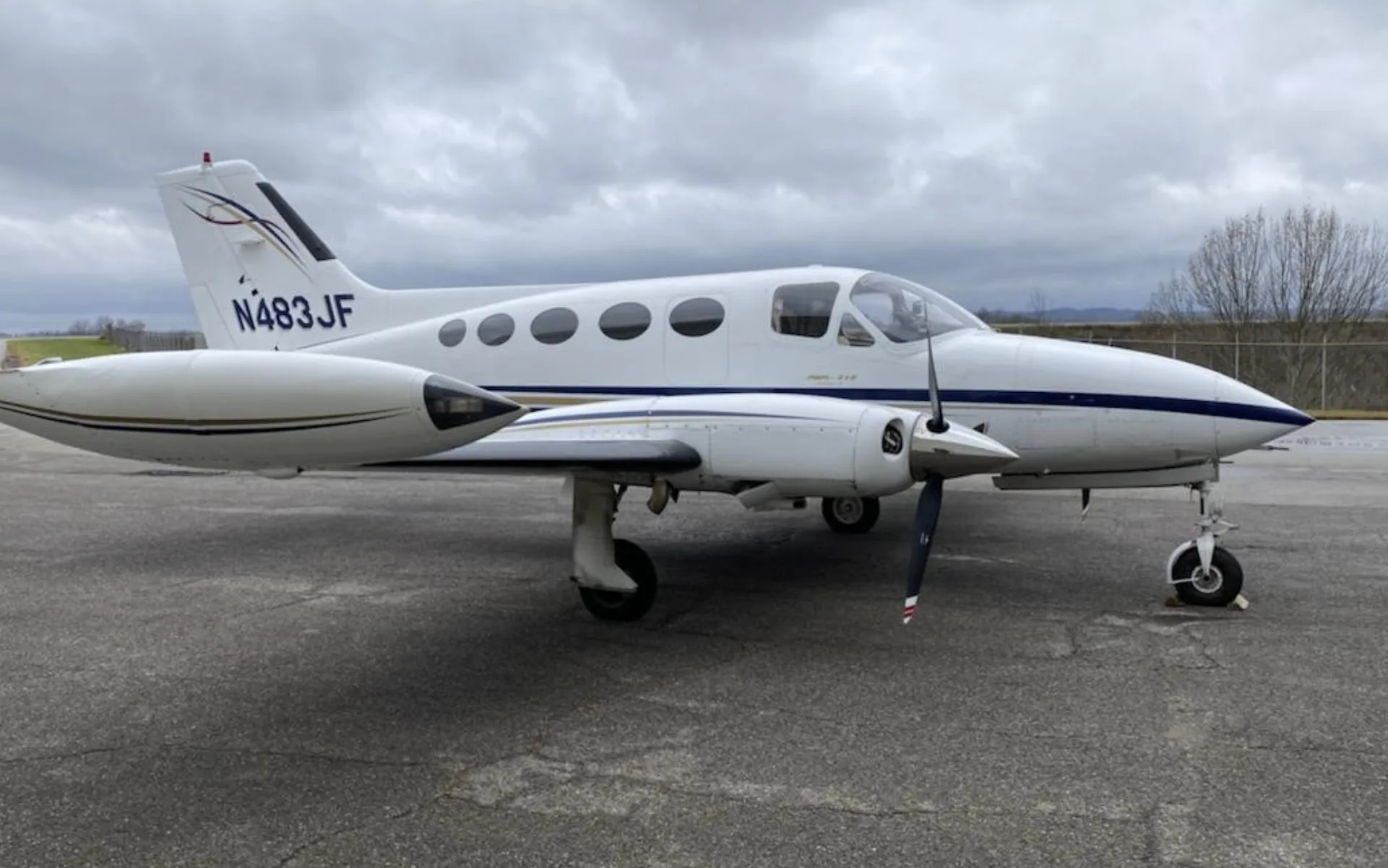

Free — save the 414 to your watchlist and track it in one place.
More CESSNA 414manuals & documents
See all 33 →- C-414 Initial/Transition Ground Training Student Guide - Tom GorskiSystems Description
- C-414A Transition Flight Training Student GuideV Speeds Reference
- C-414 Initial/Transition Flight Training Student Guide - Tom GorskiNormal Procedures
- NAVIGATION - STALL WARNING HORN REPLACEMENTService Bulletins
- AC 150/5220-10F, Guide Specification for Aircraft Rescue and Fire ...Specifications
- SERVICE BULLETIN No. 058 Rev. A Turbocharger - Back Plate Assembly Replacement at OverhaulMaintenance Manual
- Aviation Accident Factual ReportOther Documents
- RAM Performance - Cessna 414 Series VIIPilot's Operating Handbook
- AAIB Bulletin: 4/2019 N414FZ EW/G2018/06/33Other Documents
- Type Acceptance Report TAR 6/21B/14 – Cessna 400 SeriesOther Documents
- Aviation Accident Final ReportOther Documents
- C-414 NORMAL CHECKLISTPilot's Operating Handbook
If you fly the CESSNA 414, you may also be researching these.

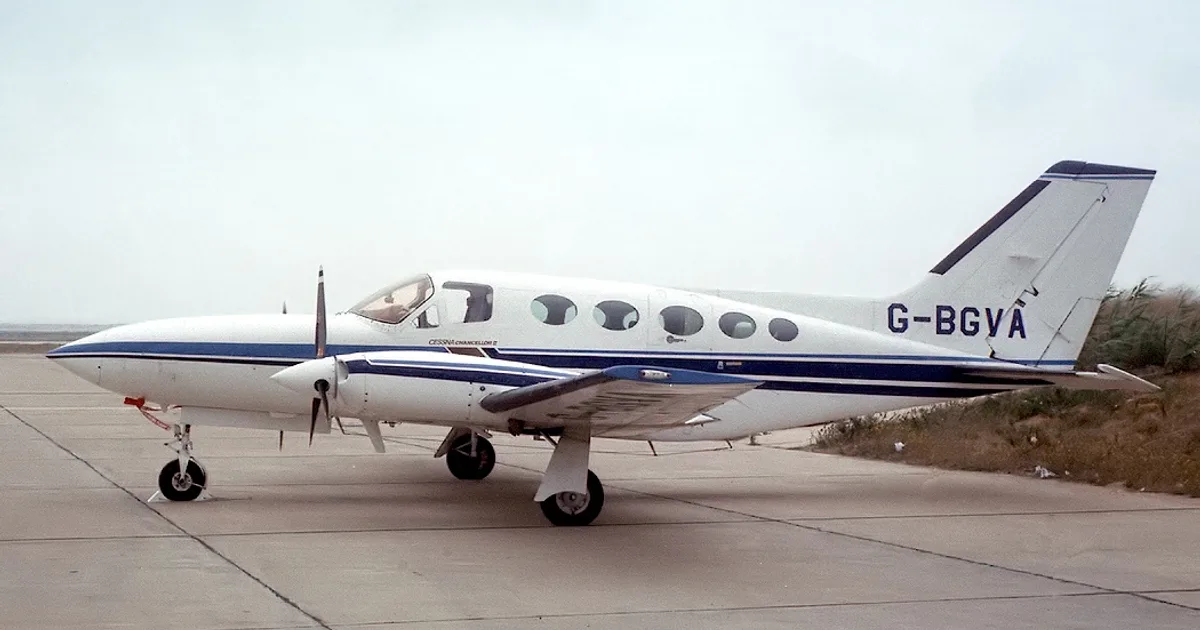


In this document
Engine Failure During Takeoff
This section details the immediate actions required if an engine fails during takeoff with the aircraft speed below 92 KIAS or with the landing gear down. Pilots must close the throttles immediately and apply brakes as required. It also notes the importance of understanding the Accelerate Stop Distance chart for various conditions.
Engine Failure After Takeoff
In the event of an engine failure after takeoff, this section outlines a series of steps including adjusting mixtures, propellers, and throttles, as well as checking the landing gear position. It specifies the best performance bank and yaw settings, climb speeds, and procedures for securing the inoperative engine.
Engine Inoperative Landing
This section provides a checklist for landing with an inoperative engine, including fuel selector settings, auxiliary fuel pump operation, and approach speeds. It emphasizes the importance of maintaining a safe speed and altitude during the approach.
Cabin Overpressure and Loss of Pressurization
Procedures for handling cabin overpressure and loss of pressurization are outlined, including emergency descent protocols and the use of supplementary oxygen.
Engine Inoperative Go-Around
This section describes the steps to take for a go-around with an inoperative engine, including throttle settings, flap positions, and climb procedures.
Safety notes
- Immediate action items should be committed to memory.
- Do not attempt an engine inoperative go-around after wing flaps have been extended beyond 15 degrees.
Full document text
Cessna 414A RAM VII EMERGENCY CHECKLIST Procedures in bold are immediate-action items and should be committed to memory. Refer to Cessna AFM for the remainder of the emergency procedures checklist items. ENGINE FAILURE DURING TAKEOFF (Speed Below 92 KIAS Or Gear Down) 1. Throttles...................CLOSE IMMEDIATELY 2. Brake Or Land And Brake ...........AS REQ’D NOTE: The distance required for the airplane to be accelerated from a standing start to 92 KlAS on the ground, and to decelerate to a stop with heavy braking, is presented in the Accelerate Stop Distance chart in Section 5 of AFMS_RAM_7 for various combinations of conditions. ENGINE FAILURE AFTER TAKEOFF (Speed Above 92 KIAS With Gear Up Or In Transit) 1. Mixtures ....................................FULL RICH 2. Propellers ........................FULL FORWARD 3. Throttles ...........................FULL FORWARD 4. Landing Gear .............................CHECK UP 5. Inoperative Engine: a. Throttle ..................................CLOSE b. Mixture ......................IDLE CUT-OFF c. Propeller ............................FEATHER 6. Establish Best Performance Bank and Yaw: Bank - 3° toward operative engine and apply rudder for a slip indication of ½ ball out-of-center toward operative engine. 7. Climb To Clear 50-Foot Obstacle - 92 KIAS 8. Climb At One Engine Inoperative Best Rate-of- Climb Speed - 110 KIAS 9. Trim Tabs - ADJUST 10. Cowl Flap - CLOSED on inoperative engine 11. Inoperative Engine - SECURE as follows: a. Fuel Selector Inoperative Engine OFF (Feel For Detent) b. Auxiliary Fuel Pump Inoperative Engine - OFF c. Magneto Switches Inoperative Engine - OFF d. Alternator Inoperative Engine - OFF 12. As Soon As Practical - LAND. 13. Electrical Load - DECREASE to minimum required. Schedule fuel use such that an adequate amount of fuel is available in the operative engine main tank for landing. Crossfeed as required to maintain lateral balance within 120 pounds per side. When crossfeeding, maintain level flight, maintain altitude greater than 1000 feet AGL and position inoperative engine auxiliary fuel pump to LOW. ENGINE INLET AIR SYSTEM ICING EMERGENCY PROCEDURES (AIR INLET OR FILTER ICING) NOTE: See Cessna Model 414A Airplane Flight Manual for amplified procedure. 1. Alternate Air Control(s).............PULL OUT 2. Propeller(s)............................... INCREASE (2650 rpm for normal cruise) Mixtures(s).................... LEAN as required Pressurization Air Control(s).......... PULL LH and/or RH as necessary A. With Both Pressurization Air Sources Dumped: 1. Cabin Vent Control....................PULL 2. Cabin Pressurization Switch.......................DEPRESSURIZE b. Above 10,000 ft with Both Pressurization Air Sources Dumped: 1. If Supplementary Oxygen Not Available....EMERGENCY DESCENT to 10,000 ft 2. If Supplementary Oxygen Available: (a) Oxygen Knob ................PULL ON (b) Assure each occupant is using oxygen. (c) Descend as soon as practical to 10,000 ft. ENGINE INOPERATIVE LANDING 1. Fuel Selector - MAIN TANK (Feel Detent). 2. Auxiliary Fuel Pump - ON (Operative Engine). 3. Alternate Air Control - IN. 4. Mixture - FULL RICH or lean as required for smooth operation. 5. Propeller Synchrophaser - OFF (Optional System). 6. Propeller - FULL FORWARD. 7. Approach - 108 KIAS with excessive altitude. 8. Landing Gear - DOWN within gliding distance of field. 9. Wing Flaps - DOWN when landing assured. 10. Speed - DECREASE below 94 KIAS only if landing is assured. 11. Air Minimum Control Speed - 79 KIAS. ENGINE INOPERATIVE GO-AROUND (Speed Above 92 KIAS) WARNING: Level flight may not be possible for certain combinations of weight, temperature and altitude. In any event, do not attempt an engine inoperative go-around after wing flaps have been extended beyond 15. 1. Throttle - FULL FORWARD 2. Wing Flaps - UP (If Extended) 3. Positive Rate-of-Climb - ESTABLISH 4. Landing Gear - UP 5. Cowl Flap - OPEN 6. Climb at One Engine Inoperative Best Rate-of-Climb Speed - 110 KIAS. 7. Trim Tabs - ADJUST Bank - 3° toward operative engine and apply rudder for a slip indication of ½ ball out-of-center toward operative engine. CABIN OVERPRESSURE (Over 5.3 PSI) 1. Pressurization Air Controls - PULL 2. If Above 10,000 Feet and Supplementary Oxygen is Not Available -EMERGENCY DESCENT TO 10,000 3. If Above 10,000 Feet and Supplementary Oxygen is Available: a. Oxygen Knob - PULL ON. b. Assure each occupant is using oxygen LOSS OF PRESSURIZATION ABOVE 10,000 FEET 1. Without Supplementary Oxygen - EMERGENCY DESCENT TO 10,000 FEET 2. With Supplementary Oxygen: a. Oxygen Knob - PULL ON b. Assure each occupant is using oxygen c. Descend as soon as practical to 10,000 Feet PRESSURIZATION AIR CONTAMINATION 1. Pressurization Air Control(s) - PULL LH and/or RH as necessary a. With Both Air Sources Dumped: (1) Cabin Vent Control - PULL (2) Cabin Pressurization Switch - DEPRESSURIZE b. Above 10,000 Feet with Both Air Sources Dumped: (1) If Supplementary Oxygen is Not Available - EMERGENCY DESCENT TO 10,000 FEET. (2) If Supplementary Oxygen is Available: a. Oxygen Knob - PULL ON. b. Assure each occupant is using oxygen. c. Descend as soon as practical to 10,000 Feet. During engine inoperative takeoff procedures over an obstacle, only one condition presents any appreciable advantage; this is headwind. A decrease of approx. 6% in ground distance required to clear a 50-foot obstacle can be gained for each 10 knots of headwind. Excessive speed above one engine inoperative best rate-of-climb speed at engine failure is not nearly as advantageous as one might expect since deceleration is rapid and ground distance is used up quickly at higher speeds while the airplane is being cleaned up for climb. However, the extra speed is important for controllability. The following facts should be used as a guide at the time of engine failure during takeoff: (1) discontinuing a takeoff upon engine failure is advisable under most circumstances;
Show full textShow less
(2) altitude is more valuable to safety after takeoff than is airspeed in excess of the one engine inoperative best rate-of-climb speed since excess airspeed is lost much more rapidly than is altitude; (3) climb or continued level flight at moderate altitude is improbable with the landing gear extended and the propeller windmilling; (4) in no case should the airspeed be allowed to fall below the intentional one engine inoperative speed, even though altitude is lost, since this speed will always provide a better chance of climb, or a smaller altitude loss, than any lesser speed; and (5) if the requirement for an immediate climb is not present, allow the airplane to accelerate to the one engine inoperative best rate-of-climb speed as this is the optimum climb speed and will always provide the best chance of climb or least altitude loss.
What's in the CESSNA 414 TCDS
A Type Certificate Data Sheet (TCDS) is the FAA's record of what an aircraft type was approved as. It is the source of truth for weights, seating, fuel and the rules the design was certified against. Expand any line to see what it means.
1,386 CESSNA 414 parts for sale
See all →
Parts listed for sale by vetted eBay sellers — confirmed on eBay at checkout.