Checklist for Cirrus SF50 Vision Jet
Cirrus SF50 Vision Jet · Checklist
Overview
This document serves as a checklist for the Cirrus SF50 Vision Jet, providing pilots with a structured approach to pre-flight, in-flight, and post-flight procedures. It is designed to enhance safety and ensure that all critical systems are checked and verified before and during flight operations. The checklist is essential for both experienced pilots and those new to the aircraft, ensuring compliance with operational standards and enhancing situational awareness. The document includes various sections that cover essential tasks and checks that must be performed to maintain the aircraft's airworthiness and operational readiness.
- Perform a thorough Preflight Inspection to ensure aircraft readiness.
- Follow the correct sequence for Engine Start to avoid damage.
- Complete all Before Takeoff checks to ensure safety and compliance.
- Monitor engine performance and systems during flight.
- Conduct Post-Flight Procedures to secure the aircraft and document any issues.
Document
Source
Originally published by cirrus.cz. Sprinkle hosts a reference copy with an added summary, specifications and searchable full text.
Document details
- Type
- Checklist
- Pages
- 11
- File size
- 4.4 MB
- Publisher
- cirrus.cz
Common. One of the most common aircraft types we track.
Most owners only have the POH. Here's the essential set for the Cirrus SF50 Vision Jet.
Cirrus SF50 Vision Jet for sale now


Free — save the SF50 to your watchlist and track it in one place.
More Cirrus SF50 Vision Jetmanuals & documents
- Cirrus SF50 Vision Jet ChecklistChecklist
- Aircraft Ownership Made EasyService Bulletins
- Normalization of Deviance in Aviation – The Safety ShortcutEmergency Procedures
- Pro Tips for Maintenance Cirrus CAPS SystemsTraining Manual
- Airworthiness Directives; Cirrus Design Corporation AirplanesService Bulletins
- Actually AccurateParts Catalog
- Summary ReportOther Documents
- Cirrus SF50 Vision Jet Avionics ManualAvionics Manual
- Hitting the SilkOther Documents
- Operations ManualPilot's Operating Handbook
- Maintenance Manual for Cirrus SF50 Vision JetMaintenance Manual
- Service Bulletins for the Cirrus SF50 Vision JetService Bulletins
If you fly the Cirrus SF50 Vision Jet, you may also be researching these.


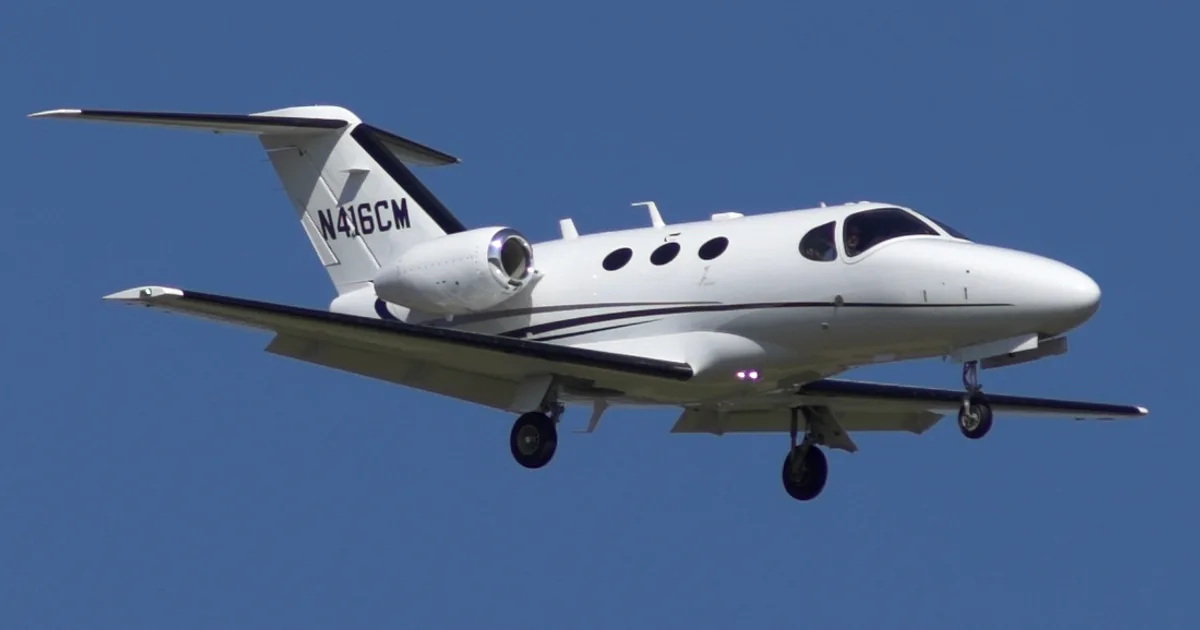
In this document
Preflight Inspection
The Preflight Inspection section outlines the necessary checks to be performed before flight, including visual inspections of the aircraft's exterior, fuel levels, and control surfaces. Pilots are advised to verify that all safety equipment is onboard and functional.
Engine Start Procedures
This section details the steps required to safely start the engine, including verifying fuel flow, checking electrical systems, and monitoring engine parameters. It emphasizes the importance of following the correct sequence to prevent damage to the aircraft.
Before Takeoff
The Before Takeoff checklist includes critical checks such as verifying flight controls, setting flaps, and ensuring that all instruments are functioning correctly. Pilots must also confirm that the runway is clear and that the aircraft is properly configured for takeoff.
In-Flight Checks
In-Flight Checks cover procedures that should be followed during flight, including monitoring engine performance, fuel consumption, and navigation systems. This section serves as a reminder for pilots to stay vigilant and manage the aircraft's systems effectively.
Post-Flight Procedures
The Post-Flight Procedures section provides guidance on shutting down the aircraft, securing it, and conducting a post-flight inspection. Pilots are encouraged to document any discrepancies or maintenance issues that arise during the flight.
Safety notes
- Always verify that safety equipment is onboard before flight.
- Ensure that all systems are functioning correctly before takeoff.
Full document text
DO YOUR OWN MAINTENANCE INSTRUMENT CHART QUIZ / HOW IT WORKS: TRAILING-LINK LANDING GEAR MAR WEIGHT & BALANCE SIMPLIFIED FLYING 2017 VOL.144, ISSUE 03 FLYINGMAG.COM SINCE 1927 WE FLY Cirrus SR22 G6 THE MOST ADVANCED PISTON SINGLE EVER FEATURING THE GARMIN PERSPECTIVE+ COCKPIT BE A SAFER PILOT HOW TO STAY SHARP AND MANAGE RISKS LIKE A PRO GEAR ESSENTIALS EVERYTHING YOU NEED TO GET YOUR AVIATION DREAMS OFF THE GROUND Reprinted with permission from Flying, March 2017. Copyright Bonnier Corporation. All rights reserved. WE FLY CIRRUS SR22 G 6 FEATURING THE NEW PERSPECTIVE+ AVIONICS SYSTEM AND UPGRADED LED EXTERIOR LIGHTING, IT'S THE MOST ADVANCED SR22 EVER STORY BY STEPHEN POPE PHOTOS BY JIM KOEPNICK Y MARCH 2017 | FLYINGMAG.COM ou know you've touched down someplace worth visiting when the tropical breezes moving through the palm trees instantly make you forget all about the ice and snow back home, the emerald-green waters are dotted with sailboats headed for their next island anchorage, and the refrigerator in the pilot supply shop is stacked high with silken Key lime pies for sale. My kind of place. I began unloading gear from the baggage compartment of N833JR as the friendly customer service rep- resentative who greeted us with a golf cart on the ramp at Florida Keys Marathon Airport remarked that ours was the nicest Cirrus SR22 she'd ever seen. As I swung my bags onto the golf cart's back seat and hopped aboard, I couldn't help but think how right she was. This particular SR22T GTS, a 2017 Generation 6 model, was, in truth, the nicest on the planet by vir- tue of the fact that it was the only G6 yet in existence. Painted in an attractive Athens blue and sterling gray paint scheme, it was different enough from a G5 SR22 that my traveling companion, Cirrus SR product-line manager Ivy McIver, went to great lengths to ensure no snooping eyes on the ramp could deduce that this was the new gen- eration. She set to work fitting wing- tip covers over the telltale Whelen Engineering-designed LED light strips and strategically placing sun shades in the windscreen and side windows so that no one could peer inside and see the new Perspective+ avionics system with its qwerty-style keyboard and subtly altered buttonology. My introduction to the G6 SR22 included a half-dozen flights over the span of three days in mid-December. By now the secret is out and the G6 is the talk of the Cirrus-owner commu- nity - but at that time flying the new model required stealth since it was among the most closely guarded se- crets in all of general aviation. As we rode in the golf cart to re- trieve our rental car from the sleepy PERSPECTIVE+ IS 10 TIMES FASTER THAN THE PREVIOUS AVIONICS. airline terminal next door to the Marathon General Aviation FBO, I thought back to the journey that had brought us here. The adventure start- ed the morning before in the cold at my home field, Morristown Municipal Airport (KMMU) in New Jersey. ATC assigned us the Morristown Six Departure to join up with VI, the air- bound equivalent of the East Coast's Route 1, and follow it for roughly the next 600 nautical miles to Charleston Executive Airport (KJZI) where we'd refuel and grab lunch. The skies were clear until we reached Charleston, where a wide band of heavy rain slid across Georgia and South Carolina. The conditions were predicted to remain crummy into the afternoon. To that point, I'd been enjoying exploring the new features of the Perspective+ avionics system, which is based on Garmin's new G1000 NXi platform, but now I was about to gain my first inkling that the added technological capabili- ties really do warrant referring to this SR22 as a whole new generation. Because of its greatly increased computing horsepower, Perspective+ is 10 times faster than the previous Perspective avionics in the G5 Cirrus, making enhanced capabilities pos- sible. What stood out to me was the animated Nexrad radar images on the SiriusXM weather depiction that showed the movement of the storm cells and convinced me that landing to the east on Runway 9 was the prudent course of action despite the wind very slightly favoring an arrival from the opposite direction. is better. With the approach activated, we slid down the ILS and broke out at 700 feet to land on the rain-soaked runway. Ivy covered the wingtips and interior and ordered a fuel top-off be- fore we headed into Atlantic Aviation and procured a crew car to take us for lunch at a seafood joint called Lokal Seabar on nearby Johns Island. INTO THE MUCK Entering waypoints and approaches using the qwerty keyboard is so much easier than the alphanumeric key- pad in my airplane that I've decided there's really no point debating which Our next leg after lunch would take us through the worst of the rain into Florida. Here again, the ani- mated Nexrad imagery available in Perspective+ came in handy as we flew through green areas of precipitation on the map into yellow with heavier Subtle cockpit changes add up to major improvements. 1. The qwerty- style keyboard that replaces the previous alphanumeric keypad is a revelation in Perspective+ that just makes sense. 2. The handy home button ensures pilots never get lost in the mire or, if they do, lets them start over easily from scratch. 3. Numeric keys light up in blue when they are active for entering data, such as a nav or comm frequency. 4. The overall layout of Perspective+ will be familiar to pilots flying with previous versions of the Garmin system, ensuring a quick and easy transition. RANGE FMS COM/NAV CRS/XPOR FPL PROC NAV XPOR PUSH PUSH 12 CRSR CRS CTR VOL CLR ENT 食 + IDE 000000 SD HDG APR AP LVL PUSH SYNC EMERG TY U BKSP G H CLR SPC ENT ALT SEL が PUSH 50/10 GARMIN ZANGYTCH Dis 18.7 ETE 06:07 85% Power GPS AP YO ALT 12000 135.500-125.600 16 118.050 121.700 2 APPROACH 12000 ON833JR 180 12200 170- 12100 1 160 153 12000 140 NO ACTONTE NAVEDETER 130- GPS ABOVE YANG Vuce HDG 268 A TERM 272 11900-1 11800 G 187KT TAI 187KT 29.92
Show full textShow less
LINEARLY WITH ACTITUDE NE 25.000 375 350 KIAS N833JR BOTH START MARCH 2017 | FLYINGMAG.COM FANCY DAT -9°C GAT 16% Mip SNOW BARO GARMIN 1 11470-109-109.50 GS 187x DTK 272 2 116.00 112 112.60 TRK 272 Map-Navigation Map FOB 76GAL %Par 8585 RPM 2500 500 Man Hg 305 30.5 LA 183 Gal Flow GPM Gal Used 80' 13.9 RANGE MENU CLA ENT Θ. 7 x V HDG APRI AP OXYGEN OFF AUX D TURN BOOST PR SHOVINING TAKE ON CLIMB LANDING AND SWITCHING FUEL TANKS BOOST 165 65 12000 5000- CRSDR COM NAV 4 C O O © F GRE OTS ENT ALT SEL FLAPS DEST ETE 1+08 FOU S6G KSUM D 209 BAG 315 ORE EXOWLGY KEMM KPNA Detail Charts Checklist FASTEN SEATBELTS NO SOKING FIRE EXTINGUISHER FORWARD LEFT OF FILOT SEAT R Perspective+ by Garmin in the G6 Cirrus SR22 1. Faster processors and added memory mean the avionics start faster, provide crisper and more vibrant visuals, and allow for a long list of advanced features. 2. A moving map can be overlaid on the HSI on the primary flight display to present a tactical look at traffic, terrain and other information. 3. Animated SiriusXM Nexrad imagery allows the pilot to see the movement of storm cells to aid with inflight decisions. 4. A new vertical situation display incorporates terrain profile, taking into consideration the active flight plan, altitude constraints and winds aloft. 5. There's no longer a dedicated yaw damper button on the autopilot control panel, since it comes on and off automatically. 6. ATC frequency IDS tell you at a glance who you're talking to. XPOR 3364 ALT XPOR FUS PARKING BRAKE HDG PUMP R IDE IDLE MARCH 2017 | FLYINGMAG.COM AN INTERIOR THAT'S MADE FOR LONG FLIGHTS BOSE A number of features introduced in the previous generation SR22, such as headset holder straps on the front seats, room for five people and all-electronic standby instruments, carry over to the G6. rain and turbulence. We could see that our course would take us quickly through the weather and rode out the bumps secure in the knowledge that the conditions the rest of the way to Miami would be much improved. Our reward for cinching down our seat belts over South Carolina and parts of Georgia was the opportu- nity to break out into glorious skies for some cloud surfing as we skipped in and out of the tops of wispy vapor against a sky ablaze in the Day-Glo ka- leidoscope of the late-afternoon sun. "It's time for some tunes, don't you think?" Ivy suddenly suggested. I con- curred and she called up SiriusXM's Pop2K channel. Our headsets filled with dance-rock anthems that served as an energizing complement to the dazzling cumuliform vistas unfolding before us. One of the songs that came on was Good Charlotte's "Lifestyles of the Rich and Famous," a single infused with punk-pop tempos and heavily steeped in class envy (the song's lyrics advocate robbing the mansions of the wealthy). Ironically, Good Charlotte's members today are grown men with families who admit to using aviation to its full advantage to see their kids more often while on tour. They just so happen to be rich and famous them- selves now too thanks to a string of hit songs and are no longer trying to stick it to the man. song, it got me thinking. More people with the means to fly themselves in an airplane like this one really should. The SR22 is fast, safe, comfortable and a blast to fly. If only more people who could afford one understood what a personal time machine it really is. Of course, the SR22 is already the best- selling general aviation airplane in the world, with an annual production rate of around 300 SR models a year at the factory in Duluth, Minnesota. Still, I couldn't help but think the number should be a lot higher. Passing Florida's Space Coast, the sun at last bid us a final farewell. By the time we switched over to Miami Center, blackest night had fallen. The plan was to stop in Miami and continue on to Marathon Key early the next morning. As Miami Executive. Airport (KTMB) drew closer, the skies over South Florida became a hive of ac- tivity. We kept a watchful eye outside the cockpit and on the traffic display as ATC vectored us for landing on KTMB's Runway 27R. The approach controller asked if I'd prefer the RNAV or a visual approach. I opted for the latter to give me the chance to try out another new feature in Perspective+, the ability to select a visual approach to any runway from the procedures menu. A few button presses later and I was receiving ILS-like guidance cues that took us all the way to the runway threshold. We grabbed an Uber from the air- port, checked into our hotel and then headed back out for dinner. After first confirming I was cool with raw fish, Ivy suggested Pisco y Nazca, a nearby Peruvian ceviche gastrobar. The ceviche was the best I've had, but the revelation for me was the crunchy corn kernels bathed in a light sauce, a perfect compromise between popcorn and nuts. I could have kept munching As I sat in the left seat listening to the on them all evening. MORE THAN 10,000 PEOPLE VISIT MARATHON'S TURTLE HOSPITAL EACH YEAR, MAKING IT ONE OF THE PREMIER ATTRACTIONS IN THE FLORIDA KEYS. We met up at breakfast the next morning to discover a 400- foot overcast layer that I confidently predicted would burn off by the time we got to the airplane. Of course, I was wrong. All set to depart but without a flight plan in the system, we tried our luck by asking clearance delivery for an IFR routing through the Miami Class B to Marathon. No dice. We'd have to file a flight plan. Not a problem, Ivy said. With a few taps on her iPhone, she created the flight plan in the Garmin Pilot app, filed it, and then used the wireless connectivity built into Perspective+ to beam the route into the flight deck. I sat dumbfounded as Ivy keyed the mic no more than a minute after her previous radio call and asked for our IFR routing. Within moments the controller came back with the magic words: "Cirrus 833JR, cleared as filed." Ivy and I grinned like we'd just robbed a bank. Minutes later, I was rotating off Runway 9R and climb- ing through the thin cloud layer into the brilliant morning sunshine toward the coral cay chain of islands that stretch 113 miles to Key West and the uninhabited Dry Tortugas beyond. We sounded like the tourists from the north that we were when we asked for a direct routing to a fix called MNATE at the top of the Keys. We both got a chuckle that we botched the name so badly after the controller responded, "833JR, cleared direct Manatee." Of course. ISLAND TIME Dropping down low as the cloud layer broke up nearer the middle Keys, we got our first glimpses of what would be the stunning backdrop for two air-to-air photo missions, one scheduled for that afternoon and the other for the follow- ing morning. Since we had some time to kill before the first photo flight, Ivy suggested we check out one of island's main tourist attractions, the Marathon Turtle Hospital. Founded in the mid-1980s in a converted seaside motel, the hospital has helped rescue and rehabilitate more than 1,000 sea tur- tles that are brought in from all across the Florida Keys. The Turtle Hospital has operating rooms, X-ray machines, and a seawater swimming pool where the turtles can contentedly frolic. More than 40,000 people visit the hospital each year, making it one of the premier attractions in the Florida Keys. That afternoon, we met up with photographer Jim Koepnick and photoship pilot Bruce Moore to brief the flight and head out in formation over the Seven Mile Bridge, Boot Key Harbor and Marathon Lighthouse in the softening after- noon light in search of postcard-perfect vistas. 2017 GENERATION 6 CIRRUS SR22T GTS Price Engine Propeller Seats $862,900 Continental TSIO-550-K (315 hp) Hartzell, three-blade composite, constant speed Five Length 26 feet 8.9 feet Height Wingspan Wing area Wing loading Power loading 38.3 feet 144.9 square feet 24.8 pounds/square foot 11.4 pounds/hp Max takeoff weight 3,600 pounds Max zero fuel weight 3,400 pounds Empty weight Useful load 2,270 pounds 1,330 pounds Max usable fuel Max operating altitude Max rate of climb Never-exceed speed (VNE) Max structural cruise (VNO) Max range Stall speed, flaps up Stall speed, full flaps Takeoff distance 92 gallons/553 pounds 25,000 feet 1,203 fpm 205 kias 176 kias 1,021 nm (45-minute reserve) 74 kias 61 kcas 1,517 feet 2,080 feet 1,178 feet Landing over 50 feet 2,535 feet Takeoff over 50 feet Landing distance MARCH 2017 | FLYINGMAG.COM MORE THAN 10,000 PEOPLE VISIT MARATHON'S TURTLE HOSPITAL EACH YEAR, MAKING IT ONE OF THE PREMIER ATTRACTIONS IN THE FLORIDA KEYS. We met up at breakfast the next morning to discover a 400- foot overcast layer that I confidently predicted would burn off by the time we got to the airplane. Of course, I was wrong. All set to depart but without a flight plan in the system, we tried our luck by asking clearance delivery for an IFR routing through the Miami Class B to Marathon. No dice. We'd have to file a flight plan. Not a problem, Ivy said. With a few taps on her iPhone, she created the flight plan in the Garmin Pilot app, filed it, and then used the wireless connectivity built into Perspective+ to beam the route into the flight deck. I sat dumbfounded as Ivy keyed the mic no more than a minute after her previous radio call and asked for our IFR routing. Within moments the controller came back with the magic words: "Cirrus 833JR, cleared as filed." Ivy and I grinned like we'd just robbed a bank. Minutes later, I was rotating off Runway 9R and climb- ing through the thin cloud layer into the brilliant morning sunshine toward the coral cay chain of islands that stretch 113 miles to Key West and the uninhabited Dry Tortugas beyond. We sounded like the tourists from the north that we were when we asked for a direct routing to a fix called MNATE at the top of the Keys. We both got a chuckle that we botched the name so badly after the controller responded, "833JR, cleared direct Manatee." Of course. ISLAND TIME Dropping down low as the cloud layer broke up nearer the middle Keys, we got our first glimpses of what would be the stunning backdrop for two air-to-air photo missions, one scheduled for that afternoon and the other for the follow- ing morning. Since we had some time to kill before the first photo flight, Ivy suggested we check out one of island's main tourist attractions, the Marathon Turtle Hospital. Founded in the mid-1980s in a converted seaside motel, the hospital has helped rescue and rehabilitate more than 1,000 sea tur- tles that are brought in from all across the Florida Keys. The Turtle Hospital has operating rooms, X-ray machines, and a seawater swimming pool where the turtles can contentedly frolic. More than 40,000 people visit the hospital each year, making it one of the premier attractions in the Florida Keys. That afternoon, we met up with photographer Jim Koepnick and photoship pilot Bruce Moore to brief the flight and head out in formation over the Seven Mile Bridge, Boot Key Harbor and Marathon Lighthouse in the softening after- noon light in search of postcard-perfect vistas. 2017 GENERATION 6 CIRRUS SR22T GTS Price Engine Propeller Seats Length Height Wingspan Wing area Wing loading Power loading $862,900 Continental TSIO-550-K (315 hp) Hartzell, three-blade composite, constant speed Five 26 feet 8.9 feet 38.3 feet 144.9 square feet 24.8 pounds/square foot 11.4 pounds/hp Max takeoff weight 3,600 pounds Max zero fuel weight 3,400 pounds Empty weight 2,270 pounds 1,330 pounds Useful load Max usable fuel Max operating altitude Max rate of climb Never-exceed speed (VNE) Max structural cruise (VNO) Max range Stall speed, flaps up Stall speed, full flaps Takeoff distance 92 gallons/553 pounds 25,000 feet 1,203 fpm 205 kias 176 kias 1,021 nm (45-minute reserve) 74 kias 61 kcas 1,517 feet 2,080 feet 1,178 feet Landing over 50 feet 2,535 feet Takeoff over 50 feet Landing distance MARCH 2017 | FLYINGMAG.COM THE SR22 IS A PERSONAL TIME MACHINE THAT CAN OFFER UP AMAZING EXPERIENCES. MARCH 2017 | FLYINGMAG.COM After sunset, we made a couple of low passes down the runway so that we could capture another of the unique features of the G6 SR22, the ethereal Spectra LED wingtip and downwash lights. I found it interesting to learn that the lights come on automatically when you press the key fob to unlock the doors and stay on until after take- off passing through 200 feet agl. The lights then turn on automatically on descent for landing at 200 feet. Also included with the lighting package are courtesy lights in the baggage com- partment and a downwash light on each step behind the wing. are crisper and more vibrant. That evening, the four of us had dinner at the Lighthouse Grill next to our hotel. Jim brought his lap- top loaded with hundreds of photos from the shoot. Even though there was more than enough spectacular photography for the article, we were eager to head out for another photo flight the next day, this time depart- ing from Marathon Key and traversing northeast up the island chain. In the morning, we loaded the obligatory Key lime pies into the Cirrus and Bruce's Cessna 210 and blasted off for another enjoyable and satisfying flight over the out to be a very wide left-hand traffic pattern. At one point, the controller asked what my speed was. I looked down to see 170 knots indicated. "Cleared for the visual Runway 8L, follow the MD-90, caution wake turbulence," he shot back, apparently satisfied that we weren't going to gum up the works. In the groove and sandwiched be- tween two jets, I maintained a speed above 150 knots all the way down the bumpy approach. A virtue of the Cirrus is that it slows in a hurry, and I had no trouble pulling the power back as I got closer to the runway, adding THE G6'S SPECTRA WINGTIP LIGHTS TURN ON AND OFF AUTOMATICALLY ON DEPARTURE AND ARRIVAL PASSING THROUGH 200 FEET AGL. The same is true for the yaw damper, which automatically comes on and off at 200 feet agl on departure and arrival, obviating the need for a yaw damper button on the Garmin GFC 700 autopilot control panel. Other nice features of Perspective+ include an improved vertical flight display; the ability to call up digitized VFR sectional charts and IFR low en-route charts on the flight displays; decoded ATC frequencies that tell you at a glance who it is you're talk- ing to; and a moving map overlay on the primary flight display's HSI that I came to like a lot after first wondering if I'd even want to turn it on. Thanks to the improved processors and extra computer memory, Perspective+ also boots up much faster, panning and zooming is effortless, and the displays lucid watercolor panoramas below. An hour or so later, we bid Bruce and Jim farewell and selected a course northward. The original plan had been to fly back to New Jersey, but the Cirrus was needed in Knoxville, Tennessee, the home of the newly christened Cirrus customer delivery center, for an oil change and more demo flights. We decided I'd airline it home and chose Hartsfield-Jackson Atlanta International Airport (KATL) as our destination. Besides offering convenient nonstop airline service, I was stoked to get the chance to add to my logbook a landing at the busiest airport in the country. As we neared KATL, Atlanta Approach told me to expect the visual to Runway 8L and issued vectors at 5,000 feet for what essentially turned flaps and making a normal touch- down, albeit farther down the runway than the MD-90 ahead of us to avoid his wake. It was a quick and easy taxi onto the GA ramp, and before I knew it I was stepping out into the too-cold sunshine and thanking Ivy for the in- credible experience. And really, that's what an airplane like the SR22 does best offers up amazing experiences that enrich its owners' lives while enabling them to accomplish more with their limited time. The G6 is the finest Cirrus piston airplane yet, and my guess is demand will remain strong for the new model even with the SF50 Vision Jet now certified. After all, the SR22 is an ideal airplane for a great many missions, not to mention a perfect step-up air- plane to the Vision Jet.
What's in the Cirrus SF50 Vision Jet TCDS
A Type Certificate Data Sheet (TCDS) is the FAA's record of what an aircraft type was approved as. It is the source of truth for weights, seating, fuel and the rules the design was certified against. Expand any line to see what it means.
347 Cirrus SF50 Vision Jet parts for sale
See all →


Parts listed for sale by vetted eBay sellers — confirmed on eBay at checkout.