CTC Operating Procedures and Guidelines
Cirrus SR22T G6 · Airworthiness Directives
Overview
This document outlines the operating procedures and guidelines for Cirrus Training Centers (CTCs) within the Cirrus Flight Training Network (FTN). It is designed for CTC owners, Certified Cirrus Instructors (CSIPs), and administrators, providing a framework for maintaining safety, instructional standards, and operational requirements. The guidelines aim to enhance the training experience for pilots operating Cirrus aircraft, particularly the SR22T G6, ensuring compliance with safety protocols and instructional quality. The document emphasizes the importance of a strong safety culture, standardized training, and effective communication within the network, ultimately contributing to the overall safety record of Cirrus aircraft operations.
- CTCs must establish a Safety Management System for reporting safety issues.
- Each CTC must have at least one CSIP with a minimum of 500 flight hours.
- All flight training must adhere to standardized operations outlined in the iFOM.
- Training records must be retained for at least three years.
- CTCs are encouraged to participate in the Platinum Program for enhanced training opportunities.
Document
Source
Originally published by cirrusaircraft.com. Sprinkle hosts a reference copy with an added summary, specifications and searchable full text.
Document details
- Type
- Airworthiness Directives
- Year
- 2021
- Pages
- 16
- File size
- 222 KB
- Publisher
- cirrusaircraft.com
Most owners only have the POH. Here's the essential set for the Cirrus SR22T G6.
Cirrus SR22T G6 for sale now
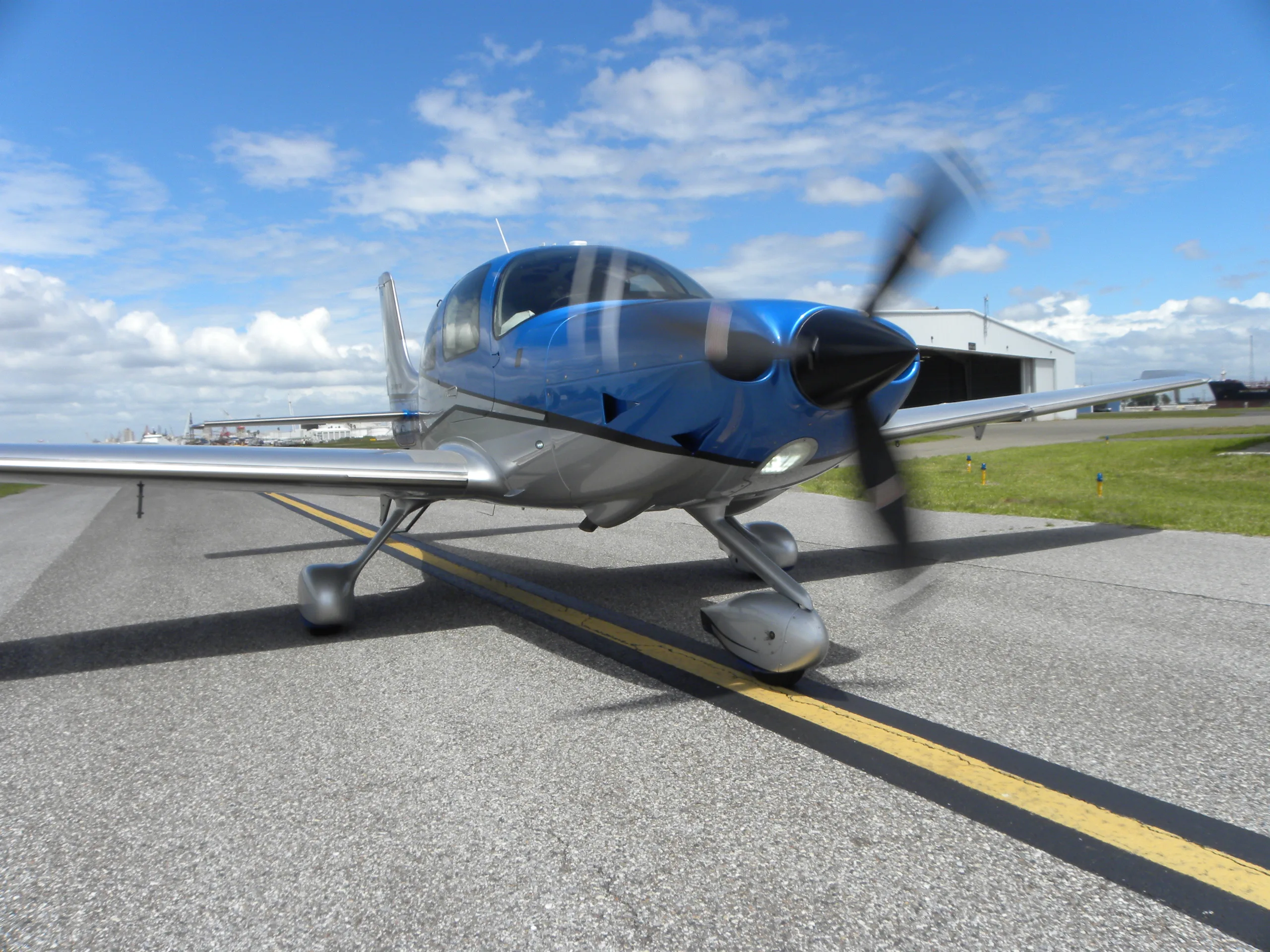
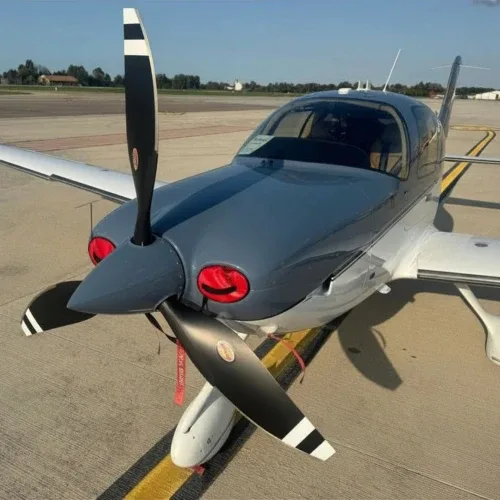
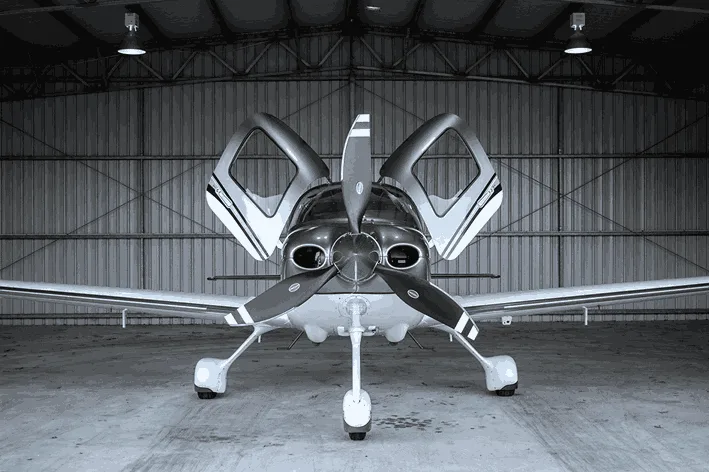
Free — save the SR22T G6 to your watchlist and track it in one place.
More Cirrus SR22T G6manuals & documents
See all 29 →- AVIATION SERVICE DOCUMENT NOTIFICATIONMaintenance Manual
- AAIB Bulletin: 5/2025Service Bulletins
- Airworthiness Directive Schedule Aeroplanes Cirrus SR20 and SR22Service Bulletins
- Installation ManualService Manual
- Airworthiness Directives for Cirrus SR22T G6Airworthiness Directives
- CIRRUS AIRCRAFT SR22T GTS G6Specifications
- 2022 G6 Cirrus SR22TSpecifications
- Cirrus SR2x Prebuy Examination—Scope and DetailChecklist
- INSTRUCTION – HEATER INSTALLATIONWiring Diagram
- 2021 Cirrus SR22T G6 GTSSystems Description
- PILOT’S OPERATING HANDBOOK AND FAA APPROVED AIRPLANE FLIGHT MANUAL for the CIRRUS DESIGN SR22Pilot's Operating Handbook
- SR22TSpecifications
If you fly the Cirrus SR22T G6, you may also be researching these.



In this document
Operational Requirements
This section details the safety management systems that each CTC must establish, including reporting procedures for incidents and accidents involving Cirrus aircraft. It emphasizes the importance of proactive safety measures, such as signage and education, and outlines the necessary documentation for flight standards and operations.
Staff Requirements and Qualifications
CTCs are required to maintain a minimum of one Certified Cirrus Instructor Pilot (CSIP) who meets specific qualifications, including holding a commercial pilot certificate and having logged a minimum of 500 flight hours. This section outlines the training and operating guidelines for Training Center Instructors (TCIs) and the necessary qualifications for staff.
Training Requirements and Agreements
This section covers the standardization of flight and ground training, ensuring all instruction adheres to the guidelines set forth in the iFOM and Approach LMS courseware. It also specifies the requirements for course completions and renter pilot checkout procedures.
Administrative Requirements
CTCs must maintain accurate records for instructors and students, retaining training records for at least three years. This section outlines the requirements for instructor records, customer records, and the renewal and standardization review process.
Programs
The document describes various programs available to CTCs, including the Platinum Program and the Embark Program, which provide additional training and support for instructors and pilots transitioning to Cirrus aircraft.
Safety notes
- All incidents and accidents involving Cirrus aircraft must be reported within 24 hours.
- CTCs must maintain a strong safety culture through regular safety meetings.
Full document text
v.1 2021 (FTN) CTC Operating Procedures and Guidelines 110 Tyson Blvd, Suite 201 Alcoa, Tennessee 37701 Cirrus Training Center eProcedures CTC eProcedures 1 January 2021 Table of Contents Forward The Cirrus Flight Training Network (FTN) is the world’s most extensive and capable general aviation training network consisting of some of the most proven flight educators in the business. With over 90 Cirrus Training Centers, 400+ Training Center Instructors and over 375 CSIPs in 17 countries, it is no wonder that the SR model line of Cirrus aircraft boast an overall worldwide accident rate that is far lower than the General Aviation accident rate (per/100k hours) for N-registered aircraft. The Cirrus Flight Training Network has been instrumental in achieving that safety record and is integral to the success of Cirrus Aircraft and the popularity of the SR in the general aviation market. Together, with this network, the Regional Training Manager and Cirrus Flight Operations teams collaborate to develop relationships which enhance flight safety, SR customer experience and satisfaction, and provide value to our global Flight Training Network through our mission and goals: “Inspire safer pilot communities by connecting our students to the core values of Cirrus and consistently delivering the industry’s best learning experiences through a worldwide network of elite, standardized training partners” Flight Training Network 2021 Goals Improve our Best-in-Class safety record Develop highest caliber instruction to provide the world’s best learning experiences Increase value for all FTN stakeholders by growing aviation through the promotion of Cirrus CTC eProcedures 2 January 2021 Table of Contents Table of Contents Pg. 3 eProcedures Definition and Expectations Part 1. Operational Requirements: Pg. 3 Section 1. Safety Pg. 3 Section 2. Safety Response Reporting Procedures Pg. 3 Section 3. Flight Standards and Operation Manual Pg. 4 Section 4. Aircraft, Flight Simulators, Flight Training Devices, Training Aids Pg. 5 Section 5. Communication and Information Pg. 5 Section 6. Signage Requirements Part 2. Staff Requirements and Qualifications: Pg. 6 Section 7. CSIP Requirement Pg. 6 Section 8. Training Center Instructor (TCI) Training and Operating Guidelines Pg. 7 Section 9. Probationary TCI Pg. 8 Section 10. Removing a TCI Pg. 8 Section 11. CTC Staff Training, Currency, and Proficiency Requirements Part 3. Training Requirements and Agreements: Pg. 10 Section 12. Standardization Pg. 10 Section 13. Course Completion Pg. 10 Section 14. Renter Pilot Checkout Requirements Part 4. Administrative Requirements Pg. 11 Section 15. Renewal and Standardization Review Pg. 11 Section 16. Instructor Records Pg. 11 Section 17. Customer Records Pg. 11 Section 18. Aircraft Dispatching CTC eProcedures 3 January 2021 Table of Contents Part 5. Programs: Pg. 12 Section 19. Platinum Program Pg. 12 Section 20. Embark Program Pg. 13 Section 21. Referral Program Pg. 13 Section 22. Cirrus Bucks Pg. 14 Section 23. Engagement Appendix A CTC eProcedures 4 January 2021 Table of Contents ePROCEDURES DEFINITION AND EXPECTATIONS. This eProcedures document represents the current Cirrus Training Center (CTC) “Standard Operating Procedures” and provides guidelines for CTC Owners, CSIPs, and Administrators that are closely aligned with the Flight Training Network’s (FTN) enduring goal of delivering an aviation experience that is the pinnacle of innovation, quality and safety to SR pilots and network customers. Outlined below are CTC program terms, techniques, and best practices that lead to a successful capture of the FTN objectives outlined the mission statement and yearly goals. These eProcedures can be altered or modified from time to time by Cirrus to meet dynamic objectives. Changes to these policies will be communicated via email and the FTN Community Website will be updated accordingly. Part 1. OPERATIONAL REQUIREMENTS: 1. SAFETY. Each CTC shall establish a Safety Management System for reporting to ensure that issues and occurrences which may compromise safety are brought to the attention of the CTC management, CSIPs, TCIs, and addressed appropriately. a. The CTC will actively pursue enhanced safety through signage, education, and policies and procedures. b. Proactively building a strong Safety Culture at a CTC is encouraged through deliberate planning of events and engagement such as quarterly safety meetings and/or safety topics covered in Instructor meetings and with customers. 2. SAFTEY RESPONSE REPORTING PROCEDURES. The Chief Instructor, CSIP Designee, manager, or owner of the CTC MUST report all incidents and accidents involving that training center in a Cirrus aircraft within 24 hours to the safety response team at Cirrus and complete the Accident/Incident form on the Cirrus Training Portal. a. Cirrus Safety Response Team Manager of Air Safety 1. Hotline: 218.788.3400 2. Cell: 218.428.1074 b. In the event of any accident or incident Cirrus reserves the right to review all training records, and the CTC agrees to release and make available all training records to Cirrus. Additionally, the CTC agrees to partake in any recurrent training requirements that Cirrus may deem necessary. 3. FLIGHT STANDARDS AND OPERATION MANUAL. The Cirrus Training Center (CTC) will have a written Flight Standards and Operations Manual and/or Operating Procedures Manual that includes at least the following: a. Weather minimums required for dual and solo flight CTC eProcedures 5 January 2021 Table of Contents b. Procedures for operating aircraft in the ramp area c. Fire precautions and procedures d. Aircraft accident procedures e. Aircraft dispatching procedures to include: 1. Aircraft discrepancies 2. Maintenance items 3. Inspections 4. Airworthiness 5. Flight time tracking 6. VOR checks f. Aircraft discrepancy and deferral procedures g. Aircraft securing procedures h. Minimum fuel reserves for local and cross-country flights during both day and night
Show full textShow less
VMC and IMC conditions i. Collision avoidance procedures for ground and flight operations j. Minimum altitude limitations cruise flight, maneuvering flight, and simulated emergencies k. Descriptions of and instructions regarding the use of assigned practice areas l. An alcohol and drug awareness program m. Pilot and instructor initial qualification, recurrent training and currency requirements that are aligned with the iFOM and Section 11 4. AIRCRAFT, FLIGHT SIMULATORS, FLIGHT TRAINING DEVICES, TRAINING AIDS. a. Minimum aircraft requirements: CTCs must have a Cirrus aircraft in the training fleet at all times that is representative of Cirrus’ current product line. As of 2017 this requirement specifically references G6 SRs with Perspective + Avionics. A CTC must always have an SR available for primary instruction, including solo flight in its fleet. If the aircraft meeting these requirements is removed from the fleet: 1. the CTC must notify the RTM immediately. 2. The CTC will have i. 90 days from the date which the aircraft was removed from the fleet to secure or enter into an agreement to replace the aircraft ii. If after 90 days the CTC is unable to secure another Cirrus aircraft, this Agreement between Cirrus and the CTC will become void iii. The CTC will need to reapply for the CTC program and complete an initial evaluation b. General Aircraft Requirements: Each Cirrus aircraft used by the CTC must: 1. Be registered as a civil aircraft in the country of flight operations unless other satisfactory arrangements have been made and approved in writing by Cirrus 2. Have been issued a Standard Airworthiness Certificate 3. Be maintained and regularly inspected as an aircraft for hire in accordance with the requirements of FAR Part 91, Subpart E. If internationally registered the aircraft must be maintained in accordance with that country’s maintenance and inspection requirements CTC eProcedures 6 January 2021 Table of Contents 4. Must be equipped and maintained for Instrument Flight Rules (IFR) operations if used in a course involving enroute operations and/or instrument approaches 5. Must be equipped with a PFD c. Simulators and Flight Training Devices, and Training Aids: Each flight simulator or training device used to obtain flight-training credit for training towards a Cirrus Transition, Advanced Transition, Differences, or Recurrent Training Course must meet all requirements of the FARs (or international regulations) and include the hardware and software necessary to represent the Cirrus aircraft in ground and flight operations. 5. COMMUNICATION AND INFORMATION. Cirrus communicates with the training network primarily through the Cirrus Flight Training Network Community website designated specifically to provide information and guidance to CTCs and CSIPs. On this website, the training partners can find Operating Policies and Procedures (eProcedures), technical publications, Embark program information, training tools, and general communication. Some information on the FTN Community website may be considered confidential between Cirrus and the Flight Training Network and should not be released or shown to third parties. a. Email Communication: The CTC is required to have an email address on file with Cirrus that is checked daily. CTCs are encouraged to remain ‘opted in’ to all Cirrus electronic communication in order to not miss important updates, invitations, and Training Network news. b. Training Center Contact: The CTC will have a primary CTC Contact listed with Cirrus. This contact can be an administrator, the CSIP or another member of the CTC organization. 6. SIGNAGE REQUIREMENTS. The CTC agrees to purchase, install, and maintain Cirrus approved signage. CTC Applicants must provide proof of purchase of approved signage by a Cirrus approved vendor prior to becoming a CTC. The CTC is responsible for all shipping, installation, and maintenance costs. A CTC must follow all established physical and digital Cirrus logo requirements established in the most current Cirrus Partner Brand Guide. Cirrus reserves the right to update its signage requirements. The CTC is responsible to update its signage within 90 days of the new standards being published. a. Reference Appendix A for signage order information. CTC eProcedures 7 January 2021 Table of Contents Part 2. STAFF REQUIREMENTS AND QUALIFICATIONS: 7. CSIP REQUIREMENT. Each CTC must designate and maintain a minimum of one CSIP who can be either the Chief Pilot, Assistant Chief Pilot or another instructor designated to supervise all Cirrus training at that CTC. The CSIP must: a. Be employed by that CTC on a full-time capacity and reside in the same city and state as that CTC b. Meet minimum qualifications: 1. Hold a commercial pilot certificate and current Airplane SEL and instrument flight instructor certificates 2. Have logged at least 500 hours total time and 250 hours dual given 3. Successfully complete initial CSIP Training 4. Maintain all regulatory currencies required for providing instruction as a CFII including landings, night currency, instrument, Flight Reviews etc. c. Meet all requirements and follow guidelines as set forth in the CSIP eProcedures d. Provide initial and recurrent training to all Training Center Instructors (TCIs) as outlined in Sections 8 and 11 of this document e. Maintain all CTC Training Records and make them available for audits or at the request of Cirrus f. If the CSIP Designee leaves their full-time position, another CSIP Designee/Training Contact must be established g. If the CSIP Designee terminates employment at the CTC, the CTC’s privileges will be suspended, and a new agreement must be made between Cirrus and the CTC once a CSIP Designee has been appointed 8. TRAINING CENTER INSTRUCTOR (TCI) TRAINING AND OPERATING GUIDELINES. TCIs are unique to CTCs and play a vital role in performing safe and effective Cirrus instruction at a CTC. To maintain standardization and integrity in the network, it is vital that the non-factory trained TCIs receive proper initial flight, ground and learning portal instruction from the CSIP Designee at that Cirrus Training Center (CTC). Training can be administered in full by the CSIP or as a combination of a senior TCI and the CSIP where the CSIP administers at least the stage check flights and required ground. Each instructor giving Cirrus flight or ground instruction at a CTC must: a. Hold a commercial pilot certificate and current airplane single engine and instrument flight instructor certificates 1. A VFR only instructor may become a TCI but is limited to instructing only VFR customers and course content b. Have logged at least 500 hours total time and 250 hours dual flight instruction given 1. An instructor who does not meet these minimum requirements may act as a TCI providing, they adhere to the Probationary TCI guidelines as outlined in Section 9 of this document. c. Maintain a copy of the iFOM or have easy access to the iFOM through the CTC CTC eProcedures 8 January 2021 Table of Contents d. Successfully complete the Approach LMS Initial TCI Course including passing any stage checks with the CSIP Designee e. Complete the Avidyne Add-On TCI Course if that TCI plans to instruct in SRs equipped with Avidyne Entegra Avionics f. Complete recurrent training as outlined in Section 11 of this document. g. Setting up a new Training Center Instructor: 1. Create an account in the Cirrus Approach LMS 2. Fill out the TCI Application 3. The TCI Application includes a payment of $100, either in Cirrus Bucks or with a credit card. Once the payment has been processed by accounting, the Training Manager will set up the account for the applicant, including adding the TCI Course(s) to their portal h. TCI Training Process: 1. Training for the TCI designation must take place through the LMS and follow the initial TCI Course and Avidyne Add-On TCI course as appropriate 2. The CSIP Designee or combination of CSIP Designee and experienced TCI shall conduct ground and flight training with the TCI candidate. 3. The CSIP Designee will, at minimum complete the stage check flights with the TCI candidate 4. Once the TCI’s training is complete, the TCI, Training Center Contact or CSIP Designee shall contact their RTM to change the TCI’s privileges within the LMS so they may act as an instructor and have access to customer assessments i. TCI Limitations: a. No instruction will take place in any Cirrus aircraft configured by model or optional equipment with which the instructor is not familiar. If a TCI wishes to instruct in an Avidyne aircraft, they must be properly transitioned per the Avidyne Add-on TCI Certification course by a CSIP qualified to provide instruction in that avionics configuration. b. TCI applicants are not authorized to do Cirrus Flight Training under the auspices of the CTC until completion of the course(s) and the TCI has received the TCI Certificate(s) in the Achievements section of the LMS. c. TCIs are only authorized to provide instruction under the Cirrus Approach under the auspices of the CTC. If a TCI terminates employment or is found to be providing instruction to Cirrus Customers outside of the CTC, TCI privileges will be suspended 9. PROBATIONARY TCI. If a CTC employs an instructor that does not meet the requirements of Section 8(b), the flight school may allow that flight instructor to provide instruction in Cirrus aircraft provided that he/she meets the requirements listed below. This probationary period will be in effect until the instructor meets all the requirements of the Section 8 of this document. a. Each probationary Instructor must complete the Approach LMS initial TCI course and Avidyne Add-On TCI course as appropriate b. A Probationary TCI may not sign off a customer transition or recurrent training event CTC eProcedures 9 January 2021 Table of Contents a. The final flight and any stage checks must be completed by a CSIP or non-probationary TCI 10. REMOVING A TCI. If a TCI terminates employment at a CTC, they need to be removed from the instructor list. This can be done by emailing the Training Manager directly or filling out the Remove TCI Form. 11. CTC STAFF TRAINING, CURRENCY, AND PROFICIENCY REQUIREMENTS. a. All CTC CSIP/TCI staff must meet the recent flight experience requirements of FAR Part 61.57 (or per international regulations) b. The CSIP Designee must conduct recurrent standardization flights and ground training with each TCI or CSIP under his or her direct supervision every six (6) calendar months. 1. Recurrent training shall be completed in the Approach LMS via the IFR or VFR Recurrent Training courses or a differences course as appropriate. Recurrent training is to be administered by the CSIP Designee or experienced TCI and can be conducted in an airplane or a simulator as appropriate to the SR avionics. 2. Emphasis should be placed on iFOM standards, CAPS scenarios, Aeronautical Decision Making and Risk Management. 3. The CSIP Designee shall periodically review the operating procedures of the LMS and Cirrus Approach App with TCIs and CSIPs to review any changes, updates and ensure the staff is comfortable with its use c. The CSIP Designee must ensure no instruction shall take place unless the CSIP or TCI has provided at least 10 hours of Cirrus Flight Training or logged 10 hours of PIC in a Cirrus SR aircraft within the preceding 6 months. CTC eProcedures 10 January 2021 Table of Contents Part 3. TRAINING REQUIREMENTS AND AGREEMENTS: 12. STANDARDIZATION. All Cirrus flight and ground training must be performed in accordance with the standardized operations outlined in the iFOM and/or Approach LMS courseware and content. The CSIP Designee is responsible for all training activities conducted by his/her instructors in Cirrus aircraft. a. CSIPs and TCIs are limited to instructing in the avionics type for which they are qualified 1. i.e., Perspective only TCIs are limited from providing training in an Avidyne SR b. In addition to available Cirrus Approach LMS courses, the CTC must offer at least Private Pilot Certification and Instrument Pilot Rating training in Cirrus aircraft. 13. COURSE COMPLETIONS. No student will be “signed-off” as capable of flying a Cirrus aircraft merely by attending or completing the requirements of an Approach LMS training course. A student’s course is only complete when the designated instructor is satisfied the student is capable and competent to safely fly the Cirrus aircraft unaccompanied during instruction in a particular training course. The instructor shall remain solely responsible for the determination of competency and the issuance of a sign-off for the student. 14. RENTER PILOT CHECKOUT REQUIREMENTS. CTC staff must ensure that any customer or individual pilot has successfully completed the appropriate Cirrus Transition Training course prior to renting an SR for other than dual/training from the CTC. Renters who already have completed a Transition/Advanced Transition Course and possess an SR Transition Certificate must complete an Avionics or Powerplant Differences course with the CTC if the checkout aircraft is a different model SR than the original Transition Course. (example: To rent an SR22T to a client that has an SR22 Transition certificate, the SR22T Turbo Airframe and Powerplant Differences course would be required) a. The CTC and CSIP/TCI is still responsible for determining a student’s competency. A Transition Certificate shall not preclude any due diligence on the part of the CTC. CTC eProcedures 11 January 2021 Table of Contents Part 4. ADMINISTRATIVE REQUIREMENTS: 15. RENEWAL AND STANDARDIZATION REVIEW (AUDIT). RTMs will execute a Standardization Review annually to CTCs to ensure compliance with these eProcedures, agreement policies, and insurance requirements. a. A standardization flight will be required for a CTC’s initial (first year’s) audit and will be highly encouraged during subsequent RTM visits and standardization reviews 16. INSTRUCTOR RECORDS. Training records must be retained for at least three (3) years from the date that the student graduates from or terminates enrollment in the approved course to which the record pertains. The CTC must maintain a current and accurate record of each TCI authorized by the CSIP Designee to instruct in Cirrus aircraft. These records must contain at least: a. The date the instructor was enrolled in the Cirrus Standardized Instructor training course and a copy of Course Completion Certificates b. The date the instructor graduated or terminated training, left the organization, and underwent recurrent training or flight checks c. The total flight time, PIC, dual given, and Cirrus aircraft times as of the most recent recurrent training event d. All records required by the FAA or international governing agency for the necessary terms 17. CUSTOMER RECORDS. Training records should be retained for at least three (3) years from the date that the student graduates from or terminates enrollment in the approved course to which the record pertains. The CTC must maintain a current and accurate record of each student engaging in flight training in a Cirrus Aircraft. These records must contain at least: a. All records required by the FAA or internal governing agency for the necessary terms b. A completion certificate and/or transcript from the Customer’s course(s) 1. Certificates are available by accessing Transcripts from the Instructor Dashboard on a CSIP/TCIs LMS through a web browser 2. Transcripts are available in the same location, simply click ‘Download Transcript’ to retain a PDF of a customer’s completed course c. The CTC agrees to permit Cirrus to apply customer satisfaction surveys for training provided through the Approach Learning Management System. CTC eProcedures 12 January 2021 Table of Contents Part 5. PROGRAMS: 18. PLATINUM PROGRAM. The goal of the Platinum Program is to provide value to select CTCs and enhance connection to Cirrus. The Platinum Program sets customer perception by defining highest Instructor competency and highest quality of instruction. Platinum CTCs provide a premier customer experience through a close connection to Cirrus. By awarding Platinum status, Cirrus recognizes the following: a. a high level of sustained engagement with the Cirrus Regional Sales Director and Regional Training Manager Teams b. Longevity of experience in instructing in SR aircraft c. Prolonged engagement and connection with Cirrus as a company d. Adherence to a set of enhanced Training and Safety standards e. Is consistent in the use of standardized materials (iFOM, LMS) to provide effective training in SR aircraft. f. Platinum CTC application requirements and entry minimums: 1. Minimum of 3 years as a CTC in Cirrus Flight Training Network 2. Have a Platinum CSIP on staff 3. Have an association with a Cirrus Service Center facility 4. Possess an operable Cirrus Sim or Garmin hot bench 5. Have a Cirrus SR representative of Cirrus's Current Product Line available for Primary Training 6. Awarded 2+ referrals in previous 12 months 7. Representation at CX annually 8. Representation at an RPS annually 9. Nominated by RSD (or strongly concur) 10. All TCI and Instructor recurrent training in accordance with Section 11 of this document 11. Overall positive Net Promoter Value on customer feedback surveys (7+) g. Platinum CTC renewal requirements: 1. Awarded 2+ referrals in previous 12 months (or provided 5+ leads) 2. Representation at CX annually 3. Representation at an RPS annually 4. All TCI and Instructor recurrent training in accordance with Section 11 of this document h. RTMs realize the value of maintaining a CTC’s Platinum status and that maintaining a Platinum CSIP on staff can be challenging due to high instructor turnover rates. If an existing Platinum CTC loses its Platinum CSIP due to inability to renew at the Platinum CSIP level or to a job change, the Platinum CTC will have 12 months to replace with another Platinum CSIP to maintain Platinum CTC status. i. Platinum CTCs are encouraged to plan for strategies to maintain their Platinum status in advance by employing additional CSIPs who might step into the role of Platinum CSIP at that CTC. j. The CTCs Platinum CSIP must maintain a level of employment at that CTC that is commensurate with the responsibilities of a Chief Pilot or Assistant Chief Pilot and cannot act in name only to fulfill the Platinum CSIP requirement. CTC eProcedures 13 January 2021 Table of Contents 19. EMBARK PROGRAM. Cirrus Embark is a program designed to provide essential training for licensed pilots transitioning into their new-to-them Cirrus aircraft by reimbursing the CSIP or CTC for up to 3 days for instruction towards a transition or differences course. Embark is a means to present training opportunities to pilots who are new to Cirrus SR operations who would not normally seek out this key training. a. All open Embark Jobs are listed on the Embark Job Board. b. CSIPs can register here to access the Embark Program. c. Eligibility is limited to owners who have recently purchased a pre-owned Cirrus SR who have little to no experience in a Cirrus or with their new airframe powerplant or avionics configuration. Eligibility is determined after application review and, if approved, the training is limited to one person per aircraft ownership group. d. Embark is strictly limited to Transition Trainings (Standard or Advanced) or Differences Trainings (Avionics or Air Frame/Powerplant). It is not designed for recurrent, insurance check rides, etc. Not all applications are accepted. If a pilot is not truly new to Cirrus, or their aircraft model/avionics, they may not qualify for this program. e. Owners must apply within 30 days at www.cirrusaircraft.com/embark and training must be completed within 60 days from the time they take possession of the SR baring any significant health or maintenance delays. f. Cirrus will pay for up to 3 days of flight training at a rate of $550 per day with a CSIP or CTC Instructor Pilot. Typically, 3 days is offered for Transition Training and 1-3 days for Differences Training. Cirrus will provide the customer a link to download the applicable iFOM if they do not already have one. 1. The CTC shall not charge the customer for any rate difference between the reimbursement rate and the CSIP’s standard day rate. 2. Any additional required training as determined by the CSIP or TCI at the CTC beyond the awarded days of training are between the CTC and customer, billed directly to the customer at the standard day rate. 3. All invoices should be emailed to embark@cirrusaircraft.com. Include serial number tail number, and customer name along with a description of the flight training that was performed (i.e., Transition, Advanced, Differences Training). 20. REFERRAL PROGRAM. Participation in the Cirrus referral program can be profitable and rewarding. Your recommendations, introductions, and enthusiasm to share the “Cirrus Life” impacts our company daily by expanding the family of Cirrus aircraft owners. So, enjoy our Referral Program perks as a thank you for helping us grow the aviation community, together: a. Cirrus Training Centers: 1. First referral: $8,000 USD and $8,000 Cirrus Bucks 2. Second and subsequent referral: $12,000 USD and $12,000 Cirrus Bucks b. Platinum Cirrus Training Centers: 1. First referral: $10,000 USD and $10,000 Cirrus Bucks 2. Second and subsequent referral: $14,000 USD and $14,000 Cirrus Bucks CTC eProcedures 14 January 2021 Table of Contents 21. CIRRUS BUCKS. Cirrus Bucks is a rewards program for CTCs and ASCs and are awarded in conjunction with an aircraft referral, equivalent to the dollar amount awarded. a. Cirrus Bucks have no cash value b. In the event of CTC Termination, the Cirrus Bucks balance will become null c. Cirrus Bucks can be spent on a variety of items like signage, branded clothing or Cirrus Connection Store items, marketing opportunities, LMS Courses, CSIP and TCI training, aircraft parts, or towards the purchase of a new Cirrus SR. d. Cirrus Bucks Value: 1. 1:1 USD towards a new Cirrus SR 2. 0.5:1 USD towards any other purchase 22. ENGAGEMENT. The RTM team acknowledges the significant cooperation over the years with the Flight Training Network resulting in the world’s best-selling piston aircraft and an award-winning leader in general aviation safety. This Training Network teamwork is key to successfully growing aviation and bringing pilots and non-pilots into the “Cirrus Life” ecosphere. Cirrus expects brand promotion and collaboration with Cirrus Regional Sales Directors for the sale of new Cirrus Aircraft. Cirrus also recognizes the importance established in the Cirrus brand and aims to ensure there is no unhealthy competition amongst members of the FTN. Cirrus expects CTC owners/staff to collaborate and treat other Training Network partners with respect, dignity, and goodwill to ensure customer needs are prioritized and fulfilled. To clarify, members of the Training Network should refrain from the following: a. Aggressive, predatory, or unethical market competition between other members of the FTN b. Engaging in any act that would disparage, harm, or impair the reputation and integrity of Cirrus or its brand, Service Network, or Training Network. c. Engaging in advertising new or pre-owned Cirrus aircraft in competition with Cirrus, its sales agents, or its pre-owned network members. (Example: Advertising and/or brokering a client’s SR on Controller or offering to help sell a client’s Vision Jet position.) CTC eProcedures 15 January 2021 Table of Contents Appendix A Links Cirrus Community Website Cirrus Approach LMS TCI Application Remove TCI Form Embark Program Registration Embark Owner Application Cirrus Referral Program Cirrus Connection Store Cirrus Bucks to Purchase LMS courses