DEHAVILLAND DHC-2 Model Guide
DEHAVILLAND DHC-2 · Model Guide
Overview
The DEHAVILLAND DHC-2 (Beaver) is a single-engine piston utility aircraft from de Havilland Canada. It flies as a landplane, on skis or on floats. The registry family covers the Mk.I, Mk.II and Mk.III variants and lists up to 8 passengers. The figures below come from the reference sheet, which uses a 5,100 lb landplane case.
- The DHC-2 family lists up to 8 passengers, up to 670 nm range and a service ceiling up to 20000 ft (family maxima).
- Reference landplane at 5,100 lbs: 1,250 ft take-off and 1,250 ft landing over a 50 ft obstacle.
- Range is 455 nm on standard tanks and 740 nm with tip tanks (5,000 ft cruise, landplane).
- Inspection runs preflight, daily and every 100 flying hours, in an 800-hour cycle that ends with the power unit due for replacement.
Summary written by AI from the source document. Check the original before relying on it. See which parts of Sprinkle are written by AI.
Reference only, not for flight. Use the current approved manual for your aircraft. See terms, section 5.
Document
Source
Copy found at sprinkle.com. Sprinkle hosts a reference copy with an added summary, specifications and searchable full text.
Document details
- Type ·
- Model Guide
- Year ·
- 2026
- File size ·
- 49 KB
- Copy found at ·
- sprinkle.com
Specifications & performance
Extracted from this document.
Performance
- Initial climb (fpm) ·
- 1,020
- Service ceiling (ft) ·
- 18,000
- Family max range (nm) ·
- 670
- Landing distance 50ft (ft) ·
- 1,250
- Takeoff distance 50ft (ft) ·
- 1,250
- Cruise range tip tanks (nm) ·
- 740
- Family max service ceiling (ft) ·
- 20,000
- Cruise range standard tanks (nm) ·
- 455
V-speeds
- CLIMB_MPH ·
- 65
- DIVING_MPH ·
- 180
- APPROACH_MPH ·
- 80
- FLAP_LIMIT_MPH ·
- 105
- ROTATE_MAX_MPH ·
- 65
- STALL_FLAPS_UP_MPH ·
- 60
- STALL_FLAPS_LANDING_MPH ·
- 45
Weight & balance
- Reference weight seaplane (lb) ·
- 5,090
- Reference weight landplane (lb) ·
- 5,100
How far can a DEHAVILLAND DHC-2 fly?
For the DEHAVILLAND DHC-2 landplane at 5,100 lbs, the reference sheet gives 455 nm on standard tanks and 740 nm with tip tanks at 5,000 ft. The registry family maximum is 670 nm.
How short is the take-off and landing?
The DEHAVILLAND DHC-2 reference sheet shows 1,250 ft to clear a 50 ft obstacle for both take-off and landing as a landplane at 5,100 lbs. The ski/seaplane figure is longer: 1,610 ft take-off.
How often is the DEHAVILLAND DHC-2 inspected?
The DEHAVILLAND DHC-2 schedule calls for a preflight check before each flight, a daily check within 24 hours before flight, and a periodic inspection every 100 flying hours. Some items fall due only on the 2nd, 4th or 8th periodic inspection.
What is the DEHAVILLAND DHC-2 Model Guide?
The DEHAVILLAND DHC-2 Model Guide is a model guide for the DEHAVILLAND DHC-2, dated 2026.
What year was the DEHAVILLAND DHC-2 Model Guide published?
The DEHAVILLAND DHC-2 Model Guide — the DEHAVILLAND DHC-2 model guide on file — is dated 2026.
Common. More common than 94% of the aircraft models we track.
Most owners only have the POH. Here's the essential set for the DEHAVILLAND DHC-2.
- Pilot's Operating Handbook / AFM
- Checklist
- Maintenance Manual
- Parts Catalog (IPC)
- Systems & Wiring
- Service Bulletins on file
- Type Certificate (TCDS)
DEHAVILLAND DHC-2 for sale now
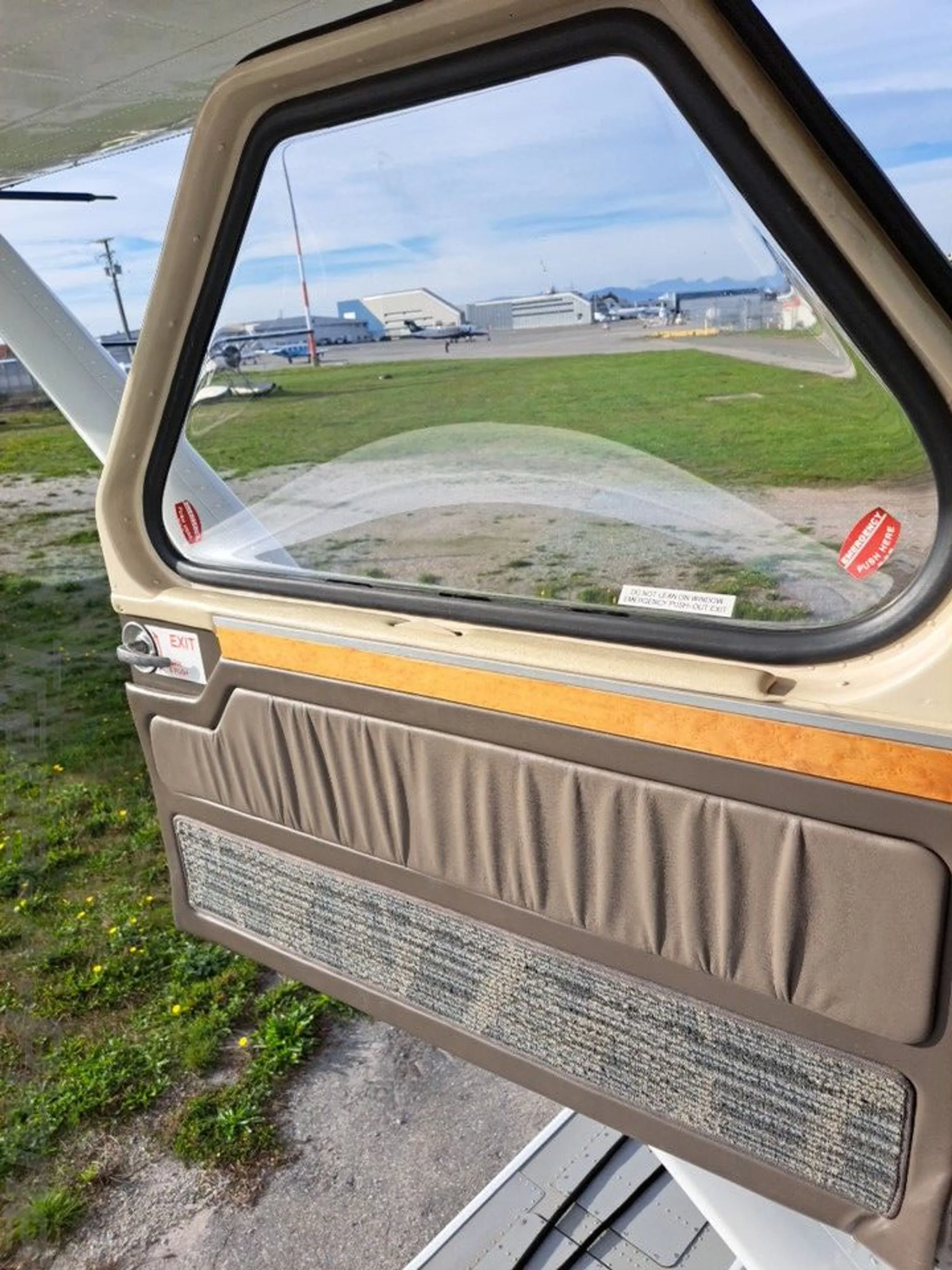

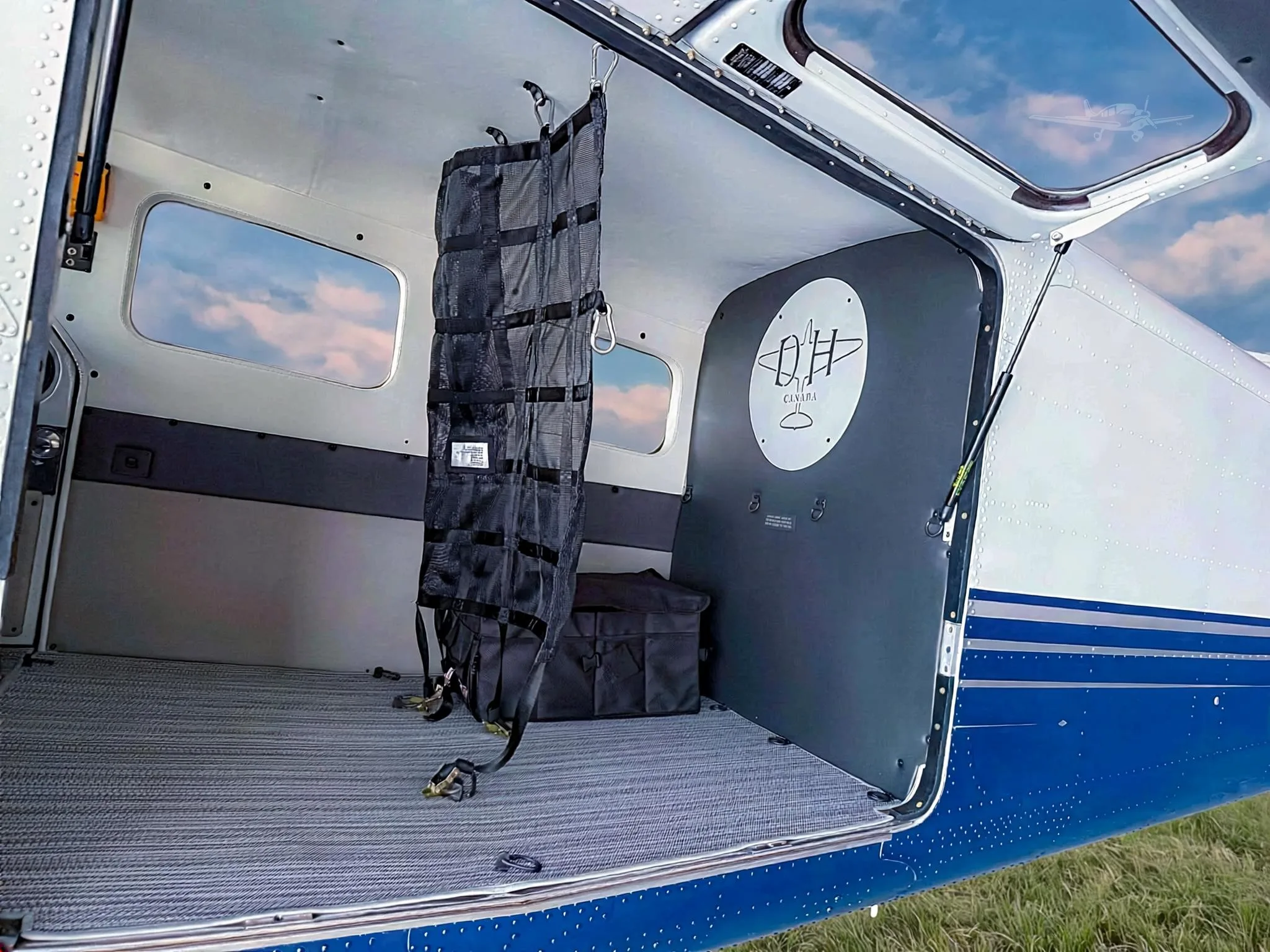
Free — save the DHC-2 to your watchlist and track it in one place.
More DEHAVILLAND DHC-2manuals & documents
Related documents
- DEHAVILLAND DHC-3 Model GuideDEHAVILLAND DHC-3 · Model Guide
- ICA Maintenance Manual for Aerocet Model 5850 Twin Seaplane Floats Installed on a Dehavilland DHC-2 Beaver AirplaneDEHAVILLAND DHC-2 · Maintenance Manual
- DHC-2 Beaver Checklists & ReferencesDEHAVILLAND DHC-2 · Checklist
- DEHAVILLAND DH-82A TIGER MOTH II Model GuideDEHAVILLAND DH-82A TIGER MOTH II · Model Guide
- DEHAVILLAND DHC-1 CHIPMUNK Model GuideDEHAVILLAND DHC-1 CHIPMUNK · Model Guide
If you fly the DEHAVILLAND DHC-2, you may also be researching these.



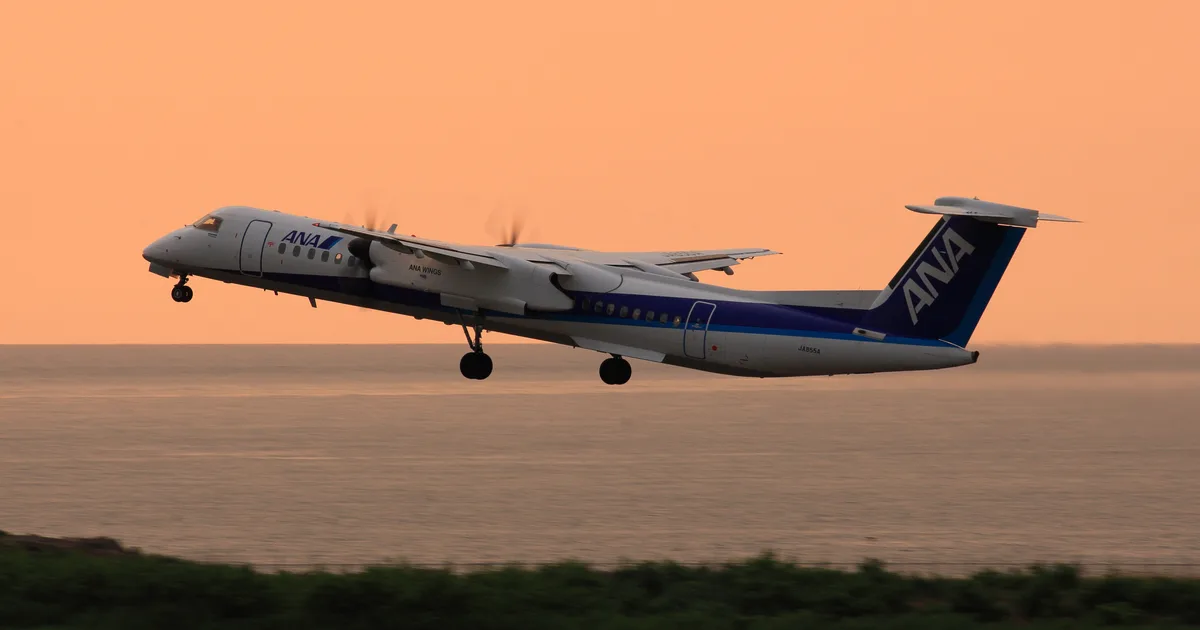

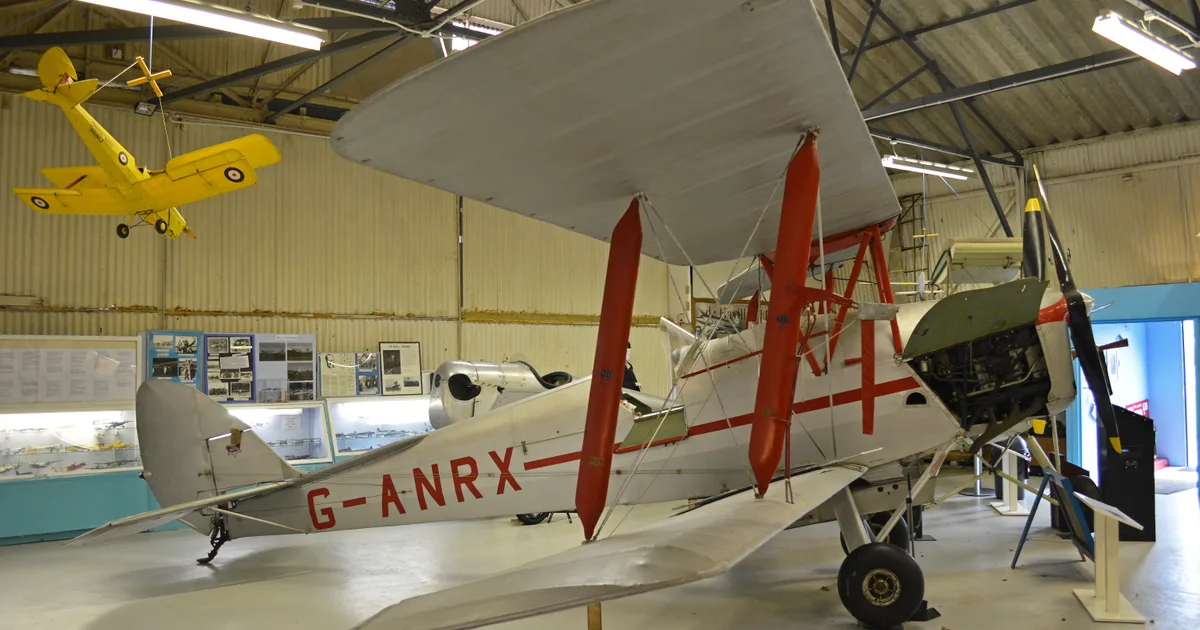


In this document
Performance (reference sheet, landplane)
At 5,100 lbs the landplane's maximum level speed is 156 mph at sea level. Cruise at 300 BHP is 136 mph at sea level. Stall is 60 mph flaps up and 45 mph with landing flaps. Initial climb is 1,020 fpm at take-off power, flaps up. Service ceiling is 18,000 ft. Ski/seaplane figures are lower: 15,750 ft ceiling and 1,610 ft take-off.
What to inspect
The de Havilland schedule has five parts: preflight, daily, periodic (every 100 flying hours), special and replacement. Items marked 2nd, 4th or 8th fall due on every second, fourth or eighth periodic inspection. Look for corrosion, loose rivets, skin buckling, control cable condition, wing attachment pins and strut bolts. Check the tailwheel strut, the brakes and fuel or oil leaks. Every inspection must be entered in the log book.
Floatplane and seaplane notes
The Aerocet Model 5850 twin floats have an STC for the DHC-2. They are all-composite, with two storage lockers per float and water rudders tied to the aircraft rudder. Each float is carried by forward, mid and aft struts. Check the float rigging, strut bolts and wear strips. Jack only one float at a time, at the keel point 5.2 inches ahead of the step.
Summary written by AI from the source document. Check the original before relying on it. See which parts of Sprinkle are written by AI.
Safety notes
- Starting: do not pump the throttle to catch a dying engine. If oil pressure shows nothing within 30 seconds, stop the engine and investigate.
- Do not exceed 450°F cylinder head temperature. Keep oil inlet temperature above 100°F and below 200°F.
- Engine failure below 800 ft after take-off: hold 65 MPH, go straight ahead, turn only enough to miss obstacles, and use rudder only.
Summary written by AI from the source document. Check the original before relying on it. See which parts of Sprinkle are written by AI.
Full document text
DEHAVILLAND DHC-2 Model Guide The DEHAVILLAND DHC-2 (Beaver) is a single-engine piston utility aircraft from de Havilland Canada. It flies as a landplane, on skis or on floats. The registry family covers the Mk.I, Mk.II and Mk.III variants and lists up to 8 passengers. The figures below come from the reference sheet, which uses a 5,100 lb landplane case. • The DHC-2 family lists up to 8 passengers, up to 670 nm range and a service ceiling up to 20000 ft (family maxima). • Reference landplane at 5,100 lbs: 1,250 ft take-off and 1,250 ft landing over a 50 ft obstacle. • Range is 455 nm on standard tanks and 740 nm with tip tanks (5,000 ft cruise, landplane). • Inspection runs preflight, daily and every 100 flying hours, in an 800-hour cycle that ends with the power unit due for replacement. Performance (reference sheet, landplane) At 5,100 lbs the landplane's maximum level speed is 156 mph at sea level. Cruise at 300 BHP is 136 mph at sea level. Stall is 60 mph flaps up and 45 mph with landing flaps. Initial climb is 1,020 fpm at take-off power, flaps up. Service ceiling is 18,000 ft. Ski/seaplane figures are lower: 15,750 ft ceiling and 1,610 ft take-off. What to inspect The de Havilland schedule has five parts: preflight, daily, periodic (every 100 flying hours), special and replacement. Items marked 2nd, 4th or 8th fall due on every second, fourth or eighth periodic inspection. Look for corrosion, loose rivets, skin buckling, control cable condition, wing attachment pins and strut bolts. Check the tailwheel strut, the brakes and fuel or oil leaks. Every inspection must be entered in the log book. Floatplane and seaplane notes The Aerocet Model 5850 twin floats have an STC for the DHC-2. They are all-composite, with two storage lockers per float and water rudders tied to the aircraft rudder. Each float is carried by forward, mid and aft struts. Check the float rigging, strut bolts and wear strips. Jack only one float at a time, at the keel point 5.2 inches ahead of the step. Safety notes: • Starting: do not pump the throttle to catch a dying engine. If oil pressure shows nothing within 30 seconds, stop the engine and investigate. • Do not exceed 450°F cylinder head temperature. Keep oil inlet temperature above 100°F and below 200°F. • Engine failure below 800 ft after take-off: hold 65 MPH, go straight ahead, turn only enough to miss obstacles, and use rudder only.