Initial Flight Training (IFT) Pre-Arrival Guide
Diamond DA20-C1 Eclipse · Emergency Procedures
Overview
This document serves as a Pre-Arrival Guide for students attending the Initial Flight Training (IFT) program at CAE. It outlines essential information and requirements for new students, including administrative instructions, travel arrangements, medical requirements, and uniform guidelines. The guide emphasizes the importance of preparation and compliance with the outlined procedures to ensure a successful training experience. It is specifically tailored for military aviators entering the IFT program, providing critical details to facilitate their transition into flight training.
- Students must comply with all administrative instructions to avoid removal from IFT.
- Travel itineraries must be submitted at least 7 days prior to arrival.
- Uniforms are the responsibility of the students and must meet military standards.
- Medical documentation must be complete and accurate to ensure eligibility for training.
- Physical fitness is emphasized, with designated times for fitness activities.
Document
Source
Originally published by www.cae.com. Sprinkle hosts a reference copy with an added summary, specifications and searchable full text.
Document details
- Type
- Emergency Procedures
- Year
- 2023
- Pages
- 13
- File size
- 1.8 MB
- Publisher
- www.cae.com
Common. One of the most common aircraft types we track.
Full essential library on file for the Diamond DA20-C1 Eclipse.
Diamond DA20-C1 Eclipse for sale now
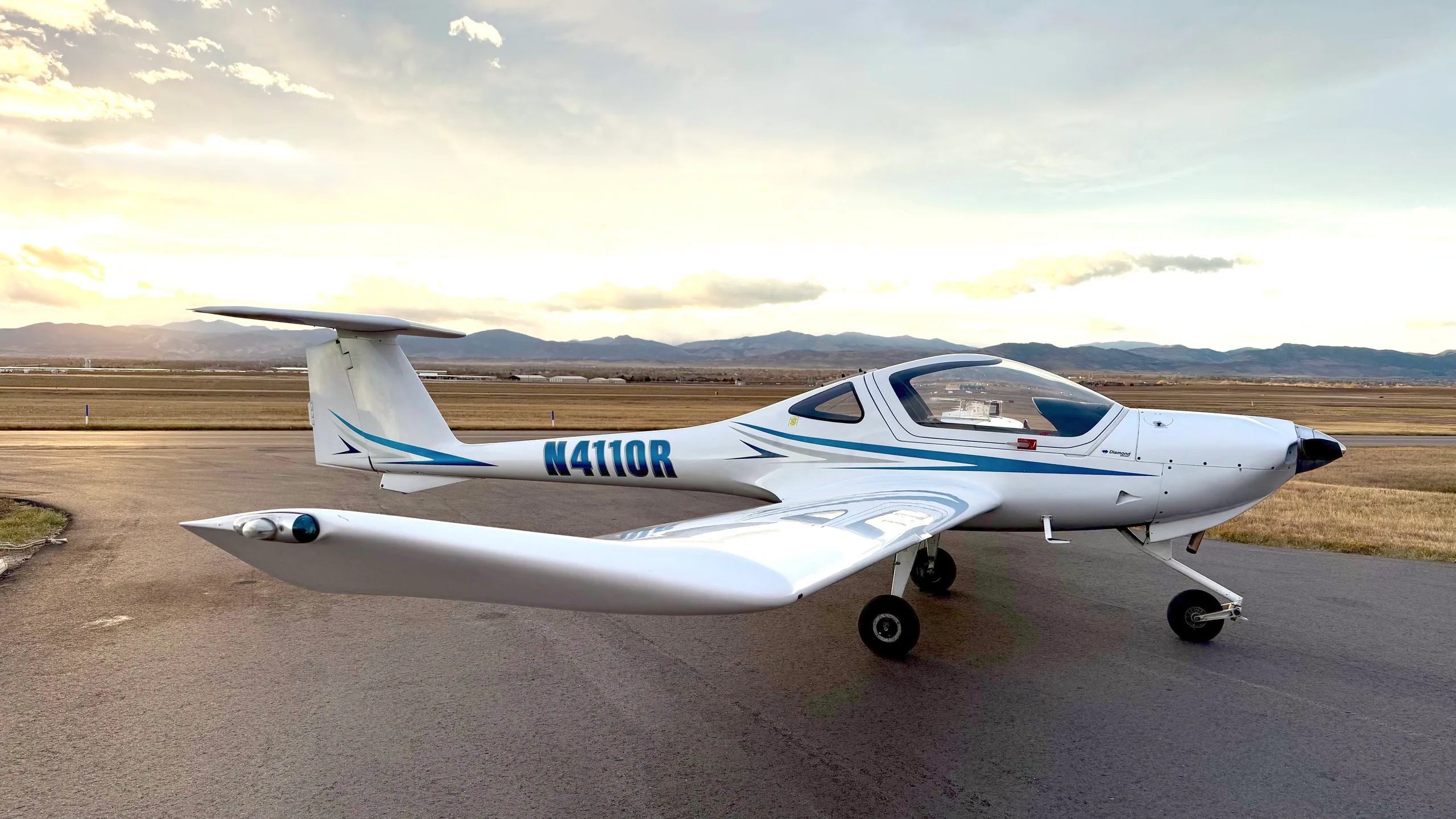
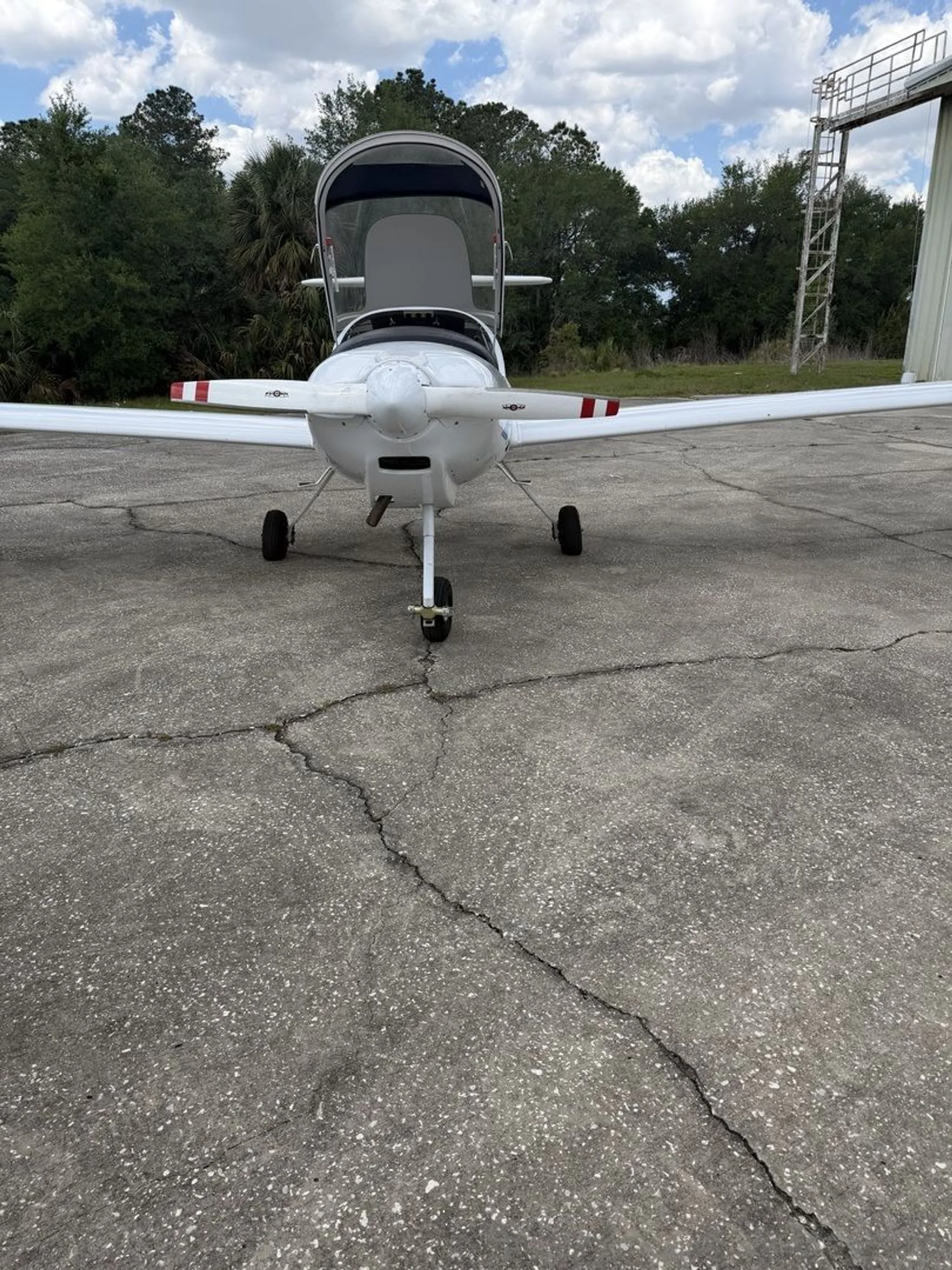

Free — save the DA20-C1 to your watchlist and track it in one place.
More Diamond DA20-C1 Eclipsemanuals & documents
See all 26 →- Parts Catalog for the Diamond DA20-C1 EclipseParts Catalog
- AIRCRAFT MAINTENANCE ENGINEER LICENSING CAR 66 - ISSUE 08Type Certificate
- Gold Seal Online Ground SchoolTraining Manual
- AMC & GM to Annex III (Part-66) of QCAR 1003/2006Supplemental Type Certificate
- Accuracy Examination of the SDCM Augmentation System in Aerial NavigationOther Documents
- Initial Flight Training (IFT) Pre-Arrival GuideWeight And Balance
- Airplane Flight ManualFlight Manual
- DA-20-C1 Eclipse Private Pilot Flight Training TipsService Manual
- DA20-C1 AIRPLANE FLIGHT MANUALTraining Manual
- KiwiFlyer Issue 26Other Documents
- CAR PART II Ch. 7 - CAR 66 AIRCRAFT MAINTENANCE ENGINEER LICENSINGService Bulletins
- Request for Proposals: Supply of a Flight Simulation Training DeviceAvionics Manual
In this document
Welcome
The welcome section introduces students to the 306th Flying Training Group and emphasizes the importance of discipline and airmanship in their upcoming training. It encourages students to take their training seriously and to respect their instructors and peers.
Travel Day Instructions
This section provides detailed instructions for students arriving at IFT, including arrival times, transportation options, and in-processing procedures. It specifies the need for students to arrive at specific times and outlines the process for obtaining security badges and accommodations.
Uniforms
Students are required to bring their own uniforms, which must comply with military standards. The guide lists specific items that students need to have, including flight suits, name tags, and flight boots, and notes that uniforms are not provided by IFT.
IFT Medical Requirements
This section outlines the medical requirements for students, including the need for a completed DD Form 2808 and corrective lenses if necessary. It emphasizes the importance of having all medical documentation in order prior to arrival to avoid removal from training.
Fitness
Students are encouraged to maintain physical fitness during their training. The guide mentions that students will have designated fitness times and access to facilities to support their fitness routines.
Safety notes
- Failure to comply with medical requirements may result in removal from training.
- Students must not bring firearms or pets to IFT.
Full document text
Initial Flight Training (IFT) Pre-Arrival Guide Version 45 – February 2023 1st Flying Training Squadron CAE Initial Flight Training “The Gateway to USAF Aviation” Pre-Arrival Guide Index Welcome First Things First Travel and In-Processing Uniforms Rules of Engagement Medical & Student Pilot Certificates Fitness 306 FTG/CC Welcome Welcome to the 306th Flying Training Group and Pueblo, Colorado. As you walk through the doors of the 1st Flying Training Squadron, you take your first steps into Air Force Flight Training. The program you are about to enter stresses airmanship and discipline and will lay the foundation for your operational career. I challenge each of you to make the right choices while at Initial Flight Training. This is your first chance to see how the Air Force trains its aviators. Take the commensurate steps to ensure you don’t waste this opportunity. Study your academics. Prepare for your flights. Take care of your classmates and yourself. Develop the habits and discipline that will follow you through your rated career. Most importantly, I expect you to treat your instructors and classmates with dignity and respect in accordance with our core values. Protect your integrity, strive for excellence, and remember that service to our country is bigger than any of us. On behalf of the 306th Flying Training Group, we wish you success during your time in Pueblo and in the rest of your Air Force career. //SIGNED// MICHAEL R. STOLLEY, Col, USAF Commander 1 FTS/CC Welcome Congratulations on your selection for Initial Flight Training and the opportunity to become a professional military aviator. On behalf of the United States Air Force, CAE and the City of Pueblo, I would like to welcome you to the “Gateway to Air Force Aviation.” Take pride in this accomplishment and remember that the same skills used to achieve this milestone will serve you well in the days ahead. Make no mistake about it, IFT is a highly structured military flight training operation; the days are long and expectations are high. If you have ongoing medical or personal issues that may interfere with your training, you need to discuss with your supervisor whether or not this is the right time for you to attend IFT. This program may very well be the most challenging undertaking you have ever experienced. In return, you will gain skills and abilities that will be invaluable to your success in follow-on flight training. This is a once in a lifetime opportunity. There are no second chances. Inappropriate use of alcohol, sexual misconduct, discrimination of any kind, or conduct unbecoming a military professional, will not be tolerated. Any offense of this nature will be considered grounds for dismissal. I and the rest of my staff here in the 1 FTS want you to succeed at IFT. With a personal commitment, earnest preparation, and a positive attitude, you will. Again, congratulations and best of luck as you start your career as a military aviator. //SIGNED// BRIAN C. ASHBURN, Lt Col, USAF Commander First Things First… All Students scheduled to attend IFT must comply with administration instructions posted in the ETCA for their particular course. Refer to ETCA HOME at: https://cs2.eis.af.mil/sites/app10-ETCA/SitePages/Home.aspx Course ID’s: Pilot: S-V8A-S RPA: U-P2A-A IMS: S-V8I-S Please be advised you may need to first clear the SSL state and cache in Internet Options and restart your browser. Also, please ensure you select your DoD Authentication certificate when prompted. If all else fails, please try Chrome and Edge. NOTE: If you hold a Private Pilot Certificate (PPC) or higher, you are prohibited from attending IFT without a waiver from AETC. For questions, please call 19AF/DOUA at (210) 652-9646. READ AND COMPLY WITH THIS ENTIRE GUIDE!! FAILURE TO DO SO COULD RESULT IN YOUR REMOVAL FROM IFT! Contact Information: Registrar: (719) 423-8336 IDMT: (719) 423-8333/8335 Lodging: (719) 423-8506 Security: (719) 423-8535 1 FTS: (719) 423-8340 1 FTS e-mail: SM-MTS-Doss-1FTS- MILO@caemilusa.com If there are any questions not addressed in the guide, contact the IFT Military Liaison: 719-423-8340. Your Mailing Address while attending IFT: CAE Initial Flight Training C/O (First Name, Last Name & Class #) Suite 200 1 William White Blvd. Pueblo CO 81001 Important things to do: Read this entire guide and watch the Success at IFT video via the CAE Doss website! https://www.cae.com/defence-security/what-we-do/training-centres/usaf-initial-flight-training-ift/ Comply with pre-arrival requirements outlined in their respective sections: Travel and In-Processing Complete your travel arrangements in DTS NET 4 weeks prior to travel date. Provide your travel itinerary to CAE Doss NLT 7 days prior to class arrival date via form on CAE IFT website. Uniforms Medical and Student Pilot Certificates RPA: Aeronautical Orders Glasses if specified on DD Form 2808 Memorize Boldface and Ops Limits (attached) Travel Day Instructions DAY 0: This is the day you are expected to arrive and in-process. This is one day BEFORE the class start date on your RIP/orders. If you arrive before DAY 0, you will be responsible for hotel expenses (offsite) and transportation costs. Pay careful attention to the arrival times below. You must complete the online Travel Itinerary Form at least 7 days prior to class arrival date! It is on the Incoming Students web page. This information is used to create your security badge and schedule airport shuttles. If you do not receive a confirmation within 24 hours, call (719) 423-8506. Driving IFT is located at 1 William White Blvd, Pueblo, CO, 81001. Students arriving by POV need to arrive between 0900 - 1600L. Flying Commercial Air Fly into Pueblo Airport (PUB) or Colorado Springs Airport (COS) as a final destination. DO NOT choose Denver International (DIA). Students arriving by Commercial Air need to arrive between 0900 - 1800L.
Show full textShow less
If travel plans cannot ensure arrival by 1800L, call (719) 423-8506 to coordinate alternate arrival plans. Rental cars are not an authorized reimbursable expense for IFT. Use the shuttle. Call 719-423-8506 to confirm your shuttle reservation The shuttle attendant will be located in front of the info center near the baggage area at COS and in front of the terminal at PUB. If you are delayed or have trouble finding the shuttle attendant, call 719-423-8506. In-processing Instructions In-Processing In-processing will occur on 0 Day and will take approximately one hour. It is recommended that you arrive at least one-hour prior to the NLT listed above to allow proper time to in-process. You will be issued a security badge, assigned a hotel room and given your laptop for use while at IFT. The IFT staff will give you detailed in-processing guidance upon arrival. Be in uniform during in-processing; arrive in civilian clothes and then change. Have your CAC (with valid PIN), medical forms, and FAA Student Pilot Certificate or IACRA application information (FTN, username, and password) easily accessible upon arrival. Lodging Note Some students will be double-billeted. If you would like to volunteer for double-billeting and choose your roommate, contact IFT Lodging at 719-423-8506 no later than 2 weeks prior to your arrival. Those sharing a room must be enrolled in the same class and flight (i.e. Class 23-01, Alpha Flight. Call to inquire). Training Flow DAY 1: This is the class start date on your RIP/orders. On DAY 1 you will receive welcome briefings, start academics, and take a Boldface/Ops Limits test. Departure Students will plan to depart on the day following their last flying event. Students graduating after 1630 hours will out-process on the next duty day. Students are not authorized to remain in the facility beyond the next duty day. Students will not be allowed to remain on-site to wait for another student to finish IFT. Students who drove together must be prepared to leave solo or obtain independent lodging on the economy. Students may be allowed to stay at IFT if they experience flight scheduling or availability issues. These situations must be validated by an MTO. Uniforms IFT does not provide uniforms for students. It is your responsibility to obtain the appropriate uniforms prior to arrival. Uniforms can be obtained through your home station or follow-on training location. Please work with your immediate supervisor if you are having difficulty obtaining uniforms for IFT. Students attending IFT will wear the Flight Duty Uniform (FDU) or the 2 Piece Flight Duty Uniform (2PFDU) in accordance with DAFI36-2903, dated 12 April 2022. The OCP uniform is NOT authorized. All students need to bring: Flight suits with rank and Velcro already sewn on Name tags (cloth or leather) MAJCOM patches Flight boots Flight gloves Flight cap Conservative, non-offensive civilian clothing, including PT gear, for wear during non-duty hours and during individual fitness time. If any part of your training falls between 1 Oct and 30 Apr, bring: • Flight jacket with rank and Velcro already sewn on (Required) • 1 pair thermal underwear (Recommended) • Black watch cap (Recommended) NOTE: 1FTS does have some spares of the FDU (not the 2PFDU) for use in emergency situations. IFT Rules of Engagement (ROE) Do not bring any firearms to IFT. This also means NO firearms in your vehicle. Do not bring any pets to IFT. NO incense, candles, plug-in deodorizers or other personal appliances may be used anywhere at IFT. You are encouraged to bring personal hygiene products. Students should not plan to take leave while enrolled in IFT. Personal leave situations should be resolved before attending IFT. Emergency leave will be resolved on a case-by-case basis. AETC Family down days are not IFT down days. Students should be prepared to fly on weekends. Guest Hours: 1700L – 2200L on Fri, 0800L – 2200L Sat, Sun, and Holidays. IFT is a fast-paced training program that demands all of your attention. Guests (including spouses) are not allowed outside of listed guest hours. IFT Medical Requirements All Students Require: Fully completed and stamped DD Form 2808 (3 pages in length) Corrective lenses (if applicable). Must not be DNIF. DD Form 2808 Instructions: Must have been stamped within 4 years of projected IFT grad date. If Blue stamp states FC’X’ (W/Waiver) waiver must be current with all waiver requirements completed/met: Waiver must be documented in AIMWTS (verify with home unit Flt Med). If waiver requires annual updates/exams those must be due after projected graduation date or completed before attending IFT. If waiver requires Med Equipment they must be used during training (e.g. Glasses). It is recommended that you personally review your waiver prior to attending IFT to prevent any confusion. You do not need to bring a copy of your waiver to IFT as we will verify AIMWTS. It is however highly recommended that you maintain a personal copy of your waiver for your records. NOTE TO RPA STUDENTS: If you have a waiver, confirm with your flight surgeon if you are restricted from scanning duties. If you are restricted from scanning duties IFT must acquire a syllabus waiver for you. To avoid training delays, let us know as soon as possible. Review boxes 61, 63, 67, 76, & 77 of the DD Form 2808. Boxes 61, 63, determine the need for corrective lenses based of visual acuity. The STANDARD for UNCORRECTED VISION IS 20/20. Even if your vision 20/25 in only one eye you NEED CORRECTIVE LENSES to fly at IFT. Box 67 is your depth perception. The standard is “Passes B”. Some 2808’s may say a different letter but as long as that letter is after B you are fine. Boxes 76 & 77 are where important diagnoses and their requirements should be listed. Sitting height/Buttocks to knee measurements are in box 73. The Aircraft at IFT are small and you may not fit. As general guidance we use a SH of 39” or greater, and a BK of 26” or greater to determine if your fitment in the aircraft needs to be checked. Those measurements are not a hard line. Many students with measurements greater than 39”SH and/or 26”BK still fit in the aircraft. If you are very tall or very broad please contact the IDMT’s at IFT to discuss possible fitment issues. Corrective Lenses You must have 2 pairs in good condition while at IFT. One pair is worn during flying the other is kept on your person. Glasses must meet dress and appearance standards of DAFI36-2903. If you are on the Air Crew Soft Contacts Lens Program (ACSCLP) it must be documented in ASIMS prior to IFT start. Documentation requirement: It will be in the grounding management section of ASIMS. We will not be able to correct this issue at IFT if it has not been documented by the flight surgeon. If on ACSCLP you still need one pair of glasses during training. All Corrective lenses are verified in-person at IFT. During the week of academics all students who require corrective lenses will be identified and contacted. An appointment will be scheduled to check your glasses at the clinic. Must NOT be DNIF/Down Status is documented on a DD Form 2992. Not all students will have a DD Form 2992. Pilots do not require them here but may have one in ASIMS so double check. All RPA students require them, see RPA only section below. If you have been seen by a flight surgeon and have been “Downed” or placed on Duties Not Including Flying (DNIF) status, a Return To Flying Status (RTFS) DD Form 2992 must be placed prior to arrival at IFT. We Will Not correct a DD Form 2992 issues at IFT and Students that come to IFT DNIF will be returned to their home units. Pilot ONLY Requirement DD Form 2808 MUST be for a Flying Class 1. No Exceptions!! Example Stamp: Medically Qualified for: FCI, FCIA, RPA Pilot, FCIII, GBO, ATC, (Exam), MOD (Exam) //SIGNED// HQAETC/SGPS (DDMMYYYY) May have waiver requirements and will read as FCI (w/Waiver) on the stamp. Not all stamps are the same. Please ensure the DD Form 2808 stamp reflects that FLY is approved. NOTE: All other Pilot requirements are identified in the “All Students Section” above. RPA ONLY Requirement DD Form 2808 MUST be for a Flying Class III. Must bring hard copy FAA FCIII. FAA FCI or FCII are fine but a FCIII is the minimum. FAA Flying Classes are good for five years. Must not expire while at IFT. It Does NOT matter what Flying Class your 2808 (USAF Physical) is you still NEED a FAA Flying Class Physical. DD Form 2808 MUST Be Stamped RPA Pilot or GBO. Example 2808 Stamp: Medically Qualified for: RPA Pilot, GBO, ATC, (Exam, MOD (Exam) //SIGNED// HQAETC/SGPS (DDMMYYYY) May have waiver requirements and will read as RPA Pilot (w/Waiver) or GBO (w/Waiver) on the stamp. Not all stamps are the same. Please ensure the DD Form 2808 stamp reflects that RPA Pilot or GBO is approved. Current DD Form 2992 for Aeronautical Orders (AOs) The DD Form 2992 is not a medical requirement for IFT, but AOs are required for training. The DD Form 2992 is created by your Flight Surgeon and is documented in ASIMS. It must NOT expire while at IFT and CANNOT be a DOWN/DNIF DD Form 2992. Questions about the DD Form 2992 should be directed to your home station Flight Surgeon. Questions about the AO’s should be directed to your home station HARM Office. RPA AOs RPA students are required by AFI 11-402 to be on AOs before their first flight. You and your HARM office should receive an email from the 12 OSS at Randolph before training to start the process. Follow up with your local HARM office to make sure they have a DD Form 2992 (medical examination form) to process the AOs. This should start happening about three weeks prior to training. NOTE: All other RPA requirements are identified in the “All Students Section” above. IFT Medical Team Notes/Contact Information Please ensure that you have reviewed all information prior to arriving at IFT. While we will attempt to correct any issues with your medical clearance during in-processing there is no guarantee that we can do it while at IFT. ANY missing paperwork, medical equipment (aka corrective lenses), or other incomplete medical requirements are grounds for removal from training. It is recommended that you begin reviewing your medical paperwork and ensuring that it is in order ASAP. Correcting medical paperwork, completing physicals, or issuing medical equipment (glasses) may take a significant amount of time and it is not possible to do it while at IFT. The earlier the process is started the less likely that you will be removed from training. IFT Clinic is manned by IDMTs/FOMTs. There are no Flight Surgeons on site. IFT is serviced by USAFA Flt Med but Flight surgeons at USAFA are unable to correct issues regarding med clearances for IFT students. If you have any questions about requirements or anything other medical concerns, please reach out using the numbers below: TSgt Aleksandr McPike Email: aleksandr.t.mcpike.mil@health.mil Phone: 719-423-8333 TSgt Graham Hoch Email: graham.hoch@us.af.mil Phone: 719-423-8335 SrA Amanda Roth Email: Amanda.n.roth.mil@health.mil Phone: 719-423-8605 Clinic Hours: Monday-Friday 0730-1630 DD Form 2808 (3/4 pages) DD Form 2992 Medical - FAA Medical Exam Reimbursement The SF1099A is required for reimbursement for an FAA medical examination. Complete the appropriate fields of the form by typing your information in. Finance will not accept handwritten forms. Required Fields: Section 1 A through F. This form does not need to go to your financial institution. Once filled out, you will forward it to the 306 FTG/RA (email provided as needed). NOTE: Bring the receipt for your FAA medical with you to the Day 1 IDMT brief. The receipt must be legible, have your name on it, and the actual receipt (not a bank statement). If the receipt is not legible, you will need to request another one from the servicing provider’s office. You may scan your receipt on a white piece of paper and once complete, email your documents to SM-MTS-Doss-1FTS- MILO@caemilusa.com to begin the reimbursement process. FAA Student Pilot Certificate Instructions If you obtained your FAA Class III medical and Student Pilot Certificate BEFORE 1 APR, 2016 it had a 5 year expiration date and is no longer valid. You will need to apply for a new certificate. If you have your FAA Student Pilot Certificate (plastic card) in hand, bring that to training. You may also skip the steps below. If you do not have a Student Pilot Certificate, follow these steps: Create an Integrated Airman Certification and Rating Application (IACRA) account at https://iacra.faa.gov. SAMPLE Use a mailing address you can receive mail at 6-8 weeks after your application is being processed. Do not use the IFT mailing address. Create a Student Pilot Certificate Application and record your FAA Tracking Number (FTN). NOTE: Your application is not complete until you hit “Submit Application.” See reference below. NOTE: Your applications status should say “Partially Complete – Ready for Next Action.” See reference below. Physically present yourself to a Certified Flight instructor (CFI), Designated Examiner (DE), or Flight Standards District Office (FSDO) to have them electronically submit your application to the FAA. If you are unable to locate a CFI, this last step can be completed upon arrival at CAE when reporting to the MTO (Military Training Officer) section. You will need your FTN, username, and password. For more detailed instructions reference the “Student Pilot Certificate (SPC) Application Instructions” visit https://iacra.faa.gov/IACRA/HelpAndInfo.aspx?id=6 For Student Pilot Certificate Questions contact 1 FTS at (719) 423-8340. Fitness Maintaining Physical Fitness During the Academic week, all new students are assigned to a physical fitness time with their designated flight. Students may utilize the Fitness Center or the outside track. Students are encouraged to maintain a healthy physical fitness routine following Academics and throughout their time at IFT. DA20-C1 BOLDFACE ABORT THROTTLE — IDLE BRAKES — AS REQUIRED FLAPS — CRUISE ENGINE MALFUNCTION — SUFFICIENT RUNWAY REMAINING TO LAND AIRSPEED — 60 KIAS FLAPS — LDG FUEL PRESSURE LOSS FUEL PUMP — ON ENGINE FIRE IN FLIGHT FUEL SHUTOFF VALVE — OFF CABIN HEAT — OFF ENGINE FIRE ON THE GROUND FUEL SHUTOFF VALVE — OFF CABIN HEAT — OFF ELECTRICAL FIRE ON THE GROUND GEN/BAT MASTER SWITCH — OFF ELECTRICAL FIRE IN FLIGHT GEN/BAT MASTER SWITCH — OFF AIR VENTS AND WINDOWS — OPEN CABIN FIRE IN FLIGHT GEN/BAT MASTER SWITCH — OFF AIR VENTS AND WINDOWS — OPEN CABIN HEAT — OFF Distribution authorized to U.S. Government agencies only. CAE USA, Inc. proprietary information. 03 JAN 2022. DA20-C1 BOLDFACE ABORT THROTTLE — IDLE BRAKES — AS REQUIRED FLAPS — CRUISE ENGINE MALFUNCTION — SUFFICIENT RUNWAY REMAINING TO LAND AIRSPEED — 60 KIAS FLAPS — LDG FUEL PRESSURE LOSS FUEL PUMP — ON ENGINE FIRE IN FLIGHT FUEL SHUTOFF VALVE — OFF CABIN HEAT — OFF ENGINE FIRE ON THE GROUND FUEL SHUTOFF VALVE — OFF CABIN HEAT — OFF ELECTRICAL FIRE ON THE GROUND GEN/BAT MASTER SWITCH — OFF ELECTRICAL FIRE IN FLIGHT GEN/BAT MASTER SWITCH — OFF AIR VENTS AND WINDOWS — OPEN CABIN FIRE IN FLIGHT GEN/BAT MASTER SWITCH — OFF AIR VENTS AND WINDOWS — OPEN CABIN HEAT — OFF Distribution authorized to U.S. Government agencies only. CAE USA, Inc. proprietary information. 03 JAN 2022. DA20-C1 OPERATING INFORMATION TABLE NOTE: Numbers printed below in bold type must be committed to memory. Indicated Airspeeds Power Plant Operation VS0 Stall speed with flaps LDG (KIAS) 34 VS1 Stall speed with flaps CRUISE (KIAS) 42 VR Rotate speed (KIAS) 44 Lift-o speed (KIAS) 52 Min. FL final approach speed with flaps LDG (KIAS) 55 Pattern SFL final approach speed with flaps LDG (KIAS) 60 VX Best angle of climb speed with flaps T/O (KIAS) 60 Normal landing final approach speed (KIAS) 60 Min. engine-out speed to sustain windmilling prop (KIAS) 60 Min. FL final approach speed with flaps T/O (KIAS) 60 Min. FL final approach speed with flaps CRUISE (KIAS) 65 No-Flap landing final approach speed (KIAS) 65 VX Best angle of climb speed with flaps CRUISE (KIAS) 65 VY Best rate of climb speed with flaps T/O (KIAS) 66 VY Best rate of climb speed with flaps CRUISE (KIAS) 70 Best glide speed at 1764 lbs (KIAS) 73 VFE Max. Airspeed with flaps LDG (KIAS) 78 VFE Max. Airspeed with flaps T/O (KIAS) 100 VA Max. speed for full or abrupt control inputs at 1764 lbs (KIAS) 106 VNO Max. structural cruising speed (KIAS) 118 Force a stopped propeller to windmill if starter inop (KIAS) 137 VNE Never-exceed speed (KIAS) 164 Maneuvering Positive limit load factor with flaps CRUISE (Gs) +4.4 Negative limit load factor with flaps CRUISE (Gs) -2.2 Positive limit load factor with flaps T/O or LDG (Gs) +2.0 Negative limit load factor with flaps T/O or LDG (Gs) 0 Max. bank in steep turns, chandelles, and lazy eights (deg.) 60 Voltmeter Voltmeter lower limit red arc (volts) 8-11 Voltmeter caution range yellow arc (volts) 11-12.5 Voltmeter green arc (volts) 12.5-16 Voltmeter upper limit red line (volts) 16.1 Fuel Weight and Balance Pattern Wind Limits Max. tailwind dual or solo (kts) Misc. Max. aircraft structural temperature (°C) 55 Propeller approx. minimum ground clearance (inches) 10 Main landing gear tire pressure (psi) 33 Nose gear tire pressure (psi) 26 Min. OAT where cabin heat is not req for 10 min. before T/O (°C) -20 Distribution authorized to course participants and U.S. Government agencies only. CAE USA, Inc. proprietary information. 31 JAN 2023 RPM normal operating range (tachometer green arc) 700-2800 Min. RPM during engine runup idle check 975 Min. "Area Idle" RPM 1400 Min. RPM during operations with fuel pump o 1400 Min. permissible full-throttle static RPM during engine runup 2000 Max. permissible continuous RPM if an IFT student is PF 2700 Max. permissible continuous RPM (tachometer redline) 2800 Min. RPM drop during magneto check 25 Max. RPM drop during magneto check 150 Max. RPM drop difference between magnetos 50 Max. permissible continuous engine power (bhp) 125 Min. oil pressure (psi) 10 Oil pressure normal operating range (psi) 30-60 Max. time for oil pressure to reach 10 psi after start (sec.) 30 Max. oil pressure for full power operation if OAT < 0°C (psi) 70 Max. oil pressure (psi) 100 Min. oil temperature (°F) 75 Max. RPM after start until oil temp indication registers 1000 Oil temperature normal operating range (°F) 170-220 Min oil temp. to begin an area SFL at area idle (°F) 170 Min. oil temp for full power operation if oil pressure is normal (°F) 100 Max. oil temperature (°F) 240 Min. oil quantity (US qts) 4 Max. oil quantity (US qts) 6 Fuel pressure lower limit red line (psi) 3.5 Fuel pressure upper limit red line (psi) 16.5 Max. continuous starter operation (sec.) 10 Max. cumulative starter operation before 3-5min cooling (sec.) 30 Max. time for CHT below 300°F in descent (minutes) 5 Min. CHT takeoff & descent (°F) 240 CHT normal operating range (°F) 300-420 CHT caution range (°F) 420-460 Max. CHT (°F) 460 Max. OAT operation w/ full winterization kit (°C) 0 Max. OAT operation w/ partial winterization kit (°C) 12.5 5 Max. student solo gust spread (kts) 10 Max. student solo crosswind (kts) 10 Max. dual crosswind if an IFT student is PF below 500' AGL (kts) 15 Max. student solo total wind (kts) 20 DA20-C1 Max. demonstrated crosswind component (kts) 20 Max. dual total wind if an IFT student is PF below 500' AGL (kts) 25 Approved fuel grade 100LL Usable fuel (US gal.) 24 Fuel tank capacity (US gal.) 24.5 Max. ramp weight (lbs) 1770 Max. takeoff weight (lbs) 1764 Max. landing weight (lbs) 1764 Forward CG limit at or below 1653 lbs (inches aft of datum) 7.95 Forward CG limit at 1764 lbs (inches aft of datum) 8.07 Aft CG limit at 1764 lbs (inches aft of datum) 12.16 Aft CG limit at or below 1653 lbs (inches aft of datum) 12.48 Max. weight in baggage compartment (lbs) 44 CAE Initial Flight Training 1 William White Blvd Pueblo, CO 81001 CAE Main Directory: 719-423-8600 CAE/1FTS Fax: 719-948-2822
What's in the Diamond DA20-C1 Eclipse TCDS
A Type Certificate Data Sheet (TCDS) is the FAA's record of what an aircraft type was approved as. It is the source of truth for weights, seating, fuel and the rules the design was certified against. Expand any line to see what it means.
60 Diamond DA20-C1 Eclipse parts for sale
See all →
Parts listed for sale by vetted eBay sellers — confirmed on eBay at checkout.