GROB G-109 Model Guide
GROB G-109 · Model Guide
Overview
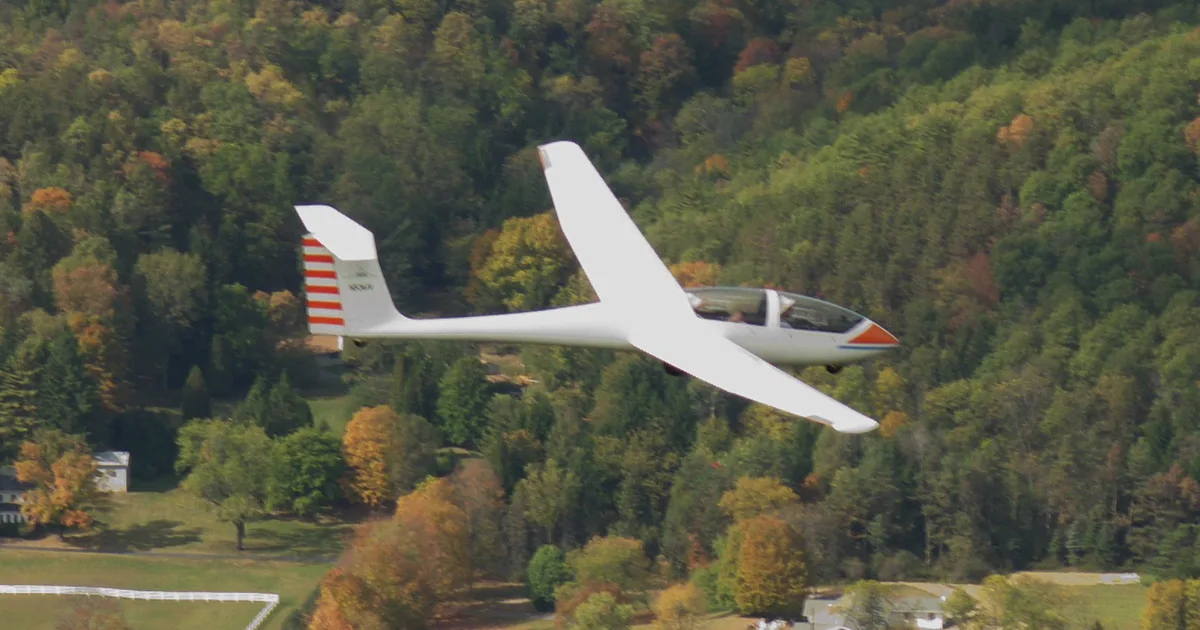
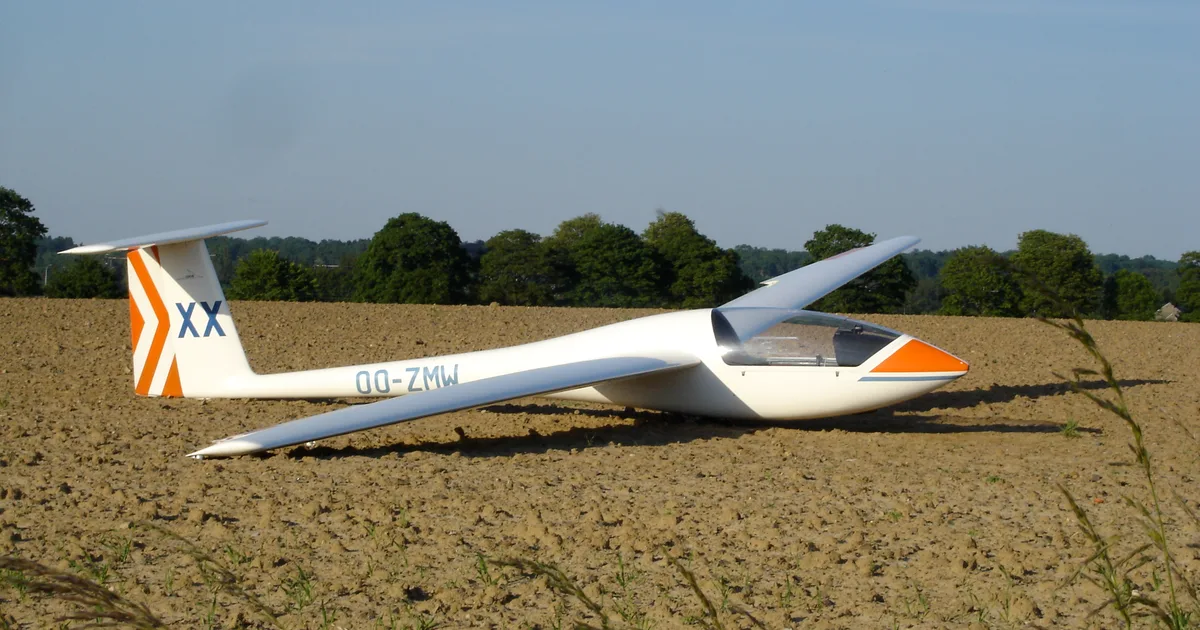
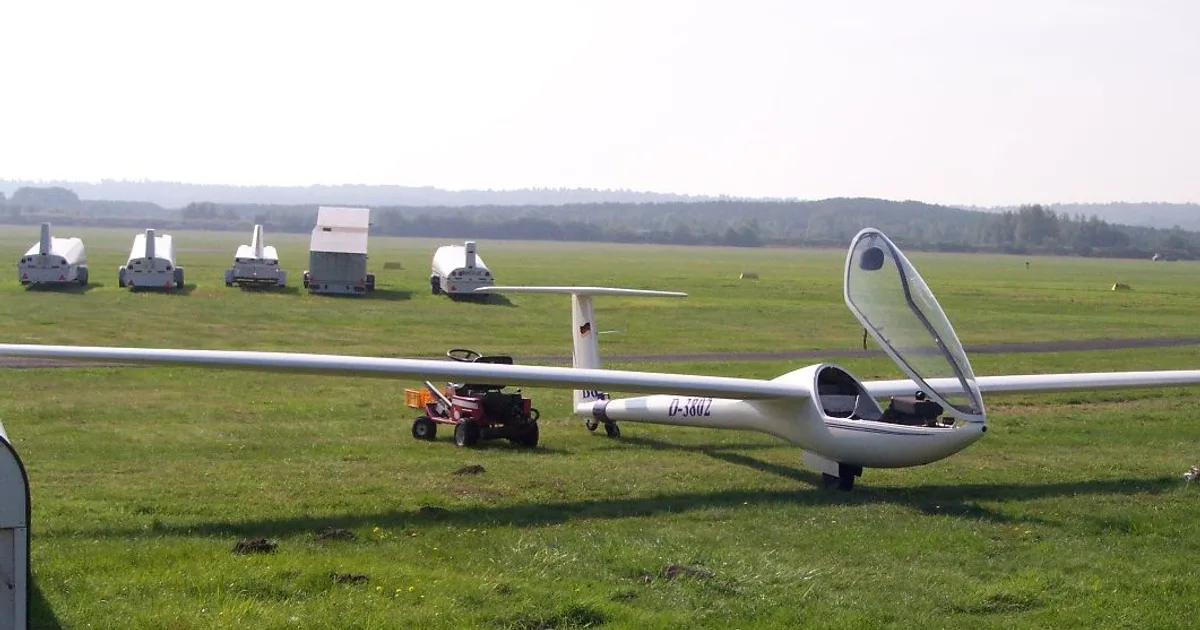
The GROB G-109 is a piston-powered motor glider (the service list calls it a Motorsegler) from Grob, built as the G 109 and the G 109B. Family registry data shows up to 2 occupants, up to 103 kt cruise, up to 970 nm range and a service ceiling up to 18000 ft. These are family maxima, not figures for every variant. The sources are service bulletins, so this guide focuses on what to check before buying.
- Two variants: G 109 (S/N 6001-6159) and G 109B (S/N 6200-6445 and 6501-6575). Confirm which one you are buying.
- Engines in the service history: Limbach 2000, Limbach 2400, Rotax 912 A3 and, on the G109B, Rotax 912iSc3.
- MSB817-70 tail bracket inspection repeats every 100 FH or at annual. A broken pivot caused loss of rudder control in flight.
- Check that the flight and maintenance manuals are current for the installed engine (MSB817-55/8).
Summary written by AI from the source document. Check the original before relying on it. See which parts of Sprinkle are written by AI.
Reference only, not for flight. Use the current approved manual for your aircraft. See terms, section 5.
Document
Source
Copy found at sprinkle.com. Sprinkle hosts a reference copy with an added summary, specifications and searchable full text.
Document details
- Type ·
- Model Guide
- Year ·
- 2026
- File size ·
- 47 KB
- Copy found at ·
- sprinkle.com
Specifications & performance
Extracted from this document.
Performance
- Family max range (nm) ·
- 970
- Family max cruise speed (kt) ·
- 103
- Family max service ceiling (ft) ·
- 18,000
What is the GROB G-109?
The GROB G-109 is a Grob piston motor glider sold as the G 109 and the G 109B. Registry data for the family shows up to 2 occupants.
What is the most important inspection on the GROB G-109?
For the GROB G-109, MSB817-70 covers the tail mounting bracket after two broken-pivot reports that caused loss of rudder control in flight. It applies to all G 109 and G 109B and repeats every 100 FH or at annual inspection.
Which engines has the GROB G-109 used?
The documents show the GROB G-109 with Limbach 2000, Limbach 2400 and Rotax 912 A3 engines. The G109B is also listed with the Rotax 912iSc3. Check which engine is fitted and that the matching manual is on board.
How do I check a GROB G-109's paperwork?
For the GROB G-109, compare the manuals against MSB817-55/8, which lists the required issue and revision for each engine fit. Then check the logbook for the bulletins listed in this guide.
What is the GROB G-109 Model Guide?
The GROB G-109 Model Guide is a model guide for the GROB G-109, dated 2026.
What year was the GROB G-109 Model Guide published?
The GROB G-109 Model Guide — the GROB G-109 model guide on file — is dated 2026.
Common. More common than 86% of the aircraft models we track.
Most owners only have the POH. Here's the essential set for the GROB G-109.
- Pilot's Operating Handbook / AFM
- Checklist
- Maintenance Manual
- Parts Catalog (IPC)
- Systems & Wiring
- Service Bulletins on file
- Type Certificate (TCDS)
Free — save the G 109 to your watchlist and track it in one place.
More GROB G-109manuals & documents
If you fly the GROB G-109, you may also be researching these.



In this document
Tail mounting bracket (MSB817-70)
Grob received two reports of a broken pivot on the tail mounting bracket, which led to loss of rudder control in flight. The bulletin applies to all G 109 and G 109B. It calls for checking the ball bearing in the rear lever and the rear bolt for corrosion and brush marks. The nut is tightened to a maximum of 16 Nm. Repeat every 100 FH or at annual inspection, whichever comes first. Ask for the logbook entry.
Other bulletins to verify in the logbook
The Grob bulletin list shows inspections of the main undercarriage legs (817-19, 817-39), the fuel shut-off valve (817-23, and MSB817-76 special inspection and replacement, issued Nov 2025, all S/N) and the exhaust system (817-32). Engine mount items are 817-45 (abrasion inspection) and ASB817-73 (S/N 6221, 6525, 6552). Also listed: vertical stabilizer nose plate corrosion (MSB817-58/1), rudder pedals (817-63) and elevator rod (MSB817-64/2).
Weight, CG and manuals
SB 817-1 raised maximum weight from 810 kg to 825 kg for all serial numbers except 6001 and 6010. SB 817-10 changed the CG range and spin recovery procedure for S/N 6001-6159. MSB817-55/8 lists the required flight manual revision for each engine fit. It puts keeping manuals current on the operator, and says to use only applicable publications.
Summary written by AI from the source document. Check the original before relying on it. See which parts of Sprinkle are written by AI.
Safety notes
- Tail bracket pivot failure caused loss of rudder control in flight; confirm the MSB817-70 inspection is current and logged.
- Grob says its Mandatory bulletins are not legally equivalent to an EASA AD. Check the AD status separately.
- Use only the applicable, current manuals for the installed engine, and confirm the SB 817-10 CG and spin recovery changes are incorporated.
Summary written by AI from the source document. Check the original before relying on it. See which parts of Sprinkle are written by AI.
Full document text
GROB G-109 Model Guide The GROB G-109 is a piston-powered motor glider (the service list calls it a Motorsegler) from Grob, built as the G 109 and the G 109B. Family registry data shows up to 2 occupants, up to 103 kt cruise, up to 970 nm range and a service ceiling up to 18000 ft. These are family maxima, not figures for every variant. The sources are service bulletins, so this guide focuses on what to check before buying. • Two variants: G 109 (S/N 6001-6159) and G 109B (S/N 6200-6445 and 6501-6575). Confirm which one you are buying. • Engines in the service history: Limbach 2000, Limbach 2400, Rotax 912 A3 and, on the G109B, Rotax 912iSc3. • MSB817-70 tail bracket inspection repeats every 100 FH or at annual. A broken pivot caused loss of rudder control in flight. • Check that the flight and maintenance manuals are current for the installed engine (MSB817-55/8). Tail mounting bracket (MSB817-70) Grob received two reports of a broken pivot on the tail mounting bracket, which led to loss of rudder control in flight. The bulletin applies to all G 109 and G 109B. It calls for checking the ball bearing in the rear lever and the rear bolt for corrosion and brush marks. The nut is tightened to a maximum of 16 Nm. Repeat every 100 FH or at annual inspection, whichever comes first. Ask for the logbook entry. Other bulletins to verify in the logbook The Grob bulletin list shows inspections of the main undercarriage legs (817-19, 817-39), the fuel shut-off valve (817-23, and MSB817-76 special inspection and replacement, issued Nov 2025, all S/N) and the exhaust system (817-32). Engine mount items are 817-45 (abrasion inspection) and ASB817-73 (S/N 6221, 6525, 6552). Also listed: vertical stabilizer nose plate corrosion (MSB817-58/1), rudder pedals (817-63) and elevator rod (MSB817-64/2). Weight, CG and manuals SB 817-1 raised maximum weight from 810 kg to 825 kg for all serial numbers except 6001 and 6010. SB 817-10 changed the CG range and spin recovery procedure for S/N 6001-6159. MSB817-55/8 lists the required flight manual revision for each engine fit. It puts keeping manuals current on the operator, and says to use only applicable publications. Safety notes: • Tail bracket pivot failure caused loss of rudder control in flight; confirm the MSB817-70 inspection is current and logged. • Grob says its Mandatory bulletins are not legally equivalent to an EASA AD. Check the AD status separately. • Use only the applicable, current manuals for the installed engine, and confirm the SB 817-10 CG and spin recovery changes are incorporated.