Beechcraft F33A Bonanza Model Guide
Beechcraft F33A Bonanza · Model Guide
Overview
The Beechcraft F33A Bonanza is a conventional-tail, single-engine piston Bonanza built from 1970 to 1994. It seats 4 to 6 and has a 285-hp Continental IO-520 with a three-blade propeller. Period flight reports call it a solid "full fuel and three adults" airplane with a very large baggage area.
- Full fuel (74 gal usable) plus three adults was workable in a 1989 example, with a 3,412-lb max ramp weight.
- A 1991 flight test measured 173 knots true at 75% power, burning 14.4 gph at 8,500 ft.
- The baggage area takes 270 lb. A fifth seat in the baggage hold is limited by weight and balance.
- The panel layout is dated, there is no rudder trim, and dual yokes can hide the subpanel switches.
Summary written by AI from the source document. Check the original before relying on it. See which parts of Sprinkle are written by AI.
Reference only, not for flight. Use the current approved manual for your aircraft. See terms, section 5.
Document
Source
Copy found at sprinkle.com. Sprinkle hosts a reference copy with an added summary, specifications and searchable full text.
Document details
- Type ·
- Model Guide
- Year ·
- 2026
- File size ·
- 51 KB
- Copy found at ·
- sprinkle.com
Specifications & performance
Extracted from this document.
Specifications
- Engine power (hp) ·
- 285
- Max baggage (lb) ·
- 270
- Usable fuel (gal) ·
- 74
- Propeller diameter (in) ·
- 80
- Optional tip tank capacity (gal) ·
- 20
Performance
- Best rate climb (fpm) ·
- 1,200
- Fuel burn 75pct (gph) ·
- 14.4
- Cruise 45pct tas (kt) ·
- 135
- Cruise 65pct tas (kt) ·
- 165
- Cruise 75pct tas (kt) ·
- 173
V-speeds
- BEST_RATE_CLIMB_KTS ·
- 96
- MANEUVERING_SPEED_TIP_TANKS_KTS ·
- 126
Weight & balance
- Max baggage (lb) ·
- 270
- Max ramp weight (lb) ·
- 3,412
How much can the Beechcraft F33A Bonanza carry?
A tested 1989 Beechcraft F33A Bonanza held 74 gallons of usable fuel and three adults within the 3,412-lb max ramp weight. Baggage capacity is 270 lb. A fifth seat in the baggage hold is limited by weight and balance.
How fast and how far does the Beechcraft F33A Bonanza fly?
In a published flight test the Beechcraft F33A Bonanza made 173 knots true at 75% power on 14.4 gph. At 65% it made about 165 knots on just under 14 gph. The wider 33-series family is listed at up to 540 nm of range.
What are the known weak points of the Beechcraft F33A Bonanza?
The reviewer criticised the outdated panel, with avionics on the right and many controls on the subpanel. There is no rudder trim. Dual controls can hide the switches. Also check the flap flex shaft AD compliance.
Can the Beechcraft F33A Bonanza take extra fuel capacity?
Yes. An installation manual covers auxiliary wingtip fuel tanks for the Beechcraft F33A Bonanza, 20 gallons each. It requires placards, and fuel transfer must be done in level flight only.
What is the Beechcraft F33A Bonanza Model Guide?
The Beechcraft F33A Bonanza Model Guide is a model guide for the Beechcraft F33A Bonanza, dated 2026.
What year was the Beechcraft F33A Bonanza Model Guide published?
The Beechcraft F33A Bonanza Model Guide — the Beechcraft F33A Bonanza model guide on file — is dated 2026.
Common. More common than 99% of the aircraft models we track.
Most owners only have the POH. Here's the essential set for the Beechcraft F33A Bonanza.
- Pilot's Operating Handbook / AFM
- Checklist
- Maintenance Manual
- Parts Catalog (IPC)
- Systems & Wiring
- Service Bulletins on file
- Type Certificate (TCDS)
Beechcraft F33A Bonanza for sale now
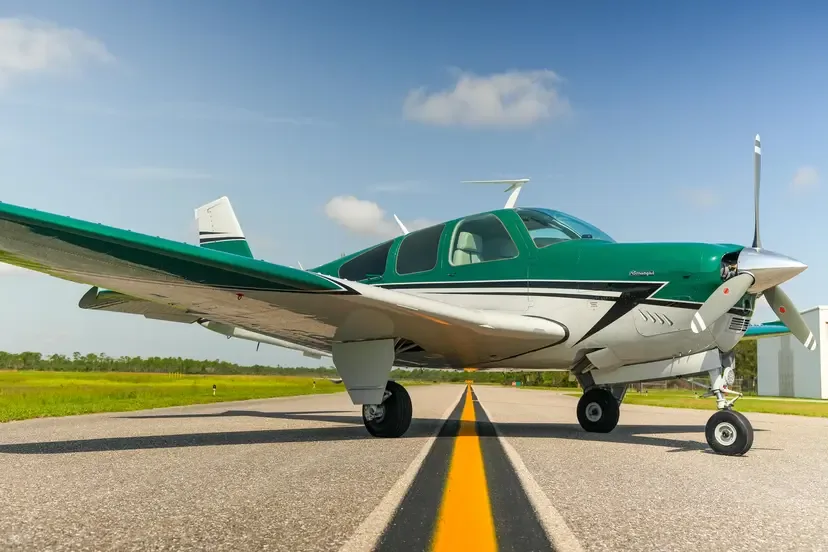
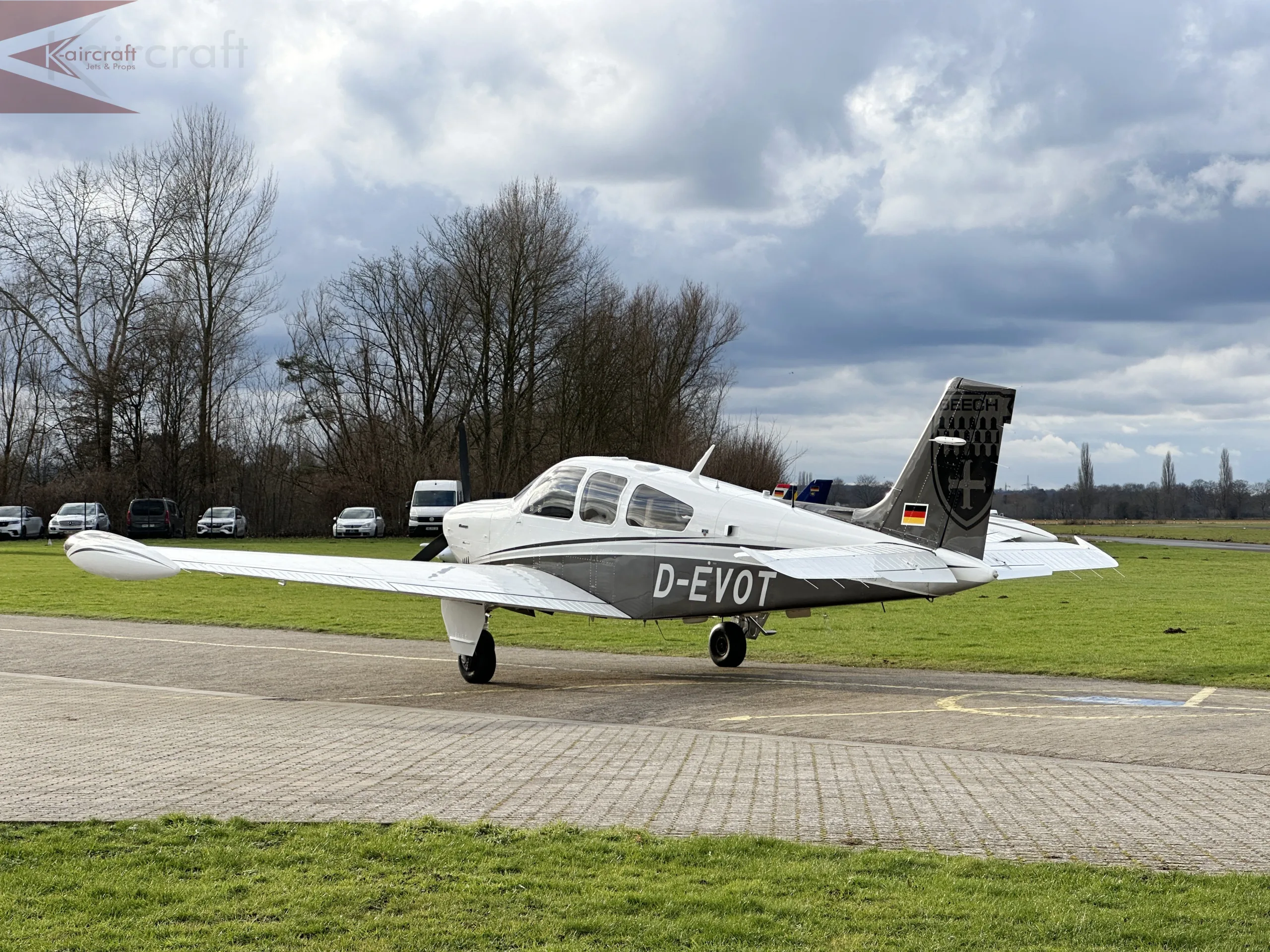
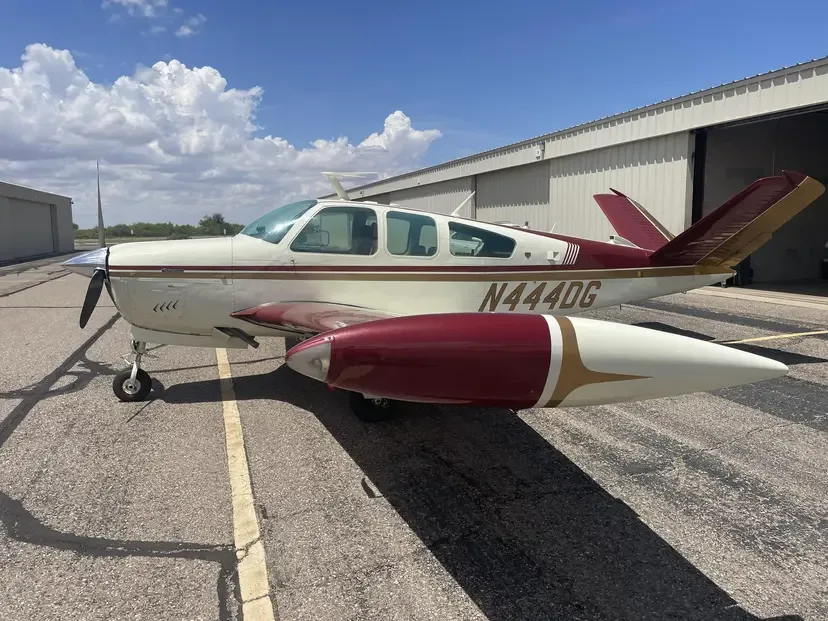
Free — save the 33 to your watchlist and track it in one place.
More Beechcraft F33A Bonanzamanuals & documents
See all 13 →- SkyView HDX System Autopilot Servo Installation ManualParts Catalog
- AIRCRAFT SPECIFICATION NO. 3A15Flight Manual
- INSTRUCTIONS for CONTINUED AIRWORTHINESS and MAINTENANCE MANUAL SUPPLEMENTMaintenance Manual
- SCHEDULE OF AIRWORTHINESS DIRECTIVESAirworthiness Directives
- Beech F33A BonanzaPilot's Operating Handbook
- Beechcraft Bonanza F33APilot's Operating Handbook
- Beechcraft Bonanza Wiring Diagram ManualWiring Diagrams
- DECLARATION OF JEFFREY SOULE, IN SUPPORT OF OPPOSITION TO MOTION TO ENFORCE AND MODIFY CONSENT JUDGMENT; CASE NO. RG-11-600721Type Certificate
- ABS/BPPP Guide to Initial Pilot Checkout Appendix: Using Performance ChartsTraining Manual
- PILOT CHECKLISTChecklist
- Beechcraft F33A Bonanza Performance and SpecificationsPerformance Data
- INSTALLATION MANUAL INSTALLATION DRAWINGS AND INSTRUCTIONS AUXILARY WING TIP FUEL TANKSAvionics Manual
Related documents
- Beechcraft F33A Bonanza Performance and SpecificationsBeechcraft F33A Bonanza · Performance Data
- BEECHCRAFT F33 BONANZA Model GuideBEECHCRAFT F33 BONANZA · Model Guide
- BEECHCRAFT F33A Model GuideBEECHCRAFT F33A · Model Guide
- Beech F33A BonanzaBeechcraft F33A Bonanza · Pilot's Operating Handbook
- Beechcraft 35 Bonanza Model GuideBeechcraft 35 Bonanza · Model Guide
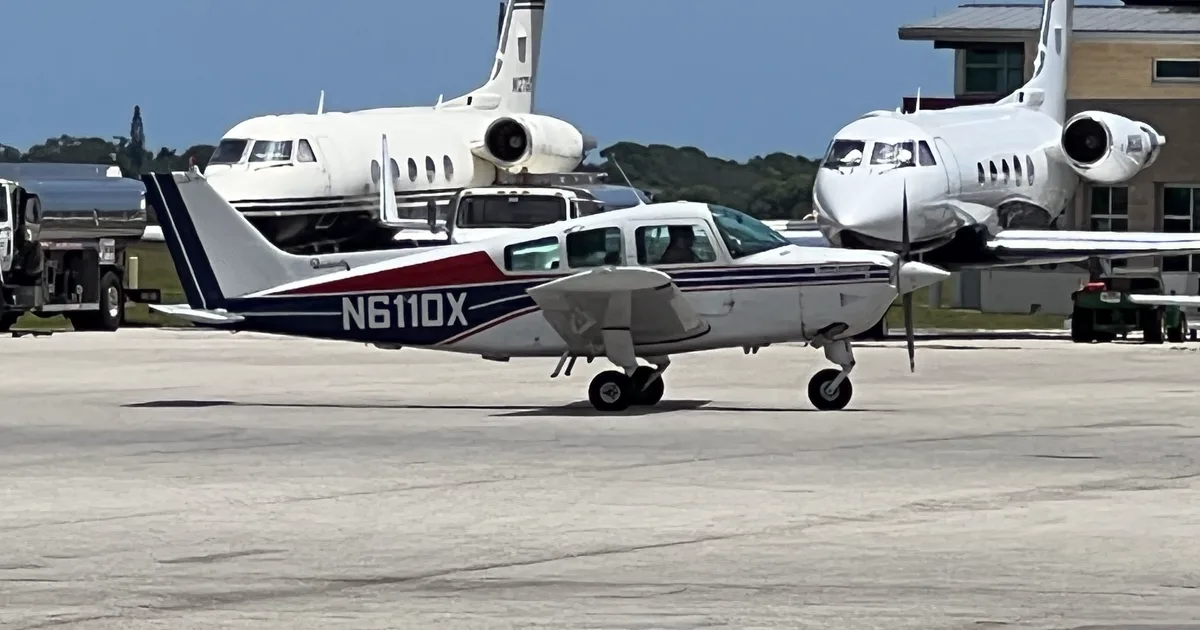
If you fly the Beechcraft F33A Bonanza, you may also be researching these.

In this document
Performance in a flight test
A 1989 F33A with 285 hp climbed at 1,200 fpm at 96 knots and 800 fpm at 115 knots. At 65% power it made about 165 knots true on just under 14 gph. The testers said four hours at that setting leaves a full hour of fuel. At 45% power it flew about 135 knots for 6.5 hours.
Cabin, load and handling
The cabin is tall with good leg and headroom and excellent visibility. The cargo-size baggage door has robust latches. Handling is smooth, especially in roll, with interconnected ailerons and rudder. The tested airplane's 70-lb air conditioning added to its empty weight, so check the useful load of any example you inspect.
What to check before buying
Look for factory options such as the large cargo door, three-blade propeller and avionics. Confirm flap flex shaft history against the flap flex shaft AD. Ask whether wingtip auxiliary tanks (20 gal each) are fitted. Do a full preflight, including draining the fuel sumps and the fuel selector valve sump.
Summary written by AI from the source document. Check the original before relying on it. See which parts of Sprinkle are written by AI.
Safety notes
- Flap flex shafts made January 2000 through April 2001 must be replaced under the AD. Check the logbooks for any flap shaft or actuator replaced since 1 March 2000.
- With tip tanks, move fuel only in level flight. Start transfer with both mains half full and watch the gauges, because fuel burn can exceed the transfer rate.
- Performance charts assume a paved, level, dry runway and the stated technique. Apply a generous margin; the takeoff chart has no data beyond 10 knots of tailwind.
Summary written by AI from the source document. Check the original before relying on it. See which parts of Sprinkle are written by AI.
Full document text
Beechcraft F33A Bonanza Model Guide The Beechcraft F33A Bonanza is a conventional-tail, single-engine piston Bonanza built from 1970 to 1994. It seats 4 to 6 and has a 285-hp Continental IO-520 with a three-blade propeller. Period flight reports call it a solid "full fuel and three adults" airplane with a very large baggage area. • Full fuel (74 gal usable) plus three adults was workable in a 1989 example, with a 3,412-lb max ramp weight. • A 1991 flight test measured 173 knots true at 75% power, burning 14.4 gph at 8,500 ft. • The baggage area takes 270 lb. A fifth seat in the baggage hold is limited by weight and balance. • The panel layout is dated, there is no rudder trim, and dual yokes can hide the subpanel switches. Performance in a flight test A 1989 F33A with 285 hp climbed at 1,200 fpm at 96 knots and 800 fpm at 115 knots. At 65% power it made about 165 knots true on just under 14 gph. The testers said four hours at that setting leaves a full hour of fuel. At 45% power it flew about 135 knots for 6.5 hours. Cabin, load and handling The cabin is tall with good leg and headroom and excellent visibility. The cargo-size baggage door has robust latches. Handling is smooth, especially in roll, with interconnected ailerons and rudder. The tested airplane's 70-lb air conditioning added to its empty weight, so check the useful load of any example you inspect. What to check before buying Look for factory options such as the large cargo door, three-blade propeller and avionics. Confirm flap flex shaft history against the flap flex shaft AD. Ask whether wingtip auxiliary tanks (20 gal each) are fitted. Do a full preflight, including draining the fuel sumps and the fuel selector valve sump. Safety notes: • Flap flex shafts made January 2000 through April 2001 must be replaced under the AD. Check the logbooks for any flap shaft or actuator replaced since 1 March 2000. • With tip tanks, move fuel only in level flight. Start transfer with both mains half full and watch the gauges, because fuel burn can exceed the transfer rate. • Performance charts assume a paved, level, dry runway and the stated technique. Apply a generous margin; the takeoff chart has no data beyond 10 knots of tailwind.