BOMBARDIER CHALLENGER 600 Model Guide
BOMBARDIER CHALLENGER 600 · Model Guide
Overview
The BOMBARDIER CHALLENGER 600 is a twin-engine turbofan business jet. The registry lists it under Canadair, with 600 and 601 variants. This guide draws on one 1982 listing (serial 1056, asking $1,200,000) and the Canadair operating manual's hydraulics section. Use the listing as a sample of what to check, not as the whole model.
- The sample 1982 airplane shows 7808.3 hours and 4573 landings, with engines and APU on MSP Gold. Verify all times yourself.
- Three independent hydraulic systems power the flight controls, landing gear, nose wheel steering and brakes.
- Check which service bulletins are embodied: SB 600-0380 changes nose wheel steering and SB 600-0318 affects the heat exchanger.
- The sample has a Branson rear fuel modification (15,300 lbs fuel), a 2003 Duncan panel and interior upgrade, and 12 passenger seats plus a jumpseat.
Summary written by AI from the source document. Check the original before relying on it. See which parts of Sprinkle are written by AI.
Reference only, not for flight. Use the current approved manual for your aircraft. See terms, section 5.
Document
Source
Copy found at sprinkle.com. Sprinkle hosts a reference copy with an added summary, specifications and searchable full text.
Document details
- Type ·
- Model Guide
- Year ·
- 2026
- File size ·
- 49 KB
- Copy found at ·
- sprinkle.com
Specifications & performance
Extracted from this document.
Specifications
- Fuel with branson mod (lb) ·
- 15,300
What is the BOMBARDIER CHALLENGER 600 asking price in the sample listing?
The sample 1982 BOMBARDIER CHALLENGER 600 (serial 1056) was listed at $1,200,000 with times current as of 03/22/2013. The seller says the buyer must verify all specs, times and logs.
How many hydraulic systems does the BOMBARDIER CHALLENGER 600 have?
The BOMBARDIER CHALLENGER 600 has three independent hydraulic systems, No. 1, No. 2 and No. 3. They power the flight controls, landing gear, nose wheel steering and brakes.
What happens if both AC electric systems fail on the BOMBARDIER CHALLENGER 600?
On the BOMBARDIER CHALLENGER 600, the air-driven generator deploys automatically and powers No. 3 hydraulic pump 3B, so that system keeps operating.
Which BOMBARDIER CHALLENGER 600 variants are in the registry?
The registry lists the BOMBARDIER CHALLENGER 600 family as CL-600-1A11 (600, CL-600) and CL-600-2A12 (601, CL-601), with turbofan propulsion.
What is the BOMBARDIER CHALLENGER 600 Model Guide?
The BOMBARDIER CHALLENGER 600 Model Guide is a model guide for the BOMBARDIER CHALLENGER 600, dated 2026.
What year was the BOMBARDIER CHALLENGER 600 Model Guide published?
The BOMBARDIER CHALLENGER 600 Model Guide — the BOMBARDIER CHALLENGER 600 model guide on file — is dated 2026.
Common. More common than 70% of the aircraft models we track.
Most owners only have the POH. Here's the essential set for the BOMBARDIER CHALLENGER 600.
- Pilot's Operating Handbook / AFM
- Checklist
- Maintenance Manual
- Parts Catalog (IPC)
- Systems & Wiring
- Service Bulletins on file
- Type Certificate (TCDS)
BOMBARDIER CHALLENGER 600 for sale now
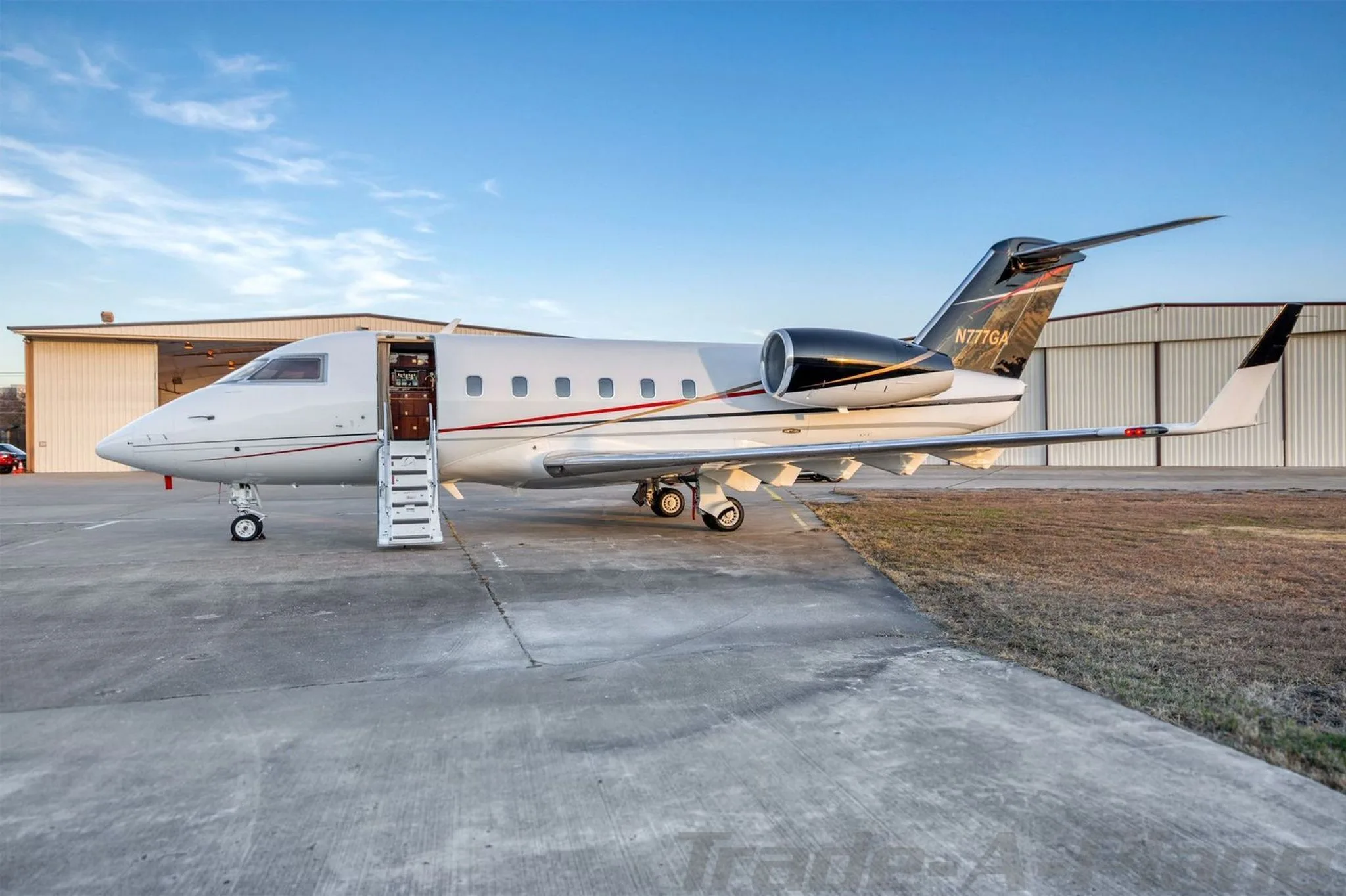
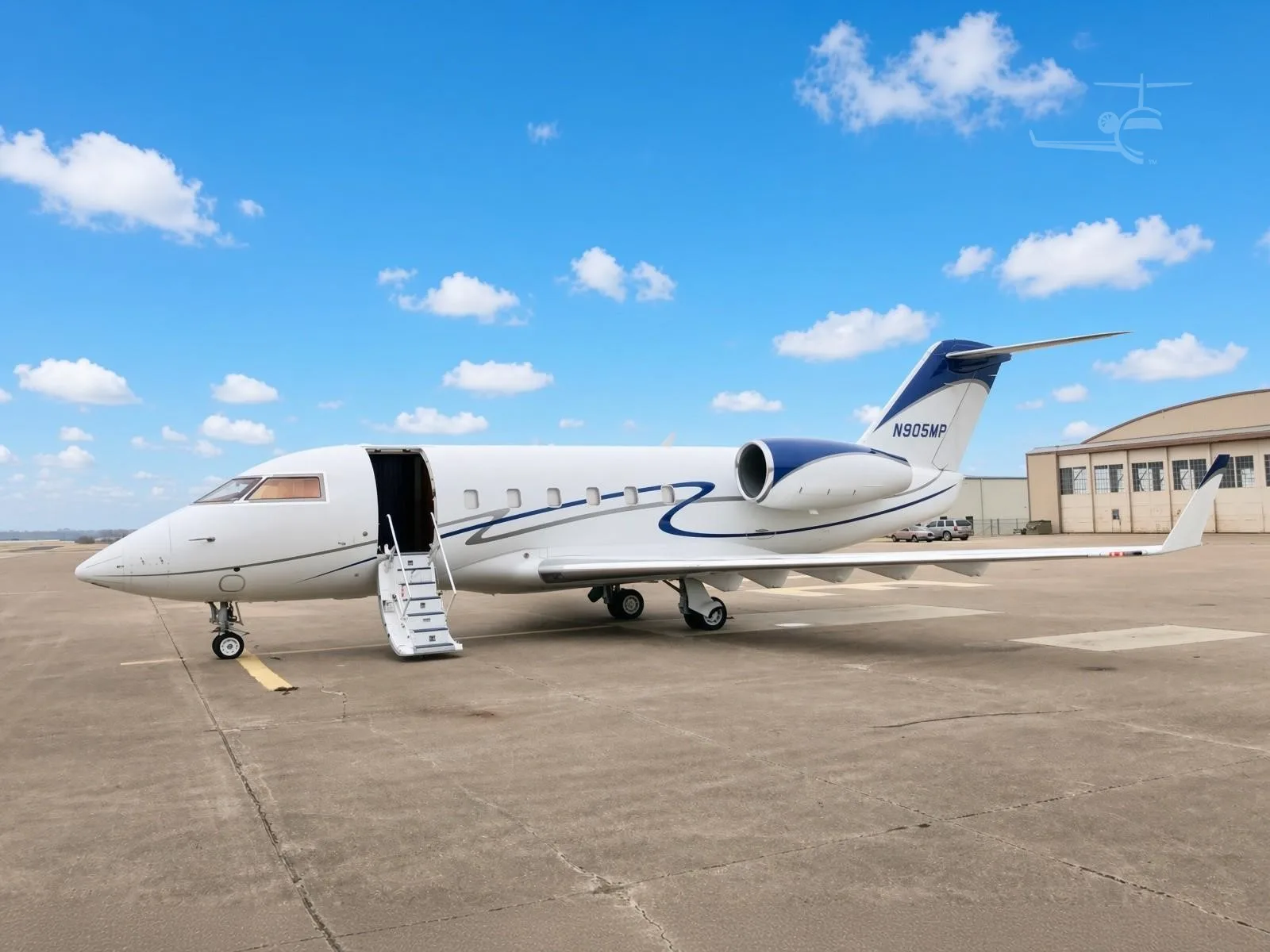
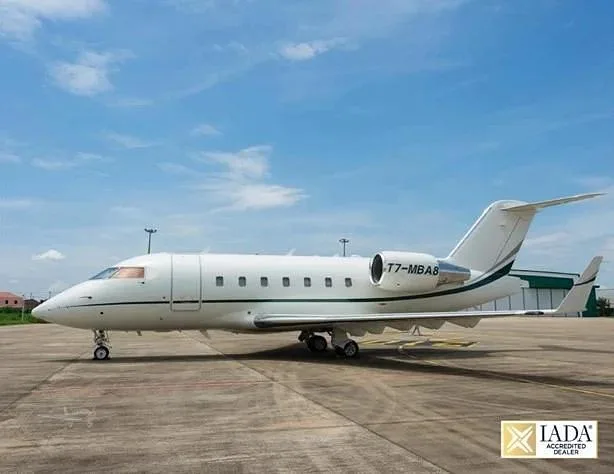
Free — save the 600 to your watchlist and track it in one place.
More BOMBARDIER CHALLENGER 600manuals & documents
Related documents
- BOMBARDIER CHALLENGER 605 Model GuideBOMBARDIER CHALLENGER 605 · Model Guide
- BOMBARDIER CHALLENGER 601-3R Model GuideBOMBARDIER CHALLENGER 601-3R · Model Guide
- 1982 Bombardier Challenger 600 WLBOMBARDIER CHALLENGER 600 · Maintenance Manual
- BOMBARDIER CHALLENGER 350 Model GuideBOMBARDIER CHALLENGER 350 · Model Guide
- BOMBARDIER CHALLENGER 605BOMBARDIER CHALLENGER 605 · Maintenance Manual
If you fly the BOMBARDIER CHALLENGER 600, you may also be researching these.
In this document
Sample listing: 1982 serial 1056
Airframe 7808.3 hours and 4573 landings. Honeywell 502L2C engines show 7224.3 and 7088.4 hours, and the APU is a GTCP36-100E. Records: no damage history, logs complete since new, always U.S. based. A ten-year landing gear overhaul was done 04/2012 and a 12 inspection 05/2013. Times were current as of 03/22/2013. The seller disclaims accuracy, so the buyer must verify everything.
Hydraulics and brakes (operating manual)
Systems No. 1 and No. 2 each have an engine-driven pump and an AC electric pump. No. 3 has two AC electric pumps. Nominal pressure is 3000 psi. An air-driven generator powers pump 3B if both primary AC systems fail. Each brake accumulator gives about eight brake applications after a system failure. Anti-skid has built-in test equipment.
Steering and gear configuration
Aircraft without SB 600-0380 have hydraulic nose wheel steering of 53 to 55 degrees each side. Aircraft with SB 600-0380 have steer-by-wire, with an electronic control module and a free-castoring fail mode. Normal gear extension and retraction uses No. 3 hydraulics. A manual release handle free-falls the gear in an emergency. Confirm which steering system the airplane has.
Summary written by AI from the source document. Check the original before relying on it. See which parts of Sprinkle are written by AI.
Safety notes
- Nose wheels past 55 degrees must be brought back by towing or differential braking before arming hydraulic steering. Never use hydraulic power to re-engage the rack and pinion.
- If both weight-on-wheels systems are inoperative, the anti-skid must be selected OFF, because it becomes inactive below 30 kts.
- The landing gear warning horn cannot be muted when flaps are extended more than 30 degrees without the gear down and locked.
Summary written by AI from the source document. Check the original before relying on it. See which parts of Sprinkle are written by AI.
Full document text
BOMBARDIER CHALLENGER 600 Model Guide The BOMBARDIER CHALLENGER 600 is a twin-engine turbofan business jet. The registry lists it under Canadair, with 600 and 601 variants. This guide draws on one 1982 listing (serial 1056, asking $1,200,000) and the Canadair operating manual's hydraulics section. Use the listing as a sample of what to check, not as the whole model. • The sample 1982 airplane shows 7808.3 hours and 4573 landings, with engines and APU on MSP Gold. Verify all times yourself. • Three independent hydraulic systems power the flight controls, landing gear, nose wheel steering and brakes. • Check which service bulletins are embodied: SB 600-0380 changes nose wheel steering and SB 600-0318 affects the heat exchanger. • The sample has a Branson rear fuel modification (15,300 lbs fuel), a 2003 Duncan panel and interior upgrade, and 12 passenger seats plus a jumpseat. Sample listing: 1982 serial 1056 Airframe 7808.3 hours and 4573 landings. Honeywell 502L2C engines show 7224.3 and 7088.4 hours, and the APU is a GTCP36-100E. Records: no damage history, logs complete since new, always U.S. based. A ten-year landing gear overhaul was done 04/2012 and a 12 inspection 05/2013. Times were current as of 03/22/2013. The seller disclaims accuracy, so the buyer must verify everything. Hydraulics and brakes (operating manual) Systems No. 1 and No. 2 each have an engine-driven pump and an AC electric pump. No. 3 has two AC electric pumps. Nominal pressure is 3000 psi. An air-driven generator powers pump 3B if both primary AC systems fail. Each brake accumulator gives about eight brake applications after a system failure. Anti-skid has built-in test equipment. Steering and gear configuration Aircraft without SB 600-0380 have hydraulic nose wheel steering of 53 to 55 degrees each side. Aircraft with SB 600-0380 have steer-by-wire, with an electronic control module and a free-castoring fail mode. Normal gear extension and retraction uses No. 3 hydraulics. A manual release handle free-falls the gear in an emergency. Confirm which steering system the airplane has. Safety notes: • Nose wheels past 55 degrees must be brought back by towing or differential braking before arming hydraulic steering. Never use hydraulic power to re-engage the rack and pinion. • If both weight-on-wheels systems are inoperative, the anti-skid must be selected OFF, because it becomes inactive below 30 kts. • The landing gear warning horn cannot be muted when flaps are extended more than 30 degrees without the gear down and locked.