
Cessna 152 Checklist
Checklist for the Cessna 152
PDF, 2 pages, 31 KB, from Sprinkle’s own files.
What it covers
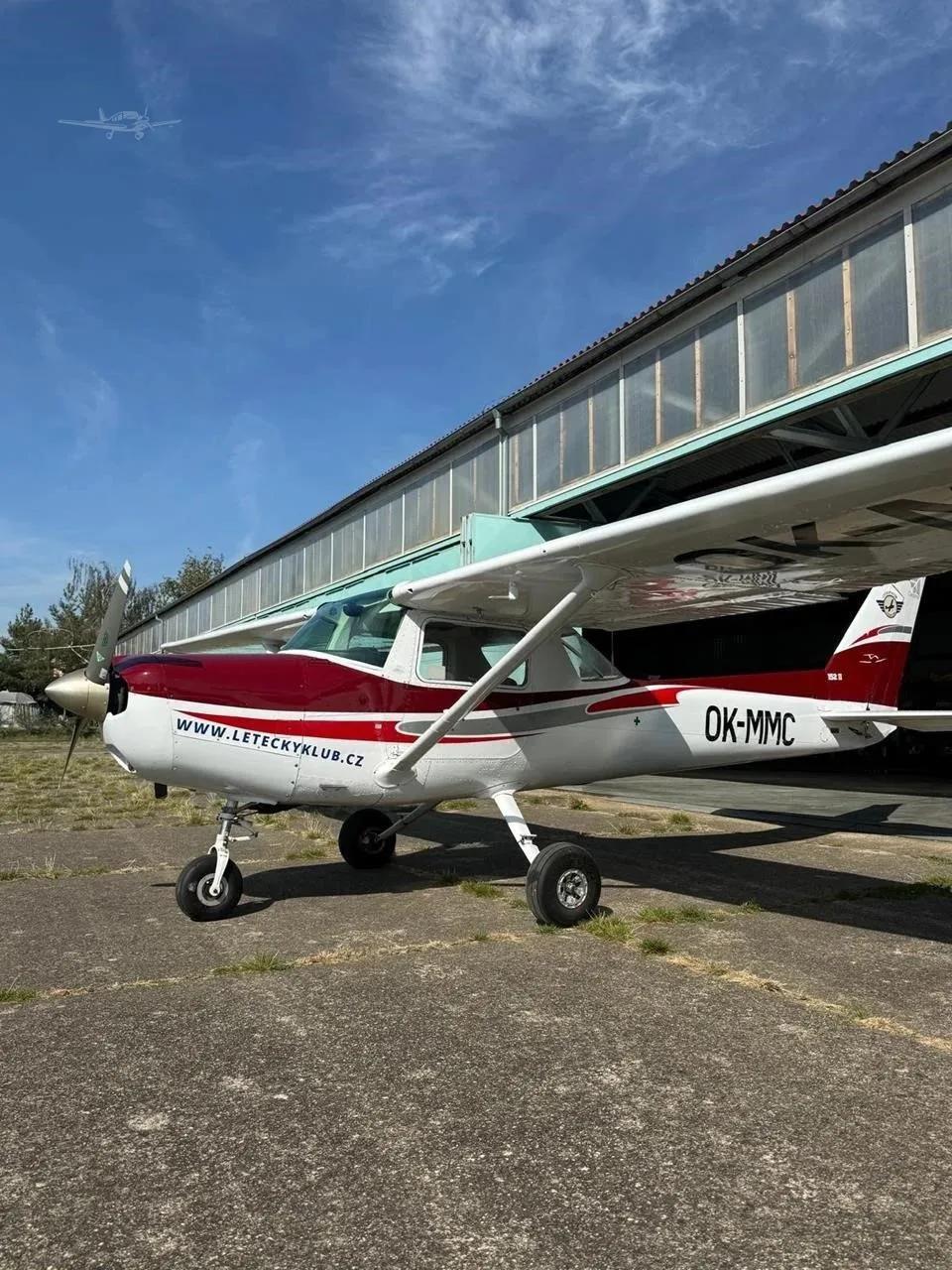
The Cessna 152 Checklist provides essential preflight, startup, shutdown, and operational procedures for pilots operating the Cessna 152 aircraft. This document serves as a quick reference to ensure that all necessary checks and actions are completed before and during flight. It includes detailed steps for preflight inspections, engine startup procedures, and critical operational checks such as before takeoff and landing protocols. The checklist is designed to enhance safety and efficiency in flight operations, ensuring that pilots adhere to standard operating procedures. It is important for pilots to familiarize themselves with this checklist to maintain compliance with safety regulations and operational standards.
Key points
- Oil level should be maintained between 4.5 to 6 quarts.
- During startup, ensure the throttle is set to ½ inch open before starting the engine.
- Before takeoff, perform a magneto check with a maximum drop of 125 RPM and a maximum difference of 50 RPM.
- V speeds include VR (Rotate) at 50 KIAS and VY (Best rate climb) at 67 KIAS.
- In an emergency descent, set the transponder to 7700 and monitor 121.5 MHz.
Main sections
Preflight Inspection
The preflight inspection section outlines a comprehensive checklist for ensuring the aircraft is ready for flight. Key tasks include removing covers and gust locks, cleaning the windshield, checking fuel gauges, and ensuring the control lock is removed. The section also emphasizes checking the condition of the wings, tail, and nose for any potential issues, including fuel leaks and oil levels, which should be between 4.5 to 6 quarts.
Startup Procedures
The startup procedures detail the steps required to safely start the aircraft's engine. Pilots must secure seats and belts, complete a passenger briefing, and check circuit breakers before turning on the master switch. The throttle should be set to half an inch open, and after visually ensuring the prop area is clear, the ignition can be started. Following startup, pilots should check oil pressure and ammeter readings, and ensure that flaps are up and radios are operational.
Before Takeoff
This section provides a checklist to ensure the aircraft is ready for takeoff. Key items include checking that the nose gear is straight, holding brakes, setting the throttle to 1000 RPM, and confirming that flight controls are free and correct. The checklist also includes verifying engine instruments and performing a magneto check with specified RPM drop limits.
Emergency Descent
In the event of an emergency descent, this section outlines critical steps to follow. Pilots should trim for best glide, locate a suitable landing field, and ensure the fuel valve is on and mixture is rich. The checklist emphasizes the importance of maintaining control and communication, including setting the transponder to 7700 and monitoring 121.5 MHz.
Safety notes
- Always ensure the prop area is clear before starting the engine.
- Monitor oil pressure and ammeter after engine startup to ensure normal operation.
The document’s text
Show the text read from the PDF
Cessna 152 Checklist (see POH for amplified procedures, no warranties or guarantees apply) Preflight Cabin: 1. Covers, plugs - REMOVE. 2. Gust locks - REMOVE. 3. Windshield - CLEAN. 4. Documents - ARROW. 5. Hobbs & Tach - NOTE. 6. Control lock - REMOVE. 7. Ignition - OFF. 8. Avionics - OFF. 9. Master - ON. 10. Fuel gauges - CHECK. 11. Flaps - DOWN. 12. Lights - CHECK. 13. Pitot heat - CHECK. 14. Master - OFF. 15. ELT - AUTO. Tail: 1. Antennas - CHECK. 2. Left-side fuselage - CHECK. 3. Elevator, rudder, trim - CHECK. 4. Tail tie-down - REMOVE. 5. Right-side fuselage - CHECK. Right Wing: 1. Flap, aileron, weights - CHECK. 2. Wing tip, leading edge - CHECK. 3. Tie-down, chock - REMOVE. 4. Tire, brakes, strut - CHECK. 5. Wing vent - DRAIN. 6. Fuel level - CHECK VISUALLY. 7. Fuel cap - SECURE. 8. Air inlet - CHECK. Nose: 1. Gas, oil leaks on ground? 2. Belly - DRAIN. 3. Fuel strainer - DRAIN. 4. Fuel cap - SECURE. 5. Oil level - 4 ½ TO 6 QUARTS. 6. Cowling - SECURE. 7. Alternator belt - CHECK. 8. Landing light - CHECK. 9. Prop, spinner - CHECK. 10. Air filter - CHECK. 11. Tire, strut, linkage - CHECK. 12. Stall warning - CHECK. 13. Static port - CHECK. 14. Pitot - CHECK. 15. Fuel tank vent - CHECK. Left Wing: as right wing. Startup 1. Seats, belts - SECURE. 2. Passenger briefing - COMPLETE. 3. Charts - ARRANGE. 4. Circuit breakers - CHECK. 5. Beacon - ON. 6. Nav lights - AS REQUIRED. 7. Avionics - OFF. 8. Brakes - HOLD. 9. Fuel valve - ON. 10. Mixture - RICH. 11. Carb heat - OFF. 12. Prime - AS REQUIRED. 13. Master - ON. 14. Throttle - ½ INCH OPEN. 15. Prop area - VISUALLY CLEAR. 16. Landing light - FLASH IF DARK. 17. Yell CLEAR. 18. Ignition - START. 19. Throttle - 1000. 20. Oil pressure - CHECK. 21. Ammeter - CHECK. 22. Flaps - UP. 23. Radios - ON and CHECK. 24. 121.5 MHz - MONITOR FOR ELT. 25. Transponder - STANDBY. 26. Circuit breakers - CHECK. 27. Flight instruments - SET. 28. Parking brake - RELEASE. 29. Brakes - TEST. Shutdown 1. 121.5 MHz - MONITOR FOR ELT. 2. Avionics - OFF. 3. Lights, except beacon - OFF. 4. Mixture - OFF. 5. Throttle - OFF. 6. Ignition - OFF. 7. Master - OFF. 8. Hobbs & Tach - NOTE. 9. Seat belts - SECURE. 10. Control locks - INSTALL. 11. Gust locks - INSTALL. 12. Tie-downs - SECURE. 13. Covers, plugs - INSTALL. 14. Prop - VERTICAL. 15. CLOSE FLIGHT PLAN. 5/6/2015 -- 1 of 2 -- Cessna 152 Checklist (see POH for amplified procedures, no warranties or guarantees apply) Before Takeoff 1. Nose gear - STRAIGHT. 2. Brakes - HOLD. 3. Throttle - 1000. 4. Flight controls - FREE, CORRECT. 5. Elevator trim - TAKEOFF. 6. Flight instruments - SET. 7. Fuel valve - ON. 8. Mixture - RICH. 9. Primer - LOCKED. 10. Throttle - 1700. 11. Engine instruments - CHECK. 12. Ammeter - CHECK. 13. Mags - CHECK L, R, BOTH, 125 rpm drop, 50 rpm diff. 14. Carb heat - CHECK DROP. 15. Throttle - IDLE. 16. Carb heat - CHECK DROP. 17. Throttle - 1000. 18. Flaps - 0 OR 10 SOFT, SHORT. 19. Carb heat - OFF. 20. Transponder - ALT, 1200. 21. Radio - SET FREQUENCIES. 22. Doors, windows - CLOSED. 23. Seats & belts - SECURE. 24. Oil temperature - CHECK. 25. Radio - INTENTIONS. Cruise 1. Throttle - CRUISE. 2. Mixture - LEAN. 3. Trim - SET. 4. DG - RESET. V Speeds KIAS (vary with load, conditions) Rotate VR 50 Best rate climb VY 67 Best angle climb VX 55 Maneuvering VA 93 - 104 Max flap extend VFE 85 Max cruise VNO 111 Never exceed VNE 149 Stall (clean) VS 40 (48) Stall (full flaps) VSo 35 (43) Cruise climb 70 - 80 Cruise descent 90 Approach 65 Shortest landing 55 Best glide 60 Before Landing 1. Seats & belts - SECURE. 2. Landing light - ON. 3. Fuel valve - ON. 4. Mixture - RICH. 5. Primer - LOCKED. 6. Carb heat - ON. After Landing 1. Flaps - UP. 2. Carb heat - OFF. 3. Throttle - 1000. 4. Transponder - STANDBY, 1200. 5. Landing light - OFF. Emergency Descent 1. Trim - BEST GLIDE. 2. FIND A FIELD. 3. Fuel valve - ON. 4. Mixture - RICH. 5. Throttle - OPEN. 6. Carb heat - ON. 7. Mags - L, R, BOTH. 8. Primer - LOCKED. 9. Radio - 121.5. 10. Transponder - 7700. 11. Mixture - OFF. 12. Throttle - OFF. 13. Fuel valve - OFF. 14. Ignition - OFF. 15. Seats & belts - SECURE. 16. Door - CRACKED OPEN. 17. Flaps - AS REQUIRED. 18. Master - OFF. -- 2 of 2 --
Read from the PDF by machine, so tables and diagrams come out rough. The PDF is the document.
More Cessna 152 documents
All 50 →- Cessna 152 Checklist
The Cessna 152 is a two-seat, single-engine aircraft that is widely used for flight training and personal flying. Known for its reliability and ease of handling, the Cessna 152 features a high-wing design and a tricycle landing gear configuration. This checklist provides a comprehensive preflight and operational guide for pilots to ensure safety and compliance before and during flight operations. It covers critical areas such as interior and exterior checks, engine start procedures, and emergency protocols, making it an essential tool for pilots operating this aircraft model.
- Cessna 152 CHECKLIST
This document is a checklist specifically designed for the Cessna 152, intended for training purposes. It provides a streamlined set of procedures for pilots to follow before, during, and after flight operations. The checklist emphasizes critical actions that should be committed to memory, while omitting detailed explanations for brevity. It includes preflight inspections, engine start procedures, takeoff, landing, and emergency protocols. The checklist is a practical tool for pilots to ensure safety and compliance with operational standards, and it encourages users to refer to the official Aircraft Owner’s Manual for comprehensive guidelines.
- Cessna C-152 Checklist
The Cessna C-152 is a two-seat, single-engine aircraft that is widely used for flight training and personal flying. Known for its reliability and ease of handling, the C-152 features a high-wing design and a tricycle landing gear configuration. This checklist serves as a comprehensive guide for pilots to ensure all necessary preflight, in-flight, and post-flight procedures are completed systematically. It covers critical operational checks, emergency procedures, and standard maneuvers, making it an essential tool for both novice and experienced pilots. The checklist is structured to facilitate a thorough review of the aircraft's systems and controls, ensuring safety and compliance with aviation regulations.
- Cessna-152 Checklist
The Cessna 152 is a two-seat, single-engine aircraft that is widely used for flight training and personal flying. Known for its reliability and ease of handling, the Cessna 152 features a high-wing design and a tricycle landing gear configuration. This checklist is designed to ensure that all necessary preflight, in-flight, and post-flight procedures are followed to maintain safety and operational efficiency. The checklist includes detailed steps for inspecting the aircraft, starting the engine, conducting taxi checks, and preparing for takeoff, as well as emergency procedures to follow in various scenarios. This comprehensive approach helps pilots to systematically verify the aircraft's readiness for flight and to respond effectively to any in-flight emergencies.
- Eng C152-CHECKLIST
The Cessna 152 is a two-seat, single-engine aircraft that is widely used for flight training and personal flying. Known for its reliability and ease of handling, the C152 is equipped with a high-wing design and a tricycle landing gear configuration. This aircraft is powered by a Lycoming O-235 engine, providing a balance of performance and fuel efficiency. The Cessna 152 is particularly favored for its forgiving flight characteristics, making it an ideal choice for novice pilots. The following checklist outlines essential pre-flight, in-flight, and emergency procedures to ensure safe operation of the aircraft.
- Cessna 152 Model Guide
The Cessna 152 is a two-seat, single-engine piston trainer built from 1978 to 1985. It has fixed tricycle gear and a 110 hp Avco Lycoming engine (O-235-L2C) driving a fixed-pitch propeller. Maximum takeoff weight is 1670 lbs, and it cruises at about 107 knots. It suits a buyer who wants a simple, economical two-seater for training or local flying. It is not a heavy hauler. The Cessna 152 has known inspection items on the tail and flap actuators, so buy it with a records and airworthiness-directive review.
- Instructions for Continued Airworthiness
This document provides instructions for the continued airworthiness of the McFarlane Aviation PMA replacement vertical fin fittings (P/N MC0431148-1) that are eligible for installation on Cessna 150 and 152 aircraft. It details the installation, removal, and replacement procedures for the vertical fin fittings, which are critical components that attach to the vertical and horizontal stabilizers. The document emphasizes the importance of proper installation by qualified personnel and outlines the necessary tools and procedures to ensure safety and compliance with FAA regulations. It also references relevant Cessna service manuals for additional operational control and maintenance guidance.
- Quick Reference Handbook Textron/cessna 152 II SP-WBL
This Quick Reference Handbook is designed specifically for the Textron/Cessna 152 II, providing essential information for flight training. It includes operational speeds, performance data, and checklists tailored for the Cessna 152 II model. The handbook is intended for use by pilots and flight training personnel, ensuring that critical procedures and performance metrics are easily accessible during flight operations. The document emphasizes safety and operational efficiency, with detailed sections on normal and emergency procedures, performance limitations, and preflight checks.
Cessna 152 for sale now
View all 27 for sale →Aircraft that this checklist covers, listed on the sites Sprinkle reads. Asking prices, not sales. Cessna 152 asking prices by year built.


Also useful for the Cessna 152
From Sprinkle’s library of aircraft documents. PDFs open from Sprinkle’s own files. Read Feb 11, 2026.
Want this document taken down? Request removal