
Eng C152-CHECKLIST
Checklist for the Cessna 152
PDF, 2 pages, 153 KB, from Sprinkle’s own files.
What it covers
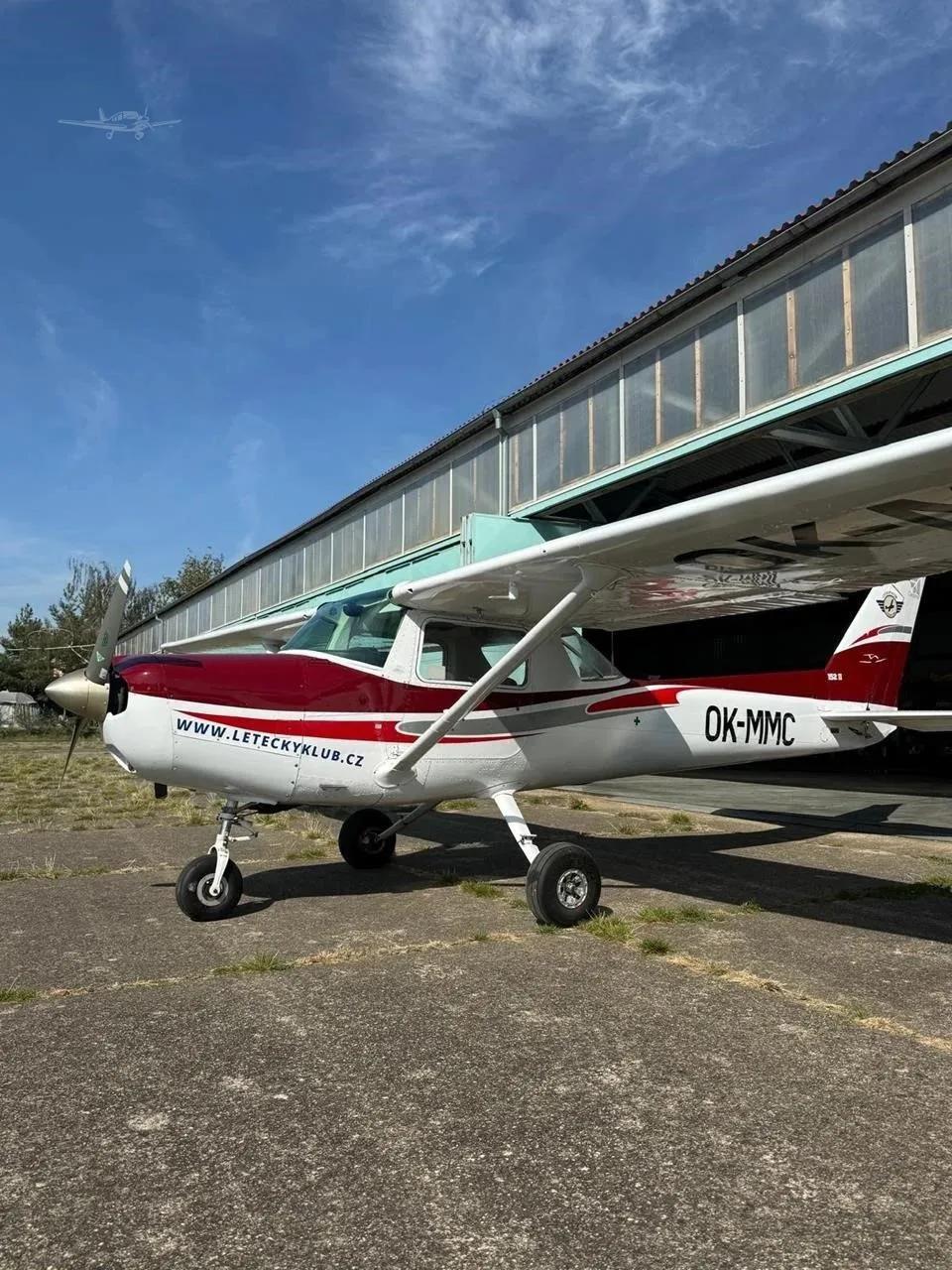
The Cessna 152 is a two-seat, single-engine aircraft that is widely used for flight training and personal flying. Known for its reliability and ease of handling, the C152 is equipped with a high-wing design and a tricycle landing gear configuration. This aircraft is powered by a Lycoming O-235 engine, providing a balance of performance and fuel efficiency. The Cessna 152 is particularly favored for its forgiving flight characteristics, making it an ideal choice for novice pilots. The following checklist outlines essential pre-flight, in-flight, and emergency procedures to ensure safe operation of the aircraft.
Key points
- Always perform a thorough preflight inspection before starting the engine.
- Monitor engine instruments closely during startup and taxiing.
- Follow specific airspeeds for different landing and takeoff configurations.
- Be prepared for emergency procedures, especially engine failures.
Main sections
Before Starting Engine
Preflight Inspection: COMPLETE Seats, Belts, Shoulder Harnesses: ADJUST Fuel Shutoff Valve: LOCK ON Radios, Electrical Equipment: OFF Brakes: CHECK
Starting Engine
Mixture: RICH Carburetor Heat: COLD Throttle: OPEN 1/2 INCH Master Switch: ON Ignition Switch: START Oil Pressure: CHECK
Takeoff Procedures
Normal Takeoff: Wing Flaps: 0° Climb Speed: 65-75 KIAS Short Field Takeoff: Wing Flaps: 10° Climb Speed: 54 KIAS
Emergency Procedures
Engine Failure During Takeoff: Throttle: IDLE, Brakes: APPLY, Wing Flaps: RETRACT Engine Failure During Flight: Airspeed: 60 KIAS, Mixture: IDLE CUT-OFF, Fuel Shutoff Valve: OFF
Icing Procedures
1. Turn pitot heat switch ON (if installed). 2. Change altitude to obtain a warmer temperature. 3. Pull cabin heat control full out for maximum defroster air. 4. Increase throttle to minimize ice buildup on propeller.
Safety notes
- Ensure all doors are unlocked before takeoff.
- Maintain situational awareness during flight, especially in icing conditions.
- Perform a thorough check of the aircraft systems before each flight.
The document’s text
Show the text read from the PDF
smartaero flight academy ENG BEFORE STARTING ENGINE Preflight Inspection....... COMPLETE Seats, Belts, Shoulder Harnesses ADJUST and Fuel Shutoff Valve....... LOCK ON Radios, Electrical Equipment. OFF Brakes Circuit Breakers STARTING ENGINE Mixture Carburetor Heat... Prime......... Throttle Propeller Area. Master Switch Ignition Switch Throttle... Oil Pressure TAXIING Parking Brake.. Brakes. Instruments Taxi lights. ...... TEST and SET CHECK IN RICH COLD AS REQUIRED (up to 3 strokes) OPEN 1/2 INCH CLEAR ON START ADJUST for 1000 RPM or less . CHECK RELEASE TEST LANDING NORMAL LANDING Airspeed Wing Flaps Airspeed Touchdown Landing Roll.. Braking SHORT FIELD LANDING Airspeed Wing Flaps Airspeed Power CHECK ON Brakes C152-CHECKLIST .60-70 KIAS (flaps UP) AS DESIRED (< 85 KIAS) .55-65 KIAS (flaps DOWN) MAIN WHEELS FIRST .LOWER NOSE WHEEL MINIMUM REQUIRED RUN UP Brakes Engine Instruments. Throttle APPLY ALL GREAN 1700 RPM Magnetos (Drop max 125RPM). LEFT BOTH Magnetos (Drop max 125RPM). RIGHT MAX DIFFERENCE BETWEEN 50RPM Touchdown........... Wing Flaps BALKED LANDING Throttle Carburetor Heat Wing Flaps. Airspeed Wing Flaps .60-70 KIAS (flaps UP) .30°(<85 KIAS) .MAINTAIN 54 KIAS .REDUCE to idle .MAIN WHEELS FIRST APPLY HEAVILY .RETRACT .FULL OPEN. .COLD. .RETRACT to 20°. .55 KIAS. .RETRACT Magnetos (Rising). Magnetos (Rising). BOTH Carb Heat (Drop). ON Throttle (Stable, max 5sec). IDLE AFTER LANDING Carb Heat (Rising) OFF XPDR. .7000, STBY Throttle FULL PWR Flaps .UP Throttle. TAKEOFF NORMAL TAKEOFF Wing Flaps.... Carburetor Heat 0°-10° COLD 1000 RMP Carb Heat OFF Landing & Strobe Lights .OFF Pitot Heat .OFF SHUTDOWN Radios & Electronic Eqp OFF Avionic Master OFF Throttle. Elevator Control FULL OPEN Mixture.... OFF LIFT NOSE Exterior Lights OFF WHEEL at 50 KIAS Landing & Strobe Lights OFF Climb Speed SHORT FIELD TAKEOFF Wing Flaps.. Brakes Carburetor Heat 65-75 KIAS Ignition OFF Master & Alternator. .OFF Doors..... .UNLOCKED Throttle. Brakes Elevator Control Climb Speed Wing Flaps. 10° COLD APPLY FULL OPEN RELEASE SLIGHTLY TAIL LOW 54 KIAS RETRACT SECURE Control Lock Wheel Chocks. Pitot Cover.. Aircraft Secured .SET .AS NEEDED .SET .CHECKED smartaero flightacademy ENG ENGINE FAILURES ENGINE FAILURE DURING TAKEOFF RUN Throttle Brakes Wing Flaps. IDLE APPLY RETRACT Mixture Ignition Switch Master Switch ENGINE FAILURE IMMEDIATELY AFTER TAKEOFF Airspeed Mixture Fuel Shutoff Valve Ignition Switch Wing Flaps Master Switch ENGINE FAILURE DURING FLIGHT Airspeed Carburetor Heat ........ Primer Fuel Shutoff Valve Mixture Ignition Switch C152-CHECKLIST ENGINE FIRE IN FLIGHT Mixture Fuel Shutoff Valve. IDLE CUT-OFF OFF OFF OFF 85 KIAS EXECUTE OFF OFF CLOSED ACTIVATE Master Switch Cabin Heat and Air. Airspeed IDLE CUT-OFF Forced Landing OFF OFF Master Switch ELECTRICAL FIRE IN FLIGHT All Other Switches (except ignition switch) 60 KIAS. Vents/Cabin Air/Heat IDLE CUT-OFF Fire Extinguisher. OFF OFF If fire appears out and electrical power is necessary for continuance of flight AS REQUIRED Master Switch OFF Circuit Breakers Radio/Electrical Switches ...... Vents/ Cabin Air/ Heat... 60 KIAS ON CABIN FIRE IN and Master Switch LOCKED Vents/Cabin Air/Heat ON RICH BOTH FORCED LANDINGS EMERGENCY LANDING WITHOUT ENGINE POWER Airspeed Mixture Fuel Shutoff Valve Ignition Switch Wing Flaps Master Switch Doors Touchdown Brakes HEAVILY. 65 KIAS (flaps up) 60 KIAS (flaps DOWN). IDLE CUT-OFF OFF OFF AS REQUIRED OFF UNLATCH . SLIGHTLY TAIL LOW APPLY PRECAUTIONARY LANDING WITH ENGINE POWER Airspeed. Wing Flaps Selected Field Radio and Electrical Switches Wing Flaps Airspeed Master Switch Doors Touchdown Ignition Switch Brakes.... 60 KIAS 20° FLY OVER, OFF 30° 55 KIAS OFF UNLATCH SLIGHTLY TAIL LOW OFF APPLY HEAVILY Fire Extinguisher..... ON CHECK ON OPEN OFF. CLOSED ACTIVATE Land the airplane as soon as possible to inspect for damage ICING 1. Turn pitot heat switch ON (if installed). 2. Turn back or change altitude to obtain an outside air temperature that is less conducive to icing. 3. Pull cabin heat control full out to obtain maximum defroster air temperature. For greater air flow at reduced temperatures, adjust the cabin air control as required. 4. Open the throttle to increase engine speed and minimize ice buildup on propeller blades. 5. Watch for signs of carburetor air filter ice and apply carburetor heat as required. An unexpected loss in engine speed could be caused by carburetor ice or air intake filter ice. Lean the mixture for maximum RPM, if carburetor heat is used continuously. 6. Plan a landing at the nearest airport. With an extremely rapid ice build-up, select a suitable "off airport" landing site. 7. With an ice accumulation of 1/4 inch or more on the wing leading edges, be prepared for significantly higher stall speed. 8. Leave wing flaps retracted. With a severe ice build-up on the horizontal tail, the change in wing wake airflow direction caused by wing flap extension could result in a loss of elevator effectiveness. 9. Open left window and, if practical, scrape ice from a portion of the windshield for visibility in the landing approach. 10. Perform a landing approach using a forward slip, if necessary, for improved visibility. 11. Approach at 65 to 75 KIAS depending upon the amount of ice accumulation. 12. Perform a landing in level attitude.
Read from the PDF by machine, so tables and diagrams come out rough. The PDF is the document.
More Cessna 152 documents
All 50 →- Cessna 152 Checklist
The Cessna 152 is a two-seat, single-engine aircraft that is widely used for flight training and personal flying. Known for its reliability and ease of handling, the Cessna 152 features a high-wing design and a tricycle landing gear configuration. This checklist provides a comprehensive preflight and operational guide for pilots to ensure safety and compliance before and during flight operations. It covers critical areas such as interior and exterior checks, engine start procedures, and emergency protocols, making it an essential tool for pilots operating this aircraft model.
- Cessna 152 Checklist
The Cessna 152 Checklist provides essential preflight, startup, shutdown, and operational procedures for pilots operating the Cessna 152 aircraft. This document serves as a quick reference to ensure that all necessary checks and actions are completed before and during flight. It includes detailed steps for preflight inspections, engine startup procedures, and critical operational checks such as before takeoff and landing protocols. The checklist is designed to enhance safety and efficiency in flight operations, ensuring that pilots adhere to standard operating procedures. It is important for pilots to familiarize themselves with this checklist to maintain compliance with safety regulations and operational standards.
- Cessna 152 CHECKLIST
This document is a checklist specifically designed for the Cessna 152, intended for training purposes. It provides a streamlined set of procedures for pilots to follow before, during, and after flight operations. The checklist emphasizes critical actions that should be committed to memory, while omitting detailed explanations for brevity. It includes preflight inspections, engine start procedures, takeoff, landing, and emergency protocols. The checklist is a practical tool for pilots to ensure safety and compliance with operational standards, and it encourages users to refer to the official Aircraft Owner’s Manual for comprehensive guidelines.
- Cessna C-152 Checklist
The Cessna C-152 is a two-seat, single-engine aircraft that is widely used for flight training and personal flying. Known for its reliability and ease of handling, the C-152 features a high-wing design and a tricycle landing gear configuration. This checklist serves as a comprehensive guide for pilots to ensure all necessary preflight, in-flight, and post-flight procedures are completed systematically. It covers critical operational checks, emergency procedures, and standard maneuvers, making it an essential tool for both novice and experienced pilots. The checklist is structured to facilitate a thorough review of the aircraft's systems and controls, ensuring safety and compliance with aviation regulations.
- Cessna-152 Checklist
The Cessna 152 is a two-seat, single-engine aircraft that is widely used for flight training and personal flying. Known for its reliability and ease of handling, the Cessna 152 features a high-wing design and a tricycle landing gear configuration. This checklist is designed to ensure that all necessary preflight, in-flight, and post-flight procedures are followed to maintain safety and operational efficiency. The checklist includes detailed steps for inspecting the aircraft, starting the engine, conducting taxi checks, and preparing for takeoff, as well as emergency procedures to follow in various scenarios. This comprehensive approach helps pilots to systematically verify the aircraft's readiness for flight and to respond effectively to any in-flight emergencies.
- Cessna 152 Model Guide
The Cessna 152 is a two-seat, single-engine piston trainer built from 1978 to 1985. It has fixed tricycle gear and a 110 hp Avco Lycoming engine (O-235-L2C) driving a fixed-pitch propeller. Maximum takeoff weight is 1670 lbs, and it cruises at about 107 knots. It suits a buyer who wants a simple, economical two-seater for training or local flying. It is not a heavy hauler. The Cessna 152 has known inspection items on the tail and flap actuators, so buy it with a records and airworthiness-directive review.
- Instructions for Continued Airworthiness
This document provides instructions for the continued airworthiness of the McFarlane Aviation PMA replacement vertical fin fittings (P/N MC0431148-1) that are eligible for installation on Cessna 150 and 152 aircraft. It details the installation, removal, and replacement procedures for the vertical fin fittings, which are critical components that attach to the vertical and horizontal stabilizers. The document emphasizes the importance of proper installation by qualified personnel and outlines the necessary tools and procedures to ensure safety and compliance with FAA regulations. It also references relevant Cessna service manuals for additional operational control and maintenance guidance.
- Quick Reference Handbook Textron/cessna 152 II SP-WBL
This Quick Reference Handbook is designed specifically for the Textron/Cessna 152 II, providing essential information for flight training. It includes operational speeds, performance data, and checklists tailored for the Cessna 152 II model. The handbook is intended for use by pilots and flight training personnel, ensuring that critical procedures and performance metrics are easily accessible during flight operations. The document emphasizes safety and operational efficiency, with detailed sections on normal and emergency procedures, performance limitations, and preflight checks.
Cessna 152 for sale now
View all 27 for sale →Aircraft that this checklist covers, listed on the sites Sprinkle reads. Asking prices, not sales. Cessna 152 asking prices by year built.


Also useful for the Cessna 152
From Sprinkle’s library of aircraft documents. PDFs open from Sprinkle’s own files. Read Feb 11, 2026.
Want this document taken down? Request removal