Cessna 172RG Cutlass Model Guide
Cessna 172RG Cutlass · Model Guide
Overview
The Cessna 172RG Cutlass is a four-seat, single-engine piston airplane built from 1980 to 1985. It has retractable tricycle gear and a constant-speed propeller, and a 180 hp carbureted Lycoming O-360. The POH lists a 2650 lb max takeoff weight and 1100 lb useful load. The wider 172 family reaches up to 140 kt cruise and 700 nm range, but those are family maximums, not Cutlass figures.
- Cessna 172RG Cutlass: 180 hp O-360, constant-speed prop, retractable gear; 1558 lb standard empty weight, 1100 lb useful load, 2650 lb max takeoff.
- Fuel: 66 gal total. Usable is 52 gal in one POH and 62 gal on a data sheet, so confirm the figure for the specific airplane.
- Reference speeds differ by source (Vne 163 vs 164, Vno 129 vs 145 kt). Use the POH for the exact airplane you are buying.
- A normally aspirated engine loses about 3.5 percent power per 1,000 ft of density altitude, so check performance charts before hot or high flights.
Summary written by AI from the source document. Check the original before relying on it. See which parts of Sprinkle are written by AI.
Reference only, not for flight. Use the current approved manual for your aircraft. See terms, section 5.
Document
Source
Copy found at sprinkle.com. Sprinkle hosts a reference copy with an added summary, specifications and searchable full text.
Document details
- Type ·
- Model Guide
- Year ·
- 2026
- File size ·
- 49 KB
- Copy found at ·
- sprinkle.com
Specifications & performance
Extracted from this document.
Specifications
- Total fuel (gal) ·
- 66
- Engine power (hp) ·
- 180
- Baggage limit (lb) ·
- 200
- Max useful load (lb) ·
- 1,100
- Max takeoff weight (lb) ·
- 2,650
- Standard empty weight (lb) ·
- 1,558
Performance
- Max crosswind (kt) ·
- 15
- Rotation speed (kt) ·
- 55
- Best glide speed (kt) ·
- 68
- Initial climb speed (kt) ·
- 80
- Short field climb speed (kt) ·
- 63
- Short field liftoff speed (kt) ·
- 58
V-speeds
- VX_KTS ·
- 56
- VFE_KTS ·
- 85
- VNE_KTS ·
- 163
- VNO_KTS ·
- 129
- VS1_KTS ·
- 48
- VSO_KTS ·
- 40
- BEST_GLIDE_KTS ·
- 68
- MAX_CROSSWIND_KTS ·
- 15
Weight & balance
- Baggage area 1 (lb) ·
- 200
- Baggage area 2 (lb) ·
- 50
- Max ramp weight (lb) ·
- 2,658
- Max useful load (lb) ·
- 1,100
- Max landing weight (lb) ·
- 2,650
- Max takeoff weight (lb) ·
- 2,650
- Standard empty weight (lb) ·
- 1,558
What can the Cessna 172RG Cutlass carry?
The Cessna 172RG Cutlass seats 4. The POH lists 2650 lb max takeoff weight, 1558 lb standard empty weight and 1100 lb useful load. Baggage is limited to 200 lb combined across both areas, and area 2 is limited to 50 lb.
What engine and fuel does it use?
The Cessna 172RG Cutlass has a carbureted Lycoming O-360 rated 180 hp at 2700 RPM with a constant-speed McCauley propeller. It takes 100LL (blue) or 100 (green) fuel. Total capacity is 66 gal.
What are the stall speeds?
For the Cessna 172RG Cutlass, the model data gives Vs1 48 and Vso 40 kt. A separate data sheet gives 50 and 42 KIAS. Check the airplane's own POH.
What cruise speed and range should I expect?
The documents give no Cutlass-specific cruise or range figures. For context, the wider 172 family reaches up to 140 kt, 700 nm and 17,000 ft service ceiling. Those are family maximums, not figures for the Cessna 172RG Cutlass.
What is the Cessna 172RG Cutlass Model Guide?
The Cessna 172RG Cutlass Model Guide is a model guide for the Cessna 172RG Cutlass, dated 2026.
What year was the Cessna 172RG Cutlass Model Guide published?
The Cessna 172RG Cutlass Model Guide — the Cessna 172RG Cutlass model guide on file — is dated 2026.
Common. One of the most common aircraft types we track.
Most owners only have the POH. Here's the essential set for the Cessna 172RG Cutlass.
- Pilot's Operating Handbook / AFM
- Checklist
- Maintenance Manual
- Parts Catalog (IPC)
- Systems & Wiring
- Service Bulletins on file
- Type Certificate (TCDS)
Cessna 172RG Cutlass for sale now
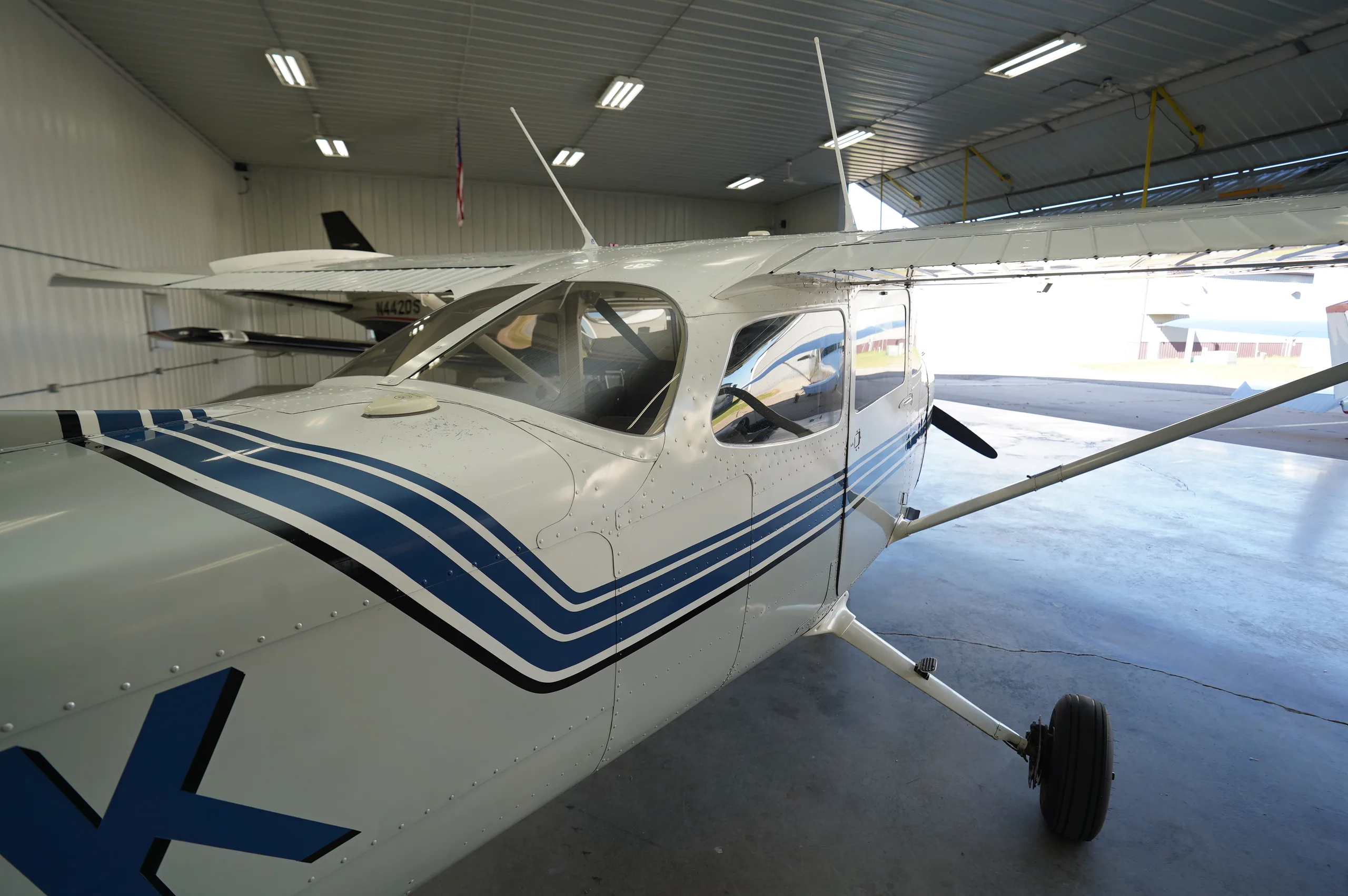
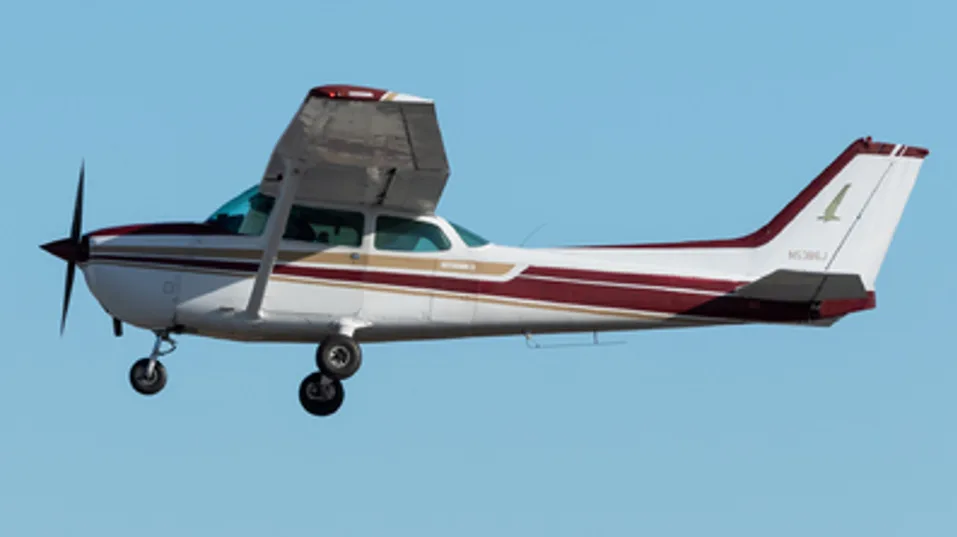
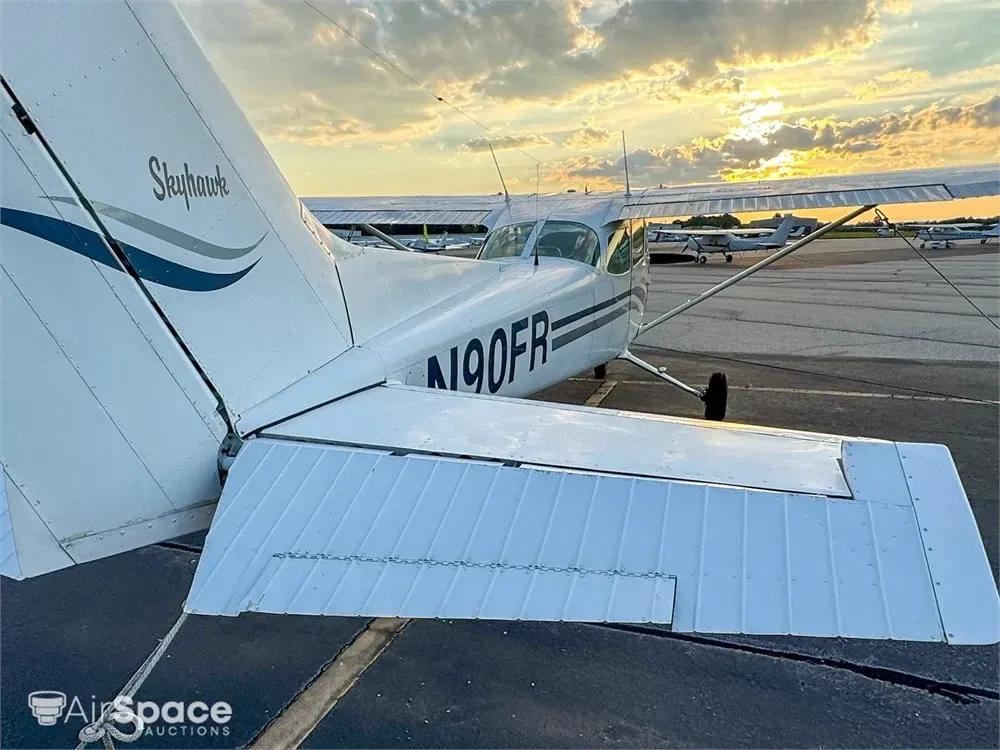
Free — save the 172 to your watchlist and track it in one place.
More Cessna 172RG Cutlassmanuals & documents
See all 13 →- 180 HP STC Jan 31/22 UPDATEAirworthiness Directives
- NORMAL CHECK LIST C172RG NORMAL CHECK LIST C172RGChecklist
- Cessna 172RG Cutlass Standardization ManualPilot's Operating Handbook
- Ground handling accident involving Cessna 172RG, VH-MKGOther Documents
- Cessna 172RG CHECKLISTChecklist
- Data Sheet - Cessna 172RGType Certificate
- Density Altitude and YouPerformance Data
- CESSNA MODEL 172R NAV III GFC 700 AFCSPilot's Operating Handbook
- AAIB Bulletin No: 3/93Service Bulletins
- MODEL 172RG SERIES (1980 THRU 1985) - AeroElectricV Speeds Reference
- CESSNA 172RG / PILOT’S OPERATING HANDBOOKPilot's Operating Handbook
- Weight & Balance for Cessna 172RG CutlassWeight & Balance
Related documents
- CESSNA 172Q CUTLASS Model GuideCESSNA 172Q CUTLASS · Model Guide
- Cessna 172RG CutlassCESSNA 172Q CUTLASS · Pilot's Operating Handbook
- CESSNA 172C Model GuideCESSNA 172C · Model Guide
- Data Sheet - Cessna 172RGCessna 172RG Cutlass · Type Certificate
- Cessna 177RG Cardinal Model GuideCessna 177RG Cardinal · Model Guide
If you fly the Cessna 172RG Cutlass, you may also be researching these.


In this document
Gear, systems and engine
The retractable tricycle gear is raised and lowered by an electrically driven hydraulic power pack. A hand pump gives manual extension if the pack fails. A squat switch on the nose gear prevents retraction on the ground. The horn sounds if the gear is not locked down and manifold pressure is below 12 inches, or flaps are beyond 20 degrees. The carbureted engine takes 100LL (blue) or 100 (green) fuel.
How it is flown
Normal takeoff uses flaps 0: rotate at 55 KIAS, climb at 80 KIAS, and retract the gear once climb is positive. The short-field technique uses no flaps, lifts off at 58 KIAS and holds 63 KIAS until obstacles are clear. Soft-field takeoff uses flaps 10 degrees. Extend the gear below 140 KIAS.
What to check before buying
The 172RG service manual temporary revisions cover main landing gear pivot inspection, Service Bulletin SEB99-18 inspections, stop-drilling of cracks at the trailing edge of corrugated-skin control surfaces, component time limits, and a fuel quantity indicating system test. Ask for records showing these were done.
Summary written by AI from the source document. Check the original before relying on it. See which parts of Sprinkle are written by AI.
Safety notes
- A UK AAIB report describes a Cutlass that yawed left after a normal landing on a short grass strip and left the runway. There were no injuries, but damage was substantial.
- At 9,000 ft density altitude about 32 percent of engine power is lost. Do weight and balance and run the performance charts before heavy, hot or high-elevation flights.
- Use the BOTH fuel position for takeoff, climb, descent and landing. Use LEFT or RIGHT only in level cruise. Demonstrated crosswind is 15 kt.
Summary written by AI from the source document. Check the original before relying on it. See which parts of Sprinkle are written by AI.
Full document text
Cessna 172RG Cutlass Model Guide The Cessna 172RG Cutlass is a four-seat, single-engine piston airplane built from 1980 to 1985. It has retractable tricycle gear and a constant-speed propeller, and a 180 hp carbureted Lycoming O-360. The POH lists a 2650 lb max takeoff weight and 1100 lb useful load. The wider 172 family reaches up to 140 kt cruise and 700 nm range, but those are family maximums, not Cutlass figures. • Cessna 172RG Cutlass: 180 hp O-360, constant-speed prop, retractable gear; 1558 lb standard empty weight, 1100 lb useful load, 2650 lb max takeoff. • Fuel: 66 gal total. Usable is 52 gal in one POH and 62 gal on a data sheet, so confirm the figure for the specific airplane. • Reference speeds differ by source (Vne 163 vs 164, Vno 129 vs 145 kt). Use the POH for the exact airplane you are buying. • A normally aspirated engine loses about 3.5 percent power per 1,000 ft of density altitude, so check performance charts before hot or high flights. Gear, systems and engine The retractable tricycle gear is raised and lowered by an electrically driven hydraulic power pack. A hand pump gives manual extension if the pack fails. A squat switch on the nose gear prevents retraction on the ground. The horn sounds if the gear is not locked down and manifold pressure is below 12 inches, or flaps are beyond 20 degrees. The carbureted engine takes 100LL (blue) or 100 (green) fuel. How it is flown Normal takeoff uses flaps 0: rotate at 55 KIAS, climb at 80 KIAS, and retract the gear once climb is positive. The short-field technique uses no flaps, lifts off at 58 KIAS and holds 63 KIAS until obstacles are clear. Soft-field takeoff uses flaps 10 degrees. Extend the gear below 140 KIAS. What to check before buying The 172RG service manual temporary revisions cover main landing gear pivot inspection, Service Bulletin SEB99-18 inspections, stop-drilling of cracks at the trailing edge of corrugated-skin control surfaces, component time limits, and a fuel quantity indicating system test. Ask for records showing these were done. Safety notes: • A UK AAIB report describes a Cutlass that yawed left after a normal landing on a short grass strip and left the runway. There were no injuries, but damage was substantial. • At 9,000 ft density altitude about 32 percent of engine power is lost. Do weight and balance and run the performance charts before heavy, hot or high-elevation flights. • Use the BOTH fuel position for takeoff, climb, descent and landing. Use LEFT or RIGHT only in level cruise. Demonstrated crosswind is 15 kt.