CESSNA 177B Model Guide
CESSNA 177B · Model Guide
Overview
The CESSNA 177B is a single-engine piston Cardinal powered by a 180 BHP Lycoming O-360-A1F6D with a constant-speed propeller. The 1977 handbook gives a 2500 lb maximum weight, 130 kt cruise at 75% power and 10,000 ft, and 49 or 60 gallons usable fuel. The 177 family is listed as carrying up to 4 people.
- CESSNA 177B: 180 BHP, 2500 lb max weight, 139 kt maximum speed at sea level per the 1977 handbook.
- Standard tanks hold 49 gal usable and long-range tanks 60 gal; the 1977 handbook gives 535 to 780 NM range depending on tanks and power.
- Standard empty weight is 1533 lb (Cardinal) or 1560 lb (Cardinal II); useful load is 967 or 940 lb, so full fuel plus a full cabin may exceed limits.
- Climb is 840 fpm, service ceiling is 14,600 ft, and takeoff over a 50 ft obstacle needs 1400 ft.
Summary written by AI from the source document. Check the original before relying on it. See which parts of Sprinkle are written by AI.
Reference only, not for flight. Use the current approved manual for your aircraft. See terms, section 5.
Document
Source
Copy found at sprinkle.com. Sprinkle hosts a reference copy with an added summary, specifications and searchable full text.
Document details
- Type ·
- Model Guide
- Year ·
- 2026
- File size ·
- 48 KB
- Copy found at ·
- sprinkle.com
Specifications & performance
Extracted from this document.
Specifications
- Engine power (hp) ·
- 180
- Usable fuel (gal) ·
- 49
- Max oil temperature f ·
- 245
- Fuel capacity total (gal) ·
- 50
- Long range total fuel (gal) ·
- 61
- Propeller diameter (in) ·
- 76
- Long range usable fuel (gal) ·
- 60
- Max cylinder head temperature f ·
- 500
Performance
- Rate of climb (fpm) ·
- 840
- Service ceiling (ft) ·
- 14,600
- Landing over 50ft (ft) ·
- 1,220
- Takeoff over 50ft (ft) ·
- 1,400
- Cruise speed 75 pct (kt) ·
- 130
- Landing ground roll (ft) ·
- 600
- Max speed sea level (kt) ·
- 139
- Takeoff ground roll (ft) ·
- 750
V-speeds
- VA_KIAS ·
- 102
- VNE_KIAS ·
- 167
- VNO_KIAS ·
- 138
- STALL_FLAPS_UP_KT ·
- 55
- VFE_TO_10_DEG_KIAS ·
- 115
- STALL_FLAPS_DOWN_KT ·
- 46
- VFE_10_TO_30_DEG_KIAS ·
- 90
Weight & balance
- Max baggage (lb) ·
- 120
- Aft cg limit (in) ·
- 114.5
- Max useful load (lb) ·
- 967
- Max landing weight (lb) ·
- 2,500
- Max takeoff weight (lb) ·
- 2,500
- Utility max weight (lb) ·
- 2,200
- Standard empty weight (lb) ·
- 1,533
How fast is the CESSNA 177B?
The 1977 handbook for the CESSNA 177B gives 139 kt maximum at sea level and 130 kt cruise at 75% power at 10,000 ft.
How far can the CESSNA 177B fly?
Per the 1977 handbook, the CESSNA 177B covers 535 NM at 75% power with 49 gal usable, or 675 NM with 60 gal. Maximum range is 615 NM or 780 NM.
How much can the CESSNA 177B carry?
Maximum weight is 2500 lb. Useful load is 967 lb (Cardinal) or 940 lb (Cardinal II), with up to 120 lb of baggage. Full fuel and a full cabin may exceed the limit.
What fuel does the CESSNA 177B use?
The CESSNA 177B handbook approves 100LL (blue) and 100, formerly 100/130 (green), aviation fuel.
What is the CESSNA 177B Model Guide?
The CESSNA 177B Model Guide is a model guide for the CESSNA 177B, dated 2026.
What year was the CESSNA 177B Model Guide published?
The CESSNA 177B Model Guide — the CESSNA 177B model guide on file — is dated 2026.
Common. More common than 99% of the aircraft models we track.
Most owners only have the POH. Here's the essential set for the CESSNA 177B.
- Pilot's Operating Handbook / AFM
- Checklist
- Maintenance Manual
- Parts Catalog (IPC)
- Systems & Wiring
- Service Bulletins on file
- Type Certificate (TCDS)
CESSNA 177B for sale now
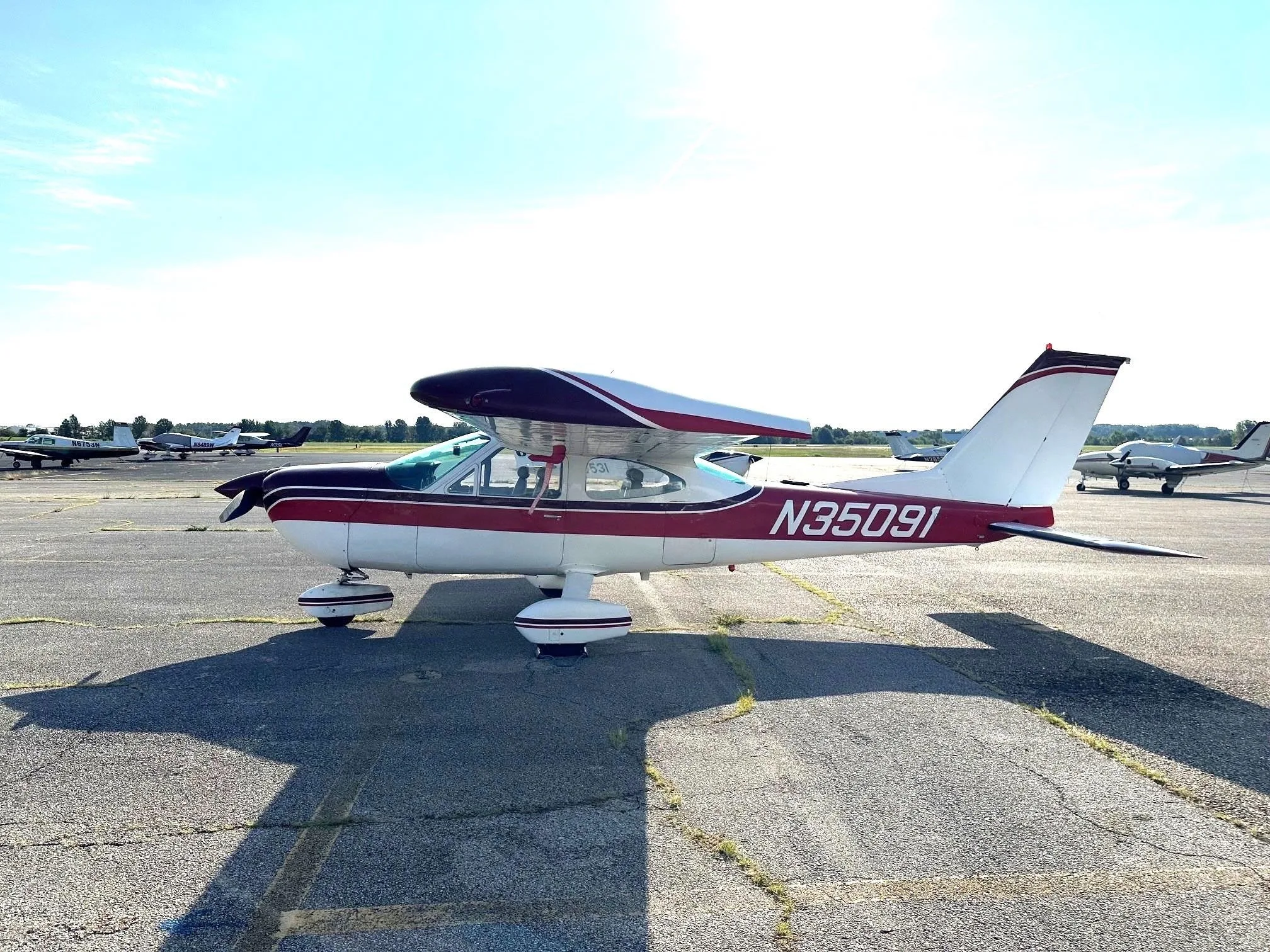
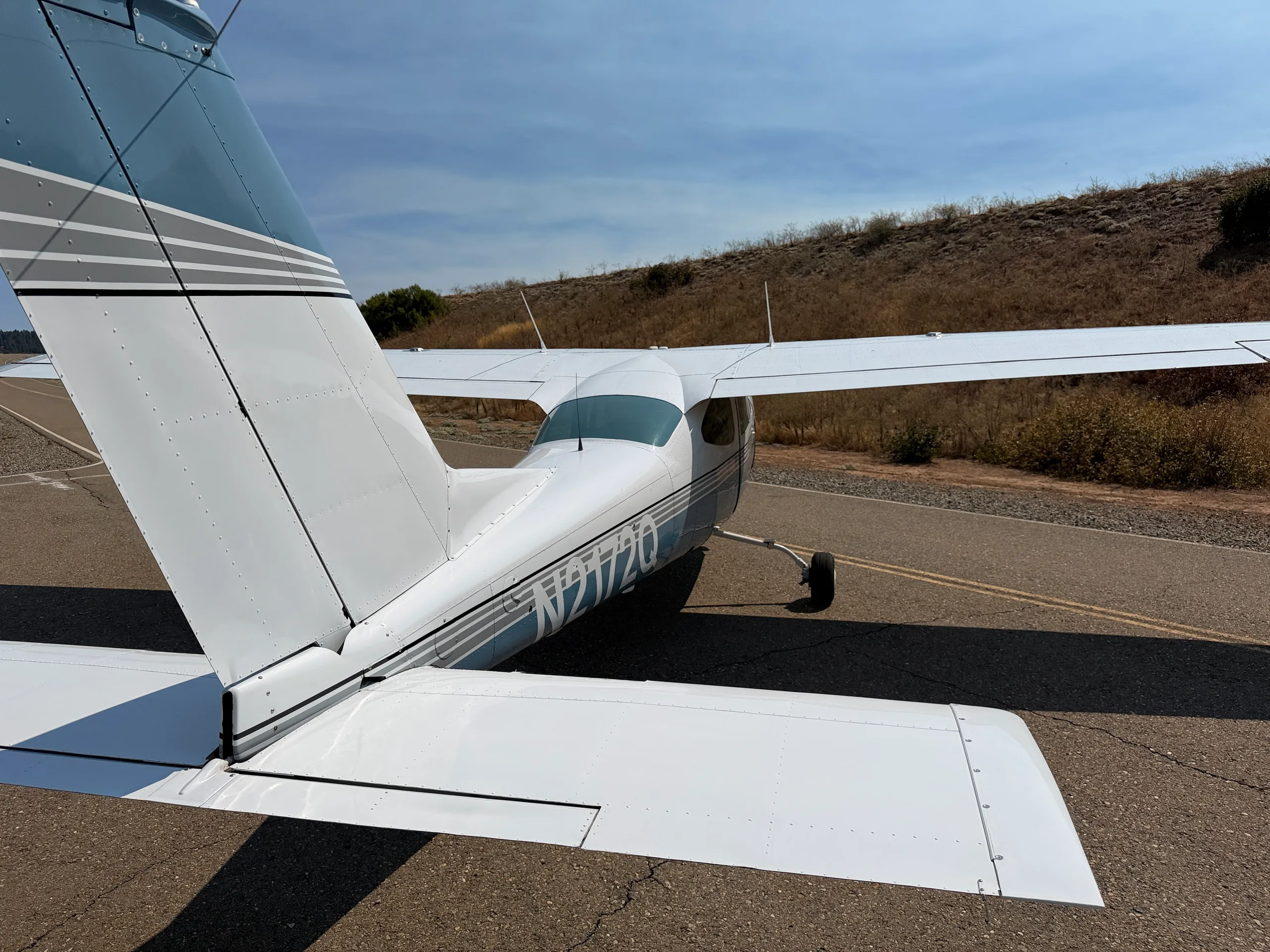
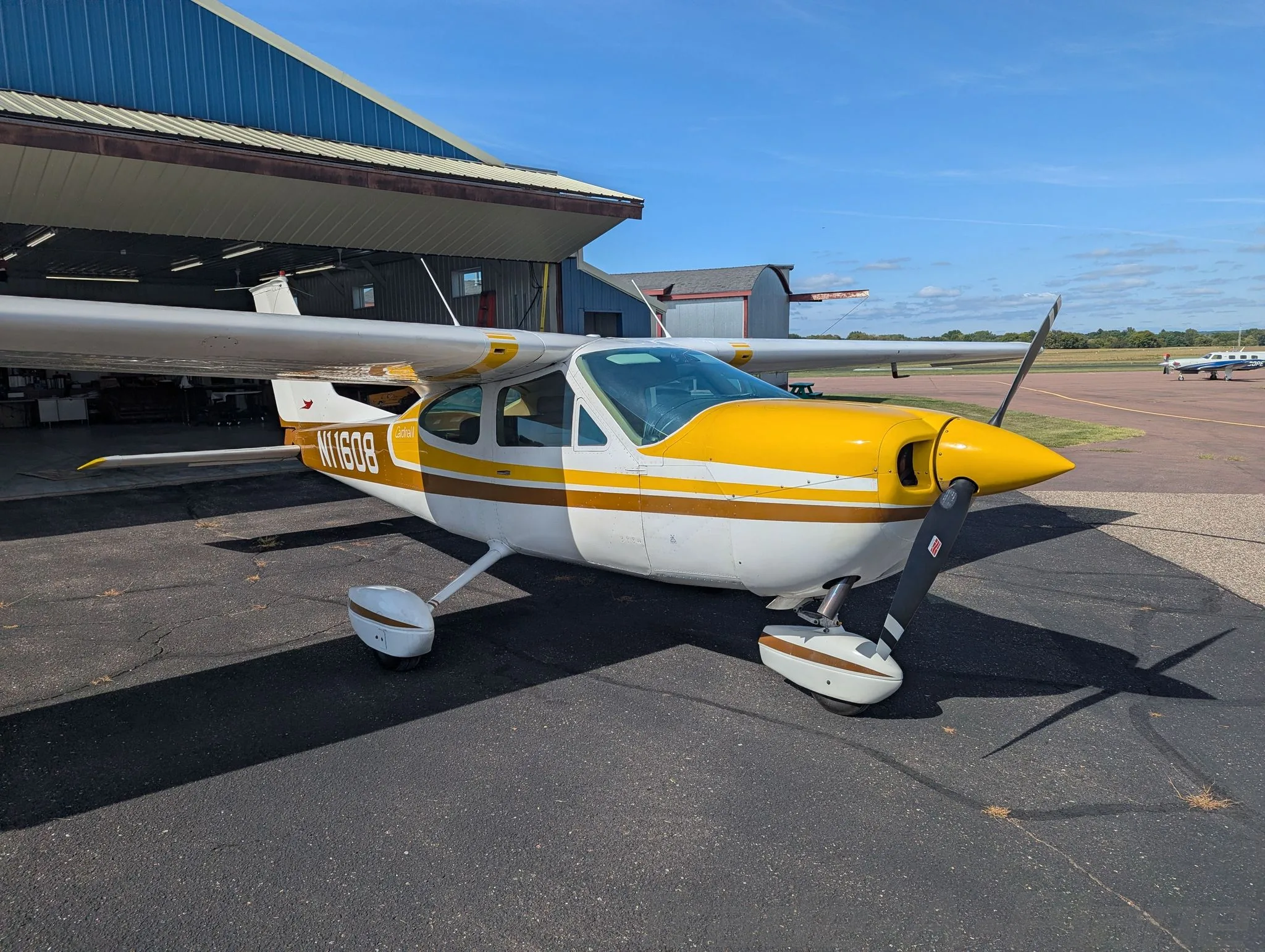
Free — save the 177 to your watchlist and track it in one place.
More CESSNA 177Bmanuals & documents
Related documents
- Cessna 177 Cardinal Model GuideCessna 177 Cardinal · Model Guide
- CESSNA 177 Model GuideCESSNA 177 · Model Guide
- Cessna 177RG Cardinal Model GuideCessna 177RG Cardinal · Model Guide
- Pilot’s Operating Handbook CardinalCESSNA 177 · Pilot's Operating Handbook
- Cessna 1976 Cardinal RG Pilot's Operating HandbookCessna 177RG Cardinal · Pilot's Operating Handbook
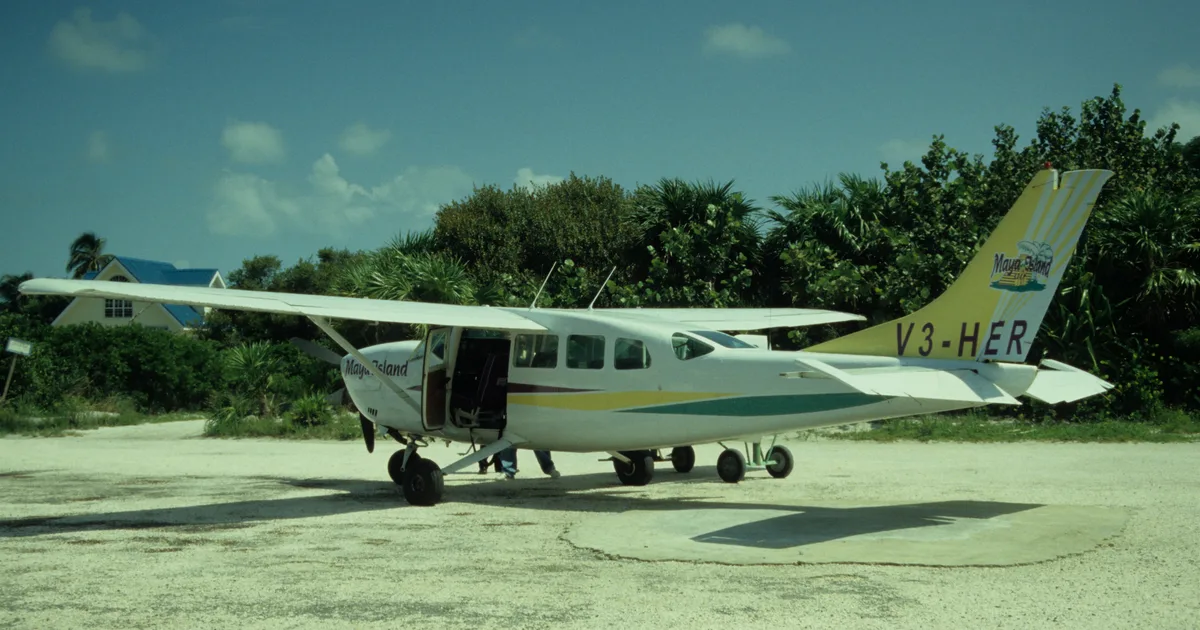
If you fly the CESSNA 177B, you may also be researching these.



In this document
Performance and range (1977 handbook)
Maximum speed at sea level is 139 kt. Cruise at 75% power and 10,000 ft is 130 kt. Range at 75% power is 535 NM (49 gal) or 675 NM (60 gal). Maximum range is 615 NM or 780 NM. Takeoff ground roll is 750 ft and landing ground roll is 600 ft. Stall speed is 55 kt flaps up and 46 kt flaps down.
Loading and fuel planning
Normal category maximum weight is 2500 lb and utility category is 2200 lb. Baggage is limited to 120 lb, with 25 lb of that on the hatshelf. In the utility category the baggage area and rear seat must be empty. The 1973 manual says a full cabin normally means a reduced fuel load. It also lists 1450 lb empty weight, against 1533 lb in the 1977 handbook, so weigh the actual aircraft.
What to check on inspection
The 1973 manual's walk-around covers the fuel strainer drain, fuel bay vents, static ports and pitot opening. It also covers propeller nicks and oil leaks, the carburetor air filter and tire inflation. Check the oil level: the manual says not to operate with less than six quarts. Check the fuel selector, the fuel shutoff valve (safety-wired ON) and the auxiliary fuel pump.
Safety notes
- Avoid continuous operation between 1700 and 1900 RPM with less than 10 inches of manifold pressure.
- Flight into known icing is prohibited. Spins and aerobatics are not approved in the normal category.
- Takeoff and landing with the fuel selector on BOTH. Refuel with the selector on LEFT or RIGHT to get full capacity.
Full document text
CESSNA 177B Model Guide The CESSNA 177B is a single-engine piston Cardinal powered by a 180 BHP Lycoming O-360-A1F6D with a constant-speed propeller. The 1977 handbook gives a 2500 lb maximum weight, 130 kt cruise at 75% power and 10,000 ft, and 49 or 60 gallons usable fuel. The 177 family is listed as carrying up to 4 people. • CESSNA 177B: 180 BHP, 2500 lb max weight, 139 kt maximum speed at sea level per the 1977 handbook. • Standard tanks hold 49 gal usable and long-range tanks 60 gal; the 1977 handbook gives 535 to 780 NM range depending on tanks and power. • Standard empty weight is 1533 lb (Cardinal) or 1560 lb (Cardinal II); useful load is 967 or 940 lb, so full fuel plus a full cabin may exceed limits. • Climb is 840 fpm, service ceiling is 14,600 ft, and takeoff over a 50 ft obstacle needs 1400 ft. Performance and range (1977 handbook) Maximum speed at sea level is 139 kt. Cruise at 75% power and 10,000 ft is 130 kt. Range at 75% power is 535 NM (49 gal) or 675 NM (60 gal). Maximum range is 615 NM or 780 NM. Takeoff ground roll is 750 ft and landing ground roll is 600 ft. Stall speed is 55 kt flaps up and 46 kt flaps down. Loading and fuel planning Normal category maximum weight is 2500 lb and utility category is 2200 lb. Baggage is limited to 120 lb, with 25 lb of that on the hatshelf. In the utility category the baggage area and rear seat must be empty. The 1973 manual says a full cabin normally means a reduced fuel load. It also lists 1450 lb empty weight, against 1533 lb in the 1977 handbook, so weigh the actual aircraft. What to check on inspection The 1973 manual's walk-around covers the fuel strainer drain, fuel bay vents, static ports and pitot opening. It also covers propeller nicks and oil leaks, the carburetor air filter and tire inflation. Check the oil level: the manual says not to operate with less than six quarts. Check the fuel selector, the fuel shutoff valve (safety-wired ON) and the auxiliary fuel pump. Safety notes: • Avoid continuous operation between 1700 and 1900 RPM with less than 10 inches of manifold pressure. • Flight into known icing is prohibited. Spins and aerobatics are not approved in the normal category. • Takeoff and landing with the fuel selector on BOTH. Refuel with the selector on LEFT or RIGHT to get full capacity.