CESSNA 177 Model Guide
CESSNA 177 · Model Guide
Overview
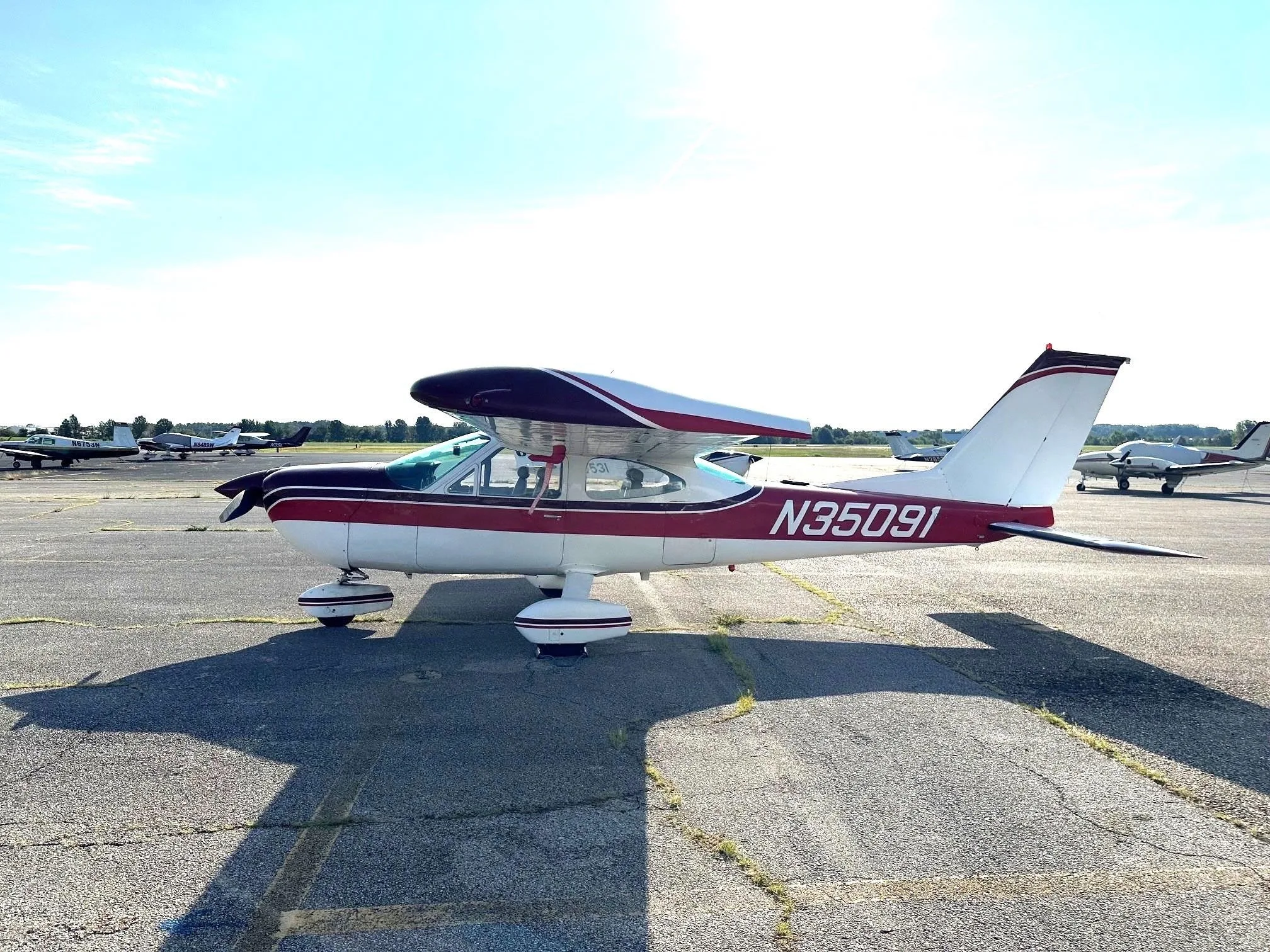
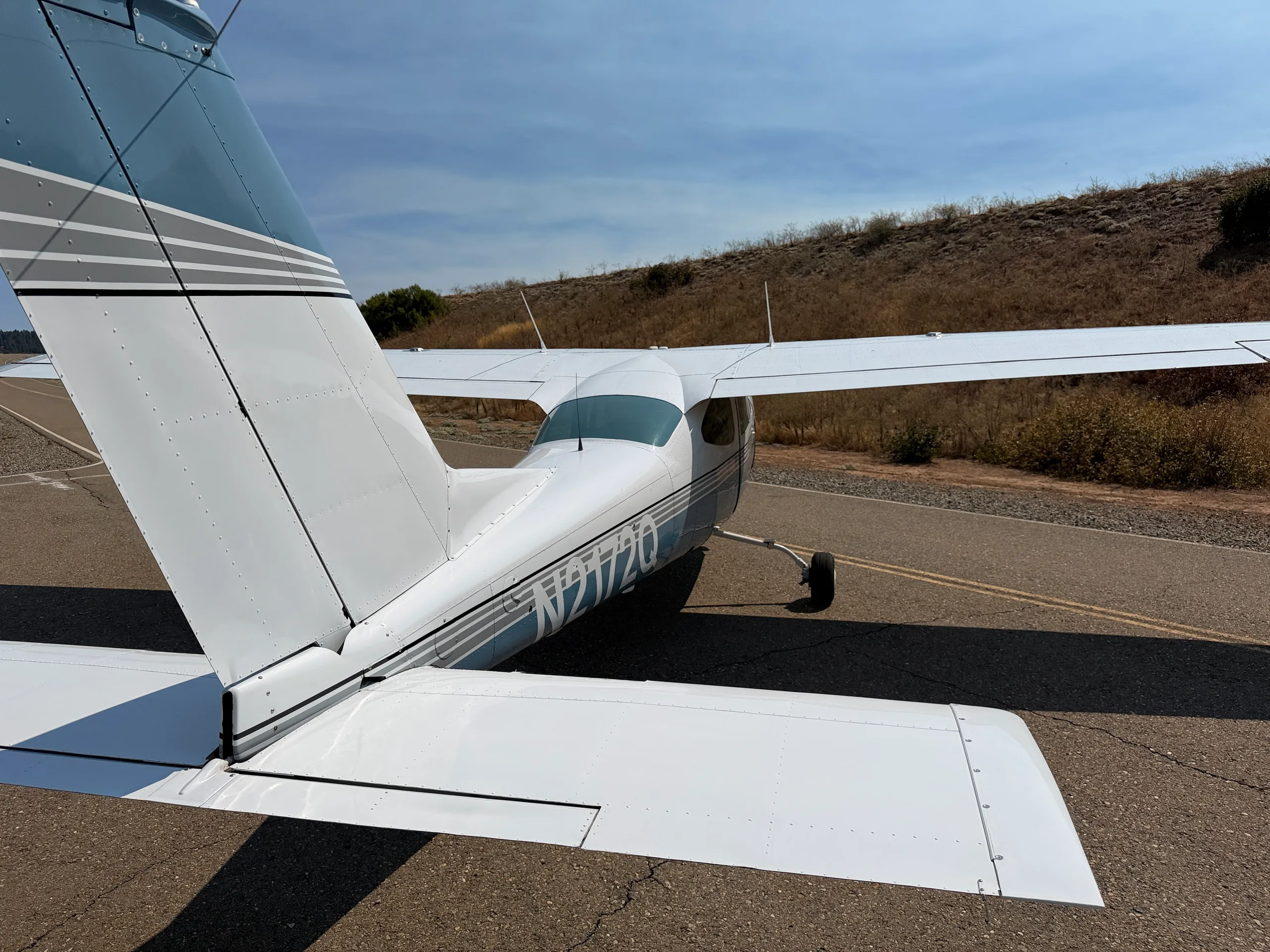
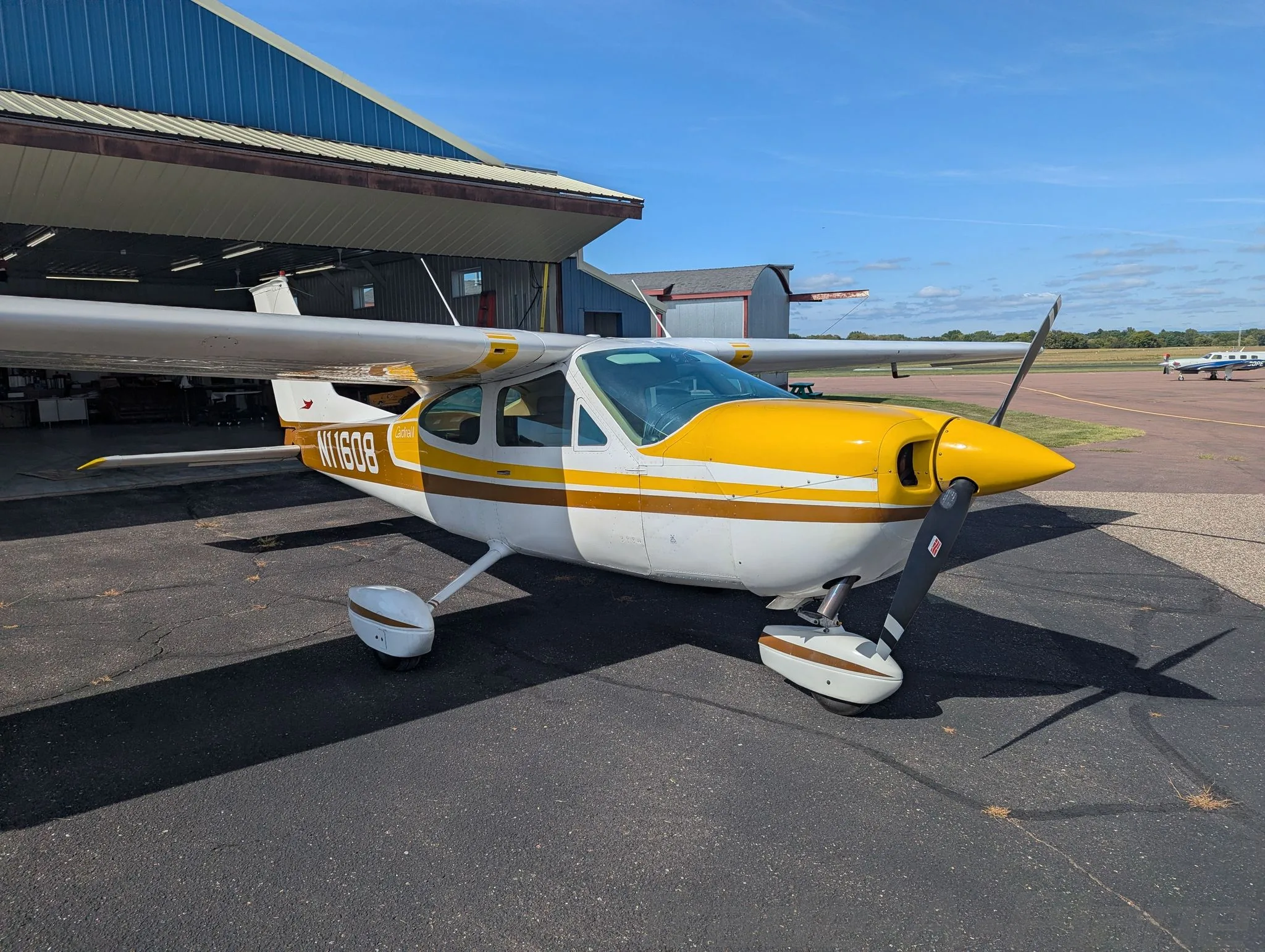
The CESSNA 177 is a four-seat, single-engine piston, fixed-gear high-wing airplane, also sold as the Cardinal. The type certificate covers the 177, 177A and 177B. The base 177 has a 150 hp Lycoming O-320-E2D. The 177A and 177B have a 180 hp Lycoming O-360. The library figures are about 110 kts cruise, 500 nm range, 40 gal of fuel and 1,050 lbs useful load. Factory documents for specific variants differ from these figures, so check numbers against the exact airplane's papers.
- Know which variant you are buying. The 177 (serials 17700001 through 17701164) has 150 hp. The 177A (17701165 through 17701370) and 177B (17701371 through 17702752) have 180 hp.
- Library figures are 110 kts cruise, 500 nm range, 1,050 lbs useful load and 200 lbs baggage allowance. The 1968 owner's manual lists 120 lbs baggage and 49 gal total fuel, so verify against the specific airplane's papers.
- The carry-thru spar corrosion inspection (Service Letter SEL-57-09) is mandatory. Confirm it is logged as done.
- Use a structured prebuy inspection. One published checklist estimates 12 labor hours for fixed-gear airplanes and 16 for retractables.
- Check the logbooks for complete engine and airframe history, damage history and AD compliance.
Summary written by AI from the source document. Check the original before relying on it. See which parts of Sprinkle are written by AI.
Reference only, not for flight. Use the current approved manual for your aircraft. See terms, section 5.
Document
Source
Copy found at sprinkle.com. Sprinkle hosts a reference copy with an added summary, specifications and searchable full text.
Document details
- Type ·
- Model Guide
- Year ·
- 2026
- File size ·
- 52 KB
- Copy found at ·
- sprinkle.com
Specifications & performance
Extracted from this document.
Specifications
- Range (nm) ·
- 500
- Engine (hp) ·
- 180
- Height (ft) ·
- 8
- Length (ft) ·
- 24
- Wingspan (ft) ·
- 36
- Max speed (kt) ·
- 120
- Cruise speed (kt) ·
- 110
- Fuel capacity (gal) ·
- 40
- Rate of climb (fpm) ·
- 700
- Service ceiling (ft) ·
- 15,000
Performance
- Cruise speed (kt) ·
- 110
- Rate of climb (fpm) ·
- 700
- Landing distance (ft) ·
- 1,500
- Takeoff distance (ft) ·
- 1,600
- Stall speed clean (kt) ·
- 55
- Stall speed landing (kt) ·
- 60
V-speeds
- VR_KTS ·
- 60
- VX_KTS ·
- 65
- VY_KTS ·
- 75
- VFE_KTS ·
- 85
- VNE_KTS ·
- 150
- VSO_KTS ·
- 50
Weight & balance
- Useful load (lb) ·
- 1,050
- Cg range max (in) ·
- 40
- Cg range min (in) ·
- 34
- Max ramp weight (lb) ·
- 2,450
- Baggage allowance (lb) ·
- 200
- Basic empty weight (lb) ·
- 1,400
- Max landing weight (lb) ·
- 2,400
- Max takeoff weight (lb) ·
- 2,400
Which engines does the CESSNA 177 use?
The CESSNA 177 base model has a 150 hp Lycoming O-320-E2D. The 177A uses an O-360-A2F at 180 hp, and the 177B uses an O-360-A1F6 or A1F6D at 180 hp.
Is there a mandatory inspection on the CESSNA 177?
Yes. Service Letter SEL-57-09 requires a one-time carry-thru spar corrosion inspection on the 177, 177A and 177B. Ask to see the completed inspection logged in the records.
How long does a prebuy take on a CESSNA 177?
The published prebuy checklist estimates 12 labor hours for fixed-gear airplanes and 16 for retractable airplanes. It is done in two phases, and the second phase may be skipped if the first finds high-cost issues.
What is the CESSNA 177 Model Guide?
The CESSNA 177 Model Guide is a model guide for the CESSNA 177, dated 2026.
What year was the CESSNA 177 Model Guide published?
The CESSNA 177 Model Guide — the CESSNA 177 model guide on file — is dated 2026.
Common. More common than 99% of the aircraft models we track.
Full essential library on file for the CESSNA 177.
CESSNA 177 for sale now
Free — save the 177 to your watchlist and track it in one place.
More CESSNA 177manuals & documents
See all 30 →- Cessna 177 Prebuy Evaluation Checklist – Scope and DetailChecklist
- Airworthiness Directive Schedule Aeroplanes Cessna 177 SeriesService Bulletins
- Rosen Sunvisor Systems PMM / IPC for Sunvisor Assembly (p/n R1180005-0)Systems Description
- Single Engine SERVICE BULLETIN SEB-28-04Service Bulletins
- WINGS - MODEL 177 CARRY-THRU SPAR ONE-TIME CORROSION INSPECTIONMaintenance Manual
- TYPE CERTIFICATE DATA SHEET NO. A13CEType Certificate
- WINGS - MODEL 177 CARRY-THRU SPAR ONE-TIME CORROSION INSPECTIONService Bulletins
- Instructions for Continued AirworthinessParts Catalog
- AIRWORTHINESS BULLETIN AWB 53-011 Issue 1 – 12 Jul 2019Service Bulletins
- ChecklistChecklist
- CHECKLISTS MARKED WITH THE THICK VERTICAL LINE ON THE LEFT SHOULD BE MEMORIZEDChecklist
- CESSNA 177 Aircraft Rev-020 SK4177-42A.DOCService Bulletins
Related documents
- CESSNA 177B Model GuideCESSNA 177B · Model Guide
- Cessna 177 Cardinal Model GuideCessna 177 Cardinal · Model Guide
- Cessna 177RG Cardinal Model GuideCessna 177RG Cardinal · Model Guide
- CESSNA 170B Model GuideCESSNA 170B · Model Guide
- OWNER S MANUAL MODEL 177AND CARDINALCESSNA 177 · Pilot's Operating Handbook
If you fly the CESSNA 177, you may also be researching these.



In this document
What it is and what it carries
The type certificate data sheet lists 4 seats (2 at station +93.0 and 2 at +134.0) in the Normal category, with a Utility category approval as well. The original 177 has a 2,350 lb maximum weight. The 177A has 2,500 lbs Normal category, and the 177B has 2,500 lbs Normal. The library lists a 2,400 lb MTOW, 1,400 lb empty weight and 1,050 lb useful load. The 1968 manual lists 49 gal total fuel and 120 lbs baggage. A 1975 owner's manual for a 177B shows 2,500 lbs gross, 1,426 lbs basic empty and 1,073 lbs useful load. It also shows 773 lbs payload with full fuel, about 11 gph fuel flow and 49 gal usable fuel.
Performance
The library lists 110 kts cruise, 120 kts max speed, 700 fpm climb, 15,000 ft service ceiling, 1,600 ft takeoff distance and 1,500 ft landing distance. The 1968 manual for the 150 hp airplane lists 141 mph top speed at sea level, 130 mph cruise at 75% power at 9,000 ft, 670 fpm climb, a 12,700 ft service ceiling, and a 1,575 ft takeoff distance over a 50-ft obstacle. A 150 hp airplane should be expected to perform below the 180 hp library figures.
Engine, fuel and servicing
The 177B uses a Lycoming O-360-A1F6 or O-360-A1F6D, and the later 177B (serial 17702523 and on) is approved for 100LL/100 grade fuel. The 1975 manual gives an oil sump capacity of 8 quarts and says not to operate on less than 6 quarts. It also says to change oil at least every 6 months, even if the recommended hours have not been reached.
What to check before buying
The prebuy checklist covers hot compression and a borescope, oil filter inspection for metal, exhaust and heat exchanger pressure tests, engine mount and shock mount condition, and complete logbooks. It also covers serial number matches, AD compliance, and a check for damage history. It also checks cabin door sag and play, cabin wall cracks, fuel leaks at the wing root, and the ELT. The mandatory carry-thru spar service letter SEL-57-09 applies to the 177, 177A and 177B, as well as the 177RG. Its compliance time was within 200 flight hours or the next annual, whichever came first. The NZ AD schedule also lists 2023-02-17 Wing Carry-thru Spar inspection and AD items covering the fuel system, flaps, stabilator and seat adjustment mechanism. A Skybolt cowling kit document says the C177 cowling is simple to convert and presents the fewest problems.
Safety notes
- The carry-thru spar can develop corrosion and cracks. A crack can progress to structural failure, resulting in loss of airplane control or wing separation (SEL-57-09).
- Do not operate with less than 6 quarts of oil (owner's manual).
- Check the fuel strainer and sumps for water on preflight. The 1968 manual says to drain the strainer for about four seconds and check the sump drain plugs if water is found.
- If the airplane has STCs such as wing cuffs, STOL kits or add-on tanks, ask the STC holder for revised spar inspection intervals.
Full document text
CESSNA 177 Model Guide The CESSNA 177 is a four-seat, single-engine piston, fixed-gear high-wing airplane, also sold as the Cardinal. The type certificate covers the 177, 177A and 177B. The base 177 has a 150 hp Lycoming O-320-E2D. The 177A and 177B have a 180 hp Lycoming O-360. The library figures are about 110 kts cruise, 500 nm range, 40 gal of fuel and 1,050 lbs useful load. Factory documents for specific variants differ from these figures, so check numbers against the exact airplane's papers. • Know which variant you are buying. The 177 (serials 17700001 through 17701164) has 150 hp. The 177A (17701165 through 17701370) and 177B (17701371 through 17702752) have 180 hp. • Library figures are 110 kts cruise, 500 nm range, 1,050 lbs useful load and 200 lbs baggage allowance. The 1968 owner's manual lists 120 lbs baggage and 49 gal total fuel, so verify against the specific airplane's papers. • The carry-thru spar corrosion inspection (Service Letter SEL-57-09) is mandatory. Confirm it is logged as done. • Use a structured prebuy inspection. One published checklist estimates 12 labor hours for fixed-gear airplanes and 16 for retractables. • Check the logbooks for complete engine and airframe history, damage history and AD compliance. What it is and what it carries The type certificate data sheet lists 4 seats (2 at station +93.0 and 2 at +134.0) in the Normal category, with a Utility category approval as well. The original 177 has a 2,350 lb maximum weight. The 177A has 2,500 lbs Normal category, and the 177B has 2,500 lbs Normal. The library lists a 2,400 lb MTOW, 1,400 lb empty weight and 1,050 lb useful load. The 1968 manual lists 49 gal total fuel and 120 lbs baggage. A 1975 owner's manual for a 177B shows 2,500 lbs gross, 1,426 lbs basic empty and 1,073 lbs useful load. It also shows 773 lbs payload with full fuel, about 11 gph fuel flow and 49 gal usable fuel. Performance The library lists 110 kts cruise, 120 kts max speed, 700 fpm climb, 15,000 ft service ceiling, 1,600 ft takeoff distance and 1,500 ft landing distance. The 1968 manual for the 150 hp airplane lists 141 mph top speed at sea level, 130 mph cruise at 75% power at 9,000 ft, 670 fpm climb, a 12,700 ft service ceiling, and a 1,575 ft takeoff distance over a 50-ft obstacle. A 150 hp airplane should be expected to perform below the 180 hp library figures. Engine, fuel and servicing The 177B uses a Lycoming O-360-A1F6 or O-360-A1F6D, and the later 177B (serial 17702523 and on) is approved for 100LL/100 grade fuel. The 1975 manual gives an oil sump capacity of 8 quarts and says not to operate on less than 6 quarts. It also says to change oil at least every 6 months, even if the recommended hours have not been reached. What to check before buying The prebuy checklist covers hot compression and a borescope, oil filter inspection for metal, exhaust and heat exchanger pressure tests, engine mount and shock mount condition, and complete logbooks. It also covers serial number matches, AD compliance, and a check for damage history. It also checks cabin door sag and play, cabin wall cracks, fuel leaks at the wing root, and the ELT. The mandatory carry-thru spar service letter SEL-57-09 applies to the 177, 177A and 177B, as well as the 177RG. Its compliance time was within 200 flight hours or the next annual, whichever came first. The NZ AD schedule also lists 2023-02-17 Wing Carry-thru Spar inspection and AD items covering the fuel system, flaps, stabilator and seat adjustment mechanism. A Skybolt cowling kit document says the C177 cowling is simple to convert and presents the fewest problems. Safety notes: • The carry-thru spar can develop corrosion and cracks. A crack can progress to structural failure, resulting in loss of airplane control or wing separation (SEL-57-09). • Do not operate with less than 6 quarts of oil (owner's manual). • Check the fuel strainer and sumps for water on preflight. The 1968 manual says to drain the strainer for about four seconds and check the sump drain plugs if water is found. • If the airplane has STCs such as wing cuffs, STOL kits or add-on tanks, ask the STC holder for revised spar inspection intervals.