
AD/CESSNA 180/67 Aileron Balance Weight 1/84 - CASA
Service Bulletins for the Cessna 180
PDF, 1 page, 10 KB, from Sprinkle’s own files.
What it covers
This document is an Airworthiness Directive issued by the Civil Aviation Safety Authority of Australia, specifically addressing modifications and inspections required for Cessna 180 and 182 series aircraft. It focuses on the aileron balance weights for models 180 through 180K and 182 through 182R. The directive outlines the necessary steps to determine if the aircraft has been modified according to specific Supplemental Type Certificates (STCs) and provides guidance on measuring and replacing aileron balance weights to ensure safe operation. Compliance with these directives is critical to prevent potential aileron flutter, which could lead to catastrophic failure during flight.
Key points
- The directive applies to Cessna 180 models, including the 180K, and Cessna 182 models.
- Aileron balance weights must be inspected and measured for safety compliance.
- Weights measuring approximately 3/4 inch are acceptable; those at 1/2 inch require replacement.
- Compliance must be achieved within 50 hours of service after 31 January 1983.
- Failure to comply could lead to dangerous aileron flutter.
Main sections
Applicability
The directive applies to all models of the Cessna 180 series, including the 180K, as well as the 182 series. It specifies that the aircraft must have been modified according to the Robertson STC to be subject to these requirements.
Inspection Requirements
Operators must verify if their aircraft has been modified in accordance with the applicable STC at the Robertson Aircraft Corporation repair station. If modifications were made prior to 1 August 1983, an inspection is required.
Measurement of Aileron Balance Weights
The directive instructs pilots to measure the height of all aileron balance weights. Weights measuring approximately 3/4 inch are considered correctly installed, while those measuring approximately 1/2 inch must be replaced before further flight.
Compliance Timeline
Compliance with the directive is required within 50 hours of time in service after 31 January 1983. Failure to comply could result in serious safety issues.
Safety Considerations
The document emphasizes the importance of compliance to prevent destructive aileron flutter, which poses a significant risk to flight safety.
Safety notes
- Failure to comply with the directive could result in destructive aileron flutter.
The document’s text
Show the text read from the PDF
COMMONWEALTH OF AUSTRALIA (Civil Aviation Regulations 1998), PART 39 - 105 CIVIL AVIATION SAFETY AUTHORITY SCHEDULE OF AIRWORTHINESS DIRECTIVES Cessna 180, 182 and Wren 460 Series Aeroplanes AD/CESSNA 180/67 Aileron Balance Weight 1/84 Applicability: All models 180 thru 180H, 180J and 180K aircraft modified in accordance with Robertson STC SA 1435WE and all models 182 thru 182R, R182, T182 and TR182 aircraft modified in accordance with Robertson STC SA 1382WE. Requirement: 1. Determine if the aircraft has been modified in accordance with the applicable STC at Robertson Aircraft Corporation repair station No. 415-23 prior to 1 August 1983, and if so proceed with the inspection requirement. 2. Measure the height of all aileron balance weights. If the measured height of all weights is approximately 3/4 inch, the weights are correctly installed and no further action is necessary. 3. Any weight with a measured height of approximately 1/2 inch, requires replacement before further flight with balance weights of the appropriate part number in accordance with the applicable STC data or Robertson SB No. 20. Rebalance the ailerons within the limits specified by the Cessna Aircraft Company Service Manual for the aircraft involved. Compliance: Within 50 hours time in service after 31 January 1983. Background: Failure to comply with the intent of this Directive could result in destructive aileron flutter. -- 1 of 1 --
Read from the PDF by machine, so tables and diagrams come out rough. The PDF is the document.
More Cessna 180 documents
All 32 →- Cessna 180 Service Bulletins
This Airworthiness Bulletin (AWB 28-013) addresses the over-wing fuel tank vent systems in early Cessna 180 models manufactured between 1953 and 1955. It highlights the potential dangers associated with the single point dynamic air pressure fuel tank venting systems and flexible rubber bladder fuel tanks. The bulletin aims to inform operators about the risks of fuel siphoning and erroneous fuel gauge readings due to vent blockage, particularly in icing conditions. It also outlines recommendations for operators to assess their aircraft's fuel tank installations and implement necessary modifications to enhance safety.
- ALERT SERVICE BULLETIN - Hartzell Propeller
This document is an Alert Service Bulletin issued by Hartzell Propeller Inc. regarding the replacement of propellers on Cessna 180 aircraft equipped with floats. Specifically, it addresses the Hartzell PHC-(C,G)3YF-1RF/F7691( ) propeller, which has been reported to not provide adequate thrust for climb performance when installed on Cessna 180 aircraft with floats. The bulletin outlines the compliance requirements for replacing this propeller with the PHC-(C,G)3YF-1RF/F8468A-6R model. The document includes detailed instructions for compliance, including warnings about the consequences of non-compliance, and provides information on the necessary materials and estimated labor hours for the replacement process. It also discusses the weight and balance implications of the new propeller and lists recommended repair facilities for installation.
- AD/CESSNA 180/89 - Crew Seat Back Cylinder Lock Modification
This document is an Airworthiness Directive (AD) issued by the Civil Aviation Safety Authority of Australia, specifically addressing safety modifications required for the Cessna 180 and related models. The directive mandates the installation of modification kits for the crew seat back cylinder lock assembly to prevent potential failures that could lead to unsafe conditions during flight. It outlines specific compliance timelines based on the aircraft's time-in-service and provides detailed instructions for both installation and inspection procedures. The AD aims to enhance safety by addressing reported issues with the seat lock assembly that could result in uncontrolled seat movement during flight.
- AIRWORTHINESS DIRECTIVE AD/CESSNA 180/84 KAP 140 Autopilot System
This document is an Airworthiness Directive (AD) issued by the Civil Aviation Safety Authority (CASA) concerning the Cessna 180 and related models. It addresses the Honeywell KAP 140 autopilot system, which has been reported to engage inadvertently, potentially leading to unsafe flight conditions. The directive outlines necessary actions for compliance, including software updates and restrictions on replacement parts. It is crucial for operators of the affected aircraft models to adhere to these requirements to ensure safety and airworthiness. The directive is effective from September 30, 2004, and includes specific compliance timelines for the required actions.
- SEB95-3 R1 - McFarlane Aviation
This document is a service bulletin issued by Cessna Aircraft Company, specifically addressing the inspection of flap supports and the installation of roller washers for various Cessna models, including the Cessna 172. The bulletin emphasizes the importance of these inspections to prevent potential wear and damage to flap supports, which could lead to loss of flap control. The compliance with the inspection is mandatory, with specific timelines provided for initial and repeat inspections. The document includes detailed instructions, required parts, and compliance guidelines to ensure ongoing airworthiness of the aircraft.
- SERVICE BULLETIN - Wing X Stol
This Service Bulletin (SB-1-96) addresses the lower main spar cap at Wing Station 100.00 for Cessna 180, 182, and 185 series aircraft equipped with specific wing extensions. It outlines mandatory inspection and reinforcement procedures to ensure structural integrity due to the absence of an angle stiffener in early model wings. The bulletin is crucial for maintaining safety and compliance with design requirements, as static testing has indicated that modified wings without the stiffener do not meet necessary standards. Compliance is mandatory, and the bulletin provides detailed instructions for inspection and installation of a reinforcing strap if needed.
- CESSNA 180 Model Guide
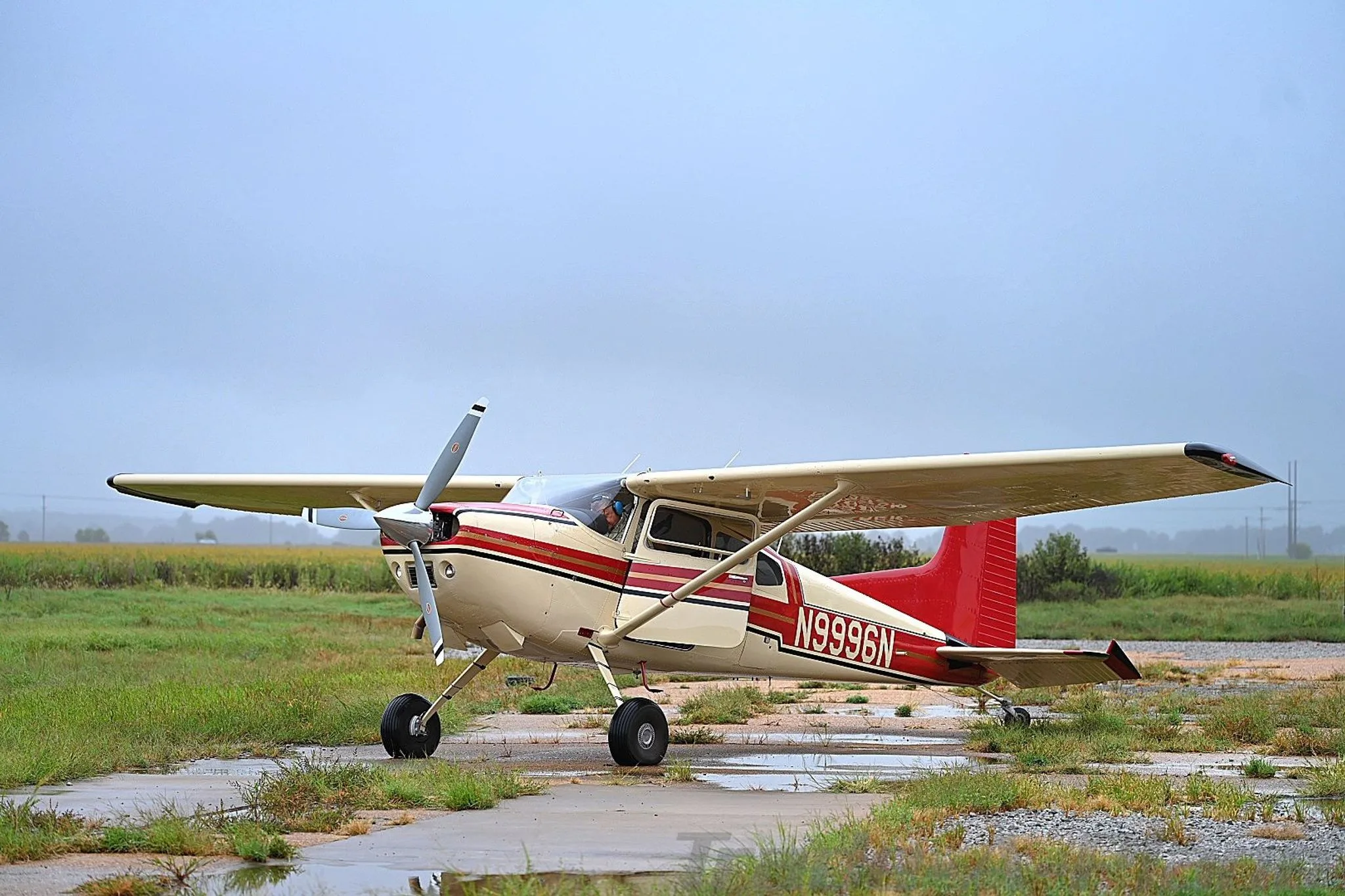
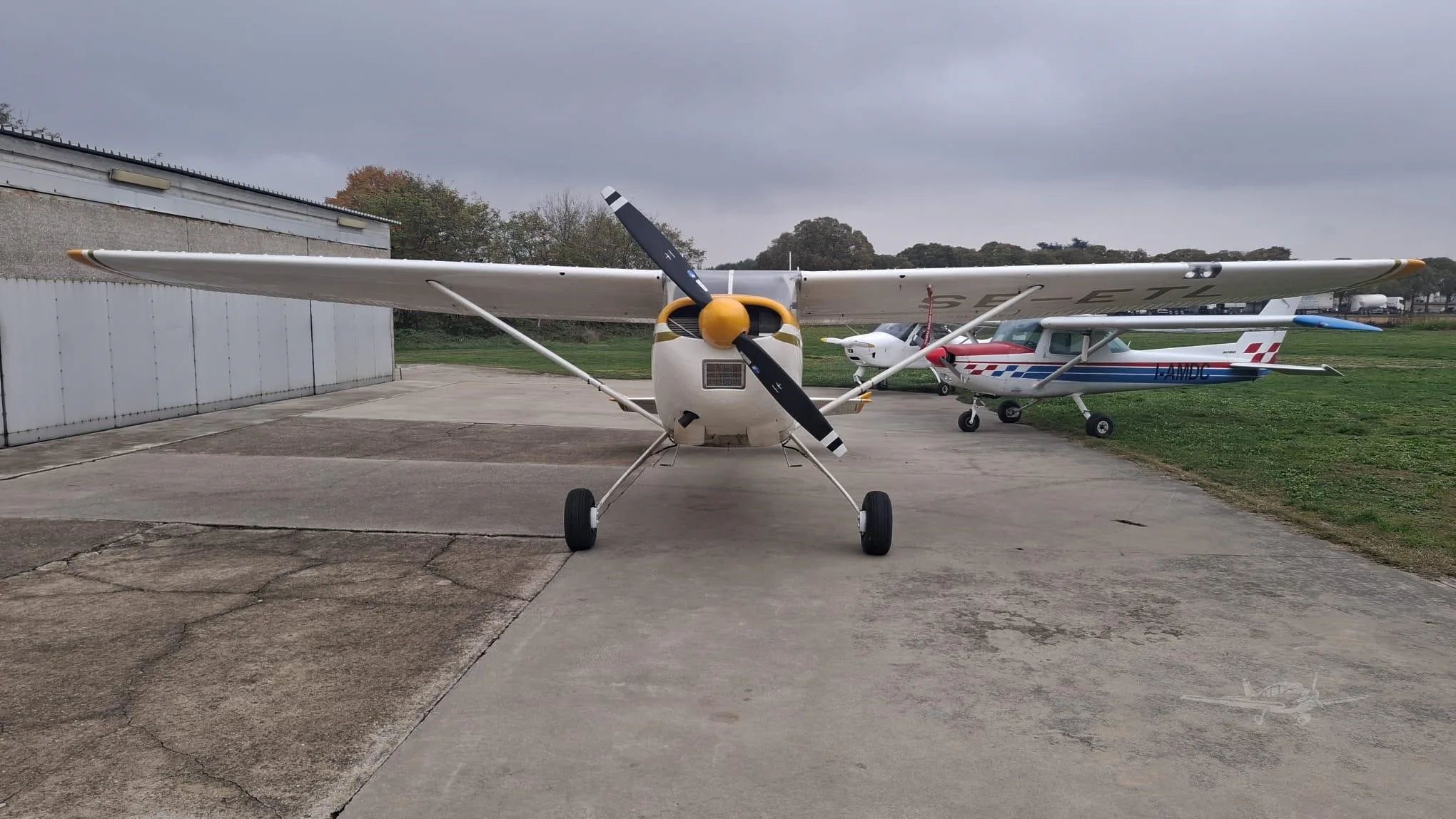
The CESSNA 180 (Skywagon) is a single-engine piston, tailwheel utility airplane. The figures below come mainly from the 1979 Model 180K handbook: a Continental O-470-U of 230 BHP, a constant-speed McCauley propeller, 84 gallons usable fuel and an 2800 lb takeoff weight. The type spans Models 180 through 180K. Early models seat 4 and the 180G through 180K seat 6. Weights, engines and equipment differ a lot between years. The library record for this model lists a 300 hp IO-520 and a 3525 lb maximum takeoff weight. That does not match the 180K handbook or the type data, so check any airplane against its own papers.
- Instructions For Continued Airworthiness - Hartzell Propeller
This document provides Instructions for Continued Airworthiness (ICA) for Cessna 180 and 180K aircraft, as well as Cessna 182 and F182 models, equipped with Continental O-470 engines and utilizing a Hartzell DHC-G2YF-1BFP/F8068+2 propeller. It outlines the maintenance requirements, airworthiness limitations, and propeller specifications necessary for compliance with FAA regulations. The ICA serves as a supplement to the existing Cessna service manuals, detailing specific procedures and time limits for maintenance checks. This document is essential for aircraft owners, maintenance personnel, and operators to ensure the continued safety and airworthiness of their aircraft.
Cessna 180 for sale now
View all 23 for sale →Aircraft that this service bulletins covers, listed on the sites Sprinkle reads. Asking prices, not sales. Cessna 180 asking prices by year built.

Also useful for the Cessna 180
From Sprinkle’s library of aircraft documents. PDFs open from Sprinkle’s own files. Read Jun 26, 2026.
Want this document taken down? Request removal