
Flight-Tech-Australia-Cessna-210N-VH-TQC-Checklist-V1.2.pdf
Checklist for the Cessna 210
PDF, 2 pages, 79 KB, from Sprinkle’s own files.
What it covers
This document is a normal checklist specifically for the Cessna 210N aircraft. It provides a comprehensive list of preflight, takeoff, landing, and securing procedures that pilots should follow to ensure the safe operation of the aircraft. The checklist is designed to assist pilots in verifying that all necessary systems and components are functioning correctly before and during flight. It includes critical checks for engine start, flight controls, fuel systems, and landing gear, among others. This checklist is essential for both experienced pilots and those new to the Cessna 210N, ensuring that all safety protocols are adhered to during flight operations.
Key points
- Engine oil level should be between 7.5 - 8.5 quarts before flight.
- Normal climb speed is 90 KIAS with the landing gear retracted.
- For takeoff, set wing flaps to 0-10 degrees and apply full power at 2850 RPM.
- During landing, maintain an airspeed of 70-80 KIAS with flaps down.
- Ensure the landing gear is down and green before touchdown.
Main sections
Preflight Inspection
The preflight inspection section includes checks for the aircraft's exterior and interior. Pilots must ensure that doors are secure, documents and POH are on board, and the preflight inspection is complete. Key checks include verifying the landing gear lever is down, seats and belts are adjusted and locked, and the control wheel lock is removed. Fuel quantity should be checked, and the fuel selector valve should be set to the fuller tank.
Starting Engine
This section outlines the procedures for starting the engine. It includes checking the throttle position, ensuring the ignition switch is off before starting, and then advancing the throttle to obtain a fuel flow of 50-60 lbs/hr. After starting, the throttle should be set to 1000 RPM to check oil pressure and other engine parameters.
Normal Takeoff
For a normal takeoff, the checklist specifies setting wing flaps to 0-10 degrees, applying full power at 2850 RPM, and lifting the nose at 75 KIAS. The climb speed should be maintained at 90 KIAS, and the landing gear should be retracted after takeoff.
Normal Landing
During normal landing, the checklist advises setting wing flaps down, maintaining an airspeed of 70-80 KIAS, and ensuring the landing gear is down and green. Touchdown should occur with the main wheels first, followed by a gentle nose low landing roll.
Securing Airplane
After landing, the checklist includes steps for securing the airplane, such as setting the parking brake, turning off the avionics power switch, and ensuring the ignition switch is off. The control lock should be installed, and the mixture should be set to idle cut-off.
Safety notes
- Always verify that the control surfaces are free and secure before flight.
- Check fuel quantity visually to avoid running out of fuel during flight.
- Ensure the cabin doors and windows are closed and locked before takeoff.
The document’s text
Show the text read from the PDF
NORMAL CHECKLIST - CESSNA 210N NORMAL CHECKLIST - CESSNA 210N DOORS SECURE from WIND DOCUMENTS & POH ON BOARD PREFLIGHT INSPECTION COMPLETE LANDING GEAR LEVER DOWN SEATS and BELTS ADJUST and LOCK CONTROL WHEEL LOCK REMOVE BRAKES TEST and SET IGNITION SWITCH OFF COWL FLAPS OPEN AVIONICS POWER SWITCH OFF AVIONICS OFF MASTER SWITCH ON AUTOPILOT OFF STALL WARNING VANE CHECK (LEFT WING) LANDING GEAR LEVER DOWN FLAPS EXTEND MASTER SWITCH ON FUEL SELECTOR VALVE ON FULLER TANK/CHECK FUEL QTY LANDING GEAR LIGHT and HORN PRESS TO TEST MASTER SWITCH OFF CIRCUIT BREAKERS IN TRIM NEUTRAL FUEL SELECTOR VALVE FULLER TANK ALTERNATE STATIC OFF FLAPS UP STATIC SOURCE CHECK NO BLOCKAGE BAGGAGE DOOR CHECK SECURE EMPENNAGE MIXTURE RICH RUGGER GUST LOCK REMOVE PROPELLOR HIGH RPM TAIL TIE DOWN DISCONNECT THROTTLE CLOSED CONTROL SERVICES CHECK freedom of movement and security AUX FUEL PUMP ON RIGHT WING Trailing Edge THROTTLE ADVANCE to obtain 50-60 lbs/hr fuel flow (25-35 if hot) then RETURN to IDLE POSITION AILERON CHECK freedom of movement and security AUX FUEL PUMP OFF AILERON GAP SEAL CHECK security and fit PROPELLOR AREA CLEAR FUEL TANK VENT CHECK for stoppage IGNITION SWITCH START RIGHT WING THROTTLE ADVANCE slowly WING TIE DOWN DISCONNECT IGNITION SWITCH RELEASE when engine starts MAIN WHEEL TIRE CHECK THROTTLE 1000RPM FUEL DRAIN CHECK OIL PRESSURE CHECK FUEL QUANTITY VISUALLY CHECK LOW VOLTAGE LIGHT OFF FUEL FILLER CAP SECURE NOSE PROPELLER AND SPINNER CHECK for nicks, security and oil leaks LANDING and TAXI LIGHTS CHECK PARKING BRAKE SET NOSE GEAR DOORS SECURE CABIN DOORS and WINDOWS CLOSED and LOCKED NOSE WHEEL STRUT and TIRE CHECK for INFLATION COWL FLAPS FULL OPEN ENGINE OIL LEVEL 7.5 - 8.5 quarts FLIGHT CONTROLS FREE and CORRECT 9.5 - 10 quarts over 2hr flight FLIGHT INSTRUMENTS CHECK STRAINER / DRAINS CHECK for WATER FUEL SELECTOR VALVE FULLER TANK LEFT WING MIXTURE RICH MAIN WHEEL TIRE CHECK ELEVATOR and RUDDER TRIM TAKEOFF FUEL DRAIN CHECK THROTTLE 1700RPM FUEL QUANTITY VISUALLY CHECK L & R MAGENTOS DROP Should not exceed FUEL FILLER CAP SECURE 150rpm or 50 diff. LEFT WING Leading Edge PROPELLOR CYCLE x 3, rpm/man/oil PITOT TUBE COVER REMOVE and CHECK SUCTION IN GREEN WING TIE DOWN DISCONNECT THROTTLE 1000RPM LEFT WING Trailing Edge RADIOS SET FUEL TANK VENT CHECK for stoppage AUTOPILOT OFF AILERON CHECK freedom/secure LIGHTS ON AS REQUIRED AILERON GAP SEAL CHECK security and fit PARKING BRAKE RELEASE PREFLIGHT INSPECTION BEFORE STARTING ENGINE STARTING ENGINE RUNUPS Flight Tech Australia Cessna 210N VH-TQC Checklist V1.2.xlsx www.flighttech.com.au to download PDF version -- 1 of 2 -- NORMAL CHECKLIST - CESSNA 210N NORMAL CHECKLIST - CESSNA 210N NORMAL TAKEOFF NORMAL LANDING WING FLAPS 0-10 degrees (10 pref) AIRSPEED 80-90 KIAS (flaps up) POWER FULL - 2850RPM WING FLAPS FLAPS down preferred ELEVATOR CONTROL LIFT NOSE 75 KIAS AIRSPEED 70-80 KIAS (flaps down) CLIMB 90 KIAS ELEVATOR TRIM ADJUST BRAKES APPLY momentarily TOUCHDOWN MAIN WHEELS first LANDING GEAR RETRACT LANDING ROLL LOW NOSE GENTLY WING FLAPS RETRACT BRAKING MINIMUM REQUIRED SHORT FIELD LANDING SHORT FIELD TAKEOFF WING FLAPS FULL DOWN WING FLAPS 10 degrees AIRSPEED 72 KIAS BRAKES APPLY ELEVATOR TRIM ADJUST POWER FULL 2850RPM POWER REDUCE to idle after clearing obstacle BRAKES RELEASE TOUCHDOWN MAIN WHEELS first ELEVATOR SLIGHT TAIL LOW BRAKES APPLY FIRMLY CLIMB SPEED 69 KIAS WING FLAPS RETRACT LANDING GEAR RETRACT BALKED LANDING WING FLAPS RETRACT over 80 KIAS POWER FULL - 2850RPM NOTE DO NOT reduce power until wing flaps and gear has been retractred WING FLAPS RETRACT to 20 degrees immediately CLIMB SPEED 70 KIAS until obstacle cleared MIXTURE RICH NORMAL CLIMB WING FLAPS RETRACT slowly after safe altitude and 75-80 KIAS AIRSPEED 100-110 KIAS COWL FLAPS OPEN POWER 25hg/2550rpm MIXTURE LEAN to 70 litres /hr WING FLAPS RETRACT COWL FLAPS OPEN as required COWL FLAPS OPEN MAX PERFORMANCE CLIMB AIRSPEED 96 KIAS at SL POWER FULL 2700 RPM PARKING BRAKE SET MIXTURE LEAN per FUEL CARD AVIONICS POWER SWITCH OFF COWL FLAPS FULL OPEN MIXTURE IDLE CUT OFF IGNITION SWITCH OFF POWER 15-25 INCHES HG 2200- 2550 no more than 75% CONTROL LOCK INSTALL ELEVATOR and RUDDER trim ADJUST MIXTURE LEAN for CRUISE EIS COWL FLAPS CLOSED VA 1723kg 125 KIAS VA 1429kg 113 KIAS POWER AS DESIRED VA 1134kg 101 KIAS MIXTURE ADJUST for smooth ops VFE 10 degrees 150 KIAS COWL FLAPS CLOSED VFE 10 - 30 degrees 115 KIAS VLE Max Landing Gear Extended Speed 200 KIAS SEATS, BELTS SECURE VLO Max Landing Gear Op SPEED 165 KIAS FUEL SELECTOR FULLER TANK VNO Max Structural Cruising SPEED 165 KIAS LANDING GEAR EXTEND below 165KIAS VNE Never Execeed SPEED 200 KIAS LANDING GEAR DOWN AND GREEN VS 69 KIAS MIXTURE RICH VS0 57 KIAS PROPELLOR HIGH RPM VX 79 KIAS WING FLAPS AS DESIRED VY 96 KIAS 0-10 degrees below 150 KIAS, 10-30 degrees below 115 KIAS VG 1723kg 85 KIAS AUTOPILOT OFF VG 1542kg 80 KIAS ELEVATOR TRIM ADJUST VG 1361kg 75 KIAS BEFORE LANDING AFTER LANDING SECURING AIRPLANE V Speeds ENROUTE CLIMB CRUISE DESCENT TAKE OFF LANDING Flight Tech Australia Cessna 210N VH-TQC Checklist V1.2.xlsx www.flighttech.com.au to download PDF version -- 2 of 2 --
Read from the PDF by machine, so tables and diagrams come out rough. The PDF is the document.
More Cessna 210 documents
All 23 →- CESSNA 210 Model Guide
The CESSNA 210 is a single-engine piston aircraft. Library data lists a 285 hp Teledyne Continental IO-520-L46B with a 3-blade Hartzell variable-pitch propeller, 65 gal of fuel, 1800 lb useful load and 3600 lb max takeoff weight. Cruise is 130 kt with a stated range of 800 nm. Figures vary by variant, so check them against the specific serial number.
- Service Bulletin SB-14 - McFarlane Aviation
This Service Bulletin SB-14, issued by McFarlane Aviation on December 8, 2025, addresses a critical issue regarding the MC0743624-2 Shimmy Dampener Assembly used in various Cessna 210 model aircraft. The bulletin highlights an interference problem between the shimmy dampener and the nose gear door and linkage, which necessitates the removal of the affected dampener from all installations on the specified aircraft models. The document outlines compliance requirements, identification methods for affected parts, and detailed instructions for removal and return of the shimmy dampener assembly. It is essential for aircraft operators to adhere to this bulletin to ensure safety and compliance with maintenance regulations.
- AIRWORTHINESS BULLETIN Cessna Single Engine Electro-Hydraulic Undercarriage Retraction Systems
This Airworthiness Bulletin (AWB) addresses safety concerns related to the electro-hydraulic undercarriage retraction systems in Cessna single-engine aircraft, specifically focusing on the Cessna 210. It alerts pilots, operators, and maintainers to the risks of fire and smoke in the cockpit due to potential malfunctions of the hydraulic power pack. The bulletin highlights incidents of overheating and electrical failures that have led to in-flight cabin fires, urging compliance with recommended safety measures. The document serves as a critical reference for ensuring the safe operation of the undercarriage system and preventing incidents related to hydraulic power pack failures.
- Request for Legal Interpretation of 14 C.F.R. §§ 91.403(c) and 43.16 Concerning Whether Requirements in an Airworthiness Limitations Section (ALS) Developed By a Design Approval Holder (DAH) and Approved by the Federal Aviation Administration (FAA) as a Change to Type Design
This document is a legal interpretation from the FAA regarding the applicability of Airworthiness Limitations Sections (ALS) added to the maintenance manuals of Cessna Model 210 aircraft. It addresses whether these newly added ALS requirements are mandatory for operators and maintainers of older Cessna 210 models that were type-certificated before the new ALS was approved. The document clarifies that unless an Airworthiness Directive (AD) is issued, the new ALS is not retroactively mandatory for older aircraft. It emphasizes the importance of understanding the type design of the aircraft in relation to compliance with maintenance requirements. The interpretation is significant for owners, operators, and maintenance providers of Cessna 210 aircraft, as it outlines the legal framework governing the enforcement of maintenance procedures and the implications of changes in type design.
Maintenance Manual · 2015PDF · 5 pages · 6.5 MB of Request for Legal Interpretation of 14 C.F.R. §§ 91.403(c) and 43.16 Concerning Whether Requirements in an Airworthiness Limitations Section (ALS) Developed By a Design Approval Holder (DAH) and Approved by the Federal Aviation Administration (FAA) as a Change to Type Design, opens in a new tabRequest removal of Request for Legal Interpretation of 14 C.F.R. §§ 91.403(c) and 43.16 Concerning Whether Requirements in an Airworthiness Limitations Section (ALS) Developed By a Design Approval Holder (DAH) and Approved by the Federal Aviation Administration (FAA) as a Change to Type Design - Backdoor Rulemaking? | Savvy Aviation
This document is a maintenance manual revision for the Cessna 210 series aircraft, published by Cessna Aircraft Co. on February 10, 2014. It introduces a new section titled 'Airworthiness Limitations' (ALS), which outlines mandatory inspection intervals and replacement times for critical components of the aircraft. The document emphasizes the regulatory implications of the ALS, particularly in relation to FAA regulations that govern aircraft maintenance. It is intended for aircraft owners, maintenance personnel, and aviation enthusiasts who need to understand the compliance requirements associated with the Cessna 210. The manual highlights the importance of adhering to the ALS to ensure airworthiness and safety in operations.
- SERVICE LETTER SEL-29-01 Revision 1: Hydraulic Power Pack Inspection
This document is a service letter from Cessna detailing the inspection procedures for the hydraulic power pack in various single-engine aircraft, including the Cessna 210. It addresses potential issues related to electrical arcing at the positive terminal connection of the hydraulic power pack motor used for landing gear operation. The letter mandates compliance during the next scheduled 100-hour or annual inspection, providing detailed steps for inspecting and ensuring the correct installation of the hydraulic power pack wiring. The document is intended for Cessna distributors, authorized service facilities, and aircraft owners, ensuring safety and operational integrity of the aircraft's hydraulic system.
- Airplane Upset Recovery Training Aid Revision 2
This document is the "Airplane Upset Recovery Training Aid Revision 2", developed in response to FAA requests for guidance on operations and recovery from unintentional slowdowns in high altitude environments. It is designed for flight crews operating jet airplanes, particularly those with 100 seats or more. The training aid aims to enhance pilot knowledge and skills to prevent and recover from upsets, emphasizing the importance of understanding airplane performance capabilities and limitations at high altitudes. The document includes insights from an industry working group and is intended to be integrated into training programs to improve aviation safety.
- Airworthiness Directive AD/CESSNA 210/69 Amdt 2
This document is an Airworthiness Directive (AD) issued by the Civil Aviation Safety Authority (CASA) for the Cessna 210 series aeroplanes. It outlines mandatory inspection requirements for the horizontal stabilizer front spar assembly due to reported cracking issues. The directive applies to all models of Cessna 210 aircraft, with specific compliance timelines based on the aircraft's total time in service. The document emphasizes the importance of these inspections to ensure the structural integrity of the aircraft and prevent potential catastrophic failures. It also provides guidance on how to conduct the inspections, especially for later models with a three-layer spar design.
Cessna 210 for sale now
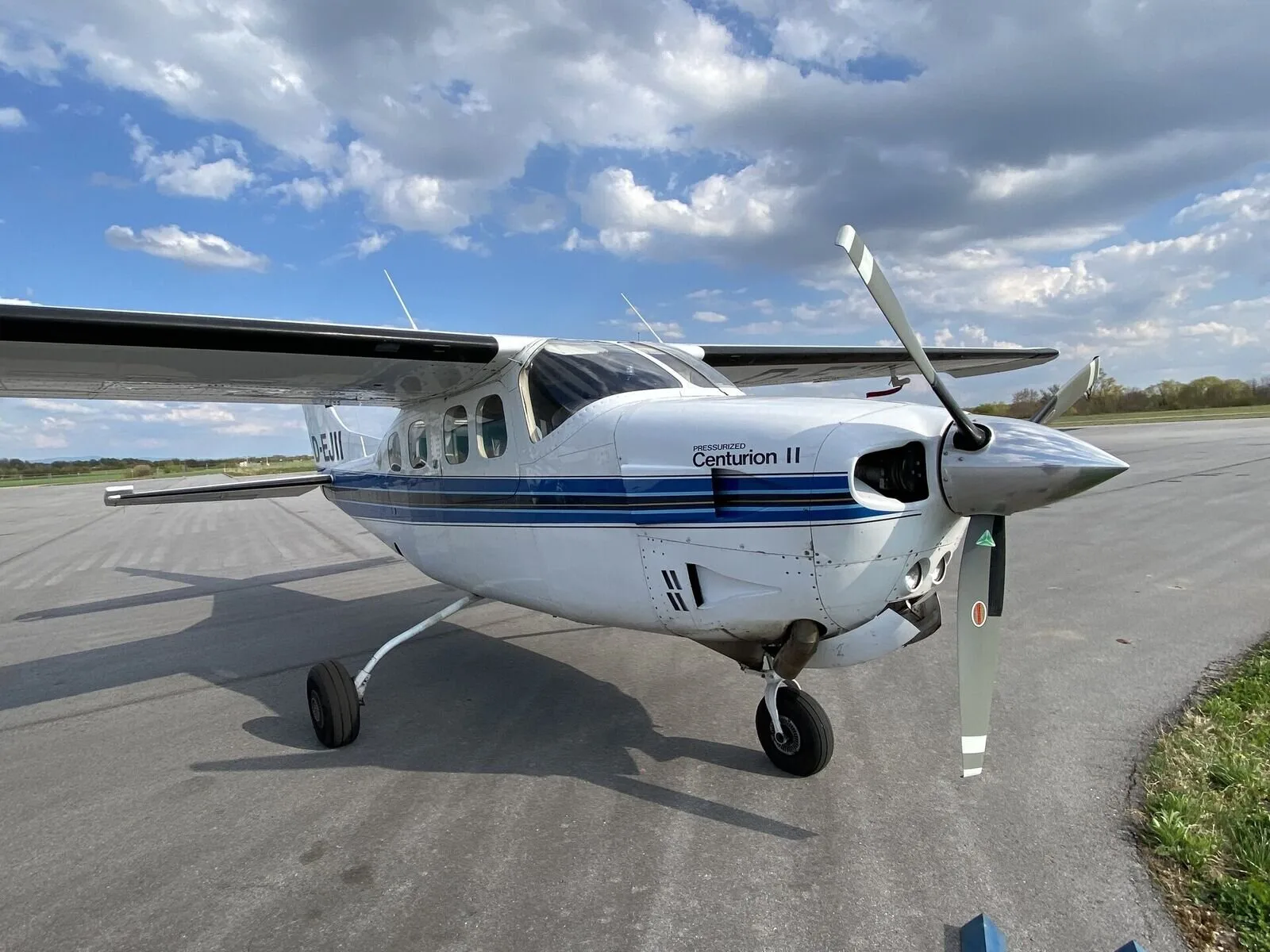
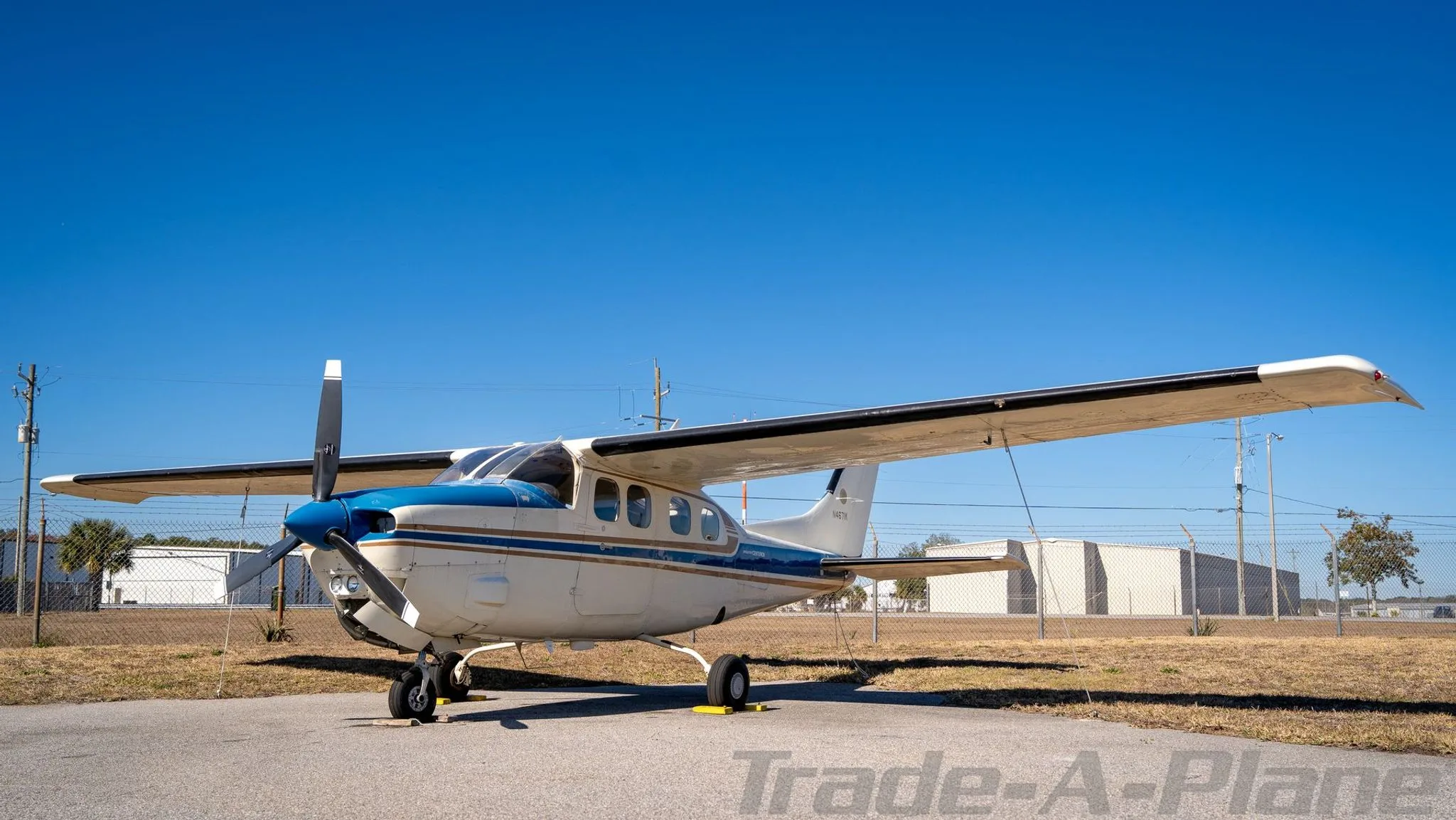
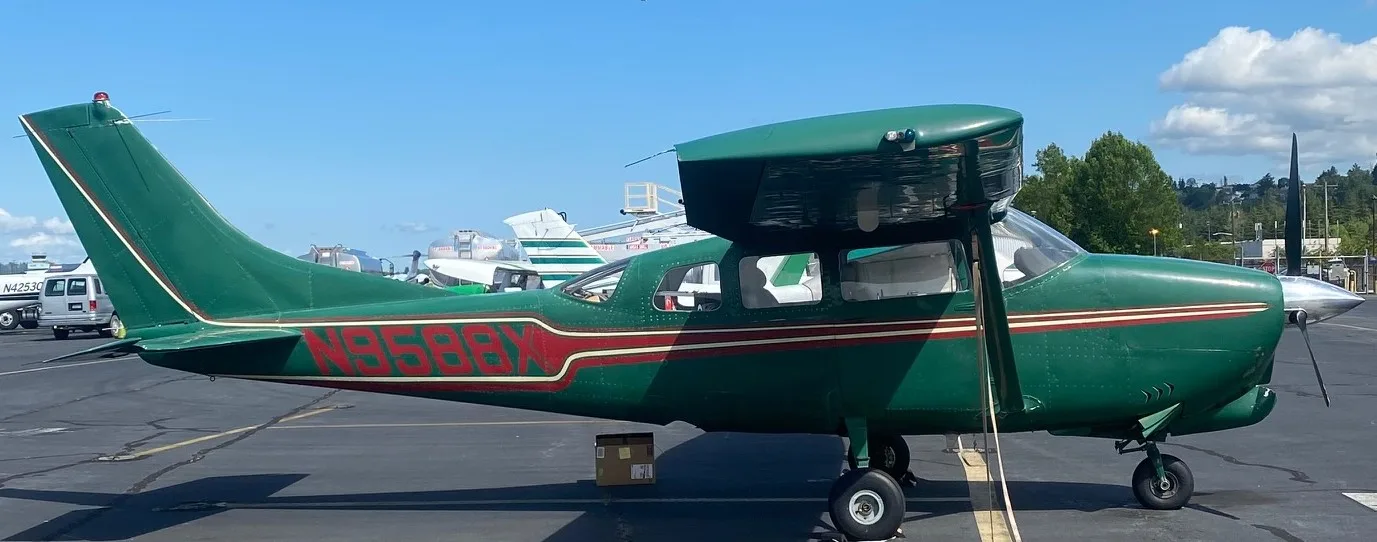
View all 94 for sale →Aircraft that this checklist covers, listed on the sites Sprinkle reads. Asking prices, not sales. Cessna 210 asking prices by year built.
Also useful for the Cessna 210
From Sprinkle’s library of aircraft documents. PDFs open from Sprinkle’s own files. Read Jun 26, 2026.
Want this document taken down? Request removal