CESSNA 210 Model Guide
CESSNA 210 · Model Guide
Overview
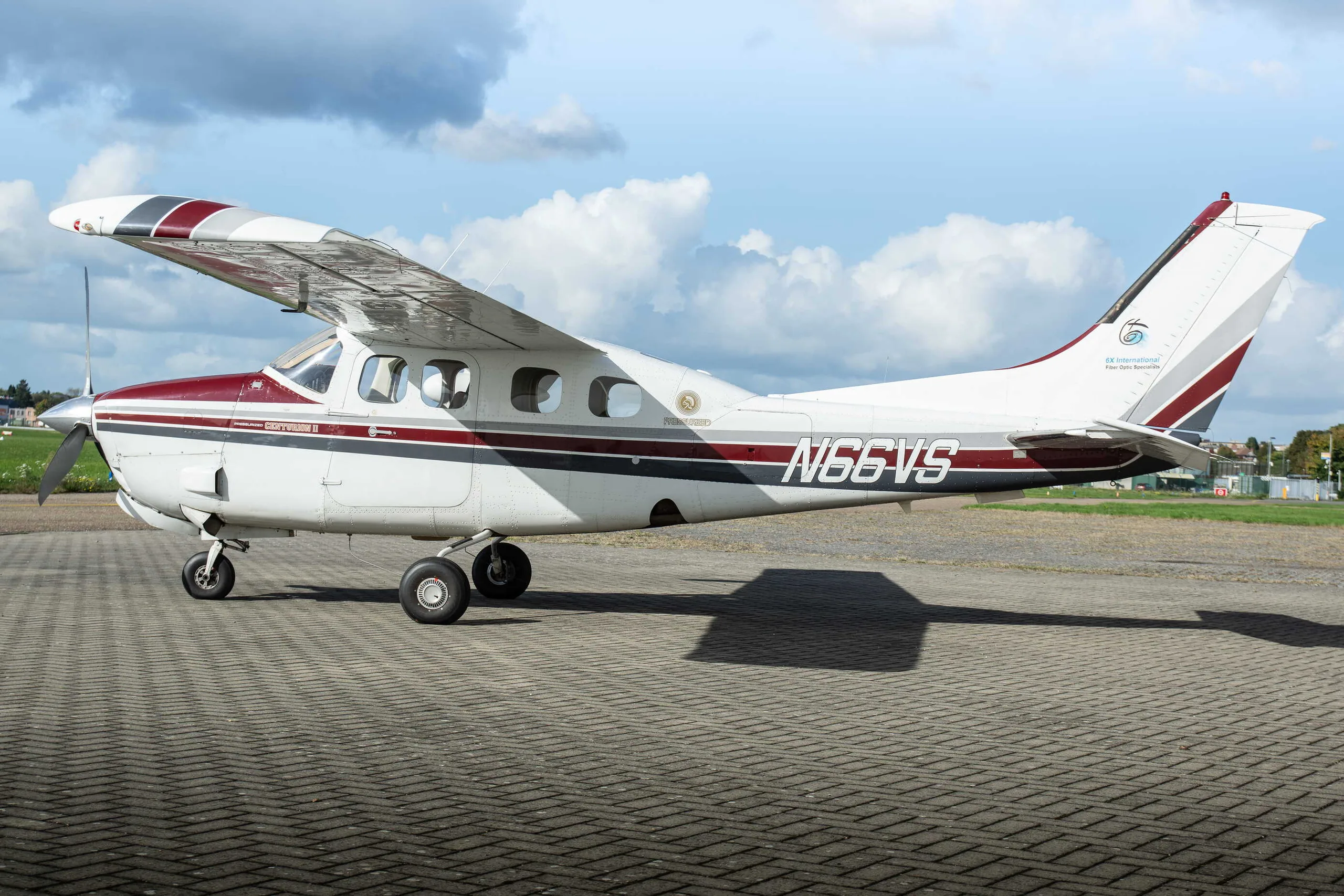
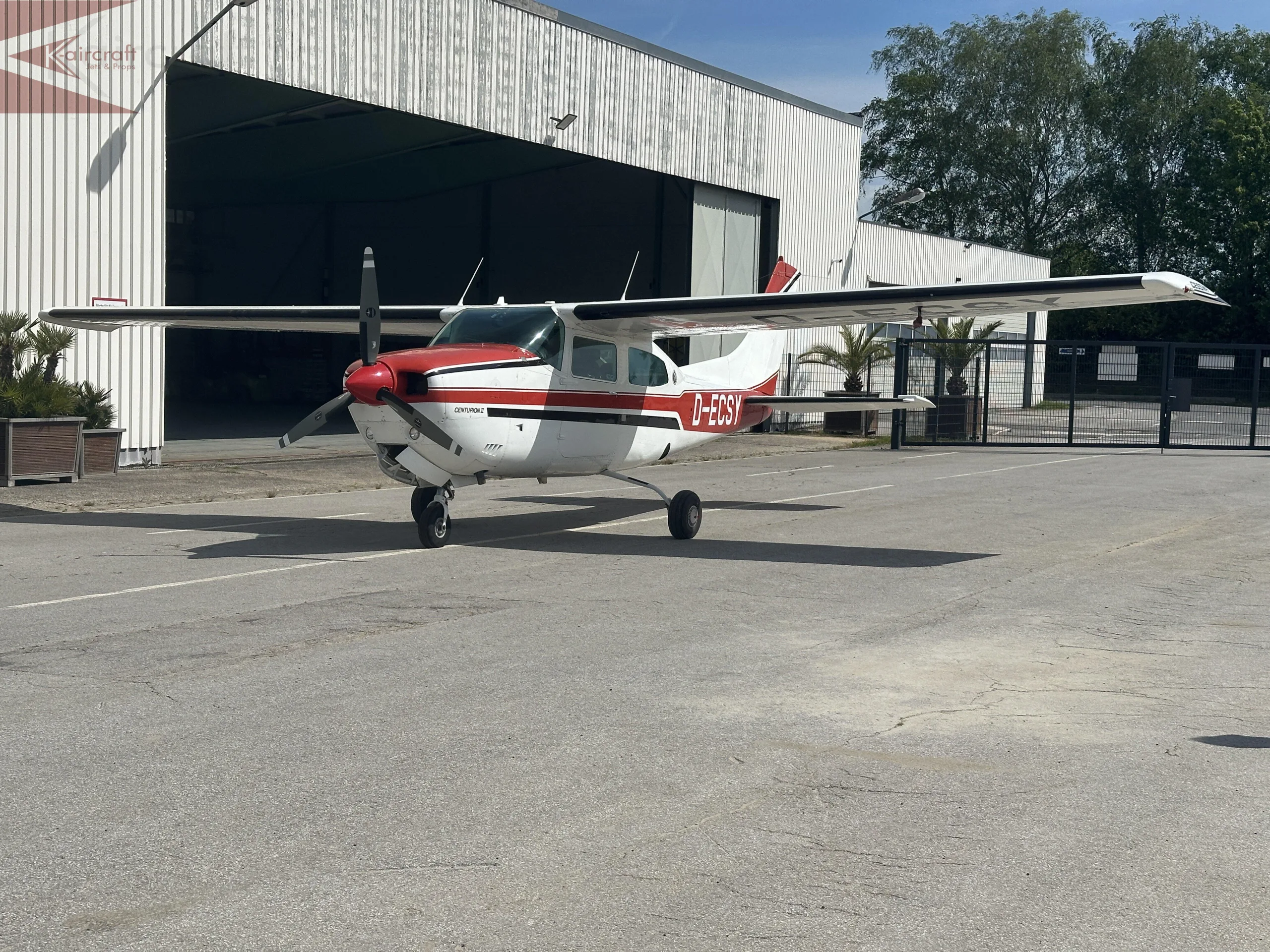
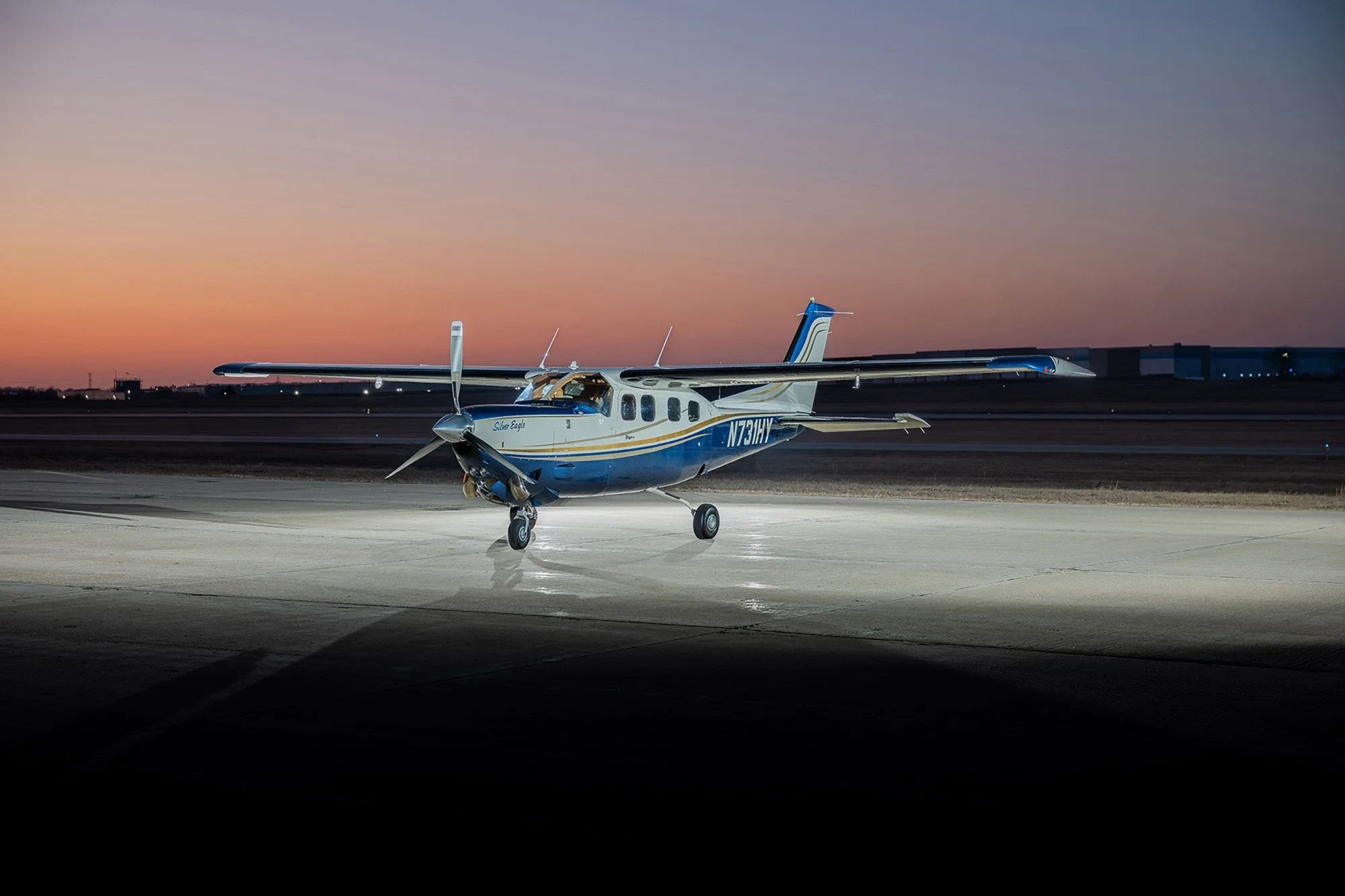
The CESSNA 210 is a single-engine piston aircraft. Library data lists a 285 hp Teledyne Continental IO-520-L46B with a 3-blade Hartzell variable-pitch propeller, 65 gal of fuel, 1800 lb useful load and 3600 lb max takeoff weight. Cruise is 130 kt with a stated range of 800 nm. Figures vary by variant, so check them against the specific serial number.
- Useful load is 1800 lb at 3600 lb max takeoff weight; baggage allowance is 200 lb. Check the weight and balance for the specific airframe.
- Cruises at 130 kt and burns about 12 gph, with 65 gal of fuel and a stated range of 800 nm.
- Wing main spar cap eddy-current inspection is mandatory: first at 8000 hours, then every 2000 hours (3500 and 500 in severe environments).
- Check the nose gear shimmy dampener: McFarlane MC0743624-2 must be removed on retractable 210s (SB-14).
Summary written by AI from the source document. Check the original before relying on it. See which parts of Sprinkle are written by AI.
Reference only, not for flight. Use the current approved manual for your aircraft. See terms, section 5.
Document
Source
Copy found at sprinkle.com. Sprinkle hosts a reference copy with an added summary, specifications and searchable full text.
Document details
- Type ·
- Model Guide
- Year ·
- 2026
- File size ·
- 49 KB
- Copy found at ·
- sprinkle.com
Specifications & performance
Extracted from this document.
Specifications
- Range (nm) ·
- 800
- Engine (hp) ·
- 285
- Length (ft) ·
- 28.8
- Wingspan (ft) ·
- 36.1
- Cruise speed (kt) ·
- 130
- Empty weight (lb) ·
- 1,800
- Fuel capacity (gal) ·
- 65
- Max takeoff weight (lb) ·
- 3,600
Performance
- Fuel burn (gph) ·
- 12
- Max speed (kt) ·
- 150
- Rate of climb (fpm) ·
- 1,000
- Service ceiling (ft) ·
- 20,000
- Best glide speed (kt) ·
- 70
- Landing over 50ft (ft) ·
- 1,200
- Takeoff over 50ft (ft) ·
- 1,500
- Stall speed clean (kt) ·
- 60
V-speeds
- VA_KTS ·
- 100
- VX_KTS ·
- 75
- VY_KTS ·
- 85
- VFE_KTS ·
- 100
- VNE_KTS ·
- 175
- VNO_KTS ·
- 125
- VS1_KTS ·
- 55
- VSO_KTS ·
- 50
Weight & balance
- Cg aft (in) ·
- 40
- Useful load (lb) ·
- 1,800
- Cg forward (in) ·
- 34
- Max ramp weight (lb) ·
- 3,620
- Baggage allowance (lb) ·
- 200
- Basic empty weight (lb) ·
- 1,800
- Max landing weight (lb) ·
- 3,600
How far and how fast does the CESSNA 210 go?
The CESSNA 210 library data gives a 130 kt cruise, a 150 kt max speed, about 12 gph fuel burn and a stated range of 800 nm on 65 gal of fuel.
What is the CESSNA 210 useful load?
The CESSNA 210 lists a 1800 lb useful load, 3600 lb max takeoff weight and 200 lb baggage allowance. Confirm against the individual airplane's weight and balance.
What mandatory items should a CESSNA 210 buyer check?
For the CESSNA 210, check the spar cap eddy-current inspection status (8000 hours initial, then every 2000 hours) and the SB-14 shimmy dampener removal. Also check any applicable ADs.
What is the CESSNA 210 Model Guide?
The CESSNA 210 Model Guide is a model guide for the CESSNA 210, dated 2026.
What year was the CESSNA 210 Model Guide published?
The CESSNA 210 Model Guide — the CESSNA 210 model guide on file — is dated 2026.
Common. More common than 99% of the aircraft models we track.
Most owners only have the POH. Here's the essential set for the CESSNA 210.
CESSNA 210 for sale now
Free — save the 210 to your watchlist and track it in one place.
More CESSNA 210manuals & documents
See all 22 →- Service Bulletin SB-14 - McFarlane AviationService Bulletins
- AIRWORTHINESS BULLETIN Cessna Single Engine Electro-Hydraulic Undercarriage Retraction SystemsService Bulletins
- Request for Legal Interpretation of 14 C.F.R. §§ 91.403(c) and 43.16 Concerning Whether Requirements in an Airworthiness Limitations Section (ALS) Developed By a Design Approval Holder (DAH) and Approved by the Federal Aviation Administration (FAA) as a Change to Type DesignMaintenance Manual
- Backdoor Rulemaking? | Savvy AviationMaintenance Manual
- SERVICE LETTER SEL-29-01 Revision 1: Hydraulic Power Pack InspectionWiring Diagrams
- Airplane Upset Recovery Training Aid Revision 2Training Manual
- Airworthiness Directive AD/CESSNA 210/69 Amdt 2Airworthiness Directives
- SCHEDULE OF AIRWORTHINESS DIRECTIVESAirworthiness Directives
- CESSNA 210 Service BulletinsService Bulletins
- MODELS 210 & T210 SERIES (1985 THRU 1986) - AeroElectricMaintenance Manual
- Electronic Installations for 1969 Thru 1970 P206 & TP206 Models, All 1971 & On U206 Models, and 1969 Thru 1972 177RG, 182, 210 & 337 Model Series Service/Parts ManualParts Catalog
- Parts CatalogParts Catalog
If you fly the CESSNA 210, you may also be researching these.




In this document
Performance
Library figures: rate of climb 1000 fpm, service ceiling 20000 ft, max speed 150 kt. Takeoff over a 50 ft obstacle needs 1500 ft and landing over 50 ft needs 1200 ft. Max crosswind is 20 kt. Stall speed is 60 kt clean and 55 kt in landing configuration. Best glide is 70 kt.
Structural inspections to budget for
A 2014 Cessna service manual revision added an Airworthiness Limitations section. It requires eddy-current inspection of the wing main spar lower caps: initial at 8000 hours, repeating every 2000 hours, or 3500 hours and every 500 hours in severe environments. Most shops lack the equipment, so plan on a specialty shop. P210 windows have a 13000 hour life limit.
Figures differ by variant
Handbook data varies by variant. The Flight Tech Australia 210N checklist lists Vne 200 KIAS, Vy 96 KIAS, Vx 79 KIAS, takeoff power at 2850 RPM and engine oil 7.5 to 8.5 quarts. The library data lists Vne 175 kt. Always use the POH for the airframe you buy.
Summary written by AI from the source document. Check the original before relying on it. See which parts of Sprinkle are written by AI.
Safety notes
- SB-14 (mandatory): remove the McFarlane MC0743624-2 shimmy dampener, lots 104648, 110666, 112303; it interferes with the nose gear doors. No replacement offered.
- P210N, P210R, T210N, T210R: CASA AD/CESSNA 210/67 adds severe-icing warnings. Leave icing conditions promptly and do not use the autopilot if the ice cues appear.
- Confirm that the airframe has had the spar cap eddy-current inspection when due, and review the logbooks for it.
Summary written by AI from the source document. Check the original before relying on it. See which parts of Sprinkle are written by AI.
Full document text
CESSNA 210 Model Guide The CESSNA 210 is a single-engine piston aircraft. Library data lists a 285 hp Teledyne Continental IO-520-L46B with a 3-blade Hartzell variable-pitch propeller, 65 gal of fuel, 1800 lb useful load and 3600 lb max takeoff weight. Cruise is 130 kt with a stated range of 800 nm. Figures vary by variant, so check them against the specific serial number. • Useful load is 1800 lb at 3600 lb max takeoff weight; baggage allowance is 200 lb. Check the weight and balance for the specific airframe. • Cruises at 130 kt and burns about 12 gph, with 65 gal of fuel and a stated range of 800 nm. • Wing main spar cap eddy-current inspection is mandatory: first at 8000 hours, then every 2000 hours (3500 and 500 in severe environments). • Check the nose gear shimmy dampener: McFarlane MC0743624-2 must be removed on retractable 210s (SB-14). Performance Library figures: rate of climb 1000 fpm, service ceiling 20000 ft, max speed 150 kt. Takeoff over a 50 ft obstacle needs 1500 ft and landing over 50 ft needs 1200 ft. Max crosswind is 20 kt. Stall speed is 60 kt clean and 55 kt in landing configuration. Best glide is 70 kt. Structural inspections to budget for A 2014 Cessna service manual revision added an Airworthiness Limitations section. It requires eddy-current inspection of the wing main spar lower caps: initial at 8000 hours, repeating every 2000 hours, or 3500 hours and every 500 hours in severe environments. Most shops lack the equipment, so plan on a specialty shop. P210 windows have a 13000 hour life limit. Figures differ by variant Handbook data varies by variant. The Flight Tech Australia 210N checklist lists Vne 200 KIAS, Vy 96 KIAS, Vx 79 KIAS, takeoff power at 2850 RPM and engine oil 7.5 to 8.5 quarts. The library data lists Vne 175 kt. Always use the POH for the airframe you buy. Safety notes: • SB-14 (mandatory): remove the McFarlane MC0743624-2 shimmy dampener, lots 104648, 110666, 112303; it interferes with the nose gear doors. No replacement offered. • P210N, P210R, T210N, T210R: CASA AD/CESSNA 210/67 adds severe-icing warnings. Leave icing conditions promptly and do not use the autopilot if the ice cues appear. • Confirm that the airframe has had the spar cap eddy-current inspection when due, and review the logbooks for it.