
Cessna 310L Pilot's Operating Handbook
Pilot's Operating Handbook for the Cessna 310L
PDF, 72 pages, 45 MB, from Sprinkle’s own files.
What it covers
The Cessna 310L Pilot's Operating Handbook (POH) provides essential information for the operation of the Cessna 310L aircraft. It is designed for pilots and aviation enthusiasts, offering detailed guidance on the aircraft's systems, performance, and operational procedures. This handbook includes critical data such as weight and balance, performance specifications, and emergency procedures, ensuring safe and efficient flight operations. The POH serves as a comprehensive reference for preflight planning, in-flight operations, and post-flight procedures, making it an indispensable tool for anyone flying the Cessna 310L.
Key points
- Wingspan: 36 ft 0 in
- Max Takeoff Weight: 5,200 lbs
- Fuel Capacity: 80 gallons
- Takeoff Distance: 2,500 ft
- Stall Speed Clean: 70 knots
Figures in this document
As the document states them. Check them against the PDF before you rely on one.
Specifications
- Range (nm)
- 1,000
- Engine (hp)
- 285
- Height (ft)
- 8.83
- Length (ft)
- 27.75
- Propeller
- McCauley 3-blade
- Wingspan (ft)
- 36
- Engine model
- Continental IO-520
- Empty weight (lb)
- 3,200
- Fuel capacity (gal)
- 80
- Rate of climb (fpm)
- 1,000
- Service ceiling (ft)
- 20,000
- Max takeoff weight (lb)
- 5,200
Performance
- Landing distance (ft)
- 2,200
- Takeoff distance (ft)
- 2,500
Weight and balance
- Useful load (lb)
- 2,000
- Max ramp weight (lb)
- 5,250
- Basic empty weight (lb)
- 3,200
- Max takeoff weight (lb)
- 5,200
Main sections
Aircraft Specifications
This section outlines the key specifications of the Cessna 310L, including dimensions, weight limits, and fuel capacity. The aircraft features a wingspan of 36 feet 0 inches, a length of 27 feet 9 inches, and a height of 8 feet 10 inches. The maximum takeoff weight is 5,200 lbs, with an empty weight of approximately 3,200 lbs and a fuel capacity of 80 gallons.
Performance Data
The performance section details the aircraft's capabilities, including takeoff and landing distances, stall speeds, and climb rates. The Cessna 310L has a takeoff distance of 2,500 feet and a landing distance of 2,200 feet. The stall speed in a clean configuration is 70 knots, while the landing stall speed is 60 knots.
Weight and Balance
This section provides guidelines for calculating weight and balance to ensure safe flight operations. The maximum ramp weight is 5,250 lbs, and the useful load is approximately 2,000 lbs. The center of gravity (CG) range is specified to maintain stability during flight.
Emergency Procedures
Emergency procedures are critical for ensuring pilot and passenger safety. This section includes steps for engine failure, electrical failure, and other in-flight emergencies, providing pilots with the necessary actions to take in various scenarios.
V-Speeds
The V-speed section lists important airspeeds for the Cessna 310L, including VSO (stalling speed in landing configuration) at 60 knots, VS1 (stalling speed in clean configuration) at 70 knots, and VNE (never exceed speed) at 200 knots.
Safety notes
- Always perform a weight and balance calculation before flight.
- Be aware of the VNE speed to avoid structural damage.
The document’s text
Show the text read from the PDF
-- 1 of 72 -- -- 2 of 72 -- -- 3 of 72 -- -- 4 of 72 -- -- 5 of 72 -- -- 6 of 72 -- -- 7 of 72 -- -- 8 of 72 -- -- 9 of 72 -- -- 10 of 72 -- -- 11 of 72 -- -- 12 of 72 -- -- 13 of 72 -- -- 14 of 72 -- -- 15 of 72 -- -- 16 of 72 -- -- 17 of 72 -- -- 18 of 72 -- -- 19 of 72 -- -- 20 of 72 -- -- 21 of 72 -- -- 22 of 72 -- -- 23 of 72 -- -- 24 of 72 -- -- 25 of 72 -- -- 26 of 72 -- -- 27 of 72 -- -- 28 of 72 -- -- 29 of 72 -- -- 30 of 72 -- -- 31 of 72 -- -- 32 of 72 -- -- 33 of 72 -- -- 34 of 72 -- -- 35 of 72 -- -- 36 of 72 -- -- 37 of 72 -- -- 38 of 72 -- -- 39 of 72 -- -- 40 of 72 -- -- 41 of 72 -- -- 42 of 72 -- -- 43 of 72 -- -- 44 of 72 -- -- 45 of 72 -- -- 46 of 72 -- -- 47 of 72 -- -- 48 of 72 -- -- 49 of 72 -- -- 50 of 72 -- -- 51 of 72 -- -- 52 of 72 -- -- 53 of 72 -- -- 54 of 72 -- -- 55 of 72 -- -- 56 of 72 -- -- 57 of 72 -- -- 58 of 72 -- -- 59 of 72 -- -- 60 of 72 -- -- 61 of 72 -- -- 62 of 72 -- -- 63 of 72 -- -- 64 of 72 -- -- 65 of 72 -- -- 66 of 72 -- -- 67 of 72 -- -- 68 of 72 -- -- 69 of 72 -- -- 70 of 72 -- -- 71 of 72 -- -- 72 of 72 --
Read from the PDF by machine, so tables and diagrams come out rough. The PDF is the document.
More Cessna 310L documents
All 15 →- PILOT'S OPERATING HANDBOOK - flight examiners
This Pilot's Operating Handbook (POH) is designed for the Cessna 310R and 310R I aircraft, providing essential information for pilots regarding the operation, performance, and maintenance of these twin-engine airplanes. It includes detailed specifications, limitations, emergency procedures, and normal operating procedures. The handbook is intended to enhance the flying experience by ensuring that pilots have access to critical data and guidelines necessary for safe and efficient flight operations. Pilots are encouraged to familiarize themselves with the contents and refer to the handbook regularly to maintain operational proficiency and safety.
- Cessna 310L Pilot's Operating Handbook
This Pilot's Operating Handbook (POH) is designed for the Cessna 310L, a twin-engine aircraft known for its reliability and performance. The handbook provides essential information for pilots, including operating procedures, performance data, and safety guidelines. It serves as a comprehensive reference for both flight planning and in-flight operations, ensuring that pilots can operate the aircraft safely and efficiently. The POH includes detailed specifications, weight and balance information, and emergency procedures, making it an indispensable tool for Cessna 310L pilots.
- CESSNA 310L Model Guide
CESSNA 310L is a piston light twin from the Cessna 310 family, where family-level figures reach up to 6 passengers. Listed figures are 5200 lb max takeoff weight, 2000 lb useful load, 170 kt cruise and 80 gal fuel. Accident reports in the files show two Continental IO-470 engines on 1966 examples, so confirm the engine fit of any aircraft you inspect.
- PMA Application and Pump Cross Reference - Aircraft Spruce
This document serves as a service bulletin for various aircraft models, specifically focusing on fuel boost and prop unfeathering pumps. It provides a cross-reference of FAA-PMA parts, OEM parts, and Dukes parts for different aircraft, including the Piper PA-42 Cheyenne III. The bulletin is intended for maintenance personnel and pilots who need to ensure the correct parts are used for repairs and replacements. It includes detailed specifications for each aircraft model listed, allowing for easy identification of compatible parts. The document is crucial for maintaining the operational integrity of the aircraft and ensuring compliance with FAA regulations.
- EASA - J.P. Instruments
This document is a Supplemental Type Certificate (STC) issued by the European Aviation Safety Agency (EASA) for the installation of the J P Instruments (JPI) EDM-960 Primary Engine Data Management System on the Cessna 414A. It certifies that the design change meets the applicable Type Certification Basis and environmental protection requirements. The STC outlines the limitations and conditions for the installation and operation of the system, ensuring that it does not adversely affect the airworthiness of the aircraft. The document is intended for aircraft owners, maintenance personnel, and operators who are involved in the installation and operation of the EDM-960 system on the Cessna 414A.
Supplemental Type Certificate · 2015PDF · 5 pages · 471 KB of EASA - J.P. Instruments, opens in a new tabRequest removal of EASA - J.P. Instruments - 28V Alternator Controller Units (ACU) Cross Reference
This document serves as a cross-reference for 28V Alternator Controller Units (ACUs) applicable to various Cessna aircraft models, including the Cessna 310L. It provides detailed specifications, voltage regulation features, and part numbers for replacement units. The document is intended for aircraft maintenance personnel and technicians who require accurate information for electrical system components. It includes information on voltage regulation, ground-fault protection, and troubleshooting features, ensuring that users can select the appropriate alternator controller for their specific aircraft model.
- AAIB Bulletin No: 2/2004
This document is an AAIB (Air Accidents Investigation Branch) Bulletin detailing an incident involving a Cessna 310L aircraft, registration G-AZUY. The bulletin outlines the circumstances of the flight, the malfunction of the landing gear system, and the subsequent investigation findings. The incident occurred on September 29, 2003, when the pilot experienced issues with the landing gear not locking down properly during the approach for landing. The report provides insights into the mechanical failure that led to the collapse of the main landing gear upon touchdown, as well as recommendations for maintenance and operational procedures to prevent similar occurrences in the future.
- Schedule Of Airworthiness Directives
This document is an Airworthiness Directive (AD) issued by the Civil Aviation Safety Authority of Australia, specifically addressing the Cessna 310 series of aeroplanes. The directive outlines mandatory requirements for all models in the 310 series, including the 310L, regarding the installation of specific placards related to fuel management and operational limits. The purpose of these placards is to enhance safety by informing pilots of critical operational limitations, particularly concerning fuel levels and flap usage. Compliance with these directives is required to ensure the airworthiness of the aircraft and to mitigate risks associated with fuel management during flight operations.
Cessna 310 for sale now
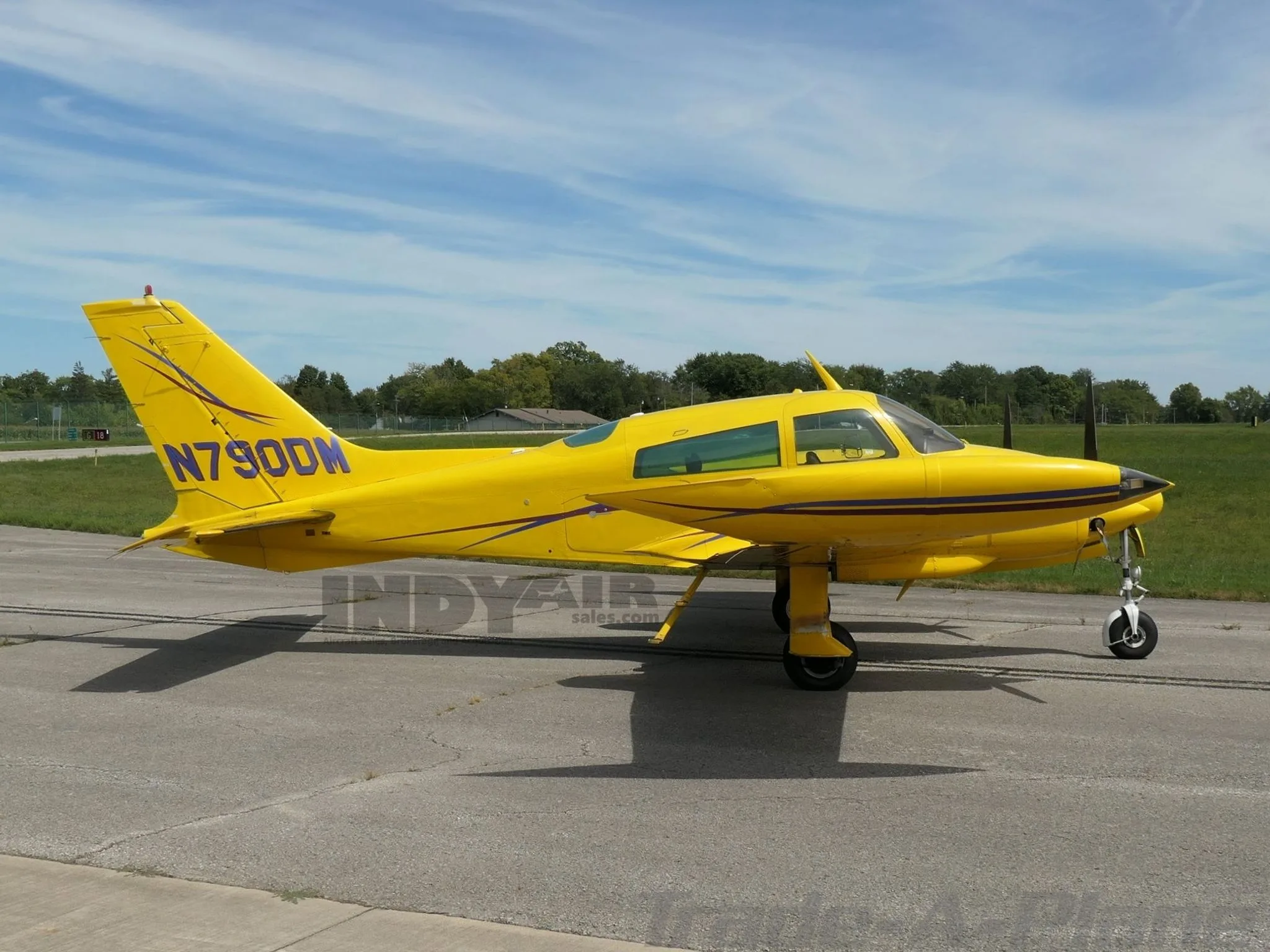
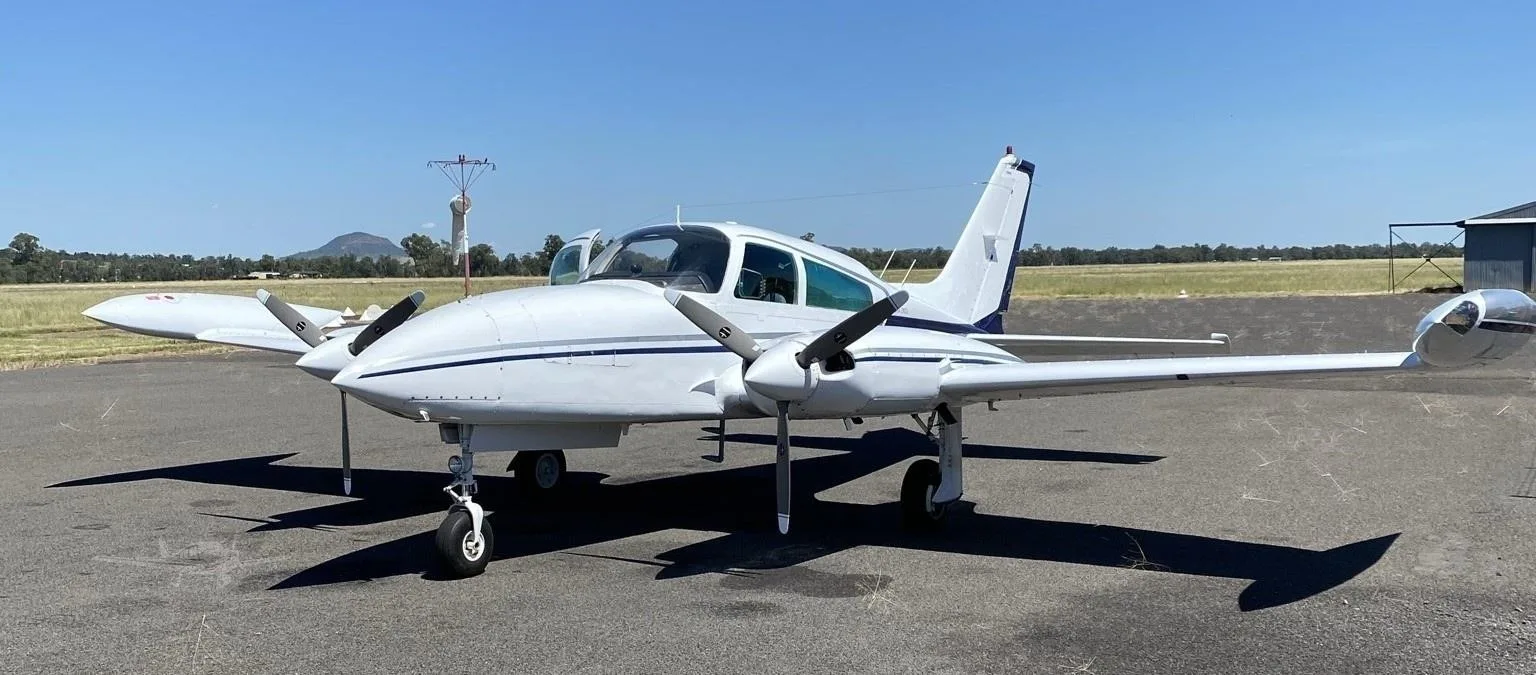
View all 35 for sale →Aircraft that this pilot's operating handbook covers, listed on the sites Sprinkle reads. Asking prices, not sales. Cessna 310 asking prices by year built.

Also useful for the Cessna 310L
From Sprinkle’s library of aircraft documents. PDFs open from Sprinkle’s own files. Read Jul 1, 2026.
Want this document taken down? Request removal