CESSNA 310L Model Guide
CESSNA 310L · Model Guide
Overview
CESSNA 310L is a piston light twin from the Cessna 310 family, where family-level figures reach up to 6 passengers. Listed figures are 5200 lb max takeoff weight, 2000 lb useful load, 170 kt cruise and 80 gal fuel. Accident reports in the files show two Continental IO-470 engines on 1966 examples, so confirm the engine fit of any aircraft you inspect.
- Listed max takeoff weight is 5200 lb, empty weight 3200 lb, useful load 2000 lb, fuel 80 gal. Check the actual aircraft's weight and balance records.
- Listed cruise is 170 kt, range 1000 nm, ceiling 20000 ft. Family-level range is lower at up to 640 nm, so verify against the aircraft's own manual.
- Library data lists a Continental IO-520, but accident reports on 1966 examples show IO-470 engines. Confirm engine model on the data plate and in the logs.
- Landing gear is electric, with one motor driving all three legs. Two reported gear failures involved linkage and a relay, so inspect and function-test it closely.
Summary written by AI from the source document. Check the original before relying on it. See which parts of Sprinkle are written by AI.
Reference only, not for flight. Use the current approved manual for your aircraft. See terms, section 5.
Document
Source
Copy found at sprinkle.com. Sprinkle hosts a reference copy with an added summary, specifications and searchable full text.
Document details
- Type ·
- Model Guide
- Year ·
- 2026
- File size ·
- 50 KB
- Copy found at ·
- sprinkle.com
Specifications & performance
Extracted from this document.
Specifications
- Height (ft) ·
- 8.83
- Length (ft) ·
- 27.75
- Wingspan (ft) ·
- 36
- Empty weight (lb) ·
- 3,200
- Fuel capacity (gal) ·
- 80
- Max takeoff weight (lb) ·
- 5,200
Performance
- Range (nm) ·
- 1,000
- Max speed (kt) ·
- 200
- Cruise speed (kt) ·
- 170
- Rate of climb (fpm) ·
- 1,000
- Service ceiling (ft) ·
- 20,000
- Landing distance (ft) ·
- 2,200
- Takeoff distance (ft) ·
- 2,500
V-speeds
- VX_KTS ·
- 70
- VY_KTS ·
- 80
- VNE_KTS ·
- 200
- VS1_KTS ·
- 70
- VSO_KTS ·
- 60
Weight & balance
- Useful load (lb) ·
- 2,000
- Cg range max (in) ·
- 45
- Cg range min (in) ·
- 35
- Max ramp weight (lb) ·
- 5,250
- Baggage allowance (lb) ·
- 200
- Basic empty weight (lb) ·
- 3,200
- Max takeoff weight (lb) ·
- 5,200
What engines does the CESSNA 310L have?
The library data for CESSNA 310L lists a Continental IO-520 at 285 hp. Two AAIB reports on 1966 examples show Continental IO-470-V and IO-470-VO engines. Confirm the actual engines from the data plates and logs.
How much can the CESSNA 310L carry?
The CESSNA 310L is listed with a 2000 lb useful load, 200 lb baggage allowance and 80 gal of fuel. Max takeoff weight is 5200 lb. Always recompute with the aircraft's own weight and balance records.
Which upgrades are documented for the CESSNA 310L?
Documents list the CESSNA 310L on the Hartzell propeller STC SA234CH, the Garmin GMX200 display, the JPI EDM-960 engine monitor, and Weldon replacement fuel boost pumps. Check the logs and Form 337s for what is actually fitted.
What is the CESSNA 310L Model Guide?
The CESSNA 310L Model Guide is a model guide for the CESSNA 310L, dated 2026.
What year was the CESSNA 310L Model Guide published?
The CESSNA 310L Model Guide — the CESSNA 310L model guide on file — is dated 2026.
Common. More common than 98% of the aircraft models we track.
Most owners only have the POH. Here's the essential set for the CESSNA 310L.
- Pilot's Operating Handbook / AFM
- Checklist
- Maintenance Manual
- Parts Catalog (IPC)
- Systems & Wiring
- Service Bulletins on file
- Type Certificate (TCDS)
CESSNA 310L for sale now
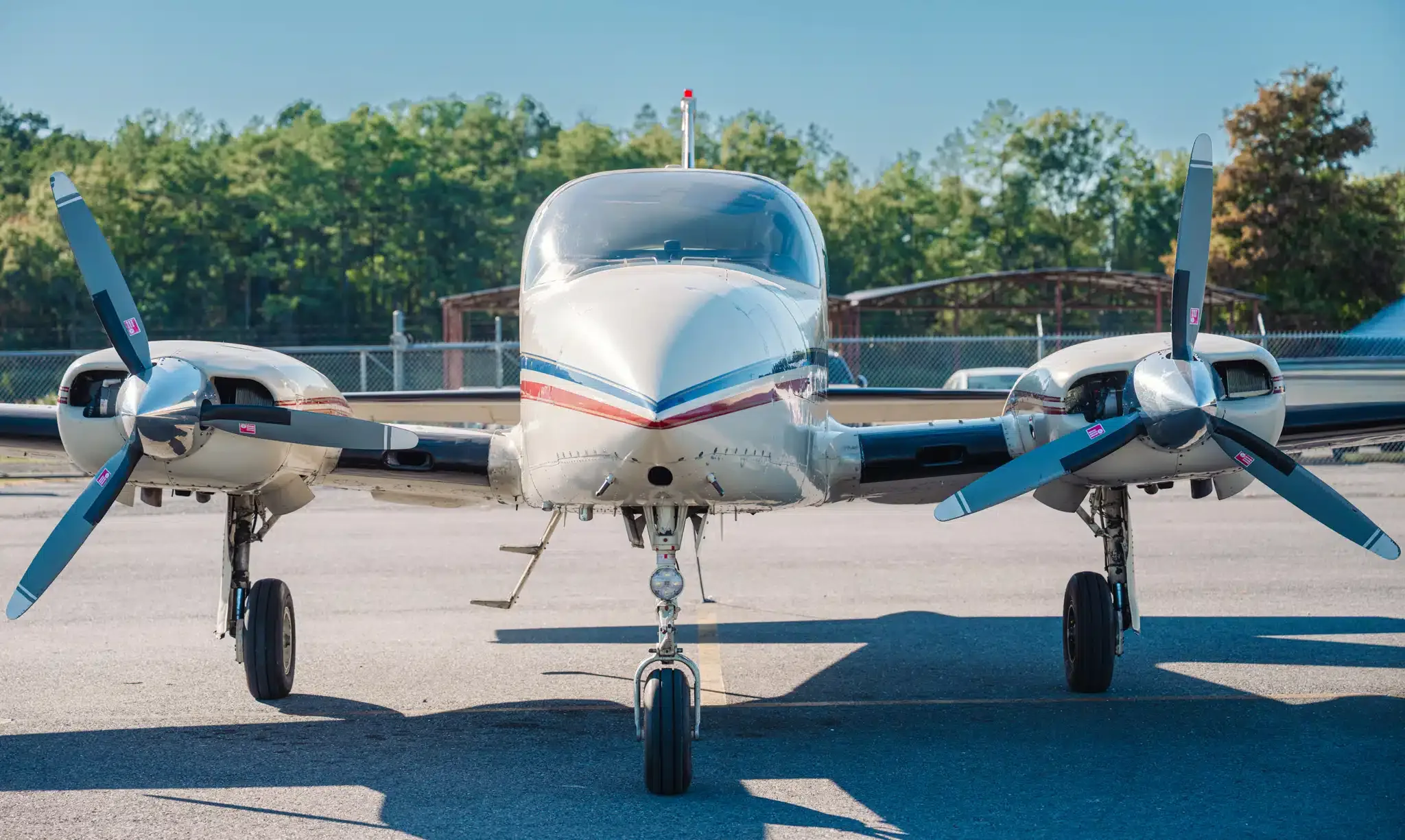
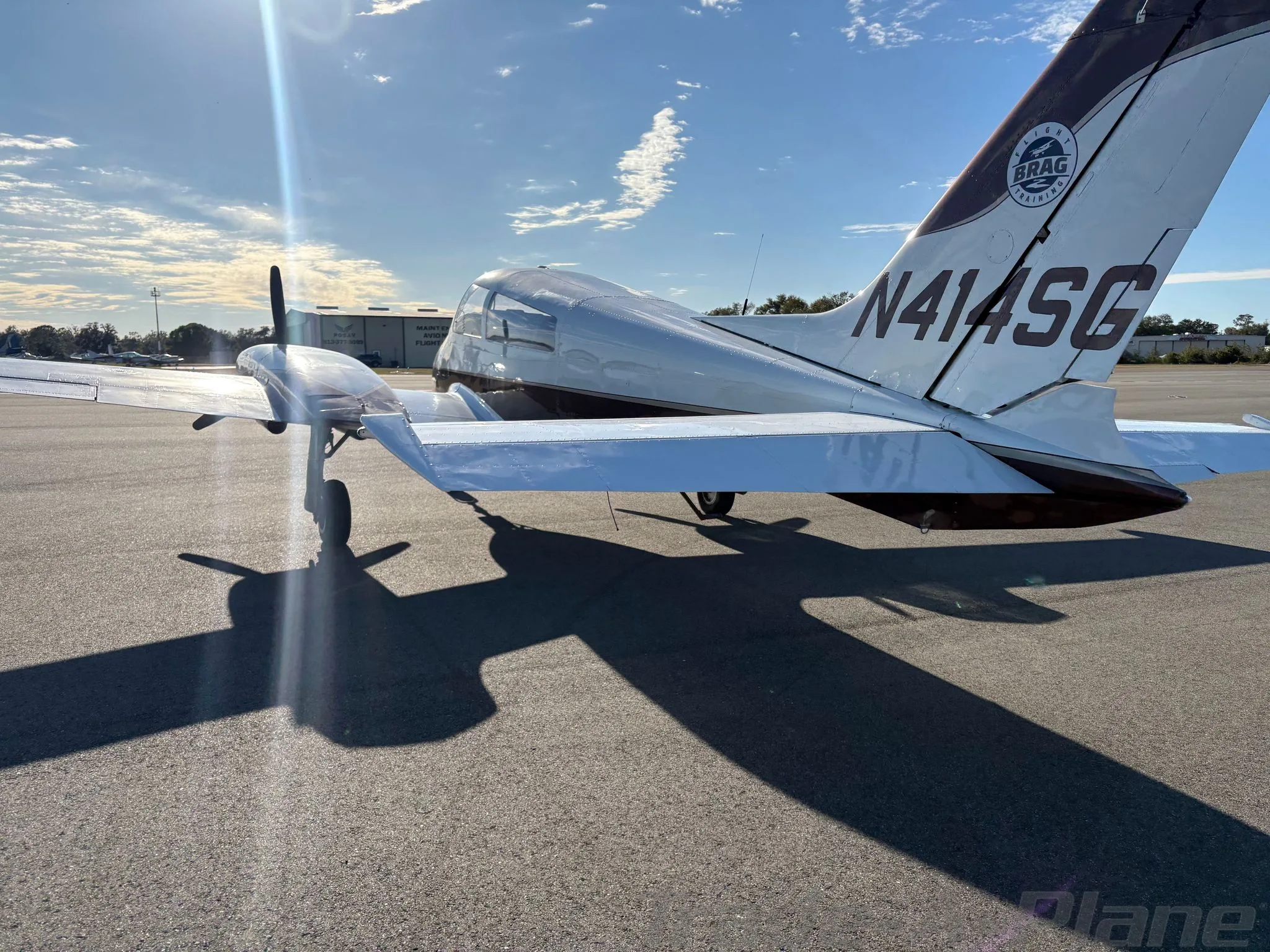
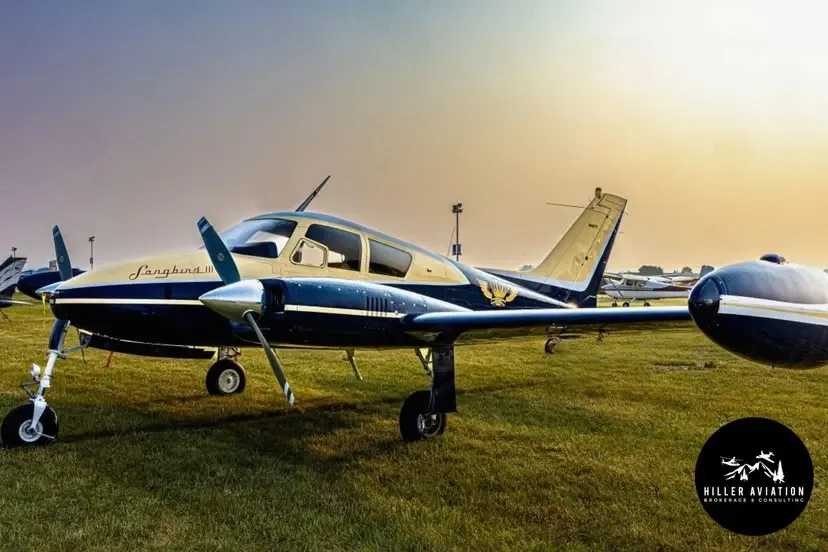
Free — save the 310 to your watchlist and track it in one place.
More CESSNA 310Lmanuals & documents
See all 14 →- PMA Application and Pump Cross Reference - Aircraft SpruceService Bulletins
- EASA - J.P. InstrumentsSupplemental Type Certificate
- 28V Alternator Controller Units (ACU) Cross ReferenceWiring Diagrams
- AAIB Bulletin No: 2/2004Service Bulletins
- SCHEDULE OF AIRWORTHINESS DIRECTIVESAirworthiness Directives
- PILOT'S OPERATING HANDBOOK - flight examinersPilot's Operating Handbook
- Cessna 310L, G-AZUYOther Documents
- GMX 200 STC with AML - GarminSupplemental Type Certificate
- Dukes Inc. - McFarlane AviationParts Catalog
- Cessna 310L Pilot's Operating HandbookPilot's Operating Handbook
- Airplane Flight ManualFlight Manual
- Tempest Dry Air Pump Application Guide 091019V Speeds Reference
If you fly the CESSNA 310L, you may also be researching these.



In this document
Size, loading and performance
Listed dimensions are 36 ft wingspan, 27.75 ft length and 8.83 ft height. Max ramp weight is 5250 lb and baggage allowance is 200 lb. Listed takeoff distance is 2500 ft and landing distance is 2200 ft, with a climb rate of 1000 fpm. Treat these as reference figures and check them against the aircraft's own manual.
Landing gear history
A single electric motor moves all three gear legs through linkages, with a hand-crank handle between the front seats. In one 1966 aircraft, a fractured nose-gear adjusting bellcrank and fork bolt led to a wheels-up landing. In another event, the gear-down relay probably stuck on and damaged the gearbox. Ask for gear rigging, relay and linkage inspection records.
Service items and upgrades
Cessna bulletins MEB94-3 and MEB94-4 cover 310L serials 310L0001 through 310L0207. They concern Dukes auxiliary fuel boost pumps, which need overhaul or replacement at 10 years from manufacture or last overhaul. Documents also list 310L approvals for Hartzell propellers (STC SA234CH), the Garmin GMX200 and JPI EDM-960. Check the logs for these.
Summary written by AI from the source document. Check the original before relying on it. See which parts of Sprinkle are written by AI.
Safety notes
- Failure of an auxiliary fuel boost pump could cause engine stoppage, and shattered carbon vanes have reduced engine power. Check pump age and vane type.
- The gear warning horn sounds if throttles are below about 12 inHg with the gear up, or if the red light is on. Never ignore a missing green light.
- Before buying, test the manual gear extension handle and the gear indication lights.
Summary written by AI from the source document. Check the original before relying on it. See which parts of Sprinkle are written by AI.
Full document text
CESSNA 310L Model Guide CESSNA 310L is a piston light twin from the Cessna 310 family, where family-level figures reach up to 6 passengers. Listed figures are 5200 lb max takeoff weight, 2000 lb useful load, 170 kt cruise and 80 gal fuel. Accident reports in the files show two Continental IO-470 engines on 1966 examples, so confirm the engine fit of any aircraft you inspect. • Listed max takeoff weight is 5200 lb, empty weight 3200 lb, useful load 2000 lb, fuel 80 gal. Check the actual aircraft's weight and balance records. • Listed cruise is 170 kt, range 1000 nm, ceiling 20000 ft. Family-level range is lower at up to 640 nm, so verify against the aircraft's own manual. • Library data lists a Continental IO-520, but accident reports on 1966 examples show IO-470 engines. Confirm engine model on the data plate and in the logs. • Landing gear is electric, with one motor driving all three legs. Two reported gear failures involved linkage and a relay, so inspect and function-test it closely. Size, loading and performance Listed dimensions are 36 ft wingspan, 27.75 ft length and 8.83 ft height. Max ramp weight is 5250 lb and baggage allowance is 200 lb. Listed takeoff distance is 2500 ft and landing distance is 2200 ft, with a climb rate of 1000 fpm. Treat these as reference figures and check them against the aircraft's own manual. Landing gear history A single electric motor moves all three gear legs through linkages, with a hand-crank handle between the front seats. In one 1966 aircraft, a fractured nose-gear adjusting bellcrank and fork bolt led to a wheels-up landing. In another event, the gear-down relay probably stuck on and damaged the gearbox. Ask for gear rigging, relay and linkage inspection records. Service items and upgrades Cessna bulletins MEB94-3 and MEB94-4 cover 310L serials 310L0001 through 310L0207. They concern Dukes auxiliary fuel boost pumps, which need overhaul or replacement at 10 years from manufacture or last overhaul. Documents also list 310L approvals for Hartzell propellers (STC SA234CH), the Garmin GMX200 and JPI EDM-960. Check the logs for these. Safety notes: • Failure of an auxiliary fuel boost pump could cause engine stoppage, and shattered carbon vanes have reduced engine power. Check pump age and vane type. • The gear warning horn sounds if throttles are below about 12 inHg with the gear up, or if the red light is on. Never ignore a missing green light. • Before buying, test the manual gear extension handle and the gear indication lights.