CESSNA 310R Model Guide
CESSNA 310R · Model Guide
Overview
The CESSNA 310R is a piston twin with two 285 hp Continental IO-520-M fuel-injected engines driving three-bladed constant-speed, full-feathering propellers. The 1976 handbook gives a 5500 lb maximum takeoff weight, 207 KTAS maximum speed at sea level and 194 KTAS recommended cruise. Buyers should focus on engine times, the retractable gear, and compliance with the mandatory elevator trim-tab service bulletin.
- Maximum takeoff weight is 5500 lb and maximum landing weight is 5400 lb. Maximum zero fuel weight is 4900 lb.
- Handbook figures: 1662 fpm climb with both engines, 370 fpm on one engine. Single-engine service ceiling is 7400 ft.
- Standard tanks hold 100 gal usable. 75% power at 7500 ft gives 494 nm range with reserves.
- Service bulletin MEB-27-02 (elevator trim-tab hardware) is mandatory at the next 100-hour or 12-month inspection.
Summary written by AI from the source document. Check the original before relying on it. See which parts of Sprinkle are written by AI.
Reference only, not for flight. Use the current approved manual for your aircraft. See terms, section 5.
Document
Source
Copy found at sprinkle.com. Sprinkle hosts a reference copy with an added summary, specifications and searchable full text.
Document details
- Type ·
- Model Guide
- Year ·
- 2026
- File size ·
- 49 KB
- Copy found at ·
- sprinkle.com
Specifications & performance
Extracted from this document.
Specifications
- Usable fuel (gal) ·
- 100
- Fuel capacity (gal) ·
- 102
- Max usable fuel (gal) ·
- 203
- Engine horsepower (hp) ·
- 285
- Max fuel capacity (gal) ·
- 207
Performance
- Range (nm) ·
- 494
- Max speed (kt) ·
- 207
- Climb rate (fpm) ·
- 1,662
- Cruise speed (kt) ·
- 194
- Service ceiling (ft) ·
- 19,750
- Takeoff ground roll (ft) ·
- 1,335
- Single engine climb rate (fpm) ·
- 370
- Single engine service ceiling (ft) ·
- 7,400
Weight & balance
- Wing locker max (lb) ·
- 120
- Nose baggage max (lb) ·
- 350
- Max landing weight (lb) ·
- 5,400
- Max takeoff weight (lb) ·
- 5,500
- Max zero fuel weight (lb) ·
- 4,900
- Standard empty weight (lb) ·
- 3,337
- Aft cabin station 96 max (lb) ·
- 200
- Aft cabin station 124 max (lb) ·
- 160
How fast is the CESSNA 310R?
The CESSNA 310R handbook lists 207 KTAS maximum speed at sea level and 194 KTAS maximum recommended cruise. 75% power at 7500 ft gives about 193 KTAS.
How far can the CESSNA 310R fly?
On standard tanks (600 lb usable fuel), the CESSNA 310R handbook gives 494 nm at 75% power and 7500 ft. At 10,000 ft maximum range it gives 616 nm. Larger tank options extend this. The figures include a 45-minute reserve.
How does the CESSNA 310R do on one engine?
The CESSNA 310R handbook lists a single-engine climb rate of 370 fpm at sea level and a single-engine service ceiling of 7400 ft. Both-engine service ceiling is 19,750 ft.
Is there a mandatory service bulletin on the CESSNA 310R?
Yes. MEB-27-02 covers all serial numbers of the CESSNA 310R. It requires replacing the elevator trim-tab push-pull tube hardware at the next 100-hour or 12-month inspection. The trim system is then re-inspected at each later inspection.
What is the CESSNA 310R Model Guide?
The CESSNA 310R Model Guide is a model guide for the CESSNA 310R, dated 2026.
What year was the CESSNA 310R Model Guide published?
The CESSNA 310R Model Guide — the CESSNA 310R model guide on file — is dated 2026.
Common. More common than 98% of the aircraft models we track.
Most owners only have the POH. Here's the essential set for the CESSNA 310R.
- Pilot's Operating Handbook / AFM
- Checklist
- Maintenance Manual
- Parts Catalog (IPC)
- Systems & Wiring
- Service Bulletins on file
- Type Certificate (TCDS)
CESSNA 310R for sale now
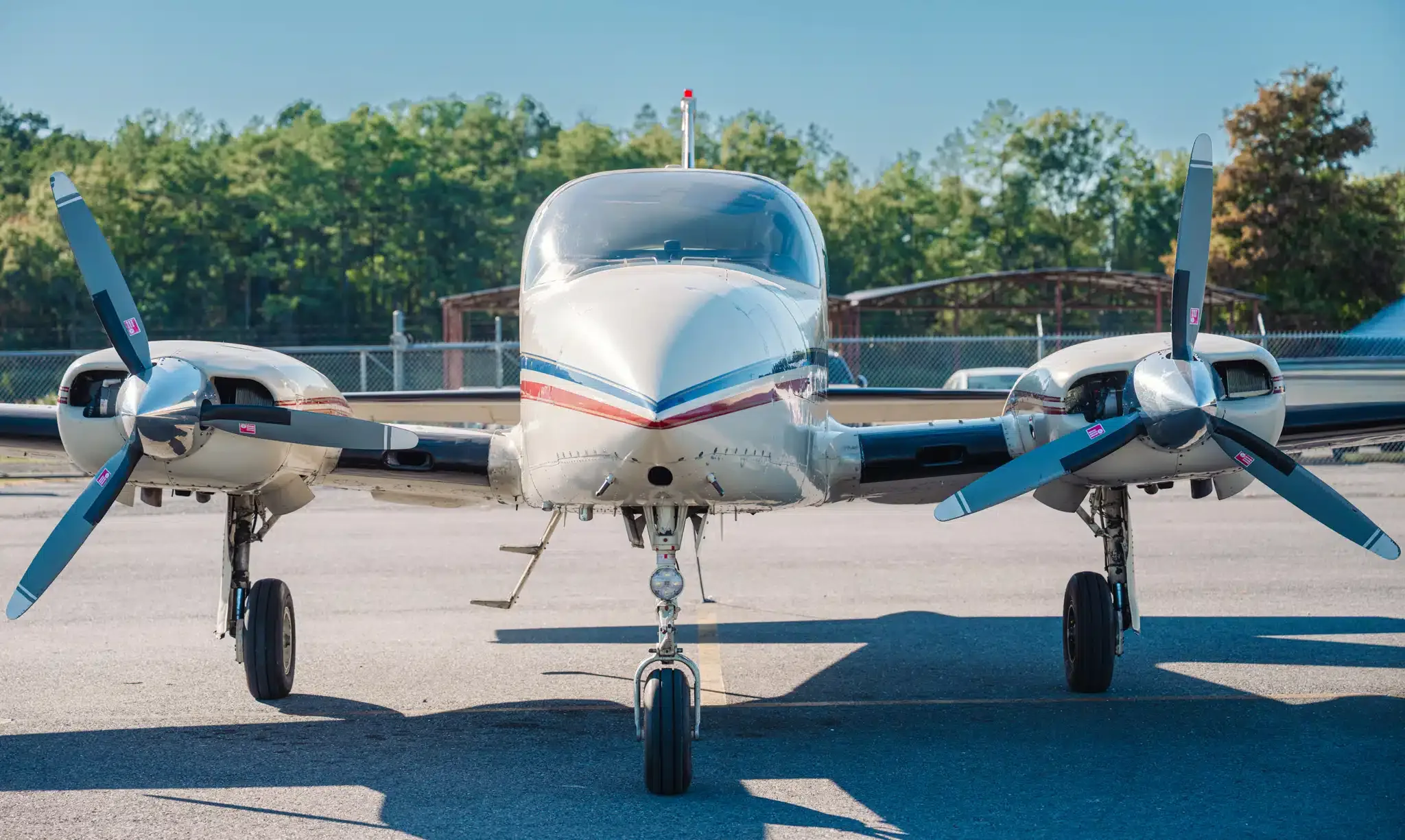
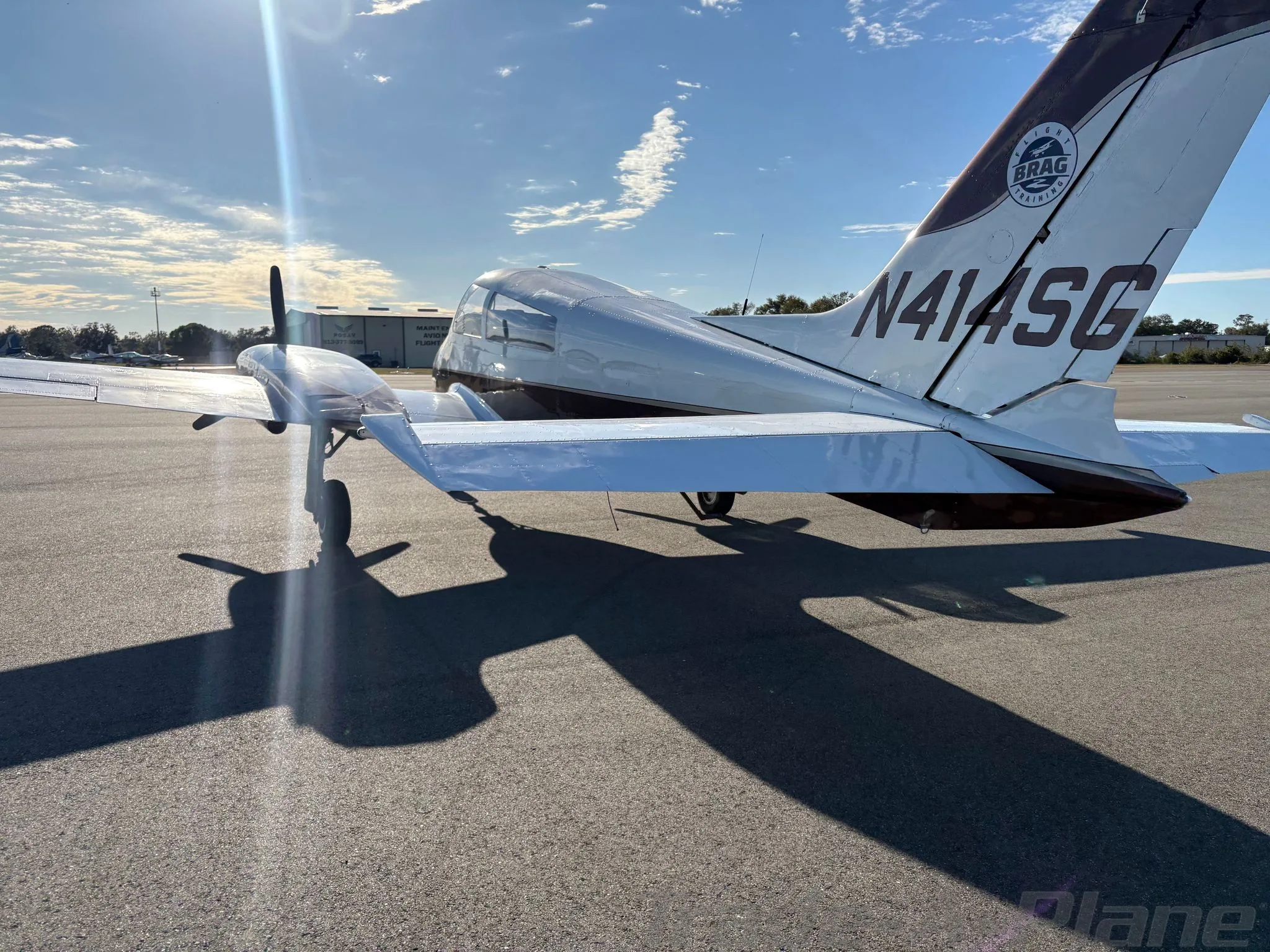
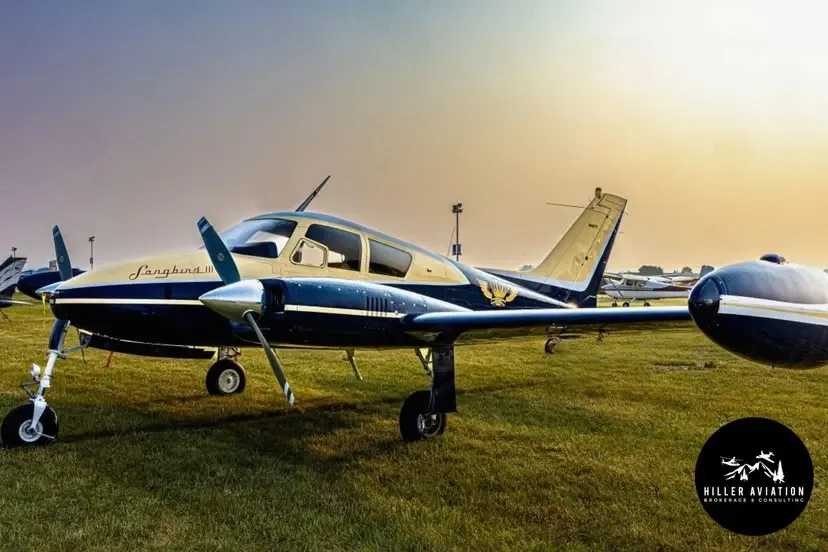
Free — save the 310 to your watchlist and track it in one place.
More CESSNA 310Rmanuals & documents
Related documents
If you fly the CESSNA 310R, you may also be researching these.



In this document
What it carries and how it performs
The handbook lists a standard empty weight of 3337 lb for the 310R and 3578 lb for the 310R II. Baggage limits are 350 lb in the nose bay and 120 lb in each wing locker. The aft cabin is limited to 200 lb at Station 96 and 160 lb at Station 124. Takeoff ground roll at 5500 lb is 1335 ft, or 1700 ft over a 50 ft obstacle. Landing ground roll at 5400 lb is 640 ft.
Fuel and range options
Standard fuel is 102 gal total, 100 gal usable. Optional 40 gal or 63 gal auxiliary tanks and wing locker tanks raise this to as much as 207 gal total, 203 gal usable. Range with recommended lean mixture at 75% power and 7500 ft is 494 nm on 600 lb of fuel. It is 884 nm on 978 lb and 1132 nm on 1218 lb. Reserve is 45 minutes at 45% power. Check which tanks the airplane actually has.
What to check before buying
An owner-guide source says engine hours drive the price, because overhauling two engines is very costly. It quotes a recommended overhaul time of 1700 hours. It lists cracked fuel tank mounts, broken horizontal stabilizer attach bolts and cracked brake discs as known concerns. It also says the retractable gear wears more than fixed gear. It advises a thorough pre-purchase inspection.
Summary written by AI from the source document. Check the original before relying on it. See which parts of Sprinkle are written by AI.
Safety notes
- MEB-27-02 is mandatory for all 310 through 310R. Verify the logbook entry showing the trim-tab push-pull tube hardware was replaced.
- Single-engine service ceiling is only 7400 ft and single-engine climb is 370 fpm. Plan terrain and loading accordingly.
- Do not operate an engine on less than 9 quarts of oil. Fill to capacity for flights of 3 hours or more.
Summary written by AI from the source document. Check the original before relying on it. See which parts of Sprinkle are written by AI.
Full document text
CESSNA 310R Model Guide The CESSNA 310R is a piston twin with two 285 hp Continental IO-520-M fuel-injected engines driving three-bladed constant-speed, full-feathering propellers. The 1976 handbook gives a 5500 lb maximum takeoff weight, 207 KTAS maximum speed at sea level and 194 KTAS recommended cruise. Buyers should focus on engine times, the retractable gear, and compliance with the mandatory elevator trim-tab service bulletin. • Maximum takeoff weight is 5500 lb and maximum landing weight is 5400 lb. Maximum zero fuel weight is 4900 lb. • Handbook figures: 1662 fpm climb with both engines, 370 fpm on one engine. Single-engine service ceiling is 7400 ft. • Standard tanks hold 100 gal usable. 75% power at 7500 ft gives 494 nm range with reserves. • Service bulletin MEB-27-02 (elevator trim-tab hardware) is mandatory at the next 100-hour or 12-month inspection. What it carries and how it performs The handbook lists a standard empty weight of 3337 lb for the 310R and 3578 lb for the 310R II. Baggage limits are 350 lb in the nose bay and 120 lb in each wing locker. The aft cabin is limited to 200 lb at Station 96 and 160 lb at Station 124. Takeoff ground roll at 5500 lb is 1335 ft, or 1700 ft over a 50 ft obstacle. Landing ground roll at 5400 lb is 640 ft. Fuel and range options Standard fuel is 102 gal total, 100 gal usable. Optional 40 gal or 63 gal auxiliary tanks and wing locker tanks raise this to as much as 207 gal total, 203 gal usable. Range with recommended lean mixture at 75% power and 7500 ft is 494 nm on 600 lb of fuel. It is 884 nm on 978 lb and 1132 nm on 1218 lb. Reserve is 45 minutes at 45% power. Check which tanks the airplane actually has. What to check before buying An owner-guide source says engine hours drive the price, because overhauling two engines is very costly. It quotes a recommended overhaul time of 1700 hours. It lists cracked fuel tank mounts, broken horizontal stabilizer attach bolts and cracked brake discs as known concerns. It also says the retractable gear wears more than fixed gear. It advises a thorough pre-purchase inspection. Safety notes: • MEB-27-02 is mandatory for all 310 through 310R. Verify the logbook entry showing the trim-tab push-pull tube hardware was replaced. • Single-engine service ceiling is only 7400 ft and single-engine climb is 370 fpm. Plan terrain and loading accordingly. • Do not operate an engine on less than 9 quarts of oil. Fill to capacity for flights of 3 hours or more.