
C-414 Normal Checklist
Pilot's Operating Handbook for the Cessna 414
PDF, 2 pages, 19 KB, from Sprinkle’s own files.
What it covers
This document is a checklist for the Cessna 414, providing pilots with a structured sequence of tasks to perform during various phases of flight operations. It includes preflight checks, engine start procedures, takeoff preparations, and post-flight actions. The checklist is designed to ensure safety and compliance with operational standards, making it an essential tool for pilots operating this aircraft. The document emphasizes critical parameters such as fuel management, engine performance, and weight and balance considerations, which are vital for safe flight operations.
Key points
- Oil pressure should reach 25 PSI within 30 seconds after engine start.
- Minimum takeoff oil temperature must be 75°F.
- Vx (best angle of climb) is 88 KTS; Vy (best rate of climb) is 112 KTS.
- Maximum takeoff weight is 7087 lbs; maximum zero fuel weight is 6515 lbs.
- Ensure all flight controls are checked and secured before takeoff.
Figures in this document
As the document states them. Check them against the PDF before you rely on one.
Specifications
- Engine model
- Continental TSIO 520-NB
- Fuel capacity (gal)
- 206
- Max takeoff weight (lb)
- 7,087
V-speeds
- VA
- 151
- VR
- 88
- VX
- 88
- VY
- 112
- VFE
- 140
- VS1
- 98
Weight and balance
- Cg range (in)
- 155.5
- Max landing weight (lb)
- 6,750
- Max takeoff weight (lb)
- 7,087
Main sections
Preflight Inspection
The preflight inspection section includes checks for fuel and oil quantity, maintenance status, and passenger briefing completion. It emphasizes the importance of ensuring that all surfaces are clear and that the aircraft is properly chocked.
Engine Start Procedures
This section outlines the steps for starting the engines, including checking oil pressure and engine indicators. It specifies that oil pressure should reach 25 PSI within 30 seconds of starting the engines.
Before Takeoff
Before takeoff, pilots must complete a series of checks including setting the parking brake, verifying fuel selectors, and ensuring that all flight controls are operational. The checklist also includes a takeoff briefing and confirms that the minimum takeoff oil temperature is 75°F.
Takeoff Procedures
During takeoff, the checklist instructs pilots to set the power, check fuel flow and engine instruments, and ensure that the gear is up. It also specifies airspeeds for safe operation, including Vx at 88 KTS and Vy at 112 KTS.
Weight and Balance
The weight and balance section provides critical data for safe operations, including maximum takeoff weight of 7087 lbs and maximum zero fuel weight of 6515 lbs. It also lists various weight limits for different compartments and seating arrangements.
Safety notes
- Always perform a thorough preflight inspection to ensure aircraft readiness.
- Monitor engine instruments closely during startup and takeoff phases.
- Confirm that all doors and windows are locked before flight.
The document’s text
Show the text read from the PDF
C:\Data\Hwyc01c\asr\Checklist_C414.doc 4/28/2016 C-414 NORMAL CHECKLIST 1. Fuel and Oil Quantity...........…..…...CHECKED 2. Surfaces and Chocks..……….….…CHECKED 3. Maintenance Status....…….…...….CHECKED 4. Passenger Briefing....………..…COMPLETED 5. Weight and Balance……….…...COMPLETED 1. Parking Brake………………………………SET 2. Prefllight…..……………………...COMPLETED 3. Cabin Door………...LATCHED AND SECURE 4. Seat, Belts and Harnesses….….…SECURED 5. Emergency Crossfeed Shutoff...………OPEN 6. Fuel Selectors ….…….…..........MAIN TANKS 7. Cowl Flaps……………….……..……….OPEN 8. Yaw Damper…………….…………………OFF 9. Mixtures………………….…..……FULL RICH 10. Props………………………….……HIGH RPM 11. Throttles1/2" …………………….………OPEN 12. Synchrophaser………………….…………OFF 13. Flight Controls…………………..…….CHECK 14. Switches & Circuit Breakers…….……….SET 15. Magneto Switches………………….…..….ON 16. Battery and Alternator Switches….………ON 17. Fuel Quantity Gauges ………..…….…CHECK 18. Gear Switch and Position Lights …..CHECK 19. Prop and Blast Areas…………………CLEAR 20. Exterior Lights……………..…AS REQUIRED ----------CLEARED FOR START---------- 1. Engines……………………..………..….START 2. Oil Pressure…….…25 PSI within 30 Seconds 3. Engine Indicators….……………………CHECK 4. Vacuum Gage………….……………….CHECK 1. Aux. Fuel Pumps….…….…………………OFF 2. Warm Up……………………… 900-1000 RPM 3. Avionics………….…….…………………….ON 4. Exterior Lights………...……….AS REQUIRED 5. Air Circulator/Heater.….………AS REQUIRED 6. Interior Lights………….………AS REQUIRED 7. Accessory Switches……..…...…………….ON 8. Mixtures………………………..……………SET 9. Radios…………………….…..…………….SET 10. Brakes…………………….……………..CHECK 11. Instruments……………………………..CHECK 12. Altimeters/ASA……………………………..SET 1. Parking Brake……………..……………….SET 2. Autopilot…………….….……………….CHECK 3. Electric Trim………….….….………….CHECK 4. Fuel Quantity…………….….…..……..CHECK 5. Fuel Selectors…………….…….MAIN TANKS 6. Cowl Flaps……………………………….OPEN 7. Flaps………………………………………….UP 8. Trim………………………SET FOR TAKEOFF 9. Avionics and Radios………………………SET 10. Flight Instruments…………………………SET 11. Alternate Air and Ram Dump……………… IN 12. Pressurization Controls……..….…………SET 13. Mixture………………………RICH or as Req'd 14. Throttles……………………………..1700 RPM 15. L&R Hyd Flow Lights…………………..…OFF 16. Vacuum System………………….……CHECK 17. Annunciator Panel……….…….………CHECK 18. Alternators and Battery Meter…..……CHECK 19. Props……….…………FEATHERING CHECK 20. Magnetos…….….……………………..CHECK 21. Engine Instruments……………………CHECK 22. Throttles……….….………….IDLE 1000 RPM 23. Doors and Windows…………………LOCKED 24. Spoilers (if installed)…………...RETRACTED 25. Takeoff Briefing……….…….……REVIEWED 26. Parking Brake…………..…………………OFF 27. Minimum Takeoff Oil Temp.………………75F ----------CLEARED FOR TAKEOFF---------- 1. Wing Flaps……………..……………………UP 2. Transponder……………………………ON ALT 3. Air Conditioner……….RECIRCULATE or OFF 4. Boost Pumps………..….…..……………..LOW 5. Lights………………….....…… AS REQUIRED 6. Anti-Ice…….…………....……..AS REQUIRED 7. Takeoff Time…………….….……DOCUMENT 8. Power……………………………………….SET 9. Fuel Flow & Engine Instruments....CHECKED Vx……….88 Vy………….112 1. Gear…………………………………………UP 2. Yaw Damper………………..……………….ON 3. Taxi Lights……………….………………….OFF 4. Heater or Air Conditioner……..AS REQUIRED 5. Climb Power…………………………………SET 6. Mixtures……………………….…………CHECK 7. Engine Instruments………….……….…CHECK 8. Pressurization……………….…………..CHECK SAFETY AND INSPECTION BEFORE STARTING ENGINES AFTER START / TAXI BEFORE TAKEOFF AFTER TAKEOFF / CLIMB -- 1 of 2 -- C:\Data\Hwyc01c\asr\Checklist_C414.doc 4/28/2016 1. Cruise Power…………….…….……….SET 2. Cowl Flaps……..……..……AS REQUIRED 3. Props…………………………….……….SET 4. Mixture……………….….………..……..SET 5. Cabin Altitude and Differential……CHECK 6. Recognition Lights (if installed)…...….OFF 1. Approach Briefing…………….COMPLETE 2. Fuel Selectors…………………….…..MAIN 3. Pressurization…………….….…………SET 4. Altimeters…………………….……….…SET 5. Power………………….……….….…….SET 6. Anti-Ice…………………….AS REQUIRED 7. Mixtures……………………………ADJUST 8. Seat Belts and Shoulder Harnesses….ON 9. Seat Backs……………..…….….UPRIGHT 10. Tables…..………………..……….STOWED 11. Lights…….………………….AS REQUIRED 12. Cowl Flaps…………………..……..CLOSED 1. Heater………………..…COMBUSTION OFF 2. Lights …………….….……….AS REQUIRED 3. Boost Pumps……………….……..……..LOW 4. Prop Sync…………………………..……..OFF 5. Gear…………………………..….……..DOWN 6. Mixtures………………..…………….ADJUST 7. Auto-Pilot ..…….………………………….OFF 8. Flaps………………..……..…AS REQUIRED 9. Yaw Damper …….………....……………OFF 10. Props……….……..………………………SET 1. Cowl Flaps…………….……………….OPEN 2. Flaps…………………..……………………UP 3. Trim Tab……………....………SET TO ZERO 4. Transponder………...……….…….STANDBY 5. Air Circulation….…………….AS REQUIRED 6. Boost Pumps……….….…………………OFF 7. Lights………………….……..AS REQUIRED 1. Flight Time……..……………....DOCUMENT 2. Accessory Switches/Air Circulators…...OFF 3. Mixtures…………..….………IDLE CUT OFF 4. Magneto Switches.………………….……OFF 5. Battery and Alternators….…..…………..OFF 6. Emergency Crossfeed Shutoff……CLOSED 7. Wheel Chocks……………..……INSTALLED AIRSPEEDS FOR SAFE OPERATION Vmca………………………………………72 KTS VX………………………………………….88 KTS VssE……………………………………....98 KTS VxSE……………………………………..100 KTS VySE……………………………………..112 KTS Vy…………………………………………110 KTS Va……………………………………..….151 KTS Vlo & vle..……………………………..…178 KTS Vfe…………….…15 = 171…...….45 = 140 KTS ENGINES Continental TSIO 520-NB Oil Capacity 12 Quarts Useable Fuel 206 Gallons Battery 24V Mains 70 psi Nose 35 psi Max Diff 5.3 psi WEIGHT & BALANCE ARM DATA Avionics Bay 200 MAX…………..……….32 Nose Bags 325 MAX……………..……….71 Front Seats…………………….….……...137 Aft Facing Seats……………...…...…..…178 Wing Lockers 400 MAX……….….……..186 Back Row Seats…………..….…...…..…218 Lav Seat………………………….……….250 Rear Bags A 400 MAX……….….………266 Rear Bags B 100 MAX……….….………282 Fuel 1236 Max..…………………..…….165.2 CG Limits 155.5 to 160.04 at Full Weight See AFM for Lighter Weight Operations TAKEOFF WT 7087 MAX ZERO FUEL WT 6515 MAX LANDING WT 6750 CRUISE DESCENT / APPROACH BEFORE LANDING AFTER LANDING SHUTDOWN -- 2 of 2 --
Read from the PDF by machine, so tables and diagrams come out rough. The PDF is the document.
More Cessna 414 documents
All 27 →- RAM Performance - Cessna 414 Series VII
This document provides performance specifications and enhancements for the Cessna 414 Series VII aircraft, specifically focusing on the RAM modifications. It outlines engine specifications, performance metrics, and operational guidelines for pilots and maintenance personnel. The information is crucial for understanding the aircraft's capabilities, especially in terms of engine performance and climb rates under various conditions. The document emphasizes the importance of consulting the Manufacturer’s Pilot Operating Handbook and applicable Flight Manual Supplements for accurate performance calculations and safety procedures.
- Cessna 414 RAM IV EMERGENCY CHECKLIST
This document is the Emergency Checklist for the Cessna 414, specifically the RAM IV variant. It provides critical procedures for pilots to follow in various emergency situations, including engine failures during takeoff and flight, fire procedures, landing gear emergencies, and more. The checklist emphasizes immediate-action items that must be committed to memory, ensuring that pilots can respond quickly and effectively in emergencies. The document is intended for use by pilots operating the Cessna 414, particularly in high-stress situations where quick decision-making is essential.
- Cessna 414 Pilot's Operating Handbook
The Cessna 414 Pilot's Operating Handbook (POH) provides essential information for the operation of the Cessna 414 aircraft. This document is designed for pilots and aviation enthusiasts, offering detailed guidance on the aircraft's systems, performance, and operational procedures. It includes critical data such as weight and balance, fuel capacity, and performance charts, ensuring that pilots can safely and efficiently operate the aircraft. The POH also contains checklists and emergency procedures, making it a vital resource for both training and operational use.
- Performance - Cessna 414
This document provides performance specifications for the Cessna 414 aircraft, specifically detailing the RAM modifications for Series IV and VI engines. It outlines key performance metrics such as horsepower, climb rates, cruise speeds, and weight specifications. The information is essential for pilots and aviation enthusiasts looking to understand the operational capabilities of the Cessna 414, particularly in relation to the RAM modifications that enhance performance. The document emphasizes the variability of performance based on different conditions and stresses the importance of consulting the Pilot Operating Handbook for specific operational guidelines.
- MICRO Vortex Generator Kit
The document is a promotional and informational piece regarding the MICRO Vortex Generator Kit specifically designed for the Cessna 414. It outlines the benefits of the vortex generators, which include virtually eliminating Vmc, reducing stall speeds, and improving overall flight characteristics. The kit is FAA STC approved and includes all necessary components for installation. This document serves as a supplement to the Pilot's Operating Handbook, providing pilots and aircraft owners with critical information about the performance enhancements offered by the vortex generators. It also details the installation process and the materials included in the kit, making it a valuable resource for those looking to improve their aircraft's performance.
- CESSNA 414 Model Guide
The CESSNA 414 is a pressurized, turbocharged twin-engine piston airplane. The registry family covers the 414 and 414A. Family-level highs are up to 7 passengers, 1310 nm range, 225 kt cruise, 30000 ft service ceiling and 3000 kg MTOW. These are not figures for one variant. The documents cover checklists, training, parts and airworthiness items.
- C-414A Transition Flight Training Student Guide
This document serves as a comprehensive training guide for pilots transitioning to the Cessna 414A aircraft. It outlines the necessary knowledge and skills required for safe operation, focusing on specific avionics and autopilot systems. The training is structured into blocks, each consisting of lessons that cover various aspects of flying the Cessna 414A, including maneuvers, emergency procedures, and performance calculations. The guide emphasizes the importance of meeting aeronautical skill and knowledge standards, ensuring pilots are well-prepared for both practical and theoretical evaluations. It is designed for pilots with at least a private pilot certificate and an instrument rating, providing a structured approach to mastering the aircraft's systems and operations.
- C-414 Initial/Transition Flight Training Student Guide - Tom Gorski
This document serves as a comprehensive guide for pilots transitioning to the Cessna 414 aircraft. It outlines the necessary flight training lessons, objectives, and completion standards required for proficiency in operating the aircraft. The training is structured into blocks, each focusing on specific skills such as automation, emergency procedures, and performance calculations. The guide emphasizes the importance of understanding the aircraft's systems and operational procedures, ensuring that pilots are well-prepared for both normal and abnormal situations during flight. It is intended for pilots with at least a private pilot certificate and an instrument rating, aiming to enhance their skills and knowledge for safe operation of the Cessna 414.
Cessna 414 for sale now
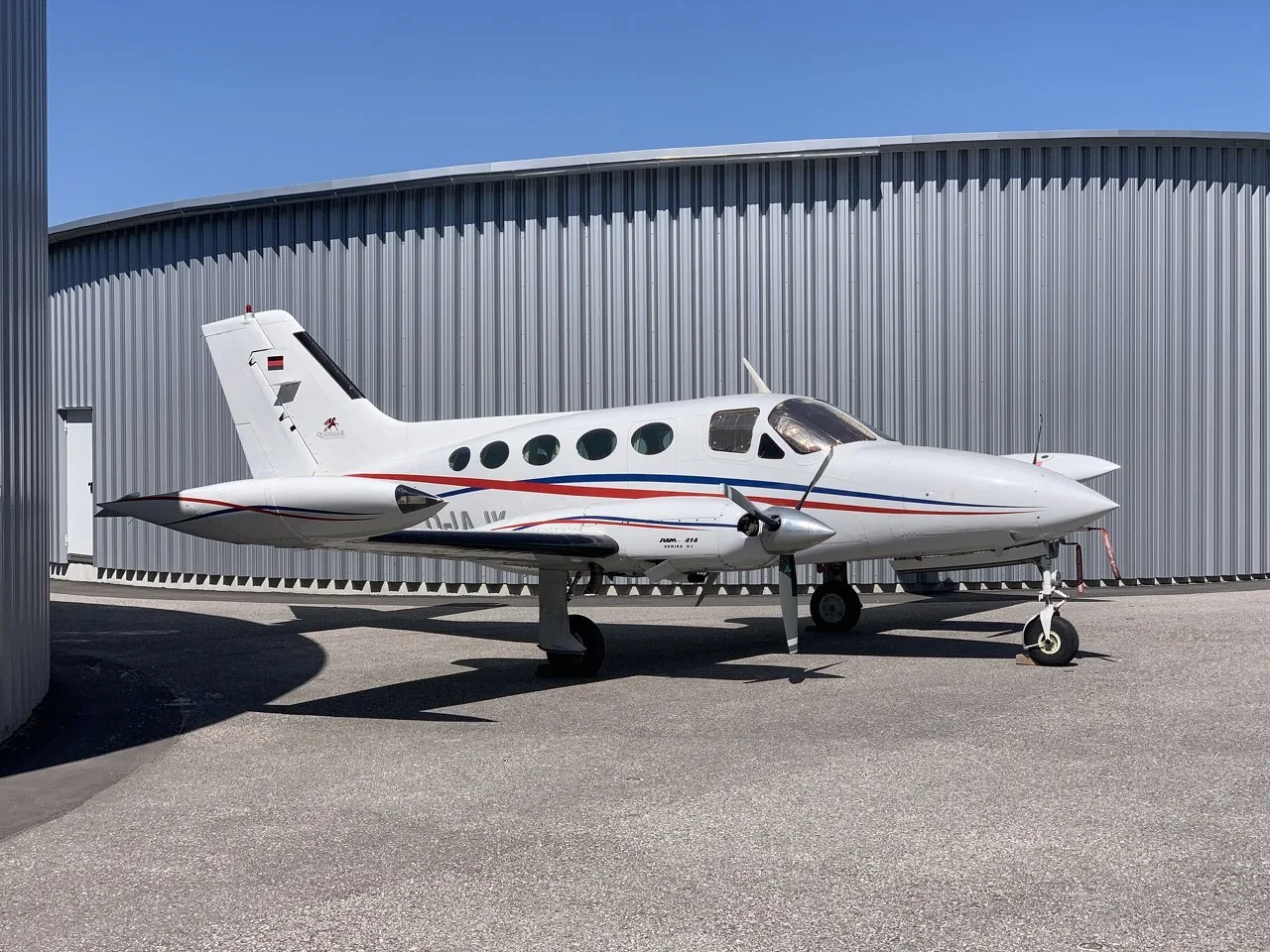
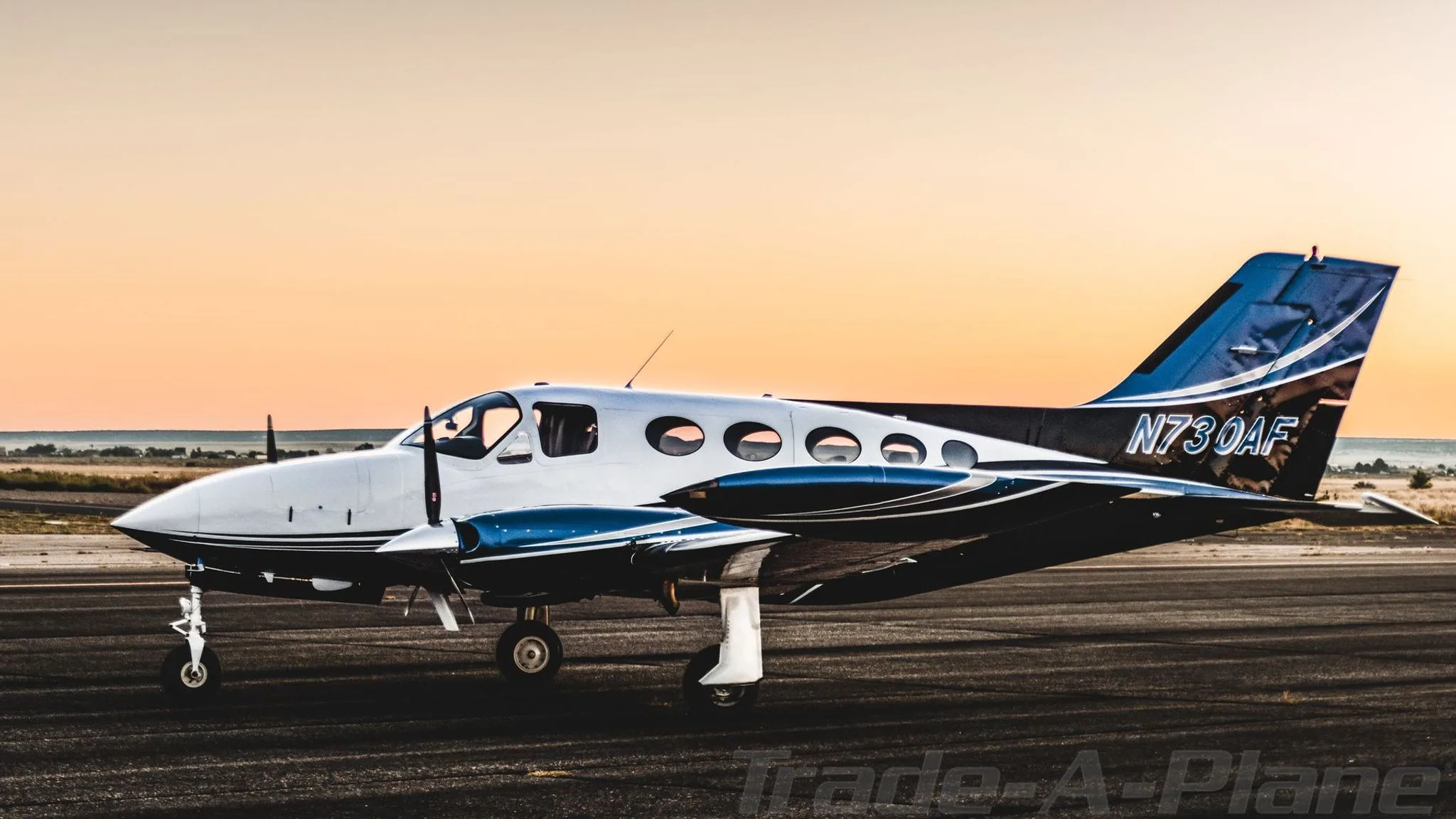
View all 36 for sale →Aircraft that this pilot's operating handbook covers, listed on the sites Sprinkle reads. Asking prices, not sales. Cessna 414 asking prices by year built.

Also useful for the Cessna 414
From Sprinkle’s library of aircraft documents. PDFs open from Sprinkle’s own files. Read Aug 7, 2026.
Want this document taken down? Request removal