CESSNA 414 Model Guide
CESSNA 414 · Model Guide
Overview
The CESSNA 414 is a pressurized, turbocharged twin-engine piston airplane. The registry family covers the 414 and 414A. Family-level highs are up to 7 passengers, 1310 nm range, 225 kt cruise, 30000 ft service ceiling and 3000 kg MTOW. These are not figures for one variant. The documents cover checklists, training, parts and airworthiness items.
- Family highs: up to 7 passengers, 1310 nm, 225 kt, 30000 ft. Use the POH for your own airplane's figures.
- Exhaust is a key check: AD 2000-01-16 requires a visual inspection every 50 hours or 30 days, plus a yearly pressure test.
- Training courses require instrument and multiengine ratings; one syllabus asks for 1000 hours total flight time.
- Check the logs for turbocharger back plate, stall warning horn, brake and avionics bus breaker items.
Summary written by AI from the source document. Check the original before relying on it. See which parts of Sprinkle are written by AI.
Reference only, not for flight. Use the current approved manual for your aircraft. See terms, section 5.
Document
Source
Copy found at sprinkle.com. Sprinkle hosts a reference copy with an added summary, specifications and searchable full text.
Document details
- Type ·
- Model Guide
- Year ·
- 2026
- File size ·
- 50 KB
- Copy found at ·
- sprinkle.com
Specifications & performance
Extracted from this document.
Specifications
- Engine power (hp) ·
- 310
- Takeoff manifold pressure (in) ·
- 36
Performance
- Twin engine climb (fpm) ·
- 1,580
- Single engine climb (fpm) ·
- 240
- Cruise speed 230hp 23000ft (kt) ·
- 206
- Fuel flow per engine 230hp (gph) ·
- 19.3
V-speeds
- VX_KTS ·
- 88
- VY_KTS ·
- 112
- VMCA_KTS ·
- 72
Weight & balance
- Gross weight (lb) ·
- 6,350
- Landing weight (lb) ·
- 6,200
- Zero fuel weight (lb) ·
- 6,165
What does the CESSNA 414 carry and how far does it go?
The CESSNA 414 model family (414 and 414A) tops out at 7 passengers, 1310 nm range and 225 kt cruise. These are family maxima, not one variant's figures. Confirm against the POH for the specific airplane.
What pilot experience is needed for the CESSNA 414?
For CESSNA 414 training, the syllabi require at least a private certificate with an instrument rating and a multiengine land rating. They also require takeoffs and landings within 90 days. One syllabus asks for 1000 hours total time.
What should I inspect on a CESSNA 414 before buying?
On a CESSNA 414, start with exhaust AD 2000-01-16 compliance and the turbocharger back plate status. Also check windshield seals, gear warning and stall horn parts, and the oxygen and pressurization systems.
What is the CESSNA 414 Model Guide?
The CESSNA 414 Model Guide is a model guide for the CESSNA 414, dated 2026.
What year was the CESSNA 414 Model Guide published?
The CESSNA 414 Model Guide — the CESSNA 414 model guide on file — is dated 2026.
Common. More common than 94% of the aircraft models we track.
Full essential library on file for the CESSNA 414.
CESSNA 414 for sale now
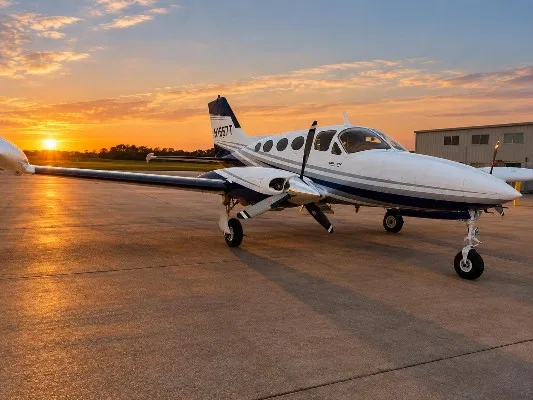
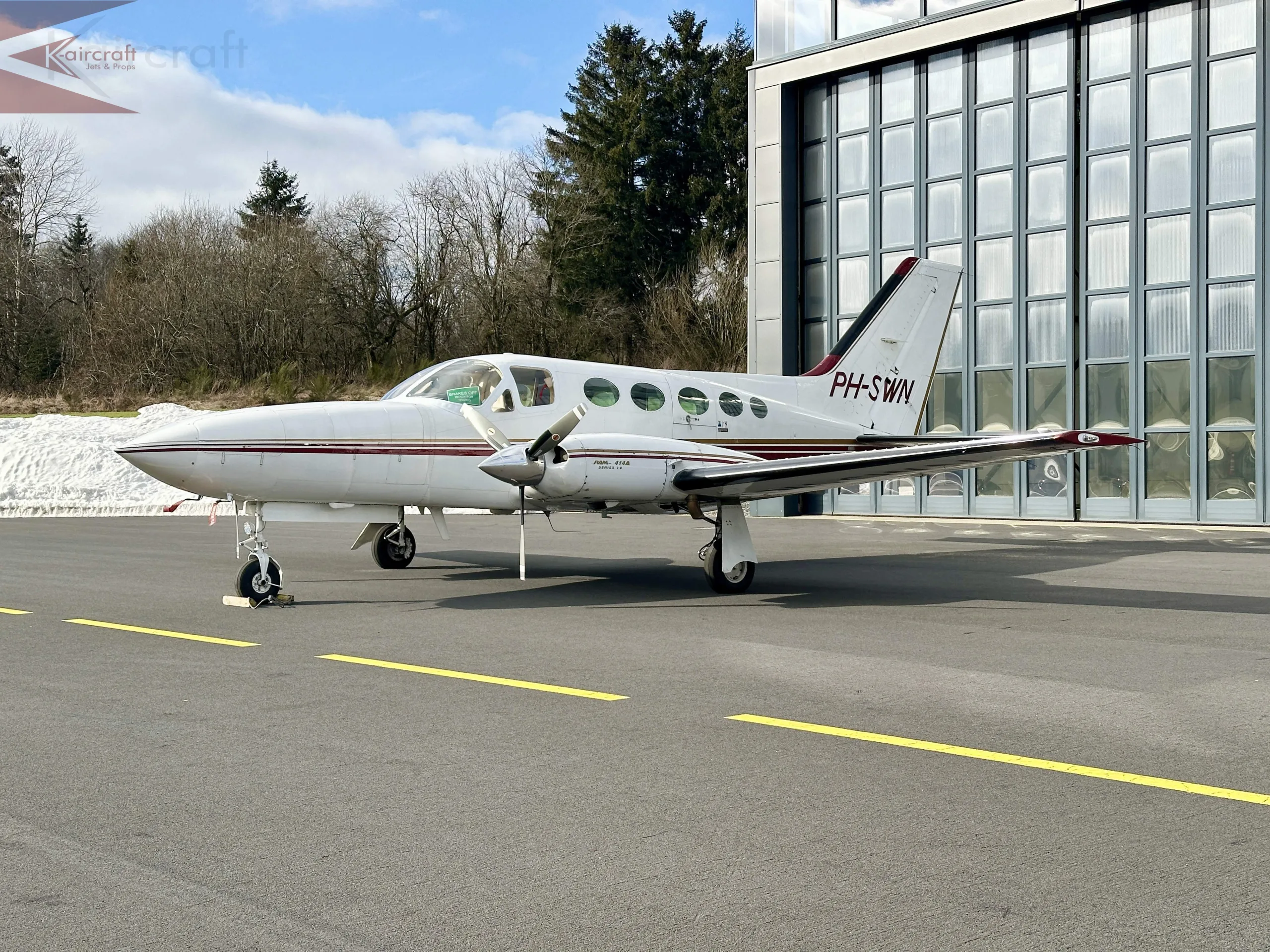
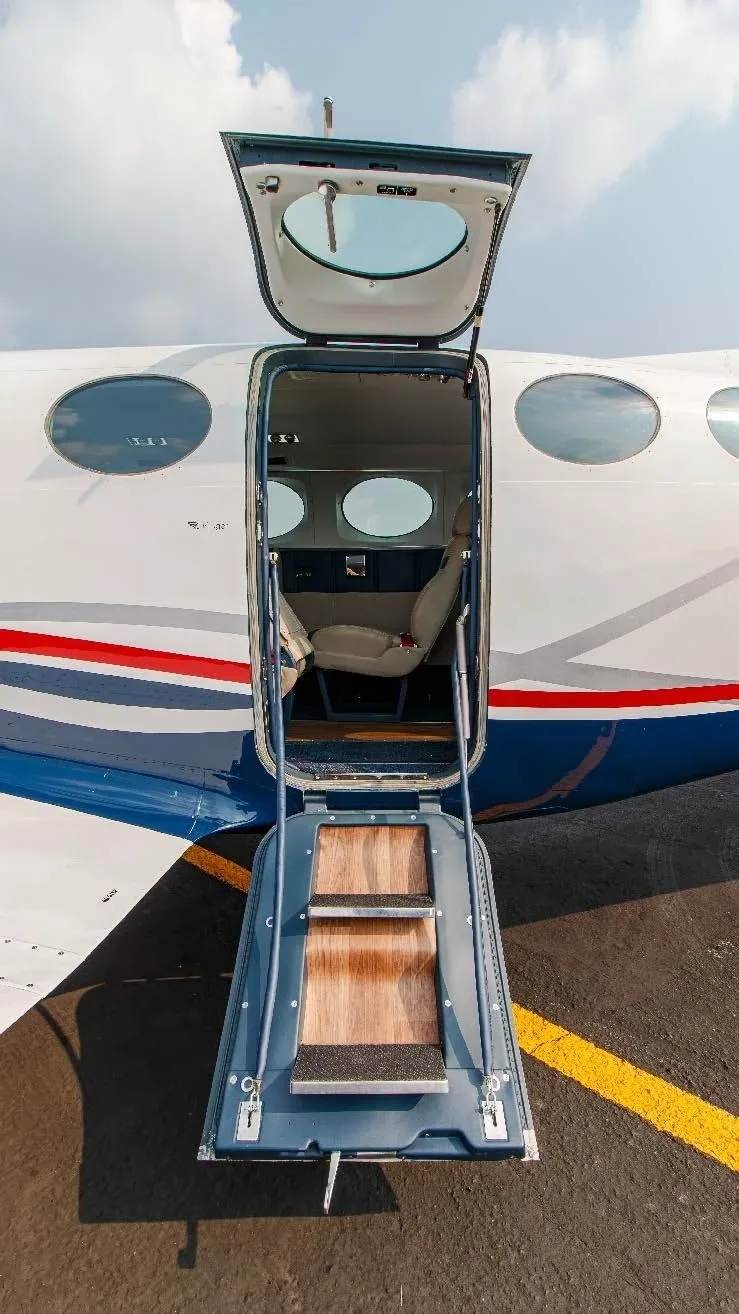
Free — save the 414 to your watchlist and track it in one place.
More CESSNA 414manuals & documents
See all 26 →- C-414 Initial/Transition Ground Training Student Guide - Tom GorskiSystems Description
- C-414A Transition Flight Training Student GuideV Speeds Reference
- C-414 Initial/Transition Flight Training Student Guide - Tom GorskiNormal Procedures
- NAVIGATION - STALL WARNING HORN REPLACEMENTService Bulletins
- SERVICE BULLETIN No. 058 Rev. A Turbocharger - Back Plate Assembly Replacement at OverhaulService Bulletins
- Aviation Accident Factual ReportOther Documents
- RAM Performance - Cessna 414 Series VIIPilot's Operating Handbook
- AAIB Bulletin: 4/2019 N414FZ EW/G2018/06/33Other Documents
- Aviation Accident Final ReportOther Documents
- Type Acceptance Report TAR 6/21B/14 – Cessna 400 SeriesOther Documents
- C-414 NORMAL CHECKLISTPilot's Operating Handbook
- Airworthiness Directive Schedule Aeroplanes Cessna 414 SeriesService Bulletins
Related documents
If you fly the CESSNA 414, you may also be researching these.


In this document
Performance and speeds
A RAM comparison table lists the baseline CESSNA 414 at 310 hp per engine, 36 in takeoff manifold pressure, 1580 fpm twin-engine climb and 240 fpm single-engine climb. Cruise at 23,000 ft on 230 hp is 206 ktas at 19.3 gph per engine. Checklist speeds: Vx 88, Vy 112, Vmca 72 kts.
Airworthiness items to check
Exhaust (AD 2000-01-16): replace V-band clamps every 500 hours. Remove the exhaust aft of the slip-joints at 2500 hours or 12 years. A turbocharger bulletin calls for back plate replacement at overhaul, 2000 hours or 12 years. Stall warning horn replacement (MEB-34-07) is optional.
Pre-buy and ownership notes
A ground checklist covers oxygen, alternate static, pitot and stall heat, de-ice boots, cowl flaps and gear warning horns. The emergency gear blow-down bottle applies to the 414A. Flight checks include pressurization differential and the autopilot. Windshield moisture seal wear is a leading cause of early failure. A Cleveland brake conversion STC covers the 414 and 414A.
Summary written by AI from the source document. Check the original before relying on it. See which parts of Sprinkle are written by AI.
Safety notes
- Vmca is 72 kts per the normal checklist. Brief single-engine procedures before every takeoff.
- Inconel exhaust parts corrode from the inside without flaking. Remove the carbon and inspect internally.
- Avionics bus breaker switches with a date code before 0434 have a 1,000 hour safe life (CASA AD). Check the part number and date code.
Summary written by AI from the source document. Check the original before relying on it. See which parts of Sprinkle are written by AI.
Full document text
CESSNA 414 Model Guide The CESSNA 414 is a pressurized, turbocharged twin-engine piston airplane. The registry family covers the 414 and 414A. Family-level highs are up to 7 passengers, 1310 nm range, 225 kt cruise, 30000 ft service ceiling and 3000 kg MTOW. These are not figures for one variant. The documents cover checklists, training, parts and airworthiness items. • Family highs: up to 7 passengers, 1310 nm, 225 kt, 30000 ft. Use the POH for your own airplane's figures. • Exhaust is a key check: AD 2000-01-16 requires a visual inspection every 50 hours or 30 days, plus a yearly pressure test. • Training courses require instrument and multiengine ratings; one syllabus asks for 1000 hours total flight time. • Check the logs for turbocharger back plate, stall warning horn, brake and avionics bus breaker items. Performance and speeds A RAM comparison table lists the baseline CESSNA 414 at 310 hp per engine, 36 in takeoff manifold pressure, 1580 fpm twin-engine climb and 240 fpm single-engine climb. Cruise at 23,000 ft on 230 hp is 206 ktas at 19.3 gph per engine. Checklist speeds: Vx 88, Vy 112, Vmca 72 kts. Airworthiness items to check Exhaust (AD 2000-01-16): replace V-band clamps every 500 hours. Remove the exhaust aft of the slip-joints at 2500 hours or 12 years. A turbocharger bulletin calls for back plate replacement at overhaul, 2000 hours or 12 years. Stall warning horn replacement (MEB-34-07) is optional. Pre-buy and ownership notes A ground checklist covers oxygen, alternate static, pitot and stall heat, de-ice boots, cowl flaps and gear warning horns. The emergency gear blow-down bottle applies to the 414A. Flight checks include pressurization differential and the autopilot. Windshield moisture seal wear is a leading cause of early failure. A Cleveland brake conversion STC covers the 414 and 414A. Safety notes: • Vmca is 72 kts per the normal checklist. Brief single-engine procedures before every takeoff. • Inconel exhaust parts corrode from the inside without flaking. Remove the carbon and inspect internally. • Avionics bus breaker switches with a date code before 0434 have a 1,000 hour safe life (CASA AD). Check the part number and date code.