Reims-Cessna F177RG Cardinal Model Guide
Reims-Cessna F177RG Cardinal · Model Guide
Overview
The Reims-Cessna F177RG Cardinal is a four-seat, single-engine piston airplane with retractable gear, listed in the library as built 1971-1978. It has a 200 hp Lycoming IO-360-A1B6D fuel-injected engine and a constant-speed propeller. The Cardinal RG owner's manual, which also covers the F177RG, lists 2,800 lbs gross weight, 171 mph cruise at 75% power and 61 gallons of fuel.
- Four seats, 200 hp fuel-injected Lycoming IO-360-A1B6D, retractable gear; the manual lists 2,800 lbs gross weight.
- Manual figures: 180 mph top speed at sea level, 171 mph at 75% power at 7000 ft, 925 fpm climb, 17,100 ft service ceiling.
- Check the main gear actuator rod end: a 1979 service letter urged replacing the old type, and a failure caused a gear-up landing.
- Useful load is about 1,120 lbs on the Cardinal RG, with up to 120 lbs of baggage. Check the actual aircraft's weight records.
Summary written by AI from the source document. Check the original before relying on it. See which parts of Sprinkle are written by AI.
Reference only, not for flight. Use the current approved manual for your aircraft. See terms, section 5.
Document
Source
Copy found at sprinkle.com. Sprinkle hosts a reference copy with an added summary, specifications and searchable full text.
Document details
- Type ·
- Model Guide
- Year ·
- 2026
- File size ·
- 49 KB
- Copy found at ·
- sprinkle.com
Specifications & performance
Extracted from this document.
Specifications
- Engine power (hp) ·
- 200
- Fuel capacity (gal) ·
- 61
- Propeller diameter (in) ·
- 78
Performance
- Rate of climb (fpm) ·
- 925
- Service ceiling (ft) ·
- 17,100
- Takeoff ground run (ft) ·
- 890
- Landing ground roll (ft) ·
- 730
- Landing over 50ft obstacle (ft) ·
- 1,350
- Takeoff over 50ft obstacle (ft) ·
- 1,585
Weight & balance
- Max baggage (lb) ·
- 120
- Useful load (lb) ·
- 1,120
- Empty weight (lb) ·
- 1,680
- Max gross weight (lb) ·
- 2,800
How many people and how much does the Reims-Cessna F177RG Cardinal carry?
The Reims-Cessna F177RG Cardinal seats four. The manual lists 2,800 lbs gross weight, about 1,120 lbs useful load for the Cardinal RG and up to 120 lbs of baggage.
How fast and how far does the Reims-Cessna F177RG Cardinal go?
The Reims-Cessna F177RG Cardinal manual lists 180 mph top speed at sea level and 171 mph cruise at 75% power at 7000 ft. Range is 945 mi on 60 gallons with no reserve.
What is the known weak point on the Reims-Cessna F177RG Cardinal?
On the Reims-Cessna F177RG Cardinal, the old main gear actuator rod end failed in an accident. A 1979 service letter recommends the higher-strength replacement. Confirm it has been fitted.
What is the Reims-Cessna F177RG Cardinal Model Guide?
The Reims-Cessna F177RG Cardinal Model Guide is a model guide for the Reims-Cessna F177RG Cardinal, dated 2026.
What year was the Reims-Cessna F177RG Cardinal Model Guide published?
The Reims-Cessna F177RG Cardinal Model Guide — the Reims-Cessna F177RG Cardinal model guide on file — is dated 2026.
Common. More common than 99% of the aircraft models we track.
Most owners only have the POH. Here's the essential set for the Reims-Cessna F177RG Cardinal.
- Pilot's Operating Handbook / AFM
- Checklist
- Maintenance Manual
- Parts Catalog (IPC)
- Systems & Wiring
- Service Bulletins on file
- Type Certificate (TCDS)
Reims-Cessna F177RG Cardinal for sale now
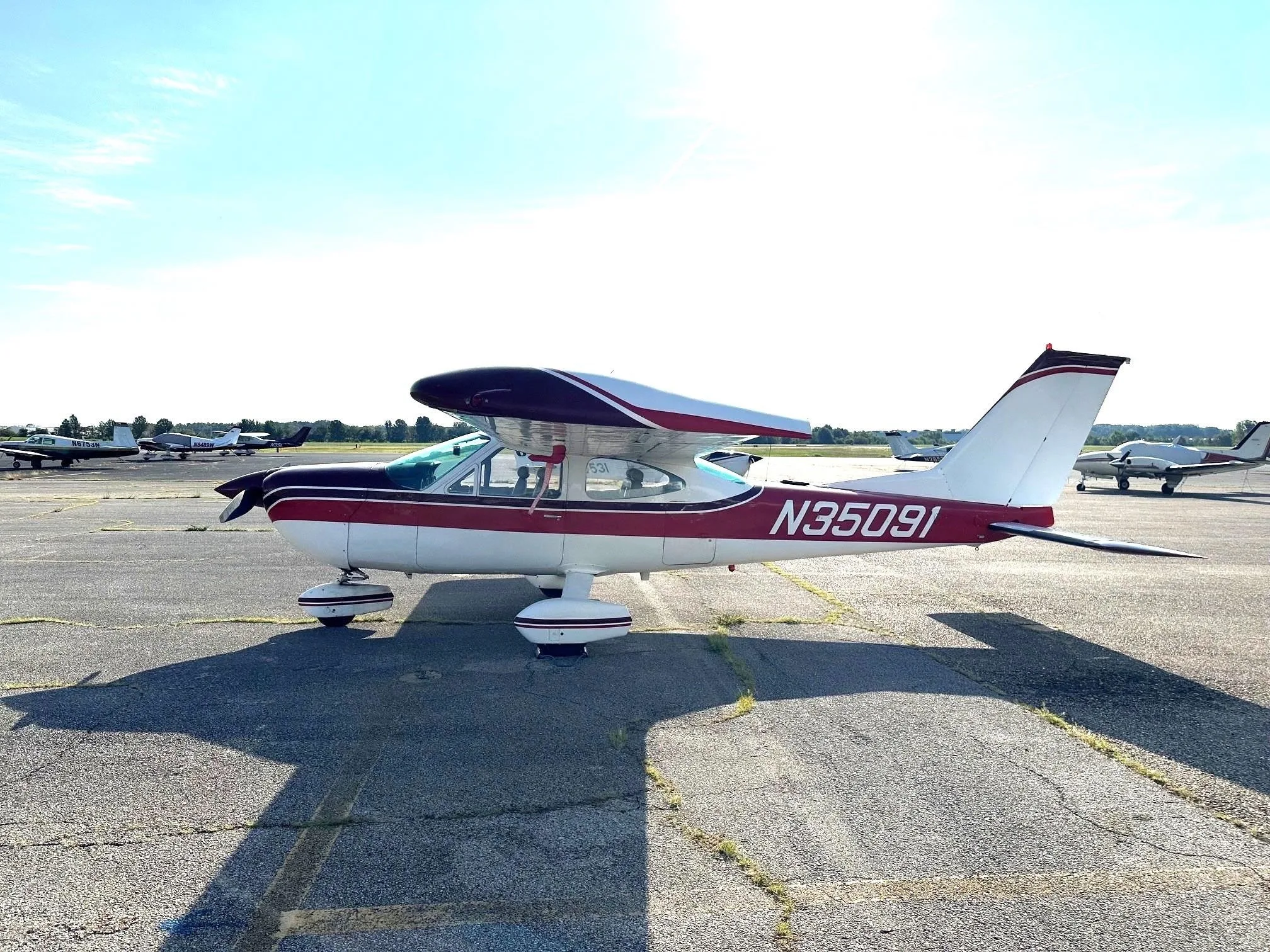
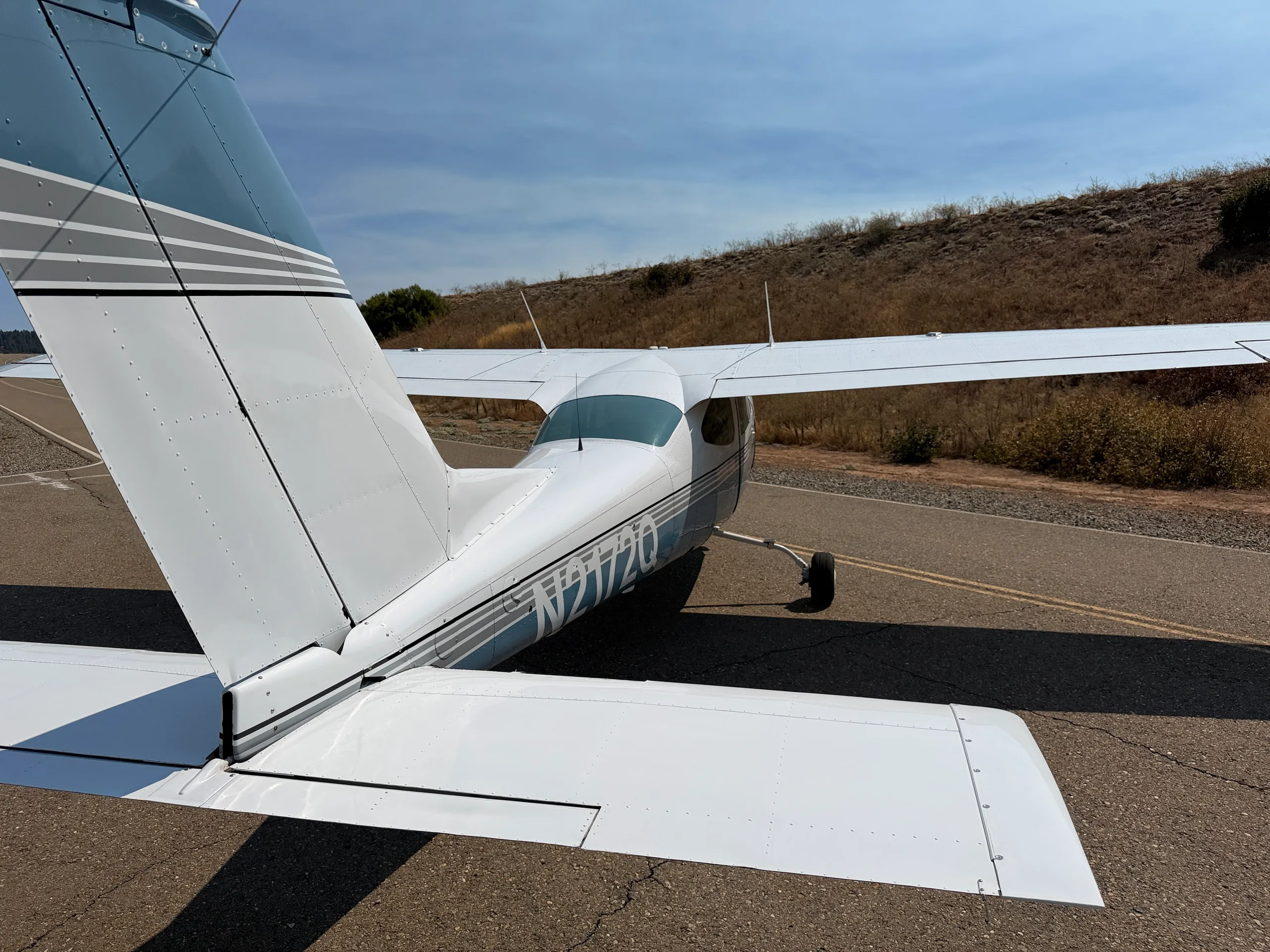
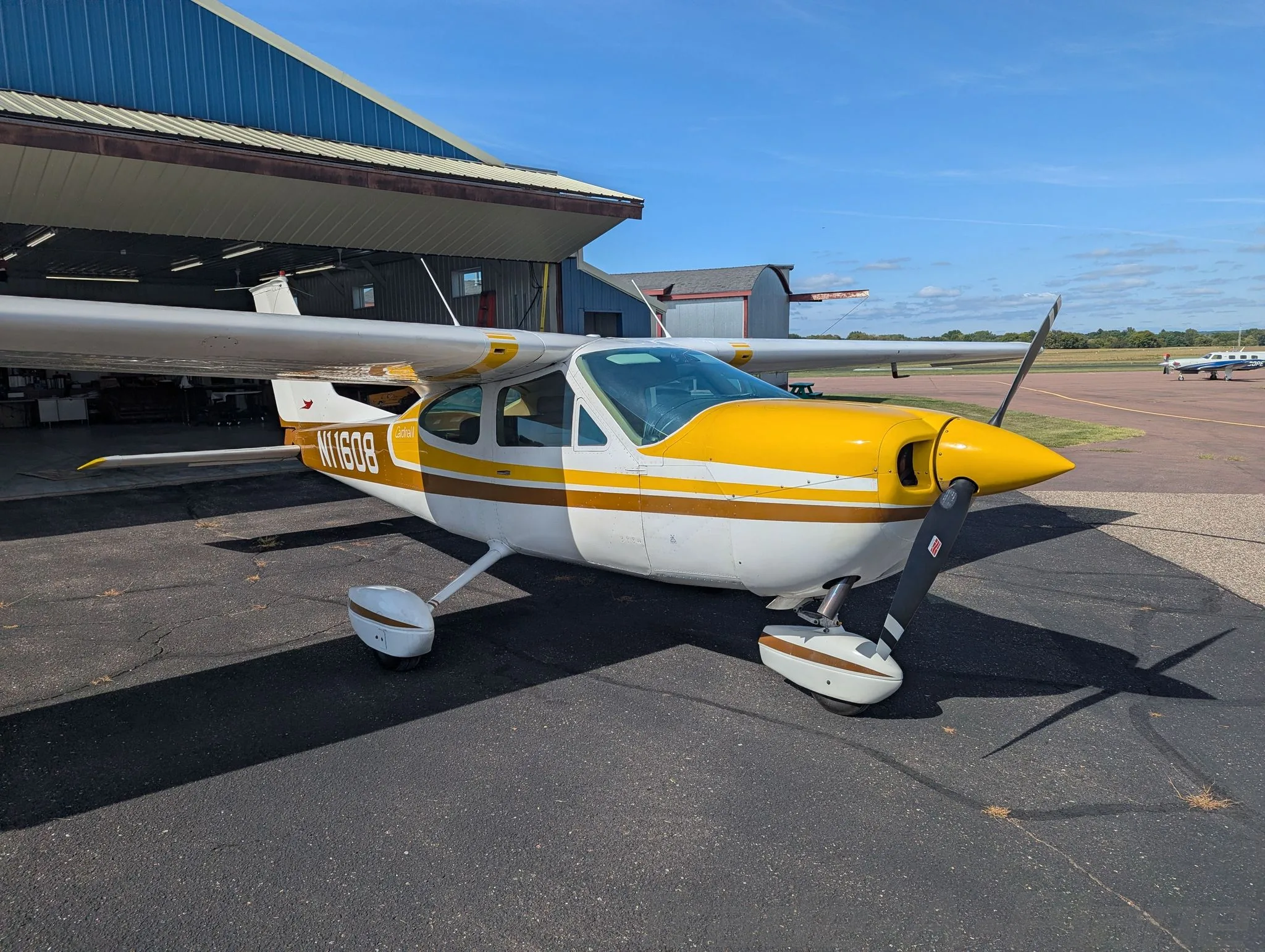
Free — save the 177 to your watchlist and track it in one place.
More Reims-Cessna F177RG Cardinalmanuals & documents
Related documents
- Cessna 177RG Cardinal Model GuideCessna 177RG Cardinal · Model Guide
- Cessna 177 Cardinal Model GuideCessna 177 Cardinal · Model Guide
- CESSNA 177 Model GuideCESSNA 177 · Model Guide
- Cessna 1976 Cardinal RG Pilot's Operating HandbookCessna 177RG Cardinal · Pilot's Operating Handbook
- Pilot's Operating HandbookCessna 177RG Cardinal · Pilot's Operating Handbook
If you fly the Reims-Cessna F177RG Cardinal, you may also be researching these.



In this document
Performance (manual figures, Cardinal RG)
Top speed is 180 mph at sea level. Cruise is 171 mph at 75% power at 7000 ft, with a range of 945 mi (5.6 hrs) on 60 gallons with no reserve. Take-off ground run is 890 ft, or 1585 ft over a 50-ft obstacle. Landing ground roll is 730 ft, or 1350 ft over 50 ft. Stall speed with power off is 66 mph flaps up and 57 mph flaps down.
Weights and loading
The manual lists 2,800 lbs gross weight and approximate empty weights of 1,680 lbs (Cardinal RG) and 1,750 lbs (Cardinal RG II). Useful load is 1,120 lbs and 1,050 lbs respectively. Baggage is limited to 120 lbs. Total fuel is 61 gallons. Verify the empty weight and balance of the specific aircraft you are buying.
What to check before buying
Confirm the main gear actuator rod end was replaced with the higher-strength part from the 1979 service letter. Check the landing gear system and emergency hand pump. Check fuel drains for water. Look for any shoulder harness retrofit under STC SA2067NM, which lists the F177RG. For the 177 family, the registry shows up to 144 kt cruise and up to 600 nm range, but those are family maxima, not this model's figures.
Safety notes
- Service letter SE79-37 (6 Aug 1979) covers F177RG serials F177RG0001 to F177RG0177 and recommends replacing the old main gear actuator rod end.
- An old-type rod end failed on an F177RG, leaving the main gear unlocked and forcing a belly landing. The higher-strength part has no reported failures.
- Do not operate with less than six quarts of oil (fill to eight for extended flight). Drain fuel sumps before the first flight of the day and after each refuelling.
Full document text
Reims-Cessna F177RG Cardinal Model Guide The Reims-Cessna F177RG Cardinal is a four-seat, single-engine piston airplane with retractable gear, listed in the library as built 1971-1978. It has a 200 hp Lycoming IO-360-A1B6D fuel-injected engine and a constant-speed propeller. The Cardinal RG owner's manual, which also covers the F177RG, lists 2,800 lbs gross weight, 171 mph cruise at 75% power and 61 gallons of fuel. • Four seats, 200 hp fuel-injected Lycoming IO-360-A1B6D, retractable gear; the manual lists 2,800 lbs gross weight. • Manual figures: 180 mph top speed at sea level, 171 mph at 75% power at 7000 ft, 925 fpm climb, 17,100 ft service ceiling. • Check the main gear actuator rod end: a 1979 service letter urged replacing the old type, and a failure caused a gear-up landing. • Useful load is about 1,120 lbs on the Cardinal RG, with up to 120 lbs of baggage. Check the actual aircraft's weight records. Performance (manual figures, Cardinal RG) Top speed is 180 mph at sea level. Cruise is 171 mph at 75% power at 7000 ft, with a range of 945 mi (5.6 hrs) on 60 gallons with no reserve. Take-off ground run is 890 ft, or 1585 ft over a 50-ft obstacle. Landing ground roll is 730 ft, or 1350 ft over 50 ft. Stall speed with power off is 66 mph flaps up and 57 mph flaps down. Weights and loading The manual lists 2,800 lbs gross weight and approximate empty weights of 1,680 lbs (Cardinal RG) and 1,750 lbs (Cardinal RG II). Useful load is 1,120 lbs and 1,050 lbs respectively. Baggage is limited to 120 lbs. Total fuel is 61 gallons. Verify the empty weight and balance of the specific aircraft you are buying. What to check before buying Confirm the main gear actuator rod end was replaced with the higher-strength part from the 1979 service letter. Check the landing gear system and emergency hand pump. Check fuel drains for water. Look for any shoulder harness retrofit under STC SA2067NM, which lists the F177RG. For the 177 family, the registry shows up to 144 kt cruise and up to 600 nm range, but those are family maxima, not this model's figures. Safety notes: • Service letter SE79-37 (6 Aug 1979) covers F177RG serials F177RG0001 to F177RG0177 and recommends replacing the old main gear actuator rod end. • An old-type rod end failed on an F177RG, leaving the main gear unlocked and forcing a belly landing. The higher-strength part has no reported failures. • Do not operate with less than six quarts of oil (fill to eight for extended flight). Drain fuel sumps before the first flight of the day and after each refuelling.