Reims-Cessna F406 Caravan II Model Guide
Reims-Cessna F406 Caravan II · Model Guide
Overview
The Reims-Cessna F406 Caravan II is an unpressurised twin-turboprop in production from 1985. It has two Pratt & Whitney Canada PT6A-112 engines, each flat-rated to 500 shp. It is certified for 11 seats under FAR 23 or 14 under SFAR 41C, and has a 30,000 ft service ceiling. Operators in the records use it for freight, training and passenger work.
- Two PT6A-112 turboprops at 500 shp each; unpressurised, with a 30,000 ft service ceiling.
- Max takeoff weight is 9360 lb, or 9850 lb when modified under CESRA 406-0011. Usable fuel is 475.0 gal.
- At max-range power at 20,000 ft the POH shows 1652 nm in 8.54 hours at 194 KTAS (standard conditions, no wind).
- Past incidents involve autopilot and pitch trim, and oxygen at altitude. Check those systems first.
Summary written by AI from the source document. Check the original before relying on it. See which parts of Sprinkle are written by AI.
Reference only, not for flight. Use the current approved manual for your aircraft. See terms, section 5.
Document
Source
Copy found at sprinkle.com. Sprinkle hosts a reference copy with an added summary, specifications and searchable full text.
Document details
- Type ·
- Model Guide
- Year ·
- 2026
- File size ·
- 50 KB
- Copy found at ·
- sprinkle.com
Specifications & performance
Extracted from this document.
Specifications
- Seats max ·
- 14
- Engine count ·
- 2
- Total fuel (gal) ·
- 481.5
- Engine power (hp) ·
- 500
- Usable fuel (gal) ·
- 475
- Propeller blades ·
- 3
- Service ceiling (ft) ·
- 30,000
Performance
- Service ceiling (ft) ·
- 30,000
- Max range power range 20000ft (nm) ·
- 1,652
- Max cruise power range 20000ft (nm) ·
- 1,281
- Max range power speed 20000ft (kt) ·
- 194
- Max cruise power speed 20000ft (kt) ·
- 244
Weight & balance
- Usable fuel (gal) ·
- 475
- Max ramp weight (lb) ·
- 9,435
- Max landing weight (lb) ·
- 9,360
- Max takeoff weight (lb) ·
- 9,360
- Max zero fuel weight (lb) ·
- 8,500
- Max takeoff weight modified (lb) ·
- 9,850
How many seats does the F406 have?
The Reims-Cessna F406 Caravan II is certified for a maximum of 11 seats under FAR 23 and 14 under SFAR 41C, according to the New Zealand type acceptance report.
Is it pressurised, and what about oxygen?
The Reims-Cessna F406 Caravan II is unpressurised. One operator's aircraft carried portable oxygen bottles for cruise above 10,000 ft, and that operator is retrofitting integrated mask systems.
What is the maximum takeoff weight?
The Reims-Cessna F406 Caravan II has a certificated max takeoff weight of 9360 lb. It is 9850 lb when modified by CESRA 406-0011.
What is the Reims-Cessna F406 Caravan II Model Guide?
The Reims-Cessna F406 Caravan II Model Guide is a model guide for the Reims-Cessna F406 Caravan II, dated 2026.
What year was the Reims-Cessna F406 Caravan II Model Guide published?
The Reims-Cessna F406 Caravan II Model Guide — the Reims-Cessna F406 Caravan II model guide on file — is dated 2026.
Common. More common than 54% of the aircraft models we track.
Most owners only have the POH. Here's the essential set for the Reims-Cessna F406 Caravan II.
- Pilot's Operating Handbook / AFM
- Checklist
- Maintenance Manual
- Parts Catalog (IPC)
- Systems & Wiring
- Service Bulletins on file
- Type Certificate (TCDS)
Reims-Cessna F406 Caravan II for sale now
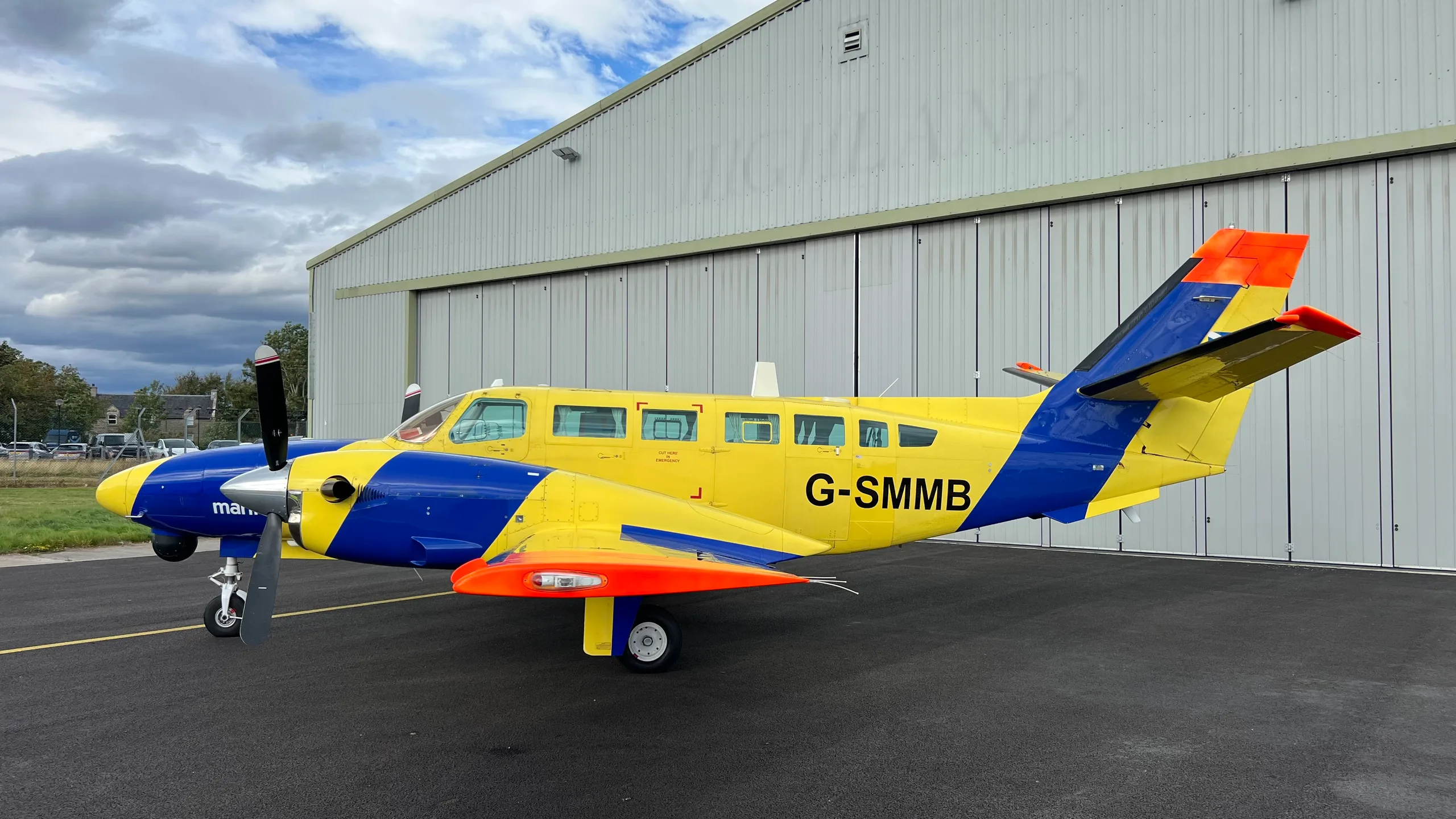
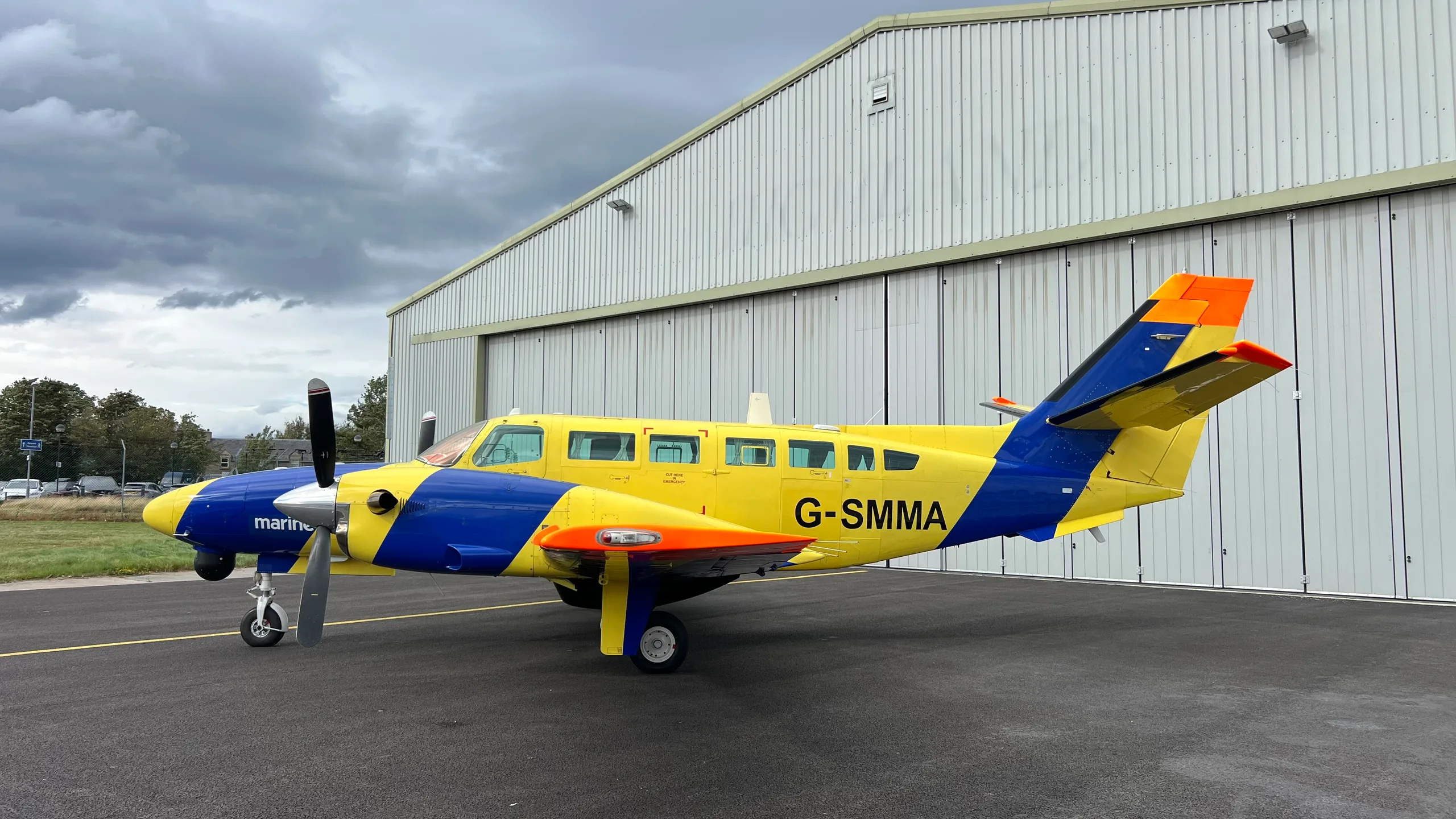
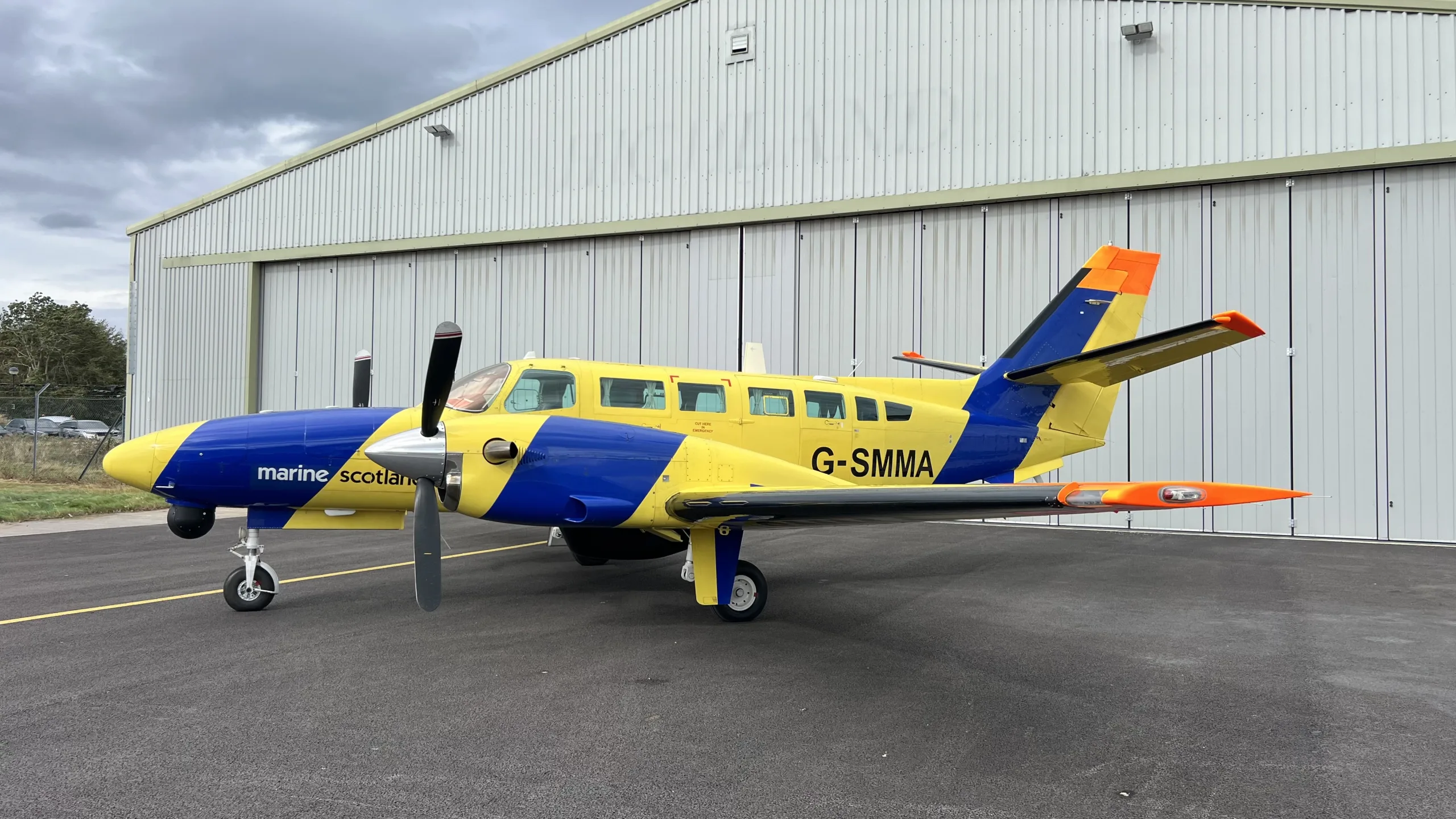
Free — save the 406 to your watchlist and track it in one place.
More Reims-Cessna F406 Caravan IImanuals & documents
- AAIB Bulletin: 7/2021 G-RVLWOther Documents
- AAIB Bulletin: 2/2017 G-FIND EW/G2016/09/19Other Documents
- Type Acceptance ReportOther Documents
- KOTZEBUE AIRPORT RELOCATIONOther Documents
- AAIB Bulletin: 7/2006 G-TWIG EW/C2004/10/04Other Documents
- Cessna Information ManualPilot's Operating Handbook
- AeroShell Turbine Oil 560Specifications
Related documents
- Cessna 208B Grand Caravan Model GuideCessna 208B Grand Caravan · Model Guide
- CESSNA CARAVAN 208 FLOATPLANE Model GuideCESSNA CARAVAN 208 FLOATPLANE · Model Guide
- Type Acceptance ReportReims-Cessna F406 Caravan II · Other Documents
- Cessna Grand Caravan EX Model GuideCessna Grand Caravan EX · Model Guide
- Cessna 208B Grand Caravan SpecificationsCessna 208B Grand Caravan · Specifications
If you fly the Reims-Cessna F406 Caravan II, you may also be researching these.


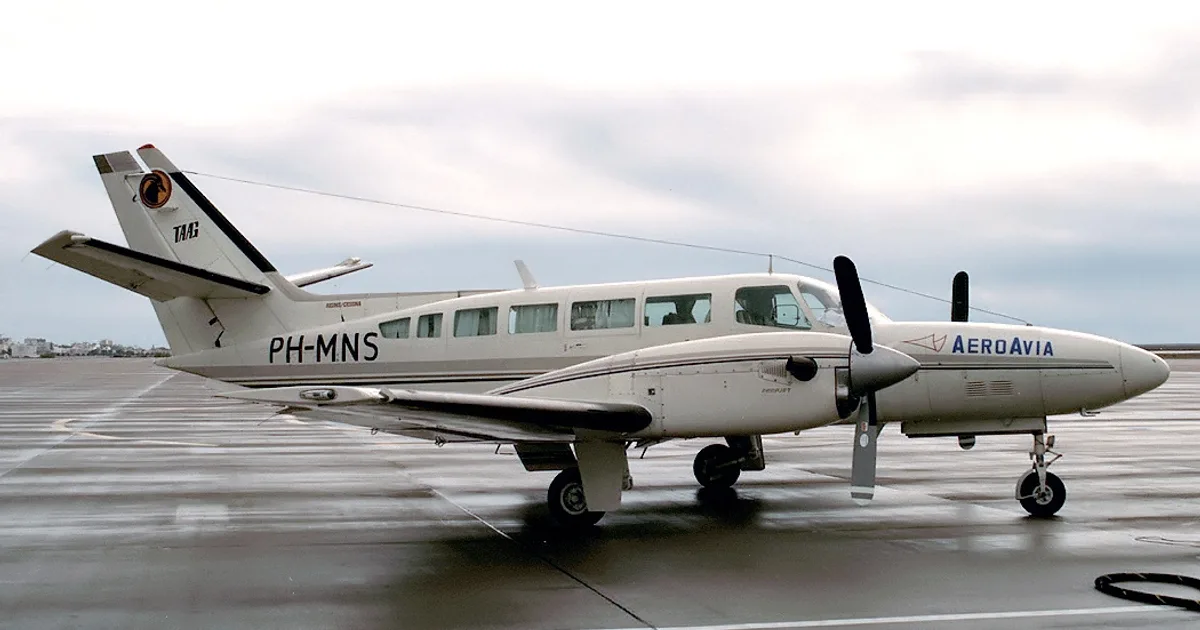


In this document
What it is
The F406 was a joint Reims and Cessna development. It uses parts of the unpressurised Titan fuselage, a Conquest I nose and a Conquest II tail, plus Conquest II wings with a redesigned nacelle for the PT6A-112. The type certificate is EASA.A.109. ASI Aviation has held it since 2014 and supplies spare parts only.
Weights, fuel and range
The POH lists max takeoff and landing weight at 9360 lb and max ramp weight at 9435 lb. Total fuel is 481.5 gal and usable fuel is 475.0 gal. At max cruise power at 20,000 ft the POH shows 1281 nm at 244 KTAS. Figures are calculated values and vary with the individual airplane.
What to check before buying
Ask whether the autopilot disconnect switch and warning light modification is fitted. Check the oxygen system: a fully integrated mask system versus portable bottles with cannulas. Review the engine record, since aviation gasoline is emergency-only and limited to 150 hours per overhaul period. Confirm whether the 9850 lb CESRA 406-0011 modification is embodied.
Summary written by AI from the source document. Check the original before relying on it. See which parts of Sprinkle are written by AI.
Safety notes
- G-FIND (2016): autopilot pitch trim ran nose down and controlling the aircraft was difficult until the autopilot was off and trim reset. Autopilot disconnect switch modification fitted.
- G-RVLW (2021): pilot suffered hypoxia at FL180. The aircraft is unpressurised and oxygen is needed above 10,000 ft. Operator retrofitted mask-based oxygen systems.
- G-TWIG (2004): fatal high-speed dive; major airframe and powerplant failures were discounted but no firm cause was found.
Summary written by AI from the source document. Check the original before relying on it. See which parts of Sprinkle are written by AI.
Full document text
Reims-Cessna F406 Caravan II Model Guide The Reims-Cessna F406 Caravan II is an unpressurised twin-turboprop in production from 1985. It has two Pratt & Whitney Canada PT6A-112 engines, each flat-rated to 500 shp. It is certified for 11 seats under FAR 23 or 14 under SFAR 41C, and has a 30,000 ft service ceiling. Operators in the records use it for freight, training and passenger work. • Two PT6A-112 turboprops at 500 shp each; unpressurised, with a 30,000 ft service ceiling. • Max takeoff weight is 9360 lb, or 9850 lb when modified under CESRA 406-0011. Usable fuel is 475.0 gal. • At max-range power at 20,000 ft the POH shows 1652 nm in 8.54 hours at 194 KTAS (standard conditions, no wind). • Past incidents involve autopilot and pitch trim, and oxygen at altitude. Check those systems first. What it is The F406 was a joint Reims and Cessna development. It uses parts of the unpressurised Titan fuselage, a Conquest I nose and a Conquest II tail, plus Conquest II wings with a redesigned nacelle for the PT6A-112. The type certificate is EASA.A.109. ASI Aviation has held it since 2014 and supplies spare parts only. Weights, fuel and range The POH lists max takeoff and landing weight at 9360 lb and max ramp weight at 9435 lb. Total fuel is 481.5 gal and usable fuel is 475.0 gal. At max cruise power at 20,000 ft the POH shows 1281 nm at 244 KTAS. Figures are calculated values and vary with the individual airplane. What to check before buying Ask whether the autopilot disconnect switch and warning light modification is fitted. Check the oxygen system: a fully integrated mask system versus portable bottles with cannulas. Review the engine record, since aviation gasoline is emergency-only and limited to 150 hours per overhaul period. Confirm whether the 9850 lb CESRA 406-0011 modification is embodied. Safety notes: • G-FIND (2016): autopilot pitch trim ran nose down and controlling the aircraft was difficult until the autopilot was off and trim reset. Autopilot disconnect switch modification fitted. • G-RVLW (2021): pilot suffered hypoxia at FL180. The aircraft is unpressurised and oxygen is needed above 10,000 ft. Operator retrofitted mask-based oxygen systems. • G-TWIG (2004): fatal high-speed dive; major airframe and powerplant failures were discounted but no firm cause was found.