
AAIB Bulletin: 7/2021 G-RVLW
Other Documents for the Cessna Reims-Cessna F406 Caravan II
PDF, 3 pages, 187 KB, from Sprinkle’s own files.
What it covers
This document is an AAIB (Air Accidents Investigation Branch) bulletin detailing a serious incident involving the Reims-Cessna F406 Caravan II, registration G-RVLW. The incident occurred on March 6, 2021, during a commercial cargo flight from Göteborg Landvetter Airport to East Midlands Airport. The pilot experienced symptoms of hypoxia at an altitude of 18,000 feet, which were resolved by switching oxygen supply bottles. The bulletin provides insights into the nature of hypoxia, the aircraft's oxygen system, and the operator's response to the incident, including training and procedural updates. It serves as a critical reference for pilots and operators regarding the importance of oxygen management at altitude and the recognition of hypoxia symptoms.
Key points
- Aircraft type: Reims-Cessna F406 Caravan II
- Service ceiling: 30,000 feet
- Oxygen bottle capacity: 682 liters
- Recommended oxygen flow at 18,000 feet: 0.6 liters/minute
- Pilot's oxygen flow setting: 1.0 liters/minute
Main sections
Incident Overview
The incident involved the Reims-Cessna F406, G-RVLW, which was on a cargo flight when the pilot experienced a headache and cognitive decline at FL180. Recognizing these as potential hypoxia symptoms, the pilot checked his oxygen levels and switched bottles, resolving the issue.
Hypoxia Explained
Hypoxia is a state of oxygen deficiency that impairs brain function. At altitudes above 8,000 feet, the partial pressure of oxygen decreases, making it harder for the body to obtain sufficient oxygen. Symptoms can include rapid breathing, headache, and diminished cognitive ability.
Oxygen System Details
The F406 is equipped with two 682-liter portable oxygen bottles, allowing for a delivery rate of 0.6 liters per minute at 18,000 feet, providing over 18 hours of oxygen for one user. The pilot used a flow rate of 1.0 liters per minute, still allowing for over 11 hours of oxygen.
Operator's Response
Following a previous hypoxia incident, the operator revised standard operating procedures and implemented training for pilots on oxygen system operation and hypoxia recognition. They are also retrofitting aircraft with integrated oxygen systems using masks.
Conclusion and Safety Actions
The pilot's quick response to the hypoxia symptoms prevented a serious incident. The operator's ongoing safety actions include installing integrated oxygen systems across their fleet.
Safety notes
- Hypoxia symptoms can be subtle and vary by individual.
- Pulse oximeters may underread oxygen levels, especially in cold conditions.
- Hyperventilation can lead to misleading pulse oximeter readings.
The document’s text
Show the text read from the PDF
27 ©Crown copyright 2021 All times are U TC AAIB Bulletin: 7/2021 G-RVLW AAIB-27138 SERIOUS INCIDENT Aircraft Type and Registration: Reims Cessna F406, G-RVLW No & Type of Engines: 2 Pratt & Whitney Canada PT6A-112 turboprop engines Year of Manufacture: 1991 (Serial no: F406-0052) Date & Time (UTC): 6 March 2021 at 1500 hrs Location: North Sea Type of Flight: Commercial Air Transport (Cargo) Persons on Board: Crew - 1 Passengers - None Injuries: Crew - None Passengers - N/A Nature of Damage: None reported Commander’s Licence: Airline Transport Pilot’s Licence Commander’s Age: 34 years Commander’s Flying Experience: 4,244 hours (of which 390 were on type) Last 90 days - 64 hours Last 28 days - 10 hours Information Source: Aircraft Accident Report Form submitted by the pilot Synopsis The pilot was operating a cargo flight from Göteborg Landvetter Airport, Sweden to East Midlands Airport. The aircraft was at FL 180 when the pilot began to experience a headache. He then noted that his cognitive ability was declining. Realising that he may be suffering the effects of hypoxia, he checked his equipment, before noting that his oxygen saturation as displayed on his finger pulse oximeter was low. He immediately switched oxygen bottles and the symptoms resolved. The pilot was able to continue the flight to East Midlands without further incident. History of the flight The flight took off from Göteborg Landvetter Airport, Sweden, at 1330 hrs for a flight to East Midlands Airport. The pilot had already flown the aircraft from East Midlands to Göteborg earlier in the day. The flight time for both sectors was around three hours. With the aircraft in the cruise at FL180 over the North Sea, the pilot was alerted to a problem by a rapid onset headache, followed by being unable to find a regularly used function on the electronic flight bag. As a result of being aware these could be symptoms of hypoxia, he checked his oxygen system. He also checked his oxygen levels on his pulse oximeter, which were much lower than normal, prompting him to increase the flow of oxygen through the regulator. When this did not improve the situation, he changed the supply bottle, and within a few minutes he was feeling better and the oxygen level had recovered to a normal level. -- 1 of 3 -- 28 ©Crown copyright 2021 All times are U TC AAIB Bulletin: 7/2021 G-RVLW AAIB-27138 Hypoxia Hypoxia may be defined as a state of oxygen deficiency in the body sufficient to impair function of the brain and other organs1. Whilst there can be a number of medical causes of hypoxia which could occur at any time, hypobaric hypoxia is altitude related. As the altitude increases and barometric pressure decreases, the partial pressure of oxygen decreases. This reduction in partial pressure simply means there are fewer oxygen molecules per volume of air as altitude increases. It becomes increasingly difficult for the human body to supply its oxygen needs as the aircraft climbs if no supplementary oxygen is supplied. The brain is usually the first organ to suffer from the diminished oxygen supply. Even at 8,000 ft altitude, where there is a 25% reduction in the partial pressure, it is possible to detect impairment in some mental performance. This can make it challenging for the pilot to recognise the symptoms and to act effectively. Early symptoms of hypoxia are subtle and may include rapid breathing, headache, drowsiness, nausea, behavioural changes (eg euphoria and irritability), slurred speech, and diminished thinking capacity. It is also the case that symptoms can be individual and variable. Aircraft information The Reims Cessna F406 Caravan II (F406) is an unpressurised twin turboprop aircraft with a service ceiling of 30,000 ft. If the pilot is required for operational reasons to cruise above 10,000 ft altitude, then the aircraft carries two 682 litre portable oxygen bottles which are fitted with regulators and a cannula to fit to the nose of the pilot. The regulator allows the pilot to select a rate of oxygen delivery suitable for the cruise altitude. The aircraft operator limited the aircraft to a maximum altitude of 18,000 ft. At this altitude, the delivery rate of oxygen is recommended by the operator to be 0.6 litres per minute giving each bottle a capacity of over 18 hours for a single user. Although the pilot elected to select an oxygen flow of 1.0 litre per minute as he found this a more comfortable setting, this would still have meant a capacity of more than 11 hours. Both oxygen bottles were full at the start of the pilot’s duty and he had completed two previous flights before the incident flight. The primary oxygen bottle had worked without incident on the previous flight and for a significant proportion of the incident flight. With the flight times, the bottle can only have been used for a maximum of 275 minutes before the incident. The operator supplied finger pulse oximeters to allow the monitoring of oxygen levels. They provide a very rapid way of assessing the oxygen saturation in the bloodstream although they can be unreliable. They may underread the level of oxygen in the blood, especially with cold or dirty fingers, but this is considered a fail-safe condition which triggers action from the pilot to correct the perceived low oxygen level. However, they can also falsely indicate likely brain oxygenation in the presence of hyperventilation, which may be triggered by hypoxia. In this case cerebral oxygen delivery can be considerably lower (due to constriction of the cerebral blood vessels) than peripheral oxygen levels as measured by the pulse oximeters. This can produce a fail-unsafe condition which is a concern. Footnote 1 https://www.easa.europa.eu/sites/default/files/dfu/210635_EASA_HYPOXIA_BROCHURE.pdf [Accessed 21 May 2021] -- 2 of 3 -- 29 ©Crown copyright 2021 All times are U TC AAIB Bulletin: 7/2021 G-RVLW AAIB-27138 Both the oxygen bottle and regulator were removed from the aircraft and tested at an approved maintenance facility. The function test of the regulator showed all flows to be within parameters and no faults could be found with either the bottle or the regulator. Organisational information As a result of a previous hypoxia event on a company F406, the operator reviewed and revised their existing standard operating procedures for the oxygen system as well as introducing an extensive training programme for its pilots in the operation of the equipment, possible failure modes as well as how to recognise the symptoms of hypoxia. The pilot commented that this training, as well as being alert to the possibility of hypoxia given the altitude of the aircraft, helped in identifying and rectifying the problem rapidly. At the time of writing, the operator was in the process of re-instating the originally-installed aircraft oxygen system on the company F406 aircraft. It would be a fully integrated system utilising oxygen masks rather than cannulas. Analysis The pilot began to feel unwell when in the cruise at FL 180. The training and equipment provided by the operator allowed the pilot to recognise the problem and rectify it without delay, and the rapid response prevented a much more serious incident occurring. Hypoxia can be subtle with symptoms that can vary between individuals. The nature of the reduction of oxygen usually affects the brain first meaning it can be difficult for the sufferer to process the problem and take the correct action. Being vigilant, using a pulse oximeter and taking quick action if hypoxia is suspected can ensure the safety of the crew and any passengers. However, it should also be noted that hyperventilation – one of the symptoms of hypoxia – may mean that a pulse oximeter does not indicate at the finger what it is purporting to ‘measure’ in the brain. Conclusion The pilot’s oxygen level fell, and he began to experience the symptoms of hypoxia. The problem was resolved when the pilot switched the supply bottle, and the flight was able to continue without further incident. No fault was found with either the bottle or the regulator so a cause for the reduction of oxygen supply could not be established. Safety action The operator began a retrofit programme to install/reactivate all Cessna F406 aircraft operating above FL100 with a fully integrated oxygen system utilising oxygen masks rather than cannulas. BULLETIN ADDENDUM Following publication of this report, the AAIB received correspondence containing further information about pulse oximetry. Consequently, the penultimate paragraph on page 28 and second paragraph of the Analysis section have been amended. Full details can be found on our website. The online version of this report was corrected on 12 August 2021. -- 3 of 3 --
Read from the PDF by machine, so tables and diagrams come out rough. The PDF is the document.
More Cessna Reims-Cessna F406 Caravan II documents
All 8 →- AAIB Bulletin: 2/2017 G-FIND EW/G2016/09/19
This document is an AAIB (Air Accidents Investigation Branch) bulletin detailing an incident involving the Reims Cessna F406 Caravan II, registration G-FIND. The bulletin provides a comprehensive account of the incident that occurred on September 25, 2016, during a training flight. It outlines the circumstances leading up to the event, the actions taken by the crew, and the subsequent investigation findings. The report serves as a critical resource for pilots and aviation professionals, highlighting safety concerns and operational procedures related to the aircraft's autopilot and trim systems. It emphasizes the importance of understanding aircraft systems and the need for effective training and procedures to handle in-flight anomalies.
- Type Acceptance Report
This Type Acceptance Report details the validation of the Model F406 by ASI Aviation based on the EASA Type Certificate A.109. It outlines the requirements for the aircraft to be accepted for operation in New Zealand, including compliance with airworthiness standards and operational regulations. The report specifies the aircraft's design, certification details, and any special conditions for import. It serves as a reference for operators and regulatory bodies to ensure that the F406 meets the necessary safety and operational standards for airworthiness certification in New Zealand.
- Kotzebue Airport Relocation
This document is a feasibility study focused on the Kotzebue Airport relocation project. It outlines the facility requirements necessary to accommodate current and future aircraft operations, including runway specifications, taxiway dimensions, and landside facilities. The study identifies the Reims-Cessna F406 as one of the B-II aircraft operating at the airport, providing insights into the design aircraft requirements and operational considerations. The document serves as a reference for airport planners, engineers, and aviation stakeholders involved in the development and improvement of Kotzebue Airport to meet FAA standards and operational demands.
- AAIB Bulletin: 7/2006 G-TWIG EW/C2004/10/04
This document is an accident report from the AAIB concerning the Reims-Cessna F406 Caravan II, registration G-TWIG. It details the circumstances surrounding the aircraft's crash on October 22, 2004, during a public transport flight. The report includes information about the flight history, the pilot's background, and the investigation findings regarding the accident. It aims to provide insights into the events leading up to the crash, the pilot's experience, and recommendations for safety improvements in aviation operations.
- Reims-Cessna F406 Caravan II Model Guide
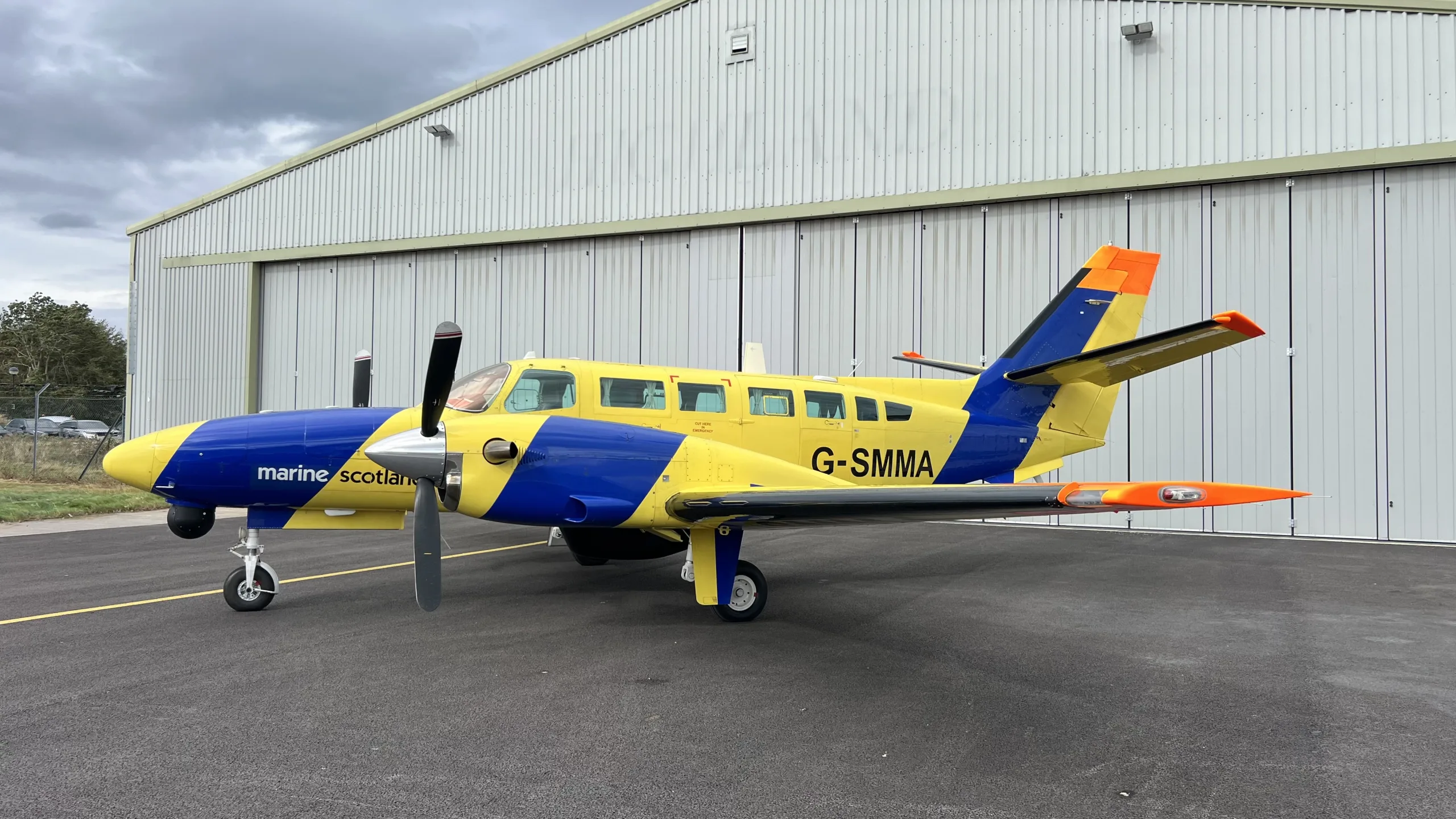
The Reims-Cessna F406 Caravan II is an unpressurised twin-turboprop in production from 1985. It has two Pratt & Whitney Canada PT6A-112 engines, each flat-rated to 500 shp. It is certified for 11 seats under FAR 23 or 14 under SFAR 41C, and has a 30,000 ft service ceiling. Operators in the records use it for freight, training and passenger work.
- Cessna Information Manual
This document is the Cessna Information Manual for the Model 406, originally issued on July 1, 1986. It serves as a comprehensive guide for pilots operating the Cessna 406, providing essential information on the aircraft's systems, performance, limitations, and procedures. The manual is structured into multiple sections, covering everything from general specifications to emergency procedures, ensuring that pilots have access to critical data necessary for safe operation. The manual is not intended as a training guide but rather as a reference for experienced pilots familiar with the aircraft's operation and regulations.
Pilot's Operating Handbook · 1986PDF · 692 pages · 25 MB of Cessna Information Manual, opens in a new tabRequest removal of Cessna Information Manual - AeroShell Turbine Oil 560
This document provides specifications and performance information for AeroShell Turbine Oil 560, particularly in relation to its use in turbine engines, including the Pratt & Whitney Canada PT6 engine series. It discusses the oil's capabilities, benefits, and testing results, emphasizing its suitability for modern turbine engines that operate at higher temperatures. The document is intended for operators and maintenance personnel in the aviation industry, focusing on how this oil can enhance engine performance and reduce maintenance costs.
Cessna 406 for sale now
View all 1 for sale →Aircraft that this other documents covers, listed on the sites Sprinkle reads. Asking prices, not sales. Cessna 406 asking prices by year built.
Also useful for the Cessna Reims-Cessna F406 Caravan II
From Sprinkle’s library of aircraft documents. PDFs open from Sprinkle’s own files. Read Feb 16, 2026.
Want this document taken down? Request removal