CESSNA T-182 Turbo Skylane Model Guide
CESSNA T-182 Turbo Skylane · Model Guide
Overview
The CESSNA T-182 Turbo Skylane is a single-engine piston, turbocharged, fuel-injected Skylane with a constant-speed propeller. The 182 family seats up to 4 and is listed at up to 930 nm range and 174 kt cruise across its variants. Details below come from a flying-club T182T operating manual (Lycoming TIO-540-AK1A, 235 BHP) and a Cessna turbocharging course.
- Turbocharged: holds sea-level manifold pressure as you climb, so power does not fade with altitude. Certified to 20,000 ft.
- Bigger step up from a 172: constant-speed prop, cowl flaps, fuel injection, oxygen, faster and heavier with higher wing loading.
- Maximum landing weight is below maximum takeoff weight, so check weight and balance for landing as well as takeoff.
- Fuel burn is higher: engine display marks 16 GPH for normal enroute climb and 24 GPH for maximum-performance climb.
Summary written by AI from the source document. Check the original before relying on it. See which parts of Sprinkle are written by AI.
Reference only, not for flight. Use the current approved manual for your aircraft. See terms, section 5.
Document
Source
Copy found at sprinkle.com. Sprinkle hosts a reference copy with an added summary, specifications and searchable full text.
Document details
- Type ·
- Model Guide
- Year ·
- 2026
- File size ·
- 49 KB
- Copy found at ·
- sprinkle.com
Specifications & performance
Extracted from this document.
Specifications
- Rated power (hp) ·
- 235
- Minimum fuel (gal) ·
- 46
- Propeller diameter (in) ·
- 79
Performance
- Max tailwind (kt) ·
- 10
- Max crosswind (kt) ·
- 15
- Min runway length (ft) ·
- 2,500
- Max operating altitude (ft) ·
- 20,000
- Fuel flow normal climb (gph) ·
- 16
- Fuel flow max performance climb (gph) ·
- 24
V-speeds
- FLAP_SPEED_0_TO_10_KTS ·
- 140
- AUTOPILOT_MAX_SPEED_KTS ·
- 160
- AUTOPILOT_MIN_SPEED_KTS ·
- 80
- FLAP_SPEED_10_TO_20_KTS ·
- 120
- FLAP_SPEED_20_TO_FULL_KTS ·
- 100
- RECOMMENDED_APPROACH_SPEED_KTS ·
- 100
How high can the CESSNA T-182 Turbo Skylane fly?
The CESSNA T-182 Turbo Skylane has a certified maximum operating altitude of 20,000 ft. Flight above 10,000 ft involves hypoxia risk and an oxygen system, so know how to use and monitor it.
How does the CESSNA T-182 Turbo Skylane differ from a 172?
The CESSNA T-182 Turbo Skylane adds turbocharging, a constant-speed propeller, cowl flaps, fuel injection, oxygen, a three-axis autopilot and higher horsepower. It is faster and heavier, with higher wing loading and fuel consumption.
What fuel does the CESSNA T-182 Turbo Skylane use?
The CESSNA T-182 Turbo Skylane uses 100LL. The club minimum is the flight requirement plus 45 minutes, or 46 U.S. gallons, whichever is greater.
What is the CESSNA T-182 Turbo Skylane Model Guide?
The CESSNA T-182 Turbo Skylane Model Guide is a model guide for the CESSNA T-182 Turbo Skylane, dated 2026.
What year was the CESSNA T-182 Turbo Skylane Model Guide published?
The CESSNA T-182 Turbo Skylane Model Guide — the CESSNA T-182 Turbo Skylane model guide on file — is dated 2026.
Common. One of the most common aircraft types we track.
Most owners only have the POH. Here's the essential set for the CESSNA T-182 Turbo Skylane.
- Pilot's Operating Handbook / AFM
- Checklist
- Maintenance Manual
- Parts Catalog (IPC)
- Systems & Wiring
- Service Bulletins on file
- Type Certificate (TCDS)
CESSNA T-182 Turbo Skylane for sale now
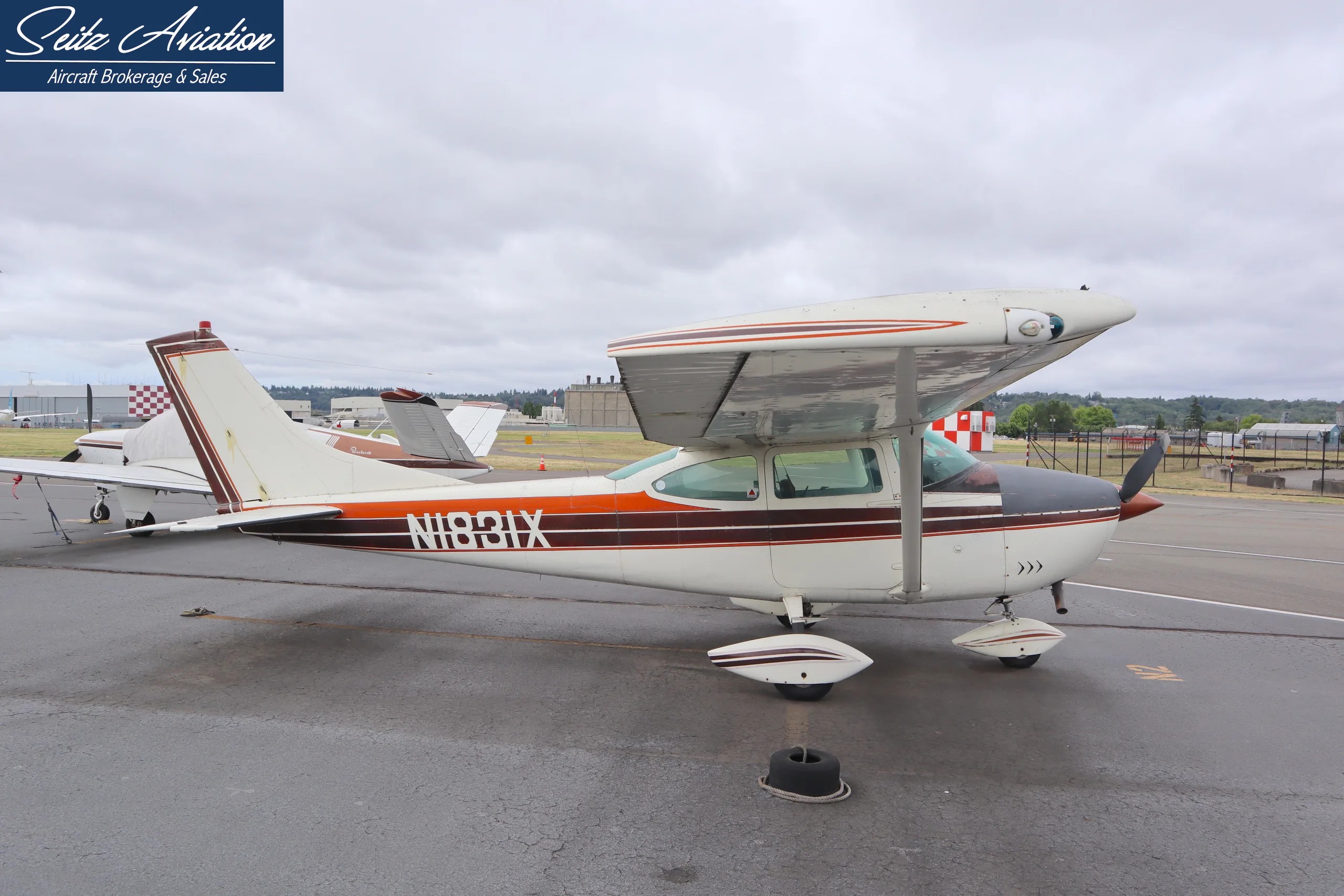
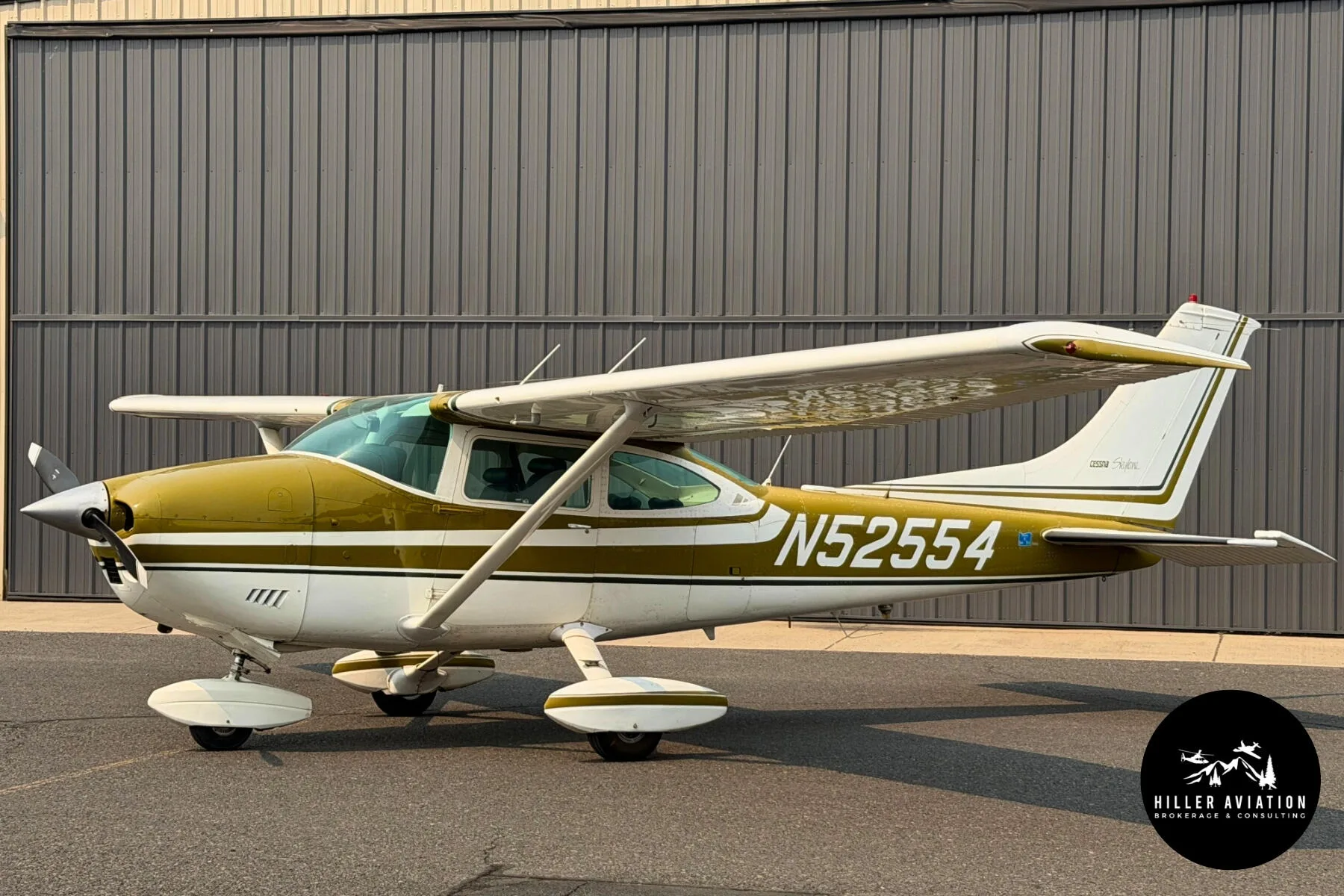
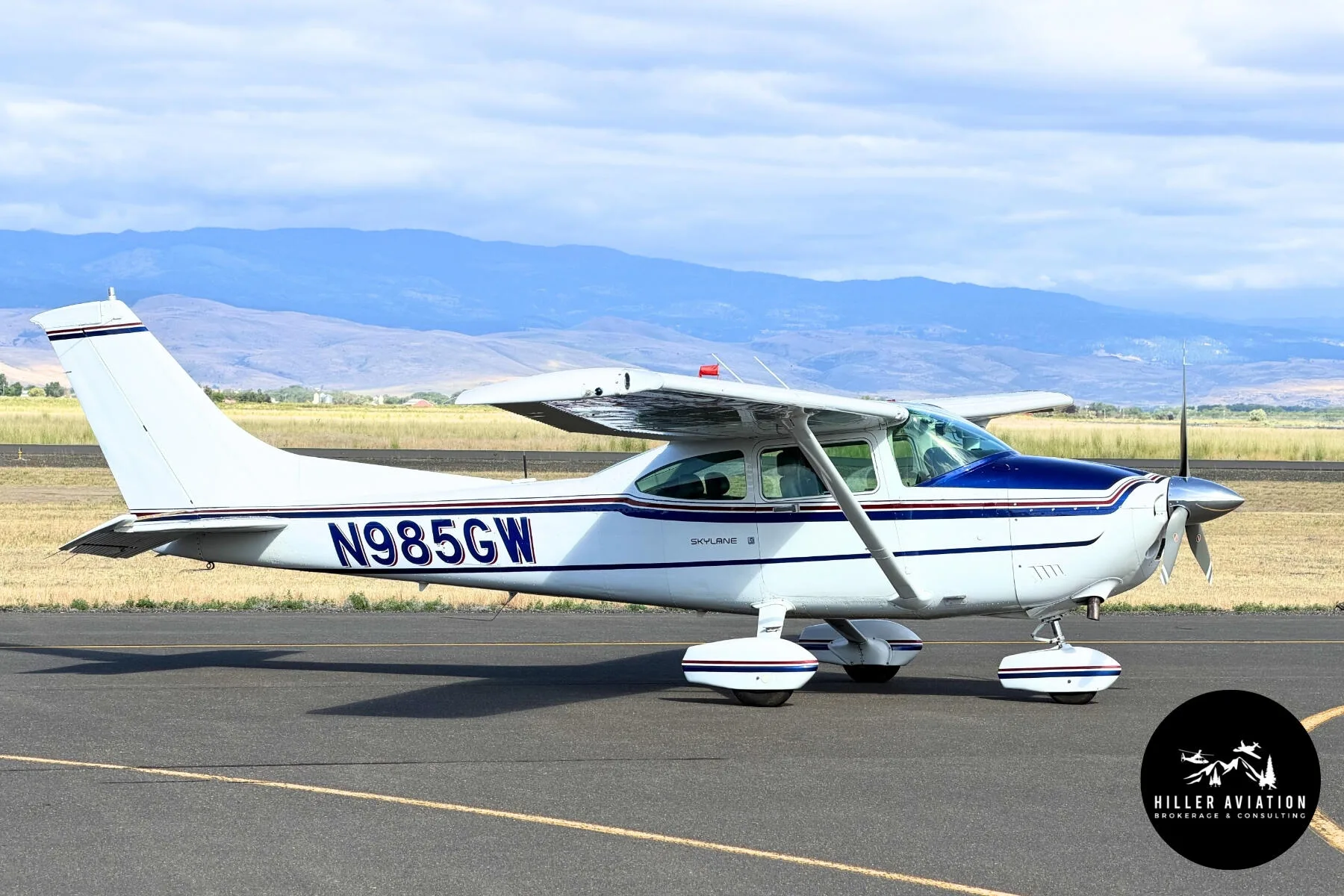
Free — save the 182 to your watchlist and track it in one place.
More CESSNA T-182 Turbo Skylanemanuals & documents
Related documents
- Cessna T182 Turbo Skylane Model GuideCessna T182 Turbo Skylane · Model Guide
- CESSNA Turbo Skylane T182T Model GuideCESSNA Turbo Skylane T182T · Model Guide
- Cessna TR182 Turbo Skylane RG Model GuideCessna TR182 Turbo Skylane RG · Model Guide
- CESSNA TURBO 182T SKYLANE Model GuideCESSNA TURBO 182T SKYLANE · Model Guide
- CESSNA 182F Skylane Model GuideCESSNA 182F Skylane · Model Guide
If you fly the CESSNA T-182 Turbo Skylane, you may also be researching these.


In this document
Powerplant and limits
Lycoming TIO-540-AK1A, 235 rated BHP at 32 in Hg and 2400 RPM. Recommended climb 25 in and 2400 RPM; cruise 24 in and 2300 RPM. Limits: CHT 500°F, oil temperature 245°F, oil pressure 20 to 115 PSI. Fuel is 100LL. McCauley propeller, 79 inches diameter. The club requires SAE 15W50 oil with a 5 QT minimum.
Operating limits (club manual)
Flaps: takeoff 0° to 20°, landing 0° to FULL. Club limits: 10 kt tailwind, 15 kt crosswind, paved runways of at least 2500 ft or the POH figure if greater. An operational autopilot is required for IMC. Autopilot range is 80 to 160 KIAS. These are club rules and may be stricter than the POH.
What to check when buying
Turbo parts to inspect: waste gate, turbine inlet temperature probe, oil accumulator, compressor, turbine and over-boost (manifold pressure relief) valve. If overboost persists with normal oil temperature, or reaches 3 inches or more, the controller system, waste gate and relief valve need adjustment or replacement.
Safety notes
- Rapid throttle movement with cold oil can overboost the engine. A 2 to 3 inch overboost is acceptable only if momentary.
- High-altitude flight carries hypoxia risk. Confirm enough oxygen is aboard and know how to use and monitor the oxygen system.
- Club minimum fuel is the flight requirement plus 45 minutes, or 46 U.S. gallons, whichever is greater.
Full document text
CESSNA T-182 Turbo Skylane Model Guide The CESSNA T-182 Turbo Skylane is a single-engine piston, turbocharged, fuel-injected Skylane with a constant-speed propeller. The 182 family seats up to 4 and is listed at up to 930 nm range and 174 kt cruise across its variants. Details below come from a flying-club T182T operating manual (Lycoming TIO-540-AK1A, 235 BHP) and a Cessna turbocharging course. • Turbocharged: holds sea-level manifold pressure as you climb, so power does not fade with altitude. Certified to 20,000 ft. • Bigger step up from a 172: constant-speed prop, cowl flaps, fuel injection, oxygen, faster and heavier with higher wing loading. • Maximum landing weight is below maximum takeoff weight, so check weight and balance for landing as well as takeoff. • Fuel burn is higher: engine display marks 16 GPH for normal enroute climb and 24 GPH for maximum-performance climb. Powerplant and limits Lycoming TIO-540-AK1A, 235 rated BHP at 32 in Hg and 2400 RPM. Recommended climb 25 in and 2400 RPM; cruise 24 in and 2300 RPM. Limits: CHT 500°F, oil temperature 245°F, oil pressure 20 to 115 PSI. Fuel is 100LL. McCauley propeller, 79 inches diameter. The club requires SAE 15W50 oil with a 5 QT minimum. Operating limits (club manual) Flaps: takeoff 0° to 20°, landing 0° to FULL. Club limits: 10 kt tailwind, 15 kt crosswind, paved runways of at least 2500 ft or the POH figure if greater. An operational autopilot is required for IMC. Autopilot range is 80 to 160 KIAS. These are club rules and may be stricter than the POH. What to check when buying Turbo parts to inspect: waste gate, turbine inlet temperature probe, oil accumulator, compressor, turbine and over-boost (manifold pressure relief) valve. If overboost persists with normal oil temperature, or reaches 3 inches or more, the controller system, waste gate and relief valve need adjustment or replacement. Safety notes: • Rapid throttle movement with cold oil can overboost the engine. A 2 to 3 inch overboost is acceptable only if momentary. • High-altitude flight carries hypoxia risk. Confirm enough oxygen is aboard and know how to use and monitor the oxygen system. • Club minimum fuel is the flight requirement plus 45 minutes, or 46 U.S. gallons, whichever is greater.