Cessna TR182 Turbo Skylane RG Model Guide
Cessna TR182 Turbo Skylane RG · Model Guide
Overview
The Cessna TR182 Turbo Skylane RG is a four-seat, retractable-gear single sold from 1978 to 1986. It has a turbocharged 235 hp Avco Lycoming six-cylinder and a constant-speed propeller. The handbook lists 3100 lb maximum takeoff weight, 92 gal of fuel (88 usable) and a 200 lb baggage allowance. Its main appeal is fast cruise at altitude, up to 20,000 ft.
- Handbook speeds: 187 kt maximum and 173 kt cruise (75% power) at 20,000 ft. At 10,000 ft, cruise is 158 kt.
- Fuel is 92 gal total, 88 usable. 75% cruise range with 45-minute reserve is 845 nm at 10,000 ft and 875 nm at 20,000 ft.
- The turbo needs hands-on power management. Maximum manifold pressure is 31 inches and the engine is easy to overboost.
- Standard empty weight is 1764 lb against 3100 lb maximum takeoff weight. Baggage is limited to 200 lb.
Summary written by AI from the source document. Check the original before relying on it. See which parts of Sprinkle are written by AI.
Reference only, not for flight. Use the current approved manual for your aircraft. See terms, section 5.
Document
Source
Copy found at sprinkle.com. Sprinkle hosts a reference copy with an added summary, specifications and searchable full text.
Document details
- Type ·
- Model Guide
- Year ·
- 2026
- File size ·
- 49 KB
- Copy found at ·
- sprinkle.com
Specifications & performance
Extracted from this document.
Specifications
- Engine (hp) ·
- 235
- Usable fuel (gal) ·
- 88
- Fuel capacity (gal) ·
- 92
- Max ramp weight (lb) ·
- 3,112
- Baggage allowance (lb) ·
- 200
- Propeller diameter (in) ·
- 82
- Max takeoff weight (lb) ·
- 3,100
- Standard empty weight (lb) ·
- 1,764
Performance
- Rate of climb (fpm) ·
- 1,040
- Takeoff over 50ft (ft) ·
- 1,570
- Max speed 20000ft (kt) ·
- 187
- Range 75pct 10000ft (nm) ·
- 845
- Range 75pct 20000ft (nm) ·
- 875
- Cruise 75pct 10000ft (kt) ·
- 158
- Cruise 75pct 20000ft (kt) ·
- 173
- Max operating altitude (ft) ·
- 20,000
V-speeds
- MANEUVERING_SPEED_KTS ·
- 112
- STALL_SPEED_CLEAN_KTS ·
- 54
- STALL_SPEED_LANDING_KTS ·
- 50
Weight & balance
- Baggage area a (lb) ·
- 120
- Baggage area b (lb) ·
- 80
- Max ramp weight (lb) ·
- 3,112
- Max useful load (lb) ·
- 1,348
- Baggage allowance (lb) ·
- 200
- Max landing weight (lb) ·
- 3,100
- Max takeoff weight (lb) ·
- 3,100
- Standard empty weight (lb) ·
- 1,764
How many people and how much baggage?
The Cessna TR182 Turbo Skylane RG seats four. Baggage is limited to 200 lb combined: area A takes up to 120 lb and area B up to 80 lb. Maximum takeoff and landing weight is 3100 lb.
How far can it fly?
The Cessna TR182 Turbo Skylane RG is listed at 845 nm at 75% power at 10,000 ft and 875 nm at 20,000 ft. Both figures use 88 gal usable fuel and a 45-minute reserve.
What fuel does it use?
The Cessna TR182 Turbo Skylane RG is approved for 100LL (blue) and 100 (green) aviation fuel. Total capacity is 92 gal, of which 88 gal is usable, split between two 46 gal tanks.
Is it hard to fly compared with other Cessna singles?
The Cessna TR182 Turbo Skylane RG is easy to transition to for pilots who have flown other Cessna singles. The extra work is power management: watch manifold pressure, EGT and temperatures, and retract the gear.
What is the Cessna TR182 Turbo Skylane RG Model Guide?
The Cessna TR182 Turbo Skylane RG Model Guide is a model guide for the Cessna TR182 Turbo Skylane RG, dated 2026.
What year was the Cessna TR182 Turbo Skylane RG Model Guide published?
The Cessna TR182 Turbo Skylane RG Model Guide — the Cessna TR182 Turbo Skylane RG model guide on file — is dated 2026.
Common. One of the most common aircraft types we track.
Most owners only have the POH. Here's the essential set for the Cessna TR182 Turbo Skylane RG.
- Pilot's Operating Handbook / AFM
- Checklist
- Maintenance Manual
- Parts Catalog (IPC)
- Systems & Wiring
- Service Bulletins on file
- Type Certificate (TCDS)
Cessna TR182 Turbo Skylane RG for sale now
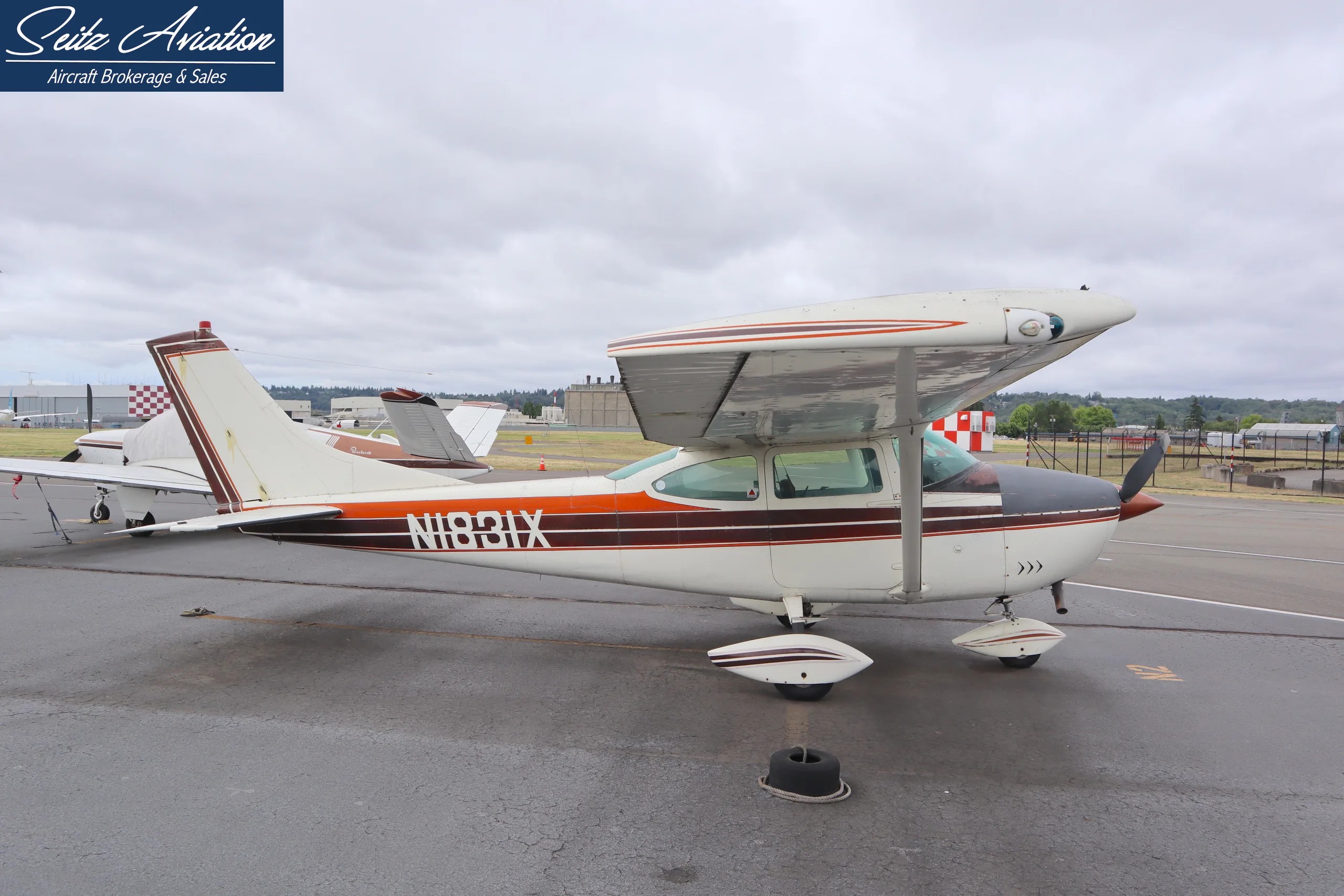
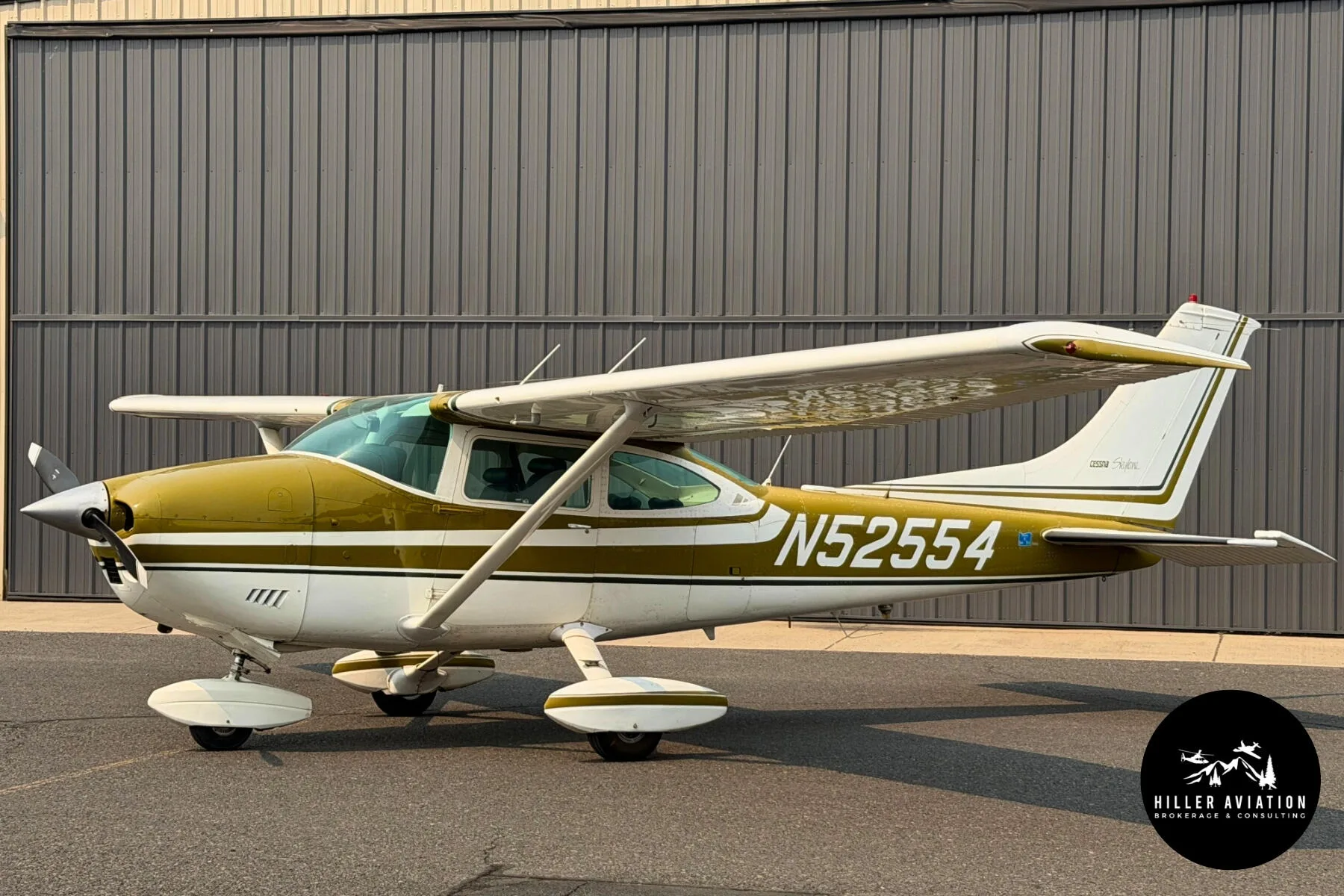
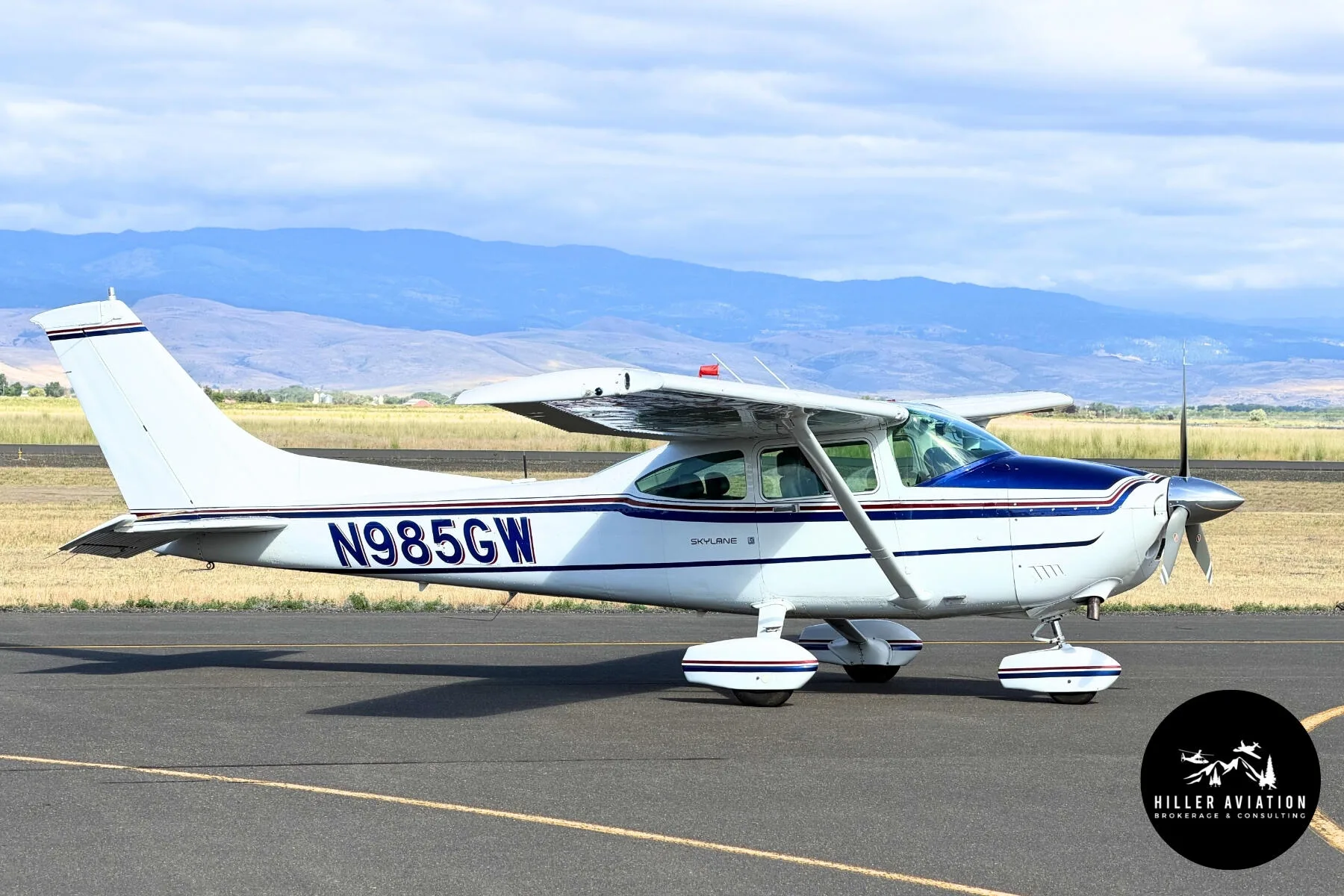
Free — save the 182 to your watchlist and track it in one place.
More Cessna TR182 Turbo Skylane RGmanuals & documents
Related documents
- Cessna T182 Turbo Skylane Model GuideCessna T182 Turbo Skylane · Model Guide
- CESSNA T-182 Turbo Skylane Model GuideCESSNA T-182 Turbo Skylane · Model Guide
- Cessna R182 Skylane RG Model GuideCessna R182 Skylane RG · Model Guide
- CESSNA Turbo Skylane T182T Model GuideCESSNA Turbo Skylane T182T · Model Guide
- CESSNA TURBO 182T SKYLANE Model GuideCESSNA TURBO 182T SKYLANE · Model Guide
If you fly the Cessna TR182 Turbo Skylane RG, you may also be researching these.


In this document
Performance (handbook)
Takeoff ground roll is 820 ft and 1570 ft over a 50 ft obstacle. Landing ground roll is 600 ft and 1320 ft over 50 ft. Sea-level climb is 1040 fpm. Certificated maximum operating altitude is 20,000 ft. Stall speed is 54 kt clean and 50 kt with gear and flaps down.
Engine and turbo system
The engine is an Avco Lycoming O-540-L3C5D rated 235 hp at 2400 rpm, with a recommended TBO of 1,800 hours. It is carbureted and has a Garrett turbosupercharger. A variable waste gate is operated by the second half of throttle travel. A relief valve is designed to open at 34 inches. The handbook approves 100LL and 100 grade fuel.
What to check when buying
Look for any history of overboost above 31 inches. Check the EGT gauge and cylinder-head and oil temperature gauges. The reviewer recommends the optional carburetor air temperature gauge. Inspect the optional 48-cubic-foot oxygen system, including the tank, masks and gauge. Fuel tanks are in the wings, and the caps are on top of the wing.
Safety notes
- Keep manifold pressure at or below 31 inches. The reviewer would not rely on the relief valve, which is designed to open at 34 inches.
- Turbo altitudes are unpressurized. In the review the optional oxygen tank ran out after a bit over three hours, so check tank pressure and gauge.
- The reviewer names ice as the main remaining enemy for turbo singles of this type once radar or storm detection is fitted.
Full document text
Cessna TR182 Turbo Skylane RG Model Guide The Cessna TR182 Turbo Skylane RG is a four-seat, retractable-gear single sold from 1978 to 1986. It has a turbocharged 235 hp Avco Lycoming six-cylinder and a constant-speed propeller. The handbook lists 3100 lb maximum takeoff weight, 92 gal of fuel (88 usable) and a 200 lb baggage allowance. Its main appeal is fast cruise at altitude, up to 20,000 ft. • Handbook speeds: 187 kt maximum and 173 kt cruise (75% power) at 20,000 ft. At 10,000 ft, cruise is 158 kt. • Fuel is 92 gal total, 88 usable. 75% cruise range with 45-minute reserve is 845 nm at 10,000 ft and 875 nm at 20,000 ft. • The turbo needs hands-on power management. Maximum manifold pressure is 31 inches and the engine is easy to overboost. • Standard empty weight is 1764 lb against 3100 lb maximum takeoff weight. Baggage is limited to 200 lb. Performance (handbook) Takeoff ground roll is 820 ft and 1570 ft over a 50 ft obstacle. Landing ground roll is 600 ft and 1320 ft over 50 ft. Sea-level climb is 1040 fpm. Certificated maximum operating altitude is 20,000 ft. Stall speed is 54 kt clean and 50 kt with gear and flaps down. Engine and turbo system The engine is an Avco Lycoming O-540-L3C5D rated 235 hp at 2400 rpm, with a recommended TBO of 1,800 hours. It is carbureted and has a Garrett turbosupercharger. A variable waste gate is operated by the second half of throttle travel. A relief valve is designed to open at 34 inches. The handbook approves 100LL and 100 grade fuel. What to check when buying Look for any history of overboost above 31 inches. Check the EGT gauge and cylinder-head and oil temperature gauges. The reviewer recommends the optional carburetor air temperature gauge. Inspect the optional 48-cubic-foot oxygen system, including the tank, masks and gauge. Fuel tanks are in the wings, and the caps are on top of the wing. Safety notes: • Keep manifold pressure at or below 31 inches. The reviewer would not rely on the relief valve, which is designed to open at 34 inches. • Turbo altitudes are unpressurized. In the review the optional oxygen tank ran out after a bit over three hours, so check tank pressure and gauge. • The reviewer names ice as the main remaining enemy for turbo singles of this type once radar or storm detection is fitted.