
Cessna 206 N168SA Checklist
Checklist for the Cessna T206
PDF, 1 page, 30 KB, from Sprinkle’s own files.
What it covers
This document is a checklist for the Cessna 206, specifically tailored for the aircraft with registration N168SA. It provides a comprehensive guide for pilots to follow before starting the engine, during taxi, takeoff, in-flight operations, and after landing. The checklist is designed to ensure safety and operational efficiency, covering critical pre-flight checks, engine start procedures, and post-landing protocols. It includes specific power settings and mixture adjustments for various altitudes, making it a valuable resource for pilots operating this aircraft model.
Key points
- Ensure cowl flaps are open before starting the engine.
- Check oil pressure and lights before taxiing.
- Perform magneto checks with less than 150 RPM drop each and less than 50 RPM between.
- Set power to 24" and 13.0 GPH at 6000 ft altitude.
- Follow specific procedures for engine start if the engine does not run.
Main sections
Before Starting Engine
This section outlines the necessary checks and settings before starting the engine, including ensuring seat belts are fastened, cowl flaps are open, and electrical equipment is set correctly. It emphasizes the importance of checking the fuel and propeller settings, as well as the ignition sequence.
Before Takeoff
Pilots are reminded to check seat belts, doors, flaps, trim, lights, and transponder settings before takeoff. The checklist specifies the correct power and propeller settings for takeoff, as well as the climb-out procedure, including the recommended climb speed and altitude.
Pre Takeoff - Runup
This section details the run-up checks that must be performed before takeoff, including verifying flight controls, instruments, fuel levels, and conducting magneto checks. Specific RPM drop limits are provided to ensure engine performance is within acceptable parameters.
Descent and Landing
Guidelines for descent and landing are provided, including power settings and mixture adjustments. The checklist emphasizes the importance of checking the landing gear, fuel pump, and ensuring the mixture is set correctly for landing.
After Landing
Post-landing procedures are outlined, including checks for flaps, cowl flaps, and transponder settings. The checklist also includes steps for engine shutdown and securing the aircraft after landing.
Safety notes
- If the engine does not start, leave the fuel pump off and set the mixture to idle before cranking.
- Allow the starter motor to cool if the engine does not start after 15 seconds of cranking.
The document’s text
Show the text read from the PDF
Before Starting Engine Seat Belts Cowl Flaps Avionics Electrical Equip Master Switch Circuit Breakers Beacon Fuel Propeller Brakes Cold Start Mixture Throttle Fuel Pump Throttle (until 8-10GPH, then IDLE) Fuel Pump Prop Area Ignition Throttle Ignition Throttle Alternator Hot Start ON OPEN OFF OFF ON IN ON FULLEST HIGH RPM SET RICH CLOSED ON ADVANCE OFF CLEAR START ADVANCE REL. on start 1,000 RPM ON Before Takeoff Seat Belts Door/Window Flaps Trim Lights Transponder Propeller Mixture Cowl Flaps Normal Takeoff Rotate Climb Vy Flaps Above 1000' AGL Climb enroute Power Propeller Mixture Cruise Power Propellor Mixture Trim Cowl Flaps ON LATCH SET 0-20 SET ON ALTITUDE HIGH RPM RICH OPEN 50 70-80 UP 100 30"MP 2500RPM 20GPH 15-30”MP 22-2500RPM SET SET CLOSED Start - Runup Cessna 206 N168SA Before Taxi Oil Pressure Lights Avionics Transponder Mixture (for taxi) Brakes Pre Takeoff - Runup Flight Controls Flight Instruments Fuel Fuel Pump Cowl Flaps Trim Mixture Throttle Magnetos < 150 RPM drop each < 50 RPM between Propeller RPM drop Manifold increase Oil pressure drop Vacuum Oil Temp Oil Pressure Fuel Pressure Throttle Throttle Friction Ammeter O85 CTAF RDD ATIS O85 ELEVATION GREEN AS REQ ON & SET STANDBY LEAN 1” CHECK CHECK CHECK FULLEST OFF OPEN SET RICH 1700 RPM CHECK CYCLE x3 4.8-5.1 GREEN GREEN CHECK 1000 RPM ADJUST CHECK 122.8 124.1 720 feet Descent Power (slowly) Fuel Pump Mixture Cowl Flaps Before Landing Auto-pilot Landing Light Fuel Pump Gas Undercarriage Mixture Propeller Seat belts Flaps Final Approach After Landing Flaps Cowl Flaps Mixture (for taxi) Transponder Engine Shutdown Avionics 2 min. @ taxi/idle Mixture Magnetos Master Switch Hobbs/Tach Tiedown, Control lock REDUCE OFF SET as req. CLOSED OFF ON OFF FULLEST DOWN SET SET ON 10º <140 20º+ <100 65-75 UP OPEN LEAN 1” STBY OFF TO COOL CUTOFF OFF&OUT OFF RECORD INSTALL Takeoff - Landing Cessna 206 N168SA If engine does not continue to run, reprime 8-10GPH. If engine does not start, leave fuel pump off, set mixture to idle, open throttle, and crank until engine fires or for approxi- mately 15 seconds. If still unsuccessful, start again using the normal starting procedure after allowing the starter motor to cool. Power Settings - 2400RPM 6000ft 24” 13.0GPH 10000ft 24” 13.3GPH 16000ft 24” 13.5GPH -- 1 of 1 --
Read from the PDF by machine, so tables and diagrams come out rough. The PDF is the document.
More Cessna T206 documents
All 21 →- Aircraft Ops & Stan/Eval
This document serves as a checklist and operational guide for pilots flying within the Civil Air Patrol (CAP) using various aircraft models, including the Cessna T206H. It provides standardized procedures and safety guidelines to ensure effective and safe flight operations. The document outlines the responsibilities of pilots, aircraft specifications, and operational trends, and it emphasizes the importance of compliance with both CAP and FAA regulations. It is intended for CAP pilots and personnel involved in flight operations, offering insights into aircraft management, flight evaluations, and training requirements.
- CESSNA T206 Model Guide
CESSNA T206 is a turbocharged single-engine piston airplane. The figures here come from the T206H handbook supplement. It has a 3789 lb max takeoff weight, 87 gal of usable fuel and 176 kt top speed at 17,000 ft. One state patrol unit lists a 310 hp Lycoming IO-540 and a rear cargo door. Buyers should check autopilot and door-egress service items.
- Airworthiness Bulletin AWB 52-006 Issue 2 - 02 January 2025
This Airworthiness Bulletin (AWB) serves as an advisory document for operators and pilots of Cessna 206 series aircraft, including the T206H model. It addresses a potential issue regarding emergency egress from the rear cargo door, particularly when the flaps are extended. The bulletin highlights a specific incident where a U206G experienced difficulty in exiting through the rear cargo door due to flap obstruction. While the bulletin does not mandate compliance, it provides recommendations for interim actions to enhance safety during emergency situations. Operators are encouraged to review related Airworthiness Directives and implement suggested practices to mitigate risks associated with this issue.
- Placards And Markings - Emergency Exit Warning Placard Installation
This service bulletin, SEB-11-05, addresses the installation of an emergency exit warning placard for various Cessna 206 models. It is mandatory for compliance during the next 100-hour or annual inspection, or within 12 months of publication. The bulletin outlines the necessary parts and instructions for installation, emphasizing the importance of proper placement for visibility from the pilot's seat. It also includes compliance requirements and maintenance practices that must be followed. The document is intended for aircraft owners and mechanics involved in maintaining Cessna 206 series aircraft.
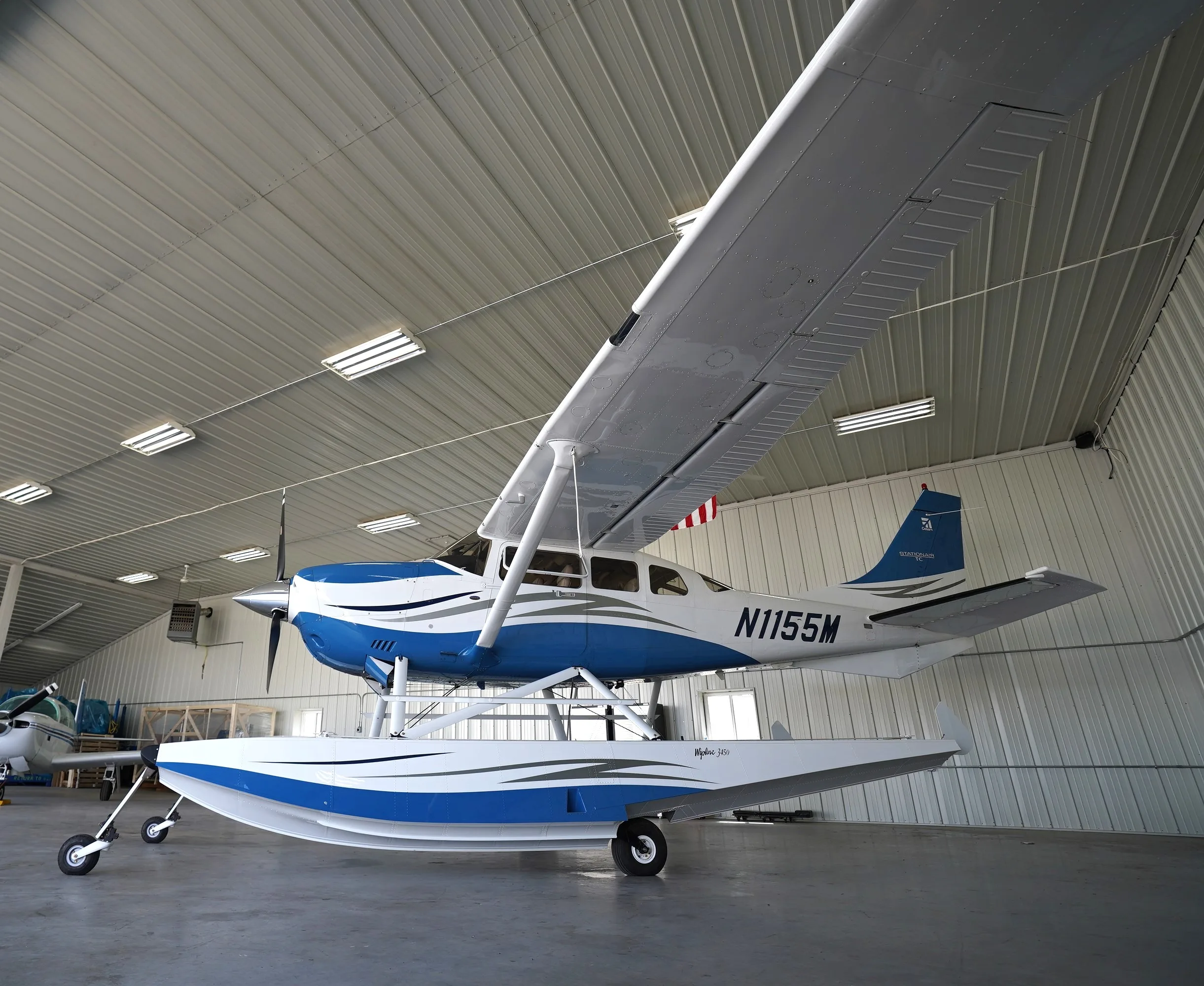
- Parts Manual For Wipline Model 3450 Floats On Cessna 206
This document is a parts manual specifically for the Wipline Model 3450 floats designed for the Cessna 206 aircraft. It provides detailed information on the various components and assemblies that make up the float system, including hull bulkhead assemblies, wheel well assemblies, skins, stiffeners, and the hydraulic and electrical systems. The manual is intended for maintenance personnel and aircraft owners who require precise part numbers and descriptions for ordering and servicing the float system. It includes a comprehensive parts list, assembly instructions, and diagrams to assist in the installation and maintenance of the floats.
- Navigation - G1000 NXI With Esp Software Update To Version 2501.10 That Turns Off The Autopilot Engagement At Low Airspeed
This Service Bulletin (SEB-34-21) addresses a software update for the G1000 NXI navigation system in Cessna aircraft, specifically targeting the T206H and 182T models. The update modifies the Electronic Stability Protection (ESP) system to prevent autopilot engagement at low airspeeds, which can be critical during training maneuvers. The bulletin provides detailed instructions for mechanics on how to implement the software update, including compliance recommendations and necessary precautions to avoid system failures during the update process. It emphasizes the importance of following the outlined procedures to ensure the aircraft's avionics operate correctly and safely after the update.
Service Bulletins · 2021PDF · 16 pages · 270 KB of Navigation - G1000 NXI With Esp Software Update To Version 2501.10 That Turns Off The Autopilot Engagement At Low Airspeed, opens in a new tabRequest removal of Navigation - G1000 NXI With Esp Software Update To Version 2501.10 That Turns Off The Autopilot Engagement At Low Airspeed - Service Letter 239
This document is a service letter specifically addressing the hydraulic pump replacement for Cessna 206 aircraft equipped with 4000A floats. It provides detailed instructions for compliance with the replacement procedure, which is optional. The letter includes information about the service kit, parts required, and compliance methods. It is intended for maintenance personnel and technicians working on Cessna 206 aircraft. The document outlines the necessary steps to ensure proper installation and functionality of the hydraulic pump, along with warranty information and technical data related to the service.
- Airworthiness Directive CF-2020-10
This document is an Airworthiness Directive (AD) issued by Transport Canada concerning the Cessna T206H and other related models. The AD addresses safety concerns regarding emergency egress through cargo doors located at the aft right-hand side of the cabin. It outlines compliance requirements for operators of affected aircraft to ensure that emergency exits are functional and accessible. The directive includes operating limitations, corrective actions, and modifications necessary to enhance safety and mitigate risks associated with emergency egress. The document is crucial for pilots and maintenance personnel to understand the implications of the AD on aircraft operation and configuration.
Cessna 206 for sale now
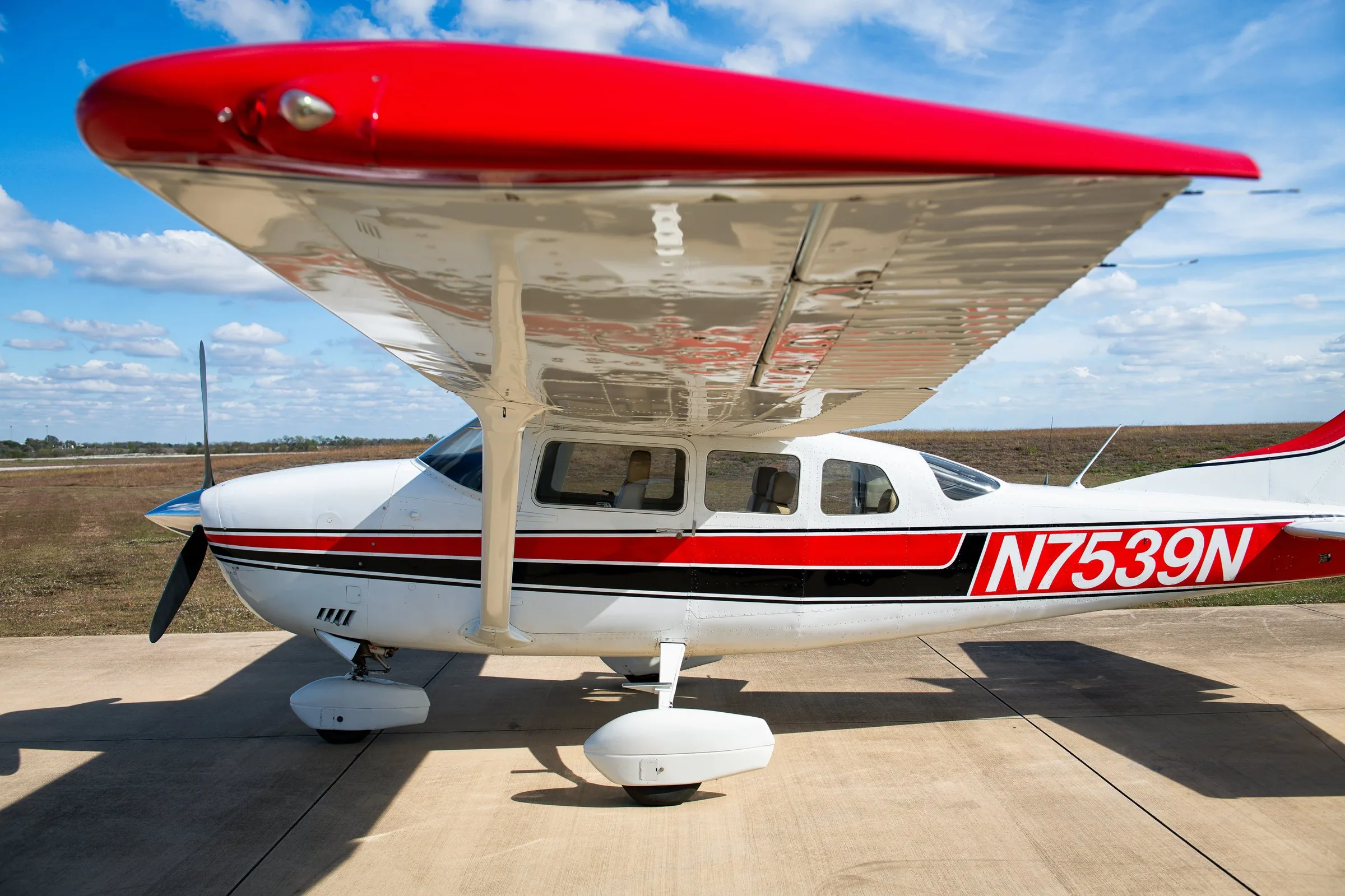
View all 95 for sale →Aircraft that this checklist covers, listed on the sites Sprinkle reads. Asking prices, not sales. Cessna 206 asking prices by year built.

Also useful for the Cessna T206
From Sprinkle’s library of aircraft documents. PDFs open from Sprinkle’s own files. Read Mar 6, 2026.
Want this document taken down? Request removal