FAA Safety Briefing
CESSNA 170B · Checklist
Overview
This document serves as a passenger safety briefing checklist for pilots operating general aviation aircraft, specifically tailored for the Cessna 170B. It outlines the essential safety protocols that pilots must communicate to their passengers before takeoff. The checklist emphasizes the importance of securing seat belts, understanding environmental controls, and knowing emergency procedures. It also encourages pilots to engage passengers in discussions about safety equipment and traffic awareness during the flight. This document is intended for pilots who want to ensure a safe and informed flying experience for their passengers.
- Ensure all passengers are briefed on seat belt and shoulder harness operation before takeoff.
- Demonstrate the location and operation of environmental controls to passengers.
- Show passengers the location of the fire extinguisher and instruct them on its use.
- Brief passengers on emergency exit procedures and the location of survival equipment.
- Encourage passengers to assist in traffic spotting and clarify communication expectations during flight.
Document
Source
Originally published by www.faasafety.gov. Sprinkle hosts a reference copy with an added summary, specifications and searchable full text.
Document details
- Type
- Checklist
- Year
- 2014
- Pages
- 2
- File size
- 140 KB
- Publisher
- www.faasafety.gov
Common. One of the most common aircraft types we track.
Full essential library on file for the CESSNA 170B.
CESSNA 170B for sale now


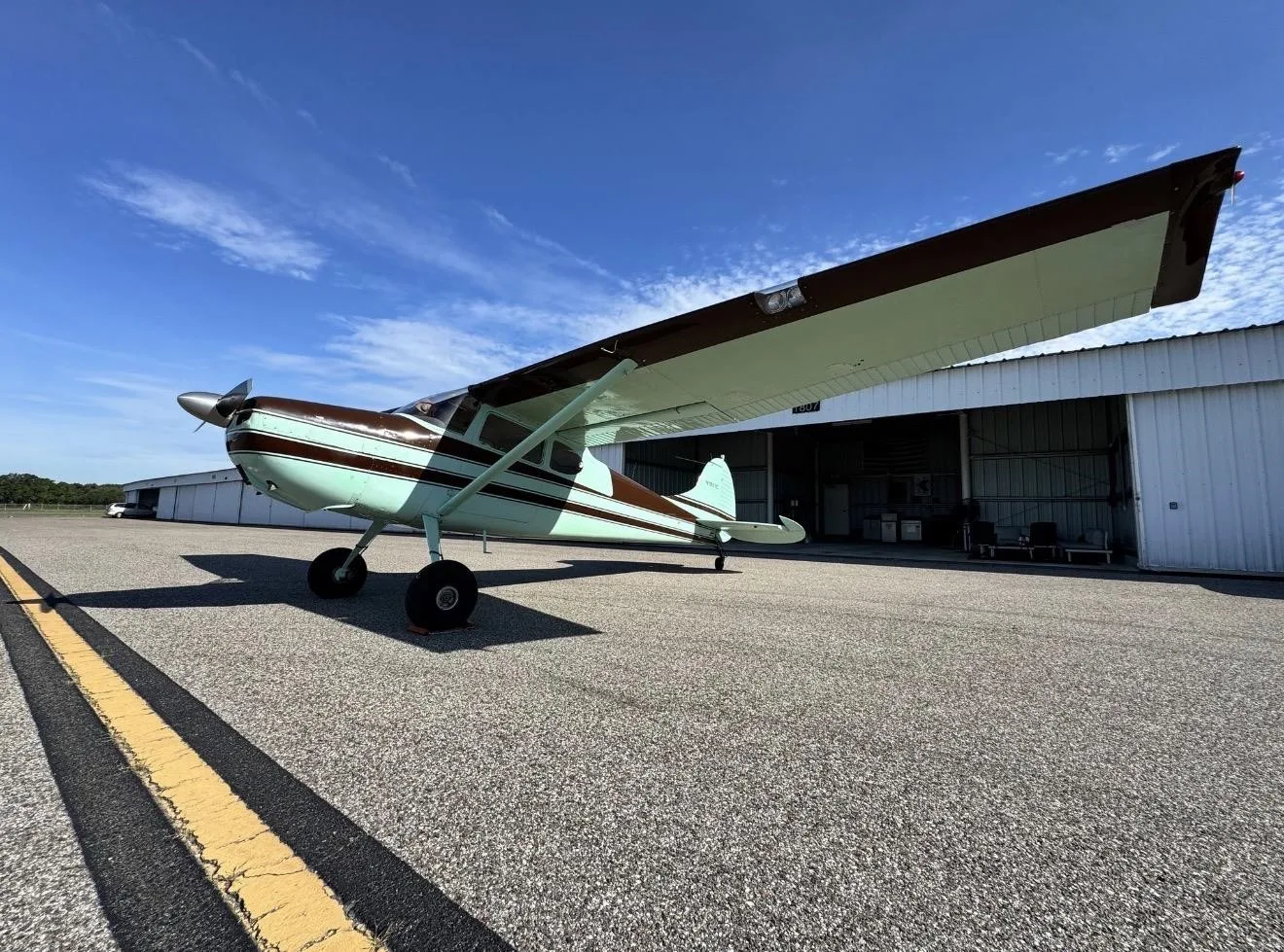
Free — save the 170B to your watchlist and track it in one place.
More CESSNA 170Bmanuals & documents
See all 41 →- Dynon Certified SkyView HDX Systems DescriptionSystems Description
- Cessna 170 & C305A (USAF O‐1A) T3 Tailwheel Suspension System Installation InstructionsWeight And Balance
- Instructions for Continued AirworthinessSystems Description
- Service Bulletin: SB-001 Rev CService Bulletins
- Component Maintenance Manual for External Design Wheels ...Maintenance Manual
- Instructions for Continued Airworthiness No. ICA17025Weight And Balance
- Technician’s Service GuideTraining Manual
- Aviation Safety Letter ASL 2/2020Emergency Procedures
- Emergency ProceduresEmergency Procedures
- FAA PARTS MANUFACTURING APPROVALS (PMA) & SUPPLEMENTAL TYPE CERTIFICATE APPROVALS (STC)Supplemental Type Certificate
- Type Acceptance Report TAR 8/21B/24 – Cessna 170 SeriesMaintenance Manual
- Cessna Flyer - April 2015Other Documents
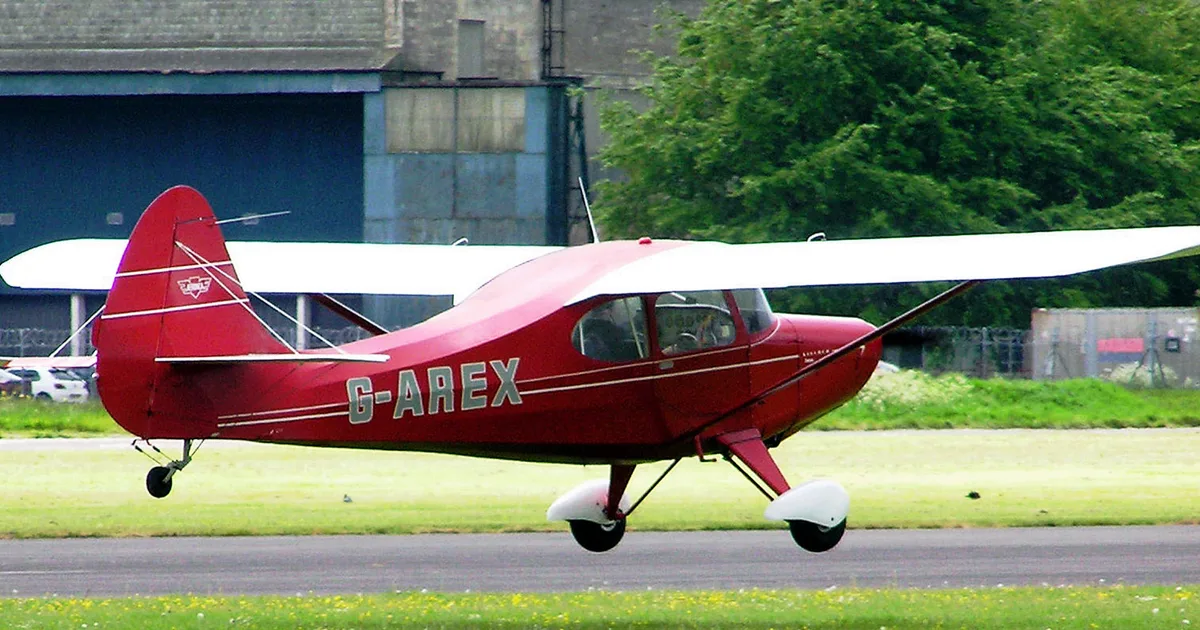
If you fly the CESSNA 170B, you may also be researching these.




In this document
Seat Belts and Harnesses
The pilot in command (PIC) must ensure that all passengers are briefed on how to fasten and unfasten their seat belts and shoulder harnesses. It is crucial that all seat belts are fastened before takeoff, landing, or any movement on the surface.
Environmental Controls
Pilots should show passengers the location of air vents and explain how to operate them. It's also important to discuss any additional environmental controls, such as cabin heat, and to advise passengers to notify the pilot if they need adjustments.
Fire Extinguisher
If a fire extinguisher is onboard, the pilot must demonstrate its location and operation to all passengers, ensuring they know how to use it in case of an emergency.
Emergency Procedures
Passengers should be briefed on how to open and secure exit doors, as well as the emergency evacuation plan. This includes designating a gathering point after evacuation and informing passengers about the location of survival equipment.
Traffic Awareness and Communication
Pilots should encourage passengers to help scan for traffic and to communicate any sightings. Additionally, passengers should be informed about when it is appropriate to speak to the pilot, particularly during critical phases of flight.
Safety notes
- Seat belts must be fastened before takeoff, landing, or any movement on the surface.
- Passengers should notify the pilot immediately if they feel uncomfortable during the flight.
Full document text
24 FAA Safety Briefing July/August 2014 Passenger SAFETY Briefing S A F E T Y Seat belts fastened for taxi, takeoff, landing. Shoulder harnesses fastened for takeoff, landing. Seat position adjusted and locked in place. Air vents (location and operation). All environmental controls (discussed). Action in case of any passenger discomfort. Fire extinguisher (location and operation). Exit doors (how to secure; how to open). Emergency evacuation plan. Emergency/survival kit (location and contents). Traffic (scanning, spotting, notifying pilot). Talking ("sterile cockpit" expectations). Your questions? (Speak up!). Checklist SUS A N PA R SON July/August 2014 FAA Safety Briefing 25 You are undoubtedly familiar with the passenger safety briefing that flight attendants provide on commer- cial airliners. Did you know that the FAA also requires private pilots to ensure that their passengers get a pre- takeoff safety briefing? If you are a right-seat passenger looking for ways to get more involved in GA flight activi- ties, here’s a checklist you can run on the pilot’s behalf. Seatbelts The regulations give the pilot in command (PIC) two specific tasks with regard to seat belts and shoulder harnesses. First, the PIC must ensure that each person on board is briefed on how to fasten and unfasten that person’s seat belt and, if installed, shoulder harness. Second is a duty to notify passengers that seat belts must be fastened before the pilot can legally take off, land, or “cause (an aircraft) to be moved on the surface.” It is also a good idea to brief your passengers on how to adjust and lock each seat into position. Air The second major item is environmental controls. Show all passengers where the air vents are located, and tell them how to open and close overhead and/or floor- level vents in their seating area. Many GA airplanes have other environmental controls (e.g., cabin heat) located somewhere on the instrument panel. If passengers are airplane-savvy, show them how to adjust some or all of these controls. Unless passenger have some experience in GA aircraft, though, it may be best to tell them to let you know if they need you to make adjustments. The subject of air brings up a more delicate issue — airsickness. Opinions differ widely on whether, and how, to discuss this topic. Some advocate a direct approach, including a full briefing on location and use of airsickness bags. Others believe that a specific briefing triggers the power of suggestion in potentially queasy passengers, and prefer to avoid the subject entirely. You be the judge, but at a minimum you want passengers to tell you right away if they feel uncomfortable. Fire Extinguisher If you have a fire extinguisher on board — you do, right? — show all passengers where it is located, how to unlatch it from its mount, and how to use it in the unlikely event of a fire. Equipment Make sure all passengers know how to open the door(s) in the event of an emergency evacuation, but it is also important for them to know how to properly secure the door(s). Be sure to explain any equipment, such as supplemental oxygen, that passengers are expected to use during the flight. For emergency preparation purposes, develop and brief exit procedures. This step is especially important in airplanes with doors on both sides of the fuselage. For example, your plan might call for keeping the left (pilot) seat forward to allow rear seat passen- gers to exit via the left door, with front seat occupants exiting via the right. Designate a post-exit gathering point and, if you carry survival equipment, make sure everyone knows where it is stowed. Traffic and Talking It never hurts to have extra eyes scanning for traf- fic, so brief passengers to speak up whenever they spot other aircraft. A simple “airplane on the right” will suf- fice, but you might teach them to give you traffic infor- mation in terms of the “o’clock” positions used by ATC. Expectations for communications — talking — is another good topic to include. Passengers will cer- tainly understand that there are times when the pilot needs to focus fully on flying. Let passengers know that they should not attempt to talk to the pilot (except for traffic point-outs) during the busy takeoff/ climb and approach/landing phases of the flight. Passengers should also minimize their own conversations during these times. Your Questions? Give passengers an opportunity to ask questions about any part of the flight. Since some passengers may be intimidated by the novelty of GA flying or embarrassed to ask “dumb” questions, watch for any signs of confusion or concern. Make a special effort to invite those questions needed to clarify any part of the briefing they did not understand. The question time is a great opportunity to reassure a reluctant rider, or to encourage a potential future pilot’s interest in aviation. Checklist complete! Susan Parson (susan.parson@faa.gov, or @avi8rix for Twitter fans) is editor of FAA Safety Briefing. She is an active general aviation pilot and flight instructor. Learn More For a more detailed version of this approach to the pas- senger safety briefing, see page 8 January/February 2007 issue of FAA Aviation News which can be found here: http://www.faa.gov/news/safety_briefing/2007/media/ JanFeb2007.pdf S-A-F-E-T-Y Briefing
What's in the CESSNA 170B TCDS
A Type Certificate Data Sheet (TCDS) is the FAA's record of what an aircraft type was approved as. It is the source of truth for weights, seating, fuel and the rules the design was certified against. Expand any line to see what it means.
261 CESSNA 170B parts for sale
See all →



Parts listed for sale by vetted eBay sellers — confirmed on eBay at checkout.