Department of the Air Force Guidance Memorandum to DAFI 24-605V2 Air Transportation Operations
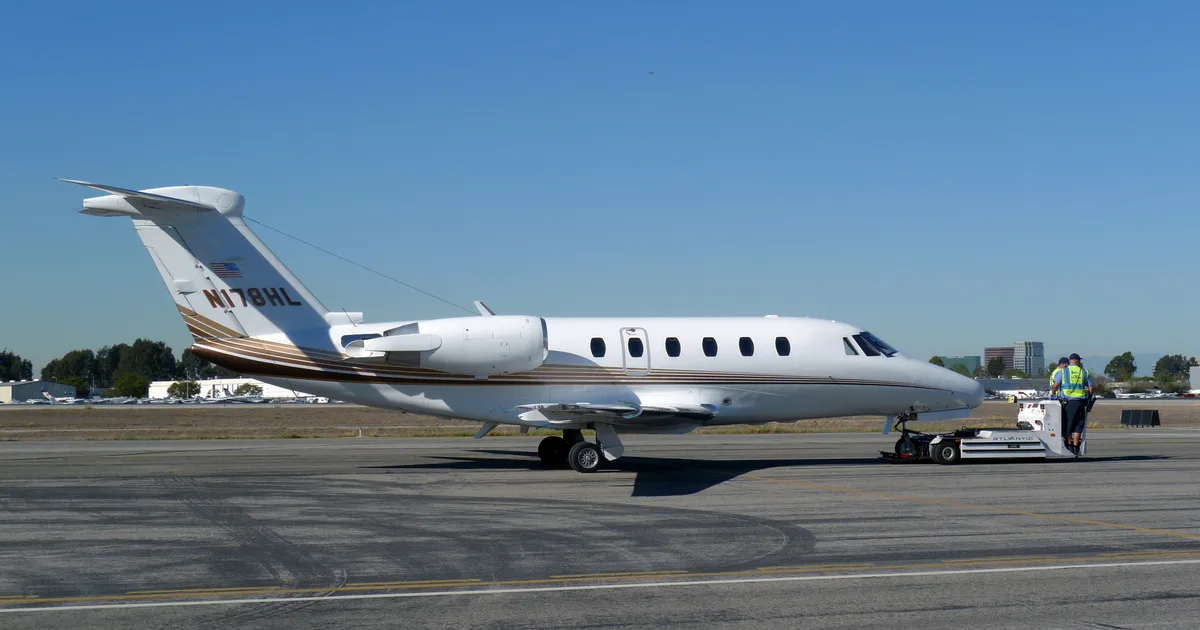
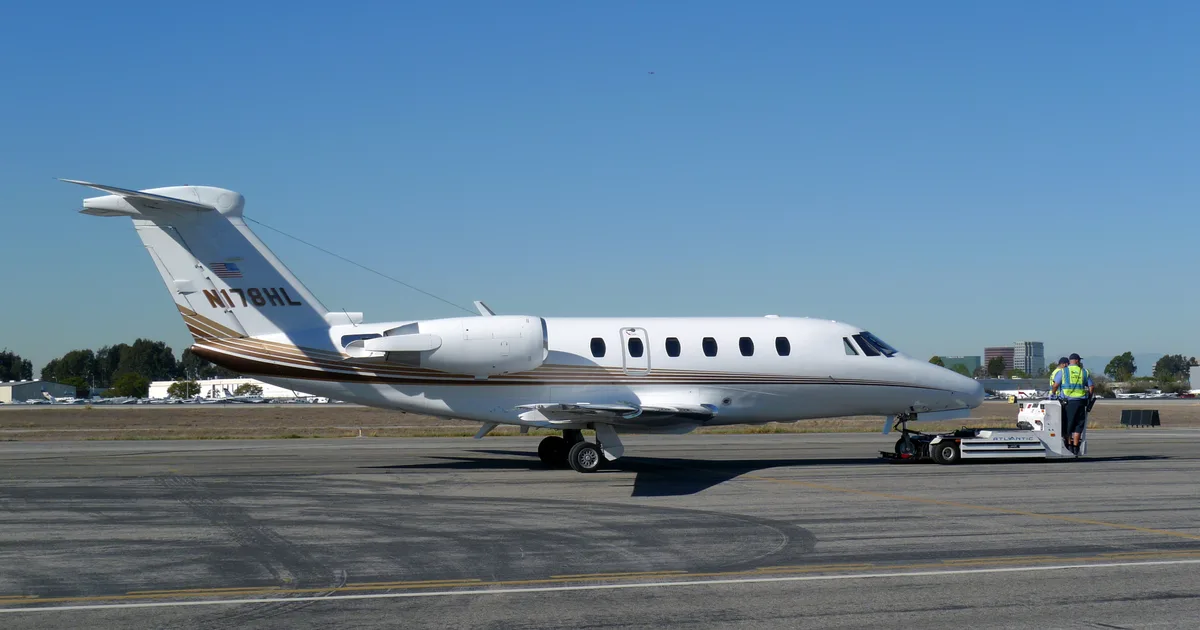
Cessna Citation VI · Checklist
Overview
This document is a Guidance Memorandum from the Department of the Air Force regarding Air Transportation Operations. It outlines mandatory compliance changes to existing instructions, specifically DAFI 24-605V2. The memorandum is directed at all Air Transportation personnel, including airmen, civilians, and contractors, and details updates to procedures and responsibilities. Key changes include the implementation of a Load Team Chief Checklist and revisions to contact information for Passenger Services Agents. The document emphasizes safety and operational efficiency in air transportation operations.
- Mandatory compliance with updated Air Transportation Operations procedures.
- Load Team Chief must conduct safety briefings before operations.
- Emergency procedures for MHE and aircraft fires must be followed meticulously.
Document
Source
Originally published by static.e-publishing.af.mil. Sprinkle hosts a reference copy with an added summary, specifications and searchable full text.
Document details
- Type
- Checklist
- Year
- 2026
- Pages
- 193
- File size
- 3.6 MB
- Publisher
- static.e-publishing.af.mil
Common. Rarer than 6% of the aircraft models we track.
Most owners only have the POH. Here's the essential set for the Cessna Citation VI.
- Pilot's Operating Handbook / AFM
- Checklist
- Maintenance Manual
- Parts Catalog (IPC)
- Systems & Wiring
- Service Bulletins
- Type Certificate (TCDS)
Cessna Citation VI for sale now
Free — save the Citation VI to your watchlist and track it in one place.
More Cessna Citation VImanuals & documents
If you fly the Cessna Citation VI, you may also be researching these.


In this document
Load Team Safety Brief
The Load Team Chief is responsible for conducting a safety brief before all load team operations. This includes assessing inclement weather, ensuring personal protective equipment is worn, and identifying personnel roles. Safety protocols during loading and unloading operations are emphasized, including maintaining positive control of cargo and establishing evacuation routes.
Load Team Chief Emergency Procedures
In the event of a fire involving Material Handling Equipment (MHE) or cargo, specific emergency procedures must be followed. This includes stopping MHE, extinguishing fires if practical, evacuating personnel, and notifying emergency services. Detailed incident procedures are outlined to ensure safety and accountability.
Load Team Chief Checklist
The Load Team Chief must follow a checklist that includes reviewing load setup, assigning crew duties, ensuring the availability of loading equipment, and conducting safety briefings. The checklist also covers procedures for safely loading and unloading cargo, verifying personnel qualifications, and ensuring compliance with safety regulations.
Safety notes
- Personnel must wear appropriate personal protective equipment during operations.
- All safety protocols must be adhered to during loading and unloading to prevent accidents.
Full document text
DEPARTMENT OF THE AIR FORCE HEADQUARTERS UNITED STATES AIR FORCE WASHINGTON DC DAFI24-605V2_DAFGM2026-01 4 FEBRUARY 2026 MEMORANDUM FOR DISTRIBUTION C MAJCOMs/FLDCOMs/FOAs/DRUs FROM: AF/A4 1030 Air Force Pentagon, Suite 4C1065 Washington DC 20330-1030 SUBJECT: Department of the Air Force Guidance Memorandum to DAFI 24-605V2 Air Transportation Operations. By Order of the Secretary of the Air Force, this Guidance Memorandum immediately implements changes to DAFI 24-605V2, Air Transportation Operations. Compliance with this memorandum is mandatory. To the extent its directions are inconsistent with other Department of the Air Force publications, the information herein prevails, in accordance with Department of the Air Force Instruction (DAFI) 90-160, Publications and Forms Management. This guidance is applicable to all Air Transportation airmen, civilians, contractors, squadrons, groups, and wings. This memorandum revises contact information for Passenger Services Agents to update routing indicator information, implementation of a Load Team Chief Checklist, and expands on approving authority for contract station managers. This memorandum becomes void after one year has elapsed from the date of this memorandum, or upon publication of an interim change (IC) or rewrite of the affected publication, whichever is earlier. ELIZABETH E. ARLEDGE, Maj Gen, USAF Director of Logistics DCS/Logistics, Engineering & Force Protection Attachment: Guidance Changes ATTACHMENT Air Transportation Operations 2 Current guidance in Department of the Air Force Instruction 24-605V2, Air Transportation Operations, remains in effect with the following changes: 2.16.2 (CHANGED) PSAs must file information to include administrative addresses, organizational e-mail addresses (not an individual e-mail address), DSN and/or commercial telephone numbers. (T-2) 618 AOC/ALDRC creates and maintains RI files. To update information attached to the RI file, call DSN 312-779-4024, commercial (618) 229-4024, or e- mail 618aoc.aldrc.pocpax@us.af.mil. ATTACHMENT Air Transportation Operations 3 Table A8.1. (CHANGED) Load Team Safety Brief Load Team Safety Brief Prior to all load team operations, the Load Team Chief will brief the following safety items. Safety is a priority! General Safety Items • Inclement weather conditions if applicable (winds, temperatures, lightning, snow, darkness, etc.) • Personal protective equipment (gloves, boots, hearing protection, light wands and reflective belts/vests, ERO goggles, etc.) and removed all jewelry (earrings, necklaces, watches, rings of any material type, etc.) • Airfield safety, identify personnel roles, and upload/download requirements based upon LTC collaboration with loadmaster, boom operator, APEX Load Director, or commercial contract representative on safety, personnel roles, and upload/download requirements • During aircraft on-load/off-load operations, load teams will maintain positive control of palletized cargo and/or rolling stock until cargo is secured to the aircraft rail system, floor, or MHE • Personnel will not walk between the spotter and the vehicle being spotted during aircraft on/off-loading operations • Stop/correct all unsafe operations immediately • Detailed operations briefing concerning all aspects of the load and danger zones (e.g., between aircraft and loading equipment, aircraft ramp inclined, hazards associated with winch operations, etc.) • Be aware of fall hazards: use of safety harness • Established evacuation route(s), rally point and headcount for emergencies Explosive Safety Items (If applicable) • Hazard class/division and subsidiary hazards • Location and movement route • Aircraft and MHE/General purpose placards • Removal of all spark and flame producing devices (lighters, appropriate LMRs, cell phones, tablets, etc.) • Established evacuation route(s), rally point and headcount for emergencies ATTACHMENT Air Transportation Operations 4 Table A8.2. (CHANGED) LTC Emergency Procedures Load Team Chief Emergency Procedures MHE/Cargo Fire Procedures • Stop MHE Immediately (if at aircraft, back MHE away if practical) • Extinguish Fire (if practical) • Shut down MHE • Evacuate MHE operator and account for all personnel • Call ATOC to notify Fire Department/Crash Fire Rescue. Note: Notify emergency response personnel of hazardous materials and class/division of cargo on the MHE • Remove hazardous material (if accessible and practical) • Direct emergency response vehicles to fire • Complete incident report with local emergency responder Aircraft Fire Procedures • Extinguish Fire (if practical) • Evacuate the aircraft to the established evacuation route(s) and rally point • Call ATOC to notify Fire Department/Crash Fire Rescue. Note: Notify emergency response personnel of hazardous materials and class/division of cargo on the aircraft • Back all MHE away from the aircraft (if practical). • Account for all personnel. Render first-aid (as needed) Note: Inform Crash Fire Rescue of hazardous material aboard/personnel accountability Incident/Mishap Procedures • All personnel must be on constant alert for potential mishaps • Stop all operations • Do Not move MHE/vehicles unless directed by proper authority, except to prevent another mishap • Notify emergency services as needed • Render first-aid as needed • Call ATOC to notify any required emergency services • Direct witnesses and members involved with the incident to remain in the area for the ensuing investigation • Direct emergency services, as required • Complete incident/mishap report in accordance with local procedures ATTACHMENT Air Transportation Operations 5 Table A8.3. (CHANGED) Load Team Chief Checklist Load Team Chief Checklist Team Chief will follow all applicable steps of this guide Load Setup • Review SOEs • Setup load in accordance with load plan • Inspect Load o Pallet ID, Weight, Contour, and Destination o Tight/Serviceable Tie-down, Correct Pallet Couplers
Show full textShow less
o Pallet Damage o Serviceability/Cleanliness of Rolling Stock Prior to Aircraft Loading Operations • Assign crew duties (e.g., Spotter, Chocker, and Driver) o Verify personnel qualifications (GOV license, flight-line competency card, hazmat handler card, etc.) • Ensure availability of necessary aircraft loading equipment o Bridge plates, chock, shoring, prime mover, light wands, fall restraint harness, etc. o Review applicable ATTLA requirements • Conduct Safety Briefing - tailored to each mission with the aircrew representative (Ensuring team members are aware of emergency procedures, distances, and accountability locations) • Verify PPE requirements Aircraft Cargo On/Off-load • Coordinate cargo on/off-load with aircrew representative • Ensure aircraft floor is configured for type of cargo and clear of obstructions • Pre-position a chock before MHE approaches aircraft • Safely load/unload cargo (maintain positive control) at direction of the aircrew representative o Keep cargo locked/restrained when not being actively loaded o Ensure restraint is cleared from loader deck/aircraft floor as cargo moves o If applicable, follow appropriate TO/ATTLA cert. instructions o For rolling stock, Driver must place vehicle in park/neutral with brakes engaged and turn the vehicle off. The driver will remain in the vehicle until one forward and one aft restraint is applied before exiting the vehicle o Verify the pallet stop is correctly positioned at each stage of the load/offload operations • Apply supplemental restraint, as required or requested at the direction of the aircrew representative • When departing the aircraft, ensure MHE’s pallet stop is upright and secure, pallets locks are engaged (offload), restraint is applied/stowed, and a spotter is utilized • Reference LTC Emergency Procedures Checklist as needed ATTACHMENT Air Transportation Operations 6 Explosive Safety (If applicable) • Remove all spark and flame producing devices (lighters, appropriate LMRs, cell phones, tablets, etc.) and brief MHE/vehicle operators on authorized and alternate routes. • Contact ATOC to verify the Fire Department/Base Operations has been notified of explosives movement operation and have been passed the below information: • 1) Hazard class/division • 2) Subsidiary hazards • 3) Location and movement route • 4) Timeframe of movement/loading operations • Ensure aircraft and MHE/General Purpose vehicles are placarded (as required) • Established evacuation route(s) and rally point for emergencies A9.4.4.1. (CHANGED) Designated in writing by the unit commander or by the station manager at AMC Air Terminal Ground Handling Services and contracted Navy-operated AMC terminals. BY ORDER OF THE SECRETARY OF THE AIR FORCE DEPARTMENT OF THE AIR FORCE INSTRUCTION 24-605, VOLUME 2 30 JANUARY 2025 Incorporating Change 1, 20 FEBRUARY 2025 Transportation AIR TRANSPORTATION OPERATIONS COMPLIANCE WITH THIS PUBLICATION IS MANDATORY ACCESSIBILITY: Publications and forms are available for downloading or ordering on the e- Publishing website at www.e-Publishing.af.mil RELEASABILITY: There are no releasability restrictions on this publication OPR: AF/A4LR Certified by: AF/A4L (Colonel Andrew Marsiglia) Supersedes: AFI24-605V2, 2 July 2020 Pages: 187 This instruction implements Department of the Air Force Policy Directive (DAFPD) 24-6, Distribution and Traffic Management and establishes uniformity, standardization, and guidance for orderly and efficient Air Transportation operations. This publication applies to all civilian employees and uniformed members of the Regular Air Force (RegAF), the Air Force Reserve (AFR), the Air National Guard (ANG), the United States Space Force, the Civil Air Patrol when conducting missions as the official Air Force Auxiliary, and those with a contractual obligation to abide by the terms of Department of the Air Force (DAF) publication. Compliance with this publication and attachments is mandatory. This instruction may require the collection and or maintenance of information protected by the Privacy Act of 1974 authorized by Department of Defense Instruction (DoDI) 5400.11, DoD Privacy and Civil Liberties Program. This publication may be supplemented at any level, but all supplements must be routed to the Office of Primary Responsibility (OPR) of this publication for coordination prior to certification and approval. Major Commands (MAJCOMs) supplements are submitted to AF/A4LR at AF.PORTDAWGS.2T2Workflow@us.af.mil. The authority to waive wing, unit, delta, or garrison level requirements in this publication are identified with a Tier (“T-0, T-1, T-2, or T-3”) number following the compliance statement. See Department of the Air Force Manual (DAFMAN) 90-161, Publishing Processes and Procedures, for a description of the authorities associated with the tier numbers. Submit requests for waivers through the chain of command to the appropriate tier waiver approval authority or alternately to the requestor’s commander for non-tiered compliance items. All approved waivers must be sent to AF/A4LR AF.PORTDAWGS.2T2Workflow@us.af.mil, within 30 days of approval, for situational awareness and process improvement considerations. For questions on interpreting this instruction, 2 DAFI24-605V2 30 JANUARY 2025 first contact your MAJCOM functional activity. Refer recommended changes and questions about this publication through your assigned MAJCOM, AFR or ANG, to the OPR using the DAF Form 847, Recommendation for Change of Publication; route DAF Forms 847 from the field through the appropriate functional chain of command. Ensure all records generated as a result of processes prescribed in this publication adhere to Air Force Instruction (AFI) 33-322, Records Management and Information Governance Program, and are disposed in accordance with the Air Force Records Disposition Schedule, which is located in the Air Force Records Information Management System. This publication contains copyrighted material. The use of the name or mark of any specific manufacturer, commercial product, commodity, or service in this publication does not imply endorsement by the Department of the Air Force. SUMMARY OF CHANGES This interim change revises DAFI 24-605V2 by replacing the verbiage in paragraphs 2.132 and A5.2, replacing the word “gender” with “sex.” This interim change completely removes the word “gender” from the DAFI and is in compliance with Executive Order 14168, Defending Women from Gender Ideology Extremism and Restoring Biological Truth to the Federal Government, 20 January 2025. Chapter 1—ROLES AND RESPONSIBILITIES 13 1.1. Deputy Chief of Staff for Logistics, Engineering and Force Protection (AF/A4): .. 13 1.2. Air Mobility Command Air Transportation Division (AMC/A4T): ........................ 13 1.3. Major Command Commanders: ............................................................................... 13 1.4. Air Force Installation and Mission Support Center (AFIMSC): .............................. 13 Chapter 2—PASSENGER AND FLEET OPERATIONS 14 Section 2A—Passenger Operations 14 2.1. Overview. ................................................................................................................. 14 2.2. Safety. ...................................................................................................................... 14 2.3. Training Requirements. ........................................................................................... 16 2.4. Passenger Terminal and Facility Requirements. ...................................................... 16 2.5. Information Disseminated within Terminal. ............................................................ 18 2.6. Information Disseminated to the Public and Authorized Individuals. ..................... 19 2.7. Release of Traffic Records to Public. ...................................................................... 19 2.8. Passenger Terminal Website (Managed by Public Affairs). .................................... 19 2.9. Unruly Passengers.................................................................................................... 19 2.10. Denying Aircraft Boarding. ..................................................................................... 19 2.11. Passenger Ineligible List. ......................................................................................... 19 2.12. Passenger Management: Passenger Service Agent (PSA) Responsibilities. ........... 20 DAFI24-605V2 30 JANUARY 2025 3 2.13. Passenger Show and Check-in Times. ..................................................................... 21 2.14. Booking Control. ..................................................................................................... 21 2.15. Space-Required Passenger Sign-Up. ....................................................................... 21 2.16. Port Booking Passengers. ........................................................................................ 22 2.17. Passenger Customer Identification Code (CIC). ...................................................... 22 2.18. Special Account Handling (SAH) Procedures. ........................................................ 23 2.19. AMC Mobility Mission Observer (MMO). ............................................................. 23 2.20. Mission Essential Personnel (MEP)......................................................................... 23 2.21. Phoenix Raven (PR) Program. ................................................................................. 24 2.22. Inactive Duty Training (IDT)................................................................................... 24 Table 2.1. IDT non-billable CICs. ............................................................................................ 24 2.23. Opportune Airlift. .................................................................................................... 25 2.24. Displacing Revenue Cargo for Space-R Passengers. ............................................... 25 2.25. Space-A Sign-up. ..................................................................................................... 25 2.26. Liberty (Pass). .......................................................................................................... 26 2.27. In-person Sign-up. ................................................................................................... 26 2.28. Remote Sign-up. ...................................................................................................... 26 2.29. Basis for Determining Date and Time of Sign-up. .................................................. 26 2.30. Space-Available Standby Register. .......................................................................... 26 2.31. Expired Leave Authorization. .................................................................................. 27 2.32. Unaccompanied Minors. .......................................................................................... 27 2.33. Mark Present. ........................................................................................................... 27 2.34. Space-Available Roll Call........................................................................................ 27 2.35. Space-Available Upgrade. ....................................................................................... 28 2.36. Unique Mission Briefing. ........................................................................................ 28 2.37. Seat Refusal. ............................................................................................................ 28 2.38. Virtual Roll Call (VRC). .......................................................................................... 28 2.39. Passenger Check-in. ................................................................................................. 28 2.40. Checked Baggage Processing. ................................................................................. 29 2.41. Data Collection Requirements at Check-in.............................................................. 29 2.42. Group Travel. ........................................................................................................... 30 2.43. Weights. ................................................................................................................... 30 2.44. Meals........................................................................................................................ 30 4 DAFI24-605V2 30 JANUARY 2025 2.45. Overpacked In-flight Meal Service for Transportation Working Capital Fund (TWCF) Channel Missions. ..................................................................................... 33 2.46. Over packed In-flight Meal Service for Special Assignment Airlift Mission (SAAM)/Exercise Missions. .................................................................................... 34 2.47. In-flight Meal Schedule, Complimentary Snack and Beverage Service. ................. 34 2.48. In-flight Meal and Snack Meal Charges. ................................................................. 35 Table 2.2. Meal Charge by Traveler Type. ............................................................................... 35 2.49. Meal Refunds. .......................................................................................................... 35 2.50. Seat Assignment Policy. .......................................................................................... 35 2.51. Emergency Exit Seats. ............................................................................................. 35 2.52. Boarding Pass. ......................................................................................................... 35 2.53. Dispatch. .................................................................................................................. 35 2.54. Flight Close-out. ...................................................................................................... 36 2.55. Special Category Passengers.................................................................................... 37 2.56. Travel Aboard Foreign Aircraft. .............................................................................. 38 2.57. Unique Passengers. .................................................................................................. 38 2.58. Passenger Screening. ............................................................................................... 39 2.59. Carry-on Baggage Screening. .................................................................................. 40 2.60. Arrival and Departure Operations. ........................................................................... 40 2.61. Customs Documentation on Organic Aircraft. ........................................................ 41 2.62. Arrival Services. ...................................................................................................... 41 2.63. Manifesting Procedures. .......................................................................................... 41 2.64. Pre-manifest. ............................................................................................................ 42 2.65. Manifest Closeout. ................................................................................................... 42 2.66. Boarding Manifest. .................................................................................................. 42 2.67. Final Manifest. ......................................................................................................... 42 2.68. Missing Manifests. ................................................................................................... 42 2.69. Passenger Processing Manual Procedures. .............................................................. 43 2.70. Manifesting Classified Missions and Prohibited Information. ................................ 43 2.71. Contingency Manifesting. ........................................................................................ 43 2.72. Space-Available Passenger Removal. ...................................................................... 43 2.73. Rotating Passengers. ................................................................................................ 44 2.74. Questionable Travel. ................................................................................................ 44 DAFI24-605V2 30 JANUARY 2025 5 2.75. Erroneously Manifested Passengers. ....................................................................... 44 2.76. Connecting, Remain Over Night (RON) and Delayed Passengers. ......................... 45 2.77. Delayed, Overflown, or Diverted Flights. ............................................................... 45 2.78. Aircraft Abort. ......................................................................................................... 46 2.79. Delayed Flight Self-Removal. ................................................................................. 46 2.80. Support for Service Members on Delayed TWCF Aircraft. .................................... 46 2.81. Funds Management, Change Fund Custodian. ........................................................ 47 2.82. Operating Funds. ...................................................................................................... 47 2.83. Cash Collection Voucher. ........................................................................................ 47 2.84. Accounting. .............................................................................................................. 47 2.85. Non-Billable CIC. .................................................................................................... 47 2.86. OSA CIC Requirements........................................................................................... 47 2.87. Contractor Travel. .................................................................................................... 47 2.88. Special Account Handling (SAH). ........................................................................... 47 2.89. CICs Related to Cooperative Military Airlift Agreements, Acquisition and Cross- Serving Agreement with Implementing Arrangement. ............................................ 48 Table 2.3. Cooperative Military Airlift Agreements, Acquisition and Cross-Serving Agreement and Implementing Arrangement CICs. ................................................. 48 2.90. Payments for Travel. ................................................................................................ 48 2.91. Accounting Procedures. ........................................................................................... 48 2.92. Overages will be credited to receipts-of-the-day and not the change fund. ............. 48 2.93. Funds shortages will be charged to receipts-of-the-day and not change fund. ........ 48 2.94. Reoccurring Discrepancies. ..................................................................................... 48 2.95. Credit Card Payments. ............................................................................................. 49 2.96. Cash Policy. ............................................................................................................. 49 2.97. Cash Drawer Storage. .............................................................................................. 49 2.98. Tamper Resistant Devices........................................................................................ 49 2.99. Deposits. .................................................................................................................. 49 2.100. TWCF Cash Collection Procedures. ........................................................................ 50 2.101. Travel Related Fees. ................................................................................................ 50 2.102. Personal Checks. ...................................................................................................... 50 2.103. Dishonored Checks. ................................................................................................. 50 2.104. Refunds. ................................................................................................................... 50 6 DAFI24-605V2 30 JANUARY 2025 2.105. Head Tax and Federal Inspection Service (FIS) Fees. ............................................. 52 2.106. Head Tax and Federal Inspection Service (FIS) Fee Management.......................... 52 2.107. Baggage Management. ............................................................................................. 52 2.108. Baggage Allowances................................................................................................ 52 2.109. Pooling Baggage. ..................................................................................................... 53 2.110. Excess Baggage. ...................................................................................................... 53 2.111. Additional Authorizations........................................................................................ 53 2.112. Bulky Items. ............................................................................................................. 53 2.113. Aircraft with Limited Baggage Capability............................................................... 53 2.114. Baggage Processing. ................................................................................................ 54 2.115. Firearms and Hazardous Material Declaration. ....................................................... 54 2.116. Military Weapons Transportation. ........................................................................... 55 2.117. Ammunition. ............................................................................................................ 56 2.118. Mishandled Baggage................................................................................................ 56 2.119. Lost and Found Mishandled Baggage Claims. ........................................................ 56 2.120. Rush Baggage Procedures. ...................................................................................... 58 2.121. Damaged or Pilfered Baggage Procedures. ............................................................. 58 2.122. Courtesy Claims. ...................................................................................................... 59 2.123. Baggage Resolution Center (BRC). ......................................................................... 59 2.124. BRC Found Baggage Procedures (Received from Reporting Stations)................... 60 2.125. BRC Lost Baggage Procedures (Received from Reporting Stations). ..................... 60 2.126. BRC Damaged and Pilfered Baggage Procedures (Received from Reporting Stations). .................................................................................................................. 60 2.127. Pets and Animals. .................................................................................................... 61 2.128. Pet Fees. ................................................................................................................... 62 2.129. In-Cabin Pet Transport............................................................................................. 62 2.130. Passenger Pet Notification. ...................................................................................... 62 2.131. Delays. ..................................................................................................................... 62 2.132. Pet Emergencies. ...................................................................................................... 62 2.133. Service Animals. ...................................................................................................... 63 Section 2B—Fleet Service Operations. 64 2.134. Overview. ................................................................................................................. 64 2.135. Safety. ...................................................................................................................... 64 DAFI24-605V2 30 JANUARY 2025 7 2.136. Training Requirements. ........................................................................................... 64 2.137. Fleet Service Functions and Responsibilities........................................................... 64 2.138. Aircraft Servicing Function. .................................................................................... 65 2.139. Dirty Fleet. ............................................................................................................... 65 2.140. Clean Fleet. .............................................................................................................. 66 2.141. Meals........................................................................................................................ 66 2.142. Non-Expendables. .................................................................................................... 67 Table 2.4. Non-Expendable Reportable Asset Home Station Requirements. ........................... 67 2.143. Expendables. ............................................................................................................ 67 Table 2.5. Expendable Items List. ............................................................................................ 68 2.144. Transportation Working Capital Fund (TWCF) Equipment and Supplies on Non- TWCF Aircraft. ........................................................................................................ 68 2.145. Supply Function. ...................................................................................................... 69 2.146. Fleet Service Aircraft Cleaning Roles and Responsibilities. ................................... 69 2.147. Aircrew. ................................................................................................................... 69 2.148. Human Waste Clean-Up Kits (HWCK). .................................................................. 69 Table 2.6. Human Waste Clean-up Kit Contents, NSN – 6515-01-524-9755. ......................... 70 2.149. Contamination Prevention. ...................................................................................... 70 2.150. Potable Water/Lavatory Servicing Trucks at Aircraft. ............................................ 70 2.151. Potable Water. .......................................................................................................... 70 2.152. Aircraft Lavatory Fluid. ........................................................................................... 70 2.153. Odor Reduction. ....................................................................................................... 70 2.154. ATGL Roles and Responsibilities. .......................................................................... 71 2.155. Contracted Aircraft Servicing. ................................................................................. 71 Chapter 3—CARGO AND MAIL OPERATIONS 72 Section 3A—Cargo and Mail Movement Operations 72 3.1. Overview. ................................................................................................................. 72 3.2. Safety. ...................................................................................................................... 72 3.3. Security Procedures for Cargo and Mail. ................................................................. 74 Section 3B—Cargo and Mail Documentation, Packaging, Marking, and Labeling 75 3.4. Shippers Responsibilities. ........................................................................................ 75 3.5. Supply and Transportation Priorities. ...................................................................... 75 3.6. Cargo Documentation. ............................................................................................. 76 8 DAFI24-605V2 30 JANUARY 2025 3.7. Airlift Clearance Authority (ACA). ......................................................................... 77 3.8. AMC Customer Service Branch (CSB). .................................................................. 77 3.9. Discrepancy Reporting. ........................................................................................... 77 3.10. Truck Dock Operations. ........................................................................................... 78 3.11. Inbound Cargo and Mail Receipt. ............................................................................ 78 3.12. Processing Cargo and Mail. ..................................................................................... 80 Section 3C—Pallet Build-Up 81 3.13. Pallet Build-Up Overview. ...................................................................................... 81 3.14. Cargo Palletization. .................................................................................................. 82 3.15. 463L Pallet Capabilities. .......................................................................................... 83 3.16. Deployment/Redeployment of Damaged Internal Slingable Units Containers. ...... 84 3.17. Pallet Trains. ............................................................................................................ 85 3.18. Center of Balance (CB) Marking. ............................................................................ 85 3.19. Pallet Weighing, Measuring and Storing. ................................................................ 85 3.20. Pallet Identification (Pallet ID). ............................................................................... 86 3.21. DD Form 2775, Pallet Identifier. ............................................................................. 86 3.22. Pallet Invoice/Listings. ............................................................................................ 86 3.23. Active Radio Frequency Identification (aRFID) Tags. ............................................ 86 3.24. Storage Grid and Bay Locations. ............................................................................. 87 Figure 3.1. Standard Pallet/Bay Location System. ..................................................................... 88 Figure 3.2. Pallet Areas/Locations. ............................................................................................ 89 Section 3D—In-transit/Terminating Cargo and Mail. 89 3.25. In-transit Cargo and Mail. ........................................................................................ 89 3.26. Land-bridge Cargo Procedures. ............................................................................... 90 3.27. Terminating Cargo and Mail. ................................................................................... 90 3.28. Cargo and Mail Inventory. ....................................................................................... 91 3.29. Release of Cargo and Mail to Consignee Representative. ....................................... 91 3.30. Terminating Cargo and Mail Air Manifest Control. ................................................ 93 Section 3E—Special Cargo Operations. 93 3.31. Special Cargo. .......................................................................................................... 93 3.32. DD Form 1387-2, Special Handling Data/Certification. ......................................... 93 3.33. Classified, Security, and Transportation Protective Service Cargo Shipments. ...... 93 DAFI24-605V2 30 JANUARY 2025 9 3.34. Remains of Deceased Personnel. ............................................................................. 95 3.35. AMC Mission Capability (MICAP) Shipments. ...................................................... 96 3.36. Temperature Sensitive Medical Shipments Requiring Cold Chain Management.... 97 3.37. Non-Medical Frozen, Chilled and Perishable Shipments. ....................................... 99 3.38. Registered Mail Containerization Procedures.......................................................... 100 3.39. Hazardous Materials Handling and Storage. ........................................................... 100 3.40. Hazardous Material Handling. ................................................................................. 102 3.41. Hazardous Waste. .................................................................................................... 102 3.42. Radioactive Materials. ............................................................................................. 102 3.43. Emergency Shipments. ............................................................................................ 103 3.44. Patient Care Shipments. ........................................................................................... 103 3.45. Valuable Shipments. ................................................................................................ 103 3.46. Arms, Ammunition and Explosive Shipments. ........................................................ 103 Section 3F—Cargo Requiring Additional Considerations. 104 3.47. Aeromedical Evacuation (AE) Missions. ................................................................ 104 3.48. In-Bond Shipments. ................................................................................................. 104 3.49. Diplomatic Clearance Cargo. ................................................................................... 104 3.50. Foreign Military Sales (FMS) Material. .................................................................. 104 3.51. United States Transportation Command Defense Couriers. .................................... 106 3.52. Cooperative Airlift Agreement (CAA) Cargo. ........................................................ 107 3.53. Route Support Equipment. ....................................................................................... 108 3.54. Air Transportability Testing and Loading Agency (ATTLA) Certification. ........... 108 3.55. Denton Program/Non-Department of Defense Organizations. ................................ 109 Section 3G—Irregularities in Shipment Processing. 109 3.56. Shipment Processing Irregularities. ......................................................................... 109 3.57. Aircraft Loads Arriving Without Manifests............................................................. 111 3.58. Short Shipments (S/S). ............................................................................................. 111 3.59. Over-shipments (O/S). ............................................................................................. 111 3.60. Pilfered Shipments. .................................................................................................. 111 3.61. Confiscated Shipments. ........................................................................................... 111 3.62. Lost Shipments. ....................................................................................................... 112 3.63. Shipments In-Checked, but not Located in the Air Terminal. ................................. 112 3.64. Found Shipments. .................................................................................................... 112 10 DAFI24-605V2 30 JANUARY 2025 3.65. Damaged Shipments. ............................................................................................... 112 3.66. Diversion of Cargo or Mail. ..................................................................................... 113 Section 3H—Aircraft Loading/Off-loading. 113 3.67. Aircraft Ramp Services. ........................................................................................... 113 3.68. Engine Running On and Off-load (ERO) Procedures. ............................................. 114 Chapter 4—AIR TERMINAL OPERATIONS 116 Section 4A—Air Terminal Operations Center and Load Planning Section. 116 4.1. Air Terminal Operations Center (ATOC). ............................................................... 116 4.2. ATOC Flight Chief. ................................................................................................. 116 4.3. Duty Officer (DO)/Senior Controller....................................................................... 116 4.4. Information Control. ................................................................................................ 116 4.5. Ramp Coordinator.................................................................................................... 117 4.6. Capability (Cape) Forecasting. ................................................................................ 117 4.7. Load Planning Section. ............................................................................................ 119 4.8. Cargo Selection Procedures. .................................................................................... 120 4.9. Load Inspection........................................................................................................ 120 4.10. Hazardous Cargo Requirements. ............................................................................. 120 4.11. Final Manifesting. .................................................................................................... 121 4.12. Aircraft Assets. ........................................................................................................ 121 4.13. Manifest Distribution. .............................................................................................. 121 4.14. Load Plan Distribution. ............................................................................................ 121 4.15. Load Sequencing...................................................................................................... 122 4.16. Commercial Airlift & Load Plans. ........................................................................... 122 4.17. B-747 Tall Rigid Cargo (TRC) Requirements. ........................................................ 123 4.18. B-747-8 Pallet Limitations. ...................................................................................... 123 4.19. Mean Aerodynamic Cord (MAC). ........................................................................... 123 4.20. C-130J Aircraft Optimum Bending Moments. ........................................................ 123 4.21. Terminal Inventory. ................................................................................................. 124 4.22. Station On-Hand Channel Report, RCS: AMC (AR) 7115. .................................... 124 4.23. Handling of DoD Aircraft (Non-AMC or Non-TWCF). ......................................... 124 4.24. TWCF Missions. ...................................................................................................... 125 4.25. Opportune Cargo/Passenger Space. ......................................................................... 125 DAFI24-605V2 30 JANUARY 2025 11 4.26. Handling and Billing Non-DoD Aircraft for Aerial Port Aircraft Services. ............ 125 4.27. Foreign Military Sales (FMS) Pilot Pick-Up (PPU) Missions. ................................ 125 4.28. Material Handling Equipment (MHE) Support to Aeromedical Evacuation Missions. .................................................................................................................. 125 4.29. Aborted/Diverted Flights. ........................................................................................ 125 4.30. Bumped Cargo and Mail. ......................................................................................... 126 4.31. Border Clearance. .................................................................................................... 126 4.32. In-transit Visibility (ITV). ....................................................................................... 126 Section 4B—Data Records. 127 4.33. Overview. ................................................................................................................. 127 4.34. Remote Manifesting Resolution Center (RMRC). ................................................... 127 4.35. Personal Identifiable Information (PII) Requirements. ............................................ 127 4.36. Workload Reporting System (WRS). ...................................................................... 127 4.37. Manifest Registers. .................................................................................................. 128 4.38. Security Classification of Documentation. .............................................................. 129 4.39. Consolidated Flight Package (CFP). ........................................................................ 129 4.40. Records Disposition. ................................................................................................ 130 4.41. Electronic CFP. ........................................................................................................ 130 4.42. Small Units Filing. ................................................................................................... 130 4.43. Deployed, Contingency and Exercise Records Disposition. .................................... 130 4.44. Surface Manifest Disposition................................................................................... 130 4.45. Transportation Discrepancy Reports (TDR) on Short and Lost Shipments. ............ 130 4.46. Cash Collection Vouchers Disposition. ................................................................... 130 4.47. Deleted Cargo Reports Disposition. ........................................................................ 130 4.48. Local Reports Disposition and Deviation Requests. ................................................ 130 4.49. Top Five Support (89 Airlift Wing) Files Disposition. ............................................ 131 4.50. Database Management and Integrity. ...................................................................... 131 Attachment 1—GLOSSARY OF REFERENCES AND SUPPORTING INFORMATION 132 Attachment 2—SUGGESTED TERMINAL ANNOUNCEMENTS 156 Attachment 3—SPACE- AVAILABLE SIGN-UP STAMP 158 Attachment 4—LETTER TO THE PASSENGER (SAMPLE) AND DISPLAY 159 Attachment 5—PASSENGER IDENTITY SCREENING INSTRUCTIONS 160 12 DAFI24-605V2 30 JANUARY 2025 Attachment 6—GLOSSARY OF CODES 165 Attachment 7—K-LOADER PARKING AND TRAFFIC FLOW PLAN 170 Attachment 8—LOAD TEAM CHIEF (LTC) PROCEDURAL GUIDE 173 Attachment 9—PASSENGER DEVIATION WAIVER PROCEDURES 176 Attachment 10—DIPLOMATIC CLEARANCE PROCEDURES 179 Attachment 11—SPECIAL CARGO 182 Attachment 12—REHANDLED CRITERIA AND FORMS 186 DAFI24-605V2 30 JANUARY 2025 13 Chapter 1 ROLES AND RESPONSIBILITIES 1.1. Deputy Chief of Staff for Logistics, Engineering and Force Protection (AF/A4): 1.1.1. Develops and publishes passenger procedures for Air Force (AF) passenger movement in accordance with Secretary of the AF delegated responsibilities. 1.1.2. Coordinates with other Headquarters Air Force (HAF) offices and military services on AF and joint air transportation matters. 1.2. Air Mobility Command Air Transportation Division (AMC/A4T): 1.2.1. Operates and provides organizational advice, planning, and oversight for aerial ports. 1.2.2. Provides organizational advice to AMC terminals operated by other services supporting Department of Defense (DoD) components as established in accordance with Defense Transportation Regulation (DTR) 4500.9-R, Part I, Passenger Movement, Part II, Cargo Movement, and Part III, Mobility. 1.3. Major Command Commanders: Oversees the operations of air terminals to support MAJCOM or service- specific authorized airlift requirements as established in accordance with the DTR. 1.4. Air Force Installation and Mission Support Center (AFIMSC): 1.4.1. Provides AF wide intermediate-level organizational advice, planning, and oversight for air terminals. 1.4.2. Consults, coordinates, and advises subordinate activities providing air transportation airlift support and aerial delivery operation support functions. 1.4.3. Coordinates with MAJCOM functional managers as required to support air transportation airlift and aerial delivery operation support functions. 14 DAFI24-605V2 30 JANUARY 2025 Chapter 2 PASSENGER AND FLEET OPERATIONS Section 2A—Passenger Operations 2.1. Overview. This volume provides guidance and procedures for passenger terminals and instruction on behalf of United States Transportation Command (USTRANSCOM) for airlift, inter-theater, intra-theater, and Continental United States (CONUS) aeromedical evacuation, aerial refueling support, and support services to the DoD components as required by USTRANSCOM. Actions in this publication directed at the “Passenger Terminal” refer to either port or passenger terminal management, leadership or personnel assigned to work Passenger or Fleet Service functions. 2.1.1. Peacetime aerial ports, which are airfields that the DTR 4500.9-R, Part III, Mobility, has designated for the sustained air movement of traffic and to serve as an authorized port for entrance or departure to or from the country, operate for the following two primary reasons: 2.1.1.1. To continually exercise/train military and civilian personnel required to ensure the United States is able to respond to contingencies and conflicts around the world. 2.1.1.2. To provide strategic airlift transportation for the DoD. 2.1.2. This instruction uses a SharePoint® companion website, located on the non-classified network for maintaining form instructions, examples, and website links. Some links are controlled by outside agencies. Check AMC/A4T SharePoint if website links are broken or for updates. If no updates are listed, contact HAF or owning MAJCOM headquarters. 2.2. Safety. Terminal personnel implement advisories and warnings from numerous agencies to ensure the safety and security of cargo, passengers, and aircraft. Everyone involved in the movement of cargo and passengers has the responsibility to prevent possible hijacking, sabotage of an aircraft, or mass casualty event. Terminal personnel, security officials, and aircrew members share the responsibility for security of the cargo and/or passenger terminal. Refer to AFI 10-701, Operations Security (OPSEC); DoDM 5200.01V3_DAFMAN 16-1404V3, Information Security Program: Protection of Classified Information; Department of Defense (DoD) 5200.08-R, Physical Security Program, 1AFI 10-222-O, Force Protection (FP) Mission and Antiterrorism (AT) Program for Air Forces Northern Area of Responsibility; and AFI 13-207-O, Preventing and Resisting Aircraft Piracy (Hijacking). 2.2.1. The Air Force Logistics Readiness Division Air Transportation Section will consolidate any applicable sensitive security directives from the Federal Aviation Administration (FAA) and Transportation Security Administration (TSA) and transmit via message to the units. (T-0) Security directives from the FAA and TSA that contain sensitive information should not be directly distributed to passenger terminals. 2.2.1.1. Non-sensitive TSA travel information can be found at TSA.gov. 2.2.2. Bioenvironmental engineering certifies all newly installed X-ray equipment or when existing equipment has been relocated within the terminal. This check must include measurement of radiation scatter or leaks. (T-2) DAFI24-605V2 30 JANUARY 2025 15 2.2.2.1. Supervisors must brief all personnel on the concerns associated with radiation emitting equipment. (T-2) 2.2.2.2. Any passenger service agent (PSA) who suspects they may be pregnant must be provided the opportunity to seek a medical evaluation by a medical authority prior to working around X-ray equipment. (T-2) 2.2.3. All PSAs must prevent entry of unauthorized weapons, firearms, or explosives into the Defense Transportation System (DTS). 2.2.3.1. Passenger terminal personnel must be alert to the possibility of concealed explosive devices, firearms, or weapons. 2.2.3.2. Passenger terminal management or the duty officer (DO) has the authority to decline passenger travel should the passenger terminal find unauthorized items. 2.2.4. Personnel at all levels must make safety a top priority through awareness and execution of policies and procedures to prevent mishaps. Local management and supervisor responsibilities in this area include but are not limited to: 2.2.4.1. Maintain safe workplace and ensure all individuals receive necessary on and off duty safety training. 2.2.4.2. Implement a proactive mishap prevention program that complies with Occupational Safety and Health Administration (OSHA) and Air Force Occupational Safety and Health Standards in accordance with DAFI 91-202, The U.S. Air Force Mishap Prevention Program and DAFMAN 91-203, Air Force Occupational Safety, Fire, and Health Standards. 2.2.4.3. Maintain strict control of vehicle keys at all times. Vehicle keys will only be provided to authorized personnel when required for mission essential activities. 2.2.5. There will be times when terminal personnel should determine that passengers may not be accepted for travel aboard aircraft due to safety considerations. Note: Passengers must be able to overcome obstacles and challenges of traveling within an aircraft. 2.2.5.1. Specific aircraft require passengers to be physically able to climb ladders, move within the aircraft without mechanical assistance (wheelchair or walker) and be able to egress the aircraft in an emergency without impeding others or requiring assistance. 2.2.5.2. Passengers with disabilities should be offered early boarding to allow time to get situated in the aircraft. 2.2.6. Unsafe Aircraft, Condition, or Activity. At passenger terminals, the operations officer or air terminal manager (ATM), in conjunction with contracted carrier representative, will thoroughly investigate each allegation of unsafe aircraft condition and make proper determination to delay or determine estimated repair timelines. Detachment chiefs and/or contracting officer representative (COR), in conjunction with the FAA and the carrier representative, coordinate on troubleshooting aircraft maintenance repairs. 2.2.6.1. If an aircraft is determined to be unsafe, the carrier is responsible to provide for passenger needs as stated in the DoD commercial carrier contract until such time the unsafe condition has been resolved. 16 DAFI24-605V2 30 JANUARY 2025 2.2.6.2. If a passenger refuses to board or travel on any aircraft that has not been determined unsafe, remove the passenger from the manifest and return baggage. If the passenger is Space-Required (Space-R), refer to the nearest transportation office. If the passenger is Space-Available (Space-A), follow procedures for Space-A passenger removal outlined in paragraph 2.72. 2.3. Training Requirements. Refer to AFI 24-605 Volume 5, Air Transportation Standardization and Resources, for training requirements. Personnel who operate/adjust metal detectors and X-ray machines must accomplish locally produced training. (T-3) 2.3.1. PSAs will be familiar with manual procedures in the event of an automated manifesting system outage, or when operating at non-automated locations. X-man and Manual Alternative Passenger Manifesting-Tool (MAPM-T) are Microsoft® Excel spreadsheet products which can be downloaded from AMC/A4T SharePoint® website. Provide the Remote Manifesting Resolution Center (RMRC) with all required information for post-processing passengers. Note: RMRC activation does not relieve units from the responsibility of manual manifesting, sign-up, selection, etc. 2.3.2. PSAs will follow the DoD Foreign Clearance Guide (DoD FCG), Department of Defense Instruction (DoDI) 4515.13, Air Transportation Eligibility, and Outside Continental United States (OCONUS) Country Instructions (located at https://www.fcg.pentagon.mil/fcg.cfm). (T-0) The DoD FCG, published under the authority of Department of Defense Directive (DoDD) 4500.54E, DoD Foreign Clearance Program (FCP), provides necessary information for personnel traveling to foreign countries, as well as general information on foreign locations and is directive in nature. As changes to this guide occur daily, it must be reviewed before any passenger mission. (T-2) Pet travel entry and quarantine requirements may be found in the OCONUS Country Instruction. 2.4. Passenger Terminal and Facility Requirements. A passenger terminal is a facility where passenger operations take place to facilitate the movement of people across the globe. This instruction provides base-line requirements to minimize the possibility of mass casualties in passenger terminals, prevent damage or destruction of aircraft, and protect passenger terminals from terrorist actions. Installation and unit commanders may choose to implement additional measures where local threat analysis warrants. Unit commanders will coordinate risk assessments with local agencies and document any deviations for passenger terminals not meeting minimum standards. (T-2) 2.4.1. AMC passenger terminals will meet the terminal amenities standards as identified in the Terminal Design Guide (located on AMC/A4T SharePoint®) based on the type of terminal designated as large, medium, or small. (T-2) Special emphasis is placed on the following: 2.4.1.1. Public Address Systems. Terminals must use an announcement system to pass information. (T-2) When not in use, conservative music may be connected to the system. Commercial Gateway managers should obtain the use of local airport public address system for announcements. If a public address system is impractical, alternate means of mass notification are acceptable. 2.4.1.2. Install Duress Alarm systems, in accordance with DAFI 31-101, Base Defense Operations, linking security forces with critical areas identified by passenger terminal management. (T-1) DAFI24-605V2 30 JANUARY 2025 17 2.4.1.2.1. Activation devices (button or switch) must be out of public view to allow personnel monitoring and performing inspections to activate the alarm without being noticed by passengers. (T-2) 2.4.1.2.2. Portable activation devices may be used to increase passenger terminal flexibility. Unit commanders will develop procedures in coordination with the local installation for operation and testing of the duress alarm system. (T-3) 2.4.1.2.3. At a minimum, duress alarm systems will be tested each quarter. (T-2) 2.4.1.3. Passenger Terminals will provide monitors for passenger flight information and convenience throughout the terminal. (T-2) Unit commanders may display local conditions and information on a separate monitor. 2.4.1.4. Passenger Terminal Feedback. Passenger terminals will use the DoD Interactive Customer Evaluation (ICE) system, a web-based tool for collecting customer feedback about services and goods provided to measure passenger satisfaction. (T-2) 2.4.1.4.1. All passenger terminals will appoint at least one but no more than four-unit ICE managers. (T-2) Unit ICE managers will be appointed in writing by passenger terminal leadership. (T-2) Passenger terminal leadership will notify MAJCOM ICE manager via email to have accounts established. (T-2) Notification must include the name, rank, title, phone number and email address of newly appointed managers. (T-2) Appointment letters are no longer required to be sent to the MAJCOM ICE Manager. Provide outgoing unit manager names to help ensure ICE account is deleted. Unit ICE managers must inform MAJCOM of any updates or additional requirements. (T-2) 2.4.1.4.1.1. Unit ICE Manager Duties. 2.4.1.4.1.1.1. Unit ICE managers are required to collect passenger feedback and provide responses upon passenger’s request or as necessary. (T-2) 2.4.1.4.1.1.2. Responses must be completed within three duty days and closed out in ICE. (T-2) 2.4.1.5. DAF Form 76, AMC GRAM Passenger Travel Information (DAF Form 76A, AMC GRAM Passenger Travel Information (Navy) at Navy operated AMC passenger terminals), Passenger Travel Information (AMC-GRAM). All passenger terminals will create a customized form using the information provided on the template located on AMC/A4T SharePoint®. (T-2) Include frequently requested travel information. DAF Form 76/76A will be updated annually, when significant changes occur, and must include form’s revision date. (T-2) 2.4.2. Privacy Act Statements (PAS) are displayed in accordance with DoD 5400.11-R, Department of Defense Privacy Program. Passenger terminal personnel will ensure the display of PAS notification to passengers identifying the collection of personal information. (T-0) PAS signs are locally developed and must include the authority, purpose, routine uses, and disclosure items. (T-2) At OCONUS locations, PAS signs should be posted in English and host nation languages. In addition to disclosures generally permitted under the Title 5 United States Code Section 552a, Privacy Act of 1974, these records or information contained therein may specifically be disclosed outside the DoD as a routine use pursuant to Privacy Act of 1974, 5 USC 552a, (b)(3), to customs officials for the purpose of notifying foreign countries of 18 DAFI24-605V2 30 JANUARY 2025 personnel and equipment arrivals. Records from the system are routinely disclosed to other federal agencies and offices providing transportation, and to civilian airlines and airports for transportation services, developing billing data, manifesting passengers, and for forecasting future requirements. Disclosure of information required for travel is voluntary, however non- disclosure of information may prevent passenger(s) from continuing processing and onward movement. 2.4.3. Passenger Name Records (PNR) are used to prepare aircraft manifests for passenger identification processing and movement on organic and commercial contract aircraft transiting military and civilian airports. To comply with DoDI 1000.30, Reduction of Social Security Number (SSN) Use within DoD, PSAs will use DoD identification (ID) numbers in lieu of SSN. (T-0) 2.4.4. Passenger terminal security inspections will be performed in conjunction with force protection condition measures in accordance with DoDIO-2000.16V1-DAFI 31-145-O, Antiterrorism (AT) Program Implementation. (T-0) 2.4.5. Amnesty Boxes. Coordinate with installation Threat Working Group for requirements. 2.4.6. Passenger terminal gates and sterile areas. 2.4.6.1. Terminal personnel will limit access by passengers to gate and sterile areas, mechanical rooms, power and telephone cabinets, and power shutoffs (other than those required for safety reasons) through the use of door locks, padlocks, or locate passengers in areas that are not accessible by the general public. (T-2) 2.4.6.2. Passenger terminal leadership may exempt on-duty PSAs or personnel directly involved with flight and passenger processing (e.g., DO), ramp controller and border clearance officials from security checkpoint screening. The exemption must be in writing and the letter, signed by terminal management, will be available at the security checkpoint. (T-3) 2.4.6.3. This exemption list is be kept to an absolute minimum and is not intended for maintenance or custodial personnel. 2.4.6.4. The preferred entry for personnel assigned to work the passenger terminal is a card-reader or cipher-lock entry door. Deviations to DAFI 31-101, and DoDIO- 2000.16V1-DAFI 31-145-O will be initiated with the installation security office. (T-0) 2.4.7. Terminals will develop locally produced quick reaction checklists in order to respond to the following threats: suspicious package, robbery, bomb threat, and unattended baggage. (T-2) Templates can be found on the AMC/A4TP SharePoint. 2.5. Information Disseminated within Terminal. In order to balance between customer needs and to safeguard information, the following applies: 2.5.1. Post flight schedules up to 72 hours using approved template, found on AMC Air Passenger and Fleet Service Policy Branch (AMC/A4TP) SharePoint®, for displaying flight schedule information from automated system. Schedules may be limited during times of increased security threat. OPSEC may preclude some missions from being displayed. DAFI24-605V2 30 JANUARY 2025 19 2.5.2. Provide full name of all destinations and indicate any delays on arriving missions and update estimated arrival times in remarks, when available. (T-2) When outbound missions are delayed, update the flight information to reflect new departure time and scheduled reporting time in the remarks section. (T-2) At a minimum, dispatch will update information at each shift change. (T-3) 2.6. Information Disseminated to the Public and Authorized Individuals. Publicly advertised information must be reviewed for accuracy before being provided to the public. (T-2) 2.7. Release of Traffic Records to Public. Release, access to, or recommendation to withhold traffic records requested under the Freedom of Information Act (FOIA) will be processed in accordance with DoDM 5400.07_AFMAN 33-302, DoD Freedom of Information Act (FOIA) Program. (T-0) Do not release information that may have been merged or furnished from a Privacy Act record source. (T-0) PSAs will not release internal messages between headquarters and passenger terminals to non-terminal personnel. (T-2) Requests for information should be routed through the FOIA office on the respective installation. The following information may be released by PSAs: Travel eligibility, flight schedules, and operating route. Passenger manifest information may be released to government officials or employees for official purposes after identification of requestor has been validated as a need to know. Requests must be coordinated through terminal management prior to release. (T-2) 2.8. Passenger Terminal Website (Managed by Public Affairs). Provide the following information to local public affairs office in accordance with AFI 35-101: 2.8.1. Mailing address, Defense Switched Network (DSN), commercial, and fax numbers (if applicable), organizational e-mail address, hours of operation, and remote Space-A sign-up e- mail address. (T-1) 2.8.2. Available passenger terminal customer conveniences listed on local travel gram. (T-3) 2.8.3. A link to the AMC travel website. (T-2) 2.8.4. Passenger terminals maintaining a webpage will follow guidance published in the latest AMC Travel Website Management Guide, which can be found on the AMC/A4T SharePoint®. (T-2) 2.9. Unruly Passengers. If at any time a passenger becomes unruly, displays unacceptable behavior, or becomes violent, supervisors must use good judgment on when to deny boarding, transportation, or contact law enforcement. (T-2) 2.10. Denying Aircraft Boarding. The decision to deny boarding will be made by the shift supervisor but may be elevated as high as the installation commander depending on the circumstance and rank of the person in question. (T-3) At commercial gateways, the decision rests with the station manager or alternate station manager and coordinated with the senior military representative. Once the passengers are on the aircraft, the aircrew or the troop commander has the authority to deny boarding for safety of themselves and other passengers. 2.11. Passenger Ineligible List. Identified individuals, approved by respective service headquarters, are barred from worldwide Space-A travel. Individuals are placed on the ineligible list based on unacceptable conduct or behavior. 20 DAFI24-605V2 30 JANUARY 2025 2.11.1. Instances of unacceptable passenger conduct or behavior that warrant consideration for removal of Space-A privileges (e.g., the passenger poses a safety hazard to themselves, other passengers, aircrew, aircraft, or the passenger terminal), will be forwarded to AMC/A4TP organizational email: org.amca4-71@us.af.mil. (T-2) Air Terminal Function (ATF) personnel will forward these instances to the AFIMSC Air Terminal Operations Branch. (T-2) Include all supporting documentation (e.g., unit commander memo, travel documents, PSA statements, and police reports). Respective MAJCOMs will review documents and, if appropriate, forward to the passenger’s service headquarters. (T-1) Final decision to revoke Space-A privileges rests with respective service headquarters. 2.11.2. The Space-A Ineligible List is maintained in the Global Air Transportation Execution System (GATES). GATES is designed to support automated cargo and passenger processing and provide in-transit visibility. Non-automated passenger terminals must request the list by sending request in a digitally signed email to the AMC/A4TP organizational email: org.amca4-71@us.af.mil (T-1) 2.11.3. When passengers are determined “ineligible” by respective service headquarters, the passenger agent must cross-check name, DoD ID, and other pertinent information to validate ineligibility before denying travel. (T-2) The list is Controlled Unclassified Information (CUI) and requires appropriate handling, safeguarding, and will be secured when not under review. (T-2) The list WILL NOT be presented or provided to passengers. (T-2) PSAs will refer passengers to respective service headquarters listed below: (T-2) 2.11.3.1. Navy: NAVSUP Global Logistic Support, Code N48, 1837 Morris Street, Norfolk, VA 23511. 2.11.3.2. Army: Headquarters (HQ) DALO-FPT-PP/PT, Room 1D343, 500 Army Pentagon, Washington DC, 20310-0500. 2.11.3.3. Air Force: HQ USAF/A4LE, 1030 Air Force Pentagon, Washington DC, 20330-1030. 2.11.3.4. Marine Corps: HQ United States Marine Corps, I&L LPD-2, 3000, Marine Corps Pentagon, Pentagon Room 2E211, Washington DC 20350-3000. 2.11.3.5. Coast Guard: CG-44, 2703 Martin Luther King Jr Ave S.E. Stop 7714, Washington DC 20953-7714. 2.12. Passenger Management: Passenger Service Agent (PSA) Responsibilities. 2.12.1. Determine passenger eligibility and verify identification and documentation requirements in accordance with DoDI 4515.13 and the DoD FCG. (T-0) 2.12.2. Maintain Space-Required/Space-Available Passenger Standby Registers to determine order of movement. (T-0) 2.12.3. Passenger Seat Release. 2.12.3.1. The Air Terminal Operations Center (ATOC) will provide a firm seat release to the passenger terminal no later than five hours prior to mission departure or as soon as requirements are known. (T-3) DAFI24-605V2 30 JANUARY 2025 21 2.12.3.2. Missions with short flight times of two hours or less may not meet this five-hour timeframe. In those cases, every attempt must be made to determine a firm seat release as early as possible. (T-3) 2.12.3.3. The dispatcher, or PSA, will contact ATOC if seat release is not received within five hours of scheduled mission departure. (T-3) 2.12.4. Flight set-up. Accomplish flight set-up and review pre-manifest, check for special category passengers, and provide unique requirements to the shift supervisor or terminal leadership. (T-3) 2.12.5. Commercial Gateways. Patriot Express (PE) missions operating to and from CONUS commercial airports may be handled by contracted personnel. Air transportation contracting officer representative (COR) personnel oversee the contract and provide technical assistance as required. 2.13. Passenger Show and Check-in Times. Terminal operating procedures dictate passenger upload times which are driven by many factors (e.g., maintenance, fuels, deicing, aircraft type, and workload). The DO or ATM must take these factors in consideration when establishing passenger terminal specific sequence of events for passenger upload. (T-3) Note: Standard show time and roll call for Space-R passengers is no later than (NLT) two hours and 20 minutes prior to aircraft scheduled departure. Space-A roll call standard is no earlier than (NET) two hours and 20 minutes prior to aircraft scheduled departure. (T-3) 2.13.1. Check-in for pre-manifested passengers must be available six hours prior to estimated time of departure but may begin as early as 24 hours prior to estimated time of departure at discretion of the DO or ATM. (T-2) 2.13.2. Travel Attire. PSAs should use good judgement and advise travelers when civilian dress is inappropriate or poses a safety risk. Additionally, personal hygiene that may offend other passengers, should be addressed with the passenger. 2.13.3. In the interest of passenger safety, footwear should not increase chance of injury, hinder passenger loading, or emergency aircraft egress. The wear of open-toe or open-heel shoes is prohibited on organic aircraft. Shoes with heels will have a wide base. (T-2) 2.14. Booking Control. Terminals have reservation and booking control for all scheduled passenger missions (24 to 72 hours prior to mission departure). Reservations and allowable cabin load (ACL), which is the total load that an aircraft can transport over a given distance taking into account weight and volume, may be adjusted after coordinating with appropriate agencies (e.g., up and downline stations). Note: The 618th Air Operations Center (AOC) Commercial Channel & Offshore Operations Division (618 AOC/ALDRC) will manage all ACL and pet allocation adjustments on AMC passenger bookable missions. (T-2) Pacific Air Forces, United States (US) Air Forces Europe, or sister service aircraft will be managed by ATOC or in coordination with respective AOCs. (T-2) 2.15. Space-Required Passenger Sign-Up. At locations that utilize GATES, PSAs will port book passengers when excess seats are available in lieu of placing passengers in the backlog. (T-2) When automated manifesting systems are down for more than 24 hours, the Space-Required Standby Register will be manually maintained. (T-0) 22 DAFI24-605V2 30 JANUARY 2025 2.15.1. A travel order or letter of authorization citing the authority for travel, billing instructions and/or fund cite, and customer identification code (CIC) when applicable, must be presented by passenger to travel. (T-0) 2.15.2. Space-R Standby and In-transit Passenger Processing. Automated passenger terminals must cancel any conflicting reservations to preclude duplicate booking. (T-2) 2.15.3. Travel Order Processing. 2.15.3.1. PSAs will collect two copies of travel orders and process passengers. (T-2) 2.15.3.2. Will provide flight and show time information to passengers. (T-2) Must annotate date and time of arrival, passenger travel priority, type travel code, and dependent information when applicable, on both copies of orders. (T-2) (refer to Attachment 6, Table A6.5.). 2.15.3.3. Will return one copy of travel order to the passenger. (T-2) 2.15.3.4. File station copy according to travel priority and date and time of sign-up. (T-2) 2.15.3.5. Enter the passenger information into the Space-R backlog; the backlog will contain name, rank, travel priority, destination and date and time of sign-up. (T-2) 2.15.4. PSAs will print or save an electronic copy of the Space-Required Standby Register on a daily basis. (T-2) PSA will ensure Space-R standby passengers are able to verify date and time of sign-up on the register. (T-2) Saving and printing the register is not required if no passengers are listed. 2.16. Port Booking Passengers. Passengers that arrive with orders and itinerary for a flight, but not on the pre-manifest, will be verified in the system before being port booked. (T-2) 2.16.1. When port booking passengers in an automated manifesting system, a routing indicator (RI) must be placed in the appropriate block. (T-2) RIs are used to properly identify the location where a passenger was booked (e.g., TERMRMS = Ramstein Passenger Terminal). 2.16.2. PSAs must file information to include administrative addresses, organizational e- mail addresses (not an individual e-mail address), DSN and/or commercial telephone numbers. (T-2) 618 AOC/ALDRC creates and maintains RI files. To update information attached to the RI file, call DSN 312-779-4024, commercial (618) 229-4024, or e-mail tacc.xog- pax@us.af.mil. 2.17. Passenger Customer Identification Code (CIC). PSAs will check travel orders for fiscal data, CIC, and signature block. (T-2) CICs are utilized for billing DoD passenger travel and identifying service responsible for payment. Travel authorization for reimbursable Space-R passenger transportation must incorporate a chargeable CIC approved by funds certifying official. (T-0) A CIC is composed of 15 alphanumeric digits with unused digits being zero- filled. There are several CICs that PSAs encounter related to type of travel. If CIC is not provided, follow the special account handling (SAH) procedures in paragraph 2.88 (T-2) Note: Passenger terminals are not responsible for CIC construction. DAFI24-605V2 30 JANUARY 2025 23 2.18. Special Account Handling (SAH) Procedures. SAH codes entered in GATES directly affect passenger billing, and if improperly entered, could result in incorrect billing. 2.18.1. When a passenger’s documentation does not contain a clearly identifiable CIC or the passenger pays the channel tariff at the port with cash, credit card, or check, PSAs will use one of the SAH codes from Attachment 6, Table A6.1. (T-2) This is located in the second position (i.e., spacebar then code) of the account code block in GATES. This places the passenger on the Suspense List and identifies to Data Records that additional documentation is required. 2.18.1.1. PSAs will annotate the copy of orders or Letter of Authorization (LOA) with the aerial port of embarkation (APOE) code, aerial port of debarkation (APOD) code and mission number from the passenger manifest. (T-2) For those passengers that paid channel tariff at the port, the PSA will include an additional annotation stating “Paid: $ (Amount.)” (T-2) The full billing address with point of contact (POC) and phone number for reimbursement must be provided. (T-2) 2.18.1.2. A passenger may present a memorandum signed by their commanding officer citing the authority for travel, fund cite, CIC billing address, and unit POC rather than published orders due to the urgent nature of travel. This memorandum must be included in the flight package prepared for Data Records. (T-2) Note: This type of movement is only authorized for emergency situations and is not authorized or intended to replace valid orders. 2.18.2. Thru-load or In-transit manifesting. If a passenger is manifested to end destination and travel is terminated enroute due to mission cancellation, PSAs will ensure that an “E” is reflected in the second position of the account code block in the automated manifesting system, identifying the passenger is in-transit. (T-2) This ensures the passenger is not double charged. Do not permit “E” to be used instead of “A” when CICs are not available. (T-2) 2.19. AMC Mobility Mission Observer (MMO). Passengers designated as an AMC MMO, have been invited by the AMC Commander to accompany aircrew on organic military aircraft. MMO passengers are manifested with other passengers and are considered distinguished visitor (DV) travelers. They may proceed to the aircraft with aircrew and use crew compartment seats. MMOs are only authorized on organic military aircraft, use non-billable CIC 4MMO00000000000. (T-2) 2.20. Mission Essential Personnel (MEP). MEP travel includes Mobility Air Forces (MAF) personnel (e.g., chaplains, maintenance recovery teams (MRT), security forces, detainee movement teams) that perform unique duties directly associated and essential to a particular mobility aircraft, aircrew, or mission in accordance with DAFMAN 11-401, Aviation Management. EXCEPTION: 89 Airlift Wing (AW) and special operations missions. MEP travelers will process through the passenger terminal as Space-R passengers. (T-2) The following apply: 2.20.1. MRT personnel on organic aircraft will process through the passenger terminal. (T-2) In time critical situations they are not required to process through the passenger terminal and may be manifested by the aircrew on Department of Defense (DD) Form 2131, Passenger Manifest, or included on approved flight authorization. 24 DAFI24-605V2 30 JANUARY 2025 2.20.2. MEP travelers must notify ATOC of intent to travel aboard a specific mission NLT three hours prior to departure time. (T-2) Adding MEP travelers to the mission within the three- hour point should be considered on case-by-case basis. When MEP travel is approved, use non- billable CIC MEP00000000000000. (T-2) 2.20.3. Defense Courier Division (DCD). For military/civilian members assigned to perform TCJ3-C Defense Courier duties, use non-billable CIC DCSC00000000000. (T-2) Couriers must deliver travel orders and other required information to the passenger terminal NLT two hours and 20 minutes prior to aircraft block time. (T-2) Couriers will be manifested by passenger terminals and may proceed directly to the aircraft. (T-2) PSAs will coordinate with ATOC on movement status of space-blocked couriers before making a final determination to utilize seats for opportune passengers. (T-2) 2.21. Phoenix Raven (PR) Program. This program is designed to provide discrete, low- visibility, flyaway security for additional ground-based protection of aircraft transiting locations where security is unknown or deemed inadequate. PRs observe passengers during flight processing and board aircraft outside of normal procedures. PRs may board first with aircrew, offload last along with aircrew, and remain with aircraft until mission termination. 2.21.1. When departing on commercial contract missions to staging or TDY locations, PRs identify themselves to the PSA, provide valid documentation, ID cards and orders. (T-2) 2.21.2. When traveling on organic missions, PRs process with MEP orders through command post or base operations in accordance with Air Mobility Command Instruction (AMCI) 11- 208, Mobility Air Forces Management. (T-2) PR personnel on organic aircraft may elect to process through the passenger terminal under the passenger terminal rules and restrictions. 2.22. Inactive Duty Training (IDT). Reserve component forces authorized in DoDI 4515.13, to travel on DoD aircraft for reserve inactive duty training, may be eligible to use a non-billable CIC (see Table 2.1.). 2.22.1. Approved travel authorization may include a memorandum letter or appropriate service form, directing a member to perform IDT and must indicate the dates and locations of training and be signed by an approving authority other than the member. (T-0) 2.22.2. PSAs will process IDT travelers who are not pre-booked as Space-R, after all other travel priority “4” passengers using travel priority “4” and type travel code “NR.” (T-0) Table 2.1. IDT non-billable CICs. IDT Army Reserve 2ARE00000000000 ANG 4AFG00000000000 AFR 4AFR00000000000 Navy Reserve 3NRE00000000000 Coast Guard Reserve GCGU00000000000 Army National Guard 2ARE00000000000 Marine Reserve 6MRE00000000000 SAAM/Contingency Air Force FSAM00000000000 Navy NSAM00000000000 Army ASAM00000000000 Marine MSAM00000000000 DAFI24-605V2 30 JANUARY 2025 25 2.23. Opportune Airlift. In accordance with DoDI 4500.57, Transportation and Traffic Management, all unused seats on DoD aircraft will be released for use by Space-R and Space-A passengers. (T-0) Senior terminal representative will coordinate with the aircraft commander and user as applicable, to determine if a defined need for security, or if overriding safety or legal concerns (including hazardous cargo, customs, agriculture, or citizenship and immigration service consideration) prohibits Space-A travelers from flying on a specific mission. (T-2) Aircraft commander has final authority for all matters affecting the operation of the aircraft. ATOC at originating station, will coordinate with downline stations to ensure passengers can be accepted, the user’s operations are not impeded, and availability of customs and border clearance requirements, as required. (T-2) 2.24. Displacing Revenue Cargo for Space-R Passengers. Displacing cargo and/or mail for Space-R passengers on cargo or dual configured missions may be authorized by the operations officer or ATM on a case-by-case basis when timely (within 72 hours) movement cannot be provided on passenger missions. Whenever cargo is displaced for passengers, ATOC will notify the 618 AOC /ALDRC to ensure command visibility of excessive Space-R passenger backlog. (T-2) 2.25. Space-A Sign-up. DoDI 4515.13, establishes priority and eligibility for travel. 2.25.1. Space-A travel source of eligibility is the sponsor and cannot be delegated or transferred. Power of attorney does not create legal guardianship, therefore, travel under a power of attorney, non-court ordered adoptive guardianship, etc. is not authorized. Unaccompanied minors will not be entered into the backlog. (T-0) 2.25.2. Space-A sign-up may be accomplished in person at the passenger terminal or by using remote sign-up procedures. Passengers who submit a DAF Form 140, Space-Available Travel Request, for travel registration should retain the passenger copy as proof of registration. Note: “All” is not to be used as a destination option when signing up for Space-A travel. If travel documents are not provided at sign-up, PSA must brief passenger that they cannot be processed for a flight. (T-2) 2.25.3. Follow DoDI 4515.13, Air Transportation Eligibility, for passenger identification age requirement. Passenger or sponsor must provide DoD ID or passport number for sign-up. (T-0) DoD ID number may be retrieved from MilConnect website: https://milconnect- pki.dmdc.osd.mil/milconnect/. 2.25.4. Sign-up Time. If the passenger has leave documentation, stamp the documentation with the Space-A sign-up stamp (refer to Attachment 3) or a GATES produced printout with passenger sign-up information. Julian date and Zulu time of sign-up must be used at all passenger processing locations. (T-2) 2.25.5. Passengers changing travel categories (e.g., category III to category II), will receive a new date and time of sign-up. (T-2) Example: Passenger originally signs up on ordinary leave, but afterwards has environmental morale and welfare leave authorized; this passenger would receive a new date and time of sign-up because they are in a new category. 2.25.6. Passengers changing destination prior to departure from point of origin, will maintain current date and time of sign-up. (T-2) If passenger elects to change after departure from point of origin, they will receive a new date and time of sign-up. (T-2) 26 DAFI24-605V2 30 JANUARY 2025 2.26. Liberty (Pass). Policy and procedures to travel on pass are specified in DoDI 1327.06 Leave and Liberty Policy and Procedures and DoDI 4515.13. RegAF members must be in a pass status to utilize remote sign-up by indicating desired destination, name, rank, and inclusive dates of pass. (T-0) 2.27. In-person Sign-up. When passengers physically present themselves for travel, PSAs must ensure entry of the actual DoD ID number or passport number through “Change Person ID” activity in the “Space-A/Space-R Sign-up” windows. (T-2) At non automated locations, update the DD Form 2131 accordingly. (T-2) 2.27.1. Acceptable ID Types. Upon receipt of a remote Space-A sign-up request or in-person sign-up at automated locations, PSAs must enter passenger identification using either, DoD ID number, passport number, or pseudo-ID for passenger manifesting. (T-2) 2.27.2. Pseudo ID Creation. For pseudo person ID type, PSAs will enter “RMT” for remote sign-up or “INP” for in-person sign-up. (T-2) Enter first four letters of the passenger's last name, first initial of first name and first initial of middle name. Example: Smith, John James (RMTSMITJJ) or (INPSMITJJ). If passenger does not have four letters in last name or no middle name, substitute the number zero “0” for the eighth character. Example: Ray, David, Alan (RMTRAY0DA) or (INPRAY0DA). If signing up additional dependents, use numbers in place of the middle initial for the last character Example: (RMTRAY0D1). 2.27.3. Married Members (Military-to-Military). Married service members may register as a family group provided both RegAF members are in leave status at time of sign-up. If leave expiration dates differ, PSAs will sign up members under earliest leave expiration date. (T-2) 2.27.4. Groups. Family members may travel as a group. All others must register for Space-A travel individually. (T-2) Sports team group leaders or coaches have no authority to act on behalf of other team members for Space-A registration. (T-2) Refer to DoDI 4515.13 for further information. 2.28. Remote Sign-up. Remote sign-up may be accomplished in three ways: e-mail, mail, or fax. All passenger terminals will accept remote sign-up via e-mail. (T-2) 2.28.1. When passengers utilize remote sign-up, PSAs will verify date and time of sign-up accuracy when marking present. (T-2) 2.28.2. Passenger terminals are not authorized to recommend or advertise any third-party Space-A sign-up service. (T-2) 2.29. Basis for Determining Date and Time of Sign-up. 2.29.1. Greenwich Mean Time (GMT) or Zulu time is used for date and time of sign-up. 2.29.2. E-mail or fax: Header data establishes date and time of sign-up. Mail: Date and time received establishes date and time of sign-up. 2.29.3. To ensure military passengers are not signed up before actual leave start in GMT date and time, PSAs should verify official start date and time on leave orders. 2.30. Space-Available Standby Register. PSAs will print or save an electronic copy of the register on a daily basis. (T-2) Once a passenger departs, their record is purged at that particular station. DAFI24-605V2 30 JANUARY 2025 27 2.31. Expired Leave Authorization. Military members remain in the Space-A backlog while attempting to extend leave. Passengers will not be moved until leave is extended. (T-2) Leave extensions will be accepted based on verbal confirmation of the passenger. (T-2) 2.32. Unaccompanied Minors. Documentation and eligibility requirements are outlined in DoDI 4515.13. Parent or legal guardian will fill out DAF Form 1004, Unaccompanied Minor Passenger. (T-1) This form will be produced in triplicate (one copy to senior aircraft flight attendant, one copy to unaccompanied minor, and one copy retained in station file paperwork). (T-1) 2.32.1. Unaccompanied minors arriving from OCONUS, with a connecting commercial flight, will not be accepted for movement. 2.32.2. PSAs will annotate name, address, and phone number of the individual meeting the minor on the manifest. (T-2) Automated stations enter “UNAC MINOR” in “Special Remarks for Closeout Status Report” field in the passenger check-in window and include the report in the mission flight package. (T-2) 2.32.3. Dependent minors are not authorized to escort minor siblings. 2.32.4. Unaccompanied non-Defense Enrollment Eligibility Reporting System minors are not authorized to travel Space-A. 2.33. Mark Present. All passengers competing for a seat must be marked present at beginning of roll call. (T-2) Passengers may be marked present up to 24 hours prior to roll call. PSAs will ensure all required travel documentation is verified accurate in automated manifesting system. (T-2) 2.34. Space-Available Roll Call. Space-A roll call is the beginning of the selection process in which eligible passengers, in each category, are selected by date and time of sign-up for a particular flight. PSAs will make an announcement reminding passengers to mark themselves present and ensure they are travel ready before attending roll call. (T-2) All passengers are required to be travel ready at start of roll call. To be considered travel ready, passengers must have all required documentation, baggage and accompanying family members present. (T-2) 2.34.1. PSAs will provide an introductory briefing to passengers at the beginning of the Space- A roll call. (T-2) This briefing should provide name and rank of the PSA conducting the call, mission number, and flight destinations. PSAs will select passengers by category and date and time of sign-up. (T-2) Provide unique mission and limited support location briefings, as applicable. 2.34.2. Those passengers not marked present must wait until all other passengers marked present at the beginning of roll call have been afforded the opportunity to compete for open seats. (T-2) All passengers traveling must be assigned a seat. (T-2) If unused seats remain when roll call is complete, begin a new roll call starting with category I. (T-2) Regardless of the current category being selected, category I passengers must be considered at any time during the selection process. (T-2) When additional seats are released, the Space-A roll call will continue where it previously ended. (T-2) Note: If eligible passengers were passed over (i.e., due to size of family and available seat release), additional seats will be offered to the family if they can be accommodated. (T-2) 2.34.3. Space-A passengers will not be removed for other Space-A passengers. (T-2) 28 DAFI24-605V2 30 JANUARY 2025 2.34.4. If a mission changes destination during roll call, the PSA must start over. (T-2) 2.35. Space-Available Upgrade. Priority of movement may be upgraded in accordance with DoDI 4515.13. 2.36. Unique Mission Briefing. PSAs must ensure passengers are aware of any operational circumstances that may cause passenger discomfort or apprehension. (T-2) Brief passengers prior to selection on the following: Low-level training, air refueling, unpressurized aircraft, engine running on/offload, in-cabin weapons, hazardous or dangerous cargo when a passenger deviation is required, human remains on board, prisoners with guard escort, etc. (T-2) At limited Support Locations, passengers will be briefed if aircraft is destined to any location that has limited support. (T-2) Passenger terminal personnel, in coordination with ATOC, will contact location(s) if unfamiliar with support capability to brief passengers of any limited support (e.g., no passenger terminal, limited transportation, or billeting). (T-2) 2.37. Seat Refusal. Prospective passengers may refuse a seat on any aircraft after receiving the “Unique Mission Briefing” or “Limited Support Locations.” Passengers will not lose date and time of sign-up. (T-2) 2.38. Virtual Roll Call (VRC). VRC is an optional program. Only missions with a firm seat release are VRC eligible and does not include PE, Operational Support Airlift (OSA), and Aeromedical Evacuation (AE) missions. (T-2) VRC show time begins five hours prior to departure. (T-2) A VRC guide is available on AMC/A4T SharePoint®. 2.39. Passenger Check-in. Passengers will not be checked in for round trip travel. (T-2) 2.39.1. Passenger check-in counters will open at least six hours prior to scheduled departure for commercial contract and pre-manifested flights. (T-2) 2.39.2. Passengers should be processed within an average of five minutes after presenting themselves at the check-in counter. 2.39.3. Open additional passenger check-in counters, if available, when passengers stand in line longer than 15 minutes waiting to process. 2.39.4. ID cards may be used at check-in to expedite the data input. PSAs will prepare and issue passenger boarding passes, assign seats, and brief passengers on flight information. (T-2) 2.39.5. PSAs will collect all applicable travel fees. (T-2) 2.39.6. PSAs will collect travel orders from passengers and file with station package. At automated passenger terminals, ensure data on check-in screen is identical to travel order. (T-2) 2.39.7. Travel orders will not be collected from dedicated Space-R passengers listed on unit- provided passenger listings (e.g., automated manifesting system importable manifest (X-man, MAPM-T or DD Form 2131)), or advance listings from airlift validators. (T-2) Funding is provided from a central source and not individually billed accounts. The following is a list of the most common dedicated passenger mission types: 2.39.7.1. Joint Airborne/Air Transportability Training (JA/ATT) – A DoD regulated, Joint Chiefs of Staff directed, Air Force managed and funded program designed to provide airborne and proficiency continuation training in a joint environment. DAFI24-605V2 30 JANUARY 2025 29 2.39.7.2. Special Assignment Airlift Mission (SAAM) – Mission operated by AMC (other than the 89 AW), which requires either a special pickup or delivery at points other than those established within the AMC route structure; or requirements for movement within this structure that requires special consideration because of the number of passengers, weight, size of cargo, urgency or sensitivity of movement, or other special factors. For non- billable SAAM/contingency operations CICs, refer to Table 2.1. 2.39.7.3. Aeromedical Evacuation (AE) Missions – Provide fixed-wing movement of patients requiring supervision by Aeromedical Evacuation personnel to locations offering appropriate levels of medical care. 2.39.7.4. Special Airlift Mission (SAM) – Missions operated by aircraft assigned to the 89 AW in support of the special airlift requirements of the DoD. 2.39.7.5. Operational Support Airlift Missions – Missions are movements of high priority passengers and cargo with time, place, or mission-sensitive requirements. Operational support airlift aircraft are those fixed-wing aircraft acquired and/or retained exclusively for operational support