Cirrus Flight Operations Manual
Cirrus SR22T G7 · Normal Procedures
Overview
This document is a section of the Cirrus Flight Operations Manual specifically detailing normal procedures for the Cirrus SR22T G7 and related models. It provides pilots with essential guidelines for executing stabilized approaches, normal landings, and go-arounds. The manual emphasizes the importance of maintaining proper airspeed, flight path, and aircraft configuration during landing phases. It also outlines the necessary actions to take in various scenarios to ensure safe landings and go-arounds, making it a critical resource for pilots operating these aircraft.
- VFR approaches must be stabilized by 500' AGL.
- Normal landings should be made with 100% flaps.
- Touchdowns should be on the main wheels first, slightly above stall speed.
- Execute a go-around if the approach is not stabilized or if excessive ballooning occurs.
- Approach speeds for SR22T G7 are 80-85 knots.
Document
Source
Originally published by www.cirrus-sr22-net.com. Sprinkle hosts a reference copy with an added summary, specifications and searchable full text.
Document details
- Type
- Normal Procedures
- Pages
- 1
- File size
- 323 KB
- Publisher
- www.cirrus-sr22-net.com
Common. One of the most common aircraft types we track.
Most owners only have the POH. Here's the essential set for the Cirrus SR22T G7.
- Pilot's Operating Handbook / AFM
- Checklist
- Maintenance Manual
- Parts Catalog (IPC)
- Systems & Wiring
- Service Bulletins
- Type Certificate (TCDS)
Cirrus SR22T G7 for sale now
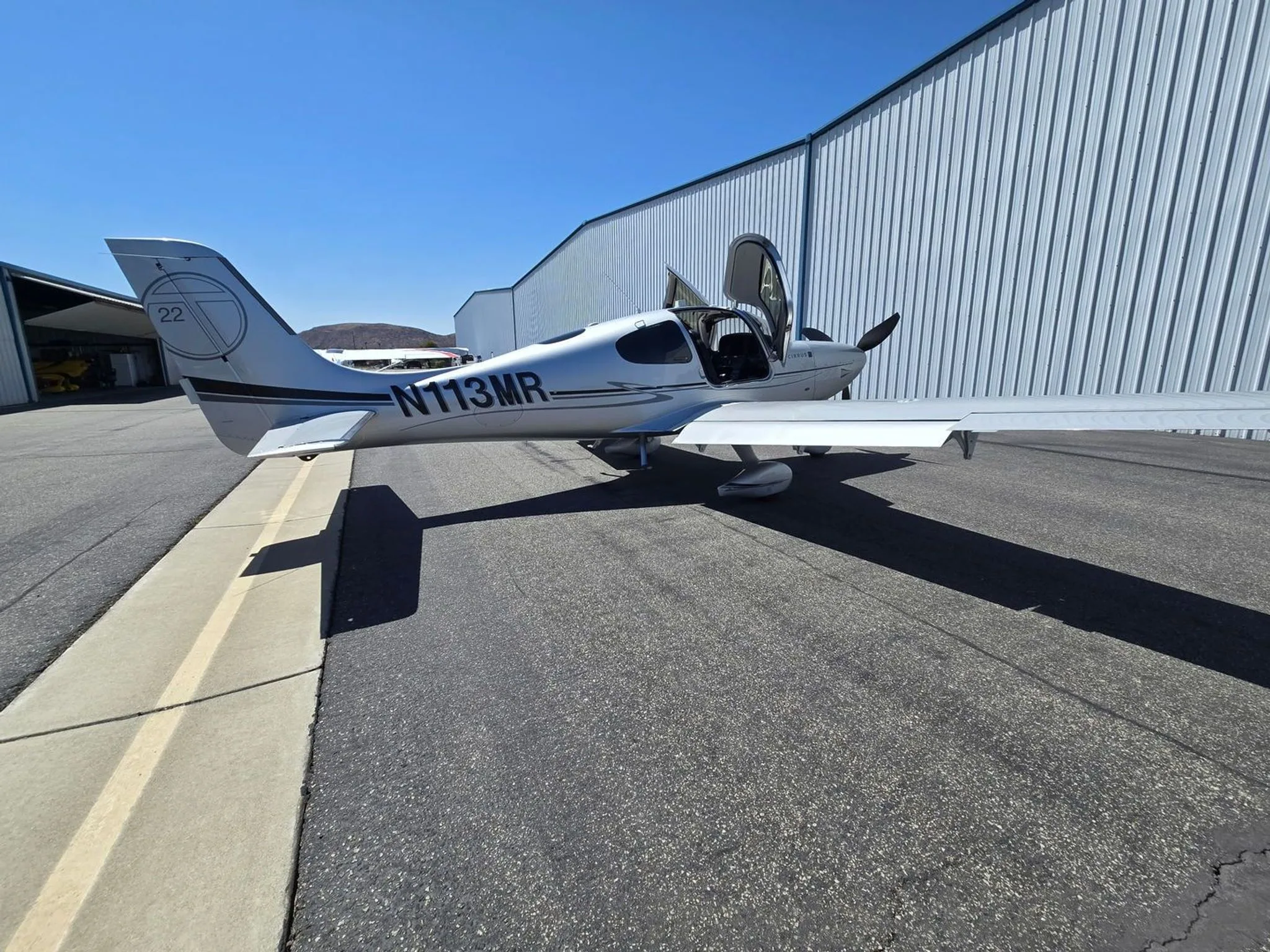


Free — save the SR22T to your watchlist and track it in one place.
More Cirrus SR22T G7manuals & documents
See all 21 →- AIRPLANE FLIGHT MANUAL for the CIRRUS SR22TPilot's Operating Handbook
- AAIB Bulletin: G-RGSK AAIB-29925Other Documents
- 2025 SR22T GTS G7Pilot's Operating Handbook
- Specifications for the Cirrus SR22T G7Specifications
- 2024 SR SERIES G7 / SR22Weight And Balance
- 2024 SR SERIES G7 / SR22TChecklist
- 2024 Cirrus SR22T G7 GTS (N229AT)Checklist
- Cirrus SR22T G7 ChecklistChecklist
- COPA Pilot - September 2024Parts Catalog
- 2024 SR SERIES G7 / SR22TWeight And Balance
- AIRPLANE FLIGHT MANUAL for the CIRRUS SR22 with Cirrus Perspective Touch+ Avionics SystemFlight Manual
- PILOT’S INFORMATION MANUAL for the CIRRUS SR22T with Cirrus Perspective Touch+ Avionics SystemPilot's Operating Handbook
If you fly the Cirrus SR22T G7, you may also be researching these.


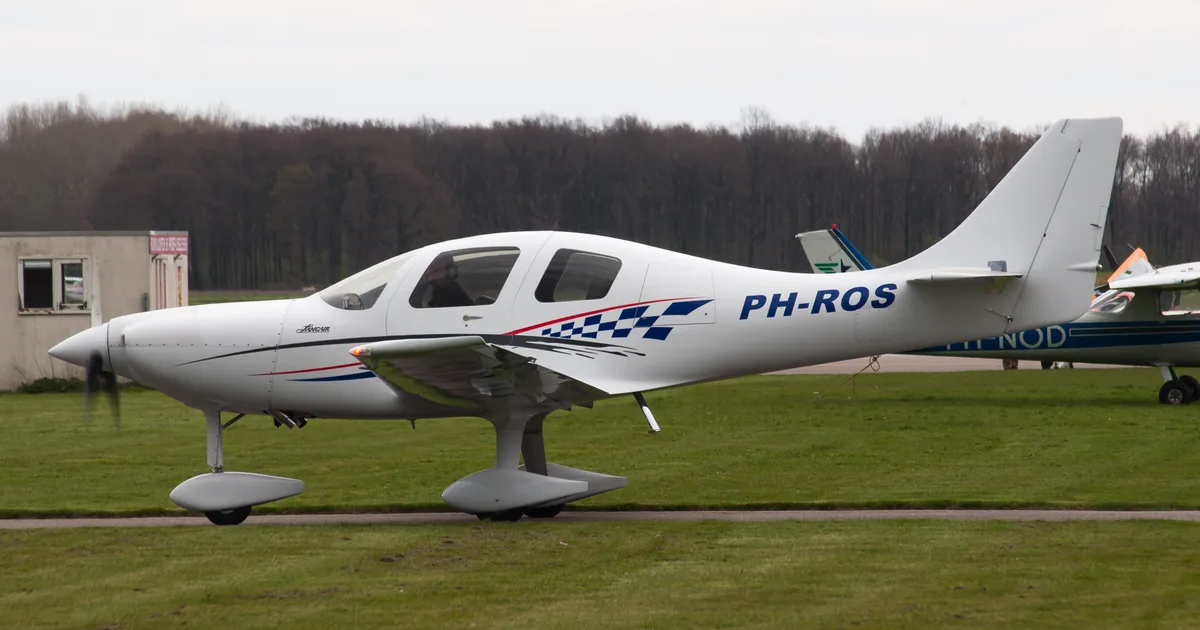

In this document
VFR Stabilized Approach
A VFR approach is considered stabilized when criteria such as proper airspeed, correct flight path, and appropriate power settings are achieved by 500 feet AGL. If these conditions are not met, a go-around must be executed.
Traffic Pattern Description and Power Settings
Pilots should slow the aircraft early to transition smoothly into the traffic flow. The document provides a profile for a normal traffic pattern, recommending a maximum bank angle of 30 degrees.
Normal Landings
Normal landings should be conducted with 100% flaps, adjusting final approach speeds for gusts over 10 knots. Touchdowns should occur on the main wheels first, at speeds slightly above stall.
Go-Around Procedures
A go-around is necessary if the approach does not meet stabilized criteria. The procedure includes applying full power, leveling the wings, and retracting flaps to 50% initially.
Normal Approach and Landing Speeds
The document specifies approach speeds for the SR22T G7 as 80-85 knots, with a touchdown speed slightly above stall speed.
Safety notes
- A go-around must be executed if the approach does not meet stabilized criteria.
- Excessive bouncing or porpoising during landing requires a go-around.
Full document text
The following excerpts from the Cirrus Flight Operations Manual describe the procedures for normal landings. VFR Stabilized Approach A VFR approach is considered stabilized when all of the following criteria are achieved by 500' AGL: • Proper airspeed, • Correct flight path, • Correct aircraft configuration for phase of flight, • Appropriate power setting for aircraft configuration, • Normal angle and rate of descent, • Only minor corrections are required to correct deviations. A go-around must be executed if the above conditions are not met and the aircraft is not stabilized by 500' AGL. Traffic Pattern Description and Approximate Power Settings Slow the aircraft early enough to allow for an easy transition into the traffic flow and enough time to ensure the aircraft is configured for landing. The following profile describes a normal traffic pattern. Pilots should use this profile as a guide when entering the traffic pattern on the downwind leg and modify as appropriate for base entry or straight in approaches. Bank angle should be limited to 30° in the traffic pattern. Normal Landings Normal landings should be made with 100% flaps. Final approach speeds should be adjusted to account for gusts exceeding 10 KTS by adding half of the gust factor. Reduce power smoothly and begin slowing from the final approach speed at a time that allows an easy transition from final descent to round out and flare with minimum floating or ballooning. Touch downs should be made on the main wheels first at speeds slightly above stall. Gently lower the nose wheel after the mains are on the ground. Go-Around A go-around should be executed anytime an approach does not meet the stabilized approach criteria outlined in this manual for instrument or visual conditions. A go-around should be completed from memory since it is a time critical maneuver. In addition to the stabilized approach criteria, execute a go-around/missed approach for these conditions: • Excessive ballooning during round out or flare, • Excessive bouncing or porpoising, • Landing beyond 1st third of the runway, • Any condition when a safe landing is in question. The first priority of executing a go-around is to stop the aircraft’s descent. Smoothly and promptly apply full power while simultaneously leveling the wings and pitching the aircraft to stop the descent. Maintain coordination while adding power by applying rudder pressure. Retract the flaps to 50%. Do not fully retract the flaps at this point in the go around because it may lead to excessive altitude loss. Begin pitching for a climb attitude once the aircraft's descent rate has been stopped. Pitch for VX if obstacle clearance is an issue. Pitch for VY for all other situations. Retract flaps to 0% once the aircraft is climbing, and clear of obstacles, and at 85kts (SR20), 80kts (SR22). Normal Approach and Landing (100% Flaps) SR20 SR22, SR22TN, SR22T G1, G2 G3 G1, G2 G3 Approach Speed 75 78 80-85 80-85 50 ft Speed 75 78 77 77 Touchdown Speed Slightly Above Stall Speed
What's in the Cirrus SR22T G7 TCDS
A Type Certificate Data Sheet (TCDS) is the FAA's record of what an aircraft type was approved as. It is the source of truth for weights, seating, fuel and the rules the design was certified against. Expand any line to see what it means.
1,001 Cirrus SR22T G7 parts for sale
See all →
Parts listed for sale by vetted eBay sellers — confirmed on eBay at checkout.