DOUGLAS DC-3 Model Guide
DOUGLAS DC-3 · Model Guide
Overview
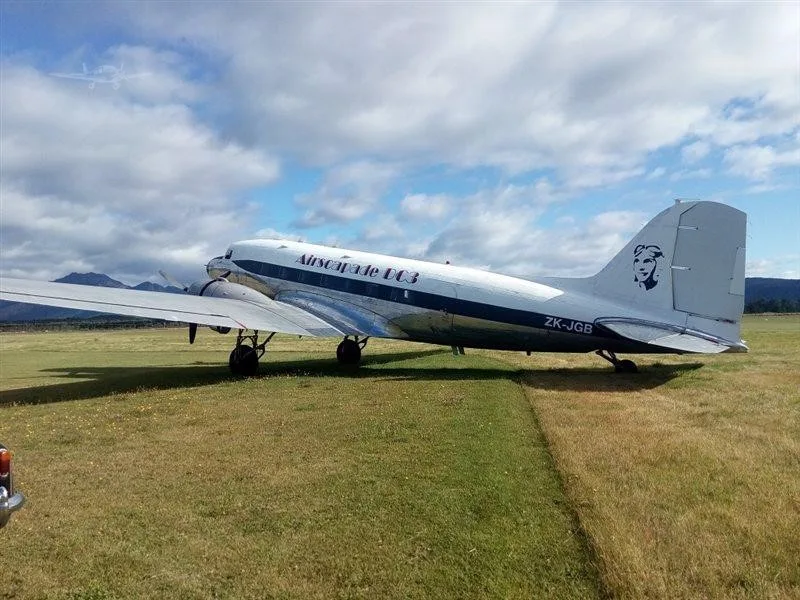
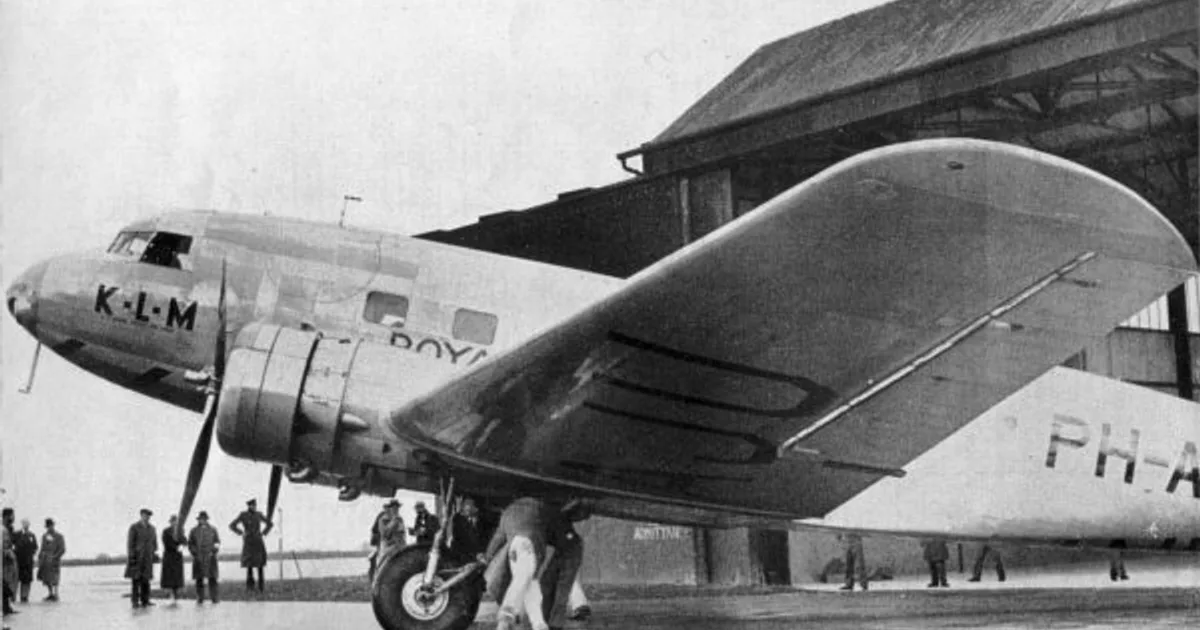
DOUGLAS DC-3 is a piston-powered, twin-engine, tailwheel transport. The registry family spans variants such as DC3A-S1C3G and DC3C-S4C4G and carries up to 32 passengers. The only airframe detail available is one crew chief's notes on a single older passenger example, so treat the figures as indicative and verify them against your own aircraft's records.
- DOUGLAS DC-3 family: up to 32 passengers, up to 151 kt cruise, up to 300 nm range, up to 24000 ft ceiling (family maxima, not one variant).
- Three welded metal fuel tanks of about 200 gallons each; the example in the notes burns about 85 gallons per hour.
- Taxiing needs skill: there is no direct link between the rudder pedals and the tailwheel, so the pilot steers with engine blast.
- Review all AD and service bulletin compliance, including the SB262 wing attach angle rework, and check for corrosion.
Summary written by AI from the source document. Check the original before relying on it. See which parts of Sprinkle are written by AI.
Reference only, not for flight. Use the current approved manual for your aircraft. See terms, section 5.
Document
Source
Copy found at sprinkle.com. Sprinkle hosts a reference copy with an added summary, specifications and searchable full text.
Document details
- Type ·
- Model Guide
- Year ·
- 2026
- File size ·
- 48 KB
- Copy found at ·
- sprinkle.com
Specifications & performance
Extracted from this document.
Specifications
- Height (ft) ·
- 23
- Length (ft) ·
- 65
- Wingspan (ft) ·
- 95
- Fuel tank capacity (gal) ·
- 200
Performance
- Fuel burn (gph) ·
- 85
- Family max range (nm) ·
- 300
- Family max cruise speed (kt) ·
- 151
- Family max service ceiling (ft) ·
- 24,000
Weight & balance
- Empty weight (lb) ·
- 18,000
- Weighed weight (lb) ·
- 17,750
How many people can the DOUGLAS DC-3 carry?
The DOUGLAS DC-3 family shows up to 32 passengers in the registry. The example in the crew notes had seats for 30 when acquired. Check the seating on the specific aircraft.
How long can a DOUGLAS DC-3 fly on a tank?
In the crew notes, each DOUGLAS DC-3 tank holds about 200 gallons, and the airplane burns about 85 gallons per hour. The engines can draw from any tank, but there is no fuel transfer between tanks.
Is the DOUGLAS DC-3 the same as a C-47?
No. The notes say the DOUGLAS DC-3 is not a C-47. Some C-47 skin sheets are one gauge thicker and the passenger ship lacks a reinforced floor, so check which manuals and parts apply.
What is the DOUGLAS DC-3 Model Guide?
The DOUGLAS DC-3 Model Guide is a model guide for the DOUGLAS DC-3, dated 2026.
What year was the DOUGLAS DC-3 Model Guide published?
The DOUGLAS DC-3 Model Guide — the DOUGLAS DC-3 model guide on file — is dated 2026.
Common. More common than 85% of the aircraft models we track.
Most owners only have the POH. Here's the essential set for the DOUGLAS DC-3.
- Pilot's Operating Handbook / AFM
- Checklist
- Maintenance Manual
- Parts Catalog (IPC)
- Systems & Wiring
- Service Bulletins on file
- Type Certificate (TCDS)
DOUGLAS DC-3 for sale now
Free — save the DC-3 to your watchlist and track it in one place.
More DOUGLAS DC-3manuals & documents
Related documents
- DOUGLAS DC-3/C-47 Model GuideDOUGLAS DC-3/C-47 · Model Guide
- DORNIER 328-100 Model GuideDORNIER 328-100 · Model Guide
- Crew Chief Notes for N136PB / NC18121 / EAL 341DOUGLAS DC-3 · Maintenance Manual
- DEHAVILLAND DHC-3 Model GuideDEHAVILLAND DHC-3 · Model Guide
- DEHAVILLAND DHC-2 Model GuideDEHAVILLAND DHC-2 · Model Guide
If you fly the DOUGLAS DC-3, you may also be researching these.



In this document
Family figures (up to, not per variant)
The registry shows the DC-3 family at up to 32 passengers, up to 12700 kg max takeoff weight, up to 151 kt cruise, up to 300 nm range and up to 24000 ft service ceiling. Variants include DC3-G102, DC3A-SCG, DC3C-R-1830-90C and DC3D-R-1830-90C. Wright and Pratt & Whitney engine fits both appear in the notes.
What to inspect
The notes' example needed a heavy airframe overhaul with the SB262 wing attach angle rework. About 3% of fuselage rivets had popped heads from corrosion, and stringers and window frame corners needed repair. Also check the fabric-covered control surfaces, brakes rusted onto the axles, a long-leaking brake, and the flap selector valve, which can let the flaps bleed down in flight.
Systems and cabin notes
It is a 24 volt DC airplane with two 12-volt batteries and a 200 amp generator on each engine. Hydraulics run at 600-800 psi, and the relief valve opens at 1000 psi. Tire pressure is 50 psi on the mains and 35 psi on the tail. The example had no toilet, no under-floor baggage, no oxygen installed and no deice boots, so confirm the equipment on any aircraft you consider.
Summary written by AI from the source document. Check the original before relying on it. See which parts of Sprinkle are written by AI.
Safety notes
- An AD requires flight manual limits for severe icing. Exit severe icing at once, keep the autopilot off, and do not extend flaps while holding in icing.
- Fuel caps can leak water in rain. Sump the tanks before an engine run; one operator lost an airplane on takeoff due to water in the fuel.
- The hamburger door is forward of the propeller, so do not use it with the left engine turning.
Summary written by AI from the source document. Check the original before relying on it. See which parts of Sprinkle are written by AI.
Full document text
DOUGLAS DC-3 Model Guide DOUGLAS DC-3 is a piston-powered, twin-engine, tailwheel transport. The registry family spans variants such as DC3A-S1C3G and DC3C-S4C4G and carries up to 32 passengers. The only airframe detail available is one crew chief's notes on a single older passenger example, so treat the figures as indicative and verify them against your own aircraft's records. • DOUGLAS DC-3 family: up to 32 passengers, up to 151 kt cruise, up to 300 nm range, up to 24000 ft ceiling (family maxima, not one variant). • Three welded metal fuel tanks of about 200 gallons each; the example in the notes burns about 85 gallons per hour. • Taxiing needs skill: there is no direct link between the rudder pedals and the tailwheel, so the pilot steers with engine blast. • Review all AD and service bulletin compliance, including the SB262 wing attach angle rework, and check for corrosion. Family figures (up to, not per variant) The registry shows the DC-3 family at up to 32 passengers, up to 12700 kg max takeoff weight, up to 151 kt cruise, up to 300 nm range and up to 24000 ft service ceiling. Variants include DC3-G102, DC3A-SCG, DC3C-R-1830-90C and DC3D-R-1830-90C. Wright and Pratt & Whitney engine fits both appear in the notes. What to inspect The notes' example needed a heavy airframe overhaul with the SB262 wing attach angle rework. About 3% of fuselage rivets had popped heads from corrosion, and stringers and window frame corners needed repair. Also check the fabric-covered control surfaces, brakes rusted onto the axles, a long-leaking brake, and the flap selector valve, which can let the flaps bleed down in flight. Systems and cabin notes It is a 24 volt DC airplane with two 12-volt batteries and a 200 amp generator on each engine. Hydraulics run at 600-800 psi, and the relief valve opens at 1000 psi. Tire pressure is 50 psi on the mains and 35 psi on the tail. The example had no toilet, no under-floor baggage, no oxygen installed and no deice boots, so confirm the equipment on any aircraft you consider. Safety notes: • An AD requires flight manual limits for severe icing. Exit severe icing at once, keep the autopilot off, and do not extend flaps while holding in icing. • Fuel caps can leak water in rain. Sump the tanks before an engine run; one operator lost an airplane on takeoff due to water in the fuel. • The hamburger door is forward of the propeller, so do not use it with the left engine turning.