Piper PA-24 Comanche Model Guide
Piper PA-24 Comanche · Model Guide
Overview
The Piper PA-24 Comanche is a four-seat, single-engine piston airplane built from 1958 to 1972. The handbooks supplied cover the 180 hp PA-24-180 and the 250 hp PA-24-250. The wider family also includes the PA-24-260 and PA-24-400, with family-level figures of up to 185 kt cruise and 960 nm range. It has retractable tricycle gear, so gear and exhaust condition are key buying checks.
- Two engines in the handbooks: PA-24-180 (Lycoming O-360, 180 hp) and PA-24-250 (O-540, 250 hp). Both need 91/96 octane minimum fuel.
- Handbook top speed is 167 mph for the 180 and 190 mph for the 250. Both list a 750 ft take-off run and 200 lb maximum baggage.
- Fuel burn at 75% power is 10 gph (180) or 14 gph (250). Standard fuel is 50 gal and 60 gal respectively.
- Before buying, inspect the exhaust (AD 68-05-01), the stabilator torque tube fittings and the gear oleos.
Summary written by AI from the source document. Check the original before relying on it. See which parts of Sprinkle are written by AI.
Reference only, not for flight. Use the current approved manual for your aircraft. See terms, section 5.
Document
Source
Copy found at sprinkle.com. Sprinkle hosts a reference copy with an added summary, specifications and searchable full text.
Document details
- Type ·
- Model Guide
- Year ·
- 2026
- File size ·
- 50 KB
- Copy found at ·
- sprinkle.com
Specifications & performance
Extracted from this document.
Specifications
- Wing span (ft) ·
- 36
- Pa 24 180 engine (hp) ·
- 180
- Pa 24 250 engine (hp) ·
- 250
- Baggage capacity (lb) ·
- 200
- Pa 24 180 fuel capacity standard (gal) ·
- 50
- Pa 24 250 fuel capacity standard (gal) ·
- 60
Performance
- Take off run (ft) ·
- 750
- Pa 24 180 fuel burn (gph) ·
- 10
- Pa 24 250 fuel burn (gph) ·
- 14
- Pa 24 180 rate of climb (fpm) ·
- 910
- Pa 24 250 rate of climb (fpm) ·
- 1,350
- Pa 24 180 service ceiling (ft) ·
- 18,500
- Pa 24 250 service ceiling (ft) ·
- 20,000
Weight & balance
- Max baggage (lb) ·
- 200
- Pa 24 180 max takeoff weight (lb) ·
- 2,550
How many people does the Piper PA-24 Comanche seat?
The Piper PA-24 Comanche seats four. Baggage is limited to 200 lb in a 20 cubic ft compartment, so check payload against fuel and passengers.
What fuel and engines does the Piper PA-24 Comanche use?
The Piper PA-24 Comanche 180 has a Lycoming O-360 (180 hp). The 250 has a Lycoming O-540 (250 hp). Both need 91/96 octane minimum fuel.
How do the two Piper PA-24 Comanche variants compare?
On handbook figures, the Piper PA-24 Comanche 250 is faster (190 mph top speed vs 167) and climbs better, but burns 14 gph against 10 gph for the 180.
What is the Piper PA-24 Comanche Model Guide?
The Piper PA-24 Comanche Model Guide is a model guide for the Piper PA-24 Comanche, dated 2026.
What year was the Piper PA-24 Comanche Model Guide published?
The Piper PA-24 Comanche Model Guide — the Piper PA-24 Comanche model guide on file — is dated 2026.
Common. More common than 99% of the aircraft models we track.
Most owners only have the POH. Here's the essential set for the Piper PA-24 Comanche.
Piper PA-24 Comanche for sale now
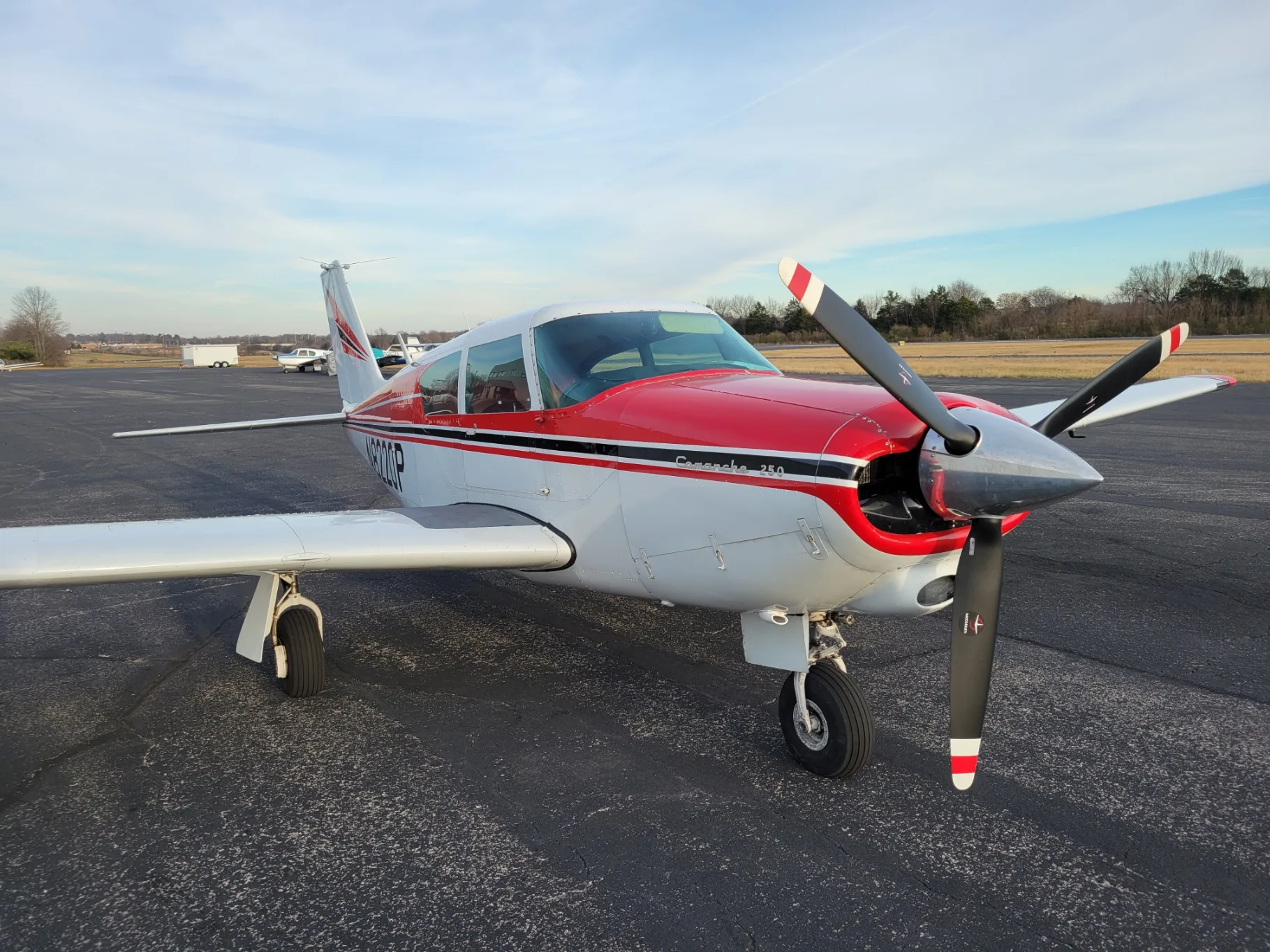
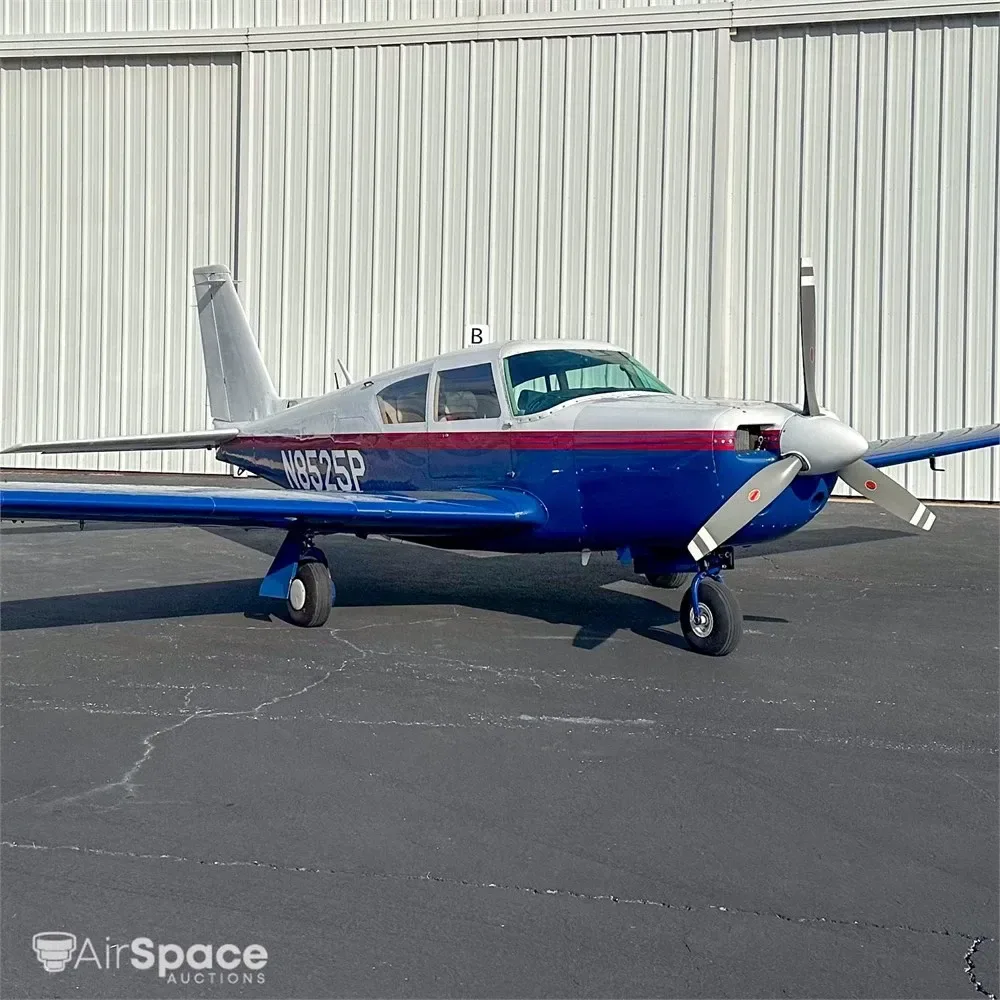
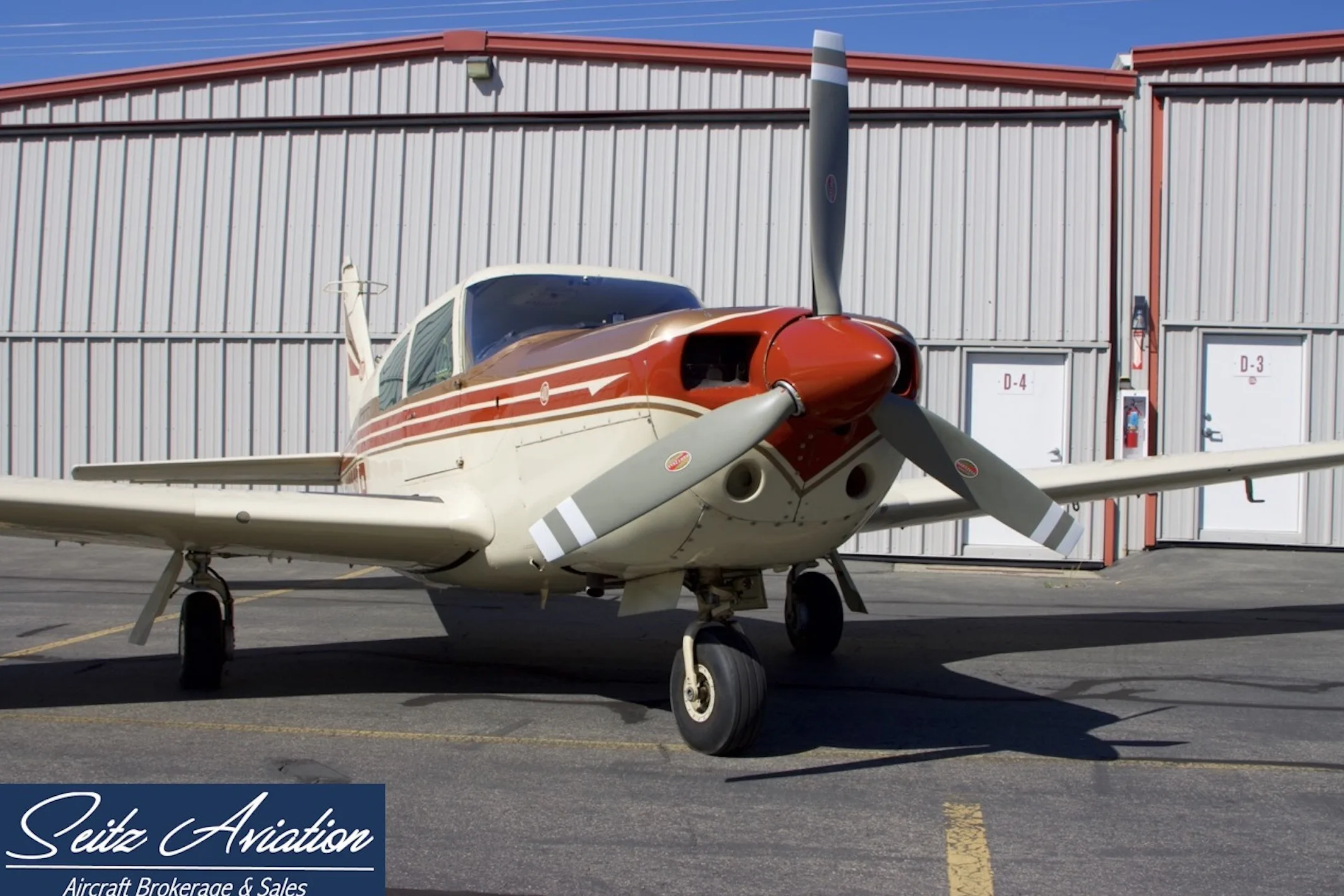
Free — save the 24 to your watchlist and track it in one place.
More Piper PA-24 Comanchemanuals & documents
See all 13 →- Customer Service Information FileParts Catalog
- AAIB Bulletin: 3/2012Other Documents
- HARTZELL PROPELLER INC. SERVICE BULLETIN HC-SB-61-311 Propeller - Replacement of 835-54(P) Spinner AssemblySupplemental Type Certificate
- Hartzell Propeller Inc. Alert Service Bulletin HC-ASB-61-332 Propeller - Spinner AssemblyService Bulletins
- PIPER PA-24-250 ComancheSystems Description
- COMANCHE SERVICE MANUAL - PA-24 / 250 / 260 / 400Maintenance Manual
- AIRWORTHINESS DIRECTIVE AD/PA-24/29Service Bulletins
- SCHEDULE OF AIRWORTHINESS DIRECTIVESAirworthiness Directives
- THE PIPER COMANCHEPilot's Operating Handbook
- MODEL PA-24 and PA-24-250 Owner’s HandbookPerformance Data
- PIPER COMANCHE OWNER'S HANDBOOKPilot's Operating Handbook
- OWNERS’ HANDBOOK FOR Operation and Maintenance OF THE PIPER COMANCHE Models PA-24-180 and PA-24-250Maintenance Manual
Related documents
- Piper PA-30 Twin Comanche Model GuidePiper PA-30 Twin Comanche · Model Guide
- Piper PA-24 Comanche 260 Model GuidePiper PA-24 Comanche 260 · Model Guide
- PIPER Twin Comanche PA-30 Model GuidePIPER Twin Comanche PA-30 · Model Guide
- Specifications for the Piper PA-24 Comanche 260Piper PA-24 Comanche 260 · Specifications
- Piper PA-39 Twin Comanche C/R Model GuidePiper PA-39 Twin Comanche C/R · Model Guide
If you fly the Piper PA-24 Comanche, you may also be researching these.


In this document
Performance and range
Handbook figures are for Custom models at gross weight. Cruise at 75% power, sea level, is 150 mph (180) and 171 mph (250). At optimum altitude it is 160 and 181 mph. Service ceiling is 18,500 ft (180) and 20,000 ft (250). Flaps-down stall is 61 mph in later handbooks. Landing roll is 600 ft (180) and 650 ft (250). Rate of climb is 910 ft/min (180) and 1,350 ft/min (250); the 1958 handbook gives 1,400 for the 250.
Weights and load
Gross weight for the 180 is 2,550 lb. For the 250 the handbooks disagree: 2,800 lb in the 1958 edition and 2,900 lb in later ones. Confirm against the FAA-approved flight manual. Maximum baggage is 200 lb in a 20 cubic ft compartment. Useful load varies with trim level and edition; the 180 Standard lists 1,020 lb in later handbooks and 1,095 lb in 1958.
Pre-buy checks
Check the exhaust system for cracks, corrosion and weld separation (AD 68-05-01, PA-24-250). Check the stabilator torque tube bearing fittings for looseness. Check that both main oleos are properly inflated, since the gear needs them extended to retract. If a Hartzell propeller is fitted under STC SA00631CH, ask whether the spinner assembly was dealt with under Hartzell bulletin HC-SB-61-311. The handbook also warns to learn your foot position around the rudder pedal torque tube.
Summary written by AI from the source document. Check the original before relying on it. See which parts of Sprinkle are written by AI.
Safety notes
- AD 68-05-01: inspect PA-24-250 exhaust for cracks, corrosion and weld separation. Under 950 hrs, every 100 hrs; over 950 hrs, every 50 hrs.
- Loose stabilator torque tube bearing fittings risk loss of pitch control. Reinspect every 100 hrs until Piper Kit 760 835 is fitted to all four (CASA AD/PA-24/33).
- Do not operate with flat gear oleos: a deflated right oleo stopped gear retraction and led to a wheels-up landing (AAIB, 2011).
Summary written by AI from the source document. Check the original before relying on it. See which parts of Sprinkle are written by AI.
Full document text
Piper PA-24 Comanche Model Guide The Piper PA-24 Comanche is a four-seat, single-engine piston airplane built from 1958 to 1972. The handbooks supplied cover the 180 hp PA-24-180 and the 250 hp PA-24-250. The wider family also includes the PA-24-260 and PA-24-400, with family-level figures of up to 185 kt cruise and 960 nm range. It has retractable tricycle gear, so gear and exhaust condition are key buying checks. • Two engines in the handbooks: PA-24-180 (Lycoming O-360, 180 hp) and PA-24-250 (O-540, 250 hp). Both need 91/96 octane minimum fuel. • Handbook top speed is 167 mph for the 180 and 190 mph for the 250. Both list a 750 ft take-off run and 200 lb maximum baggage. • Fuel burn at 75% power is 10 gph (180) or 14 gph (250). Standard fuel is 50 gal and 60 gal respectively. • Before buying, inspect the exhaust (AD 68-05-01), the stabilator torque tube fittings and the gear oleos. Performance and range Handbook figures are for Custom models at gross weight. Cruise at 75% power, sea level, is 150 mph (180) and 171 mph (250). At optimum altitude it is 160 and 181 mph. Service ceiling is 18,500 ft (180) and 20,000 ft (250). Flaps-down stall is 61 mph in later handbooks. Landing roll is 600 ft (180) and 650 ft (250). Rate of climb is 910 ft/min (180) and 1,350 ft/min (250); the 1958 handbook gives 1,400 for the 250. Weights and load Gross weight for the 180 is 2,550 lb. For the 250 the handbooks disagree: 2,800 lb in the 1958 edition and 2,900 lb in later ones. Confirm against the FAA-approved flight manual. Maximum baggage is 200 lb in a 20 cubic ft compartment. Useful load varies with trim level and edition; the 180 Standard lists 1,020 lb in later handbooks and 1,095 lb in 1958. Pre-buy checks Check the exhaust system for cracks, corrosion and weld separation (AD 68-05-01, PA-24-250). Check the stabilator torque tube bearing fittings for looseness. Check that both main oleos are properly inflated, since the gear needs them extended to retract. If a Hartzell propeller is fitted under STC SA00631CH, ask whether the spinner assembly was dealt with under Hartzell bulletin HC-SB-61-311. The handbook also warns to learn your foot position around the rudder pedal torque tube. Safety notes: • AD 68-05-01: inspect PA-24-250 exhaust for cracks, corrosion and weld separation. Under 950 hrs, every 100 hrs; over 950 hrs, every 50 hrs. • Loose stabilator torque tube bearing fittings risk loss of pitch control. Reinspect every 100 hrs until Piper Kit 760 835 is fitted to all four (CASA AD/PA-24/33). • Do not operate with flat gear oleos: a deflated right oleo stopped gear retraction and led to a wheels-up landing (AAIB, 2011).