Piper PA-30 Twin Comanche Model Guide
Piper PA-30 Twin Comanche · Model Guide
Overview
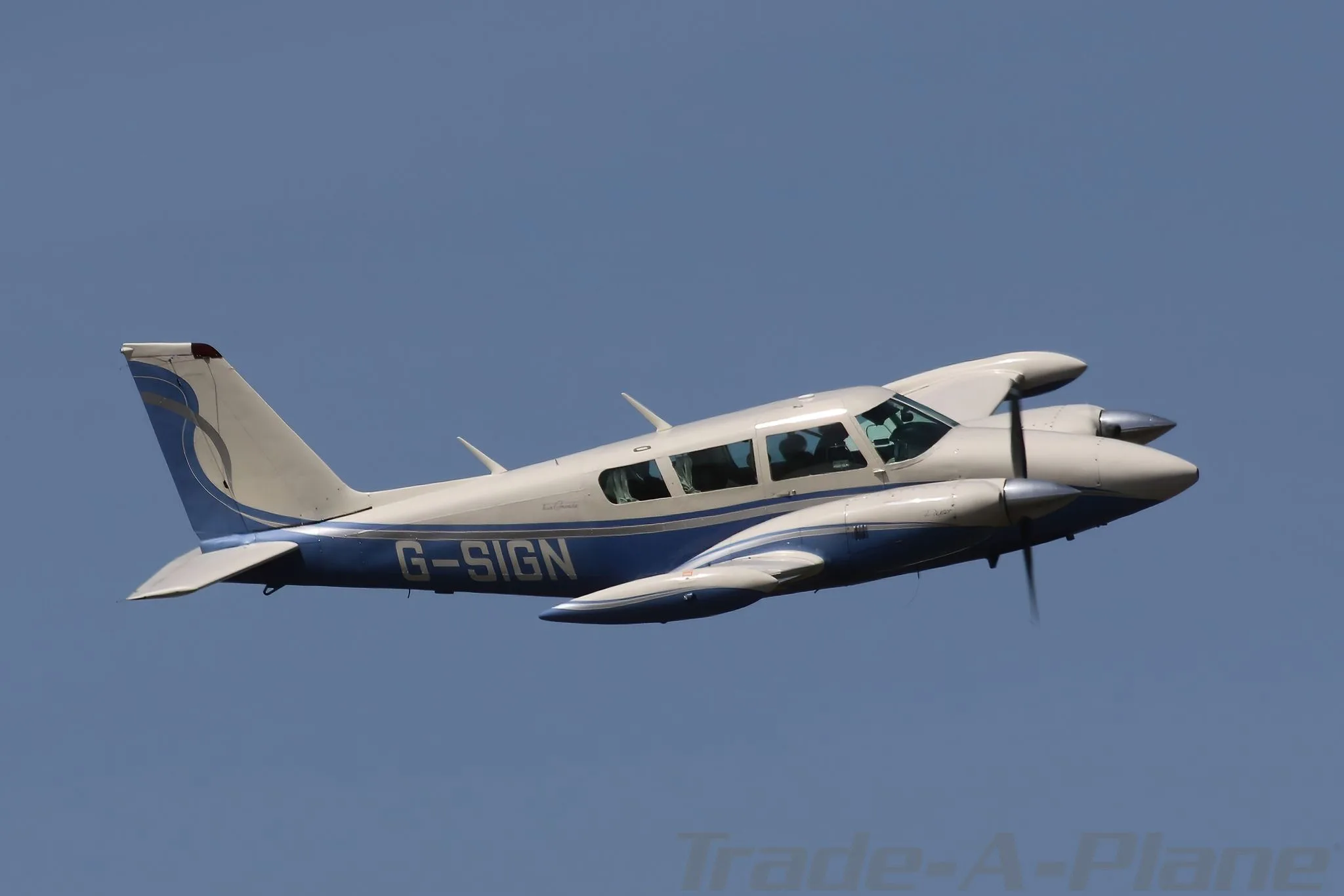
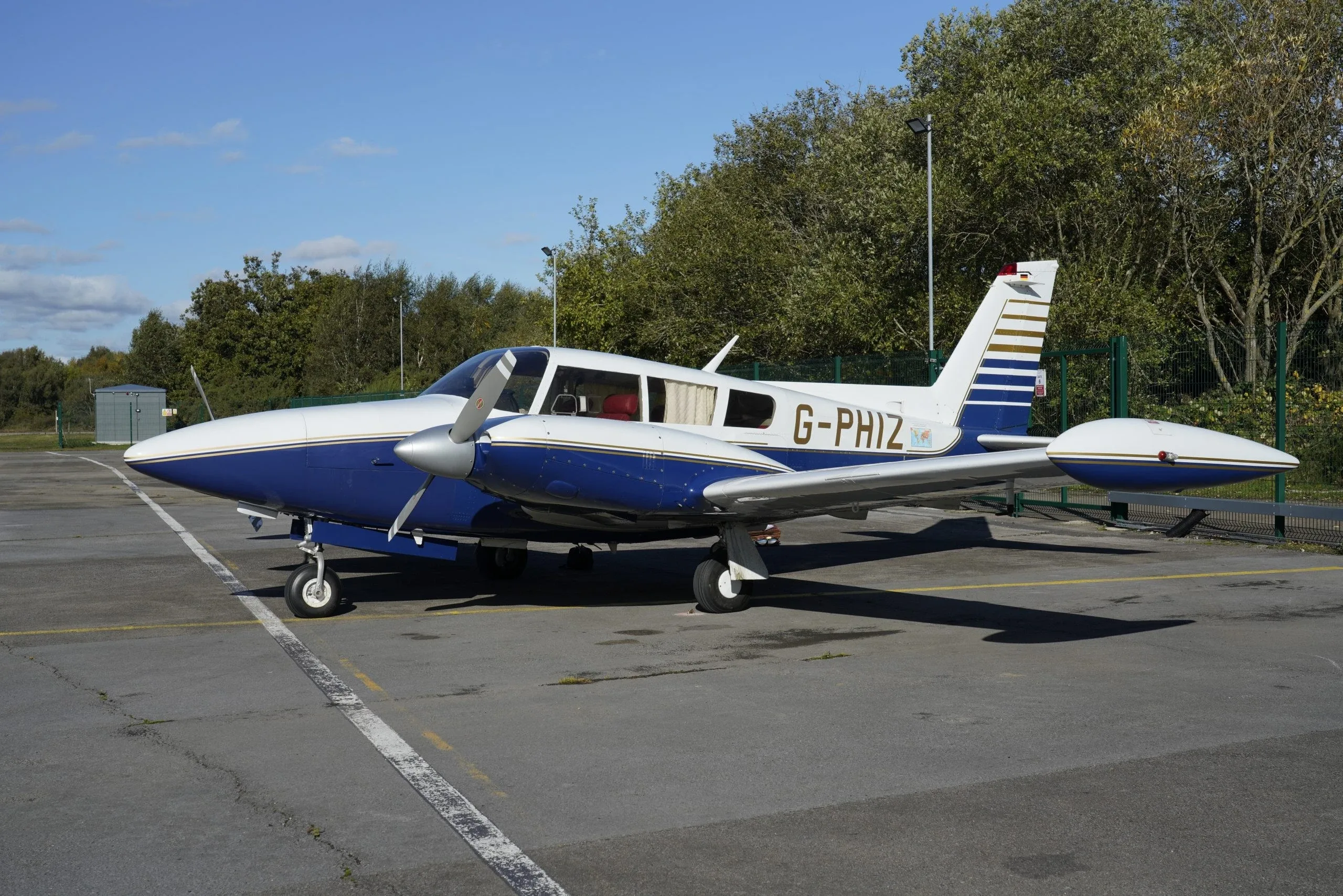
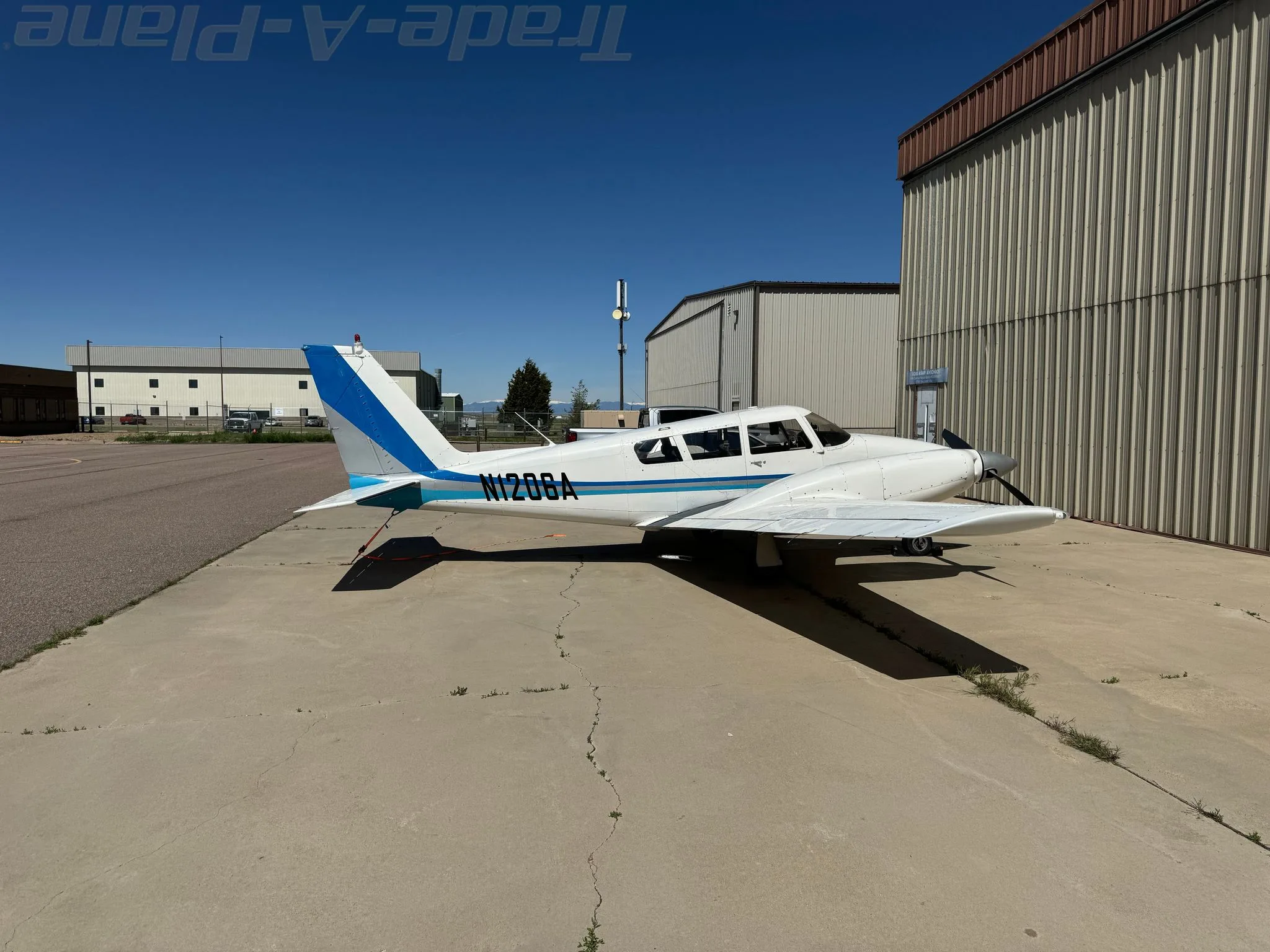
The Piper PA-30 Twin Comanche is a twin-engine piston airplane built from 1963 to 1972. It seats 4 to 6. The Piper handbook lists two 160 hp fuel-injected Lycoming IO-320-B engines, a 3600 lb gross weight, 90 US gal of fuel and a top speed of 205 mph. The Piper PA-30 Twin Comanche handbook is described as incomplete by modern standards, so a buyer should plan on getting an upgraded manual.
- The Piper PA-30 Twin Comanche has two Lycoming IO-320-B engines of 160 hp each at 2700 rpm, with Hartzell constant-speed, full-feathering propellers.
- Gross weight is 3600 lbs and standard empty weight is about 2160 lbs, giving about 1440 lbs of useful load. Fuel capacity is 90 gal and maximum baggage is 200 lbs.
- Single-engine performance is limited: 260 fpm climb, a 5,800 ft single-engine service ceiling, and Vmc of 90 mph. Pilot training matters.
- Piper stopped production in 1972 and the original Owner's Handbook is incomplete by modern standards. The International Comanche Society offers an upgraded, FAA-approved GAMA-format manual.
- Accident reports in the inputs show landing-distance and low-speed approach problems. Check the landing distance in the flight manual against the runway length.
Summary written by AI from the source document. Check the original before relying on it. See which parts of Sprinkle are written by AI.
Reference only, not for flight. Use the current approved manual for your aircraft. See terms, section 5.
Document
Source
Copy found at sprinkle.com. Sprinkle hosts a reference copy with an added summary, specifications and searchable full text.
Document details
- Type ·
- Model Guide
- Year ·
- 2026
- File size ·
- 54 KB
- Copy found at ·
- sprinkle.com
Specifications & performance
Extracted from this document.
Specifications
- Height (ft) ·
- 8.2
- Last year ·
- 1,972
- Length (ft) ·
- 25.2
- Seats max ·
- 6
- Seats min ·
- 4
- First year ·
- 1,963
- Engine count ·
- 2
- Wing span (ft) ·
- 36
- Max baggage (lb) ·
- 200
- Fuel capacity (gal) ·
- 90
- Unusable fuel (gal) ·
- 6
- Rated horsepower (hp) ·
- 160
Performance
- Takeoff run (ft) ·
- 1,250
- Landing roll (ft) ·
- 700
- Service ceiling (ft) ·
- 18,600
- Absolute ceiling (ft) ·
- 20,000
- Best rate of climb (fpm) ·
- 1,460
- Landing distance over 50ft (ft) ·
- 2,100
- Takeoff distance over 50ft (ft) ·
- 2,160
- Fuel consumption 65 percent (gph) ·
- 15.2
- Fuel consumption 75 percent (gph) ·
- 17.2
- Single engine rate of climb (fpm) ·
- 260
- Single engine service ceiling (ft) ·
- 5,800
- Single engine absolute ceiling (ft) ·
- 7,100
Weight & balance
- Max baggage (lb) ·
- 200
- Useful load (lb) ·
- 1,440
- Empty weight (lb) ·
- 2,160
- Fuel capacity (gal) ·
- 90
- Unusable fuel (gal) ·
- 6
- Max gross weight (lb) ·
- 3,600
What engines does the Piper PA-30 Twin Comanche have?
The Piper PA-30 Twin Comanche handbook lists two Lycoming IO-320-B fuel-injected engines, each rated at 160 hp at 2700 rpm. They drive Hartzell constant-speed, full-feathering propellers.
How much can the Piper PA-30 Twin Comanche carry?
The Piper PA-30 Twin Comanche has a 3600 lb gross weight and about 1440 lbs of standard useful load. It holds 90 gal of fuel and up to 200 lbs of baggage.
How fast is the Piper PA-30 Twin Comanche?
The Piper PA-30 Twin Comanche has a book top speed of 205 mph. Optimum cruise is 194 mph at 75% power at 8,000 ft, burning 17.2 gph for both engines.
Can I get a modern-format manual for the Piper PA-30 Twin Comanche?
Yes. The International Comanche Society offers a GAMA-format POH and FAA-approved Airplane Flight Manual for the Piper PA-30 Twin Comanche. It costs $75.00 plus shipping for members and is available through Webco Aircraft.
What is the Piper PA-30 Twin Comanche Model Guide?
The Piper PA-30 Twin Comanche Model Guide is a model guide for the Piper PA-30 Twin Comanche, dated 2026.
What year was the Piper PA-30 Twin Comanche Model Guide published?
The Piper PA-30 Twin Comanche Model Guide — the Piper PA-30 Twin Comanche model guide on file — is dated 2026.
Common. More common than 97% of the aircraft models we track.
Most owners only have the POH. Here's the essential set for the Piper PA-30 Twin Comanche.
Piper PA-30 Twin Comanche for sale now
Free — save the 30 to your watchlist and track it in one place.
More Piper PA-30 Twin Comanchemanuals & documents
See all 27 →- PIPER TWIN COMANCHE (PA-30) MANEUVERS GUIDEChecklist
- Supplemental Type Certificate for Piper PA-30, PA-39 (Twin Comanche)Supplemental Type Certificate
- Piper PA-30 ChecklistChecklist
- STANDARDIZATION MANUAL MULTIENGINE LAND RATING PIPER PA-30 TWIN COMANCHEV Speeds Reference
- PIPER PA30-B CHECKLISTChecklist
- Airworthiness Directive Schedule Aeroplanes Piper PA-30 Series (Twin Comanche)Airworthiness Directives
- Weight and Balance for Piper PA-30 Twin ComancheWeight & Balance
- SOP PA30Normal Procedures
- AAIB Bulletin: G-ATMT EW/G2011/08/25Other Documents
- Collision with terrain – 43 km east of Perth Airport, Western Australia – 28 March 2010 – VH-KDS, Piper Aircraft Corp. PA-30-160B Twin ComancheOther Documents
- Piper Twin Comanche PA-30 CHECKLISTChecklist
- PIPER PA-30/39 Twin ComancheSystems Description
Related documents
- Piper PA-24 Comanche Model GuidePiper PA-24 Comanche · Model Guide
- PIPER Twin Comanche PA-30 Model GuidePIPER Twin Comanche PA-30 · Model Guide
- PIPER PA-30 Twin Comanche - 1964Piper PA-30 Twin Comanche · Performance Data
- Piper PA-39 Twin Comanche C/R Model GuidePiper PA-39 Twin Comanche C/R · Model Guide
- Piper PA-24 Comanche 260 Model GuidePiper PA-24 Comanche 260 · Model Guide
If you fly the Piper PA-30 Twin Comanche, you may also be researching these.


In this document
What it carries and how it performs
The Owner's Handbook lists a 3600 lb gross weight, about 2160 lbs standard empty weight and about 1440 lbs standard useful load. It carries 90 US gal of fuel, 6 gal of it unusable (inboard tanks only), and fuel is 91/96 minimum octane. The baggage area holds up to 200 lbs, about 20 cubic ft, through a 20 x 20 in. door. Book speeds are a 205 mph top speed, 194 mph optimum cruise (75% power at 8,000 ft), 186 mph at 65% power at 12,000 ft and 181 mph at sea level at 75% power. Fuel burn for both engines is 17.2 gph at 75% power and 15.2 gph at 65%. Best rate of climb is 1460 fpm at 112 mph and service ceiling is 18,600 ft. Takeoff run is 1250 ft, or 2160 ft over a 50 ft barrier. Landing roll is 700 ft, or 2100 ft over a 50 ft barrier.
Single-engine and speed references
Vmc is 90 mph as determined by the FAA. Single-engine rate of climb is 260 fpm at the best single-engine climb speed of 105 mph, and the single-engine service ceiling is 5,800 ft. The checklists say to keep airspeed above 97 mph in single-engine flight and use 120 mph as the single-engine approach speed. They advise against a single-engine go-around where possible and say not to extend the gear or flaps until landing is assured. Other book speeds: stall 76 mph clean and 69 mph with gear and flaps down at gross weight, Vx 90 mph, Vy 112 mph, Vlo 150 mph and Vfe 125 mph.
Variants, manuals and parts support
The International Comanche Society handout lists the PA30 at 3600 lb gross (1963-68 and 1969 serials), the turbocharged PA30T at 3725 lb, and the PA39 and PA39T (1970-72) at 3600 lb and 3725 lb. Confirm which manual matches the airplane's serial number. The upgraded POH and AFM is sold to ICS members at $75.00 each plus shipping. Webco Aircraft's list shows PA30 support items including fuel cell gaskets, fuel caps, strut seal kits, gear bungee arms, oil cooler hose kits, a door latch kit and control cables. Their presence suggests these are the wear and repair areas to inspect.
What to check before buying
The preflight checklists point to areas to inspect: fuel cells, caps and vents; landing gear struts, tires, microswitches and doors; cowl flaps; the cabin and baggage door seals and locks; and the stall warning system. Check that the gear shows all green and that the manual extension system works. The checklists also cover the electrical system: each engine has a generator and the emergency procedures include generator failure. Review the engines and propellers for leaks and for correct feathering and unfeathering. Review the aircraft's inspection and squawk records.
Summary written by AI from the source document. Check the original before relying on it. See which parts of Sprinkle are written by AI.
Safety notes
- The Owner's Handbook says it is not a substitute for competent flight instruction and not a transition guide from single-engine to multi-engine flying. The FAA-approved Airplane Flight Manual governs where the two disagree.
- Do not extend the gear or flaps on a single-engine approach until landing is assured, and avoid a single-engine go-around where possible.
- In a 2011 AAIB case, a hard landing bent the wing spars and the main and rear spars of the left wing were distorted. The flight manual's landing distance with grass correction was 972 m against a 700 m runway. Low airspeed on short final may have been a factor.
- If airborne before Vmc of 90 mph on a short or soft field takeoff, the checklist says to fly low to reach Vmc and be ready to reduce power promptly.
Summary written by AI from the source document. Check the original before relying on it. See which parts of Sprinkle are written by AI.
Full document text
Piper PA-30 Twin Comanche Model Guide The Piper PA-30 Twin Comanche is a twin-engine piston airplane built from 1963 to 1972. It seats 4 to 6. The Piper handbook lists two 160 hp fuel-injected Lycoming IO-320-B engines, a 3600 lb gross weight, 90 US gal of fuel and a top speed of 205 mph. The Piper PA-30 Twin Comanche handbook is described as incomplete by modern standards, so a buyer should plan on getting an upgraded manual. • The Piper PA-30 Twin Comanche has two Lycoming IO-320-B engines of 160 hp each at 2700 rpm, with Hartzell constant-speed, full-feathering propellers. • Gross weight is 3600 lbs and standard empty weight is about 2160 lbs, giving about 1440 lbs of useful load. Fuel capacity is 90 gal and maximum baggage is 200 lbs. • Single-engine performance is limited: 260 fpm climb, a 5,800 ft single-engine service ceiling, and Vmc of 90 mph. Pilot training matters. • Piper stopped production in 1972 and the original Owner's Handbook is incomplete by modern standards. The International Comanche Society offers an upgraded, FAA-approved GAMA-format manual. • Accident reports in the inputs show landing-distance and low-speed approach problems. Check the landing distance in the flight manual against the runway length. What it carries and how it performs The Owner's Handbook lists a 3600 lb gross weight, about 2160 lbs standard empty weight and about 1440 lbs standard useful load. It carries 90 US gal of fuel, 6 gal of it unusable (inboard tanks only), and fuel is 91/96 minimum octane. The baggage area holds up to 200 lbs, about 20 cubic ft, through a 20 x 20 in. door. Book speeds are a 205 mph top speed, 194 mph optimum cruise (75% power at 8,000 ft), 186 mph at 65% power at 12,000 ft and 181 mph at sea level at 75% power. Fuel burn for both engines is 17.2 gph at 75% power and 15.2 gph at 65%. Best rate of climb is 1460 fpm at 112 mph and service ceiling is 18,600 ft. Takeoff run is 1250 ft, or 2160 ft over a 50 ft barrier. Landing roll is 700 ft, or 2100 ft over a 50 ft barrier. Single-engine and speed references Vmc is 90 mph as determined by the FAA. Single-engine rate of climb is 260 fpm at the best single-engine climb speed of 105 mph, and the single-engine service ceiling is 5,800 ft. The checklists say to keep airspeed above 97 mph in single-engine flight and use 120 mph as the single-engine approach speed. They advise against a single-engine go-around where possible and say not to extend the gear or flaps until landing is assured. Other book speeds: stall 76 mph clean and 69 mph with gear and flaps down at gross weight, Vx 90 mph, Vy 112 mph, Vlo 150 mph and Vfe 125 mph. Variants, manuals and parts support The International Comanche Society handout lists the PA30 at 3600 lb gross (1963-68 and 1969 serials), the turbocharged PA30T at 3725 lb, and the PA39 and PA39T (1970-72) at 3600 lb and 3725 lb. Confirm which manual matches the airplane's serial number. The upgraded POH and AFM is sold to ICS members at $75.00 each plus shipping. Webco Aircraft's list shows PA30 support items including fuel cell gaskets, fuel caps, strut seal kits, gear bungee arms, oil cooler hose kits, a door latch kit and control cables. Their presence suggests these are the wear and repair areas to inspect. What to check before buying The preflight checklists point to areas to inspect: fuel cells, caps and vents; landing gear struts, tires, microswitches and doors; cowl flaps; the cabin and baggage door seals and locks; and the stall warning system. Check that the gear shows all green and that the manual extension system works. The checklists also cover the electrical system: each engine has a generator and the emergency procedures include generator failure. Review the engines and propellers for leaks and for correct feathering and unfeathering. Review the aircraft's inspection and squawk records. Safety notes: • The Owner's Handbook says it is not a substitute for competent flight instruction and not a transition guide from single-engine to multi-engine flying. The FAA-approved Airplane Flight Manual governs where the two disagree. • Do not extend the gear or flaps on a single-engine approach until landing is assured, and avoid a single-engine go-around where possible. • In a 2011 AAIB case, a hard landing bent the wing spars and the main and rear spars of the left wing were distorted. The flight manual's landing distance with grass correction was 972 m against a 700 m runway. Low airspeed on short final may have been a factor. • If airborne before Vmc of 90 mph on a short or soft field takeoff, the checklist says to fly low to reach Vmc and be ready to reduce power promptly.