Piper PA-39 Twin Comanche C/R Model Guide
Piper PA-39 Twin Comanche C/R · Model Guide
Overview
The Piper PA-39 Twin Comanche C/R is a twin-engine piston airplane built from 1970 to 1972, with 4 to 6 seats. It was the final production Twin Comanche, with counter-rotating propellers and handed engines. Only 155 were built (serials 39-1 through 39-155). Gross weight is 3600 pounds, in the Normal category.
- Final Twin Comanche version: counter-rotating props and handed engines. Only 155 PA-39s were built, against 2000 PA-30s.
- Gross weight is 3600 pounds. The airplane is certified in the Normal category only.
- Service Bulletin 1026 (vacuum pump flexible coupling) lists serials 39-1 through 39-155. Confirm it was done.
- A 70-inch Hartzell replacement propeller kit lists the PA-39 as applicable, with a 2400 hour / 6 year TBO.
Summary written by AI from the source document. Check the original before relying on it. See which parts of Sprinkle are written by AI.
Reference only, not for flight. Use the current approved manual for your aircraft. See terms, section 5.
Document
Source
Copy found at sprinkle.com. Sprinkle hosts a reference copy with an added summary, specifications and searchable full text.
Document details
- Type ·
- Model Guide
- Year ·
- 2026
- File size ·
- 49 KB
- Copy found at ·
- sprinkle.com
Specifications & performance
Extracted from this document.
Specifications
- Max takeoff weight (lb) ·
- 3,600
How many Piper PA-39 Twin Comanche C/R airplanes were built?
Per the type acceptance report, only 155 examples of the Piper PA-39 Twin Comanche C/R were manufactured, serials 39-1 through 39-155, compared with 2000 PA-30 series airplanes.
What sets the Piper PA-39 Twin Comanche C/R apart from earlier Twin Comanches?
The Piper PA-39 Twin Comanche C/R was the final production version. It has counter-rotating propellers and handed engines. It was built from 1970 to 1972.
What is the gross weight of the Piper PA-39 Twin Comanche C/R?
The Piper PA-39 Twin Comanche C/R handbook lists a gross weight of 3600 pounds. The airplane is approved in the Normal category only.
Is there a known service bulletin on the Piper PA-39 Twin Comanche C/R?
Yes. Service Bulletin 1026 covers vacuum pump flexible couplings on the Piper PA-39 Twin Comanche C/R, serials 39-1 through 39-155. Piper considers compliance mandatory. Ask for proof it was done.
What is the Piper PA-39 Twin Comanche C/R Model Guide?
The Piper PA-39 Twin Comanche C/R Model Guide is a model guide for the Piper PA-39 Twin Comanche C/R, dated 2026.
What year was the Piper PA-39 Twin Comanche C/R Model Guide published?
The Piper PA-39 Twin Comanche C/R Model Guide — the Piper PA-39 Twin Comanche C/R model guide on file — is dated 2026.
Common. More common than 97% of the aircraft models we track.
Most owners only have the POH. Here's the essential set for the Piper PA-39 Twin Comanche C/R.
- Pilot's Operating Handbook / AFM
- Checklist
- Maintenance Manual
- Parts Catalog (IPC)
- Systems & Wiring
- Service Bulletins on file
- Type Certificate (TCDS)
Piper PA-39 Twin Comanche C/R for sale now
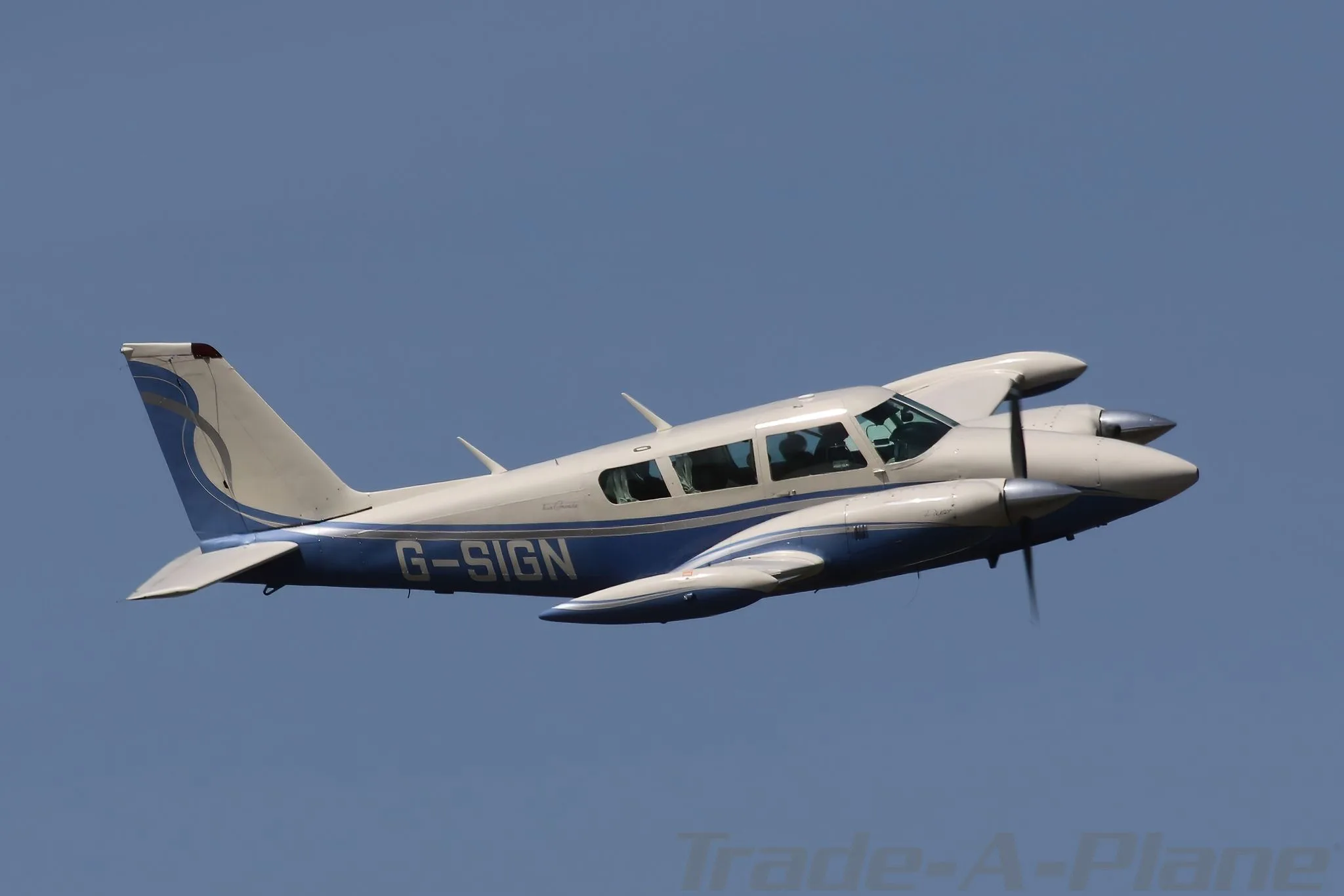
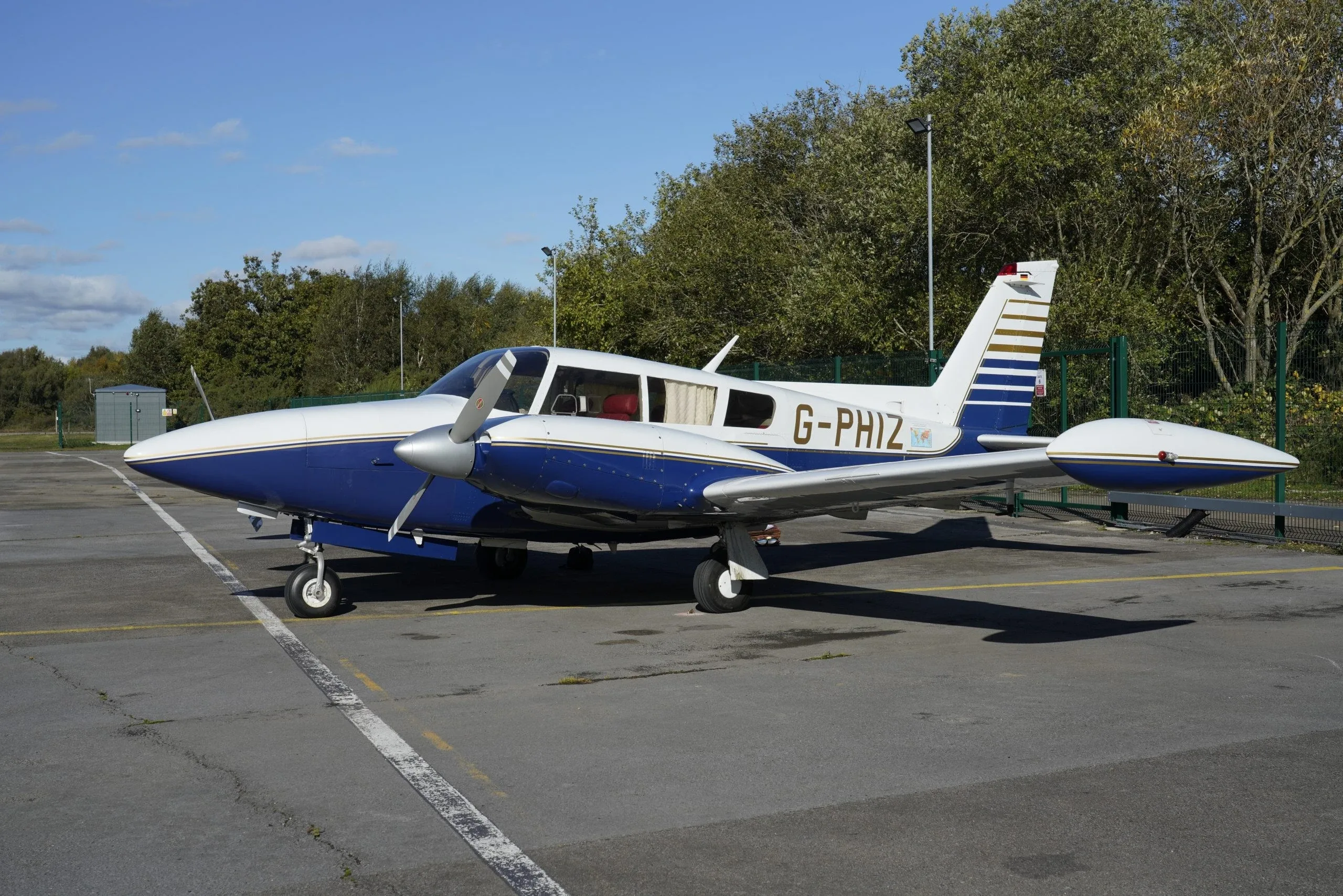
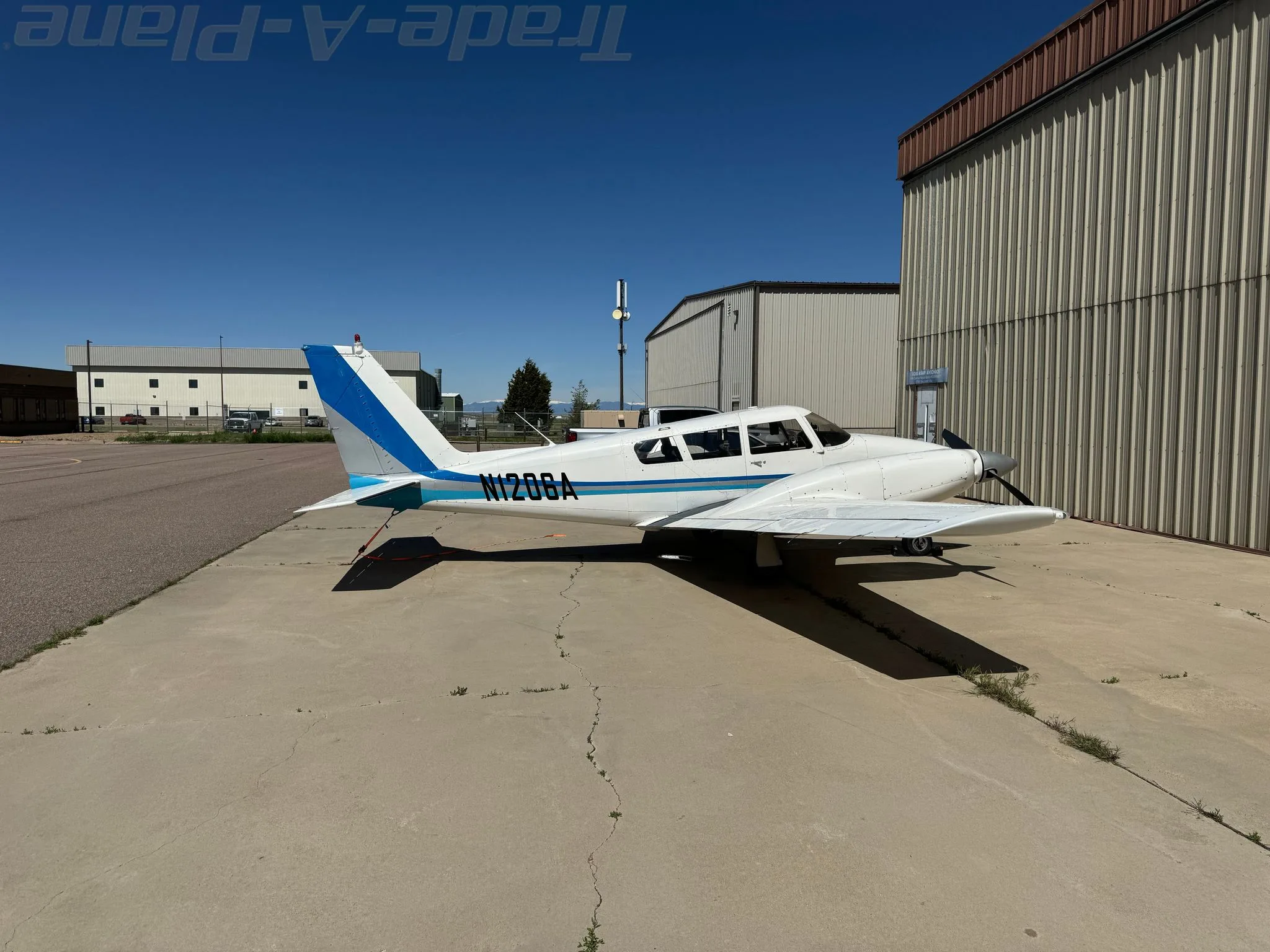
Free — save the 30 to your watchlist and track it in one place.
More Piper PA-39 Twin Comanche C/Rmanuals & documents
See all 21 →- SERVICE BULLETIN NO. 1160AService Bulletins
- AAIB Bulletin: 2/2018Other Documents
- EL-82 1 February 2017Supplemental Type Certificate
- Eligibility ListSupplemental Type Certificate
- Type Acceptance ReportOther Documents
- Piper Twin Comanche Service ManualPilot's Operating Handbook
- SERVICE BULLETIN No. 1026Service Bulletins
- Piper Twin Comanche Service ManualWeight & Balance
- SERVICE SPARES LETTER NO. 406Service Bulletins
- PIPER PA-30 AND PA-39 TWIN COMANCHE PARTS CATALOGV Speeds Reference
- PIPER TWIN COMANCHE SERVICE MANUALWiring Diagrams
- Service Letter No. 850Weight & Balance
Related documents
- Piper PA-30 Twin Comanche Model GuidePiper PA-30 Twin Comanche · Model Guide
- PIPER Twin Comanche PA-30 Model GuidePIPER Twin Comanche PA-30 · Model Guide
- Piper PA-24 Comanche Model GuidePiper PA-24 Comanche · Model Guide
- PIPER PA-30 Twin Comanche - 1964Piper PA-30 Twin Comanche · Performance Data
- PIPER PA-30/39 Twin ComanchePiper PA-30 Twin Comanche · Systems Description
If you fly the Piper PA-39 Twin Comanche C/R, you may also be researching these.


In this document
Heritage and production
The PA-30 Twin Comanche was introduced in 1963, derived from the PA-24-400 Comanche with two 160 hp engines. The C was the last PA-30 variant, in 1969. The PA-39 C/R followed as the final production version. Production was 2000 PA-30s and only 155 PA-39s.
Engines and propellers
Type data for the PA-30/PA-39 series lists Lycoming IO-320-B1A engines and Hartzell HC-E2YL-2 series propellers. A replacement counter-rotating kit uses 70-inch two-bladed props. It is 2 pounds heavier per aircraft and replaces 72-inch props with a 2000 hour / 5 year TBO.
Documents to check
The original Piper Pilot's Operating Manual (761 453) was issued in June 1970. Revisions added a propeller synchrophaser and a fuel pump revision. The FAA-approved flight manual must stay in the airplane. The service manual (753 645) and parts catalog (753 646) cover the PA-39, so confirm the paperwork is current.
Summary written by AI from the source document. Check the original before relying on it. See which parts of Sprinkle are written by AI.
Safety notes
- Piper considers Service Bulletin 1026 compliance mandatory. A failed vacuum pump coupling can cause loss of vacuum instruments. Due before next IFR flight, within ten hours or sixty days.
- The operating manual is not a substitute for flight instruction, and it is not a transition guide from single-engine to multi-engine flying.
- The owner is responsible for airworthiness. Keep the flight manual current, because the approved flight manual governs over other manual information.
Summary written by AI from the source document. Check the original before relying on it. See which parts of Sprinkle are written by AI.
Full document text
Piper PA-39 Twin Comanche C/R Model Guide The Piper PA-39 Twin Comanche C/R is a twin-engine piston airplane built from 1970 to 1972, with 4 to 6 seats. It was the final production Twin Comanche, with counter-rotating propellers and handed engines. Only 155 were built (serials 39-1 through 39-155). Gross weight is 3600 pounds, in the Normal category. • Final Twin Comanche version: counter-rotating props and handed engines. Only 155 PA-39s were built, against 2000 PA-30s. • Gross weight is 3600 pounds. The airplane is certified in the Normal category only. • Service Bulletin 1026 (vacuum pump flexible coupling) lists serials 39-1 through 39-155. Confirm it was done. • A 70-inch Hartzell replacement propeller kit lists the PA-39 as applicable, with a 2400 hour / 6 year TBO. Heritage and production The PA-30 Twin Comanche was introduced in 1963, derived from the PA-24-400 Comanche with two 160 hp engines. The C was the last PA-30 variant, in 1969. The PA-39 C/R followed as the final production version. Production was 2000 PA-30s and only 155 PA-39s. Engines and propellers Type data for the PA-30/PA-39 series lists Lycoming IO-320-B1A engines and Hartzell HC-E2YL-2 series propellers. A replacement counter-rotating kit uses 70-inch two-bladed props. It is 2 pounds heavier per aircraft and replaces 72-inch props with a 2000 hour / 5 year TBO. Documents to check The original Piper Pilot's Operating Manual (761 453) was issued in June 1970. Revisions added a propeller synchrophaser and a fuel pump revision. The FAA-approved flight manual must stay in the airplane. The service manual (753 645) and parts catalog (753 646) cover the PA-39, so confirm the paperwork is current. Safety notes: • Piper considers Service Bulletin 1026 compliance mandatory. A failed vacuum pump coupling can cause loss of vacuum instruments. Due before next IFR flight, within ten hours or sixty days. • The operating manual is not a substitute for flight instruction, and it is not a transition guide from single-engine to multi-engine flying. • The owner is responsible for airworthiness. Keep the flight manual current, because the approved flight manual governs over other manual information.