Piper PA-31 Navajo Model Guide
Piper PA-31 Navajo · Model Guide
Overview
The Piper PA-31 Navajo is a twin-engine piston aircraft built from 1967 to 1984, with 6 to 10 seats. Registry data for the PA-31 family (PA-31, PA-31-300, PA-31-325, PA-31-350) shows up to 880 nm range, 183 kt cruise, 3100 kg MTOW, 8 passengers and a 24000 ft ceiling. These are family maxima, not figures for one variant. Confirm the airplane's own flight manual and weight and balance report.
- Twin piston, built 1967-1984, seats 6 to 10. The family includes PA-31, PA-31-300, PA-31-325 and PA-31-350 variants.
- One operator sheet lists max takeoff weight 6500 lbs, usable fuel 242 gal and 350 hp rated per engine at max continuous.
- AD 2003-24-07 requires a rudder torque tube corrosion inspection every 12 months. AD 82-16-05 requires exhaust coupling inspection every 100 hrs.
- Two investigated accidents involved fuel exhaustion. Check fuel planning habits and the fuel system's condition.
Summary written by AI from the source document. Check the original before relying on it. See which parts of Sprinkle are written by AI.
Reference only, not for flight. Use the current approved manual for your aircraft. See terms, section 5.
Document
Source
Copy found at sprinkle.com. Sprinkle hosts a reference copy with an added summary, specifications and searchable full text.
Document details
- Type ·
- Model Guide
- Year ·
- 2026
- File size ·
- 50 KB
- Copy found at ·
- sprinkle.com
Specifications & performance
Extracted from this document.
Specifications
- Usable fuel (gal) ·
- 242
- Engine rated power (hp) ·
- 350
- Total fuel capacity (gal) ·
- 246
Performance
- Max crosswind (kt) ·
- 20
- Family max range (nm) ·
- 880
- Family max cruise speed (kt) ·
- 183
- Family max service ceiling (ft) ·
- 24,000
V-speeds
- VA_KTS ·
- 155
- VX_KTS ·
- 85
- VY_KTS ·
- 100
- VNE_KTS ·
- 230
- VNO_KTS ·
- 180
- VSO_KTS ·
- 70
- VMCA_KTS ·
- 78
- VYSE_KTS ·
- 106
Weight & balance
- Baggage aft max (lb) ·
- 200
- Max takeoff weight (lb) ·
- 6,500
- Baggage forward max (lb) ·
- 150
- Nacelle baggage each max (lb) ·
- 150
How many people does the Piper PA-31 Navajo seat?
The Piper PA-31 Navajo is listed with 6 to 10 seats. Registry data for the wider PA-31 family shows up to 8 passengers. Confirm the layout of the specific airplane.
What fuel does the Piper PA-31 Navajo use and how much does it carry?
An operator evaluation sheet for a Navajo Panther PA-31 lists 100/130 fuel, 246 gal total and 242 gal usable. Verify the figures for the specific Piper PA-31 Navajo you are considering.
Which airworthiness items matter most on a Piper PA-31 Navajo?
For the Piper PA-31 Navajo, ask for records of the rudder torque tube corrosion inspection (AD 2003-24-07, every 12 months) and the exhaust coupling inspection (AD 82-16-05, every 100 hrs). Also check engine serials against emergency AD 2002-04-51.
What is the Piper PA-31 Navajo Model Guide?
The Piper PA-31 Navajo Model Guide is a model guide for the Piper PA-31 Navajo, dated 2026.
What year was the Piper PA-31 Navajo Model Guide published?
The Piper PA-31 Navajo Model Guide — the Piper PA-31 Navajo model guide on file — is dated 2026.
Common. More common than 97% of the aircraft models we track.
Most owners only have the POH. Here's the essential set for the Piper PA-31 Navajo.
- Pilot's Operating Handbook / AFM
- Checklist
- Maintenance Manual
- Parts Catalog (IPC)
- Systems & Wiring
- Service Bulletins on file
- Type Certificate (TCDS)
Piper PA-31 Navajo for sale now
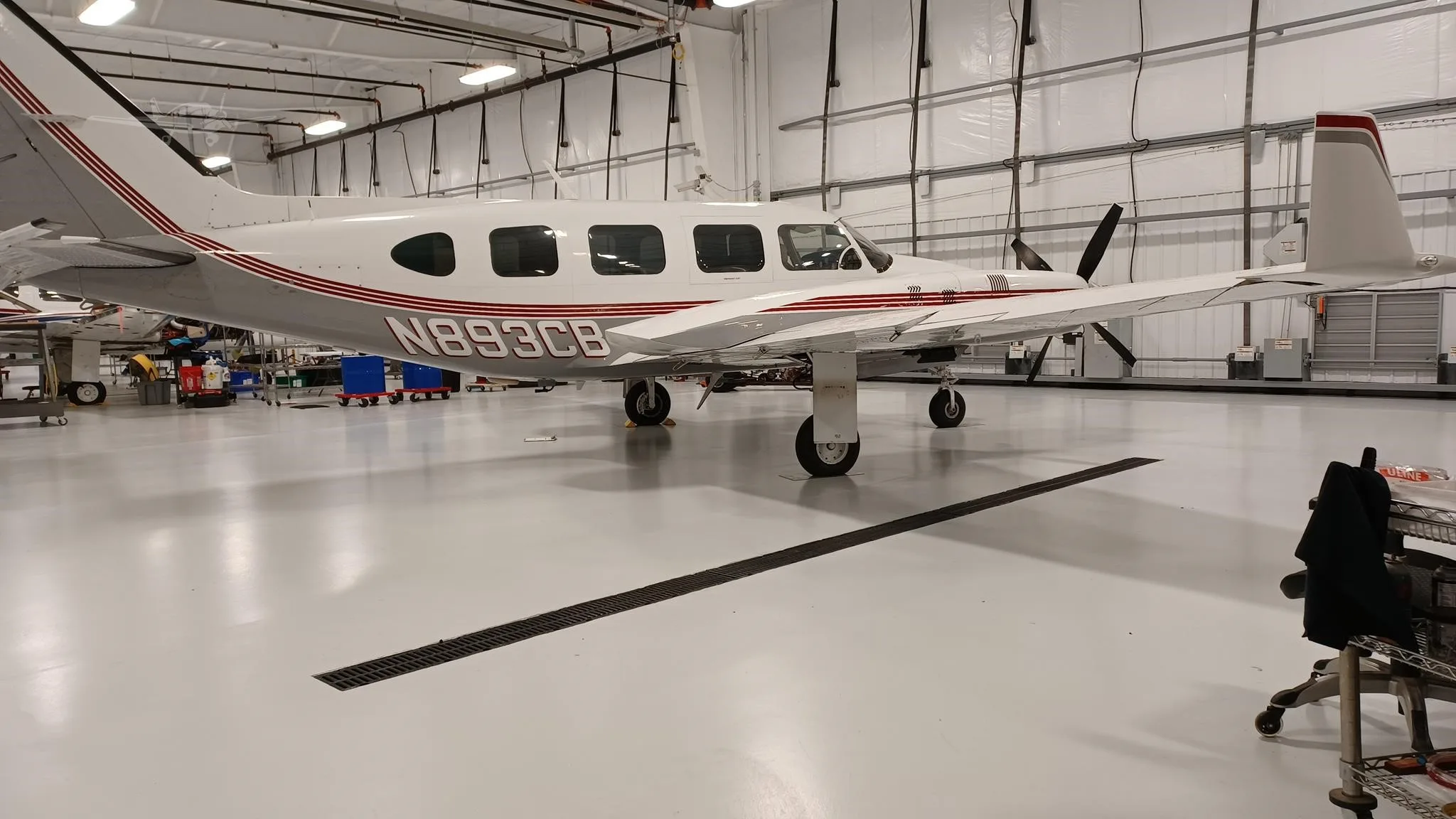
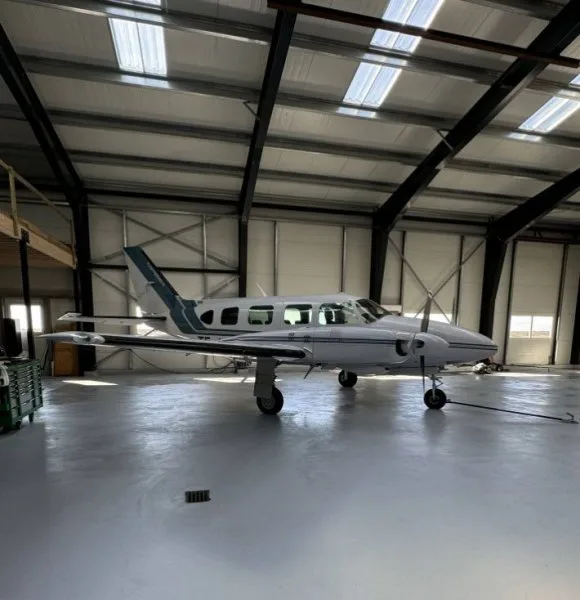
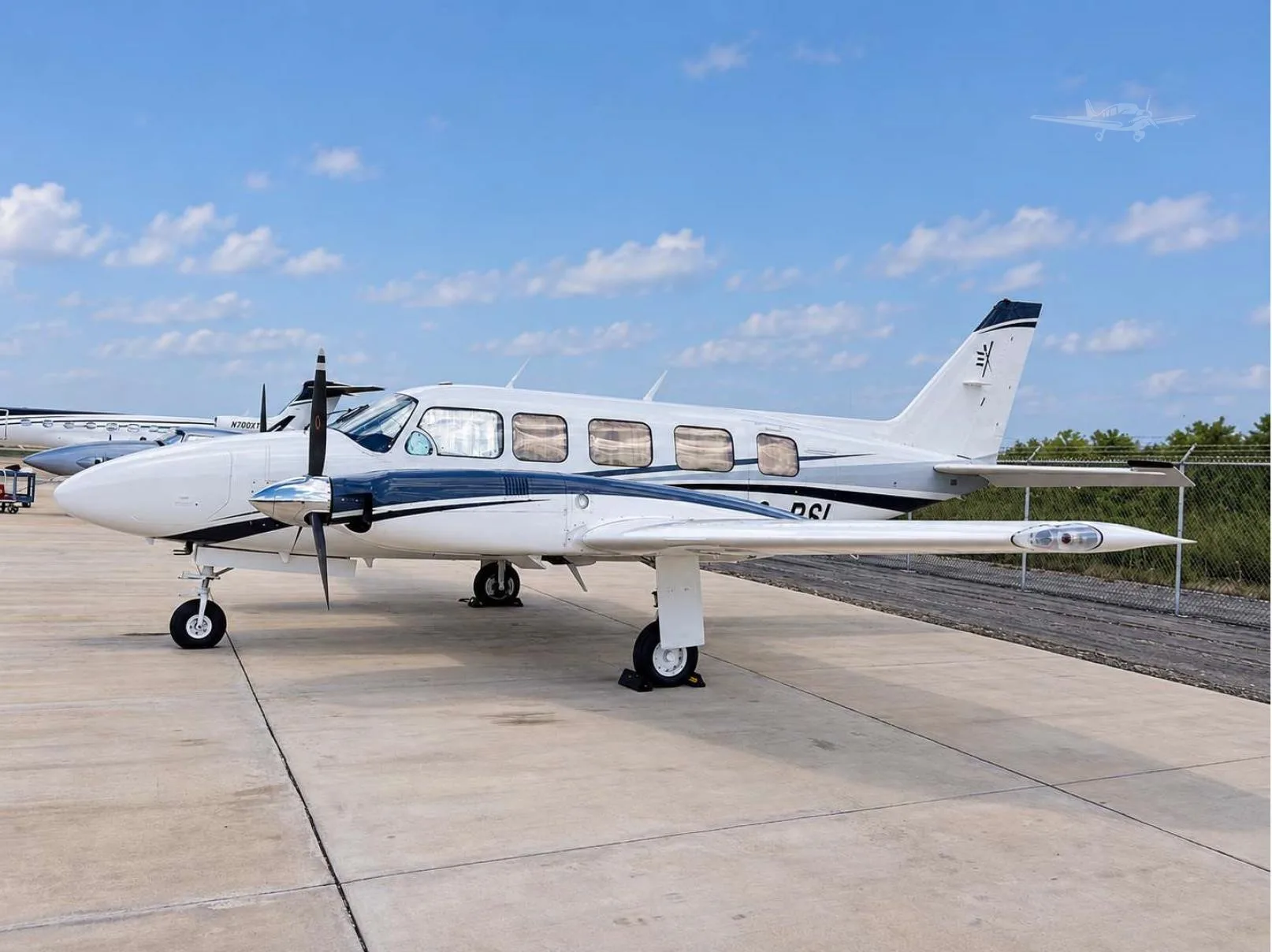
Free — save the PA-31 to your watchlist and track it in one place.
More Piper PA-31 Navajomanuals & documents
- Reality Expansion PackAvionics Manual
- Accident to the Piper PA-31 ”Navajo” registered F-HGPSOther Documents
- AAIB Bulletin: 3/2019 N250ACOther Documents
- Master Minimum Equipment List Supplement to Piper Aircraft PA-31, PA-31-300, 325, 350Checklist
- AAIB Bulletin: 4/2011 N80HFOther Documents
- PIPER PA-31-310/325 NavajoSystems Description
- AIRWORTHINESS DIRECTIVEAirworthiness Directives
- EMERGENCY AIRWORTHINESS DIRECTIVEAirworthiness Directives
- Wiring Diagram for Piper PA-31 NavajoWiring Diagrams
- Pilot's Operating HandbookPilot's Operating Handbook
- Normal Procedures for the Piper PA-31 NavajoNormal Procedures
- PIPER NAVAJO PANTHER PA - 31Normal Procedures
Related documents
- Piper PA-31P Pressurized Navajo Model GuidePiper PA-31P Pressurized Navajo · Model Guide
- Piper PA-31 Navajo Chieftain Model GuidePiper PA-31 Navajo Chieftain · Model Guide
- Pilot's Operating HandbookPiper PA-31 Navajo · Pilot's Operating Handbook
- Normal Procedures for the Piper PA-31 NavajoPiper PA-31 Navajo · Normal Procedures
- Piper Pressurized NavajoPiper PA-31P Pressurized Navajo · Pilot's Operating Handbook
If you fly the Piper PA-31 Navajo, you may also be researching these.


In this document
Family figures and paperwork
Registry figures cover the whole PA-31 family: up to 880 nm range, 183 kt cruise, 3100 kg MTOW, up to 8 passengers and a 24000 ft service ceiling. These are maxima across variants. The Piper operating manual (issued September 1970) says it is incomplete without the FAA-approved flight manual and a weight and balance report. The flight manual is the authority if the two disagree.
Limits from an operator sheet
An evaluation sheet for a Navajo Panther PA-31 lists Vne 230, Vno 180, Vmca 78, Vso 70 and Vyse 106 KIAS. It gives max takeoff 6500 lbs, 100/130 fuel, 246 gal total (242 usable), baggage 150 lbs forward and 200 lbs aft, and 150 lbs per nacelle. Max crosswind is 20 kt. Spins are not approved. Check these against the specific airplane's own manual.
What to inspect and ask for
Ask for proof of compliance with AD 2003-24-07 (CASA AD/PA-31/130): rudder torque tube and rib corrosion, an area with no inspection access or drain, with a risk of losing rudder control. Also ask about AD 82-16-05 (exhaust V-band couplings, every 100 hrs). Emergency AD 2002-04-51 required crankshaft removal on listed TIO-540/LTIO-540 engines of 300 hp or higher, so check the engine serial numbers.
Summary written by AI from the source document. Check the original before relying on it. See which parts of Sprinkle are written by AI.
Safety notes
- Fuel exhaustion: F-HGPS (2018) ran out of fuel. N80HF (2010) lost both engines, with no fuel leak found and higher-than-planned consumption.
- N250AC (1976) had pitch control problems and the elevator trim was found significantly nose-down. Trim runaway was a possible scenario, so check trim and autopilot condition.
- Engine failure above 83 KIAS on takeoff (sheet): feather the dead engine, gear up, bank 5° into the operating engine, accelerate to 88 KIAS.
Summary written by AI from the source document. Check the original before relying on it. See which parts of Sprinkle are written by AI.
Full document text
Piper PA-31 Navajo Model Guide The Piper PA-31 Navajo is a twin-engine piston aircraft built from 1967 to 1984, with 6 to 10 seats. Registry data for the PA-31 family (PA-31, PA-31-300, PA-31-325, PA-31-350) shows up to 880 nm range, 183 kt cruise, 3100 kg MTOW, 8 passengers and a 24000 ft ceiling. These are family maxima, not figures for one variant. Confirm the airplane's own flight manual and weight and balance report. • Twin piston, built 1967-1984, seats 6 to 10. The family includes PA-31, PA-31-300, PA-31-325 and PA-31-350 variants. • One operator sheet lists max takeoff weight 6500 lbs, usable fuel 242 gal and 350 hp rated per engine at max continuous. • AD 2003-24-07 requires a rudder torque tube corrosion inspection every 12 months. AD 82-16-05 requires exhaust coupling inspection every 100 hrs. • Two investigated accidents involved fuel exhaustion. Check fuel planning habits and the fuel system's condition. Family figures and paperwork Registry figures cover the whole PA-31 family: up to 880 nm range, 183 kt cruise, 3100 kg MTOW, up to 8 passengers and a 24000 ft service ceiling. These are maxima across variants. The Piper operating manual (issued September 1970) says it is incomplete without the FAA-approved flight manual and a weight and balance report. The flight manual is the authority if the two disagree. Limits from an operator sheet An evaluation sheet for a Navajo Panther PA-31 lists Vne 230, Vno 180, Vmca 78, Vso 70 and Vyse 106 KIAS. It gives max takeoff 6500 lbs, 100/130 fuel, 246 gal total (242 usable), baggage 150 lbs forward and 200 lbs aft, and 150 lbs per nacelle. Max crosswind is 20 kt. Spins are not approved. Check these against the specific airplane's own manual. What to inspect and ask for Ask for proof of compliance with AD 2003-24-07 (CASA AD/PA-31/130): rudder torque tube and rib corrosion, an area with no inspection access or drain, with a risk of losing rudder control. Also ask about AD 82-16-05 (exhaust V-band couplings, every 100 hrs). Emergency AD 2002-04-51 required crankshaft removal on listed TIO-540/LTIO-540 engines of 300 hp or higher, so check the engine serial numbers. Safety notes: • Fuel exhaustion: F-HGPS (2018) ran out of fuel. N80HF (2010) lost both engines, with no fuel leak found and higher-than-planned consumption. • N250AC (1976) had pitch control problems and the elevator trim was found significantly nose-down. Trim runaway was a possible scenario, so check trim and autopilot condition. • Engine failure above 83 KIAS on takeoff (sheet): feather the dead engine, gear up, bank 5° into the operating engine, accelerate to 88 KIAS.