Piper PA-31P Pressurized Navajo Model Guide
Piper PA-31P Pressurized Navajo · Model Guide
Overview
The Piper PA-31P Pressurized Navajo is a pressurized piston twin built from 1970 to 1981 per the library record, with 6 to 8 seats. It uses a swept Navajo Chieftain fuselage and two geared, turbocharged Lycoming TIGO-541 engines. The Pipers article calls it the heaviest, most powerful piston Piper ever built. It is a capable but costly airplane to run.
- Gross weight is 7800 lb, with a cabin 50 inches wide and 50 inches tall, and 6 to 8 seats.
- Each Lycoming TIGO-541-E1A is rated 425 hp, but TBO is only 1200 hours, so engine condition drives the price.
- Fuel burn is about 90 gph at full power and 58 gph at high cruise; capacity is up to 242 gallons.
- Check logbooks for Piper Service Bulletin 991A (alternator-out light fuse), which the FAA has asked owners about.
Summary written by AI from the source document. Check the original before relying on it. See which parts of Sprinkle are written by AI.
Reference only, not for flight. Use the current approved manual for your aircraft. See terms, section 5.
Document
Source
Copy found at sprinkle.com. Sprinkle hosts a reference copy with an added summary, specifications and searchable full text.
Document details
- Type ·
- Model Guide
- Year ·
- 2026
- File size ·
- 50 KB
- Copy found at ·
- sprinkle.com
Specifications & performance
Extracted from this document.
Specifications
- Engine power (hp) ·
- 425
- Fuel capacity (gal) ·
- 242
- Cabin width (in) ·
- 50
- Cabin height (in) ·
- 50
- Manifold pressure (in) ·
- 45
Performance
- Fuel flow full power (gph) ·
- 90
- Fuel flow high cruise (gph) ·
- 58
Weight & balance
- Max takeoff weight (lb) ·
- 7,800
What engines does the Piper PA-31P Pressurized Navajo use?
The Piper PA-31P Pressurized Navajo uses two six-cylinder, geared, turbocharged, fuel-injected Lycoming TIGO-541-E1A engines. Each is rated 425 hp at 45 inches of manifold pressure and 2133 propeller rpm.
How much fuel does it burn?
The Piper PA-31P Pressurized Navajo burns about 90 gph at full power and about 58 gph at high cruise, according to the Pipers magazine article. It can carry up to 242 gallons.
What is the engine TBO?
The Piper PA-31P Pressurized Navajo has a TBO of 1200 hours, which the Pipers article calls the shortest of any semi-modern engine. Check overhaul records and who did the work.
Is there a service bulletin to check?
Yes. For the Piper PA-31P Pressurized Navajo, check that Piper Service Bulletin 991A (alternator-out light fuse, P/N 461-643) was done and logged. It was due within 100 hours of the next inspection.
What is the Piper PA-31P Pressurized Navajo Model Guide?
The Piper PA-31P Pressurized Navajo Model Guide is a model guide for the Piper PA-31P Pressurized Navajo, dated 2026.
What year was the Piper PA-31P Pressurized Navajo Model Guide published?
The Piper PA-31P Pressurized Navajo Model Guide — the Piper PA-31P Pressurized Navajo model guide on file — is dated 2026.
Common. More common than 97% of the aircraft models we track.
Most owners only have the POH. Here's the essential set for the Piper PA-31P Pressurized Navajo.
- Pilot's Operating Handbook / AFM
- Checklist
- Maintenance Manual
- Parts Catalog (IPC)
- Systems & Wiring
- Service Bulletins on file
- Type Certificate (TCDS)
Piper PA-31P Pressurized Navajo for sale now
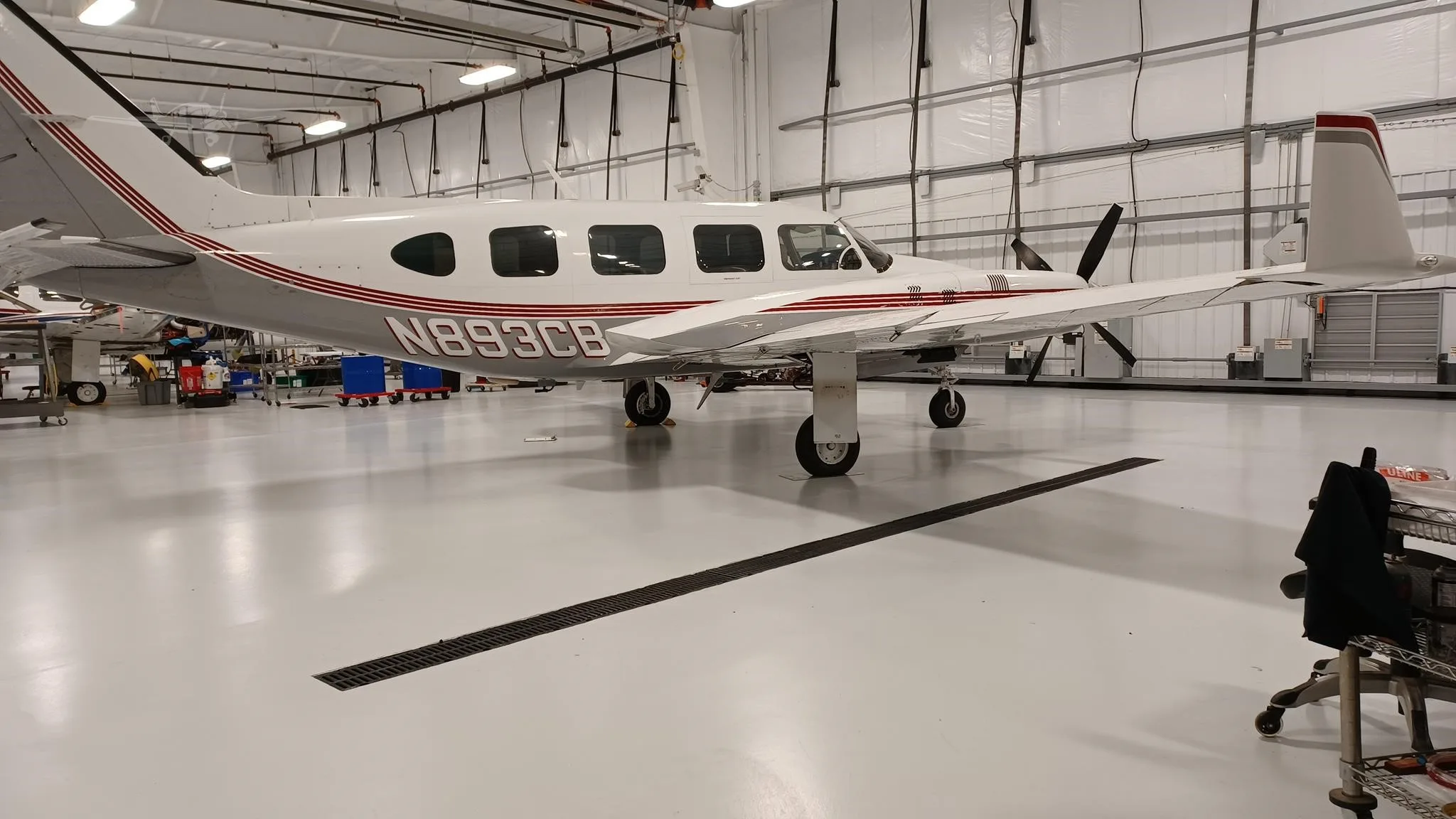
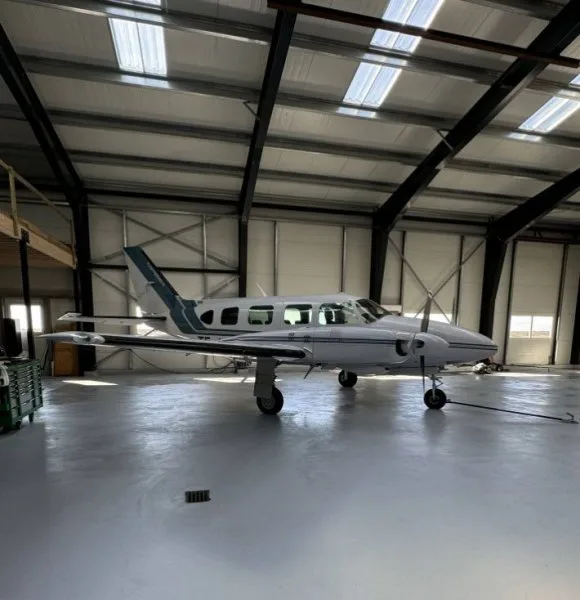
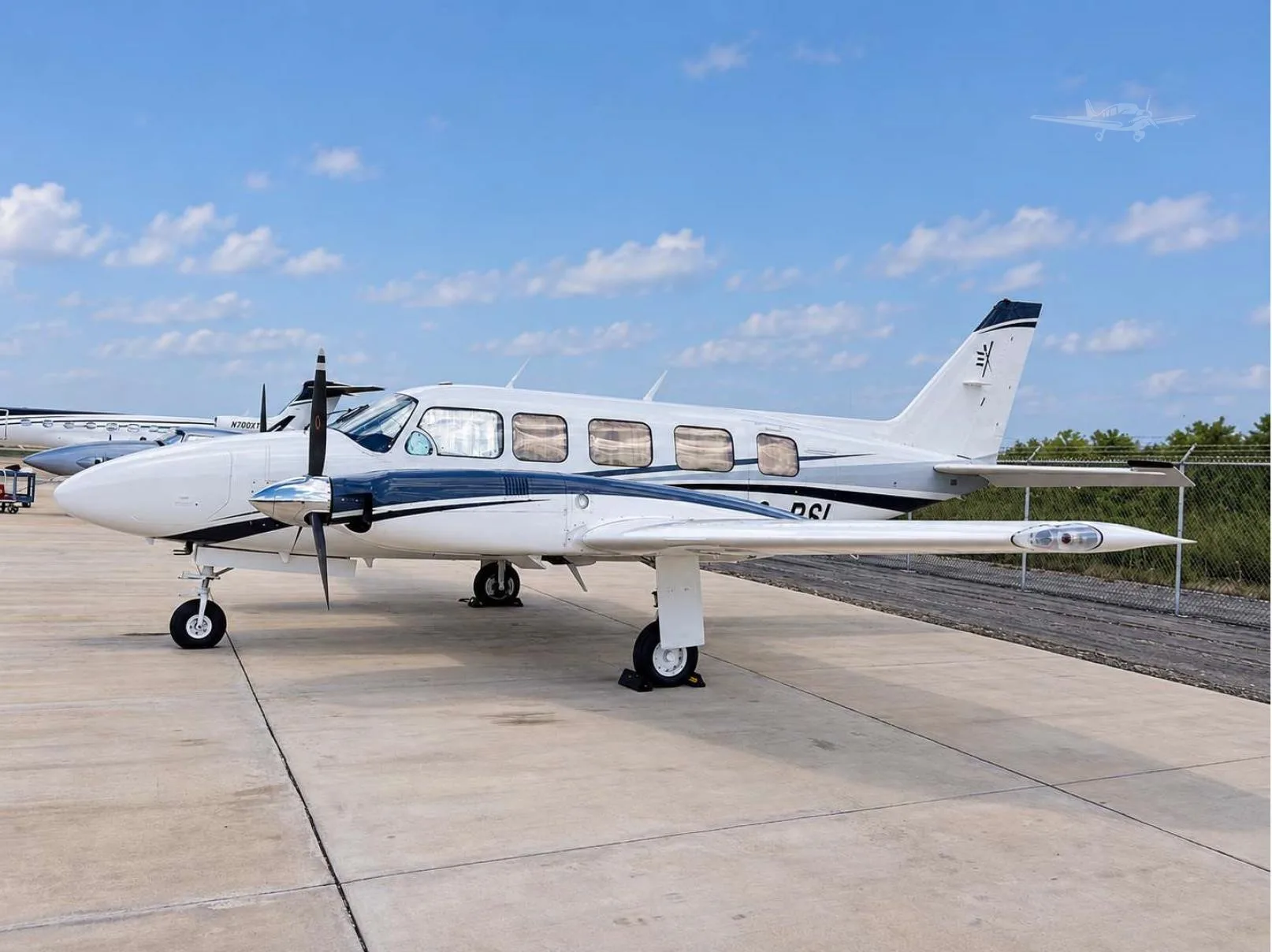
Free — save the PA-31 to your watchlist and track it in one place.
More Piper PA-31P Pressurized Navajomanuals & documents
- Customer Service Information FileChecklist
- CUSTOMER SERVICE INFORMATION FILEAvionics Manual
- Airworthiness Concern SheetOther Documents
- PMA Application and Pump Cross ReferenceParts Catalog
- TOP PROP PERFORMANCE CONVERSIONSSpecifications
- REAR HEATER INSTALLATION INSTRUCTIONS FOR HEATER KIT, P/N CD12031K9Weight & Balance
- Piper Pressurized NavajoPilot's Operating Handbook
- SERVICE BULLETIN NO. 991AService Bulletins
- PIPER PARTS CATALOGChecklist
- Performance Data for the Piper PA-31P Pressurized NavajoPerformance Data
- Technical Sheet: Piper PA-31-310/325: Navajo, Navajo CRSpecifications
Related documents
- Piper PA-31 Navajo Model GuidePiper PA-31 Navajo · Model Guide
- Piper PA-31 Navajo Chieftain Model GuidePiper PA-31 Navajo Chieftain · Model Guide
- Piper Pressurized NavajoPiper PA-31P Pressurized Navajo · Pilot's Operating Handbook
- Pilot's Operating HandbookPiper PA-31 Navajo · Pilot's Operating Handbook
- PIPER PA-31-350 Chieftain Model GuidePIPER PA-31-350 Chieftain · Model Guide
If you fly the Piper PA-31P Pressurized Navajo, you may also be researching these.


In this document
Engines: the main cost risk
The Pipers article calls the engines the Achilles heel. TBO is 1200 hours, described as the shortest of any semi-modern engine, and no other production aircraft used the TIGO-541. The article's owner said the only shop other than Lycoming that he knew was authorized to overhaul them was Victor Aviation. Ask for overhaul records.
Size, fuel and hangar needs
The airplane carries up to 242 gallons of fuel. Oil capacity is 18 quarts per side. Wingspan is nearly 41 feet and the tail is more than 13 feet high, so it normally needs a community hangar or a very large individual one. The article's owner says it is very expensive to maintain and operate.
Family context (not this variant)
The registry family record for the PA-31 (variants PA-31, PA-31-300, PA-31-325, PA-31-350) shows figures of up to 880 nm range, 183 kt cruise, 24000 ft service ceiling and 8 passengers. These are family maximums, not PA-31P figures. Confirm the PA-31P's numbers in its own flight manual.
Summary written by AI from the source document. Check the original before relying on it. See which parts of Sprinkle are written by AI.
Safety notes
- Lycoming warns the engines have a dynamic counterweight system: avoid high rpm with low manifold pressure and move the throttle smoothly, not rapidly.
- SB 991A: a failed alternator-out light solid state switch can release smoke. Fix is fuse P/N 461-643; PA-31P serials 31P-3 to 31P-80 and 31P-7300110 to 7730012 are affected.
- The FAA's October 2021 Airworthiness Concern Sheet asks owners whether SB 991A was done; it noted a related smoke event in another Piper model. Verify the logbook entry.
Summary written by AI from the source document. Check the original before relying on it. See which parts of Sprinkle are written by AI.
Full document text
Piper PA-31P Pressurized Navajo Model Guide The Piper PA-31P Pressurized Navajo is a pressurized piston twin built from 1970 to 1981 per the library record, with 6 to 8 seats. It uses a swept Navajo Chieftain fuselage and two geared, turbocharged Lycoming TIGO-541 engines. The Pipers article calls it the heaviest, most powerful piston Piper ever built. It is a capable but costly airplane to run. • Gross weight is 7800 lb, with a cabin 50 inches wide and 50 inches tall, and 6 to 8 seats. • Each Lycoming TIGO-541-E1A is rated 425 hp, but TBO is only 1200 hours, so engine condition drives the price. • Fuel burn is about 90 gph at full power and 58 gph at high cruise; capacity is up to 242 gallons. • Check logbooks for Piper Service Bulletin 991A (alternator-out light fuse), which the FAA has asked owners about. Engines: the main cost risk The Pipers article calls the engines the Achilles heel. TBO is 1200 hours, described as the shortest of any semi-modern engine, and no other production aircraft used the TIGO-541. The article's owner said the only shop other than Lycoming that he knew was authorized to overhaul them was Victor Aviation. Ask for overhaul records. Size, fuel and hangar needs The airplane carries up to 242 gallons of fuel. Oil capacity is 18 quarts per side. Wingspan is nearly 41 feet and the tail is more than 13 feet high, so it normally needs a community hangar or a very large individual one. The article's owner says it is very expensive to maintain and operate. Family context (not this variant) The registry family record for the PA-31 (variants PA-31, PA-31-300, PA-31-325, PA-31-350) shows figures of up to 880 nm range, 183 kt cruise, 24000 ft service ceiling and 8 passengers. These are family maximums, not PA-31P figures. Confirm the PA-31P's numbers in its own flight manual. Safety notes: • Lycoming warns the engines have a dynamic counterweight system: avoid high rpm with low manifold pressure and move the throttle smoothly, not rapidly. • SB 991A: a failed alternator-out light solid state switch can release smoke. Fix is fuse P/N 461-643; PA-31P serials 31P-3 to 31P-80 and 31P-7300110 to 7730012 are affected. • The FAA's October 2021 Airworthiness Concern Sheet asks owners whether SB 991A was done; it noted a related smoke event in another Piper model. Verify the logbook entry.